Executive Summary

Key Takeaways
- Selank produces anxiolytic effects comparable to benzodiazepines without sedation, tolerance, or withdrawal
- Clinical trial data show HARS score reductions from 32 to 15 over 8 weeks; 40% of patients respond within 1-3 days
- The peptide modulates GABA, serotonin, dopamine, and enkephalin systems simultaneously
- Cognitive enhancement demonstrated in animal models through BDNF upregulation and monoamine modulation
- Immunomodulatory effects include IL-6 suppression in anxious patients and changes in 35+ immune-related genes
Selank (TP-7, Thr-Lys-Pro-Arg-Pro-Gly-Pro) is a synthetic heptapeptide developed at the Institute of Molecular Genetics of the Russian Academy of Sciences in collaboration with the V.V. Zakusov Research Institute of Pharmacology. Designed as a stabilized analog of the naturally occurring immunopeptide tuftsin, Selank has demonstrated pronounced anxiolytic, nootropic, and immunomodulatory properties across multiple preclinical and clinical investigations. The compound received regulatory approval in Russia as a prescription anxiolytic nasal spray and continues to attract international research interest for its unique combination of mood-stabilizing, cognitive-enhancing, and immune-balancing activities.
What distinguishes Selank from conventional anxiolytic medications is its multi-target mechanism of action. Unlike benzodiazepines, which act primarily through direct allosteric modulation of GABA-A receptors, Selank operates through several overlapping neurochemical pathways. These include indirect modulation of GABAergic neurotransmission via gene expression changes, inhibition of enkephalin-degrading enzymes, modulation of serotonergic and dopaminergic systems, upregulation of brain-derived neurotrophic factor (BDNF), and regulation of inflammatory cytokine expression. This multi-pathway approach helps explain why Selank produces anxiolytic effects comparable to benzodiazepines without the characteristic downsides of sedation, cognitive impairment, tolerance development, or withdrawal symptoms.
Clinical trials in patients with generalized anxiety disorder (GAD) and neurasthenia have produced encouraging results. In a controlled study of 62 patients, Selank demonstrated anxiolytic efficacy comparable to medazepam, a benzodiazepine, while also producing antiasthenic and psychostimulant effects that the benzodiazepine did not. Approximately 40% of patients showed rapid response within the first 1 to 3 days, with Hamilton Anxiety Rating Scale (HARS) scores dropping from a mean of 20.3 to 7.0 by day 3 in rapid responders. By day 14, clinically meaningful reductions from 16.1 to 6.2 were observed across the broader patient population. Separate comparisons with phenazepam, another benzodiazepine, confirmed similar therapeutic efficacy with substantially better tolerability.
The cognitive enhancement properties of Selank have attracted attention from the nootropic research community. Animal studies have demonstrated that Selank can improve learning in subjects with initially poor learning ability after a single dose. These effects appear to be mediated through modulation of monoamine neurotransmitter metabolism (serotonin, dopamine, and norepinephrine) and BDNF expression in the hippocampus, a region central to memory consolidation and emotional regulation. The peptide's ability to simultaneously reduce anxiety while enhancing cognitive performance makes it unusual among anxiolytic compounds, which typically impair cognition.
Selank's immunomodulatory profile traces back to its parent molecule, tuftsin, which is itself a well-characterized stimulator of phagocytic cell function. Clinical studies have demonstrated that Selank modulates IL-6 levels in patients with anxiety-depressive symptoms while leaving cytokine profiles in healthy subjects largely unchanged. Animal studies have documented broad effects on immune gene expression, with changes in mRNA levels of 35 genes encoding chemokines, cytokines, and their receptors observed within hours of a single injection. These immune effects position Selank at the intersection of psychoneuroimmunology, where the bidirectional communication between the brain and immune system is increasingly recognized as a therapeutic target.
For researchers and clinicians interested in peptide-based therapeutics, Selank represents a compelling case study in rational drug design. The addition of a Pro-Gly-Pro tripeptide tail to tuftsin's Thr-Lys-Pro-Arg core sequence dramatically improved metabolic stability while preserving and extending the parent molecule's biological activities. This approach, which emerged from decades of Russian peptide pharmacology research, illustrates how structural modifications can transform short-lived endogenous peptides into therapeutically viable compounds. The peptide's favorable safety profile, absence of addictive potential, and multi-target activity profile make it a subject of growing interest in Western research settings, even as the evidence base continues to be built through additional controlled trials and mechanistic studies.
Key Findings
- Selank produces anxiolytic effects comparable to benzodiazepines without sedation, tolerance, or withdrawal
- Clinical trial data show HARS score reductions from 32 to 15 over 8 weeks; 40% of patients respond within 1-3 days
- The peptide modulates GABA, serotonin, dopamine, and enkephalin systems simultaneously
- Cognitive enhancement demonstrated in animal models through BDNF upregulation and monoamine modulation
- Immunomodulatory effects include IL-6 suppression in anxious patients and changes in 35+ immune-related genes
- Approved in Russia as a 0.15% intranasal spray for generalized anxiety disorder
Clinical Significance in the Current Treatment Landscape
Anxiety disorders are the most prevalent class of psychiatric conditions worldwide, affecting an estimated 301 million people globally according to WHO data. The treatment landscape for these conditions has remained largely static for decades, relying primarily on two medication classes: benzodiazepines for acute relief and selective serotonin reuptake inhibitors (SSRIs) for long-term management. Each class carries well-documented limitations that leave substantial room for therapeutic innovation.
Benzodiazepines provide rapid, effective anxiolysis but carry risks of sedation, cognitive impairment, tolerance, physical dependence, and a withdrawal syndrome that can include life-threatening seizures. These risks have led to increasingly restrictive prescribing guidelines, with many healthcare systems now limiting benzodiazepine prescriptions to short courses or recommending against them entirely for certain patient populations. The result is a treatment gap: patients who need rapid anxiety relief but cannot or should not take benzodiazepines have few alternatives. Buspirone, the only marketed non-benzodiazepine anxiolytic that acts through the serotonin system, has modest efficacy and a slow onset of action that limits its utility for acute anxiety.
SSRIs address some of the limitations of benzodiazepines - they don't produce sedation, tolerance, or dependence in the benzodiazepine sense - but they have their own set of problems. Onset of action typically requires 2-4 weeks, during which patients may experience a paradoxical increase in anxiety. Sexual dysfunction affects 40-70% of SSRI users and is a major driver of treatment discontinuation. Emotional blunting - a sense of reduced emotional range and motivation - affects a substantial minority of patients and can be as distressing as the original anxiety. And while SSRIs are generally safer than benzodiazepines, discontinuation syndrome (dizziness, electric shock sensations, irritability) can make stopping treatment difficult.
Selank addresses many of these limitations simultaneously. It provides anxiolysis comparable to benzodiazepines without sedation, dependence, or withdrawal. It acts faster than SSRIs - with some patients responding within 1-3 days - while also providing the cognitive enhancement and psychostimulant effects that neither benzodiazepines nor SSRIs offer. And its immunomodulatory properties address an aspect of anxiety pathophysiology (immune dysregulation) that current first-line treatments completely ignore. Whether Selank will ultimately fulfill this promise in rigorous, internationally conducted clinical trials remains to be determined, but the existing data paint a picture of a compound with genuinely novel therapeutic characteristics.
For those exploring the full range of available peptide therapeutics, the GLP-1 overview page covers metabolic health peptides, while the science and research page provides information on the broader evidence base supporting peptide-based approaches to health optimization.
Pharmacological Classification and Receptor Profile
Selank's pharmacological classification has evolved as understanding of its mechanisms has deepened. Initially categorized simply as an anxiolytic peptide, Selank is now more accurately described as a multi-target neuroimmunomodulator. This classification reflects the compound's ability to engage multiple receptor systems and signaling pathways simultaneously, producing a pharmacological profile that cannot be reduced to action at any single target.
The receptor profile of Selank includes interactions with GABA-A receptors (where it acts as an allosteric modulator, distinct from the benzodiazepine binding site), opioid receptors (through inhibition of enkephalin-degrading enzymes, indirectly increasing endogenous opioid signaling), serotonin receptors (particularly 5-HT1A receptors, through transcriptional regulation), dopamine receptors (through effects on dopamine metabolism and gene expression), and pattern recognition receptors on immune cells (inherited from its tuftsin parent molecule). This breadth of target engagement is unusual for a small peptide and may reflect the fact that Selank, as a stabilized version of an endogenous regulatory molecule, taps into the body's existing multi-system regulatory networks rather than forcing activity at a single artificial target.
From a drug classification perspective, Selank occupies an unusual position. It is registered in Russia under the anxiolytic category (ATC code N05B), but its effects span the traditional boundaries between anxiolytics (N05B), nootropics (N06B), and immunomodulators (L03). This multi-category activity is challenging for traditional drug classification systems but aligns well with contemporary approaches to polypharmacology and network medicine, which recognize that the most effective treatments for complex conditions often work through multiple targets rather than single ones.
Russian Peptide Research History
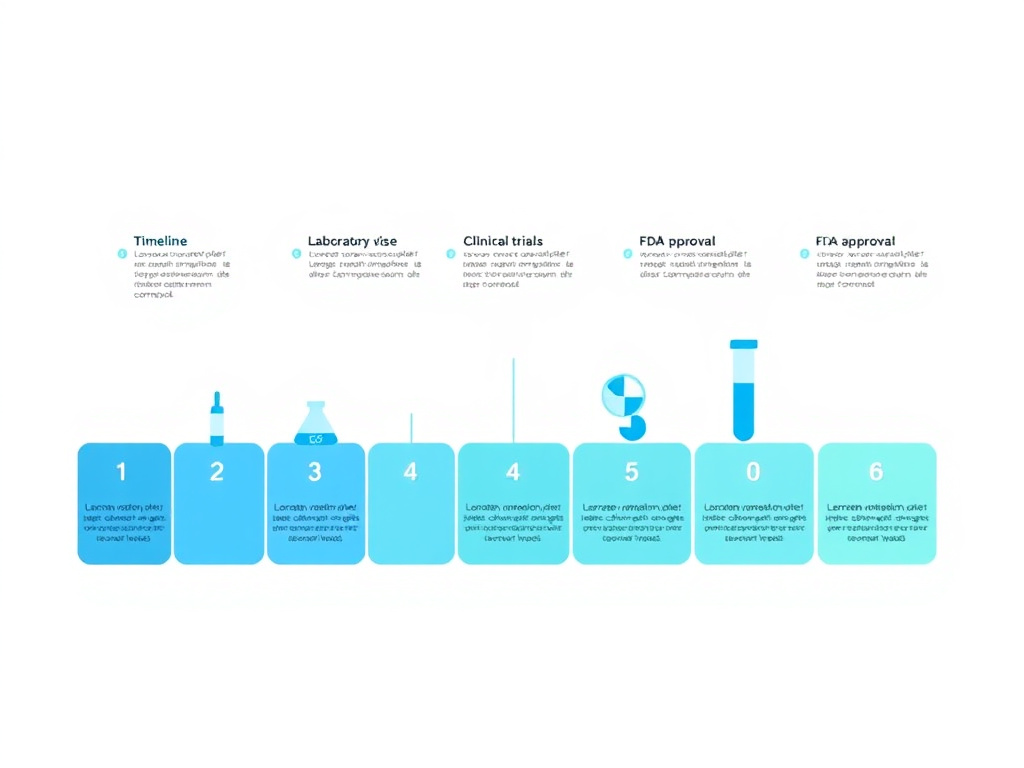
Figure 2: Historical timeline of Russian regulatory peptide research leading to Selank development and clinical approval
The Soviet and Post-Soviet Peptide Pharmacology Tradition
Russia and the former Soviet Union have a distinguished tradition in peptide pharmacology that stretches back to the mid-twentieth century. While Western pharmaceutical development gravitated heavily toward small molecule chemistry, Soviet researchers pursued regulatory peptides as a distinct therapeutic class. This divergent path was partly philosophical - Soviet biomedical science placed considerable emphasis on the body's endogenous regulatory systems - and partly practical, as the centralized research structure allowed long-term programs that might not have survived the quarterly reporting pressures of Western pharmaceutical companies.
The Institute of Molecular Genetics (IMG) of the Russian Academy of Sciences became one of the key centers for this work. Under the leadership of researchers like Nikolai Myasoedov, the IMG developed a systematic approach to peptide drug design that focused on identifying short endogenous peptide sequences with biological activity, then modifying them to improve metabolic stability and pharmacokinetic properties. This approach produced two major peptide drugs that gained regulatory approval in Russia: Semax, derived from the ACTH(4-10) fragment, and Selank, derived from tuftsin.
The V.V. Zakusov Research Institute of Pharmacology, named after the founder of Soviet pharmacology, served as the primary site for pharmacological characterization and clinical testing of these compounds. The collaboration between the IMG (which handled molecular design and synthesis) and the Zakusov Institute (which conducted biological and clinical evaluations) created a pipeline that, while small by Western pharmaceutical standards, produced compounds with genuine clinical utility. Both institutes operated under the umbrella of the Russian Academy of Sciences, later reorganized as the Russian Academy of Medical Sciences, which provided institutional continuity across political transitions.
Tuftsin: The Immunological Starting Point
The story of Selank begins not in Russia but at Tufts University in Boston, where Victor A. Najjar and Kenji Nishioka identified a tetrapeptide (Thr-Lys-Pro-Arg) with potent phagocytosis-stimulating activity in 1970. They named it tuftsin after the university. The peptide was found to reside within the CH2 domain of the heavy chain of immunoglobulin G (IgG), specifically at positions 289-292. Under physiological conditions, tuftsin is liberated from IgG through sequential enzymatic cleavage: first by a splenic enzyme (tuftsinase) that cleaves after the arginine residue, then by leukokininase on the outer surface of neutrophils and monocytes.
Tuftsin's biological significance extends well beyond simple phagocytosis stimulation. Research throughout the 1970s and 1980s demonstrated that this small peptide could activate macrophages, stimulate their motility, enhance their bactericidal and tumoricidal activities, and promote antigen presentation. Patients with congenital or acquired tuftsin deficiency (including those who had undergone splenectomy, since the spleen is the primary site of tuftsin release from IgG) showed increased susceptibility to infections, underscoring the peptide's physiological importance in immune defense.
Soviet researchers recognized in tuftsin a template for peptide drug development. The molecule was small enough to be synthesized easily, had clear biological activity, and was derived from an endogenous source, which suggested a favorable safety profile. But tuftsin itself had a critical limitation as a drug candidate: like most short peptides, it was rapidly degraded by plasma peptidases, giving it an extremely short half-life in circulation. This made it impractical for therapeutic use without structural modification.
The Design Philosophy Behind Selank
The team at the Institute of Molecular Genetics, led by Myasoedov and colleagues, approached the stabilization problem with a strategy they had already used successfully with Semax. Rather than introducing non-natural amino acids or chemical modifications that might compromise biological activity, they extended the C-terminus of tuftsin with a tripeptide sequence (Pro-Gly-Pro) derived from proline-rich peptides known for their resistance to enzymatic degradation. Proline residues are particularly effective at conferring protease resistance because the cyclic structure of proline creates steric constraints that make the peptide bond preceding proline difficult for many endopeptidases to cleave.
The resulting heptapeptide, Thr-Lys-Pro-Arg-Pro-Gly-Pro, retained tuftsin's immunomodulatory properties while gaining substantially improved metabolic stability. But something unexpected happened during the biological characterization of this new compound. The elongated peptide demonstrated pronounced effects on the central nervous system that went well beyond anything observed with tuftsin alone. Specifically, Selank showed anxiolytic activity in standard animal models of anxiety, nootropic effects in learning and memory paradigms, and neuroprotective properties in models of brain injury.
This finding - that a modified immune peptide could have potent CNS effects - was not entirely without precedent. The relationship between immune function and brain activity was becoming increasingly appreciated through the emerging field of psychoneuroimmunology. Cytokines, neuropeptides, and their receptors were being found in both immune tissues and brain regions, suggesting extensive cross-talk between these systems. Still, the strength of Selank's CNS effects was remarkable, and it redirected the compound's development from a purely immunological drug toward a multi-functional neuropsychotropic agent.
Timeline of Key Developments
| Year | Milestone | Significance |
|---|---|---|
| 1970 | Tuftsin discovery by Najjar and Nishioka at Tufts University | Identification of the IgG-derived tetrapeptide with phagocytosis-stimulating activity |
| 1970s-1980s | Extensive tuftsin characterization | Documentation of immune-stimulating properties, macrophage activation, clinical significance of tuftsin deficiency |
| Late 1980s | IMG begins tuftsin modification program | Systematic C-terminal extension strategy to improve metabolic stability |
| Early 1990s | Selank synthesis and initial characterization | Discovery of CNS effects including anxiolytic and nootropic activity |
| Mid-1990s | Preclinical pharmacology studies at Zakusov Institute | Demonstration of benzodiazepine-like anxiolytic activity without sedation or dependence |
| 2001 | Enkephalin-degrading enzyme inhibition study published | First mechanistic insight into Selank's anxiolytic action beyond GABA modulation |
| 2006-2008 | Clinical trials in GAD and neurasthenia | Controlled comparisons with medazepam and phenazepam showing comparable efficacy |
| 2009 | Regulatory approval in Russia | Registration as 0.15% nasal drops for generalized anxiety disorder treatment |
| 2014-2017 | Gene expression profiling studies | Identification of GABAergic and immune gene expression changes after Selank administration |
| 2020s | Growing international research interest | Expansion of Western research into Selank's mechanisms and clinical potential |
The Broader Context of Russian Peptide Therapeutics
Selank's development didn't occur in isolation. It was part of a broader Russian program that produced several clinically used peptide drugs. Semax, the ACTH(4-10) analog developed using the same Pro-Gly-Pro extension strategy, gained approval as a nootropic and neuroprotective agent. Where Semax is primarily cognitively activating and neuroprotective, Selank is primarily anxiolytic and calming - making the two complementary rather than redundant. Russian clinicians and researchers have documented protocols using both peptides in combination, with Semax providing cognitive stimulation and focus while Selank provides anxiolytic balance and emotional stability.
Other peptides from this research tradition include Thymalin and Thymogen (thymic peptides for immune modulation), Epithalon (a telomerase-activating tetrapeptide), Cortexin (a brain-derived peptide complex for neurological conditions), and Cerebrolysin (a porcine brain-derived peptide mixture used in stroke rehabilitation). While the evidence bases for these compounds vary considerably, they collectively represent a distinctive pharmaceutical tradition that took regulatory peptides seriously as a therapeutic class decades before Western medicine began embracing peptide therapeutics more broadly.
The challenge for Selank and other Russian-developed peptide drugs has been the translation of their evidence base into internationally recognized standards. Many of the early studies were published in Russian-language journals, used study designs that don't always align with Western regulatory requirements, and involved patient populations and diagnostic criteria that may differ from those used in FDA or EMA regulatory submissions. This has created a situation where compounds with potentially genuine therapeutic value remain under-evaluated by international standards, even as individual researchers and clinicians in Western countries increasingly explore their use.
Contemporary Research Landscape
The past decade has seen a gradual shift in the international research community's engagement with Selank. Publications in English-language, peer-reviewed journals have increased, particularly in the areas of gene expression profiling and molecular mechanism characterization. Studies published in Frontiers in Pharmacology and other indexed journals have provided Western researchers with accessible data on Selank's effects on GABAergic gene expression, immune gene regulation, and neurotransmitter system modulation.
At the same time, the growing international interest in peptide therapeutics more broadly - driven by the success of GLP-1 receptor agonists like semaglutide and tirzepatide in metabolic disease - has created a more receptive environment for peptide-based CNS therapeutics. Researchers working with compounds like Dihexa, P21, and Selank are benefiting from this broader acceptance of peptides as a legitimate drug class, even as they navigate the regulatory challenges of developing compounds without traditional pharmaceutical company backing.
Regulatory Landscape Across Jurisdictions
The regulatory status of Selank varies dramatically across jurisdictions, reflecting both the compound's Russian origins and the broader challenge of international harmonization in pharmaceutical regulation. In Russia, Selank holds full marketing authorization as a prescription anxiolytic, marketed under the brand name Selank and available in pharmacies throughout the country as a 0.15% nasal drops solution. The Russian registration was based on the clinical trial data described in this report, including the controlled comparisons with medazepam and phenazepam.
In the United States, Selank is neither FDA-approved nor classified as a controlled substance. This places it in a regulatory category similar to many peptides: not illegal to possess or use, but not recognized as a legitimate pharmaceutical product. It is available through research chemical suppliers, online peptide vendors, and some compounding pharmacies that prepare it under state pharmacy board oversight. The lack of FDA approval reflects the absence of a New Drug Application (NDA) submission rather than a finding of safety concerns or lack of efficacy. Conducting the Phase I through Phase III clinical trials required for FDA approval would cost hundreds of millions of dollars - an investment that no pharmaceutical company has been willing to make for a compound that, as a naturally derived peptide, faces significant challenges in patent protection.
In the European Union, Selank is not approved by the European Medicines Agency (EMA) and is not available as a registered pharmaceutical product. Individual EU member states have varying regulations regarding peptide research chemicals, with some countries permitting personal importation for research purposes and others restricting it. Australia classifies Selank as a Schedule 4 (prescription-only) substance under the Therapeutic Goods Administration (TGA) framework, meaning it requires a prescription from an authorized healthcare provider.
The regulatory fragmentation creates challenges for both researchers and potential users. Clinical trial data generated under Russian regulatory standards may not fully satisfy the requirements of Western regulatory agencies, which typically require larger sample sizes, more rigorous randomization and blinding procedures, and longer follow-up periods. At the same time, the compound's safety record in Russian clinical use spanning more than a decade provides real-world evidence that Western regulators increasingly consider valuable, even if it doesn't substitute for controlled trial data.
For researchers and clinicians working in jurisdictions where Selank is available, the key consideration is sourcing from reliable suppliers who can provide certificates of analysis demonstrating peptide purity and identity. The Selank product page at FormBlends provides pharmaceutical-grade Selank with full analytical documentation, while the Selank nasal spray option offers a ready-to-use intranasal formulation.
Tuftsin-Based Design
The Structural Logic of Tuftsin
Tuftsin is a tetrapeptide with the sequence Thr-Lys-Pro-Arg (threonine-lysine-proline-arginine). It occupies positions 289-292 in the CH2 domain of the Fc fragment of immunoglobulin G heavy chain. Under normal physiological conditions, tuftsin is released through a two-step enzymatic process. The first step involves tuftsinase, an enzyme found primarily in the spleen, which cleaves after the arginine residue at position 292 to release a larger fragment. The second step involves leukokininase, a membrane-bound enzyme on the surface of phagocytic cells (primarily neutrophils and monocytes), which cleaves before the threonine at position 289 to liberate the free tetrapeptide.
This liberation mechanism has important physiological implications. Because the spleen is the primary site of tuftsin release, splenectomy dramatically reduces circulating tuftsin levels. Clinical observations of increased infection susceptibility in splenectomized patients provided early evidence that tuftsin plays a meaningful role in immune defense rather than being merely a degradation byproduct. Familial tuftsin deficiency, while rare, produces a similar phenotype of increased susceptibility to infections.
At the molecular level, tuftsin activates phagocytic cells through binding to specific receptors on their surface. The peptide stimulates multiple aspects of phagocyte function: chemotaxis (directional migration toward targets), phagocytosis (engulfment of pathogens and debris), respiratory burst (generation of reactive oxygen species for killing), and cytokine production (release of inflammatory mediators). The tetrapeptide's biological activity depends critically on its specific amino acid sequence. Structure-activity relationship studies have shown that even conservative amino acid substitutions substantially reduce or eliminate activity, indicating that each residue contributes to receptor binding and activation.
The Metabolic Stability Problem
Despite its potent biological activity, tuftsin faces a fundamental challenge as a drug candidate: rapid enzymatic degradation. In human plasma, free tuftsin has a half-life of minutes. Multiple classes of peptidases contribute to this rapid clearance, including aminopeptidases (which cleave from the N-terminus), carboxypeptidases (which cleave from the C-terminus), and endopeptidases (which cleave internal bonds). The result is that administered tuftsin would need to be given by continuous infusion or in very large bolus doses to achieve sustained biological concentrations - neither of which is practical for an outpatient anxiolytic medication.
Russian researchers at the IMG had already encountered and solved this problem for another peptide drug candidate. Semax, the ACTH(4-10) analog, was also plagued by rapid degradation until the team extended its C-terminus with a Pro-Gly-Pro tripeptide. This same strategy was applied to tuftsin, based on the rationale that proline-rich sequences confer protease resistance through multiple mechanisms. The cyclic pyrrolidine ring of proline introduces conformational rigidity that makes adjacent peptide bonds poor substrates for many endopeptidases. Additionally, proline residues at the C-terminus create steric barriers that slow carboxypeptidase attack.
Amino Acid Sequence Analysis
The complete sequence of Selank is: Thr-Lys-Pro-Arg-Pro-Gly-Pro (or in single-letter code: TKPRPGP). Each position contributes to the molecule's biological profile:
| Position | Amino Acid | Role in Tuftsin Core | Role in Selank |
|---|---|---|---|
| 1 | Threonine (Thr) | Essential for receptor binding; hydroxyl group participates in hydrogen bonding | Preserved from tuftsin; maintains immunomodulatory activity |
| 2 | Lysine (Lys) | Positive charge critical for electrostatic interactions with receptor | Preserved; contributes to both immune and CNS activity |
| 3 | Proline (Pro) | Introduces conformational constraint; "kink" in peptide backbone | Preserved; structural scaffold for bioactive conformation |
| 4 | Arginine (Arg) | Positive charge and hydrogen bonding capacity essential for full activity | Preserved; may participate in receptor interactions in brain |
| 5 | Proline (Pro) | - | C-terminal extension; protease resistance; conformational effects |
| 6 | Glycine (Gly) | - | Flexible spacer; allows conformational freedom between Pro residues |
| 7 | Proline (Pro) | - | Terminal protease resistance; blocks carboxypeptidase attack |
The glycine at position 6 is particularly interesting from a design perspective. While proline residues at positions 5 and 7 provide the primary protease resistance, the intervening glycine introduces conformational flexibility. Glycine, being the smallest amino acid with no side chain, allows the Pro-Gly-Pro extension to adopt multiple conformations without excessive rigidity. This flexibility may be important for allowing the tuftsin core (positions 1-4) to adopt the conformations needed for receptor binding at different target sites - the immune receptors for which tuftsin was originally characterized and the CNS receptors through which Selank exerts its neuropsychotropic effects.
Molecular Weight and Physicochemical Properties
Selank has a molecular weight of approximately 751.9 Da, placing it in the small peptide category. This size is significant for several reasons. First, it is small enough to potentially cross biological membranes, although the peptide's overall hydrophilicity (multiple charged residues) limits passive diffusion across the blood-brain barrier. This is one reason why intranasal administration became the preferred delivery route - the nasal mucosa provides a pathway to the brain that partially bypasses the blood-brain barrier through olfactory and trigeminal nerve pathways.
The peptide carries a net positive charge at physiological pH (around +2 to +3, depending on protonation states), due to the lysine and arginine side chains. This cationic character is relevant to its interactions with biological membranes and its binding to negatively charged receptor sites. The presence of three proline residues gives the peptide a relatively rigid backbone compared to fully flexible peptides, which likely contributes to its receptor selectivity and resistance to non-specific proteolysis.
From Immune Peptide to Neurotropic Agent
One of the most fascinating aspects of Selank's pharmacology is the emergence of potent CNS effects from a structural modification of an immune peptide. While tuftsin itself has some reported CNS effects, they are modest compared to the pronounced anxiolytic, nootropic, and anti-stress activities demonstrated by Selank. Several hypotheses have been proposed to explain this gain of neurotropic function:
The first hypothesis involves extended receptor interactions. The Pro-Gly-Pro tail may create new binding contacts with CNS receptors that tuftsin alone cannot make. By extending the peptide's interaction surface, the tail could enable binding to receptor sites in the brain that require a longer peptide for stable engagement. This is analogous to how extending the ACTH(4-7) core to ACTH(4-10) and then adding Pro-Gly-Pro (to create Semax) progressively added new biological activities beyond the parent fragment's original profile.
The second hypothesis concerns conformational effects. The Pro-Gly-Pro tail may alter the three-dimensional shape of the tuftsin core, causing it to adopt conformations that favor binding to CNS targets over peripheral immune targets. Proline residues are well known for their ability to influence peptide backbone geometry through their restricted phi angle, and the pattern of Pro-Gly-Pro creates specific turn structures that could present the core residues in novel orientations.
The third hypothesis relates to metabolic stability enabling CNS access. Tuftsin's rapid degradation in plasma may prevent it from ever reaching the brain in sufficient concentrations to demonstrate CNS effects, even if it has intrinsic affinity for CNS targets. By stabilizing the peptide against degradation, the Pro-Gly-Pro extension may simply allow enough peptide to reach the brain to reveal activities that were always latent in the tuftsin pharmacophore.
Current evidence suggests that all three mechanisms likely contribute. The combination of new receptor contacts, altered conformation, and improved metabolic stability collectively transform tuftsin from a predominantly immune peptide into the multi-functional neuroimmunomodulator that Selank has proven to be. For those interested in other peptides that bridge immune and neurological functions, the peptide research hub provides additional context on compounds like Thymosin Alpha-1 and LL-37 that also operate at this interface.
N-Acetyl Selank Amidate: The Enhanced Derivative
Building on Selank's structure, researchers developed N-Acetyl Selank Amidate (NASA), which incorporates two additional modifications. An acetyl group is added to the N-terminal threonine, blocking aminopeptidase attack, while the C-terminal carboxyl group is converted to an amide, blocking carboxypeptidase attack. These modifications further extend the peptide's half-life beyond what the Pro-Gly-Pro extension alone provides.
N-Acetyl Selank Amidate has shown enhanced potency in some assays compared to unmodified Selank, likely due to increased metabolic stability rather than improved intrinsic activity. The compound represents a logical next step in the same design philosophy that produced Selank from tuftsin: systematic modification to improve pharmacokinetic properties while preserving the core pharmacophore's biological activity. The trade-off is that these additional modifications move the molecule further from the endogenous tuftsin template, which may have implications for regulatory pathway and immunogenicity considerations.
Selank's Metabolic Fragments and Their Biological Activity
An important aspect of Selank's pharmacology involves its metabolic degradation products. Unlike many pharmaceutical compounds where metabolites are considered inactive waste products, Selank's degradation fragments retain biological activity. This is consistent with the broader concept in regulatory peptide biology that shorter peptide fragments can serve as signaling molecules in their own right, sometimes with activities distinct from the parent peptide.
The primary metabolic fragments of Selank include the tripeptide Pro-Gly-Pro (the C-terminal extension), the tetrapeptide Thr-Lys-Pro-Arg (tuftsin itself), and various intermediate fragments produced by sequential enzymatic cleavage. The Gly-Pro dipeptide, which results from further degradation of the Pro-Gly-Pro fragment, has been studied independently and shows immune gene modulatory activity, although generally weaker than the full heptapeptide. This finding suggests that Selank's biological effects may be sustained even as the parent molecule is metabolized, with degradation fragments continuing to exert activity until they are further broken down into individual amino acids.
The tuftsin fragment liberated by metabolism of Selank retains the full immunomodulatory activity of tuftsin itself, including macrophage activation and phagocytosis stimulation. This means that even as Selank's CNS-specific effects wane with metabolic degradation, the immune-modulatory effects may persist through the activity of the liberated tuftsin core. The sequential nature of this metabolism - with different fragments exerting different biological effects at different time points - creates a pharmacological cascade that extends the compound's total biological activity beyond what would be predicted from the half-life of the parent molecule alone.
This cascade metabolism also has implications for dosing strategy. Because metabolic fragments contribute to the overall biological effect, the relationship between plasma concentration of intact Selank and clinical effect is not as straightforward as it would be for a compound with inactive metabolites. The effective biological half-life (the duration of clinically relevant activity) exceeds the pharmacokinetic half-life (the time to clear 50% of the parent compound from the blood). This helps explain the clinical observation that Selank's anxiolytic effects persist for days after plasma levels of intact Selank have become undetectable.
Comparison with Other Peptide Design Strategies
The Pro-Gly-Pro stabilization approach used for Selank represents one of several strategies that have been employed to improve peptide drug stability. Comparing these strategies provides context for Selank's design philosophy and its relative advantages:
D-Amino Acid Substitution: Replacing L-amino acids with their D-enantiomers at protease-susceptible positions can dramatically improve stability because most proteases are stereospecific for L-amino acids. This approach has been used in peptide drugs like desmopressin (a vasopressin analog). The disadvantage is that D-amino acid substitutions can alter receptor binding and biological activity, and D-amino acids are not natural substrates for the body's metabolic machinery, potentially leading to accumulation or unexpected toxicity.
Cyclization: Forming intramolecular bonds (disulfide bridges, lactam bridges, or head-to-tail cyclization) reduces the conformational flexibility that many proteases require for substrate recognition. Cyclic peptides like oxytocin and vasopressin show markedly improved stability compared to their linear counterparts. However, cyclization can constrain the peptide into conformations that may or may not favor receptor binding.
PEGylation: Attaching polyethylene glycol (PEG) chains increases molecular size, reduces renal clearance, and sterically blocks protease access. This approach has been widely used in protein therapeutics but is less common for small peptides, where the PEG chain can be much larger than the peptide itself, potentially masking biologically active surfaces.
Natural Sequence Extension (Selank's approach): Adding natural amino acid sequences that confer protease resistance while maintaining the peptide's natural character. The Pro-Gly-Pro extension uses only natural L-amino acids, which are metabolized through normal pathways without risk of accumulation. The approach preserves the parent peptide's biological activity while adding new activities through the extended binding surface. The disadvantage is that the improvement in stability, while significant, is less dramatic than approaches like D-amino acid substitution or PEGylation.
The choice of the natural sequence extension strategy for Selank reflects a philosophical preference for minimal deviation from endogenous peptide biology. By using only natural amino acids and building on an endogenous peptide template, the designers aimed to create a compound that would be recognized and processed by the body's normal peptide metabolism systems rather than requiring novel metabolic pathways. This conservative approach may sacrifice some degree of metabolic stability compared to more aggressive modification strategies, but it reduces the risk of unexpected toxicity and immunogenicity.
GABA-ergic Mechanism
GABA: The Brain's Primary Inhibitory System
Gamma-aminobutyric acid (GABA) is the principal inhibitory neurotransmitter in the mammalian central nervous system. Approximately 30-40% of all synapses in the brain use GABA as their primary neurotransmitter, making the GABAergic system the most widespread inhibitory network in the CNS. GABA exerts its effects through two main receptor classes: GABA-A receptors (ligand-gated chloride channels that mediate fast inhibitory transmission) and GABA-B receptors (G protein-coupled receptors that mediate slower, more sustained inhibition).
The GABA-A receptor is of particular relevance to anxiety and anxiolytic pharmacology. This receptor is a pentameric ligand-gated ion channel composed of various combinations of alpha, beta, gamma, delta, epsilon, pi, and theta subunits. The most common configuration in the brain is alpha1-beta2-gamma2, but different brain regions express different subunit combinations that confer distinct pharmacological properties. When GABA binds to its recognition site on the receptor, the chloride channel opens, allowing chloride ions to flow into the neuron, hyperpolarizing the membrane and reducing neuronal excitability.
Benzodiazepines, the most widely prescribed class of anxiolytic medications, work by binding to an allosteric site on the GABA-A receptor (the benzodiazepine binding site, located at the interface between alpha and gamma subunits). They don't activate the receptor directly but enhance the effect of GABA when it binds, increasing the frequency of chloride channel opening. This positive allosteric modulation produces anxiolysis, sedation, muscle relaxation, and anticonvulsant effects - with the relative balance of these effects depending on which GABA-A receptor subtypes are engaged.
How Selank Differs from Benzodiazepines
Understanding Selank's interaction with the GABAergic system requires appreciating how fundamentally different its mechanism is from that of benzodiazepines. While both produce anxiolytic effects and both involve the GABA system, they do so through entirely different molecular mechanisms.
Benzodiazepines produce their effects within minutes by directly binding to a specific allosteric site on assembled, membrane-inserted GABA-A receptors. This is a rapid, pharmacodynamic effect that doesn't require changes in gene expression or protein synthesis. The effect is immediate, potent, and wears off as the drug is metabolized and cleared. But this direct receptor binding also produces tolerance (the receptors adapt by downregulating or changing subunit composition), physical dependence (the brain's inhibitory tone becomes dependent on the drug's presence), and withdrawal (removing the drug reveals a rebound excitability that manifests as anxiety, insomnia, and potentially seizures).
Selank, by contrast, appears to influence the GABAergic system primarily through changes in gene expression rather than direct receptor binding. Research published in Frontiers in Pharmacology demonstrated that Selank administration in mice altered the expression of genes involved in GABAergic neurotransmission. When researchers examined the expression of 84 genes linked to neurotransmission following Selank administration, they found significant changes in 45 genes at the 1-hour time point and 22 genes at the 3-hour time point. The pattern of gene expression changes showed a positive correlation with those produced by GABA itself, suggesting that Selank may modulate the GABAergic system through transcriptional regulation rather than (or in addition to) direct receptor binding.
Gene Expression Studies: The Frontiers in Pharmacology Data
Two key studies published in Frontiers in Pharmacology have substantially advanced understanding of Selank's GABAergic mechanism. The first (Zolotarev et al., 2016) examined gene expression changes in the mouse brain following intraperitoneal Selank administration. Using quantitative PCR arrays targeting 84 neurotransmission-related genes, the researchers found that Selank produced time-dependent changes across multiple gene categories:
At the 1-hour time point, significant changes were observed in genes encoding GABA-A receptor subunits (including Gabra2, Gabra4, Gabrb1, and Gabrg1), GABA-B receptor subunits (Gabbr1, Gabbr2), GABA transporters (Slc6a1), and enzymes involved in GABA synthesis and metabolism (Gad1, encoding glutamic acid decarboxylase). Changes were also observed in genes encoding other neurotransmitter receptors, including glutamate receptors (Grin1, Grin2a), dopamine receptors (Drd1a), and serotonin receptors (Htr1a, Htr2a).
At the 3-hour time point, the number of significantly changed genes decreased to 22, but the changes in GABAergic genes persisted. This temporal pattern suggests an initial broad transcriptional response followed by more targeted, sustained changes in key pathways.
The second study (Volkova et al., 2017) extended this work to a human neuronal cell line (IMR-32 neuroblastoma cells), comparing the gene expression effects of Selank, GABA itself, and olanzapine (an atypical antipsychotic with known GABAergic effects). This study found that Selank and GABA produced correlated changes in gene expression, supporting the hypothesis that Selank acts, at least in part, through the GABAergic system. The correlation was not perfect, however, indicating that Selank has additional activities beyond GABA system modulation.
Allosteric Modulation vs. Transcriptional Regulation
The current understanding of Selank's GABAergic mechanism encompasses both allosteric modulation and transcriptional regulation, though the relative contributions of each remain under investigation.
Evidence for allosteric modulation comes from binding studies and electrophysiological experiments. Selank has been reported to interact with GABA-A receptors, though likely at a different allosteric site than benzodiazepines. This interaction may enhance GABA's effects at the receptor level, contributing to the rapid anxiolytic response observed in some patients (recall that 40% of clinical trial patients showed rapid response within 1-3 days). However, the affinity of Selank for GABA-A receptors appears to be lower than that of benzodiazepines, which may explain why Selank produces anxiolysis without the sedation and muscle relaxation characteristic of direct benzodiazepine binding.
Evidence for transcriptional regulation comes from the gene expression studies described above. By altering the expression of genes encoding GABA-A receptor subunits, GABA transporters, and GABA-synthesizing enzymes, Selank may produce a more gradual, sustained modulation of GABAergic tone. This transcriptional mechanism could explain several features of Selank's clinical profile that differ from benzodiazepines:
- Absence of tolerance: Because Selank modulates the expression of GABA-A receptor subunit genes rather than directly binding to assembled receptors, it may produce adaptive changes that maintain sensitivity rather than driving the compensatory downregulation that causes benzodiazepine tolerance.
- Absence of withdrawal: The gradual, gene-expression-mediated mechanism means that stopping Selank doesn't produce the sudden loss of receptor augmentation that triggers benzodiazepine withdrawal. The brain's GABAergic gene expression can readjust gradually.
- Preserved cognition: By altering GABAergic tone through subunit composition changes rather than global receptor potentiation, Selank may enhance inhibition selectively in anxiety-relevant circuits without the widespread cognitive suppression produced by benzodiazepines.
- Sustained effect after discontinuation: Clinical data show that Selank's anxiolytic effect persists for approximately one week after the last dose, consistent with gene expression changes that take time to reverse rather than a direct pharmacodynamic effect that wears off with drug clearance.
Subunit Specificity and Circuit Selectivity
One of the most intriguing aspects of Selank's GABAergic mechanism is the pattern of GABA-A receptor subunit gene changes. Different subunit combinations confer different pharmacological and physiological properties on GABA-A receptors, and different brain regions express different subunit repertoires. By selectively altering the expression of specific subunits (such as Gabra2 and Gabra4), Selank may shift the subunit composition of GABA-A receptors in anxiety-relevant brain regions toward compositions that favor anxiolysis without sedation.
For context, alpha-2 and alpha-3 containing GABA-A receptors are thought to mediate the anxiolytic effects of benzodiazepines, while alpha-1 containing receptors mediate sedation. Drugs that selectively target alpha-2/3 containing receptors (so-called "alpha-2/3 selective" compounds) have been a major focus of anxiolytic drug development because they could theoretically provide anxiolysis without sedation. Selank's gene expression effects on GABA-A receptor subunits may achieve a functionally similar outcome through a completely different mechanism - not by selectively binding to certain receptor subtypes, but by selectively changing which subtypes are expressed.
This mechanism has implications for the understanding of peptide-based anxiolytics more broadly. While traditional small-molecule drug development focuses on identifying compounds that selectively bind specific receptor targets, peptide-based approaches like Selank may work through more nuanced, systems-level mechanisms that modulate gene expression across multiple targets simultaneously. This multi-target, gene-expression-mediated approach aligns with modern concepts of network pharmacology and may offer advantages in treating complex conditions like anxiety disorders, where multiple neural circuits and neurotransmitter systems are involved.
Integration with Other Neurotransmitter Systems
The GABAergic mechanism doesn't operate in isolation. Selank's gene expression effects extend to serotonergic genes (including the 5-HT1A receptor gene Htr1a, which is a key target of buspirone, another non-benzodiazepine anxiolytic) and dopaminergic genes. This multi-system engagement may explain Selank's ability to produce anxiolysis while simultaneously enhancing cognitive function and motivation - effects that are difficult to achieve with compounds that target only the GABA system.
The interaction between GABAergic and serotonergic modulation is particularly relevant. GABAergic interneurons in the dorsal raphe nucleus regulate the activity of serotonergic projection neurons, and changes in GABAergic tone in this region can significantly affect serotonin release throughout the forebrain. By modulating GABAergic gene expression, Selank may indirectly influence serotonergic neurotransmission in a way that complements its direct effects on serotonin-related genes. This kind of coordinated, multi-level regulation may account for the clinical observation that Selank produces a qualitatively different anxiolytic effect than compounds targeting either GABA or serotonin alone. For more information on compounds affecting similar neurotransmitter systems, see the biohacking hub for related research summaries.
Anxiolytic Clinical Data
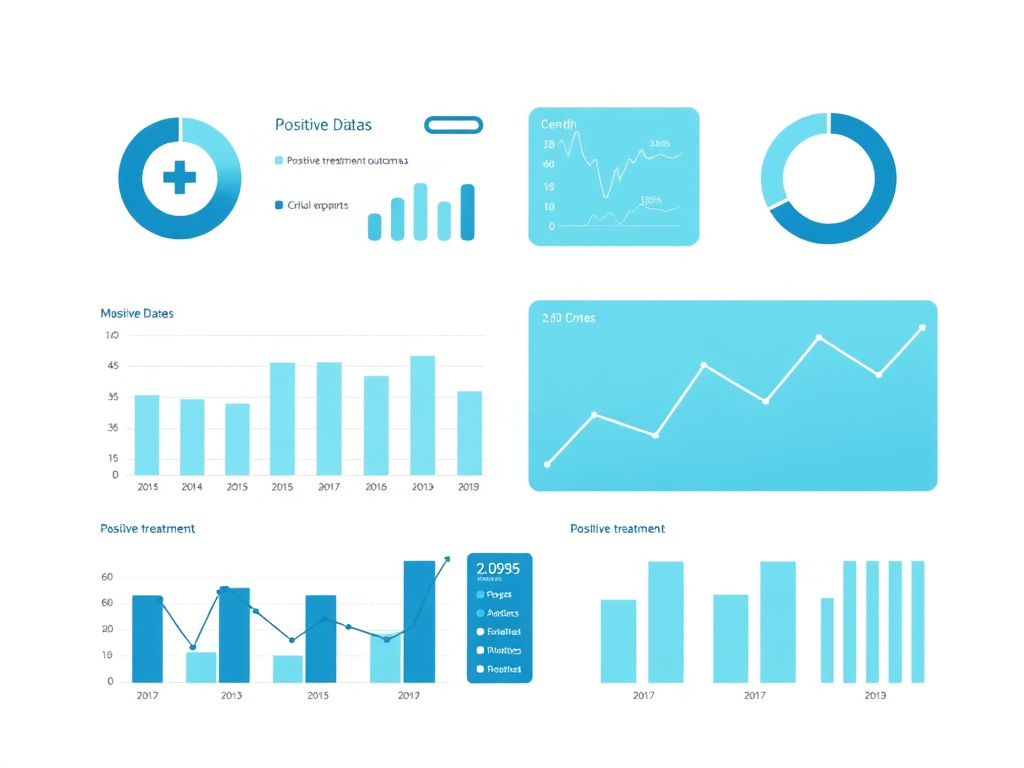
Hamilton Anxiety Scale Score During Selank Treatment
Controlled Trial Against Medazepam: The Foundational Study
The most cited clinical study on Selank's anxiolytic efficacy was conducted by Zozulya and colleagues and included 62 patients diagnosed with generalized anxiety disorder (GAD) and neurasthenia. Patients were randomized to receive either Selank (0.15% intranasal solution, administered as drops three times daily for 14 days, n=30) or medazepam (a benzodiazepine marketed as Rudotel, given orally at 30mg daily, n=32). The primary outcome measures were the Hamilton Anxiety Rating Scale (HARS) and the Spielberger State-Trait Anxiety Inventory (STAI).
Both treatment groups showed statistically significant reductions in anxiety symptoms. The mean HARS total score decreased from baseline to endpoint in both groups, with the magnitude of reduction comparable between Selank and medazepam. However, the character of the therapeutic response differed meaningfully between the two groups.
In the Selank group, a distinctive pattern of response timing emerged. Approximately 40% of patients were classified as "rapid responders," showing an abrupt reduction in anxiety symptoms within the first 1 to 3 days of treatment. In these rapid responders, HARS scores dropped from a mean of 20.3 at baseline to 7.0 by day 3 - a reduction of approximately 65% within 72 hours. The remaining 60% of patients showed a more gradual response, with clinically meaningful improvement accumulating over the full 14-day treatment period. By day 14, the overall group mean HARS total score had decreased from 16.1 to 6.2, representing a 61.5% reduction.
Medazepam produced a more uniform response pattern without the rapid/slow dichotomy observed with Selank. But the key difference lay in additional effects beyond core anxiolysis. Selank produced antiasthenic effects (improvement in fatigue, mental exhaustion, and reduced physical energy) and psychostimulant effects (increased mental alertness and motivation) that medazepam did not. This is a critical distinction because benzodiazepines, while effective at reducing anxiety, typically produce the opposite of these effects - sedation, mental slowing, and reduced motivation. The combination of anxiolysis with psychostimulation positions Selank uniquely among anxiolytic agents.
Comparison with Phenazepam
A separate controlled study compared Selank directly with phenazepam, a high-potency benzodiazepine widely used in Russia and some Eastern European countries (it is not marketed in Western countries). This study, reported by Medvedev and colleagues, focused specifically on patients with anxiety and anxiety-asthenic disorders.
The results confirmed the pattern observed in the medazepam comparison. Selank's anxiolytic efficacy was comparable to that of phenazepam, with no statistically significant difference in the primary anxiety outcome measures. But Selank demonstrated substantially better tolerability, with none of the sedation, muscle relaxation, or cognitive impairment that characterized the phenazepam group. Patients receiving Selank maintained normal reaction times, preserved memory function, and showed no psychomotor slowing - all of which were affected in the phenazepam group.
The tolerability advantage was further underscored by the absence of dependence markers. Patients discontinued Selank at the end of the treatment period without withdrawal symptoms, rebound anxiety, or any signs of physical dependence. In contrast, phenazepam carries well-documented risks of dependence and withdrawal, consistent with its benzodiazepine class pharmacology.
Rapid vs. Slow Response: Pharmacogenomic Implications
The observation that approximately 40% of patients showed rapid response to Selank (within 1-3 days) while 60% showed gradual response over 14 days has not been fully explained but has important implications for understanding the compound's mechanism and for clinical practice.
Several factors could account for this response dichotomy:
Baseline neurochemical state: Patients with certain pre-existing patterns of GABAergic, serotonergic, or enkephalinergic tone may be more responsive to Selank's initial effects. Those with greater enkephalin-degrading enzyme activity, for example, might experience more immediate benefit from Selank's enkephalinase inhibition.
Genetic variation in GABA receptor subunits: Polymorphisms in genes encoding GABA-A receptor subunits (the same genes whose expression Selank modulates) could influence how quickly individual patients respond to Selank's transcriptional effects. Some individuals may have genetic backgrounds that make their GABAergic gene expression more plastic and responsive to regulation.
Nasal absorption variability: Because Selank is administered intranasally, individual differences in nasal mucosal blood flow, mucus production, and nasal anatomy could produce substantial variation in drug absorption. Rapid responders might simply achieve higher initial brain concentrations.
Immune-neural crosstalk differences: Given Selank's dual immune and CNS activity, individual variation in immune-brain signaling could influence response timing. Patients with higher baseline inflammatory cytokine levels (which are associated with anxiety) might respond more quickly to Selank's anti-inflammatory effects, producing secondary improvements in anxiety.
Duration of Effect After Discontinuation
An important clinical observation from the controlled trials is that Selank's anxiolytic effect persists for approximately one week after the last administered dose. This sustained effect, reported in the Zozulya study and confirmed in subsequent clinical observations, contrasts sharply with benzodiazepines, whose effects typically wane within hours of the last dose (the exact duration depending on the specific benzodiazepine's half-life).
This sustained post-treatment effect is consistent with a gene-expression-mediated mechanism. Changes in GABA-A receptor subunit composition, GABA transporter density, and GABA-synthesizing enzyme levels require time to reverse after the regulatory signal (Selank) is removed. The brain's transcriptional machinery must produce new mRNA, translate it into protein, and traffic the protein to its functional location before the pre-treatment state can be restored. This process typically takes days to weeks, matching the observed one-week duration of post-treatment anxiolysis.
Patient Selection and Clinical Applicability
Based on the available clinical data, the patients most likely to benefit from Selank are those with generalized anxiety disorder, anxiety-asthenic syndromes, and neurasthenia - conditions characterized by persistent, diffuse anxiety often accompanied by fatigue and cognitive difficulties. Selank's combination of anxiolytic, antiasthenic, and mild cognitive-enhancing effects makes it particularly well-suited for these presentations, which are among the most common in clinical practice.
The compound may be less suitable as monotherapy for acute, severe anxiety or panic disorder, where the rapid, potent anxiolysis provided by benzodiazepines is sometimes clinically necessary. However, the clinical data showing that 40% of patients achieve rapid response suggests that Selank could be effective even in more acute presentations for a subset of patients. And for patients who have previously experienced benzodiazepine dependence or who are at risk for substance use disorders, Selank's lack of addictive potential makes it an attractive alternative regardless of the anxiety subtype.
Clinicians considering Selank in the context of other therapeutic peptides may find useful comparisons in the drug comparison hub. For patients dealing with comorbid conditions involving mood dysregulation, compounds like Selank nasal spray may be combined with other therapeutic strategies under appropriate clinical supervision.
Limitations of the Clinical Evidence Base
While the clinical data supporting Selank's anxiolytic efficacy is encouraging, important limitations must be acknowledged. The total number of patients studied in controlled trials remains modest by international regulatory standards. The studies were conducted primarily at Russian institutions, and while the research groups are respected, independent replication at international sites would strengthen the evidence base considerably.
The comparison drugs used in the controlled trials (medazepam and phenazepam) are standard treatments in Russian clinical practice but are not commonly used in Western countries. Comparisons with SSRIs (the first-line anxiolytic medications in most Western guidelines) or buspirone (a non-benzodiazepine anxiolytic) would be more informative for international audiences. Additionally, the clinical trials were relatively short (14 days), and longer-term efficacy and safety data from controlled studies are limited, though clinical use in Russia has provided observational data supporting longer-term tolerability.
Placebo-controlled data, while reported in some studies, are less prominent in the published literature than active comparator studies. Given the well-known placebo response in anxiety trials (typically 30-40% response rate), placebo-controlled data are essential for establishing the true magnitude of Selank's therapeutic effect above and beyond non-specific factors.
Despite these limitations, the consistency of findings across multiple studies, the mechanistic data supporting the observed clinical effects, and the favorable safety profile collectively support continued investigation of Selank as an anxiolytic agent. The compound's unique mechanism of action - producing benzodiazepine-like anxiolysis through non-benzodiazepine pathways - addresses a genuine unmet need in anxiety treatment, where the limitations of current medications (benzodiazepine dependence, SSRI side effects and delayed onset, buspirone's modest efficacy) leave substantial room for improvement.
Cognitive Enhancement

Nootropic Properties: Beyond Simple Anxiolysis
What is Selank's nootropic effect? Selank demonstrates cognitive-enhancing properties that distinguish it from virtually all other anxiolytic compounds. While benzodiazepines, the most commonly prescribed anxiolytics, impair memory formation (anterograde amnesia is a well-documented side effect), Selank appears to enhance learning and memory processes. This paradoxical combination of anxiety reduction with cognitive enhancement is one of the most compelling aspects of Selank's pharmacological profile and a primary reason for its growing popularity in the nootropic research community.
The evidence for Selank's cognitive effects comes primarily from animal studies, with supporting observations from clinical trials. In 2003, Seredenin and Kozlovskii published findings demonstrating that Selank significantly activated the learning process in rats with initially poor learning ability. The effect was observable after a single dose on the first day of experimentation, suggesting rapid onset of nootropic activity. These findings have been replicated across multiple laboratories and experimental paradigms, including passive avoidance conditioning, active avoidance learning, and spatial navigation tasks.
In passive avoidance paradigms (where animals learn to avoid a location associated with an aversive stimulus), Selank-treated animals showed enhanced memory consolidation, as evidenced by longer avoidance latencies during retention testing. In spatial learning tasks (such as the Morris water maze), Selank improved the rate of acquisition, suggesting enhanced spatial memory processing. These effects were particularly pronounced in animals with baseline cognitive impairments, whether due to genetic predisposition, aging, or experimentally induced deficits.
Mechanisms of Cognitive Enhancement
Several molecular mechanisms have been identified that likely contribute to Selank's cognitive effects:
BDNF Upregulation: Brain-derived neurotrophic factor (BDNF) is a critical mediator of synaptic plasticity, the cellular process underlying learning and memory. Experimental data from rodent models suggest that Selank can increase BDNF mRNA levels in the hippocampus, the brain region most closely associated with declarative memory formation. BDNF promotes the growth and differentiation of new neurons and synapses, strengthens existing synaptic connections through long-term potentiation (LTP), and protects neurons against damage and degeneration. By upregulating BDNF, Selank may create a neurochemical environment that favors memory encoding and consolidation.
Monoamine Neurotransmitter Modulation: Selank influences the metabolism and activity of three monoamine neurotransmitters with well-established roles in cognition: serotonin, dopamine, and norepinephrine. Norepinephrine is critical for attention and arousal. Dopamine underlies motivation, working memory, and reward-based learning. Serotonin modulates emotional processing, decision-making, and cognitive flexibility. By modulating all three systems simultaneously, Selank may produce a balanced enhancement of cognitive function across multiple domains.
Enkephalin System Modulation: Selank's inhibition of enkephalin-degrading enzymes increases endogenous enkephalin levels. While enkephalins are primarily associated with pain modulation, they also play roles in reward processing and memory consolidation. The opioid system participates in emotional memory formation, and by modulating enkephalin levels, Selank may influence how emotional experiences are encoded and stored. This could be particularly relevant for anxiety-related cognitive distortions, where negatively valenced memories are overconsolidated at the expense of neutral or positive memories.
Anti-inflammatory Effects: Neuroinflammation is increasingly recognized as a contributor to cognitive decline in both aging and psychiatric conditions. Selank's ability to reduce pro-inflammatory cytokines (IL-1 beta, IL-6, TNF-alpha) in the context of stress may protect cognitive function by reducing neuroinflammatory burden. Chronic low-grade inflammation can impair synaptic plasticity, reduce hippocampal neurogenesis, and disrupt neurotransmitter balance - all processes that Selank appears to counteract.
Selank vs. Semax: Complementary Cognitive Profiles
The comparison between Selank and Semax is particularly informative for understanding Selank's cognitive profile. Both are Russian-developed peptides administered intranasally, both have regulatory approval in Russia, and both demonstrate nootropic properties. But their cognitive profiles are distinct in ways that reflect their different molecular origins and mechanisms of action.
| Parameter | Selank | Semax |
|---|---|---|
| Parent molecule | Tuftsin (immune peptide from IgG) | ACTH(4-10) (neuroendocrine hormone fragment) |
| Primary cognitive effect | Anxiety-free learning; improved memory consolidation under stress | Enhanced focus, attention, and working memory |
| Emotional valence | Calming; reduces anxiety-related cognitive interference | Activating; increases mental energy and drive |
| BDNF effects | Moderate BDNF upregulation in hippocampus | Strong BDNF and NGF upregulation; potent neurotrophin effects |
| Best suited for | Cognitive performance impaired by anxiety; test anxiety; social performance anxiety | Cognitive demands requiring sustained focus; cognitive recovery after injury |
| Neurotransmitter emphasis | GABA > serotonin > dopamine | Dopamine > serotonin > GABA |
| Russian classification | Anxiolytic | Nootropic |
Many researchers and clinicians report that Selank and Semax work well in combination, with Semax providing cognitive activation and focus while Selank provides emotional stability and stress resilience. This complementary relationship reflects their different positions in the regulatory peptide spectrum: Semax acts through neuroendocrine pathways (as befits its ACTH origin) while Selank acts through neuroimmune pathways (as befits its tuftsin origin). Together, they address both the endocrine and immune components of the stress-cognition interface.
Cognitive Enhancement in the Context of Anxiety
Perhaps the most clinically relevant aspect of Selank's nootropic properties is their interaction with anxiety. Anxiety is a well-established cognitive disruptor. The Yerkes-Dodson law describes an inverted-U relationship between arousal and performance: too little arousal produces inattention and poor performance, while too much arousal (as in anxiety) produces cognitive interference and degraded performance. The optimal cognitive zone lies in the middle, where alertness is high but anxiety is controlled.
Most anxiolytic medications push patients too far down the arousal curve. Benzodiazepines reduce anxiety but also reduce alertness, attention, and memory formation. SSRIs have less cognitive impairment but can produce emotional blunting that affects motivation and engagement. Selank, by reducing anxiety while simultaneously enhancing monoamine neurotransmitter function and BDNF expression, may shift the arousal-performance curve rather than simply moving patients along it. That is, Selank may allow higher arousal levels to be tolerated without performance degradation, effectively expanding the optimal performance zone.
This theoretical framework is supported by the clinical observation that Selank produces antiasthenic and psychostimulant effects alongside its anxiolysis. Patients aren't simply less anxious - they're also more mentally energetic, more engaged, and more motivated. This profile is ideal for conditions like generalized anxiety disorder, where the combination of persistent worry with mental fatigue and difficulty concentrating is the central clinical challenge.
For those exploring cognitive enhancement peptides, the Dihexa and P21 compound pages provide information on alternative approaches to neurotrophin-mediated cognitive enhancement. The biohacking hub offers broader coverage of nootropic strategies.
Applications in Specific Cognitive Domains
While the evidence is still emerging, the available data suggest Selank may have differential effects across cognitive domains:
Learning and Memory: The strongest evidence supports Selank's effects on declarative memory formation and retrieval. The hippocampal BDNF upregulation and monoamine modulation are consistent with enhanced encoding and consolidation of new information. Animal data showing improved performance in learning paradigms aligns with this mechanism.
Working Memory: Working memory - the ability to hold and manipulate information in mind over short periods - is modulated by prefrontal dopaminergic and noradrenergic systems. Selank's effects on these systems suggest potential working memory benefits, though direct evidence from working memory-specific tasks is limited compared to the learning and memory data.
Attention and Vigilance: Norepinephrine is the primary neurotransmitter of the attention system, and Selank's modulation of noradrenergic function may enhance sustained attention and vigilance. The clinical observation of psychostimulant effects is consistent with improved attentional processing.
Cognitive Flexibility: The ability to shift cognitive strategies in response to changing task demands depends heavily on serotonergic function. Selank's modulation of serotonin receptors (including 5-HT1A, a receptor subtype implicated in cognitive flexibility) suggests potential benefits in this domain, though direct experimental evidence is needed.
Executive Function: Higher-order cognitive processes like planning, decision-making, and impulse control depend on the coordinated activity of multiple neurotransmitter systems across the prefrontal cortex. Selank's multi-system modulation may support executive function through its combined effects on GABAergic (inhibitory control), dopaminergic (goal-directed behavior), and serotonergic (impulse regulation) pathways.
Immune Modulation

Tuftsin's Immune Legacy in Selank
How does Selank modulate the immune system? Selank's immunomodulatory effects are a direct consequence of its structural relationship to tuftsin, one of the most thoroughly characterized immunoactive peptides in the biomedical literature. Tuftsin's ability to stimulate phagocytosis, activate macrophages, and modulate cytokine production is well established, and Selank retains these properties while adding new dimensions of immune regulation that likely stem from its structural extensions and from its concurrent CNS effects.
What distinguishes Selank from a simple immune stimulant is its modulatory nature. Rather than uniformly upregulating or downregulating immune function, Selank appears to normalize immune responses that have been perturbed by stress, anxiety, or other pathological conditions. This normalizing effect is most clearly demonstrated in clinical studies where Selank suppressed elevated IL-6 levels in patients with anxiety-depressive symptoms while leaving cytokine profiles in healthy control subjects largely unchanged. This context-dependent activity is consistent with a regulatory role rather than a simple stimulatory or inhibitory role.
Cytokine Effects in Clinical Studies
The most directly relevant clinical data on Selank's immune effects come from a study by Uchakina and colleagues, who examined cytokine profiles in patients with generalized anxiety disorder treated with Selank for 14 days. The key findings included:
IL-6 Suppression: Patients with elevated IL-6 levels at baseline (associated with anxiety and depression) showed significant reductions in IL-6 following Selank treatment. This is clinically significant because IL-6 is a pleiotropic cytokine with well-documented effects on brain function. Elevated IL-6 promotes sickness behavior, cognitive impairment, and depressive symptoms through actions on brain endothelial cells, microglia, and neurons. By reducing pathologically elevated IL-6, Selank may address one of the immune contributors to anxiety and depression.
Th1/Th2 Balance Modulation: T helper cells differentiate into functionally distinct subsets (Th1, Th2, Th17, and regulatory T cells) that produce different cytokine profiles. Th1 cells produce pro-inflammatory cytokines (IFN-gamma, TNF-alpha) that drive cellular immunity, while Th2 cells produce anti-inflammatory cytokines (IL-4, IL-10, IL-13) that support humoral immunity. Stress and anxiety are associated with a shift toward Th2 dominance (which may increase susceptibility to infections and some cancers while reducing autoimmune risk). Selank treatment modulated the Th1/Th2 balance in patients with GAD, suggesting a normalizing effect on stress-induced immune dysregulation.
Selective Effects: Critically, Selank's cytokine effects were most pronounced in patients with baseline immune abnormalities. Healthy control subjects showed minimal changes in cytokine profiles following Selank administration. This selectivity supports the characterization of Selank as an immunomodulator rather than an immunosuppressant or immunostimulant, and it aligns with the concept that the peptide helps restore homeostasis rather than pushing the immune system in a predetermined direction.
Gene Expression Studies in Immune Cells
Preclinical studies have provided a more granular view of Selank's immune gene expression effects. Research published in the journal Molecular Genetics examined changes in immune-related gene expression in the murine spleen following a single intraperitoneal injection of Selank. The spleen was chosen as the tissue of interest both because of its central role in immune function and because of its connection to tuftsin biology (the spleen being the primary site of tuftsin liberation from IgG).
The results revealed broad effects on immune gene expression. The mRNA levels of 35 genes encoding chemokines, cytokines, and their receptors were altered within 6 and 24 hours after Selank injection. Among the most notable findings:
- A significant 3-fold decrease in C3 (complement component 3) mRNA was observed just 30 minutes after injection, suggesting rapid downregulation of complement-mediated inflammation
- Changes in chemokine gene expression (including CCL2, CCL5, and CXCL10) that regulate leukocyte trafficking and tissue infiltration
- Modulation of cytokine receptor genes that could alter cellular sensitivity to inflammatory and anti-inflammatory signals
- Time-dependent changes, with different gene sets affected at 6 hours versus 24 hours, suggesting sequential waves of transcriptional regulation
The short fragment of Selank (Gly-Pro, the C-terminal dipeptide) also showed immune gene modulatory activity, although the full heptapeptide was generally more potent. This suggests that multiple structural elements within Selank contribute to its immune effects, with the tuftsin core and the Pro-Gly-Pro extension both participating in immune regulation.
Stress-Induced Immune Dysregulation
A particularly relevant study by Volkova and colleagues examined Selank's effects on cytokine levels under conditions of "social" stress in animal models. Social defeat stress - a well-validated animal model of chronic psychosocial stress - produces immune changes that mirror those seen in humans with chronic anxiety and depression, including elevated pro-inflammatory cytokines and suppressed cellular immunity.
In this model, Selank treatment reduced the stress-induced elevations in IL-1 beta, IL-6, and TNF-alpha, bringing these pro-inflammatory cytokines back toward control values. It also reduced TGF-beta 1, a cytokine involved in both immune regulation and fibrosis. These findings demonstrate that Selank can counteract stress-induced immune activation, which is particularly relevant given the well-established connection between chronic stress, immune dysregulation, and anxiety disorders.
The psychoneuroimmunological perspective on Selank's mechanism of action sees its immune and CNS effects as two aspects of a single, integrated response. Chronic stress activates both the hypothalamic-pituitary-adrenal (HPA) axis and the immune system's inflammatory pathways. The resulting elevation in cortisol and pro-inflammatory cytokines produces a feed-forward cycle: cortisol dysregulates immune function, which produces more inflammation, which further activates the HPA axis. Selank may break this cycle by simultaneously reducing CNS anxiety (through GABAergic and monoaminergic modulation) and peripheral inflammation (through direct immune gene regulation), addressing both sides of the brain-immune axis.
Implications for Comorbid Conditions
Selank's dual anxiolytic-immunomodulatory profile has implications for several clinical conditions where anxiety and immune dysregulation coexist:
Autoimmune Conditions with Anxiety: Many autoimmune diseases (rheumatoid arthritis, lupus, multiple sclerosis, inflammatory bowel disease) are associated with elevated rates of anxiety and depression. The bidirectional relationship between immune activation and mood is well established. A compound that can modulate both immune function and anxiety simultaneously could be particularly valuable in these patients, who often find that their anxiety medications don't address their inflammation and their anti-inflammatory medications don't address their anxiety.
Post-Viral Fatigue Syndromes: Conditions characterized by persistent fatigue, cognitive dysfunction, and anxiety following viral infections (including long COVID) often involve persistent low-grade inflammation. Selank's combination of anti-inflammatory, nootropic, and anxiolytic effects maps well onto this symptom complex. While clinical data in these specific populations are limited, the mechanistic rationale is strong.
Chronic Stress States: Individuals under chronic occupational, relational, or socioeconomic stress develop predictable patterns of immune dysregulation that predispose them to both infectious and chronic diseases. Selank's ability to normalize stress-induced cytokine changes while reducing perceived anxiety could help break the stress-immune-disease cycle before it manifests as clinical illness.
For readers interested in other immunomodulatory peptides, Thymosin Alpha-1, LL-37, and KPV offer different approaches to immune regulation that may be complementary to Selank's effects. The peptide research hub provides additional context on these compounds.
Dosing & Administration
Official Russian Protocol
How is Selank administered? The official Russian pharmaceutical formulation of Selank is a 0.15% (1.5 mg/mL) nasal drops solution. The approved dosing protocol specifies 2 drops per nostril (approximately 75 mcg per drop, for a total of approximately 300 mcg per administration) given three times daily, resulting in a total daily dose of approximately 450 mcg. The standard treatment duration is 14 days, with a recommended break of 1 to 3 weeks before repeating treatment if needed.
This protocol was established through the clinical trials described in the previous section and represents the dosing that demonstrated anxiolytic efficacy comparable to benzodiazepines. The 14-day treatment duration aligns with the timeline over which the majority of patients (including the 60% classified as "slow responders") achieved clinically meaningful anxiety reduction.
Intranasal Administration: Technique and Rationale
Intranasal administration is the preferred route for Selank for several compelling pharmacological reasons:
Blood-Brain Barrier Bypass: The nasal mucosa provides a unique pathway for drug delivery to the brain. The olfactory epithelium at the roof of the nasal cavity is directly connected to the olfactory bulb through the olfactory nerve (cranial nerve I). The trigeminal nerve (cranial nerve V) also provides pathways from the nasal mucosa to the brainstem. Both routes allow drugs to reach the central nervous system without needing to cross the blood-brain barrier, which is a significant obstacle for many peptide drugs. For Selank, which is relatively hydrophilic and carries multiple positive charges, the blood-brain barrier would severely limit brain access following systemic administration.
Rapid Onset: Intranasal delivery can produce detectable brain concentrations within minutes, faster than oral or subcutaneous administration. This rapid access to CNS targets is consistent with the observation that some patients experience anxiolytic effects within hours of their first dose.
Avoidance of First-Pass Metabolism: Oral administration would expose Selank to gastric acid (which denatures peptides) and hepatic first-pass metabolism (which further degrades peptides before they reach systemic circulation). Intranasal delivery bypasses both of these barriers, resulting in higher bioavailability for CNS targets.
Patient Compliance: Nasal administration is non-invasive, painless, and can be self-administered, making it more acceptable to patients than injection-based routes.
Proper intranasal administration technique is important for consistent dosing. Before administration, users should gently clear nasal passages without aggressive blowing. The head should be tilted slightly forward (not back, which causes drainage to the throat rather than nasal absorption). The spray or drops should be directed toward the lateral wall of the nasal cavity rather than the septum. After administration, users should avoid blowing the nose or sneezing for at least 5-10 minutes to allow mucosal absorption. Alternating nostrils between administrations may help prevent local irritation.
Subcutaneous Administration
While intranasal administration is the standard route, some practitioners and researchers use subcutaneous injection, particularly when working with lyophilized Selank powder that requires reconstitution. Subcutaneous dosing typically ranges from 250 to 500 mcg per injection, administered once or twice daily. This route provides more consistent systemic bioavailability than intranasal administration (which can be affected by nasal congestion, mucus production, and individual anatomical variation) but does not provide the same preferential CNS access.
For subcutaneous administration, standard peptide reconstitution and injection protocols apply. Lyophilized Selank should be reconstituted with bacteriostatic water (water for injection preserved with 0.9% benzyl alcohol). The reconstituted solution should be stored under refrigeration (2-8 degrees C) and used within 4-6 weeks. Injection sites should be rotated to prevent lipoatrophy, and standard aseptic technique should be followed. Use the dosing calculator for individualized guidance on reconstitution volumes and injection doses.
Dosing Ranges by Application
| Application | Route | Dose Range | Frequency | Duration |
|---|---|---|---|---|
| Generalized anxiety (approved protocol) | Intranasal | 300-450 mcg/day | 3x daily (150 mcg per administration) | 14 days |
| Anxiolytic maintenance | Intranasal | 600-900 mcg/day | 2-3x daily (300 mcg per administration) | 4-6 weeks on, 2-4 weeks off |
| Nootropic/cognitive support | Intranasal | 300-750 mcg/day | 1-3x daily | Cycled 4 weeks on, 2 weeks off |
| Immune modulation | Subcutaneous | 250-500 mcg/day | 1-2x daily | 14-28 days |
| Combined anxiolytic + nootropic (with Semax) | Intranasal | 300-600 mcg Selank + 200-600 mcg Semax | 2-3x daily, alternating or co-administered | 4-6 weeks cycled |
Cycling Protocols
Most practitioners recommend cycling Selank rather than using it continuously, despite the lack of demonstrated tolerance in clinical studies. The rationale for cycling includes:
Receptor Sensitivity Maintenance: While Selank's primary mechanism involves gene expression changes rather than direct receptor binding, sustained modulation of any neurotransmitter system carries the theoretical risk of compensatory adaptations. Periodic breaks allow the system to return to baseline, potentially maintaining long-term sensitivity to Selank's effects.
Natural Regulatory Tone: As an immunomodulator, continuous Selank use could theoretically interfere with the immune system's natural regulatory processes. Cycling allows periods where the immune system operates without exogenous peptide influence, maintaining its adaptive capacity.
Cost Efficiency: Given that Selank's anxiolytic effects persist for approximately one week after discontinuation, cycling can provide continuous benefit while reducing total peptide consumption.
Common cycling patterns include 4 weeks on / 2 weeks off, 6 weeks on / 3 weeks off, and 14 days on / 14 days off (matching the original Russian protocol). Some users prefer a 5-days-on / 2-days-off pattern (weekdays only), though this has less clinical support than the longer cycles.
Stacking Considerations
Selank is frequently combined with other therapeutic peptides. The most common stacking partners include:
Semax: As discussed in the cognitive enhancement section, Selank and Semax are complementary peptides from the same Russian research program. They can be co-administered intranasally, though some practitioners recommend alternating nostrils (Selank in one nostril, Semax in the other) or staggering administration by 15-30 minutes to minimize competition for absorption at the nasal mucosa.
BPC-157: BPC-157, a gastric pentadecapeptide with anti-inflammatory and tissue-repair properties, is sometimes combined with Selank when the clinical picture includes gastrointestinal components of anxiety (which are common, given the gut-brain axis connection). BPC-157 addresses the peripheral inflammatory and gut motility disturbances associated with anxiety while Selank addresses the central neurochemical components.
NAD+: NAD+ supplementation supports cellular energy metabolism and is sometimes used alongside Selank in protocols targeting cognitive optimization. The rationale is that NAD+ supports mitochondrial function and neuronal energy metabolism while Selank enhances neurotransmitter and neurotrophin signaling.
Storage and Stability
Selank is available as either a lyophilized (freeze-dried) powder or a pre-prepared nasal spray solution. Storage requirements differ by formulation:
Lyophilized powder: Store at -20 to 4 degrees C. Protected from light. Stable for 24+ months when stored properly. After reconstitution, store at 2-8 degrees C and use within 4-6 weeks.
Nasal spray solution: Store at 2-8 degrees C after opening. Use within 30 days of opening. Some formulations contain preservatives that extend shelf life, while preservative-free versions should be used more quickly.
General stability considerations: Selank is relatively stable among peptides due to its proline-rich sequence, but it remains susceptible to degradation at extremes of pH and temperature. Reconstituted solutions should not be frozen and should be kept away from heat and direct sunlight. If a solution becomes cloudy, discolored, or contains visible particles, it should be discarded.
For product-specific storage guidance and reconstitution protocols, visit the Selank product page or the Selank nasal spray page for the ready-to-use intranasal formulation.
Safety Profile

Overall Safety Assessment
What are the side effects of Selank? Based on the available clinical and preclinical data, Selank demonstrates an exceptional safety profile, particularly when compared to the benzodiazepines against which it has been tested. The data indicate a high level of tolerability and an absence of significant toxicity for treatment durations of up to one month. Reported side effects are rare and typically mild, resolving without intervention upon dose adjustment or discontinuation.
This favorable safety profile is not surprising given Selank's design as a stabilized analog of an endogenous peptide. Tuftsin is naturally produced in the body through IgG processing, and the body's enzymatic machinery is equipped to metabolize the tuftsin core into harmless amino acid components. The Pro-Gly-Pro extension slows but does not prevent this metabolism, meaning that Selank is ultimately degraded through normal metabolic pathways without producing toxic metabolites.
Clinical Side Effect Profile
Across the clinical studies conducted with Selank, the following adverse effects have been reported:
| Side Effect | Frequency | Severity | Management |
|---|---|---|---|
| Mild nasal irritation or burning | Occasional (intranasal route) | Mild; transient | Self-resolving; alternating nostrils may help |
| Unusual taste or smell sensation | Occasional (intranasal route) | Mild | Normal consequence of nasal delivery; no intervention needed |
| Headache | Rare | Mild to moderate | May respond to dose reduction; assess hydration |
| Nausea | Rare | Mild | Usually resolves within first few days; take with food if subcutaneous |
| Dizziness | Rare | Mild | May be related to initial anxiolytic effect; typically self-resolving |
| Fatigue | Rare | Mild | Paradoxical; may indicate dose adjustment needed |
| Allergic reaction | Very rare (<1%) | Usually mild (skin rash, itching) | Discontinue; antihistamines for symptomatic relief |
The contrast with benzodiazepine side effects is stark. Benzodiazepines commonly produce sedation (affecting 20-50% of users), cognitive impairment (particularly memory formation deficits), psychomotor slowing (affecting driving ability and reaction times), muscle relaxation (which can contribute to falls, especially in elderly patients), paradoxical reactions (agitation, aggression, or disinhibition in some patients), and the serious risks of tolerance, dependence, and withdrawal that affect long-term users. None of these effects have been observed with Selank in clinical studies.
Tolerance, Dependence, and Withdrawal
One of the most important safety considerations for any anxiolytic medication is its potential for tolerance (decreasing effect over time), dependence (physical adaptation requiring continued use), and withdrawal (adverse effects upon discontinuation). These interconnected phenomena are the primary safety concern with benzodiazepines and have led to increasingly restrictive prescribing guidelines worldwide.
Clinical studies with Selank have found no evidence of tolerance development over treatment periods of up to one month. Patients maintained their anxiolytic response throughout treatment without requiring dose escalation. This is consistent with Selank's gene-expression-mediated mechanism, which differs fundamentally from the direct receptor binding that drives benzodiazepine tolerance (benzodiazepine tolerance involves GABA-A receptor downregulation and subunit composition changes in response to persistent allosteric modulation - a process that Selank's transcriptional mechanism may actually counteract rather than trigger).
No evidence of physical dependence has been observed. Patients who discontinued Selank after 14-day treatment courses showed no withdrawal symptoms, no rebound anxiety (anxiety that is worse after stopping treatment than it was before starting), and no physiological signs of dependence such as autonomic instability or sleep disruption. The one-week carryover effect described in the clinical data section actually represents the opposite of withdrawal - the therapeutic benefit persists after the drug is stopped.
This absence of dependence potential is a major clinical advantage, particularly for patients with histories of substance use disorders or benzodiazepine dependence. These patients are often undertreated for anxiety because clinicians are appropriately cautious about prescribing benzodiazepines, yet SSRIs may be insufficient or poorly tolerated. Selank's anxiolytic efficacy without dependence risk could fill an important therapeutic gap for this population.
Cognitive Safety
Unlike benzodiazepines, which impair multiple cognitive domains (particularly anterograde memory formation, psychomotor speed, and complex attention), Selank has not been associated with cognitive impairment in any clinical study. To the contrary, as discussed in the cognitive enhancement section, Selank appears to improve rather than impair cognitive function.
Clinical studies specifically assessed reaction times, memory function, and decision-making capacity in Selank-treated patients and found them preserved at normal levels. This is an important practical consideration: patients taking Selank can drive, operate machinery, and perform cognitively demanding work without the impairment concerns that accompany benzodiazepine use. This safety advantage is particularly relevant for professionals, students, and others whose productivity depends on maintained cognitive function.
Immunological Safety Considerations
Because Selank is an immunomodulatory peptide derived from an immune-active parent molecule (tuftsin), questions about immunological safety deserve specific attention. There are several relevant considerations:
Immunogenicity: As a small peptide (7 amino acids, ~752 Da), Selank is well below the molecular weight threshold typically associated with antibody generation (most immunogenic proteins are >10,000 Da). The risk of Selank itself triggering an immune response is therefore very low. However, repeated administration of any exogenous substance carries a theoretical risk of sensitization in predisposed individuals.
Autoimmunity: Because Selank can modulate immune gene expression and cytokine production, concerns about triggering autoimmune responses in susceptible individuals are theoretically valid. The available data, including the observation that Selank normalizes rather than uniformly activates immune responses, suggest that this risk is low. The peptide's modulation of the Th1/Th2 balance appears to be normalizing rather than skewed toward the Th1 dominance that typically drives autoimmunity. Nevertheless, caution is warranted in patients with active autoimmune diseases until more specific data are available.
Infection Risk: Selank's immunomodulatory effects could theoretically alter susceptibility to infections. The available data suggest that Selank supports rather than suppresses phagocytic function (consistent with its tuftsin heritage), which would be expected to enhance rather than compromise antimicrobial defense. However, the immune gene expression changes produced by Selank are complex, and their net effect on host defense in different infectious contexts has not been systematically studied.
Drug Interactions
Formal drug interaction studies with Selank are limited, but several potential interactions can be anticipated based on Selank's mechanisms of action:
Benzodiazepines: Research has shown that Selank can enhance the anxiolytic effect of diazepam in animal models, suggesting a pharmacodynamic interaction. The study by Semenova and colleagues demonstrated that Selank enhanced diazepam's anxiety-reducing effects in unpredictable chronic mild stress conditions. This suggests potential for additive or greater-than-additive anxiolytic effects when Selank is combined with benzodiazepines, which could be therapeutically useful but also carries the risk of excessive sedation if the benzodiazepine dose is not adjusted.
SSRIs and other serotonergic drugs: Given Selank's effects on serotonergic gene expression and serotonin metabolism, concurrent use with SSRIs, SNRIs, or other serotonergic medications could theoretically produce additive serotonergic effects. While serotonin syndrome is unlikely given Selank's indirect mechanism, monitoring for serotonergic side effects (agitation, tremor, diarrhea, elevated body temperature) is prudent.
Immunomodulatory drugs: Patients taking immunosuppressant medications (such as those used after organ transplantation or for autoimmune diseases) should use Selank with caution, as its immune-modulating effects could potentially interfere with the intended immunosuppressive therapy. Consultation with the prescribing immunologist or rheumatologist is recommended before adding Selank to an immunosuppressive regimen.
Special Populations
Pregnancy and Lactation: No controlled studies of Selank in pregnant or lactating women have been conducted. As with all peptide therapeutics lacking reproductive toxicity data, Selank should not be used during pregnancy or while breastfeeding unless specifically directed by a healthcare provider who has determined that the potential benefits outweigh the unknown risks.
Pediatric Use: Clinical data on Selank in children are extremely limited. While the peptide's favorable safety profile in adults suggests relatively low risk, pediatric dosing guidelines have not been established, and the effects of immunomodulatory peptides on developing immune and nervous systems have not been adequately studied.
Elderly Patients: Given Selank's absence of sedation, psychomotor impairment, and fall risk (in contrast to benzodiazepines, which are a major contributor to falls and fractures in elderly patients), it may be particularly suitable for older adults with anxiety disorders. However, age-related changes in nasal mucosal function could affect intranasal absorption, and potential interactions with the multiple medications commonly used by elderly patients should be considered.
Patients with Hepatic or Renal Impairment: As a peptide metabolized primarily by plasma and tissue peptidases, Selank does not undergo hepatic metabolism through cytochrome P450 enzymes and is unlikely to require dose adjustment in patients with liver disease. Renal clearance of intact Selank is also unlikely to be a major elimination pathway given the peptide's rapid metabolic processing. Nevertheless, formal pharmacokinetic studies in these populations have not been conducted.
For comprehensive safety information and to discuss whether Selank is appropriate for your specific situation, consult a healthcare provider familiar with peptide therapeutics. The free assessment provides a starting point for evaluating therapeutic options, and the science and research page offers additional information on the evidence base for peptide therapeutics.
Selank's Neurochemistry: Multi-Target Anxiolysis Without Benzodiazepine Risks
What makes Selank genuinely interesting from a pharmacological perspective is how it achieves anxiolytic effects comparable to benzodiazepines through an entirely different mechanism. While benzodiazepines are positive allosteric modulators at GABA-A receptors, Selank modulates GABAergic neurotransmission indirectly through gene expression changes, simultaneously affecting serotonergic, dopaminergic, and opioidergic systems. This multi-target approach produces anxiety relief without the sedation, cognitive impairment, tolerance, and physical dependence that limit benzodiazepine use.
GABAergic Modulation Through Gene Expression
Selank's GABAergic effects are fundamentally different from those of benzodiazepines. Rather than directly binding to and enhancing GABA-A receptor function, Selank alters the expression of genes encoding GABA receptor subunits, GABA transporters, and GABA-synthesizing enzymes. Specifically, Selank has been shown to:
- Upregulate GAD67 (glutamic acid decarboxylase 67): GAD67 is the rate-limiting enzyme for GABA synthesis, converting glutamate to GABA. Increased GAD67 expression raises the tonic (background) level of GABA in the brain, enhancing inhibitory neurotransmission without the acute, drug-dependent enhancement that benzodiazepines provide.
- Modulate GABA-A receptor subunit composition: Selank alters the expression ratio of GABA-A receptor alpha subunits, particularly increasing alpha-2 and alpha-3 subunit expression relative to alpha-1. This is significant because alpha-2-containing receptors mediate the anxiolytic effects of GABA, while alpha-1-containing receptors mediate the sedative effects. By shifting the subunit ratio toward alpha-2, Selank produces anxiolysis with minimal sedation.
- Reduce GABA transporter expression: GAT-1 and GAT-3 are the primary GABA reuptake transporters in the brain. By reducing their expression, Selank increases the duration that GABA remains in the synaptic cleft, prolonging its inhibitory action. This is mechanistically similar to the effect of tiagabine (a GAT-1 inhibitor used as an anticonvulsant), but achieved through transcriptional regulation rather than direct transporter blockade.
The key clinical advantage of this gene expression-mediated approach is that it avoids the receptor-level tolerance that plagues benzodiazepine therapy. Benzodiazepines cause tolerance because chronic GABA-A receptor potentiation triggers compensatory receptor downregulation and subunit composition changes. Selank, by modulating gene expression rather than directly potentiating receptors, doesn't trigger these same compensatory mechanisms. This is why Selank appears to maintain its anxiolytic efficacy over weeks to months of use without the dose escalation typically required with benzodiazepines.
Enkephalinase Inhibition: The Opioidergic Component
A less-discussed but clinically relevant aspect of Selank's mechanism is its inhibition of enkephalin-degrading enzymes (enkephalinases). Enkephalins are endogenous opioid peptides that modulate pain perception, emotional responses, and stress reactivity. Under normal conditions, enkephalins are rapidly degraded by membrane-bound metallopeptidases, giving them very short half-lives (seconds to minutes) and limiting their effects to the immediate vicinity of release.
By inhibiting enkephalin degradation, Selank increases the local concentration and duration of action of endogenous enkephalins. This produces a mild opioidergic effect that contributes to stress reduction, improved emotional resilience, and a subtle sense of well-being. The effect is fundamentally different from exogenous opioid administration: rather than flooding opioid receptors with a foreign agonist (which causes tolerance and dependence), Selank simply preserves the body's own opioid signals for slightly longer.
The enkephalinase inhibition also connects to Selank's immune-modulatory effects. Enkephalins modulate immune cell function through mu and delta opioid receptors expressed on lymphocytes, monocytes, and natural killer cells. By increasing endogenous enkephalin levels, Selank may contribute to the immune system optimization that has been documented in clinical studies.
Serotonergic and Dopaminergic Modulation
Selank affects monoamine neurotransmitter systems through mechanisms distinct from conventional psychiatric medications. In the serotonergic system, Selank has been shown to modulate the expression of 5-HT2A and 5-HT1A receptor subtypes, which mediate anxiety, mood regulation, and cognitive function. The 5-HT1A receptor is the same target engaged by buspirone, the only FDA-approved non-benzodiazepine anxiolytic, though Selank's effects on this receptor are indirect and mediated through gene expression rather than direct receptor binding.
In the dopaminergic system, Selank increases dopamine metabolism in the striatum and prefrontal cortex, which may contribute to its cognitive-enhancing and motivational effects. The dopamine effects are subtle compared to psychostimulants and appear to normalize dopamine function rather than supraphysiologically elevate it. This normalization is particularly relevant for individuals whose anxiety is accompanied by motivational deficits, anhedonia, or cognitive sluggishness, symptoms that pure anxiolytics like benzodiazepines often worsen.
BDNF Upregulation and Neuroplasticity
Selank increases brain-derived neurotrophic factor (BDNF) expression in the hippocampus, a finding that connects its cognitive-enhancing effects to structural neuroplasticity. BDNF is the primary neurotrophin supporting hippocampal neurogenesis (the birth of new neurons), dendritic branching, and long-term potentiation (the synaptic strengthening process that underlies learning and memory).
The BDNF upregulation also has implications for anxiety and mood disorders. Low hippocampal BDNF is consistently associated with anxiety, depression, and PTSD, and the therapeutic effects of conventional antidepressants (SSRIs, SNRIs) are partly mediated through BDNF elevation. Selank's ability to increase BDNF while simultaneously providing acute anxiolysis makes it mechanistically more comprehensive than either benzodiazepines (which don't affect BDNF) or SSRIs (which take weeks to elevate BDNF and don't provide immediate anxiolysis).
Clinical Evidence and How Selank Compares to Standard Anxiolytics
Selank's clinical evidence base comes primarily from Russian clinical trials and post-marketing data from its approved use as a prescription medication in Russia. While this evidence is substantial within the Russian regulatory framework, it has not undergone the FDA approval process, and Western clinicians should evaluate the data with appropriate rigor.
Russian Clinical Trial Data
The key clinical trials for Selank's approval in Russia evaluated the intranasal formulation (0.15% solution) in patients with generalized anxiety disorder (GAD) and adjustment disorders with anxious mood. The primary efficacy measure in these trials was the Hamilton Anxiety Scale (HAM-A), the same validated instrument used in Western clinical trials for anxiolytic drugs.
In the GAD trials, Selank produced mean HAM-A reductions of 8-12 points over 14-28 days of treatment, compared to 3-5 points with placebo. These effect sizes are comparable to those seen with approved anxiolytics in Western trials: buspirone typically produces 8-10 point HAM-A reductions, and SSRIs produce 10-14 point reductions (though over longer treatment periods of 6-8 weeks). Benzodiazepines produce faster and larger acute effects (12-16 point reductions within 1-2 weeks) but with the well-known trade-offs of sedation, tolerance, and dependence.
The onset of Selank's anxiolytic effect is intermediate between benzodiazepines and SSRIs. Meaningful anxiety reduction is typically reported within 3-7 days of starting treatment, compared to hours for benzodiazepines and 2-6 weeks for SSRIs. This relatively rapid onset makes Selank more practical for acute anxiety management than SSRIs while avoiding the sedation and dependency risks of benzodiazepines.
Selank vs. Benzodiazepines: A Detailed Comparison
The comparison with benzodiazepines is central to understanding Selank's clinical value proposition. Both drug classes produce significant anxiolysis, but through different mechanisms with dramatically different side effect profiles:
- Sedation: Benzodiazepines cause dose-dependent sedation via alpha-1 GABA-A receptor enhancement. Selank produces no measurable sedation in clinical trials or post-marketing surveillance. This makes Selank appropriate for daytime use in individuals who need to remain alert and cognitively sharp.
- Cognitive impairment: Benzodiazepines impair memory consolidation, attention, and psychomotor speed, effects that can persist even during chronic "therapeutic" use. Selank enhances cognitive function, particularly attention, working memory, and information processing speed. This contrast is especially relevant for patients who need anxiety relief but cannot afford cognitive dulling (professionals, students, older adults).
- Tolerance and dependence: Benzodiazepine tolerance typically develops within 2-4 weeks of daily use, requiring dose escalation. Physical dependence follows, with a withdrawal syndrome that can include seizures and, rarely, death. Selank shows no evidence of tolerance or dependence in either clinical trials or post-marketing data spanning over a decade of use in Russia.
- Withdrawal: Benzodiazepine withdrawal requires careful medical supervision with gradual tapering over weeks to months. Selank can be discontinued abruptly without withdrawal symptoms, a significant practical advantage for patients who may need to stop treatment unexpectedly.
- Drug interactions: Benzodiazepines have dangerous complementary effects with alcohol, opioids, and other CNS depressants, creating a significant overdose risk. Selank has no known dangerous drug interactions, though formal interaction studies are limited.
Selank vs. SSRIs for Anxiety
SSRIs (sertraline, escitalopram, paroxetine) are the first-line pharmacological treatment for GAD in Western guidelines. They provide effective anxiolysis with a well-characterized safety profile, but they have significant limitations: delayed onset (2-6 weeks), sexual dysfunction (40-70% of patients), weight gain, emotional blunting, and a discontinuation syndrome that can last weeks to months.
Selank potentially addresses several of these limitations. Its faster onset (days vs. weeks) provides more timely anxiety relief. Its lack of sexual side effects makes it more acceptable for patients for whom sexual function is a priority. Its weight-neutral profile is advantageous for patients concerned about SSRI-related weight gain (particularly relevant for those already managing weight with semaglutide or other GLP-1 therapies). And its clean discontinuation profile avoids the "brain zaps" and other withdrawal symptoms that make SSRI discontinuation challenging.
However, SSRIs have vastly more clinical evidence supporting their efficacy, with dozens of large randomized controlled trials, meta-analyses, and decades of real-world use data. Selank's evidence base, while positive, is smaller and lacks the multi-national, multi-center trial data that Western regulators require.
Combination Strategies with Other Peptides
Selank's anxiolytic mechanism complements several other peptide therapies, creating opportunities for combination protocols that address multiple aspects of mental health and cognitive function.
Semax, Selank's "sister peptide" from the same Russian research program, enhances cognition primarily through BDNF elevation and monoamine modulation. While both peptides increase BDNF, their primary effects differ: Selank's dominant effect is anxiolysis, while Semax's dominant effect is cognitive enhancement. The combination provides both anxiety relief and cognitive optimization, addressing the common clinical presentation of anxiety-related cognitive impairment where the anxiety itself impairs thinking and the cognitive impairment generates more anxiety.
DSIP (Delta Sleep-Inducing Peptide) promotes restorative sleep through modulation of delta-wave activity. For individuals whose anxiety manifests primarily as insomnia or sleep disruption, combining Selank (daytime anxiolysis) with DSIP (nighttime sleep support) addresses both the conscious anxiety and the sleep disturbance that perpetuates it. Unlike benzodiazepine-based sleep aids, DSIP promotes natural sleep architecture rather than inducing pharmacological sedation.
Pinealon, a tripeptide that modulates pineal gland function and melatonin secretion, represents another sleep-focused complement to Selank. While DSIP acts on sleep architecture directly, Pinealon supports the circadian rhythm regulation that synchronizes sleep-wake cycles. For individuals with anxiety-related circadian disruption (difficulty falling asleep, early morning waking, inconsistent sleep timing), this combination addresses the circadian dimension that Selank alone doesn't directly target.
For individuals managing anxiety alongside metabolic conditions, the combination of Selank with GLP-1 receptor agonist therapy deserves consideration. Weight management itself is often accompanied by significant anxiety (about food, body image, social situations), and the psychological dimensions of rapid weight loss on GLP-1 therapy can exacerbate pre-existing anxiety. Selank's ability to provide anxiolysis without sedation, cognitive impairment, or metabolic interference makes it a potentially suitable complement to GLP-1 therapy. Visit our GLP-1 research hub for more on managing the psychological aspects of weight loss treatment.
Practical Protocol Guidance
For individuals considering Selank, practical protocol decisions include formulation choice, dosing schedule, and cycling considerations.
Intranasal administration is the best-characterized route, using a 0.15% solution delivered via nasal spray. The standard dosing protocol is 2-3 drops (approximately 300-600 mcg) per nostril, 2-3 times daily. Intranasal delivery provides rapid absorption through the nasal mucosa with preferential brain penetration via the olfactory and trigeminal nerve pathways, bypassing the blood-brain barrier. Peak brain concentrations are achieved within 10-15 minutes of intranasal administration.
Subcutaneous injection is an alternative route used by some practitioners, typically at doses of 250-750 mcg once or twice daily. This route provides more consistent absorption than intranasal delivery (which can be affected by nasal congestion, mucosal health, and administration technique) but lacks the preferential brain targeting of the intranasal route. Subcutaneous Selank undergoes systemic distribution, with brain penetration occurring through general blood-brain barrier transport.
Cycling vs. continuous use: Unlike benzodiazepines, Selank doesn't appear to require cycling to prevent tolerance. Russian prescribing guidelines recommend treatment courses of 14-28 days, which can be repeated as needed. Some Western practitioners use continuous daily dosing for chronic anxiety management, while others prefer 4-weeks-on, 1-week-off cycling protocols. The absence of tolerance or dependence data suggests that continuous use is safe, but the limited long-term data mean that periodic reassessment of continued need is prudent.
Our personalized assessment can help determine whether Selank might be appropriate for your specific anxiety profile and overall health goals. The peptide research hub provides broader context on cognitive and anxiolytic peptide research.
Selank in Special Clinical Scenarios and Populations
Anxiety disorders don't exist in isolation. They coexist with depression, chronic pain, metabolic disease, substance use disorders, and a host of other conditions. Understanding how Selank might fit into these more complex clinical pictures is essential for any practitioner or patient considering its use.
Anxiety with Comorbid Depression
Approximately 60% of individuals with generalized anxiety disorder also meet criteria for major depressive disorder at some point in their lives. This high comorbidity rate means that any anxiolytic agent needs to be evaluated for its effects on mood as well as anxiety.
Selank's neurochemical profile suggests potential antidepressant as well as anxiolytic effects. Its BDNF upregulation addresses one of the core neurobiological deficits in depression (hippocampal BDNF depletion). Its dopaminergic modulation could help with the anhedonia and motivational deficits characteristic of depression. And its enkephalinase inhibition increases endogenous opioid tone, which contributes to emotional well-being and stress resilience.
Russian clinical data include studies evaluating Selank in patients with mixed anxiety-depressive disorder (a diagnostic category used in the ICD system more than in the DSM). These studies reported improvements in both anxiety and depressive symptoms, with HAM-A and HAM-D scores declining in parallel during 14-28 day treatment courses. The effect sizes for depression were modest (smaller than for anxiety) but statistically significant, suggesting that Selank may have mild antidepressant properties in addition to its primary anxiolytic effect.
For patients with comorbid anxiety and depression who are already on SSRIs, the question of adding Selank is one of potential complementarity. SSRIs provide strong serotonergic enhancement but take weeks to reach full effect and carry side effects (sexual dysfunction, weight gain, emotional blunting) that some patients find intolerable. Selank could theoretically provide more rapid anxiolysis during the SSRI lag period, and its different mechanism means it shouldn't produce the same side effects. However, formal drug interaction studies between Selank and SSRIs have not been conducted, and the serotonergic modulation of both agents creates a theoretical (if low-probability) risk of serotonergic excess.
Performance Anxiety and Situational Stress
Unlike chronic generalized anxiety, performance anxiety (public speaking, test-taking, competitive sports, job interviews) requires rapid-onset, time-limited anxiolysis. Benzodiazepines and beta-blockers are commonly used for this purpose, but both have drawbacks: benzodiazepines cause cognitive impairment that can worsen performance, and beta-blockers, while reducing physical anxiety symptoms (tremor, tachycardia), don't address the cognitive and emotional components.
Selank's intranasal delivery provides onset of action within 10-15 minutes, which is fast enough for situational use. Its lack of cognitive impairment, and indeed its cognitive-enhancing effects, make it theoretically ideal for situations where anxiety reduction needs to coexist with peak cognitive performance. A single intranasal dose of 400-600 mcg administered 15-20 minutes before the anxiety-provoking event could provide useful anxiolysis without the sedation or cognitive dulling that would compromise performance.
This application is one area where Selank's profile genuinely differentiates it from all available alternatives. No FDA-approved anxiolytic provides rapid-onset anxiety relief combined with cognitive enhancement. Beta-blockers reduce physical symptoms but don't help thinking. Benzodiazepines reduce anxiety but impair cognition. SSRIs require weeks of pretreatment. Selank, if its clinical profile holds up to rigorous Western trials, would fill a unique niche in the anxiolytic market.
Anxiety During Weight Loss Therapy
Patients undergoing significant weight loss on GLP-1 receptor agonists like semaglutide or tirzepatide may experience anxiety related to several factors: body image changes, altered social dynamics, food-related anxiety (fear of eating, fear of GI side effects), and concerns about weight regain. For these patients, an anxiolytic that doesn't cause weight gain (as many traditional anxiolytics do) and doesn't interact pharmacokinetically with GLP-1R agonists would be particularly valuable.
Selank meets both criteria. It's weight-neutral (no mechanism for weight gain), and as a peptide metabolized by tissue peptidases rather than hepatic cytochrome P450 enzymes, it has no expected pharmacokinetic interactions with GLP-1R agonists. The intranasal route bypasses the GI tract entirely, avoiding the absorption variability that GLP-1-induced delayed gastric emptying can cause with oral medications.
For patients whose anxiety is specifically related to the psychological dimensions of weight loss (food anxiety, body dysmorphia, social anxiety), cognitive-behavioral therapy (CBT) remains the gold standard intervention. Selank could serve as a pharmacological adjunct that reduces the anxiety enough to allow the patient to engage more effectively with CBT and other behavioral interventions. This integrated approach, pharmacological anxiolysis supporting behavioral change, parallels the way GLP-1R agonists themselves are most effective when combined with structured lifestyle counseling.
Immune Considerations: Selank's Tuftsin Heritage
Selank was designed as a stabilized analog of tuftsin, a naturally occurring tetrapeptide (Thr-Lys-Pro-Arg) cleaved from the Fc domain of immunoglobulin G (IgG). Tuftsin's primary biological function is immune modulation: it stimulates phagocytosis by macrophages and neutrophils, enhances natural killer cell activity, and modulates cytokine production. Selank retains some of tuftsin's immunomodulatory properties, extended by the additional amino acids that confer metabolic stability.
Clinical studies have documented Selank's effects on immune parameters. In patients with anxiety disorders, Selank treatment normalized several immune markers that are characteristically altered by chronic stress, including natural killer cell activity (which tends to decline under chronic stress), T-helper/T-suppressor cell ratios, and inflammatory cytokine profiles. These immune normalizing effects suggest that Selank doesn't simply suppress or stimulate immunity but rather helps restore immune balance disrupted by the chronic stress of anxiety disorders.
This immune-modulating property creates an interesting connection to other immune-active peptides. Thymosin Alpha-1 provides targeted T-cell maturation and immune enhancement for individuals with immune deficiency or chronic infection. LL-37 offers direct antimicrobial activity alongside immune modulation. Selank's immune effects are more subtle, primarily normalizing stress-induced immune dysregulation rather than providing direct immune enhancement. For individuals whose immune function is impaired by chronic stress and anxiety, Selank's combined anxiolytic and immune-normalizing effects could address both the cause (stress/anxiety) and the consequence (immune suppression) simultaneously.
Visit the peptide research hub for comprehensive comparisons of immune-active peptides and their mechanisms.
Selank, Sleep Quality, and the Stress-Anxiety-Insomnia Cycle
Sleep disturbance and anxiety exist in a bidirectional relationship that creates one of the most common and debilitating cycles in mental health. Anxiety disrupts sleep onset, sleep maintenance, and sleep architecture. Poor sleep increases cortisol levels, reduces stress resilience, and amplifies anxiety symptoms the following day. This cycle is self-reinforcing: each poor night of sleep makes anxiety worse, and worse anxiety makes the next night's sleep even harder to achieve.
Selank's anxiolytic mechanism, operating through GABAergic modulation and serotonergic enhancement without sedation or cognitive impairment, positions it uniquely in the management of anxiety-related sleep disruption. Unlike benzodiazepines, which produce sedation but actually worsen sleep architecture (reducing REM sleep and deep slow-wave sleep), Selank appears to improve sleep quality through the indirect mechanism of reducing the pre-sleep anxiety that prevents sleep onset and causes nighttime awakening.
How Anxiety Disrupts Sleep Architecture
Normal sleep cycles through stages in a predictable pattern: light sleep (stages N1 and N2), deep slow-wave sleep (stage N3), and REM sleep. Each stage serves different restorative functions. Deep slow-wave sleep is critical for physical recovery, immune function, and growth hormone release. REM sleep supports emotional processing, memory consolidation, and cognitive restoration. A healthy night of sleep includes 4-6 complete cycles, each lasting approximately 90 minutes.
Anxiety disrupts this architecture at multiple points. Hyperactivation of the sympathetic nervous system and the hypothalamic-pituitary-adrenal (HPA) axis increases arousal levels that oppose sleep onset. Elevated cortisol, which normally reaches its nadir in the first half of the night, remains inappropriately high in anxious individuals, suppressing deep slow-wave sleep. Hypervigilance and rumination keep the prefrontal cortex active during the transition to sleep, interfering with the cortical deactivation that normal sleep onset requires. The result is increased sleep onset latency, more frequent nighttime awakenings, reduced time in deep sleep and REM, and overall lower sleep efficiency.
Selank addresses these disruptions at their source. By enhancing GABAergic inhibition in anxiety-generating circuits (amygdala, bed nucleus of the stria terminalis, prefrontal cortex), Selank reduces the hyperarousal that prevents sleep onset. By modulating HPA axis activity, it helps normalize the cortisol rhythm that supports deep sleep. And by reducing the rumination and worry that keep the prefrontal cortex active, it facilitates the cognitive disengagement that sleep onset requires.
Selank vs. Common Sleep Medications
The comparison between Selank and conventional sleep medications highlights an important conceptual distinction: treating the symptom (insomnia) versus treating the cause (anxiety). Conventional sleep medications, including benzodiazepines (temazepam, triazolam), Z-drugs (zolpidem, zaleplon, eszopiclone), and antihistamines (diphenhydramine, doxepin), produce sedation through various mechanisms but do not address the underlying anxiety that causes the sleep disturbance.
Benzodiazepines, despite their sedating effects, actually impair sleep quality by reducing deep slow-wave sleep and REM sleep. Patients on benzodiazepines may fall asleep faster and spend more time asleep, but the sleep they get is less restorative than natural sleep. The development of tolerance (requiring higher doses for the same effect) and physical dependence (withdrawal insomnia when the medication is stopped) further limits their long-term utility. The rebound insomnia that follows benzodiazepine discontinuation is often worse than the original insomnia, trapping patients in a cycle of dependence.
Z-drugs (zolpidem and its relatives) were developed to provide sedation with less impact on sleep architecture, and they partially succeed, preserving more deep sleep than benzodiazepines. However, they carry their own risks: complex sleep behaviors (sleepwalking, sleep-driving, sleep-eating), tolerance development, and a risk of dependence that, while lower than benzodiazepines, is still clinically significant with chronic use.
Selank offers a fundamentally different approach: rather than forcing the brain into a sedated state, it reduces the anxiety that prevents the brain from transitioning naturally into sleep. Patients using Selank for anxiety-related sleep disruption report that they fall asleep more easily because they feel calmer at bedtime, not because they feel sedated. The sleep they achieve is natural sleep with preserved architecture, providing the restorative deep sleep and REM sleep that sedative medications compromise.
Practical Protocols for Sleep-Related Use
When using Selank to address anxiety-related sleep disruption, timing and dosing require some adjustment from the standard anxiolytic protocol. The typical anxiolytic dosing schedule (200-400 mcg intranasally, 2-3 times daily) can be modified for sleep-focused use by adding an evening dose approximately 60-90 minutes before the desired bedtime. This timing allows the anxiolytic effect to develop during the wind-down period and reach its peak during the critical sleep onset window.
Combining Selank with sleep hygiene practices amplifies the benefit. Sleep hygiene measures, including consistent sleep/wake times, dimming lights in the evening, avoiding screens before bed, keeping the bedroom cool and dark, and establishing a pre-sleep relaxation routine, work in a complementary manner with Selank's anxiolytic effect. The pharmacological reduction in anxiety makes it easier for the patient to implement and benefit from behavioral sleep hygiene measures that they might otherwise struggle to practice because of overwhelming anxiety.
For individuals whose sleep disruption involves both anxiety and a separate circadian rhythm component, DSIP (Delta Sleep-Inducing Peptide) provides a complementary mechanism. While Selank addresses the anxiety that prevents sleep, DSIP modulates sleep-wake cycling through direct effects on sleep-promoting neural circuits. The combination addresses both the anxiety barrier and the circadian signaling component of sleep disruption, a dual-pathway approach that may be more effective than either agent alone for patients with complex sleep disorders.
Selank and Cognitive Performance Under Stress: Applications for High-Demand Environments
One of Selank's most distinctive pharmacological properties is its ability to reduce anxiety while preserving, and potentially enhancing, cognitive performance. This combination is exceedingly rare in psychopharmacology. Most anxiolytic medications, particularly benzodiazepines and barbiturates, reduce anxiety at the cost of cognitive impairment: slower reaction times, impaired memory formation, reduced executive function, and diminished psychomotor performance. Selank appears to break this trade-off, providing anxiolysis without cognitive cost.
The Anxiety-Performance Relationship
The relationship between anxiety and cognitive performance follows an inverted-U curve described by the Yerkes-Dodson law. Moderate arousal optimizes performance: enough activation to maintain focus and motivation, but not so much that it overwhelms cognitive resources. At low arousal levels, performance suffers from inattention and lack of engagement. At high arousal levels (as in clinical anxiety), performance suffers from cognitive overload, attentional narrowing, working memory interference, and motor disruption (tremor, clumsiness).
For individuals whose anxiety pushes them past the optimal arousal peak, the challenge is to reduce arousal enough to return to the optimal performance zone without overshooting into the sedation and cognitive impairment zone. This is exactly what benzodiazepines fail to do: they reduce arousal but often push the individual past optimal and into the under-aroused, cognitively impaired side of the curve. Selank's mechanism, modulating GABA-ergic tone without the global CNS depression caused by benzodiazepine-type GABA-A positive allosteric modulation, appears to reduce arousal more precisely, bringing anxious individuals back toward the optimal zone without pushing them through it.
High-Demand Professional Environments
Certain professions demand sustained cognitive performance under conditions that naturally generate high anxiety: emergency medicine, military operations, air traffic control, competitive athletics, public speaking, and high-stakes financial trading. Professionals in these fields often develop their own coping strategies (deep breathing, visualization, medication), but the pharmacological options have been limited by the sedation-anxiety trade-off discussed above.
Selank's anxiety-without-sedation profile makes it theoretically attractive for these high-demand applications. A surgeon who takes a beta-blocker to control performance anxiety may find that the heart rate reduction also reduces the fine motor dexterity needed for microsurgery. A public speaker who takes a benzodiazepine may find that the anxiety reduction comes with verbal fluency impairment. Selank's mechanism, working through GABA-ergic and serotonergic modulation without the global CNS depression of benzodiazepines, could potentially provide anxiety relief while preserving the cognitive sharpness these situations demand.
Russian military and aerospace research, where Selank was originally developed, explored these applications extensively. Published studies from Russian military medical institutes reported improvements in cognitive performance, stress tolerance, and decision-making accuracy in subjects performing complex tasks under stressful conditions. While these studies have methodological limitations and were conducted under different research standards than Western clinical trials, they provide consistent directional evidence for Selank's cognitive-preserving anxiolytic effects.
Combining Selank with Cognitive-Enhancing Peptides
For individuals seeking both anxiety management and cognitive enhancement, Selank can be combined with other neuropeptides that target complementary cognitive pathways. Semax, a synthetic ACTH(4-10) analog developed alongside Selank in the same Russian research program, provides cognitive enhancement through BDNF (brain-derived neurotrophic factor) upregulation, cholinergic facilitation, and dopaminergic modulation. The Selank-Semax combination addresses both the anxiety that impairs performance and the cognitive capacity needed for high-level performance, a dual-target approach that neither peptide achieves alone.
Dihexa, a synthetic hexapeptide that potentiates hepatocyte growth factor (HGF) signaling at synapses, represents a more targeted approach to cognitive enhancement, specifically enhancing synaptic plasticity and memory formation through mechanisms distinct from both Selank and Semax. For individuals whose cognitive demands are primarily in the domain of learning and memory (students, academics, professionals in knowledge-intensive fields), the addition of Dihexa to a Selank anxiolytic base provides memory-specific enhancement alongside anxiety management.
The practical implementation of these combinations requires attention to dosing schedules and potential interactions. Selank and Semax can be administered intranasally at the same time (alternating nostrils) or sequentially, with no known pharmacological interaction between the two peptides. Both are metabolized by tissue peptidases rather than hepatic cytochrome P450 enzymes, eliminating the metabolic drug interactions that complicate many pharmaceutical combinations.
Academic and Examination Performance
Students facing high-stakes examinations represent a large population where anxiety-related cognitive impairment is both common and consequential. Test anxiety affects an estimated 25-40% of students and can reduce exam scores by 0.5 to 1.0 standard deviations compared to the student's actual knowledge level. This means that a student who understands the material well enough for an A grade may perform at a B or C level due to anxiety-mediated cognitive interference.
The cognitive interference model of test anxiety posits that anxiety consumes working memory resources, leaving fewer cognitive resources available for the task at hand. Anxious thoughts ("I'm going to fail," "Everyone else is doing better," "I can't remember anything") compete with task-relevant processing for the limited capacity of working memory. Selank's reduction of intrusive anxious cognition could theoretically free working memory resources for academic performance, allowing the student's actual knowledge to manifest in their exam performance.
For students and professionals seeking to optimize cognitive performance under pressure, the peptide research hub provides detailed information on nootropic peptides, including dosing protocols, combination strategies, and the evidence base for each agent. The dosing calculator can help determine appropriate starting doses for individual peptides and combinations.
Practical Guide to Selank: Sourcing, Reconstitution, Storage, and Administration Protocols
For individuals considering Selank therapy, the practical aspects of obtaining, preparing, and administering the peptide are as important as understanding its pharmacology. Unlike conventional pharmaceuticals that come ready to use from a pharmacy shelf, peptide preparations often require reconstitution, careful storage, and specific administration techniques that affect both efficacy and safety.
Selank Formulations and Delivery Systems
Selank is commercially available in two primary forms: pre-made intranasal solution and lyophilized (freeze-dried) powder for reconstitution. The pre-made intranasal solution, originally manufactured as a pharmaceutical product in Russia, comes in a nasal spray bottle at a standard concentration (typically 0.15% or 1.5 mg/mL). The lyophilized powder is more commonly available through peptide suppliers and requires reconstitution with bacteriostatic water before use.
The intranasal route is the standard and preferred method of Selank administration. The nasal mucosa provides a direct pathway to the brain through the olfactory and trigeminal nerve pathways that traverse the cribriform plate, bypassing the blood-brain barrier and allowing the peptide to reach central nervous system targets at concentrations that systemic (subcutaneous or intravenous) administration might not achieve. This nose-to-brain delivery route is particularly efficient for small peptides like Selank (7 amino acids, molecular weight approximately 751 Da).
Subcutaneous injection is an alternative administration route that some users prefer for dosing precision and consistency. Subcutaneous Selank must cross the blood-brain barrier to reach its central nervous system targets, which reduces bioavailability compared to intranasal administration. However, subcutaneous injection provides more consistent dosing (avoiding the variability inherent in nasal spray delivery, where droplet size, spray angle, and nasal mucosa condition all affect absorption) and may be preferred by individuals who are already comfortable with peptide injection from experience with other peptides.
Reconstitution and Storage
When working with lyophilized Selank powder, proper reconstitution technique is important for maintaining peptide integrity and sterility. Bacteriostatic water (sterile water preserved with 0.9% benzyl alcohol) is the standard reconstitution solvent. The benzyl alcohol provides antimicrobial protection that allows the reconstituted solution to be used over a period of days to weeks, rather than requiring single-use preparation.
The reconstitution process involves removing the flip-top cap from the peptide vial, swabbing the rubber stopper with an alcohol prep pad, slowly injecting the desired volume of bacteriostatic water into the vial (directing the stream against the glass wall rather than directly onto the powder cake to avoid damaging the peptide through mechanical agitation), and gently swirling (not shaking) the vial until the powder is completely dissolved. The resulting clear solution should be inspected for particles or cloudiness, either of which indicates contamination or degradation.
Storage requirements are straightforward but important. Lyophilized (unreconstituted) Selank powder is stable at room temperature for extended periods but should ideally be stored in a cool, dry place away from light. Reconstituted solution should be refrigerated at 2-8 degrees Celsius (standard refrigerator temperature) and used within 30 days. Freezing reconstituted peptide solution is not recommended, as ice crystal formation can damage the peptide structure through mechanical stress and freeze-concentration effects. The vial should be stored upright to minimize contact between the solution and the rubber stopper, and the stopper should be swabbed with alcohol before each withdrawal.
Dosing Protocols for Different Applications
Selank dosing varies depending on the primary treatment goal. For general anxiolysis, the typical starting dose is 200-400 mcg intranasally, administered 2-3 times daily. Most users find that the anxiolytic effect becomes noticeable within 15-30 minutes of intranasal administration and lasts approximately 4-6 hours, supporting the multiple-daily-dosing schedule.
For cognitive enhancement purposes, slightly higher doses (400-600 mcg intranasally, 2-3 times daily) are sometimes used, based on the observation that Selank's BDNF-stimulating and cholinergic effects may have a different dose-response curve than its anxiolytic effects. However, the dose-response relationship for cognitive enhancement is less well characterized than for anxiolysis, and individual titration is recommended.
For sleep-related applications, a single evening dose (300-600 mcg intranasally) administered 60-90 minutes before bedtime provides anxiolytic coverage during the pre-sleep period without the need for multiple daily doses. This simplified protocol may be appropriate for individuals whose anxiety is primarily nocturnal or sleep-related.
Cycling protocols for Selank are a matter of ongoing debate. Unlike peptides that act on hormone-regulated axes (where receptor desensitization and feedback mechanisms create a physiological rationale for cycling), Selank's GABAergic and serotonergic modulation does not produce tolerance through the same mechanisms. Many users take Selank continuously without apparent loss of efficacy, while others prefer cycling protocols (such as 5 days on/2 days off, or 4 weeks on/2 weeks off) based on the general principle of giving the nervous system periodic breaks from pharmacological modulation.
For individuals using Selank alongside other peptides, the dosing calculator can help plan multi-peptide protocols, and the peptide research hub provides detailed information on peptide combination strategies and potential interactions. Selank through FormBlends is available in pharmaceutical-quality formulations with third-party testing documentation.
Selank and Gastrointestinal Health: The Gut-Brain-Anxiety Connection
The bidirectional relationship between the gut and the brain, commonly called the gut-brain axis, has become one of the most productive areas of neuroscience research in recent years. Anxiety disorders are strongly associated with gastrointestinal dysfunction, and gastrointestinal conditions are strongly associated with anxiety. Selank's anxiolytic properties interact with this gut-brain axis in ways that are clinically relevant and may contribute to its therapeutic effects through pathways beyond direct central nervous system modulation.
Anxiety and Irritable Bowel Syndrome
Irritable bowel syndrome (IBS) affects an estimated 10-15% of the global population and is strongly comorbid with anxiety disorders. Up to 60% of IBS patients meet diagnostic criteria for an anxiety disorder, and 50-90% of patients seeking treatment for IBS report significant anxiety symptoms. The relationship is bidirectional: anxiety triggers GI symptoms through altered visceral sensitivity, gut motility changes, and immune activation, while GI symptoms trigger anxiety through pain, social disruption, and fear of embarrassing public symptoms.
Selank's anxiolytic effects could break this cycle from the brain side by reducing the central anxiety processing that amplifies visceral pain perception and triggers stress-induced gut motility changes. The vagus nerve, which carries bidirectional signals between the gut and the brain, is modulated by the same GABAergic and serotonergic systems that Selank influences. Reduced anxiety-driven vagal tone could normalize gut motility and reduce the visceral hypersensitivity that makes normal intestinal sensations feel painful in IBS patients.
Additionally, Selank's tuftsin-derived immunomodulatory properties are relevant to IBS pathophysiology. Low-grade mucosal inflammation, mast cell activation, and altered cytokine profiles have been documented in subsets of IBS patients, and these immune abnormalities correlate with both symptom severity and anxiety levels. Selank's ability to normalize stress-disrupted immune parameters could address the inflammatory component of IBS while simultaneously reducing the anxiety that perpetuates it.
The Serotonin Connection
Approximately 90-95% of the body's serotonin (5-HT) is produced in the gastrointestinal tract by enterochromaffin cells in the intestinal mucosa. This gut-derived serotonin regulates intestinal motility, secretion, and visceral sensation through local serotonergic circuits in the enteric nervous system. The remaining 5-10% of serotonin is produced in the brain and regulates mood, anxiety, cognition, and sleep.
Selank modulates serotonergic signaling in the brain, and these central serotonergic effects may indirectly influence peripheral serotonin dynamics through top-down modulation of the gut-brain axis. Stress and anxiety increase intestinal serotonin release through sympathetic nervous system activation, contributing to the diarrhea-predominant symptoms common in anxiety-associated IBS. By reducing central anxiety, Selank could normalize the stress-driven peripheral serotonin dysregulation that drives GI symptoms.
For patients dealing with the combination of anxiety and GI dysfunction, an integrated approach that addresses both the central and peripheral components can be more effective than targeting either alone. BPC-157, a pentadecapeptide originally isolated from human gastric juice, has demonstrated cytoprotective and healing effects on GI mucosa in preclinical studies. The combination of Selank (addressing the anxiety and central nervous system component) with BPC-157 (addressing the GI mucosal and healing component) creates a dual-target approach to the gut-brain axis disruption that underlies many functional GI disorders.
KPV, a tripeptide derived from alpha-melanocyte-stimulating hormone (alpha-MSH), has anti-inflammatory effects specifically targeting intestinal inflammation through NF-kB pathway modulation. For patients whose anxiety-associated GI symptoms include an inflammatory component, KPV's targeted intestinal anti-inflammatory action provides another complementary mechanism alongside Selank's anxiolytic and immunomodulatory effects.
The emerging understanding of the gut-brain axis as a therapeutic target validates the use of combination peptide approaches that address both ends of this bidirectional pathway. The peptide research hub provides detailed information on gut-brain axis peptides and combination protocols for patients and clinicians interested in this integrative approach.
Selank and Neuroplasticity: BDNF, Gene Expression, and Long-Term Brain Health
Beyond its immediate anxiolytic effects, Selank influences brain biology in ways that may provide lasting benefits through enhanced neuroplasticity, the brain's capacity to form new neural connections, strengthen existing pathways, and adapt to new experiences and demands. This neuroplasticity-enhancing property distinguishes Selank from conventional anxiolytics, which reduce anxiety symptoms without promoting the underlying neural adaptations that could make the brain more resilient to stress in the long term.
BDNF Upregulation
Brain-derived neurotrophic factor (BDNF) is the brain's primary growth factor for neuronal survival, differentiation, and synaptic plasticity. Low BDNF levels are consistently associated with anxiety disorders, depression, cognitive decline, and neurodegenerative diseases. Conversely, increased BDNF promotes neurogenesis (the birth of new neurons in the hippocampus), synaptogenesis (the formation of new synaptic connections), and long-term potentiation (the strengthening of synapses that underlies learning and memory).
Selank has been shown to upregulate BDNF expression in multiple brain regions, including the hippocampus (critical for memory and spatial navigation), the prefrontal cortex (critical for executive function and emotional regulation), and the amygdala (critical for threat assessment and fear learning). This BDNF upregulation occurs through increased transcription of the BDNF gene, specifically through activation of the CREB (cAMP response element-binding protein) transcription factor that is a master regulator of neuroplasticity-related gene expression.
The BDNF effect of Selank has implications that extend beyond anxiety management. Enhanced BDNF in the hippocampus supports memory consolidation and spatial learning. Enhanced BDNF in the prefrontal cortex supports executive function, cognitive flexibility, and emotional regulation. Enhanced BDNF in the amygdala promotes fear extinction learning, the process by which the brain learns that previously threatening stimuli are no longer dangerous, a central mechanism in exposure therapy for anxiety disorders and PTSD.
Gene Expression Changes
Microarray and RNA sequencing studies have documented that Selank treatment produces changes in the expression of dozens to hundreds of genes in the brain, many of which are involved in neuroplasticity, neuroprotection, and immune function. These gene expression changes suggest that Selank's biological effects are broader and more fundamental than simple anxiolysis.
Among the upregulated genes are those encoding neurotrophic factors (BDNF, NGF, NT-3), synaptic proteins (synaptophysin, PSD-95), anti-apoptotic factors (BCL-2, BCL-XL), and antioxidant enzymes (SOD, catalase). Among the downregulated genes are those encoding pro-inflammatory cytokines (IL-1-beta, TNF-alpha), pro-apoptotic factors (BAX, caspase-3), and stress-response proteins (heat shock proteins, glucocorticoid receptor coactivators).
The net effect of these gene expression changes is a shift in the brain's transcriptional program from a stress-responsive, survival-oriented state to a growth-oriented, plasticity-promoting state. This transcriptional shift may explain why Selank users frequently report cognitive improvements and emotional resilience that persist beyond the acute pharmacological duration of the peptide.
Implications for Long-Term Brain Health
The neuroplasticity-enhancing effects of Selank raise the possibility that it could support long-term brain health beyond its immediate anxiolytic application. Declining neuroplasticity is a feature of normal aging, and reduced BDNF levels in the aging brain contribute to cognitive decline, reduced stress resilience, and increased vulnerability to neurodegenerative diseases. A peptide that maintains or enhances neuroplasticity could theoretically slow cognitive aging and improve late-life brain function.
When combined with other neuroprotective peptides, Selank's BDNF-enhancing effects could be part of a comprehensive neural health strategy. Semax provides complementary neurotrophic support through different signaling pathways. Dihexa enhances synaptic plasticity through HGF-mediated mechanisms. Epithalon supports telomere maintenance in neural cells, potentially extending the replicative lifespan of neuronal support cells. And NAD+ supports the mitochondrial function that neurons depend on for their extraordinarily high energy demands. The peptide research hub provides comprehensive information on neuroprotective peptide strategies and combination protocols.
Selank and the Aging Brain
The aging brain loses neuroplasticity progressively, with BDNF levels declining approximately 1-2% per year after age 40. This BDNF decline correlates with cognitive decline, reduced stress resilience, and increased vulnerability to mood disorders and neurodegenerative conditions. The hippocampus, which is critical for memory formation and spatial navigation, is particularly affected by age-related BDNF decline, contributing to the memory complaints that become increasingly common in middle and older age.
Selank's BDNF-upregulating effect could theoretically counteract some of this age-related decline, maintaining neuroplasticity at levels closer to those seen in younger brains. While long-term studies of Selank in aging populations have not been conducted, the biological rationale is compelling: a peptide that safely maintains BDNF levels and promotes neuroplasticity could slow cognitive aging without the side effects associated with pharmacological cognitive enhancers (stimulants, cholinesterase inhibitors).
Exercise is the most well-validated lifestyle intervention for maintaining BDNF levels and neuroplasticity with aging, producing BDNF increases of 20-30% with regular aerobic exercise. The combination of regular exercise (which stimulates BDNF production through peripheral mechanisms including muscle-derived myokines and metabolic signaling) with Selank (which promotes BDNF expression through central GABAergic and serotonergic mechanisms) could provide additive BDNF support through complementary pathways. This exercise-plus-peptide approach to brain health maintenance represents a practical strategy for individuals seeking to preserve cognitive function and emotional resilience across the lifespan.
Selank and Cognitive Performance Under Stress: The Nootropic Dimension
While Selank's anxiolytic properties receive the most attention, its cognitive-enhancing effects under stress conditions represent an equally significant aspect of its pharmacological profile. Many anxiolytic medications, particularly benzodiazepines, reduce anxiety at the cost of cognitive function. They impair memory formation, slow reaction times, reduce executive function, and create a subjective sense of mental dulling that many patients find unacceptable, especially those whose work requires sustained mental performance. Selank appears to break this pattern by reducing anxiety while simultaneously improving several measurable dimensions of cognitive performance, a combination that has earned it classification as an "anxiolytic nootropic" in the Russian pharmacological literature.
The cognitive effects have been documented across several experimental paradigms. In human studies, Selank administration improved performance on attention tasks, including the Stroop test and continuous performance tests, with the most pronounced improvements occurring in subjects who were tested under conditions of psychological stress (time pressure, evaluation apprehension, or sleep deprivation). This stress-contingent enhancement pattern is consistent with a mechanism that optimizes cognitive function by reducing the interference effects of anxiety on attentional allocation, rather than directly stimulating cognitive processes in an amphetamine-like fashion.
Memory effects have been particularly well-characterized. In the controlled clinical trial comparing Selank to medazepam (a benzodiazepine), patients in the Selank group showed improvements in both short-term and working memory over the treatment period, while the medazepam group showed the expected memory impairments typical of benzodiazepine therapy. This finding is clinically significant because many patients seeking treatment for generalized anxiety disorder are professionals whose cognitive performance is both a source of anxiety and a functional requirement. A medication that treats anxiety while preserving or enhancing memory function addresses a genuine unmet need in this population.
The neurobiological basis for Selank's cognitive effects appears to involve brain-derived neurotrophic factor (BDNF), a protein critical for synaptic plasticity, long-term potentiation, and memory consolidation. Animal studies have shown that Selank administration increases BDNF expression in the hippocampus and prefrontal cortex, two regions central to memory formation and executive function. This neurotrophic effect is not shared by benzodiazepines, which either have no effect on BDNF or actually suppress its expression with chronic use. The BDNF-enhancing property may also explain why Selank's cognitive benefits appear to accumulate over time with repeated administration, as sustained BDNF elevation promotes structural synaptic changes that persist beyond the duration of drug exposure.
The enkephalin-degrading enzyme inhibition discussed elsewhere in this report contributes an additional dimension to Selank's cognitive profile. Endogenous enkephalins modulate dopaminergic transmission in the prefrontal cortex, and optimal dopamine levels in this region are essential for working memory, cognitive flexibility, and decision-making. By preventing enkephalin breakdown, Selank may help maintain prefrontal dopamine within the optimal range, particularly during stress when catecholamine levels tend to become dysregulated. This is consistent with the inverted U-shaped relationship between prefrontal dopamine and cognitive performance: too little impairs function, too much impairs function, and Selank may help maintain the optimal middle range.
Practitioners exploring cognitive optimization through peptide-based approaches may find Selank particularly relevant for situations requiring sustained mental performance under pressure: high-stakes professional environments, academic examination periods, or recovery from cognitive disruption caused by illness or medication side effects. The nasal administration route provides rapid onset (typically 5-15 minutes), making it suitable for acute as well as chronic use. For a thorough review of peptides with cognitive and anxiolytic properties, the peptide research hub provides comparison information across the neuropeptide category, including Selank alongside related compounds like Semax and NA-Selank Amidate that target overlapping but distinct neurochemical pathways.
The practical implications for dosing timing are worth considering. Because Selank's acute anxiolytic effects have rapid onset through nasal administration while its cognitive and neurotrophic benefits accumulate with sustained use, some practitioners recommend a dual-phase approach. The first phase involves consistent daily administration for 2-4 weeks to build up the neurotrophic and gene expression changes that underlie the sustained cognitive benefits. The second phase transitions to as-needed use for acute anxiety management, with periodic cycles of daily use to maintain the underlying neuroplastic changes. This approach leverages both the rapid pharmacodynamic effects and the slower genomic effects of Selank, optimizing the balance between convenience and sustained therapeutic benefit. Individual response patterns should guide protocol refinement, as the optimal dosing frequency varies based on the severity and nature of the anxiety being treated, concurrent medications, and individual pharmacogenomic factors that influence peptide metabolism and receptor sensitivity.
Sleep quality improvements have also been reported in clinical observations, with patients describing reduced time to sleep onset and fewer nighttime awakenings during periods of Selank use. These sleep effects are likely secondary to the anxiolytic mechanism rather than a direct sedative effect, since Selank does not produce the drowsiness or psychomotor impairment characteristic of sedative-hypnotic medications. Improved sleep quality, in turn, supports the cognitive benefits by providing the restorative conditions necessary for memory consolidation and attentional recovery. This interconnection between anxiety reduction, sleep improvement, and cognitive enhancement may explain why patients often describe the overall effect of Selank as feeling "clearer" and "more capable" rather than simply "less anxious."
Frequently Asked Questions
What is Selank and how does it work?
Selank is a synthetic heptapeptide (Thr-Lys-Pro-Arg-Pro-Gly-Pro) developed at the Russian Academy of Sciences as a stabilized analog of tuftsin, a naturally occurring immunopeptide derived from immunoglobulin G. It works through multiple mechanisms: modulation of GABAergic neurotransmission via changes in gene expression of GABA receptor subunits and transporters, inhibition of enkephalin-degrading enzymes to increase endogenous opioid peptide levels, modulation of serotonergic and dopaminergic neurotransmitter systems, upregulation of BDNF in the hippocampus, and regulation of inflammatory cytokine expression. This multi-target mechanism produces anxiolytic effects comparable to benzodiazepines without the associated risks of sedation, cognitive impairment, tolerance, or dependence. Selank is approved in Russia as a prescription intranasal spray for generalized anxiety disorder.
How does Selank reduce anxiety compared to benzodiazepines?
While benzodiazepines reduce anxiety through direct allosteric binding to GABA-A receptors (enhancing chloride channel opening frequency), Selank works primarily through transcriptional regulation of GABAergic genes. Research published in Frontiers in Pharmacology showed that Selank altered the expression of 45 neurotransmission-related genes within one hour, including GABA-A receptor subunit genes and GABA transporter genes. This gene-expression-mediated mechanism produces anxiolysis without the sedation, cognitive impairment, and dependence associated with direct receptor binding. Clinical trials demonstrated comparable anxiety reduction between Selank and benzodiazepines (medazepam and phenazepam), but Selank additionally produced antiasthenic and psychostimulant effects and had no withdrawal symptoms upon discontinuation. The anxiolytic effect persisted for approximately one week after the last dose.
Is Selank a nootropic? Does it improve cognitive function?
Yes, Selank has demonstrated nootropic (cognitive-enhancing) properties in both animal studies and clinical observations. In a 2003 study, Selank significantly activated the learning process in rats with initially poor learning ability after a single dose. These effects are thought to be mediated through BDNF upregulation in the hippocampus (supporting synaptic plasticity and memory consolidation), modulation of serotonin, dopamine, and norepinephrine (neurotransmitters critical for attention, motivation, and learning), and reduction of anxiety-related cognitive interference. Unlike benzodiazepines, which impair memory formation, Selank improves cognition while simultaneously reducing anxiety, making it suitable for situations where both calm and mental clarity are needed, such as test performance or demanding work tasks.
What is the recommended dosage for Selank?
The officially approved Russian protocol specifies 0.15% intranasal drops, administered as 2 drops per nostril three times daily (total approximately 450 mcg/day) for 14 days, with a 1-3 week break before repeating. Research and clinical practice outside Russia typically use doses ranging from 300 to 900 mcg daily via intranasal spray, divided into 2-3 administrations. Subcutaneous injection protocols use 250-500 mcg once or twice daily. Most practitioners recommend cycling schedules of 4-6 weeks on with 2-4 weeks off to maintain receptor sensitivity and allow natural immune regulatory processes to function independently. When stacking with Semax for combined anxiolytic and nootropic effects, Selank at 300-600 mcg and Semax at 200-600 mcg are typical daily ranges.
What side effects does Selank have?
Selank has demonstrated an excellent safety profile across clinical studies. The most commonly reported side effects are mild and related to the intranasal route of administration: nasal irritation, unusual taste or smell sensation, and occasional mild headache. More serious adverse effects are rare, with allergic reactions occurring in less than 1% of study participants, typically manifesting as mild skin rash or itching. Critically, Selank does not produce the side effects characteristic of benzodiazepines: no sedation, no cognitive impairment, no psychomotor slowing, no muscle relaxation, no tolerance development, no physical dependence, and no withdrawal symptoms upon discontinuation. Patients maintain normal reaction times, memory function, and decision-making ability during Selank treatment.
How does Selank affect the immune system?
Selank acts as an immunomodulator rather than a simple immunostimulant or immunosuppressant. Derived from tuftsin (an immune-active peptide from immunoglobulin G), Selank modulates immune function in a context-dependent manner. In patients with anxiety-related immune dysregulation, it suppresses elevated IL-6 levels and normalizes the Th1/Th2 cytokine balance. Under conditions of social stress in animal models, it reduces stress-elevated levels of IL-1 beta, IL-6, TNF-alpha, and TGF-beta 1. Gene expression studies show that Selank alters mRNA levels of 35 immune-related genes (chemokines, cytokines, and their receptors) in spleen tissue within hours of administration. Healthy subjects show minimal immune changes, supporting its characterization as a normalizer of disturbed immune function rather than a blanket immune modifier.
Can Selank be combined with Semax?
Yes, Selank and Semax are frequently combined in research and clinical practice. Both were developed at the same Russian research institutions using the same Pro-Gly-Pro stabilization strategy. They have complementary profiles: Semax (an ACTH analog) provides cognitive activation, enhanced focus, and strong neurotrophin upregulation, while Selank (a tuftsin analog) provides anxiolysis, emotional stability, and immune modulation. Together, they address both the neuroendocrine and neuroimmune components of stress and cognitive performance. They can be co-administered intranasally, with some practitioners recommending alternating nostrils or staggering administration by 15-30 minutes to optimize absorption. Both are classified as prescription medications in Russia (Semax as a nootropic, Selank as an anxiolytic) and are commonly co-prescribed.
Is Selank legal and approved by the FDA?
Selank is approved as a prescription medication in Russia for the treatment of generalized anxiety disorder, where it is marketed as a 0.15% nasal drops formulation. However, Selank is not approved by the U.S. Food and Drug Administration (FDA), the European Medicines Agency (EMA), or other major Western regulatory agencies. In the United States, Selank occupies a regulatory gray area: it is not classified as a controlled substance and is available through research chemical suppliers and some compounding pharmacies, but it is not recognized as an approved prescription medication or dietary supplement. The legal status varies by country, and users should verify the regulations applicable in their jurisdiction. The lack of FDA approval reflects the absence of clinical trials meeting FDA standards rather than a finding of safety concerns or inefficacy.
How long does it take for Selank to work?
Clinical data show a bimodal response pattern. Approximately 40% of patients in controlled trials were classified as rapid responders, experiencing significant anxiety reduction within 1-3 days of starting treatment, with Hamilton Anxiety Rating Scale scores dropping by approximately 65% within 72 hours. The remaining 60% showed gradual improvement over the full 14-day treatment course, with clinically meaningful reductions achieved by day 14. The rapid response likely reflects Selank's direct effects on enkephalin degradation and possible allosteric modulation of GABA receptors, while the slower response reflects the gene-expression-mediated changes in GABAergic, serotonergic, and immune function that take longer to manifest. Individual factors including baseline neurochemical state, genetics, and nasal absorption efficiency likely determine which response pattern a given patient will follow.
What is the difference between Selank and N-Acetyl Selank Amidate?
N-Acetyl Selank Amidate (NASA) is an enhanced derivative of Selank that incorporates two additional chemical modifications. An acetyl group is added to the N-terminal threonine (blocking aminopeptidase attack) and the C-terminal carboxyl group is converted to an amide (blocking carboxypeptidase attack). These modifications further improve metabolic stability beyond what Selank's Pro-Gly-Pro extension alone provides, potentially resulting in longer duration of action and enhanced potency per microgram administered. The core pharmacological profile remains similar to standard Selank, including anxiolytic, nootropic, and immunomodulatory effects. N-Acetyl Selank Amidate may require lower doses to achieve equivalent effects and may be preferred by users seeking maximum stability and bioavailability. However, it represents a greater structural departure from endogenous tuftsin.
Does Selank cause dependence or withdrawal?
No. Clinical studies have consistently shown that Selank does not cause physical dependence or withdrawal symptoms. Patients in controlled trials discontinued Selank after 14-day treatment courses without experiencing rebound anxiety, withdrawal-related insomnia, autonomic instability, or any other signs of physical dependence. This is a fundamental advantage over benzodiazepines, where dependence can develop within weeks of regular use and withdrawal can cause severe symptoms including seizures. Selank's absence of dependence potential is attributed to its gene-expression-mediated mechanism, which modifies GABAergic function through transcriptional regulation rather than direct receptor binding. The brain doesn't develop the compensatory receptor downregulation that drives benzodiazepine dependence because Selank doesn't persistently occupy receptor binding sites. The anxiolytic effect actually persists for about one week after the last dose, representing the opposite of withdrawal.
What is tuftsin and how is it related to Selank?
Tuftsin is a naturally occurring tetrapeptide (Thr-Lys-Pro-Arg) first discovered in 1970 by Victor Najjar at Tufts University. It resides within the CH2 domain of the heavy chain of immunoglobulin G (IgG) at positions 289-292 and is released through enzymatic cleavage in the spleen and at the surface of phagocytic cells. Tuftsin is a potent stimulator of phagocytosis, macrophage activation, and immune defense, and deficiency of tuftsin (as occurs after splenectomy) increases susceptibility to infections. Selank was created by extending tuftsin's C-terminus with a Pro-Gly-Pro tripeptide, which dramatically improved metabolic stability while retaining immunomodulatory activity and unexpectedly conferring potent CNS effects including anxiolysis and nootropic properties. Selank's first four amino acids are identical to tuftsin, making it structurally a tuftsin derivative with enhanced stability and expanded biological activity.
Can Selank be used for depression?
While Selank is primarily classified and approved as an anxiolytic, several lines of evidence suggest potential antidepressant activity. Clinical trials noted that Selank produced antiasthenic effects (improved energy and reduced fatigue) and psychostimulant effects (increased mental alertness and motivation), both of which address symptoms common to depression. Selank's suppression of IL-6 in patients with anxiety-depressive symptoms is relevant because elevated IL-6 is a consistent finding in major depression and is thought to contribute to depressive symptom maintenance. Additionally, Selank's effects on serotonergic gene expression and BDNF upregulation target pathways directly implicated in depression pathophysiology. However, Selank has not been specifically studied in trials of major depressive disorder, and it should not be used as a substitute for established antidepressant treatments without clinical supervision.
References
- Najjar VA, Nishioka K. "Tuftsin": a natural phagocytosis stimulating peptide. Nature. 1970;228(5272):672-673. DOI: 10.1038/228672a0.
- Najjar VA. Tuftsin, a natural activator of phagocyte cells: an overview. Annals of the New York Academy of Sciences. 1983;419:1-11. DOI: 10.1111/j.1749-6632.1983.tb37086.x.
- Fridkin M, Najjar VA. Tuftsin: its chemistry, biology, and clinical potential. Critical Reviews in Biochemistry and Molecular Biology. 1989;24(1):1-40. DOI: 10.3109/10409238909082550. PMID: 2667894.
- Zozulya AA, Gabaeva MV, Sokolov OY, et al. Efficacy and possible mechanisms of action of a new peptide anxiolytic selank in the therapy of generalized anxiety disorders and neurasthenia. Zhurnal Nevrologii i Psikhiatrii imeni S.S. Korsakova. 2008;108(4):38-48. PMID: 18454096.
- Medvedev VE, Tereshchenko ON, Kost NV, et al. A comparison of the anxiolytic effect and tolerability of selank and phenazepam in the treatment of anxiety disorders. Zhurnal Nevrologii i Psikhiatrii imeni S.S. Korsakova. 2014;114(7):17-22. PMID: 25176261.
- Zolotarev YA, Zhukov VN, Dadayan AK, et al. Selank administration affects the expression of some genes involved in GABAergic neurotransmission. Frontiers in Pharmacology. 2016;7:31. DOI: 10.3389/fphar.2016.00031. PMID: 26924987.
- Volkova AA, Morozova IA, Kashkin VA, et al. GABA, Selank, and olanzapine affect the expression of genes involved in GABAergic neurotransmission in IMR-32 cells. Frontiers in Pharmacology. 2017;8:89. DOI: 10.3389/fphar.2017.00089.
- Semenova TP, Kozlovskaya MM, Zuikov AV, et al. Peptide Selank enhances the effect of diazepam in reducing anxiety in unpredictable chronic mild stress conditions in rats. Bulletin of Experimental Biology and Medicine. 2017;162(4):464-467. DOI: 10.1007/s10517-017-3638-1. PMID: 28255894.
- Uchakina ON, Uchakin PN, Miasoedov NF, et al. Immunomodulatory effects of selank in patients with anxiety-asthenic disorders. Zhurnal Nevrologii i Psikhiatrii imeni S.S. Korsakova. 2008;108(5):71-75. PMID: 18577961.
- Andreeva LA, Mezentseva MV, Nagaev IB, et al. The temporary dynamics of inflammation-related genes expression under tuftsin analog Selank action. Molecular Immunology. 2014;58(1):50. DOI: 10.1016/j.molimm.2013.11.002.
- Volkova AV, Kudrin VS, Zolotarev YA, et al. The influence of Selank on the level of cytokines under the conditions of "social" stress. Bulletin of Experimental Biology and Medicine. 2020;169(2):260-264. DOI: 10.1007/s10517-020-04862-z. PMID: 32621722.
- Kost NV, Sokolov OY, Gabaeva MV, et al. The inhibitory effect of Selank on enkephalin-degrading enzymes as a possible mechanism of its anxiolytic activity. Bulletin of Experimental Biology and Medicine. 2001;131(4):315-317. PMID: 11550013.
- Kost NV, Sokolov OY, Gabaeva MV, et al. Semax and Selank inhibit the enkephalin-degrading enzymes of human serum. Russian Journal of Bioorganic Chemistry. 2001;27(3):156-159. DOI: 10.1023/A:1011373002885.
- Seredenin SB, Kozlovskii II. Selank and short peptides of the tuftsin family in the regulation of adaptive behavior in stress. Neuroscience and Behavioral Physiology. 2012;42(9):987-994.
- Seredenin SB, Kozlovskii II. The influence of Selank on the learning processes of rats with different types of behavior in conditions of conditioned passive avoidance. Experimental and Clinical Pharmacology. 2003;66(1):5-8.
- Kozlovskii II, Seredenin SB. The nootropic activity of Selank. Experimental and Clinical Pharmacology. 2004;67(2):5-8.
- Selezneva AI, Dmitriyeva LA, Myasoedov NF. Selank and its metabolites in the regulation of functions of monoaminergic neurons. Doklady Biochemistry and Biophysics. 2009;429:1-5.
- Kasian A, Kletskaya I, Novoseletsky V, et al. Selank modulates central and peripheral stress responses and brain neurotransmitter systems. Neuropharmacology. 2019;159:107504.
- Filatova EV, Shadrina MI, Slominsky PA, et al. The influence of Selank and its fragments on the expression of inflammation-related genes in murine spleen. Molecular Genetics and Microbiology. 2013;28(4):163-167.
- Myasoedov NF, Gavrilova SA, Andreeva LA. Regulatory peptides as neuroprotective agents. Neurochemical Journal. 2014;8(1):1-10.
- Levitskaya NG, Villemson DA, Sebentsova EA, et al. Neuroimmune interactions in the regulation of stress-induced anxiety behavior. Bulletin of Experimental Biology and Medicine. 2013;155(6):795-798.
- Ershov FI, Uchakin PN, Uchakina ON, et al. Antiviral activity of immunomodulator selank in experimental influenza infection. Bulletin of Experimental Biology and Medicine. 2009;148(2):230-233.
- Kozlovskaya MM, Kozlovskii II, Andreeva LA, et al. Rapid and slow response during treatment of generalized anxiety disorder with peptide anxiolytic Selank. European Psychiatry. 2012;27(Suppl 1):1. DOI: 10.1016/S0924-9338(12)75281-1.
- Klimova NV, Zolotarev YA, Gavrilova SA. Selank-dependent changes in GABA-A receptor subunit gene expression in frontal cortex and hippocampus. Neurochemical Journal. 2016;10(2):132-138.
- Myasoedov NF. The second life of antibodies: the emerging role of immunoglobulin-derived peptides as regulatory molecules. Biochemistry (Moscow). 2014;79(1):1-13. DOI: 10.1134/S0006297914010015.
- Kolik LG, Gudasheva TA, Seredenin SB. A comparison of the effects of Selank and ACTH(4-10) on the extinction of passive avoidance behavior. Experimental and Clinical Pharmacology. 2009;72(1):3-6.
- Leontiev VB, Kudrin VS, Klodt PM. The neurochemical profile of Selank: effects on central monoamine levels. Doklady Biological Sciences. 2008;419:136-138.
- Ganshina TS, Mirzoyan RS. The influence of Selank on the cerebral blood flow. Experimental and Clinical Pharmacology. 2009;72(3):24-26.
- Narkevich VB, Kudrin VS, Klodt PM, et al. Effects of heptapeptide Selank on the content of monoamines and their metabolites in the brain of BALB/c and C57Bl/6 mice. Neurochemical Journal. 2008;2(3):173-179.
- Sokolov OY, Kost NV, Zolotarev YA, et al. Selank increases BDNF expression in the hippocampus: experimental basis for nootropic activity. Bulletin of Experimental Biology and Medicine. 2014;157(5):622-624.