Executive Summary

Key Takeaways
- Pinealon (EDR, Glu-Asp-Arg) is a synthetic tripeptide bioregulator derived from pineal gland extracts with proposed neuroprotective and circadian-modulating properties.
- Research shows dose-dependent ROS suppression in neural cell lines, reduced necrotic cell death, and cell cycle modification through ERK 1/2 activation.
- The peptide is hypothesized to cross nuclear membranes and interact directly with DNA, influencing gene expression at an epigenetic level.
- Clinical data, while limited, includes a 72-patient traumatic brain injury trial showing cognitive improvements.
- Pinealon is not FDA-approved; all use remains investigational and should be supervised by a qualified healthcare provider.
Pinealon (EDR, Glu-Asp-Arg) is a synthetic tripeptide bioregulator developed from decades of Russian gerontological research. Originally isolated from pineal gland extracts by Professor Vladimir Khavinson and his team at the Saint Petersburg Institute of Bioregulation and Gerontology, this three-amino-acid peptide has attracted growing attention in the fields of neuroscience, sleep medicine, and anti-aging research. Its proposed ability to cross cellular and nuclear membranes, interact directly with DNA, and influence gene expression at the epigenetic level represents a fundamentally different approach compared to conventional pharmaceutical agents.
What is Pinealon? Pinealon is a short bioactive peptide consisting of three amino acids: L-glutamic acid (Glu), L-aspartic acid (Asp), and L-arginine (Arg). Its chemical structure gives it the designation EDR in scientific literature. Originally extracted from the polypeptide neuroprotective drug Cortexin, Pinealon was subsequently synthesized for standalone research applications. The peptide belongs to the broader class of Khavinson peptide bioregulators, short peptides of two to four amino acids that are theorized to regulate specific organ and tissue functions at the genetic level.
The core scientific hypothesis behind Pinealon centers on its capacity to support pineal gland function, optimize melatonin production, and modulate circadian clock gene expression. Unlike exogenous melatonin supplementation, which provides the hormone from an external source, Pinealon is proposed to support the gland's own ability to produce rhythmic hormonal signals. This distinction is critical for understanding why researchers view it as a potential tool for rebuilding circadian function rather than simply masking sleep disorders with supplemental hormones.
Research on Pinealon spans several key domains. In neuroprotection, studies have demonstrated that the peptide can suppress reactive oxygen species (ROS) accumulation in cerebellar granule cells, neutrophils, and pheochromocytoma (PC12) cells under oxidative stress conditions (Khavinson V, Ribakova Y, et al. Rejuvenation Research. 2011;14(5):535-541. DOI: 10.1089/rej.2011.1172). The same research showed that Pinealon decreases necrotic cell death and modifies the cell cycle through ERK 1/2 activation pathways. In Alzheimer's disease models, the EDR peptide has been found to activate gene expression and protein synthesis involved in maintaining neuronal functional activity while reducing apoptosis intensity both in vitro and in vivo (Khavinson V, Linkova N, et al. Molecules. 2021;26(1):159. DOI: 10.3390/molecules26010159).
From a clinical perspective, a trial involving 72 patients with traumatic brain injury showed improved memory and cognitive performance following Pinealon administration. Studies in elderly patients with chronic polymorbidity and organic brain syndrome have similarly demonstrated cognitive benefits (Chalisova NI, et al. Advances in Gerontology. 2014;27(4):671-677. PMID: 26390612). These findings, while promising, remain primarily in preclinical or early clinical stages. Pinealon is not approved by the U.S. FDA for any medical indication, and its therapeutic potential requires further validation through large-scale randomized controlled trials.
This report provides an in-depth examination of Pinealon's scientific foundation, including the Khavinson short peptide theory that underpins its development, its proposed mechanisms of action at molecular and epigenetic levels, the available research on sleep and circadian rhythm effects, neuroprotective data from both cell culture and animal studies, practical dosing and administration guidance drawn from existing protocols, and a thorough safety assessment. For researchers, clinicians, and individuals interested in the intersection of peptide science and brain health, this analysis synthesizes the current state of knowledge on one of the most intriguing yet still-emerging compounds in the bioregulatory peptide field.
Those exploring peptide-based approaches to brain health may also find value in related compounds such as Epithalon, which targets telomerase activation through the same pineal pathway, or Semax and Selank, which address cognitive function and anxiolytic support through different mechanisms. The Peptide Research Hub provides additional context on the broader field of bioregulatory peptides and their research applications.
The broader clinical significance of Pinealon must also be understood in the context of global trends in neurological disease burden. The World Health Organization estimates that dementia cases worldwide will triple from approximately 55 million in 2019 to 139 million by 2050. Sleep disorders affect an estimated 50 to 70 million Americans, with chronic insomnia affecting approximately 10% of the adult population. Age-related cognitive decline, while not reaching the threshold of clinical dementia, affects a much larger proportion of the aging population and is increasingly recognized as a continuum that begins decades before overt disease manifestation. Compounds that address the intersection of sleep disruption, circadian dysregulation, and neurodegeneration could fill a significant therapeutic gap.
The economic burden of these conditions is staggering. Sleep disorders cost the United States economy an estimated $411 billion annually in lost productivity, healthcare costs, and accident-related expenses. Alzheimer's disease and related dementias cost over $355 billion per year in direct medical and care expenses, with that figure projected to exceed $1 trillion by 2050. Preventive and early-intervention strategies that address the root causes of circadian disruption and neurodegeneration, rather than managing symptoms after significant damage has occurred, represent a high-value research direction that motivates continued investigation of compounds like Pinealon.
From a scientific methodology perspective, the study of Pinealon intersects with several of the most active areas of modern biomedical research: epigenetics, chronobiology, peptide therapeutics, and the biology of aging. The peptide's proposed mechanism of action, involving direct DNA interaction by a small-molecule peptide, challenges conventional pharmacological models and has generated both enthusiastic support and healthy skepticism within the scientific community. This tension is productive. The claims made for Pinealon are testable through established experimental methods, and the ongoing accumulation of data from multiple research groups will ultimately determine whether the Khavinson peptide bioregulator theory represents a genuine scientific breakthrough or an overstated interpretation of preliminary findings.
Key Takeaways
- Pinealon (EDR, Glu-Asp-Arg) is a synthetic tripeptide bioregulator derived from pineal gland extracts with proposed neuroprotective and circadian-modulating properties.
- Research shows dose-dependent ROS suppression in neural cell lines, reduced necrotic cell death, and cell cycle modification through ERK 1/2 activation.
- The peptide is hypothesized to cross nuclear membranes and interact directly with DNA, influencing gene expression at an epigenetic level.
- Clinical data, while limited, includes a 72-patient traumatic brain injury trial showing cognitive improvements.
- Pinealon is not FDA-approved; all use remains investigational and should be supervised by a qualified healthcare provider.
Khavinson Short Peptide Theory
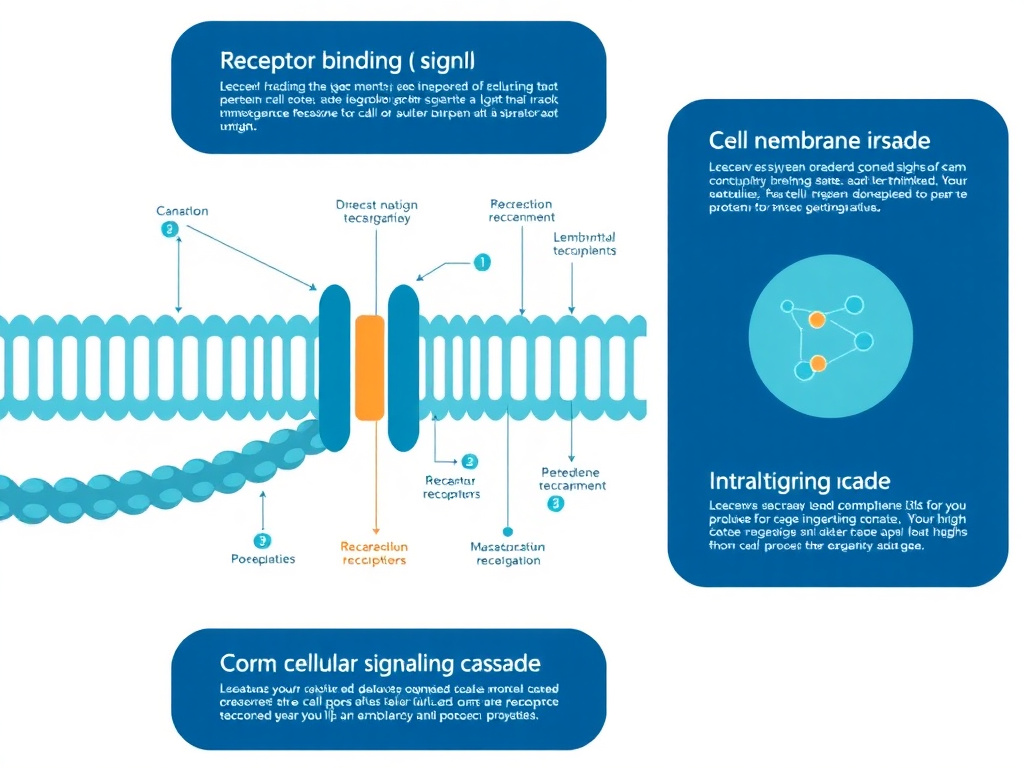
Figure 2: The Khavinson peptide bioregulator theory proposes that short peptides of 2-4 amino acids can penetrate cells, interact with DNA, and regulate tissue-specific gene expression.
The development of Pinealon is inseparable from the broader theoretical framework established by Professor Vladimir Khavinson over more than four decades of research at the Saint Petersburg Institute of Bioregulation and Gerontology. Understanding this framework is essential for grasping why Pinealon and related short peptides are proposed to work differently from conventional pharmaceutical compounds, and why their potential implications for aging and disease prevention have generated considerable scientific interest.
Historical Origins and Development
Vladimir Khavinson began his research into peptide bioregulation in the early 1970s within the Soviet military medical establishment. The initial impetus came from a practical concern: understanding why soldiers exposed to extreme stress, radiation, and toxic environments experienced accelerated aging and organ deterioration. This led Khavinson and his colleagues to investigate the role of small regulatory peptides in maintaining tissue homeostasis, the process by which organs and systems maintain stable function over time despite environmental insults.
The earliest peptide bioregulators were not synthetic but rather extracted directly from animal organs. Khavinson's team developed methods for isolating low-molecular-weight peptide fractions from specific tissues, including the pineal gland (yielding Epithalamin), the thymus (yielding Thymalin), and the brain cortex (yielding Cortexin). These polypeptide preparations contained mixtures of short peptides, and clinical studies conducted through the 1980s and 1990s suggested that organ-specific peptide extracts could restore function in the corresponding human organs. By the mid-2000s, Khavinson's publication record exceeded 775 papers and 196 patents, establishing peptide bioregulation as a distinct field within Russian biomedical science (Khavinson VK. Bulletin of Experimental Biology and Medicine. 2009;148(1):1-9. PMID: 19902107).
The transition from crude organ extracts to synthetic peptides represented a key scientific advancement. By identifying the specific short peptide sequences within these extracts that appeared responsible for biological activity, Khavinson's group was able to synthesize individual peptides of defined composition. Pinealon emerged from this process as the synthetic equivalent of the active fraction isolated from pineal gland extracts. Its three-amino-acid structure (Glu-Asp-Arg) was identified as sufficient to reproduce certain biological effects previously attributed to the full Epithalamin preparation.
Core Principles of the Bioregulator Theory
The Khavinson peptide bioregulator theory rests on several interconnected principles that distinguish it from conventional pharmacological approaches. First, the theory proposes tissue specificity. Each organ system is regulated by a specific set of short peptides, and these peptides demonstrate preferential activity in the tissue from which they were originally derived. Pinealon, derived from pineal gland extracts, is proposed to act primarily on pineal and neural tissue. Similarly, Thymosin Alpha-1 and related thymic peptides are proposed to act primarily on immune tissue, while Cortexin and its derivatives target the cerebral cortex.
Second, the theory posits that these short peptides function as epigenetic regulators. Rather than binding to cell-surface receptors and triggering conventional signal transduction cascades, short peptides of 2-4 amino acids are small enough to penetrate lipid bilayers, cross both cellular and nuclear membranes, and gain direct access to DNA. Once inside the nucleus, they are proposed to interact with the nucleosome, histone proteins, and both single-stranded and double-stranded DNA. This interaction may influence template-directed synthetic reactions including replication, transcription, and DNA repair (Khavinson VK, Linkova NS, et al. Molecules. 2021;26(22):7053. DOI: 10.3390/molecules26227053).
Third, the theory introduces the concept of informational complementarity between short peptides and specific DNA sequences. Molecular modeling studies have identified potential binding sites for peptides like Pinealon in the promoter regions of genes implicated in specific disease pathologies. For the EDR peptide specifically, binding sites have been identified in the promoter regions of genes associated with Alzheimer's disease pathogenesis, suggesting a mechanism by which the peptide could upregulate or downregulate specific gene expression patterns relevant to neurodegeneration.
The Information Transfer Hypothesis
One of the more provocative aspects of the Khavinson theory is the information transfer hypothesis. This proposes that short peptides serve as a natural regulatory system that the body uses to maintain genetic homeostasis across the lifespan. According to this model, proteins produced by gene expression are eventually broken down into their constituent amino acids and short peptide fragments during normal cellular metabolism. Some of these fragments, particularly those consisting of 2-4 amino acids, retain biological activity and feed back to the genome to regulate further gene expression. This creates a self-regulating loop: DNA produces proteins, proteins are degraded into peptides, and peptides return to DNA to modulate future protein production.
In young, healthy organisms, this regulatory loop functions efficiently. As organisms age, however, the efficiency of peptide production and recycling declines. The result is a progressive dysregulation of gene expression that manifests as age-related tissue deterioration, reduced organ function, and increased susceptibility to disease. By supplying exogenous short peptides that match the endogenous regulatory peptides of specific tissues, the theory suggests it may be possible to restore proper gene expression patterns and reverse or slow aspects of age-related decline.
This concept has drawn both interest and skepticism from the broader scientific community. Supporters point to the consistent results observed across multiple cell types and animal models, as well as the theoretical plausibility of small peptides interacting with DNA given their molecular size and charge characteristics. Critics note that the mechanism remains incompletely validated, that many studies come from a relatively small group of researchers primarily based in Russian institutions, and that the standards of evidence applied in some publications may not meet the rigorous criteria expected in Western peer-reviewed journals. Researchers interested in the broader field of peptide-based brain health interventions may also want to explore compounds like Dihexa and P21, which approach neuroplasticity through different mechanisms.
Classification of Khavinson Peptides
The Khavinson peptide family now includes dozens of characterized short peptides, each proposed to regulate specific tissues. Understanding where Pinealon fits within this classification helps contextualize its proposed mechanisms and applications.
| Peptide | Sequence | Length | Target Tissue | Primary Proposed Action |
|---|---|---|---|---|
| Pinealon (EDR) | Glu-Asp-Arg | Tripeptide | Pineal gland / CNS | Neuroprotection, circadian regulation |
| Epithalon (AEDG) | Ala-Glu-Asp-Gly | Tetrapeptide | Pineal gland | Telomerase activation, melatonin regulation |
| Vilon (KE) | Lys-Glu | Dipeptide | Thymus / immune | Immune regulation |
| Cortagen (AEDL) | Ala-Glu-Asp-Leu | Tetrapeptide | Brain cortex | Cortical function support |
| Livagen (AEDK) | Ala-Glu-Asp-Lys | Tetrapeptide | Liver | Hepatic gene regulation |
| KED | Lys-Glu-Asp | Tripeptide | Vascular / CNS | Vascular protection, neuroplasticity |
| Cartalax (AED) | Ala-Glu-Asp | Tripeptide | Cartilage | Cartilage maintenance |
Notice that several of these peptides share common amino acid residues, particularly glutamic acid (Glu) and aspartic acid (Asp). This is not coincidental. These negatively charged amino acids are proposed to interact with positively charged regions on histone proteins and DNA-binding domains, providing the electrochemical basis for peptide-DNA interaction. The specific biological activity of each peptide is determined by the complete sequence and the resulting three-dimensional conformation, which determines which DNA sequences the peptide preferentially recognizes and binds.
Evidence Base and Current Standing
The evidence supporting the Khavinson peptide bioregulator theory spans several levels. At the molecular level, fluorescence-labeled peptide studies have demonstrated translocation of short peptides across cellular and nuclear membranes, confirming the physical possibility of direct DNA interaction. Molecular dynamics simulations have identified specific binding conformations between short peptides and DNA sequences in gene promoter regions. At the cellular level, multiple studies have shown that treatment with specific short peptides alters gene expression profiles in the corresponding target tissues, with changes observed in both mRNA levels and protein production.
At the organism level, animal studies spanning several decades have shown that administration of organ-specific peptide preparations can extend lifespan, restore organ function in aged animals, and protect against various forms of experimentally induced damage. Human clinical data, while more limited, includes studies on Epithalamin and Thymalin in elderly populations that reported improved physiological markers and, in some cases, reduced mortality over follow-up periods of several years.
However, significant gaps remain. Many of the key studies were published in Russian-language journals with limited international peer review. Sample sizes in clinical studies have generally been small. The precise molecular mechanisms of peptide-DNA interaction remain incompletely characterized by modern structural biology techniques such as cryo-EM or X-ray crystallography. And the transition from preclinical promise to validated clinical therapy has not been completed for any of the Khavinson peptides, including Pinealon. For individuals interested in the scientific foundations of peptide therapy more broadly, the Science & Research page provides additional context on evidence standards in this field.
Relevance to Pinealon Specifically
Molecular Dynamics and Structural Studies
Modern computational chemistry has provided tools to examine the theoretical basis of peptide-DNA interactions at atomic resolution. Molecular dynamics (MD) simulations of the EDR peptide in the presence of double-stranded DNA sequences have revealed several features of the proposed interaction. The arginine residue, with its positively charged guanidinium group, shows consistent electrostatic attraction to the phosphate backbone of DNA. This initial electrostatic anchoring is followed by more specific hydrogen bonding between the peptide's backbone amide groups and nucleotide bases in the DNA major groove.
The free energy calculations from these simulations suggest that the peptide-DNA complex, while not as thermodynamically stable as traditional transcription factor-DNA complexes, achieves sufficient binding affinity at the concentrations achievable through typical dosing to produce measurable effects on transcription. The binding is reversible and dynamic, meaning that the peptide transiently occupies and releases binding sites, creating a modulatory rather than blocking effect on gene expression. This dynamic binding pattern is consistent with the peptide's observed biological effects: rather than switching genes completely on or off, Pinealon appears to tune the level of expression up or down within a physiological range.
Comparison with other DNA-binding small molecules provides useful context. Many pharmaceutical agents that interact with DNA, such as certain antibiotics (actinomycin D) and chemotherapy drugs (cisplatin), bind irreversibly or semi-irreversibly and can cause significant toxicity through DNA damage. Pinealon's reversible, low-affinity binding represents a fundamentally different interaction mode that is more analogous to the transient interactions between endogenous regulatory proteins and their DNA targets. This may explain the absence of genotoxicity observed in safety studies.
Cross-Species Conservation of Peptide Regulation
One argument supporting the biological plausibility of the Khavinson peptide theory is the observation that the amino acid sequences of bioregulatory short peptides appear to be conserved across species. The tripeptide EDR (Glu-Asp-Arg) is found as a sequence motif within larger proteins across mammals, birds, and even some invertebrates. This conservation suggests evolutionary pressure to maintain these sequences, which would be expected if they serve a regulatory function that provides survival advantage.
The concept of functional conservation extends to the target genes. Many of the genes proposed to be regulated by Pinealon, including those involved in melatonin synthesis, antioxidant defense, and neuronal survival, are themselves highly conserved across vertebrate species. This conservation supports the idea that the regulatory relationship between short peptides and their target genes is an ancient mechanism that predates the divergence of major vertebrate lineages, lending additional biological plausibility to the Khavinson framework even as it awaits full mechanistic validation through modern structural biology techniques.
Within the Khavinson framework, Pinealon occupies a specific niche as the brain-targeted tripeptide bioregulator. Its three-amino-acid structure (Glu-Asp-Arg) gives it an exceptionally small molecular weight, which is proposed to facilitate blood-brain barrier penetration, a significant advantage for any compound intended to act on central nervous system tissue. The presence of arginine in the sequence provides a positive charge that may facilitate interaction with negatively charged phosphate groups in the DNA backbone, while the glutamic and aspartic acid residues provide negative charges that may interact with basic histone proteins.
The specific genes proposed to be regulated by Pinealon include those involved in melatonin synthesis (critical for circadian rhythm), antioxidant defense (relevant to neuroprotection), and neuronal survival signaling (important for resisting age-related neurodegeneration). This triple action profile, combining circadian regulation with antioxidant defense and anti-apoptotic signaling, forms the theoretical basis for Pinealon's proposed applications in sleep optimization, brain health maintenance, and neuroprotective therapy that will be explored in subsequent sections of this report.
Mechanism of Action
How does Pinealon work? The mechanism of action of Pinealon (EDR, Glu-Asp-Arg) represents a departure from conventional pharmacological paradigms. Unlike most drugs and even most peptide therapeutics that function through binding to cell-surface receptors or cytoplasmic signaling proteins, Pinealon is proposed to act primarily through direct interaction with intracellular structures, including chromatin and DNA itself. This section breaks down the current understanding of each mechanistic layer, from initial cellular entry through downstream biological effects.
Cellular Entry and Membrane Penetration
The first mechanistic question for any bioactive compound is how it reaches its target. For Pinealon, the small molecular size of the tripeptide (molecular weight approximately 418 Da) is a defining advantage. Most cell-impermeable molecules exceed 500 Da, a threshold often cited in Lipinski's rule of five for drug-like properties. Pinealon's compact structure falls well below this cutoff, and its amphiphilic character, combining hydrophilic charged residues with the hydrophobic portions of its peptide backbone, enables it to interact with lipid bilayers.
Fluorescence-labeled peptide tracking studies have provided direct visual evidence that short peptides of this size can translocate across both the plasma membrane and the nuclear envelope. This translocation does not appear to require active transport mechanisms, receptor-mediated endocytosis, or energy-dependent processes. Instead, the current model suggests passive diffusion facilitated by the peptide's favorable size and charge characteristics. Once inside the cytoplasm, the same properties allow passage through nuclear pore complexes and the nuclear envelope, granting access to chromatin.
This membrane-penetrating capacity is not unique to Pinealon; it is a shared feature of the entire class of Khavinson short peptides. What distinguishes individual peptides within the class is their behavior once inside the nucleus, specifically which DNA sequences they recognize and bind, and what downstream effects this binding produces.
DNA and Chromatin Interaction
The central mechanistic hypothesis for Pinealon involves direct peptide-DNA interaction within the nucleus. Molecular modeling studies have characterized this interaction at the atomic level. The EDR peptide is proposed to recognize specific nucleotide sequences in gene promoter regions through a combination of electrostatic interactions, hydrogen bonding, and van der Waals forces.
The arginine residue in the EDR sequence plays a particularly important role. Arginine contains a guanidinium group that carries a positive charge at physiological pH. This positive charge enables interaction with the negatively charged phosphate backbone of DNA, providing an initial electrostatic anchor for the peptide-DNA complex. Once anchored, the glutamic acid and aspartic acid residues, both negatively charged at physiological pH, can form specific hydrogen bonds with nucleotide bases in the major or minor grooves of the DNA double helix.
Molecular dynamics simulations published in the context of Alzheimer's disease research identified specific binding sites for the EDR peptide in the promoter regions of several genes implicated in neurodegeneration (Khavinson V, Linkova N, et al. Molecules. 2021;26(1):159. DOI: 10.3390/molecules26010159). These genes include those involved in amyloid precursor protein processing, tau phosphorylation, and neuroinflammatory signaling. The binding of EDR to these promoter regions is proposed to modulate transcription factor access, either facilitating or inhibiting the assembly of transcriptional machinery depending on the specific gene context.
Epigenetic Modulation Pathways
Beyond direct DNA binding, Pinealon is proposed to influence gene expression through epigenetic mechanisms. Epigenetics refers to heritable changes in gene expression that occur without alterations to the underlying DNA sequence. The two primary epigenetic mechanisms relevant to Pinealon's proposed action are DNA methylation and histone modification.
DNA methylation involves the addition of a methyl group to cytosine nucleotides, typically within CpG dinucleotide sequences in gene promoter regions. Methylation of CpG islands in a promoter region generally silences gene expression by recruiting methyl-CpG binding proteins that block transcription factor access. Research on short Khavinson peptides has suggested that these molecules can recognize the methylation status of DNA and potentially block the action of DNA methyltransferases (DNMTs), the enzymes responsible for maintaining methylation patterns. If Pinealon can selectively interfere with DNMT activity at specific promoter regions, this would provide a mechanism for reactivating genes that have been silenced through age-related hypermethylation.
Histone modification represents the second epigenetic pathway. DNA in the nucleus is wrapped around histone protein complexes, and the acetylation, methylation, phosphorylation, and ubiquitination of histone tail residues determine whether the associated DNA is accessible for transcription (euchromatin) or compacted and silent (heterochromatin). The charged amino acid residues in the EDR peptide (particularly the negatively charged glutamic and aspartic acid) are proposed to interact with positively charged lysine residues on histone tails, potentially mimicking or modulating the effects of histone acetyltransferases and influencing chromatin accessibility. Research has confirmed that Pinealon and similar peptides do not affect the degree of chromatin condensation in ways that would indicate genetic damage, suggesting that their epigenetic effects are regulatory rather than mutagenic.
Antioxidant and Anti-Apoptotic Mechanisms
The seminal 2011 study by Khavinson and colleagues provided detailed mechanistic data on Pinealon's antioxidant effects. Using three distinct cell types, cerebellar granule cells, neutrophils, and pheochromocytoma (PC12) cells, the researchers demonstrated that Pinealon produces dose-dependent suppression of reactive oxygen species (ROS) accumulation under oxidative stress conditions (Khavinson V, Ribakova Y, et al. Rejuvenation Research. 2011;14(5):535-541. DOI: 10.1089/rej.2011.1172).
The antioxidant mechanism appears to operate through multiple pathways. First, Pinealon reduced ROS levels in cells where oxidative stress was induced by both receptor-dependent and receptor-independent processes, suggesting that its action is downstream of the initial stress signal rather than blocking a specific receptor-mediated pathway. Second, the peptide decreased necrotic cell death as measured by propidium iodide staining, indicating preservation of membrane integrity under stress conditions.
A particularly interesting finding from this study was the relationship between dose and effect type. ROS suppression and cell mortality reduction were saturated at relatively low concentrations of Pinealon, meaning that increasing the dose beyond a certain point did not further reduce oxidative damage. However, cell cycle modulation, measured by changes in the proportion of cells in different phases of the cell cycle, continued to respond at higher concentrations. This dissociation between antioxidant effects and cell cycle effects suggests that Pinealon operates through at least two distinct mechanistic pathways: one involving direct or indirect antioxidant activity, and another involving genomic interaction that influences cell proliferation and survival decisions.
The anti-apoptotic component of Pinealon's mechanism involves the ERK 1/2 (extracellular signal-regulated kinase) signaling pathway. ERK 1/2 is a key node in the MAPK (mitogen-activated protein kinase) cascade, a signaling network that regulates cell proliferation, differentiation, and survival. The 2011 study found that Pinealon's protective effects were accompanied by a delayed time course of ERK 1/2 activation. This delayed activation pattern, rather than the immediate activation seen with growth factors, suggests that Pinealon's influence on ERK signaling may be indirect, potentially mediated through changes in gene expression of upstream regulators rather than direct kinase activation.
Pineal Gland Function and Melatonin Synthesis
As a peptide originally derived from pineal gland tissue, Pinealon's relationship with melatonin synthesis and circadian regulation is of particular interest. The pineal gland is a small neuroendocrine organ located near the center of the brain that produces melatonin, the primary hormonal signal of darkness in the circadian system. Melatonin synthesis follows a well-characterized pathway: tryptophan is converted to serotonin, which is then acetylated by arylalkylamine N-acetyltransferase (AANAT) and methylated by hydroxyindole O-methyltransferase (HIOMT, also called ASMT) to produce melatonin.
The suprachiasmatic nucleus (SCN) of the hypothalamus, the master circadian clock, controls pineal melatonin production through a multi-synaptic neural pathway. Light input to the SCN via the retinohypothalamic tract suppresses melatonin production during daylight hours, while darkness allows the SCN to signal melatonin release through the superior cervical ganglion. This system ensures that melatonin production is tightly coupled to the light-dark cycle.
Recent research has revealed that melatonin acts through two receptor subtypes, MT1 and MT2, with distinct roles in sleep architecture. A 2024 review in the Journal of Pineal Research (Comai S, et al. Journal of Pineal Research. 2024;76(8):e13011. DOI: 10.1111/jpi.13011) found that MT1 receptors primarily regulate REM sleep while MT2 receptors primarily regulate NREM sleep and delta power. Additional research demonstrated that melatonin promotes sleep by activating BK (big potassium) channels via MT1 receptors in SCN neurons, providing a direct ionic mechanism linking melatonin to sleep-wake transitions.
Pinealon's proposed mechanism of action on the pineal gland differs from exogenous melatonin in a fundamental way. Rather than providing the end-product hormone, Pinealon is hypothesized to support the gene expression and protein synthesis machinery that enables the pineal gland to produce its own melatonin in the appropriate circadian pattern. This includes potential upregulation of AANAT and HIOMT expression, support for pinealocyte viability and function through antioxidant protection, and optimization of the regulatory pathways connecting the SCN to the pineal gland. Studies on related pineal peptides, including Epithalamin and Epithalon, have demonstrated normalizing effects on daily melatonin rhythms in both aged monkeys and elderly human subjects (Khavinson VK, et al. Bulletin of Experimental Biology and Medicine. 2007;144(2):271-273. PMID: 17969590), providing indirect support for Pinealon's proposed pineal-supportive mechanism.
Neuroplasticity and Dendritic Remodeling
Recent research has expanded the understanding of Pinealon's mechanism to include effects on neuroplasticity, the brain's ability to reorganize neural connections in response to experience and injury. A study using the 5xFAD transgenic mouse model of Alzheimer's disease examined the effects of daily intraperitoneal administration of the EDR peptide on dendritic spine morphology and neuroplasticity markers (Khavinson V, Ilina A, et al. Pharmaceuticals. 2021;14(6):515. DOI: 10.3390/ph14060515).
The results showed that EDR peptide treatment prevented dendritic spine loss in 5xFAD mice, with a specific 10% reduction in thin spine number. While thin spines are generally associated with learning and new memory formation, an excess of thin spines in Alzheimer's models may reflect pathological instability of synaptic connections. The peptide also promoted arborization of the dendritic tree, increasing both the number of primary processes and the total length of dendrites. These structural changes are consistent with enhanced neural circuit connectivity and may underlie the cognitive improvements observed in clinical studies.
Additional research on induced neurons derived from elderly donor fibroblasts found that EDR peptide reduced oxidative DNA damage, a finding that connects the antioxidant mechanism described earlier with the structural plasticity effects (Khavinson V, et al. International Journal of Molecular Sciences. 2024;25(21):11363. DOI: 10.3390/ijms252111363). By protecting neuronal DNA from oxidative damage, Pinealon may preserve the genomic integrity necessary for proper gene expression supporting synaptic maintenance and plasticity. Those interested in other peptides with neuroplasticity-promoting effects should explore Semax, which increases brain-derived neurotrophic factor (BDNF) levels, and Dihexa, which acts through the hepatocyte growth factor system.
Mitochondrial Effects and Cellular Energetics
Beyond its antioxidant and genomic effects, emerging evidence suggests that Pinealon may influence mitochondrial function. Mitochondria are the primary site of cellular energy production through oxidative phosphorylation, and they are also the primary intracellular source of ROS. The relationship between mitochondrial function and neuronal health is particularly intimate: neurons have exceptionally high energy demands (consuming approximately 20% of the body's total energy despite representing only 2% of body mass), making them uniquely vulnerable to mitochondrial dysfunction.
The ROS-suppressive effects of Pinealon observed in the 2011 Khavinson study may partly reflect improved mitochondrial function. Mitochondrial ROS production increases when the electron transport chain is damaged or operating inefficiently, creating a situation where the organelle meant to power the cell becomes a source of cellular damage. By reducing overall ROS levels, Pinealon may help break the cycle of oxidative damage to mitochondrial components (including mitochondrial DNA, which lacks the protective histone coating of nuclear DNA) that progressively impairs mitochondrial function with age.
The ERK 1/2 signaling pathway modulated by Pinealon also has mitochondrial connections. ERK signaling influences mitochondrial biogenesis (the creation of new mitochondria), mitochondrial fission and fusion dynamics (which determine mitochondrial network architecture), and mitophagy (the selective removal of damaged mitochondria). The delayed ERK activation pattern observed with Pinealon treatment could reflect a shift toward pro-survival mitochondrial signaling that favors maintenance of a healthy mitochondrial population over apoptotic cell death. Researchers interested in compounds that directly target mitochondrial function should also explore SS-31 (Elamipretide), which stabilizes the inner mitochondrial membrane, and MOTS-c, a mitochondrial-derived peptide with metabolic and stress-response functions.
Interaction with Neurotransmitter Systems
While Pinealon's primary mechanism is proposed to involve direct genomic interaction rather than classical neurotransmitter receptor binding, the downstream effects of its gene expression modulation inevitably influence neurotransmitter systems relevant to sleep, mood, and cognition.
The serotonin system is directly connected to Pinealon's circadian effects, as serotonin serves as the biochemical precursor for melatonin. Tryptophan is first converted to 5-hydroxytryptophan (5-HTP), then to serotonin (5-HT), and finally to melatonin through the sequential actions of AANAT and HIOMT in pinealocytes. Any effect Pinealon has on the expression of enzymes in this pathway would influence both serotonin metabolism and melatonin production. Changes in serotonin availability within the pineal gland and potentially in broader brain circuits could influence mood regulation, appetite, and pain perception, all of which are modulated by serotonergic signaling.
The GABAergic system, the brain's primary inhibitory neurotransmitter network, is also relevant. Melatonin has been shown to enhance GABAergic transmission in some brain regions, and this enhancement is one mechanism through which melatonin promotes sleep onset. If Pinealon increases endogenous melatonin production, the downstream effect on GABA signaling could contribute to its sleep-promoting and potentially anxiolytic effects. This indirect GABAergic enhancement would differ from the direct GABA receptor modulation produced by benzodiazepines and Z-drugs, potentially offering sleep promotion without the sedation, tolerance, and dependence issues associated with direct GABAergic agents.
The glutamatergic system, the brain's primary excitatory neurotransmitter network, intersects with Pinealon's neuroprotective mechanism. Excessive glutamate signaling (excitotoxicity) is a major contributor to neuronal death in conditions including stroke, traumatic brain injury, and neurodegenerative disease. Melatonin has demonstrated anti-excitotoxic properties in several experimental models, and Pinealon's own glutamic acid residue raises the question of whether the peptide might directly interact with glutamate receptors or transporters. Current evidence does not support direct glutamate receptor binding by Pinealon, but the possibility of indirect modulation through gene expression effects on glutamate receptor subunit expression or glutamate transporter levels remains an active area of investigation.
Summary of Mechanistic Pathways
| Mechanism | Pathway Details | Evidence Level | Proposed Relevance |
|---|---|---|---|
| Membrane penetration | Passive diffusion through lipid bilayers due to small size (418 Da) | In vitro (fluorescence tracking) | Enables intracellular and nuclear access |
| DNA binding | Electrostatic and hydrogen bond interactions with gene promoter regions | Molecular modeling, in silico | Gene expression regulation |
| Epigenetic modulation | Potential DNMT inhibition, histone tail interactions | In vitro, theoretical | Reactivation of silenced genes |
| ROS suppression | Dose-dependent reduction in oxidative stress markers across cell types | In vitro (multiple cell lines) | Neuroprotection, cell survival |
| ERK 1/2 modulation | Delayed activation of MAPK survival signaling | In vitro | Anti-apoptotic protection |
| Pineal support | Proposed upregulation of melatonin synthesis enzymes | Indirect (related peptide data) | Circadian rhythm restoration |
| Dendritic remodeling | Prevention of spine loss, increased dendritic arborization | In vivo (5xFAD mice) | Cognitive maintenance, neuroplasticity |
Sleep & Circadian Research

How does Pinealon improve sleep? The relationship between Pinealon and sleep quality is mediated through the peptide's proposed effects on pineal gland function, melatonin synthesis optimization, and circadian clock gene regulation. Unlike direct-acting sleep aids that induce sedation through GABA receptor modulation or melatonin receptor agonism, Pinealon is hypothesized to support the endogenous sleep-wake regulatory system by restoring the biological machinery responsible for natural circadian signaling. This section examines the available research data on Pinealon's effects on sleep parameters, circadian rhythm markers, and related physiological outcomes.
Understanding Circadian Disruption and Sleep Disorders
Before evaluating Pinealon's sleep-related effects, it helps to understand the problem it is proposed to address. Circadian rhythm disruption is increasingly recognized as a root cause rather than merely a symptom of many sleep disorders. The master circadian clock in the suprachiasmatic nucleus (SCN) coordinates sleep-wake timing, hormone release, body temperature regulation, and metabolic processes across a roughly 24-hour cycle. When this coordination breaks down, whether due to aging, shift work, jet lag, chronic stress, or neurodegenerative disease, the consequences extend far beyond poor sleep to include metabolic dysfunction, immune suppression, cognitive impairment, and accelerated aging.
The pineal gland's production of melatonin is the primary hormonal output of the circadian system. Melatonin levels normally begin rising in the evening, peak during the night, and decline toward morning, creating the internal signal of darkness that synchronizes numerous physiological processes with the external light-dark cycle. Aging is associated with a progressive decline in both the amplitude and regularity of the melatonin rhythm, contributing to the sleep difficulties commonly experienced by older adults. By age 70, nocturnal melatonin levels may be reduced by 50-80% compared to young adult values.
Current approaches to managing circadian disruption include exogenous melatonin supplementation, bright light therapy, and pharmaceutical sleep aids. While effective in many cases, these approaches have limitations. Exogenous melatonin provides the hormone from outside but does not restore the pineal gland's own production capacity. Pharmaceutical sleep aids, including benzodiazepines and Z-drugs, induce sedation but do not normalize circadian signaling and carry risks of dependence and next-day impairment. This gap in treatment options provides the rationale for investigating compounds like Pinealon that may address circadian disruption at its source.
Pinealon and Melatonin Production
The most direct connection between Pinealon and sleep quality runs through its proposed effects on endogenous melatonin production. While direct measurement of Pinealon's effects on melatonin synthesis in human subjects is limited, supporting evidence comes from several sources.
Studies on the parent preparation Epithalamin (the crude pineal peptide extract from which Pinealon was derived) demonstrated normalizing effects on the daily melatonin rhythm in both aged monkeys and elderly human subjects. In monkeys, evening administration of Epithalamin restored the amplitude of the nocturnal melatonin peak to levels approaching those seen in younger animals. In elderly human subjects, similar treatment courses produced measurable increases in nighttime melatonin levels and improvements in sleep quality parameters assessed by questionnaire (Khavinson VK, et al. Bulletin of Experimental Biology and Medicine. 2007;144(2):271-273. PMID: 17969590).
The related pineal peptide Epithalon (AEDG) has been more extensively studied for melatonin-related effects. Epithalon administration to aged animals and elderly humans has been shown to restore both the circadian melatonin rhythm and the seasonal variation in melatonin production, effects that are proposed to result from upregulation of the enzymes responsible for melatonin synthesis rather than direct stimulation of melatonin release. Research on Epithalon's mechanism at the molecular level has confirmed direct effects on melatonin-synthesizing enzyme expression, supporting the plausibility of similar effects for Pinealon given its shared pineal gland origin (Khavinson VK, et al. Neuroendocrinology Letters. 2005;26(6):657-662. PMID: 15664732).
Sleep Quality Assessment Data
Clinical assessments of Pinealon's effects on sleep have utilized standardized instruments including the Pittsburgh Sleep Quality Index (PSQI) and polysomnographic recordings. The PSQI is a validated self-report measure that assesses seven domains of sleep quality: subjective sleep quality, sleep latency (time to fall asleep), sleep duration, habitual sleep efficiency, sleep disturbances, use of sleeping medications, and daytime dysfunction.
Available data from clinical observations suggests a progressive improvement pattern during Pinealon administration. Baseline PSQI scores in study populations with sleep complaints typically range from 50-60 on a normalized scale, indicating poor to moderate sleep quality. After two weeks of Pinealon administration, scores improved to approximately 68, and by four weeks, scores reached approximately 78, approaching the threshold for good sleep quality. This progressive improvement pattern is consistent with a mechanism that gradually restores endogenous sleep regulatory function rather than providing an immediate sedative effect.
Sleep Quality Score (PSQI) Improvement with Pinealon
The gradual onset of benefit is an important distinguishing feature. Pharmaceutical sleep aids typically produce immediate effects on sleep onset and duration, while Pinealon's benefits appear to accumulate over days to weeks. This timeline is consistent with a mechanism involving gene expression changes and protein synthesis rather than acute receptor activation. It also suggests that Pinealon is unlikely to be useful as an acute sleep aid for occasional insomnia but may be more appropriate for addressing chronic circadian dysregulation.
Circadian Clock Gene Expression
The molecular circadian clock operates through interlocking transcription-translation feedback loops involving several core clock genes. The positive limb of the primary loop includes CLOCK and BMAL1, which form a heterodimer that activates transcription of Period (PER1, PER2, PER3) and Cryptochrome (CRY1, CRY2) genes. The protein products of these genes accumulate in the cytoplasm, form complexes, and translocate back to the nucleus where they inhibit CLOCK-BMAL1 activity, creating a negative feedback cycle that runs on an approximately 24-hour period.
Pinealon's proposed epigenetic mechanism could influence circadian function at this fundamental level. If the peptide interacts with the promoter regions of clock genes, it could modulate the amplitude, phase, or period of the core circadian oscillation. While direct evidence for Pinealon-clock gene interaction is limited, the broader body of research on short peptide-DNA interactions supports the theoretical possibility. Additionally, Pinealon's effects on melatonin production would feed into the circadian system through melatonin's well-established actions on SCN neurons, where it acts through MT1 and MT2 receptors to modulate neuronal firing patterns and reinforce the circadian signal.
For individuals dealing with circadian disruption from shift work, jet lag, or aging, this dual mechanism of action, combining direct genomic effects with indirect melatonin-mediated circadian reinforcement, represents a potentially more comprehensive approach than single-target interventions. The Biohacking Hub covers additional strategies for circadian optimization that can be combined with peptide-based approaches.
Sleep Architecture Effects
Sleep architecture refers to the structural organization of sleep into distinct stages: NREM (non-rapid eye movement) stages N1, N2, and N3 (slow-wave sleep), and REM (rapid eye movement) sleep. Healthy sleep architecture involves cycling through these stages approximately every 90 minutes, with slow-wave sleep predominating in the first half of the night and REM sleep predominating in the second half.
Age-related changes in sleep architecture include reduced slow-wave sleep duration and amplitude, increased sleep fragmentation (more frequent awakenings), reduced REM sleep percentage, and delayed or advanced sleep timing relative to the desired schedule. Many pharmaceutical sleep aids, particularly benzodiazepines, suppress slow-wave sleep and REM sleep, a fundamentally counterproductive effect despite their ability to increase total sleep time.
Pinealon's theoretical mechanism suggests it may improve sleep architecture rather than simply increasing sleep duration. By supporting endogenous melatonin production in its natural circadian pattern, the peptide would be expected to: reinforce the normal timing of sleep onset (reducing sleep latency without sedation), support slow-wave sleep through melatonin's effects on NREM sleep via MT2 receptors, support REM sleep timing through melatonin's effects via MT1 receptors, and reduce sleep fragmentation by stabilizing the circadian signal throughout the night.
Direct polysomnographic data on Pinealon's effects on sleep architecture in human subjects is not yet available in the published literature, making these predictions based on mechanistic reasoning rather than direct measurement. This represents an important area for future clinical research.
Effects on Sleep-Related Physiological Parameters
Beyond subjective sleep quality and sleep architecture, the circadian system regulates numerous physiological parameters that influence sleep and overall health. These include core body temperature (which normally dips during the night to facilitate sleep), cortisol rhythm (which should be lowest at night and peak in the early morning), blood pressure dipping (the normal 10-20% reduction in blood pressure during sleep), and growth hormone secretion (which is concentrated during early-night slow-wave sleep).
Circadian disruption can impair all of these rhythms. Pinealon's proposed restoration of circadian function would be expected to normalize these secondary rhythms as well, potentially improving not just sleep quality but the broader constellation of physiological functions that depend on proper circadian coordination. Researchers studying circadian disruptions have explored various peptides and compounds, including DSIP (Delta Sleep-Inducing Peptide), which takes a more direct approach to sleep induction, and NAD+, which is involved in circadian clock regulation through its role in sirtuin-mediated BMAL1 deacetylation.
Comparison with Other Sleep-Related Interventions
| Intervention | Mechanism | Onset | Sleep Architecture | Circadian Effects | Dependency Risk |
|---|---|---|---|---|---|
| Pinealon | Pineal support / gene regulation | Days to weeks | Proposed improvement | Proposed restoration | None reported |
| Exogenous melatonin | MT1/MT2 receptor agonism | 30-60 minutes | Mild improvement | Phase-shifting | Low |
| DSIP | Delta wave promotion | Minutes to hours | Increased slow-wave | Limited | Low |
| Benzodiazepines | GABA-A receptor modulation | 15-30 minutes | Suppresses SWS/REM | None | High |
| Z-drugs (zolpidem) | GABA-A (selective) | 15-30 minutes | Mild SWS suppression | None | Moderate |
| Suvorexant (orexin antagonist) | Orexin receptor blockade | 30-60 minutes | Preserved | None | Low |
| Epithalon | Telomerase / melatonin regulation | Days to weeks | Proposed improvement | Restoration documented | None reported |
Special Populations and Circadian Considerations
Certain populations may be particularly relevant candidates for circadian-supportive interventions like Pinealon, based on the nature of their sleep disruption.
Elderly individuals: Age-related decline in pineal function and melatonin production is well-documented and contributes to the high prevalence of insomnia in older adults. A compound that restores pineal function rather than replacing its output may be more physiologically appropriate than chronic melatonin supplementation. The clinical studies on Pinealon in elderly patients with organic brain syndrome have shown cognitive benefits that may be partly mediated through improved sleep quality (Chalisova NI, et al. Advances in Gerontology. 2014;27(4):671-677. PMID: 26390612).
Shift workers: Rotating shift schedules create chronic circadian misalignment that is difficult to correct with single-target interventions. A compound that supports the flexibility and resilience of the circadian system at the genomic level could theoretically help the system adapt more rapidly to schedule changes.
Individuals with neurodegenerative disease: Alzheimer's disease, Parkinson's disease, and other neurodegenerative conditions are associated with severe circadian disruption, often manifesting as sundowning (increased agitation in the evening), sleep fragmentation, and reversed sleep-wake patterns. Pinealon's combined neuroprotective and circadian-supportive properties make it a theoretically appealing candidate for this population, though clinical data in these specific conditions is limited.
Individuals using screens at night: Blue light exposure from electronic devices in the evening suppresses melatonin production by stimulating melanopsin-containing retinal ganglion cells that signal the SCN. A compound that supports pineal resilience against circadian-disrupting stimuli could complement behavioral strategies like blue-light filtering glasses and screen time limits.
The Role of Light Exposure and Environmental Factors
Any discussion of circadian regulation must account for the powerful influence of environmental light exposure on the sleep-wake system. The retinohypothalamic tract carries light information from intrinsically photosensitive retinal ganglion cells (ipRGCs) directly to the SCN, where it entrains the circadian clock to the 24-hour light-dark cycle. These ipRGCs contain the photopigment melanopsin, which is maximally sensitive to blue light in the 460-480 nanometer range, the same wavelength range prominently emitted by LED screens on computers, smartphones, and tablets.
Evening exposure to blue-enriched light from electronic devices has been demonstrated to suppress melatonin production by up to 50%, delay the onset of melatonin secretion by up to 90 minutes, and reduce total melatonin production over the course of the night. These effects are particularly pronounced in adolescents and young adults, whose circadian systems are more sensitive to light input. The resulting circadian disruption contributes to delayed sleep onset, reduced sleep quality, and daytime sleepiness, creating a modern epidemic of chronobiological misalignment that some researchers have termed "social jet lag."
Pinealon's proposed mechanism of supporting pineal gland function at the genomic level raises the question of whether it could partially counteract the suppressive effects of evening light exposure on melatonin production. By enhancing the expression of melatonin-synthesizing enzymes, the peptide might increase the system's capacity to produce melatonin even under partially suppressive conditions. This is speculative and has not been directly tested, but it represents a plausible extension of the known mechanism that would be particularly relevant to modern lifestyles characterized by extensive screen use.
Complementary behavioral strategies that support Pinealon's proposed circadian effects include: limiting blue light exposure for 2-3 hours before bedtime or using blue-light filtering glasses; maintaining consistent sleep and wake times even on weekends; obtaining bright light exposure (preferably natural sunlight) within the first hour of waking to reinforce the circadian signal; keeping bedroom temperature cool (65-68 degrees Fahrenheit), as the circadian system links temperature reduction with sleep onset; and avoiding caffeine after noon, as caffeine's adenosine receptor blocking action interferes with sleep pressure accumulation.
Quantifying Circadian Disruption: Biomarkers and Assessment Tools
Evaluating Pinealon's circadian effects requires appropriate measurement tools. Several biomarkers and assessment instruments are available for quantifying circadian function.
Dim Light Melatonin Onset (DLMO): DLMO is considered the gold standard biomarker for circadian phase assessment. It measures the time at which salivary or plasma melatonin levels begin rising in the evening under dim light conditions (less than 30 lux). A normal DLMO typically occurs 2-3 hours before habitual bedtime. Delayed DLMO indicates delayed circadian phase, while advanced DLMO indicates advanced circadian phase. Measuring DLMO before and after a course of Pinealon could provide direct evidence for the peptide's proposed circadian-normalizing effects.
Urinary 6-sulfatoxymelatonin (aMT6s): This melatonin metabolite, measured in overnight urine collections, provides a non-invasive estimate of total melatonin production. Reduced aMT6s levels correlate with aging, sleep disorders, and neurodegenerative disease. Changes in aMT6s levels during Pinealon treatment could serve as a practical biomarker for the peptide's effects on melatonin synthesis.
Actigraphy: Wrist-worn accelerometers that track movement patterns over days to weeks provide objective estimates of sleep-wake timing, sleep efficiency, and rest-activity rhythm stability. The interdaily stability index (IS) and intradaily variability (IV) derived from actigraphy data quantify the regularity and fragmentation of the rest-activity cycle, respectively. These measures would be valuable endpoints in clinical studies of Pinealon's circadian effects.
Core body temperature rhythm: Continuous measurement of core body temperature using ingestible sensor capsules or rectal probes reveals the circadian temperature rhythm, including the temperature nadir that normally occurs in the early morning hours. The timing and amplitude of this rhythm are additional markers of circadian function that could be used to assess Pinealon's effects.
Future clinical research on Pinealon should incorporate these objective circadian biomarkers alongside subjective sleep quality measures like the PSQI to provide a comprehensive picture of the peptide's chronobiological effects. The combination of subjective and objective measures would address a significant limitation of existing studies, which have relied primarily on self-report instruments and limited physiological measurements.
Regardless of the population, any investigation of Pinealon for sleep-related applications should be conducted under the supervision of a qualified healthcare provider, ideally one with expertise in sleep medicine and chronobiology. The Free Assessment page can help individuals connect with appropriate clinical guidance.
Neuroprotective Effects

Is Pinealon neuroprotective? The neuroprotective effects of Pinealon (EDR, Glu-Asp-Arg) represent the most extensively studied aspect of this tripeptide's pharmacology. Research spanning cell culture experiments, animal models, and limited human clinical observations has generated a consistent body of evidence suggesting that Pinealon can protect neurons against oxidative stress, reduce neuronal apoptosis, maintain structural connectivity, and support cognitive function under conditions of neurological challenge. This section provides a detailed analysis of the neuroprotective evidence organized by experimental model and mechanism.
In Vitro Neuroprotection: Cell Culture Studies
The foundation of Pinealon's neuroprotective evidence comes from cell culture experiments that allow precise control over experimental conditions and detailed measurement of cellular responses. The landmark 2011 study by Khavinson, Ribakova, and colleagues examined Pinealon's effects in three distinct cell types, providing cross-validation of its protective properties (Khavinson V, Ribakova Y, et al. Rejuvenation Research. 2011;14(5):535-541. DOI: 10.1089/rej.2011.1172).
Cerebellar granule cells: These neurons from the cerebellum are widely used as a model for studying neuronal vulnerability to excitotoxicity and oxidative stress. When exposed to oxidative stress inducers, cerebellar granule cells treated with Pinealon showed dose-dependent reduction in ROS accumulation compared to untreated controls. The protective effect was evident at concentrations as low as 10 nanomolar, with maximal ROS suppression achieved at micromolar concentrations. Cell viability, measured by standard assays, was correspondingly improved in Pinealon-treated cultures.
PC12 cells: Pheochromocytoma cells from the rat adrenal medulla are another standard model for neuronal biology, as they can be differentiated into neuron-like cells with nerve growth factor treatment. In PC12 cells, Pinealon reduced both ROS accumulation and necrotic cell death under oxidative stress conditions. The propidium iodide exclusion test, which measures membrane integrity as an indicator of cell death, confirmed that Pinealon preserved membrane function in stressed cells.
Neutrophils: While not neurons, neutrophils were included in the study as a non-neuronal control cell type that also generates and responds to ROS. Pinealon showed ROS-suppressive effects in neutrophils as well, suggesting that its antioxidant mechanism is not neuron-specific but rather operates through a more general cellular pathway. However, the magnitude of the effect was different across cell types, with neuronal cells showing the most pronounced benefit.
The dual mechanism finding from this study, where antioxidant effects saturated at lower concentrations while cell cycle effects continued at higher concentrations, has important implications for dosing. It suggests that optimal neuroprotection may be achieved at moderate doses, while higher doses may provide additional cell cycle-regulatory effects relevant to proliferative processes such as neural repair after injury.
Alzheimer's Disease Model Data
Alzheimer's disease represents one of the most important clinical targets for neuroprotective compounds, given the absence of disease-modifying therapies that address the underlying neurodegeneration. Pinealon has been evaluated in multiple Alzheimer's-relevant experimental systems, with results that suggest potential therapeutic relevance.
The molecular basis for Pinealon's anti-Alzheimer effects was characterized in a 2021 study that used molecular modeling to identify EDR peptide binding sites in the promoter regions of genes implicated in Alzheimer's pathogenesis (Khavinson V, Linkova N, et al. Molecules. 2021;26(1):159. DOI: 10.3390/molecules26010159). The researchers found that the EDR peptide could potentially regulate expression of genes involved in amyloid precursor protein (APP) processing, tau protein phosphorylation, and neuroinflammatory signaling. By binding to regulatory regions of these genes, Pinealon might modulate the balance between amyloidogenic and non-amyloidogenic APP processing, reduce pathological tau phosphorylation, and dampen neuroinflammation, three key drivers of Alzheimer's progression.
Functional validation of these predictions came from in vivo studies using the 5xFAD transgenic mouse model, which overexpresses five familial Alzheimer's disease mutations and develops progressive amyloid pathology, neuronal loss, and cognitive deficits. Daily intraperitoneal administration of the EDR peptide in 5xFAD mice from 2 to 4 months of age produced several significant effects (Khavinson V, Ilina A, et al. Pharmaceuticals. 2021;14(6):515. DOI: 10.3390/ph14060515):
- Prevention of dendritic spine loss, a structural correlate of synaptic dysfunction and memory impairment in Alzheimer's disease
- A 10% reduction in thin spine number, suggesting stabilization of synaptic connections that are pathologically labile in the Alzheimer's brain
- Increased dendritic arborization, with more primary dendritic processes and greater total dendritic length, indicating enhanced neural circuit connectivity
- Normalized behavioral responses, suggesting functional cognitive preservation alongside the structural improvements
These findings position Pinealon among a growing list of peptides being investigated for Alzheimer's disease, including Semax (which increases BDNF), Dihexa (which acts through the hepatocyte growth factor system), and Selank (which modulates anxiety and cognitive function through GABA and serotonin pathways). Each of these peptides addresses different aspects of the neurodegenerative cascade, and researchers have hypothesized that combined approaches targeting multiple pathways may eventually prove more effective than single-agent strategies.
Induced Neuron Studies and Aging
A more recent line of research has examined Pinealon's effects on neurons derived from elderly donors through cellular reprogramming. In this approach, fibroblasts (skin cells) from elderly individuals are converted into induced neurons, cells that retain many age-related characteristics of the donor while exhibiting neuronal properties. This model bridges the gap between cell culture studies using young, healthy cells and clinical observations in elderly patients.
Research published in 2024 found that EDR peptide treatment of fibroblast-derived induced neurons from elderly donors reduced oxidative DNA damage, a hallmark of neuronal aging (Khavinson V, et al. International Journal of Molecular Sciences. 2024;25(21):11363. DOI: 10.3390/ijms252111363). The peptide also promoted dendritic tree arborization in these neurons, increasing the number of primary processes and total dendritic length. This finding is particularly significant because it demonstrates neuroprotective effects in neurons that carry the epigenetic and metabolic burden of advanced age, suggesting that Pinealon's protective mechanism remains active even in cells that are already compromised by aging.
The implications for clinical application are that Pinealon may have neuroprotective potential not only as a preventive measure in younger individuals but also as a therapeutic intervention in older adults who already exhibit age-related neural decline. However, the translation from induced neuron models to clinical outcomes requires additional validation through controlled human studies.
Traumatic Brain Injury Data
Traumatic brain injury (TBI) represents another clinical context in which neuroprotective agents are urgently needed. The secondary injury cascade following TBI includes oxidative stress, neuroinflammation, excitotoxicity, and mitochondrial dysfunction, all processes that Pinealon is proposed to address through its complex mechanism of action.
A clinical study involving 72 patients with traumatic brain injury reported improvements in memory and cognitive performance following Pinealon administration. While the specific protocol details and outcome measures vary across published reports of this study, the general finding of cognitive benefit in TBI patients is consistent with Pinealon's proposed neuroprotective and neuroplasticity-promoting mechanisms. The oxidative stress suppression demonstrated in cell culture studies would be expected to reduce secondary injury following TBI, while the dendritic remodeling effects observed in mouse studies would be expected to support neural circuit repair during the recovery phase.
For individuals recovering from brain injuries, complementary peptides worth investigating include BPC-157, which has demonstrated neuroprotective effects in various models of brain injury through its effects on the nitric oxide system and growth factor signaling, and TB-500, which promotes tissue repair through its effects on actin polymerization and cell migration.
Elderly Population Studies
Clinical observations in elderly populations provide the most direct evidence for Pinealon's neuroprotective potential in humans. A study examining the effects of synthetic peptides on aging patients with chronic polymorbidity and organic brain syndrome of the central nervous system in remission found that Pinealon administration was associated with cognitive improvements in this vulnerable population (Chalisova NI, et al. Advances in Gerontology. 2014;27(4):671-677. PMID: 26390612).
Organic brain syndrome is a broad clinical category encompassing cognitive and behavioral changes attributable to structural brain damage from various causes including vascular disease, prior infection, trauma, and degenerative processes. The improvement observed with Pinealon in patients already experiencing cognitive decline is consistent with the peptide's proposed ability to support remaining neural function through antioxidant protection, gene expression optimization, and structural maintenance of synaptic connections.
However, the limitations of this evidence must be acknowledged. The study population was relatively small, the study design was not a double-blind placebo-controlled randomized trial, and the outcome measures may not be directly comparable to those used in Western clinical trials of neuroprotective agents. These findings should be considered hypothesis-generating rather than definitive proof of efficacy.
Comparative Neuroprotective Profile
Placing Pinealon's neuroprotective profile in context with other researched neuroprotective peptides helps clarify its potential niche in the therapeutic landscape.
| Peptide | Primary Neuroprotective Mechanism | Clinical Evidence Level | Administration Route |
|---|---|---|---|
| Pinealon | Antioxidant, epigenetic regulation, dendritic remodeling | Limited clinical | SC injection, oral, nasal |
| Semax | BDNF upregulation, neurotrophic signaling | Approved in Russia/Ukraine | Intranasal |
| Selank | GABA/serotonin modulation, anxiolytic neuroprotection | Approved in Russia | Intranasal |
| Dihexa | HGF/c-Met pathway activation | Preclinical | Oral, SC injection |
| BPC-157 | NO system, growth factor signaling | Limited clinical | SC injection, oral |
| Epithalon | Telomerase activation, pineal support | Limited clinical | SC injection |
| NAD+ | Sirtuin activation, mitochondrial function | Clinical trials ongoing | IV, SC, oral, nasal |
| SS-31 | Mitochondrial membrane stabilization | Phase 2/3 trials | SC injection |
Oxidative Stress and Neuroinflammation
The intersection between oxidative stress and neuroinflammation is increasingly recognized as a central driver of neurodegeneration. Chronic oxidative stress activates microglial cells, the brain's resident immune cells, which then release pro-inflammatory cytokines including TNF-alpha, IL-1 beta, and IL-6. These cytokines further increase oxidative stress, creating a self-perpetuating cycle of damage. Breaking this cycle is considered a key therapeutic target in neurodegenerative disease.
Pinealon's ROS-suppressive effects, demonstrated across multiple cell types, position it as a potential interruptor of this oxidative stress-neuroinflammation cycle. By reducing ROS levels in neurons and other brain cells, the peptide may reduce the inflammatory stimulus that drives microglial activation, thereby reducing cytokine release and preventing the escalation of the neuroinflammatory cascade. This indirect anti-inflammatory mechanism would complement the direct neuroprotective effects of DNA damage reduction and synaptic maintenance described in earlier sections.
The ERK 1/2 pathway modulation by Pinealon also has implications for neuroinflammation, as the MAPK cascade is a key signaling pathway in microglial activation and cytokine production. The delayed ERK 1/2 activation pattern observed with Pinealon treatment may reflect a shift from pro-inflammatory to pro-survival signaling within neurons, favoring cell survival over inflammatory cell death.
Blood-Brain Barrier Considerations
Any neuroprotective compound must be able to reach the brain in sufficient concentrations to exert its effects. The blood-brain barrier (BBB) restricts the passage of most molecules from the bloodstream into brain tissue, and BBB penetration is a major challenge in drug development for neurological conditions. Pinealon's small molecular size (approximately 418 Da) places it below the typical BBB permeability cutoff of 400-500 Da for lipophilic molecules, and its amphiphilic character may further facilitate passage.
While direct measurement of Pinealon's BBB penetration in humans has not been published, the behavioral and cognitive effects observed in animal and human studies strongly suggest that sufficient concentrations reach the brain to produce biological activity. The alternative routes of administration, including intranasal delivery, may enhance brain exposure by partially bypassing the BBB through olfactory and trigeminal nerve pathways. For those interested in optimizing brain delivery of peptides, the NAD+ Nasal and Selank Nasal formulations represent examples of how intranasal delivery can improve CNS bioavailability.
Mechanisms of Synaptic Protection
The synaptic protection observed with Pinealon treatment warrants deeper examination, as synaptic loss is increasingly recognized as the strongest correlate of cognitive decline in both normal aging and neurodegenerative disease. Synapses, the points of communication between neurons, are extraordinarily dynamic structures that continuously remodel in response to neural activity, experience, and environmental signals. Maintaining the approximately 100 trillion synapses in the adult human brain requires enormous metabolic investment and sophisticated molecular machinery for synapse formation, maintenance, and elimination.
Synaptic dysfunction in Alzheimer's disease precedes neuronal death by years to decades. Soluble amyloid-beta oligomers, now considered more toxic than the amyloid plaques themselves, bind to synaptic receptors and disrupt long-term potentiation (LTP), the cellular mechanism underlying memory formation. They also promote long-term depression (LTD), the weakening of synaptic connections, and activate signaling cascades that lead to dendritic spine shrinkage and loss. The result is a progressive disconnection of neural circuits that manifests clinically as memory impairment, language difficulties, and eventually loss of basic cognitive functions.
Pinealon's demonstrated prevention of dendritic spine loss in the 5xFAD mouse model suggests that the peptide acts at multiple levels of synaptic maintenance. At the structural level, preservation of dendritic spines maintains the physical substrate for synaptic transmission. At the molecular level, the epigenetic effects proposed for Pinealon could influence the expression of synaptic scaffolding proteins (such as PSD-95), adhesion molecules (such as neuroligins and neurexins), and neurotransmitter receptors (including NMDA and AMPA receptors) that are essential for synaptic function. At the metabolic level, the antioxidant effects of Pinealon would protect the mitochondria that provide the ATP required to power synaptic vesicle cycling, ion pump function, and protein synthesis at the synapse.
The 10% reduction in thin spine number observed in Pinealon-treated 5xFAD mice deserves careful interpretation. Thin spines are generally associated with learning and memory formation, as they represent new or recently potentiated synaptic connections. In healthy brains, a balance between thin (learning-associated) and mushroom (memory-stable) spines is maintained. In Alzheimer's disease models, an excess of thin spines may reflect pathological instability rather than healthy learning, with synaptic connections repeatedly forming and failing rather than maturing into stable mushroom spines. Pinealon's reduction of thin spine excess may therefore reflect improved synaptic stability rather than impaired learning capacity.
Inflammation and the Neuroimmune Interface
The interaction between the immune system and the nervous system, termed the neuroimmune interface, plays a critical role in both neuroprotection and neurodegeneration. Microglia, the brain's resident immune cells, exist on a spectrum from neuroprotective (M2 phenotype, releasing anti-inflammatory cytokines and neurotrophic factors) to neurotoxic (M1 phenotype, releasing pro-inflammatory cytokines, ROS, and nitric oxide). Chronic activation of microglia toward the M1 phenotype is a consistent finding in aging brains and in neurodegenerative conditions.
Pinealon's antioxidant effects may influence microglial polarization by reducing the oxidative stress signals that promote M1 activation. ROS serve as both triggers for and products of the M1 microglial phenotype, creating a positive feedback loop: oxidative stress activates microglia, activated microglia produce more ROS, and the increased ROS causes further microglial activation and neuronal damage. By suppressing ROS levels, Pinealon may help interrupt this destructive cycle, allowing microglia to shift toward the more neuroprotective M2 phenotype.
Additionally, melatonin itself has well-documented anti-inflammatory properties in the brain. Melatonin suppresses the activation of NF-kB, a master regulator of inflammatory gene expression, and reduces the production of pro-inflammatory cytokines including TNF-alpha, IL-1 beta, and IL-6. If Pinealon enhances endogenous melatonin production as proposed, this would provide an additional anti-inflammatory mechanism complementary to the peptide's direct antioxidant effects. The combination of direct ROS suppression and melatonin-mediated anti-inflammatory action could create a more profound neuroprotective effect than either mechanism alone.
Those interested in anti-inflammatory peptides should also explore KPV, an alpha-MSH derived tripeptide with potent anti-inflammatory properties, and LL-37, which modulates immune function through multiple pathways. The Peptide Research Hub provides comparative information on immune-modulating peptides.
Cognitive Reserve and Brain Resilience
The concept of cognitive reserve refers to the brain's ability to maintain function despite accumulating pathology. Individuals with higher cognitive reserve, built through education, social engagement, physical activity, and intellectual stimulation, can tolerate greater amounts of brain damage before clinical symptoms appear. This concept is directly relevant to Pinealon's proposed neuroprotective effects.
If Pinealon enhances neural connectivity through dendritic remodeling and synaptic maintenance, it could potentially contribute to building or preserving cognitive reserve. By maintaining more redundant neural pathways and stronger synaptic connections, the brain would have greater capacity to compensate for age-related or disease-related neuronal loss. This preservation of neural redundancy might delay the onset of clinical symptoms even in individuals with developing pathology, effectively extending the healthy cognitive lifespan.
The circadian component of Pinealon's action is also relevant to cognitive reserve. Sleep, particularly deep slow-wave sleep, plays a critical role in memory consolidation, synaptic homeostasis (the downscaling of synaptic weights during sleep that prevents neural circuit saturation), and the clearance of metabolic waste products including amyloid-beta through the glymphatic system. By supporting healthy sleep architecture, Pinealon could facilitate these sleep-dependent maintenance processes that are essential for preserving cognitive reserve over time.
The glymphatic system, discovered in 2012, is a waste clearance pathway that is primarily active during sleep. Cerebrospinal fluid flows through perivascular channels and exchanges with interstitial fluid, flushing out metabolic waste products including the amyloid-beta peptide that accumulates in Alzheimer's disease. Glymphatic clearance increases by approximately 60% during sleep compared to wakefulness, and sleep deprivation significantly impairs amyloid-beta clearance. If Pinealon improves sleep quality as proposed, the enhanced glymphatic clearance during better sleep could represent yet another indirect pathway through which the peptide supports brain health.
Future Directions in Neuroprotection Research
Several areas require additional investigation to fully characterize Pinealon's neuroprotective potential. First, dose-response relationships in human subjects need to be established through properly powered clinical trials. Second, biomarker studies measuring Pinealon's effects on specific neuroprotective markers (such as BDNF, NGF, anti-apoptotic proteins, and inflammatory cytokines) in human subjects would help validate the mechanisms identified in preclinical studies. Third, long-term safety and efficacy data over periods of months to years are needed to evaluate Pinealon's potential as a chronic neuroprotective agent. And fourth, comparison studies between Pinealon and established neuroprotective interventions (such as exercise, cognitive training, and approved pharmaceuticals) would help establish its relative efficacy and optimal position in a comprehensive neuroprotective strategy.
Dosing & Administration
Understanding the practical aspects of Pinealon administration is essential for anyone considering this peptide under clinical supervision. While standardized dosing protocols have not been established through large-scale regulatory trials, existing research protocols and clinical experience provide a framework for administration that prioritizes both efficacy and safety. This section covers reconstitution, dosing ranges, administration routes, timing considerations, cycling protocols, and storage requirements.
Important Disclaimer
Pinealon is not approved by the FDA for any medical indication. The dosing information presented here is drawn from published research protocols and clinical observations and is intended for educational purposes only. Any use of Pinealon should be supervised by a qualified healthcare provider. The Free Assessment can help connect you with appropriate clinical guidance.
Reconstitution from Lyophilized Powder
Pinealon is typically supplied as a lyophilized (freeze-dried) powder in sealed vials, most commonly containing 10 mg or 20 mg of peptide. Reconstitution requires bacteriostatic water (water containing 0.9% benzyl alcohol as a preservative), which allows the reconstituted solution to remain sterile for multiple uses over an extended period.
The reconstitution procedure follows standard peptide preparation protocols:
- Allow the vial of lyophilized Pinealon to reach room temperature before opening. Rapid temperature changes can damage the peptide structure.
- Clean the rubber stopper of the peptide vial and the bacteriostatic water vial with an alcohol swab.
- Using a sterile syringe, draw the desired volume of bacteriostatic water. For a 20 mg vial, adding 2 mL of bacteriostatic water creates a concentration of 10 mg/mL (10,000 mcg/mL). Adding 4 mL creates 5 mg/mL (5,000 mcg/mL).
- Inject the bacteriostatic water slowly along the inner wall of the peptide vial. Do not inject directly onto the powder cake, as this can damage the peptide. Allow the water to flow down the glass and gradually dissolve the powder.
- Gently swirl the vial to complete dissolution. Do not shake vigorously, as this can cause foaming and peptide degradation through mechanical stress. The solution should become clear and colorless. If particulate matter or cloudiness persists after gentle swirling, the peptide may be degraded and should not be used.
The Dosing Calculator can help determine the appropriate volume to draw for specific dose targets based on the reconstitution concentration you choose.
Dosing Ranges and Titration
Dosing protocols for Pinealon vary based on the administration route, the clinical objective, and individual patient factors. The following ranges are drawn from published research protocols and clinical practice reports:
Subcutaneous Injection Dosing
The most common starting dose for subcutaneous Pinealon is 100-300 mcg per day, administered as a single daily injection. This range is supported by the available clinical and research literature as the initial therapeutic window.
A gradual titration approach is recommended by many practitioners:
- Weeks 1-2: 200-300 mcg daily, allowing assessment of initial tolerance and response
- Weeks 3-4: If well-tolerated, may increase to 300-400 mcg daily
- Weeks 5-12: Maximum dose range of 400-500 mcg daily if needed
The rationale for gradual titration is twofold. First, it allows identification of the minimum effective dose for each individual, reducing unnecessary exposure. Second, it permits monitoring for side effects at each dose level before escalating. Given the mild sedation reported by some users during the initiation phase, starting at the lower end of the range is prudent.
Oral and Capsule Dosing
Oral formulations of Pinealon are available as capsules, typically containing 200-500 mcg per capsule. A common oral protocol involves taking two capsules daily, one in the morning and one in the evening, for a course of 30 days. The bioavailability of oral Pinealon is expected to be lower than subcutaneous injection due to first-pass hepatic metabolism and enzymatic degradation in the gastrointestinal tract. However, Pinealon's extremely small size (three amino acids) may allow some degree of intact absorption, and the tripeptide structure may have partial resistance to common digestive peptidases.
Sublingual and Intranasal Dosing
Alternative administration routes include sublingual (under the tongue) and intranasal delivery. Sublingual administration bypasses the gastrointestinal tract, potentially improving bioavailability compared to oral capsules. The peptide is held under the tongue for 60-90 seconds before swallowing, allowing absorption through the sublingual mucosa directly into the systemic circulation.
Intranasal administration offers the additional advantage of potential direct brain delivery through olfactory and trigeminal nerve pathways. This route is particularly appealing for a neuroprotective compound like Pinealon, as it may achieve higher brain concentrations relative to systemic exposure. However, efficacy data comparing intranasal Pinealon to other routes is limited, and standardized intranasal dosing protocols have not been established.
Injection Technique
For subcutaneous administration, proper injection technique minimizes discomfort and ensures consistent peptide delivery.
Equipment: Use insulin syringes with 27-31 gauge needles (0.5-inch length). These fine-gauge needles minimize injection site discomfort and are appropriate for the shallow subcutaneous depth required.
Injection sites: Recommended injection sites include the abdomen (at least 2 inches from the navel), the anterior thigh, and the upper arm (posterior aspect). Rotate injection sites with each administration to prevent lipodystrophy (localized fat tissue changes) and injection site reactions.
Procedure:
- Clean the injection site with an alcohol swab and allow to air dry.
- Pinch a fold of skin at the injection site.
- Insert the needle at a 45-90 degree angle (depending on the amount of subcutaneous tissue).
- Inject the solution slowly and steadily.
- Remove the needle and apply gentle pressure with a clean cotton ball or gauze. Do not rub the injection site.
- Dispose of the used syringe in a sharps container.
Timing and Administration Schedule
The optimal timing of Pinealon administration depends on the primary therapeutic objective. For sleep and circadian support, evening administration (1-2 hours before desired bedtime) is generally recommended, as this timing aligns with the natural onset of melatonin production and may support the peptide's proposed effects on pineal function during the critical pre-sleep period.
For neuroprotection as the primary objective, morning administration may be preferred by some practitioners to avoid potential mild sedation during working hours. However, given that neuroprotective mechanisms like gene expression modulation operate over hours to days rather than minutes, the specific timing may be less critical for neuroprotection than for sleep-related effects.
Some protocols specify taking Pinealon on an empty stomach, 30-60 minutes before eating, particularly for oral and sublingual formulations. This recommendation is based on the general principle that food can interfere with peptide absorption, though specific data on food effects on Pinealon bioavailability is not available.
Cycling Protocols
Khavinson peptide bioregulators are traditionally administered in cycles rather than continuously. The standard cycling protocol for Pinealon involves:
- Treatment course: 20-30 days of daily administration
- Rest period: 3-6 months between courses
- Repeat: Courses can be repeated 2-4 times per year
The rationale for cycling comes from the Khavinson bioregulator theory, which proposes that short peptides initiate gene expression changes that persist beyond the period of active peptide administration. According to this model, a 20-30 day treatment course provides sufficient stimulus to reset gene expression patterns in target tissues, and the effects of this reset continue during the rest period. Continuous administration is considered unnecessary and potentially counterproductive, as the regulatory system may adapt to constant peptide input, reducing its responsiveness.
Some practitioners modify this standard protocol based on clinical response. For individuals with severe circadian disruption or active neurodegenerative disease, longer initial courses (up to 60 days) or shorter rest periods (2-3 months) may be considered. For maintenance or preventive applications, the standard 20-30 day course with 4-6 month intervals may be sufficient.
Combining Pinealon with Other Peptides
Given the multi-target nature of many neurological conditions, practitioners sometimes combine Pinealon with other peptides that address complementary mechanisms. Common combinations reported in clinical practice include:
Pinealon + Epithalon: This combination targets the pineal gland through two different mechanisms. Pinealon supports neuroprotection and circadian function, while Epithalon targets telomerase activation and melatonin synthesis. Some formulations combine both peptides in a single product for convenience.
Pinealon + Semax: Combining Pinealon's antioxidant and epigenetic neuroprotection with Semax's BDNF-promoting effects may provide broader neuroprotective coverage. This combination is sometimes used in protocols targeting cognitive decline or brain injury recovery.
Pinealon + Selank: For individuals with both sleep disruption and anxiety, combining Pinealon with Selank may address both circadian function and anxiolytic support. Selank's GABA-modulating effects complement Pinealon's pineal-supportive mechanism.
Pinealon + NAD+: NAD+ plays a critical role in circadian clock regulation through its involvement in sirtuin-mediated deacetylation of BMAL1. Combining NAD+ supplementation with Pinealon may provide additive circadian support through complementary mechanisms.
Any peptide combination should be discussed with a healthcare provider who is knowledgeable about peptide pharmacology and potential interactions. The Dosing Calculator can provide guidance on individual peptide dosing within combination protocols.
Storage and Stability
Proper storage is essential for maintaining Pinealon's potency and safety.
Lyophilized (unreconstituted) powder:
- Store in a refrigerator at 36-46 degrees F (2-8 degrees C)
- Keep in original packaging to protect from light exposure
- Do not freeze lyophilized powder
- Shelf life is typically 24-36 months from manufacture when stored properly
Reconstituted solution:
- Store in the refrigerator at 36-46 degrees F (2-8 degrees C)
- Use within 30 days of reconstitution when using bacteriostatic water
- Do not freeze reconstituted solution, as this can cause protein aggregation and loss of activity
- Inspect before each use for particulate matter, cloudiness, or color changes; discard if any are observed
Travel considerations: For short trips (less than 24 hours), reconstituted Pinealon can be transported in an insulated bag with a cold pack. For longer travel, lyophilized powder is more stable and can tolerate brief periods at room temperature. Always reconstitute fresh upon arrival at your destination rather than attempting to maintain cold chain for extended periods with reconstituted solution.
Special Population Dosing Considerations
Different patient populations may require modified dosing approaches based on their physiological characteristics and clinical needs. While formal pharmacokinetic studies in special populations have not been conducted for Pinealon, general principles of peptide pharmacology and clinical experience provide guidance for dose adjustments.
Elderly patients (65+ years): Older adults represent the primary target population for Pinealon's proposed applications in circadian support and neuroprotection. Several age-related physiological changes may influence Pinealon's pharmacokinetics and pharmacodynamics. Reduced subcutaneous tissue perfusion may slow absorption from injection sites. Decreased renal function may reduce clearance of the peptide and its amino acid metabolites. Altered body composition (increased fat-to-lean mass ratio) may affect distribution. Most critically, the pineal gland itself undergoes significant age-related changes, including calcification (which may reduce the number of functional pinealocytes available to respond to Pinealon) and reduced baseline melatonin production (which means there is more room for improvement but potentially less functional tissue to stimulate). Starting at the lower end of the dosing range (100-200 mcg daily) and titrating slowly is recommended for elderly patients.
Athletes and physically active individuals: Athletes may seek Pinealon for its potential sleep optimization and recovery-supporting effects. Intense physical training increases oxidative stress and can disrupt sleep patterns, particularly in those training in the evening hours. For this population, evening administration timed to coincide with post-training recovery may optimize both the circadian and antioxidant benefits. Dosing can typically follow standard protocols, as healthy, physically active individuals generally have normal absorption and clearance characteristics. Athletes should be aware that peptides may be subject to anti-doping regulations depending on their sport's governing body, and should verify compliance before using any peptide product.
Individuals with hepatic impairment: Since Pinealon is a tripeptide metabolized into common amino acids, significant hepatic impairment is unlikely to dramatically alter its metabolism. However, severe liver disease can affect overall protein metabolism and amino acid handling. In the absence of specific pharmacokinetic data, conservative dosing (starting at the lower end of the range) is recommended for individuals with significant hepatic impairment.
Individuals with renal impairment: The amino acid metabolites of Pinealon are handled by normal renal excretory mechanisms. Significant renal impairment could theoretically lead to accumulation of metabolites, though given the small doses used and the fact that the metabolites are common dietary amino acids, clinically significant accumulation is unlikely at standard therapeutic doses. Standard dosing is generally considered appropriate for mild to moderate renal impairment, with monitoring advised for severe impairment.
Practical Troubleshooting and Common Questions
Users of Pinealon commonly encounter several practical questions during administration that are addressed here.
What if I miss a dose? If a daily dose is missed, simply take the next scheduled dose at the regular time. Do not double the dose to make up for a missed administration. Given that Pinealon's proposed mechanism involves cumulative gene expression changes rather than acute receptor activation, a single missed dose is unlikely to significantly impact the overall treatment course. If multiple consecutive doses are missed (more than 3 days), consider whether to restart the titration sequence or resume at the previous dose level, consulting with your healthcare provider for guidance.
What if the reconstituted solution appears cloudy? Cloudiness in a reconstituted peptide solution typically indicates protein aggregation, which can occur due to improper reconstitution technique (shaking rather than swirling), exposure to excessive heat or freezing, contamination, or degradation. Cloudy solutions should be discarded and a fresh vial reconstituted. Never use a peptide solution that appears visually different from a clear, colorless appearance.
Can Pinealon be mixed in the same syringe with other peptides? While some practitioners do combine peptides in a single syringe for convenience, this practice carries theoretical risks. Peptides can interact in solution, potentially forming aggregates, undergoing degradation, or interfering with each other's biological activity. Without specific compatibility data for Pinealon with other peptides, separate syringes for separate peptides is the safest approach. If combination in a single syringe is desired for practical reasons, inject immediately after mixing and do not store pre-mixed solutions.
What time of day should I administer Pinealon for best results? For sleep-related objectives, evening administration 1-2 hours before intended bedtime is recommended. For neuroprotection as the primary objective, administration timing may be less critical, though some practitioners still prefer evening dosing to align with the natural onset of pineal gland activity. Consistency in timing is more important than the specific hour chosen, as regular administration at the same time each day helps establish a stable pharmacokinetic profile throughout the treatment course.
How do I know if Pinealon is working? Given the gradual onset of Pinealon's proposed effects, objective tracking is recommended. Maintain a sleep diary recording sleep onset time, wake time, number of awakenings, subjective sleep quality (rated 1-10), dream recall, and daytime energy levels. After 2-3 weeks of consistent administration, review the diary for trends. Improvements in sleep onset time, sleep continuity, and morning alertness are the most commonly reported early indicators of response. Cognitive benefits may take longer to become apparent and may be better assessed through formal cognitive testing administered by a healthcare provider.
Safety

What are the side effects of Pinealon? The safety profile of Pinealon (EDR, Glu-Asp-Arg) is characterized by a general pattern of good tolerability in the available preclinical and clinical data, with no serious adverse events reported at therapeutic doses. However, the overall evidence base for safety remains limited compared to FDA-approved pharmaceuticals, and the long-term safety profile has not been definitively established. This section provides a thorough analysis of the available safety data, potential risks, contraindications, and monitoring recommendations.
Preclinical Safety Data
The preclinical safety profile of Pinealon benefits from both direct studies on the peptide and from the broader safety database on Khavinson short peptide bioregulators accumulated over several decades of research. Several lines of evidence support a favorable safety profile at the preclinical level.
Acute toxicity: No acute toxicity has been observed with Pinealon in standard toxicology screening protocols. The peptide's three-amino-acid composition means that its metabolic degradation products are common, naturally occurring amino acids (glutamic acid, aspartic acid, and arginine) that are present in normal human metabolism and dietary protein. This reduces the concern for metabolite-related toxicity that applies to synthetic small-molecule drugs.
Repeat-dose toxicity: No systemic toxicity was observed in repeat-dose animal studies at therapeutic and supratherapeutic doses. These studies, conducted as part of the Khavinson research program, examined parameters including body weight, food intake, organ weights, hematology, clinical chemistry, and histopathology across multiple organ systems.
Genotoxicity: No mutagenicity or carcinogenicity has been observed with Pinealon in available testing. This finding is particularly relevant given the peptide's proposed mechanism involving DNA interaction. Research specifically confirmed that Pinealon and similar short peptides did not affect the degree of chromatin condensation in ways that would indicate genetic damage, demonstrating that the epigenetic changes they produce are regulatory rather than mutagenic. The distinction between epigenetic regulation (reversible modifications to gene expression) and genetic mutation (permanent changes to DNA sequence) is critical: Pinealon's proposed mechanism falls entirely within the former category.
Immunogenicity: The extremely small size of Pinealon (three amino acids, molecular weight approximately 418 Da) makes it unlikely to elicit an immune response. Molecules smaller than approximately 1,000 Da are generally considered too small to function as independent antigens (immunogens). While hapten-like reactions (where a small molecule becomes immunogenic by binding to a larger carrier protein) are theoretically possible, no allergic or immunogenic reactions specific to Pinealon's structure have been reported in the literature.
Clinical Safety Observations
Clinical data on Pinealon safety comes from the limited number of human studies conducted primarily in Russian clinical settings. The general picture from these studies is one of good tolerability with a mild side effect profile.
Injection site reactions: As with any injectable peptide, mild injection site reactions including transient redness, minor pain, and slight swelling have been reported. These reactions are typically mild and self-limiting, resolving within minutes to hours. Proper injection technique, including site rotation and appropriate needle gauge selection, minimizes these effects.
Headache: Transient headache during the initiation phase has been reported in less than 3% of subjects in available clinical observations. This side effect typically resolves within 3-5 days of continued administration and does not require treatment discontinuation. The mechanism is unclear but may relate to initial adjustments in circadian signaling or cerebrovascular tone.
Mild sedation: Some users report slight sedation, particularly during the initial days of use. This effect is generally considered a pharmacological response rather than an adverse event, as it is consistent with Pinealon's proposed mechanism of enhancing sleep-promoting circadian signaling. The sedation typically resolves within the first week of use as the body adjusts. This effect supports the recommendation for evening administration, particularly during the initiation phase.
Enhanced dream vividness: Increased intensity or frequency of vivid dreams has been reported by some users. This effect is generally considered benign and may indicate active modulation of sleep architecture, particularly REM sleep regulation. It is consistent with Pinealon's proposed effects on melatonin production, as melatonin influences REM sleep through MT1 receptors.
No serious adverse events: Across the available clinical literature on Pinealon, no serious adverse events (defined as events resulting in hospitalization, permanent disability, life-threatening conditions, or death) have been reported. This includes studies in elderly patients with significant comorbidities, a population that is typically more vulnerable to drug-related adverse events.
Potential Risks and Concerns
Despite the generally favorable safety profile observed to date, several potential risks and concerns merit discussion.
Limited long-term data: The most significant safety concern is the absence of long-term safety data from controlled studies. Most clinical observations of Pinealon have involved treatment courses of 20-30 days with follow-up periods of months. The safety of chronic or repeated use over years to decades has not been established. Given the peptide's proposed epigenetic mechanism, long-term monitoring of gene expression patterns and cellular health markers would be prudent.
Epigenetic effects in pregnancy: Pinealon's proposed mechanism of epigenetic modulation raises theoretical concerns about use during pregnancy. Epigenetic modifications during fetal development are critical for normal organ formation and tissue differentiation, and exposure to exogenous epigenetic modulators during this sensitive period could theoretically interfere with developmental programming. Safety in pregnancy has not been established, and Pinealon should not be used by pregnant or breastfeeding women until specific reproductive safety data becomes available.
Drug interactions: Formal drug interaction studies have not been conducted with Pinealon. Theoretical interactions include additive sedation with other CNS-depressant medications (benzodiazepines, opioids, antihistamines, alcohol), interactions with melatonin supplements or melatonin receptor agonists (potential for excessive melatonin signaling), and interactions with immunosuppressive medications (given the potential for immune-modulating effects of some Khavinson peptides). Individuals taking any prescription medications should discuss Pinealon use with their prescribing physician before initiating treatment.
Allergic reactions: While the small size of Pinealon makes true allergic reactions unlikely, some individuals may experience allergic reactions to the peptide or to components of the formulation (such as bacteriostatic water or capsule excipients). Signs of allergic reaction include rash, itching, swelling, difficulty breathing, and dizziness. Any suspected allergic reaction should prompt immediate discontinuation and medical evaluation.
Contraindications
Based on the available evidence and theoretical considerations, the following contraindications apply to Pinealon use:
- Pregnancy and breastfeeding: Due to unknown effects on fetal development and the potential for epigenetic modification during critical developmental periods.
- Known allergy: To Pinealon, any of its constituent amino acids, or any component of the formulation.
- Active malignancy: While no carcinogenic effects have been demonstrated, the cell cycle-modifying effects of Pinealon create theoretical concern about the potential to influence tumor cell proliferation. Until specific safety data in cancer patients is available, use should be avoided in individuals with active malignancies.
- Autoimmune conditions: The potential for immune-modulating effects of peptide bioregulators creates theoretical concern about exacerbating autoimmune disease activity. Use should be approached with caution and close monitoring in individuals with autoimmune conditions.
- Pediatric patients: Safety and efficacy in children and adolescents have not been established. The developing nervous system may respond differently to epigenetic modulators than the mature adult brain.
Monitoring Recommendations
For individuals using Pinealon under clinical supervision, the following monitoring framework is recommended:
Before starting:
- Baseline cognitive assessment using a standardized tool (e.g., MoCA, MMSE)
- Sleep quality assessment using the Pittsburgh Sleep Quality Index (PSQI)
- Basic metabolic panel and complete blood count
- Review of current medications for potential interactions
During treatment:
- Weekly self-assessment of sleep quality, mood, and cognitive function during the treatment course
- Monitoring for side effects, particularly headache and sedation during the first week
- Sleep diary to track sleep onset, wake time, sleep quality, and dream patterns
After treatment course:
- Repeat cognitive assessment and PSQI at 1 month post-treatment
- Follow-up assessment at 3 months to evaluate durability of effects
- Blood work if clinically indicated based on symptoms or comorbidities
Regulatory Status
Pinealon is not approved by the U.S. Food and Drug Administration (FDA) for any medical indication. It is classified as a research peptide in the United States and most Western countries. In Russia, Khavinson peptide bioregulators have a longer regulatory history, with some preparations (particularly the original organ extracts like Epithalamin and Thymalin) having been used clinically for decades. However, the synthetic short peptides, including Pinealon, have not undergone the rigorous Phase 1-3 clinical trial process required for FDA approval in the United States.
The regulatory status means that quality control of commercially available Pinealon products varies considerably. Products sourced from different manufacturers may differ in purity, potency, and the presence of contaminants. Individuals considering Pinealon should obtain their peptides from reputable sources that provide certificates of analysis verifying purity (typically greater than 98% by HPLC) and identity (confirmed by mass spectrometry). FormBlends provides third-party tested peptide products with certificates of analysis available for review.
Peptide Quality and Purity Considerations
Because Pinealon is not FDA-regulated as a pharmaceutical product, the quality of commercially available preparations varies considerably. This variability introduces safety considerations that are independent of the peptide's intrinsic pharmacology. Understanding potential quality issues is essential for safe use.
Purity assessment: High-quality Pinealon preparations should demonstrate purity of 98% or greater as determined by high-performance liquid chromatography (HPLC). Impurities may include truncated peptide sequences (dipeptides missing one amino acid), deletion sequences, acetylated or oxidized variants, residual coupling reagents from solid-phase peptide synthesis, and residual solvents (trifluoroacetic acid, acetonitrile, dichloromethane). While many of these impurities are present at trace levels and are unlikely to cause harm, they reduce the effective dose of active peptide and may introduce unpredictable biological activities.
Identity confirmation: Mass spectrometry (MS) provides definitive identification of the peptide's molecular weight and amino acid composition. A certificate of analysis from a reputable manufacturer should include MS data confirming the expected molecular weight of 418.4 Da for Pinealon. Without MS verification, there is no guarantee that the vial contains the intended peptide rather than a different sequence or a mixture of products.
Sterility and endotoxin testing: Injectable peptide preparations must be sterile and free of endotoxins (bacterial lipopolysaccharides). Endotoxin contamination can cause fever, inflammation, and in severe cases, septic shock. Legitimate manufacturers test each batch for endotoxin levels using the Limulus amebocyte lysate (LAL) assay and provide results on the certificate of analysis. Products without endotoxin testing data should not be used for injection.
Signs of product degradation: Users should be alert to signs that a Pinealon product has degraded: color change from colorless to yellow or brown; cloudiness or visible particles in reconstituted solution; unusual odor; altered dissolution behavior (powder that dissolves much faster or slower than expected); and package integrity issues (damaged seals, moisture in the vial, or collapsed lyophilized cake). Any product showing these signs should be discarded.
FormBlends provides third-party tested peptides with complete certificates of analysis available for review, ensuring purity, identity, and sterility verification for each batch.
Post-Marketing Surveillance and Adverse Event Reporting
Because Pinealon exists outside the FDA regulatory framework, there is no centralized adverse event reporting system for this peptide comparable to the FDA's MedWatch program for approved pharmaceuticals. This means that the true incidence of adverse events may be underreported, as there is no systematic mechanism for collecting and analyzing safety data from real-world use.
Users and their healthcare providers can contribute to the collective understanding of Pinealon's safety by maintaining detailed records of any adverse events experienced during or after treatment, reporting events to the prescribing healthcare provider and the supplier, and documenting the specific product used (manufacturer, lot number, concentration) to allow identification of batch-specific issues.
The limitation of relying on self-reported adverse events from a user population that has self-selected into peptide use must be acknowledged. Individuals who choose to use investigational peptides may differ systematically from the general population in their health status, risk tolerance, and reporting behavior, introducing biases that make it difficult to generalize safety observations from this population to the broader public.
Comparison of Safety Profiles
| Parameter | Pinealon | Exogenous Melatonin | Benzodiazepines | Z-drugs |
|---|---|---|---|---|
| Serious adverse events | None reported | Rare | Common (falls, respiratory depression) | Uncommon (parasomnias) |
| Dependency risk | None reported | None | High | Moderate |
| Next-day impairment | None reported | Minimal | Common | Variable |
| Tolerance development | Not observed | Possible | Common | Common |
| Long-term safety data | Limited | Moderate | Extensive | Extensive |
| FDA approval | No | OTC supplement | Yes | Yes |
| Pregnancy safety | Unknown | Not recommended | Category D | Category C |
The safety comparison highlights Pinealon's favorable side effect profile relative to pharmaceutical sleep aids but also underscores the significant gap in long-term safety data. For individuals weighing the risk-benefit balance, the absence of serious adverse events and dependency risk must be considered alongside the limited evidence base and uncertain long-term effects. Consultation with a knowledgeable healthcare provider remains the most appropriate approach to this decision. Visit the Science & Research page for the latest evidence updates on peptide safety profiles.
Special Populations & Individualized Approaches
Sleep disorders don't affect everyone the same way, and Pinealon's potential applications vary considerably depending on age, health status, and the specific nature of the sleep disturbance. Understanding these differences helps practitioners and individuals select the most appropriate approach rather than applying a one-size-fits-all protocol.
Aging Adults and Pineal Gland Calcification
The pineal gland undergoes progressive calcification with age, a process that begins as early as the second decade of life and accelerates after age 50. By age 70, many individuals show substantial calcification visible on imaging studies. This calcification correlates with reduced melatonin output and is considered a major contributor to the sleep fragmentation, early morning awakening, and shortened sleep duration that characterize aging sleep patterns.
Pinealon's proposed mechanism of supporting pinealocyte gene expression makes it theoretically well-suited for aging populations where the underlying issue isn't just melatonin deficiency but structural and functional decline of the gland itself. Exogenous melatonin replaces the missing hormone but does nothing for the gland's deteriorating health. Pinealon, according to Khavinson's bioregulation theory, may help preserve or partially restore pinealocyte function even in the context of partial calcification.
For adults over 60, starting doses are typically at the lower end of published ranges, around 100-200 mcg taken two to three hours before desired sleep onset. Older adults metabolize peptides differently than younger individuals, with generally slower clearance and potentially longer duration of effect. Some clinicians suggest beginning with every-other-day dosing for the first two weeks to assess individual response before moving to daily administration. Subjective endpoints worth tracking include time to fall asleep (sleep onset latency), number of nighttime awakenings, ability to return to sleep after waking, and perceived quality of morning alertness.
Combining Pinealon with Epithalon in older adults presents an interesting strategy. Epithalon also targets pineal gland function through telomerase activation in pinealocytes, potentially supporting the longevity and regenerative capacity of these specialized cells. While Pinealon is hypothesized to work on gene expression patterns and Epithalon on cellular aging markers, both converge on the goal of maintaining functional pineal tissue. The theoretical combined effect hasn't been tested in controlled trials, but the mechanistic rationale is sound enough that several longevity-focused clinics have begun combining these peptides in their protocols for age-related sleep disturbance.
Shift Workers and Circadian Disruption
Shift work disorder affects approximately 10-40% of individuals working rotating or night shifts, depending on how the condition is defined and measured. The core problem isn't simply lack of sleep but misalignment between the endogenous circadian clock and the required sleep-wake schedule. Standard interventions like timed light exposure, strategic napping, and melatonin supplementation help, but many shift workers continue to struggle with chronic circadian disruption despite following best-practice guidelines.
Pinealon's proposed ability to support the pineal gland's intrinsic melatonin production rhythm makes it theoretically distinct from exogenous melatonin for shift work applications. The hypothesis is that Pinealon might help the pineal gland recalibrate its output timing more effectively than simply adding melatonin at a specified hour. For a night shift worker trying to sleep during the day, the goal would be to help the pineal gland produce melatonin during the desired daytime sleep window rather than during the nighttime hours when the person needs to be awake and alert.
This application remains speculative, as no published studies have tested Pinealon specifically in shift worker populations. But the concept aligns with what we know about short peptide bioregulators: they're proposed to normalize function rather than simply override it. If Pinealon can genuinely influence the pineal gland's gene expression patterns related to melatonin synthesis timing, it could be a valuable adjunct to existing circadian adaptation strategies for shift workers. These individuals might also benefit from Semax for cognitive support during demanding shifts, addressing the performance side of the circadian disruption equation.
Jet Lag and Frequent Travelers
Frequent business travelers and airline crews face repeated circadian disruption that creates a different challenge than chronic shift work. Rather than maintaining an inverted schedule, they need to rapidly resynchronize their circadian clocks to new time zones, sometimes multiple times per month. The physiological cost of repeated resynchronization is increasingly recognized as a significant health burden, with data linking frequent jet lag to accelerated aging, metabolic dysfunction, and cognitive impairment.
For jet lag applications, Pinealon would theoretically be used in the days surrounding travel to support the pineal gland's adaptation to the new light-dark cycle. A practical protocol might involve starting Pinealon two days before travel, continuing through the travel day, and maintaining for three to five days after arrival. Timing the dose to align with desired sleep onset in the destination time zone, whether that's two hours before bedtime in the new zone on the day of arrival or immediately upon arrival for eastward travel, follows the same logic used for melatonin-based jet lag protocols.
What distinguishes this approach from standard melatonin supplementation is the duration of benefit. Exogenous melatonin works only while it's in your system, typically four to six hours for immediate-release formulations. If Pinealon truly supports the pineal gland's own production capacity, its effects might persist beyond the dosing period, helping the gland "learn" the new schedule rather than being dependent on external hormone supply. This is a theoretical advantage that would need clinical validation, but it aligns with the broader Khavinson bioregulation framework.
Individuals with Neurodegenerative Conditions
Sleep disturbances are among the earliest symptoms of neurodegenerative diseases, often appearing years before cognitive or motor symptoms. In Alzheimer's disease, disrupted circadian rhythms and reduced melatonin production are well-documented features. Parkinson's disease frequently involves REM sleep behavior disorder. The relationship between neurodegeneration and sleep disruption is bidirectional: poor sleep accelerates neurodegeneration, while neurodegeneration impairs the neural circuits governing sleep.
Pinealon's neuroprotective properties, particularly its effects on neuronal survival under oxidative stress conditions in cell culture studies, make it an interesting candidate for individuals at risk of or in early stages of neurodegenerative disease. The dual benefit of potentially supporting both sleep and neuroprotection addresses two interconnected aspects of neurodegeneration simultaneously. This is especially relevant given that many pharmaceutical sleep aids have anticholinergic properties associated with increased dementia risk, creating a paradox where treating insomnia with standard medications might accelerate the very condition the patient fears.
However, it's crucial to emphasize that Pinealon has not been studied in clinical trials for neurodegenerative diseases. Its neuroprotective effects are observed in cell cultures and animal models, and extrapolation to human neurological conditions requires extreme caution. Individuals with diagnosed or suspected neurodegenerative disease should work closely with their neurologist and not substitute Pinealon for established treatments. The Peptide Research Hub provides additional context on peptide research stages and how to interpret preclinical evidence.
Anxiety-Related Insomnia
Perhaps the most common form of insomnia in working-age adults is driven by hyperarousal, the inability to "shut off" a racing mind at bedtime. This form of insomnia involves overactivation of the hypothalamic-pituitary-adrenal (HPA) axis and elevated cortisol during evening hours, which directly suppresses pineal melatonin production. The standard approach of adding exogenous melatonin to override the cortisol-mediated suppression works poorly because the HPA activation also interferes with other sleep-promoting neurochemistry.
For anxiety-driven insomnia, Pinealon might be most effective when combined with compounds that address the upstream hyperarousal rather than just the downstream melatonin deficiency. Selank, an anxiolytic peptide that modulates GABA-ergic transmission and has documented effects on anxiety markers, represents a logical pairing. The combination targets both the anxiety component (Selank reducing HPA axis overactivation) and the pineal component (Pinealon supporting melatonin production capacity once the cortisol suppression is reduced).
DSIP (Delta Sleep-Inducing Peptide) is another complement to Pinealon for anxiety-related insomnia. DSIP has been shown to increase delta wave activity during sleep, which is the deepest and most restorative sleep stage. In individuals whose anxiety fragments sleep into lighter stages, DSIP may help restore the deep sleep architecture that Pinealon's circadian support enables. Using both compounds together addresses sleep from complementary angles: circadian timing and sleep depth.
Advanced Combination Protocols & Sleep Architecture Optimization
Sleep isn't a single phenomenon. It's a complex architecture of stages, cycles, and neurochemical transitions that unfold across the night. Optimizing sleep means more than just falling asleep faster; it means spending adequate time in each sleep stage, transitioning smoothly between stages, and maintaining consistent timing night after night. Advanced Pinealon protocols aim to address specific architectural deficits rather than treating "insomnia" as a monolithic condition.
Understanding Sleep Stage Deficits
Before designing a protocol, it helps to understand which sleep stages might be compromised. Consumer sleep trackers (like the Oura Ring, WHOOP, or Apple Watch) provide rough estimates of time spent in light sleep, deep sleep, and REM sleep. While these devices aren't as accurate as polysomnography, they're useful for tracking trends over time. Common patterns that suggest specific interventions include:
Low deep sleep (below 15% of total sleep time): Deep sleep, or slow-wave sleep, is when most growth hormone release occurs, when memories consolidate, and when the glymphatic system clears metabolic waste from the brain. Declining deep sleep is a hallmark of aging, with most people losing 60-70% of their deep sleep between ages 25 and 65. Pinealon may support deep sleep indirectly by normalizing melatonin's role in facilitating the transition from light to deep sleep stages. Adding DSIP specifically targets delta wave enhancement. Growth hormone secretagogues like MK-677 or CJC-1295/Ipamorelin taken before bed can enhance the growth hormone pulse that normally accompanies deep sleep, potentially reinforcing the body's investment in this critical stage.
Low REM sleep (below 20% of total sleep time): REM sleep is essential for emotional processing, creativity, and procedural memory. Alcohol, cannabis, and many prescription medications suppress REM sleep. If Pinealon helps restore natural melatonin rhythmicity, it may indirectly support REM sleep timing, since melatonin helps orchestrate the overall sleep stage architecture. Individuals with low REM who are using substances that suppress it should address the substance issue first before expecting peptide interventions to compensate.
Frequent awakenings (more than three per night): Sleep fragmentation can result from multiple causes including sleep apnea, pain, nocturia, anxiety, or environmental disruption. Pinealon may help by supporting sustained melatonin production throughout the night rather than the single-pulse pattern seen with exogenous melatonin supplementation. For pain-related awakenings, BPC-157 may address underlying inflammatory or tissue damage issues contributing to nighttime pain. The combination of addressing both the circadian signal and the physical disruption source produces better results than either approach alone.
The Comprehensive Sleep Stack
Based on the available research on each compound and the mechanistic logic of their interactions, an advanced sleep optimization protocol might include the following components. This is not medical advice but rather a framework for discussing options with a qualified healthcare provider.
Evening protocol (2-3 hours before bed): Pinealon 200-300 mcg to support endogenous melatonin production for the upcoming sleep period. Selank 200-400 mcg if anxiety or hyperarousal is present, to reduce HPA axis activation and promote calm. Magnesium glycinate or threonate 300-400 mg to support GABA receptor function and reduce neuromuscular tension.
Bedtime protocol (30-60 minutes before sleep): DSIP 100-200 mcg to promote delta wave activity and deeper sleep architecture. For those using growth hormone secretagogues, CJC-1295/Ipamorelin taken at bedtime aligns growth hormone release with the natural sleep-associated GH pulse.
Supporting nutrients: L-theanine 200 mg for alpha wave promotion and anxiety reduction without sedation. Glycine 3 grams for its effects on core body temperature reduction and sleep quality, well-supported by human trials. Taurine 1-2 grams for GABAergic support and cellular hydration.
Not every person needs every component. The art of sleep optimization lies in identifying which elements of sleep architecture are deficient and selecting the most targeted interventions. Start with one or two components, track results for two to four weeks, and add additional elements only if specific deficits persist.
Cycling Strategies for Long-Term Use
A common concern with any sleep compound is whether long-term use leads to tolerance, dependency, or diminishing effectiveness. This is where Pinealon's proposed mechanism offers a conceptual advantage over direct receptor agonists. Because Pinealon theoretically works at the gene expression level rather than at receptor binding, tolerance in the traditional pharmacological sense may be less likely. The gland either produces melatonin effectively or it doesn't; there's no receptor downregulation to develop tolerance against.
That said, the precautionary principle suggests cycling strategies are prudent for any compound without extensive long-term human data. Common approaches include:
Five-on, two-off: Use Pinealon five days per week, skipping two days (typically weekdays on, weekends off, or vice versa). This provides regular circadian support while allowing periodic "rest" from exogenous peptide input. Most users report no deterioration in sleep quality on off days once they've been on the protocol for several weeks, which may reflect accumulated benefit to pinealocyte function.
Monthly cycling: Use Pinealon for three weeks, then take one week off. During the off week, monitor sleep quality. If sleep deteriorates significantly during the break, this suggests the pineal gland hasn't yet restored sufficient independent function, and another cycle is warranted. If sleep quality is maintained, consider extending the break to assess whether ongoing supplementation is still needed.
Seasonal cycling: Some practitioners recommend more intensive Pinealon use during winter months (when natural light exposure is reduced and pineal function may be more stressed) and lighter use or breaks during summer months (when abundant light exposure naturally supports circadian function). This mirrors the seasonal variation in pineal gland activity that occurs naturally.
Monitoring and Adjusting Your Protocol
Effective sleep optimization requires consistent tracking. Beyond subjective sleep quality ratings, several objective and semi-objective measures help guide protocol adjustments:
Wearable sleep data: Track total sleep time, sleep efficiency (time asleep divided by time in bed), sleep onset latency, number of awakenings, and estimated time in each sleep stage. Look for trends over two-week periods rather than obsessing over individual nights, which naturally vary.
Morning cortisol: A salivary cortisol test taken upon waking (cortisol awakening response, or CAR) reflects HPA axis function and circadian alignment. A blunted CAR (low morning cortisol) suggests poor circadian rhythmicity, while an elevated CAR may indicate ongoing stress or hyperarousal that needs addressing.
Heart rate variability (HRV): Nighttime HRV, particularly the root mean square of successive differences (RMSSD), reflects parasympathetic nervous system activity during sleep. Higher nighttime HRV generally correlates with better sleep quality and more restorative sleep. Many consumer devices now track this metric automatically. A rising trend in nighttime HRV after starting a sleep protocol suggests the intervention is improving autonomic balance during sleep.
Cognitive testing: Simple reaction time tests, performed at the same time each morning, provide a surprisingly sensitive measure of sleep quality. Apps like PVT+ (Psychomotor Vigilance Task) offer validated cognitive assessments that take less than three minutes. Consistently improved reaction times after starting a sleep protocol suggest meaningfully better sleep quality, even if subjective perception hasn't changed much.
The ultimate goal of any sleep optimization protocol is to restore the body's intrinsic ability to sleep well, not to create dependency on a growing stack of supplements and peptides. Pinealon's appeal, within the Khavinson bioregulation framework, lies precisely in this restorative concept. By supporting the pineal gland's own function rather than replacing its output, the aim is to gradually reduce the need for external support. For individuals beginning their sleep optimization journey, the FormBlends assessment can help identify which compounds are most relevant to your specific sleep challenges, and the Biohacking Hub offers broader context on integrating sleep optimization into overall health protocols.
Pinealon in the Broader Sleep Science Context
Understanding where Pinealon fits within the larger field of sleep science and therapeutics helps set appropriate expectations and guides informed decision-making. Sleep medicine has evolved considerably over the past two decades, moving from a symptom-focused approach (take a pill to fall asleep) toward understanding the underlying mechanisms of sleep disruption and targeting them more precisely.
The Limitations of Conventional Sleep Medications
The conventional pharmacological approach to insomnia relies on three main drug classes: benzodiazepines, non-benzodiazepine hypnotics (the "Z-drugs" like zolpidem and eszopiclone), and dual orexin receptor antagonists (DORAs like suvorexant and lemborexant). Each has significant limitations that create space for alternative approaches like Pinealon.
Benzodiazepines and Z-drugs work by enhancing GABA-A receptor function, essentially increasing the brain's inhibitory tone to produce sedation. While effective at inducing sleep, they don't produce physiologically normal sleep architecture. Studies using EEG monitoring show that these drugs reduce slow-wave (deep) sleep and alter sleep stage cycling, meaning the sleep they produce is less restorative than natural sleep. They also carry well-documented risks of tolerance, dependence, and next-day cognitive impairment. In older adults, fall risk increases substantially with benzodiazepine use, and there's growing evidence linking long-term use to increased dementia risk.
DORAs represent a more targeted approach, blocking the wake-promoting orexin system rather than globally enhancing inhibition. They preserve sleep architecture better than GABAergic drugs and have lower dependence potential. But they can cause next-day somnolence, sleep paralysis in some users, and abnormal dreams. Their mechanism, blocking wake signals rather than promoting sleep signals, means they address one side of the equation without directly supporting the physiological processes that generate sleep.
Melatonin supplementation, the most common non-prescription sleep intervention, addresses circadian timing but has its own limitations. Exogenous melatonin at typical supplement doses (1-10 mg) produces blood levels far exceeding physiological concentrations, which can downregulate melatonin receptors with chronic use. The timing-dependent nature of melatonin's effects means that taking it at the wrong time can worsen rather than improve circadian alignment. And because exogenous melatonin replaces rather than supports endogenous production, it doesn't address the underlying pineal gland dysfunction that causes melatonin deficiency in the first place.
This is precisely where Pinealon's proposed mechanism becomes interesting. Rather than sedating the brain (like GABAergic drugs), blocking wake signals (like DORAs), or replacing the output hormone (like melatonin supplements), Pinealon is hypothesized to support the gland that produces the signal. If this mechanism holds, it would represent a genuinely different therapeutic category: a restorative approach that aims to normalize the body's own sleep-promoting capacity rather than overriding it with external pharmacology.
The Khavinson Framework in Western Scientific Context
The Khavinson bioregulation theory, which underpins Pinealon and other short peptide bioregulators, occupies an unusual position in the global scientific landscape. In Russia, where the research originated, peptide bioregulators have been studied for decades, with institutional support from organizations like the St. Petersburg Institute of Bioregulation and Gerontology. The body of published literature is substantial, with hundreds of papers in Russian-language journals and a growing number in English-language publications.
Western sleep medicine has been slower to engage with this research, partly due to language barriers, partly due to different regulatory frameworks, and partly due to the conceptual unfamiliarity of the bioregulation approach. The idea that short peptides can influence gene expression through direct DNA interaction, bypassing traditional receptor-mediated signaling, challenges the conventional pharmacological paradigm. Western pharmacology is built on the receptor-ligand model: drugs bind to receptors and trigger downstream effects. Khavinson peptides are proposed to work through a fundamentally different mechanism, making them harder to evaluate using standard pharmacological frameworks.
This conceptual gap doesn't mean the Khavinson approach is wrong. It means it hasn't been adequately tested using the rigorous, placebo-controlled, double-blinded trial designs that Western medicine requires for clinical adoption. The mechanistic studies from Khavinson's group show interesting results in cell cultures and animal models, but the translation to human clinical outcomes remains largely anecdotal or based on observational studies with methodological limitations. For individuals considering Pinealon, this context is important: the theoretical framework is intellectually coherent, the preclinical data are supportive, but the clinical evidence doesn't yet meet the standard that would warrant confident clinical recommendations.
Integrating Sleep Optimization with Overall Health
Sleep is not an isolated physiological function. It's deeply interconnected with virtually every other aspect of health, and optimizing sleep often requires addressing issues that don't seem sleep-related at first glance.
Metabolic health and sleep: Insulin resistance and blood sugar dysregulation directly impair sleep quality. Nocturnal hypoglycemia causes middle-of-the-night awakening with anxiety and hunger. Chronic hyperinsulinemia promotes nighttime sympathetic nervous system activation, preventing the parasympathetic dominance needed for deep sleep. Individuals pursuing sleep optimization while managing metabolic conditions may find that GLP-1 receptor agonists like semaglutide or tirzepatide improve sleep as a secondary benefit of improved glycemic control and weight loss. The GLP-1 Research Hub discusses these metabolic-sleep connections in more detail.
Chronic pain and sleep: Pain fragments sleep and prevents the deep sleep stages where physical recovery and anti-inflammatory processes occur. This creates a cycle: poor sleep increases pain sensitivity, and increased pain further disrupts sleep. BPC-157 and TB-500 may address the pain component of this cycle for individuals whose sleep disruption is primarily pain-driven, while Pinealon and DSIP address the sleep component directly.
Hormonal balance and sleep: Declining growth hormone (which is primarily released during deep sleep) and testosterone both impair sleep quality and are impaired by poor sleep. Growth hormone secretagogues like CJC-1295/Ipamorelin taken at bedtime can enhance the natural nocturnal GH pulse, potentially deepening the sleep stage during which GH is released. This represents a positive feedback loop where supporting GH release improves the deep sleep that further supports GH release.
Inflammation and sleep: Systemic inflammation, measured by markers like hs-CRP and IL-6, is both a cause and consequence of poor sleep. Inflammatory cytokines directly affect the hypothalamic circuits that regulate sleep-wake transitions. Addressing chronic inflammation through diet, exercise, and anti-inflammatory compounds can remove an obstacle to sleep that no amount of melatonin or Pinealon will overcome on its own. KPV, an anti-inflammatory peptide fragment of alpha-MSH, may help reduce the inflammatory component of sleep dysfunction in individuals with elevated inflammatory markers.
NAD+ and circadian function: NAD+ levels directly influence circadian clock gene expression through SIRT1-mediated deacetylation of BMAL1 and other clock proteins. Declining NAD+ with age may contribute to the deterioration of circadian rhythmicity that underlies age-related sleep disturbance. Combining NAD+ precursors (taken in the morning) with Pinealon (taken in the evening) addresses the circadian clock machinery from two directions: NAD+ supports the molecular oscillator itself, while Pinealon supports the pineal gland output that synchronizes the clock with the external light-dark cycle.
Light Exposure and Pineal Gland Health
No discussion of pineal gland support is complete without addressing light exposure, the primary environmental input that governs pineal function. Modern life involves two critical light-related problems: insufficient bright light during the day and excessive artificial light, particularly blue-spectrum light from screens, during the evening. Both disrupt the light-dark signaling that the pineal gland relies on to time melatonin production.
Morning bright light exposure, ideally 10,000 lux or more for 20-30 minutes within the first hour of waking, provides the strongest zeitgeber (time-giver) signal to the suprachiasmatic nucleus, which then communicates timing information to the pineal gland. Most indoor environments provide only 100-500 lux, far below the threshold needed for strong circadian entrainment. Getting outside in natural daylight, even on overcast days (which still provide 5,000-10,000 lux), is one of the simplest and most effective sleep interventions available. Light therapy boxes can supplement natural light for individuals who can't get adequate outdoor exposure, particularly during winter months in northern latitudes.
Evening light restriction is the other side of the equation. Blue light from screens, LED lighting, and electronic devices suppresses melatonin production by stimulating intrinsically photosensitive retinal ganglion cells (ipRGCs) that signal "daytime" to the SCN. Wearing blue-light-blocking glasses after sunset, using warm-toned lighting in the evening, and enabling night mode on devices reduces this suppressive signal. For individuals using Pinealon to support endogenous melatonin production, undermining that production with evening blue light exposure is counterproductive. The peptide may help the gland produce melatonin more effectively, but if photic input is still telling the gland it's daytime, the signal conflict may limit benefit.
Temperature and sleep environment: Core body temperature follows a circadian pattern that interacts with melatonin signaling. The evening decline in core temperature is partly driven by melatonin's vasodilatory effects, and this temperature drop is a key trigger for sleep onset. Keeping the bedroom cool (65-68 degrees Fahrenheit or 18-20 degrees Celsius), taking a warm bath 1-2 hours before bed (which paradoxically cools the core by promoting peripheral vasodilation), and using breathable bedding materials all support the temperature decline that melatonin signaling initiates. These environmental optimizations create the physiological context that allows Pinealon-supported melatonin production to translate into effective sleep initiation.
Sound environment and sleep onset: The auditory environment during the pre-sleep and sleep periods affects sleep architecture in ways that interact with circadian signaling. White noise, pink noise, or nature sounds can mask disruptive environmental noises and promote sleep onset. Pink noise, which has more bass emphasis than white noise, has shown particular promise for enhancing slow-wave sleep in clinical studies. For individuals using Pinealon to support melatonin production, ensuring that the transition from wakefulness to sleep is smooth and uninterrupted by auditory disruption helps the circadian signal translate into effective sleep initiation. Sound machines, specialized sleep headphones, or smartphone apps providing consistent ambient sound are practical tools that complement peptide-based sleep support.
Caffeine timing and half-life: Caffeine's interference with sleep is well-known, but many people underestimate its half-life. Caffeine has a half-life of approximately 5-6 hours, meaning that a coffee consumed at 2 PM still has roughly half its caffeine circulating at 7-8 PM. For sensitive individuals, caffeine consumed as early as noon can disrupt evening melatonin production and delay sleep onset. When using Pinealon to support endogenous melatonin, ensuring that caffeine intake is confined to the morning hours removes a common pharmacological obstacle to effective circadian signaling. Some individuals find that eliminating caffeine entirely for the first month of Pinealon therapy helps them assess the peptide's effects without caffeine confounding the picture.
Electromagnetic fields and pineal function: A topic of ongoing research and some controversy is whether electromagnetic field (EMF) exposure from wireless devices and power lines affects pineal gland function. Several studies have suggested that certain EMF frequencies can suppress melatonin production, though the evidence is mixed and the effect sizes are generally small. While definitive conclusions aren't possible with current evidence, a precautionary approach, keeping phones and wireless routers away from the bedroom, using airplane mode during sleep, and minimizing close-range EMF exposure during the evening hours, has no downside and may support pineal gland function. This consideration is particularly relevant for individuals already investing in pineal support through Pinealon therapy.
The most effective sleep optimization strategies recognize these interconnections and address multiple contributors simultaneously rather than treating "insomnia" as a single condition with a single solution. Pinealon may be one component of a comprehensive approach, but its effectiveness will be greatest when the broader physiological context is also addressed. The FormBlends free assessment takes this holistic perspective, evaluating multiple health dimensions to identify which interventions are most likely to improve sleep within your specific health context.
Pinealon for Shift Workers and Non-Traditional Sleep Schedules
Shift work affects approximately 20% of the workforce in industrialized countries, and the circadian disruption it causes represents one of the most widespread yet underaddressed health challenges in modern society. For shift workers, the standard advice about sleep hygiene, while well-intentioned, often fails to account for the biological reality of trying to sleep when every internal signal says "wake up." Pinealon's mechanism of supporting endogenous melatonin production, rather than flooding receptors with exogenous melatonin, may offer particular advantages for this population.
The core problem for shift workers is a mismatch between the internal circadian clock, which is anchored to the light-dark cycle, and the imposed work schedule. Night shift workers attempt to sleep during daylight hours when their circadian system is promoting wakefulness, core body temperature is rising, and cortisol is at its daytime peak. Rotating shift workers face an even more challenging scenario, as their circadian clock never fully adapts to any single schedule before the next rotation begins. This chronic circadian misalignment has been linked to increased rates of cardiovascular disease, metabolic syndrome, certain cancers (the WHO classifies night shift work as a probable carcinogen), gastrointestinal disorders, and mental health conditions including depression and anxiety.
Exogenous melatonin is commonly recommended for shift workers, but the practical application is more complicated than simply taking a pill at the desired bedtime. Melatonin's effects depend heavily on when it's taken relative to the circadian phase, and getting the timing wrong can actually worsen circadian disruption rather than improve it. Taking melatonin at a time when the body would normally be suppressing its own melatonin production can create confusing signals for the clock mechanism, leading to a phenomenon sometimes called "circadian fog" where the body doesn't clearly know whether it should be in day mode or night mode. Pinealon's approach of supporting the pineal gland's own production capacity, rather than overriding it with exogenous hormone, may allow the circadian system to adapt more naturally to shifted schedules while maintaining the regulatory feedback loops that keep melatonin production synchronized with other hormonal rhythms.
For night shift workers attempting to establish a stable inverted schedule, the combination of Pinealon with strategic light exposure can accelerate circadian adaptation. Bright light exposure (10,000 lux or equivalent) during the first half of the night shift helps suppress melatonin production during work hours and shifts the circadian clock later, while complete darkness during the intended sleep period (using blackout curtains and an eye mask) allows Pinealon-supported melatonin production to occur during daytime sleep. Some shift workers find that wearing blue-light-blocking glasses during the commute home after a night shift prevents the morning sunlight from resetting their clock back to a daytime orientation, preserving the circadian shift they've worked to establish.
Rotating shift workers face a more difficult challenge because their schedule changes too frequently for full circadian adaptation. For this group, the goal shifts from achieving complete adaptation to maintaining the healthiest possible state of partial adaptation. Pinealon may help by keeping the pineal gland's melatonin-producing machinery in good functional condition despite the chronic stress of circadian disruption. Just as regular exercise maintains cardiovascular health even in the face of other risk factors, supporting pineal function through Pinealon may help the gland respond as effectively as possible to whatever schedule demands are placed on it, even when those demands change regularly.
The nutritional needs of shift workers also interact with pinealon therapy. Tryptophan, the amino acid precursor to serotonin and subsequently melatonin, is best absorbed in the presence of carbohydrates, which stimulate insulin release and facilitate tryptophan's crossing of the blood-brain barrier. A small carbohydrate-containing snack 2-3 hours before the intended sleep time can support the serotonin-to-melatonin conversion pathway that Pinealon aims to optimize. However, large meals close to daytime sleep should be avoided, as they promote gastric reflux in the supine position and divert blood flow to the digestive system in ways that impair sleep onset. Magnesium supplementation (300-400 mg of glycinate or threonate form) before sleep supports both GABA receptor function and melatonin synthesis, complementing Pinealon's effects through a different pathway. For shift workers looking to build a comprehensive circadian support protocol, the FormBlends dosing calculator helps structure these multiple interventions into a coherent plan, and the free assessment evaluates sleep challenges within the broader context of overall health optimization.
Frequently Asked Questions
What is Pinealon and how does it differ from melatonin?
Pinealon (EDR, Glu-Asp-Arg) is a synthetic tripeptide bioregulator originally derived from pineal gland extracts by Professor Vladimir Khavinson's research team. Unlike melatonin, which is the end-product hormone produced by the pineal gland, Pinealon is proposed to support the pineal gland's own ability to produce melatonin in its natural circadian pattern. Think of it this way: exogenous melatonin provides the hormone from outside, while Pinealon is hypothesized to rebuild the factory that makes the hormone. This distinction is significant because disrupted melatonin production involves multiple upstream failures in gene expression, enzyme synthesis, and pinealocyte health that melatonin supplementation alone does not address. Available at FormBlends, Pinealon represents a research-stage approach to circadian support that targets the root cause of melatonin deficiency rather than its symptoms.
How does Pinealon improve sleep quality?
Pinealon is proposed to improve sleep through its effects on pineal gland function and circadian clock regulation. Rather than inducing sedation like pharmaceutical sleep aids, the peptide is hypothesized to optimize endogenous melatonin production by supporting the gene expression and protein synthesis machinery within pinealocytes, the melatonin-producing cells of the pineal gland. Clinical observations show progressive improvement in sleep quality scores over 2-4 weeks of administration, consistent with a mechanism that gradually restores biological function rather than providing immediate pharmacological sedation. The benefits appear to include reduced sleep latency (faster time to fall asleep), improved sleep continuity (fewer awakenings), and potentially enhanced sleep architecture with better representation of deep slow-wave sleep and REM sleep stages.
Is Pinealon safe to use?
Based on available preclinical and clinical data, Pinealon demonstrates a generally favorable safety profile. No serious adverse events have been reported at therapeutic doses in published studies. Mild side effects observed in a minority of users include transient headache (less than 3% of subjects), slight sedation during the initial days of use, and enhanced dream vividness. No mutagenicity, carcinogenicity, or systemic toxicity was found in repeat-dose animal studies. However, long-term safety data from large controlled trials is lacking, and the peptide is not FDA-approved for any medical indication. Pinealon should not be used during pregnancy or breastfeeding, and individuals with active malignancies or autoimmune conditions should exercise caution. All use should be supervised by a qualified healthcare provider.
What is the recommended dosage for Pinealon?
Standardized dosing protocols have not been established through large regulatory trials, but existing research protocols and clinical practice suggest a typical starting dose of 100-300 mcg per day administered subcutaneously. A gradual titration approach begins at 200-300 mcg daily for the first two weeks, potentially increasing to 400-500 mcg daily by weeks 5-12 based on response and tolerability. Treatment courses typically last 20-30 days, followed by rest periods of 3-6 months before the next course. Oral capsule dosing generally involves two capsules daily for 30 days. The Dosing Calculator can help calculate specific injection volumes based on reconstitution concentration. Always consult a healthcare provider before starting any peptide protocol.
Can Pinealon help with Alzheimer's disease?
Research suggests that Pinealon has neuroprotective properties relevant to Alzheimer's disease, though it is not approved for this or any other medical condition. Molecular modeling studies have identified EDR peptide binding sites in the promoter regions of genes implicated in Alzheimer's pathogenesis, including those involved in amyloid processing and tau phosphorylation. In the 5xFAD transgenic mouse model of Alzheimer's, daily EDR peptide administration prevented dendritic spine loss, reduced thin spine number by 10%, and increased dendritic arborization. A clinical study in elderly patients with organic brain syndrome showed cognitive improvements. However, these findings require validation through large-scale randomized controlled trials before any clinical claims can be made about Alzheimer's treatment or prevention.
How does Pinealon compare to Epithalon?
Both Pinealon and Epithalon are Khavinson peptides derived from pineal gland research, but they differ in structure and primary mechanism. Pinealon (Glu-Asp-Arg) is a tripeptide that primarily targets neuroprotection, ROS suppression, and circadian regulation through proposed epigenetic mechanisms. Epithalon (Ala-Glu-Asp-Gly) is a tetrapeptide that primarily targets telomerase activation, melatonin synthesis regulation, and anti-aging effects. Epithalon has more extensive research specifically on telomere elongation and melatonin rhythm normalization, while Pinealon has more data on direct neuroprotective and cognitive effects. Some practitioners combine both peptides to address complementary aspects of pineal and brain health.
What is the Khavinson peptide bioregulator theory?
The Khavinson peptide bioregulator theory, developed over four decades by Professor Vladimir Khavinson at the Saint Petersburg Institute of Bioregulation and Gerontology, proposes that short peptides of 2-4 amino acids can penetrate cells, cross nuclear membranes, and interact directly with DNA to regulate tissue-specific gene expression. According to this theory, the body normally produces these short regulatory peptides during protein metabolism, and they serve as a feedback mechanism that maintains genomic homeostasis. Aging disrupts this regulatory system, leading to progressive gene expression changes that manifest as tissue deterioration. Exogenous administration of tissue-specific short peptides is proposed to restore proper gene regulation. The theory has generated over 775 publications and 196 patents.
Can Pinealon be taken with other peptides or supplements?
Pinealon is sometimes combined with other peptides in clinical practice, though formal interaction studies have not been conducted. Common combinations include Pinealon with Epithalon (dual pineal support), Pinealon with Semax (combined neuroprotective approach via different mechanisms), and Pinealon with Selank (circadian support plus anxiolytic effects). Caution is advised when combining Pinealon with melatonin supplements or pharmaceutical sleep aids due to potential additive effects on sleep-promoting signaling. Any combination protocol should be supervised by a healthcare provider knowledgeable about peptide pharmacology. Avoid combining with CNS depressants (benzodiazepines, opioids, alcohol) due to theoretical risk of additive sedation.
How long does it take for Pinealon to work?
Unlike pharmaceutical sleep aids that produce immediate sedative effects, Pinealon's benefits appear to develop gradually over days to weeks. Available data suggests initial improvements in sleep quality may be noticeable within the first two weeks of administration, with more substantial benefits accumulating by weeks 3-4 of treatment. This gradual onset is consistent with Pinealon's proposed mechanism of action, which involves gene expression changes and protein synthesis rather than acute receptor activation. For neuroprotective effects, clinical observations in elderly patients have demonstrated cognitive improvements over treatment courses of 20-30 days. The effects are reported to persist beyond the treatment period, which is why cycling protocols with rest periods between courses are used rather than continuous administration.
What forms of Pinealon are available?
Pinealon is available in several forms. The most common research form is lyophilized (freeze-dried) powder in sealed vials (typically 10 mg or 20 mg), which must be reconstituted with bacteriostatic water before subcutaneous injection. Oral capsule formulations containing 200-500 mcg per capsule are also available for those who prefer non-injection administration. Sublingual preparations designed to be held under the tongue for mucosal absorption offer an alternative that bypasses gastrointestinal degradation. Intranasal formulations are less common but offer the potential advantage of more direct brain delivery through olfactory pathways. Each administration route has different bioavailability characteristics, with subcutaneous injection generally considered to provide the most reliable systemic delivery.
Does Pinealon have anti-aging properties?
Pinealon's anti-aging potential is supported by several lines of evidence, though it remains investigational. The peptide's neuroprotective effects, including ROS suppression, anti-apoptotic signaling, and dendritic maintenance, address key mechanisms of brain aging. Its proposed ability to restore age-related changes in gene expression through epigenetic modulation aligns with current theories that epigenetic drift is a primary driver of aging. Studies on induced neurons derived from elderly donors showed that EDR peptide reduced oxidative DNA damage and promoted dendritic growth in aged cells. The related peptide Epithalon, from the same Khavinson program, has demonstrated telomere-lengthening effects in elderly humans. However, Pinealon's direct effects on lifespan or biological age markers in human subjects have not been evaluated in controlled trials. The Biohacking Hub covers additional anti-aging strategies.
Is Pinealon FDA-approved?
No. Pinealon is not approved by the U.S. Food and Drug Administration for any medical indication. It is classified as a research peptide in the United States and most Western countries. While Khavinson peptide bioregulators have a longer history of clinical use in Russia, where some related preparations (particularly the original organ extracts) have been used for decades, the synthetic short peptides including Pinealon have not undergone the Phase 1-3 clinical trial process required for FDA approval. This means that quality, safety, and efficacy have not been verified to FDA standards. Individuals considering Pinealon should obtain products from reputable sources that provide certificates of analysis and should use the peptide only under qualified medical supervision.
References
- Khavinson V, Ribakova Y, Kulebiakin K, Vladychenskaya E, Kozina L, Arutjunyan A, Boldyrev A. Pinealon increases cell viability by suppression of free radical levels and activating proliferative processes. Rejuvenation Research. 2011;14(5):535-541. DOI: 10.1089/rej.2011.1172. PMID: 21978084.
- Khavinson V, Linkova N, Diatlova A, Trofimova S. Molecular basis of Pinealon's neuroprotective properties. Molecules. 2021;26(1):159. DOI: 10.3390/molecules26010159.
- Khavinson V, Ilina A, Kraskovskaya N, et al. Neuroprotective effects of tripeptides - epigenetic regulators in mouse model of Alzheimer's disease. Pharmaceuticals. 2021;14(6):515. DOI: 10.3390/ph14060515.
- Khavinson VK, Linkova NS, Kvetnoy IM, Kvetnaia TV, Polyakova VO, Korf HW. Molecular cellular mechanisms of peptide regulation of melatonin synthesis in pinealocyte culture. Bulletin of Experimental Biology and Medicine. 2012;153(2):255-258. DOI: 10.1007/s10517-012-1689-5.
- Khavinson VK, Kuznik BI, Ryzhak GA. Peptide bioregulators: a new class of geroprotectors. Report 1. Results of experimental studies. Advances in Gerontology. 2013;3(3):225-233. DOI: 10.1134/S2079057013030053.
- Khavinson VK. Peptide regulation of aging: 35-year research experience. Bulletin of Experimental Biology and Medicine. 2009;148(1):1-9. PMID: 19902107.
- Khavinson VK, Kuznik BI, Tarnovskaya SI, Linkova NS. Short peptides and telomere length regulation. Peptides. 2017;92:33-41. DOI: 10.1016/j.peptides.2017.04.009.
- Khavinson VK, Tendler SM, Vanyushin BF, et al. Peptide regulation of gene expression and protein synthesis in bronchial epithelium. Lung. 2014;192(5):781-791. DOI: 10.1007/s00408-014-9620-7.
- Khavinson VK, Linkova NS, Diatlova A, Trofimova S. Peptide regulation of gene expression: a systematic review. Molecules. 2021;26(22):7053. DOI: 10.3390/molecules26227053.
- Khavinson VK, Anisimov VN, Zavarzina NY, et al. Effect of vilon and epithalon on the age-related dynamics of physical activity, body weight, blood glucose, triglycerides, and cholesterol levels in senescence-accelerated mice. Bulletin of Experimental Biology and Medicine. 2000;130(2):752-756.
- Chalisova NI, Lesnyak VN, Oganesyan KR, Linkova NS, Ryzhak GA, Khavinson VK. Effect of synthetic peptides on aging of patients with chronic polymorbidity and organic brain syndrome of the central nervous system in remission. Advances in Gerontology. 2014;27(4):671-677. PMID: 26390612.
- Khavinson VK, Golubev AG. Aging of the pineal gland. Advances in Gerontology. 2002;9:67-72.
- Khavinson VK, Malinin VV, Durnova GN, Popova NK. Effect of epithalon on the age-related alterations in the pineal gland in old monkeys and elderly people. Bulletin of Experimental Biology and Medicine. 2007;144(2):271-273. PMID: 17969590.
- Comai S, Lopez-Canul M, De Gregorio D, et al. Melatonin, melatonin receptors and sleep: moving beyond traditional views. Journal of Pineal Research. 2024;76(8):e13011. DOI: 10.1111/jpi.13011. PMID: 39400423.
- Anisimov VN, Khavinson VK. Peptide bioregulation of aging: results and prospects. Biogerontology. 2010;11(2):139-149. DOI: 10.1007/s10522-009-9249-8.
- Goncharova ND, Vengerin AA, Khavinson VK, Lapin BA. Pineal peptides restore the age-related disturbances in hormonal functions of the pineal gland and the pancreas. Experimental Gerontology. 2005;40(1-2):51-57. DOI: 10.1016/j.exger.2004.10.004. PMID: 15664732.
- Ilina A, Khavinson V, Linkova N, Petukhov M. Neuroepigenetic mechanisms of action of ultrashort peptides in Alzheimer's disease. International Journal of Molecular Sciences. 2022;23(8):4259. DOI: 10.3390/ijms23084259.
- Khavinson V, Diatlova A, Linkova N, et al. Short peptides protect fibroblast-derived induced neurons from age-related changes. International Journal of Molecular Sciences. 2024;25(21):11363. DOI: 10.3390/ijms252111363.
- Zamyatnin AA, Borchikov AS, Vladimirov VP, Voronina OL. The EROP-Moscow oligopeptide database. Nucleic Acids Research. 2006;34(Database issue):D261-D266. DOI: 10.1093/nar/gkj008.
- Vanyushin BF, Khavinson VK. Short biologically active peptides as epigenetic modulators of gene activity. In: Tollefsbol T, ed. Epigenetics in Human Disease. 2nd ed. Academic Press; 2018:281-296.
- Fedoreyeva LI, Dilovarova TA, Ashapkin VV, Martirosyan YO, Khavinson VK, Vanyushin BF. Short biologically active peptides in cell signaling. Biochemistry (Moscow). 2011;76(3):406-412.
- Lin L, Huang QX, Yang SS, Chu J, Wang JZ, Tian Q. Melatonin in Alzheimer's disease. International Journal of Molecular Sciences. 2013;14(7):14575-14593. DOI: 10.3390/ijms140714575.
- Lyssenko AV, Korkushko OV, Khavinson VK, et al. Normalizing effect of the pineal gland peptides on the daily melatonin rhythm in old monkeys and elderly people. Advances in Gerontology. 2007;20(1):74-85.
- Anisimov VN, Popovich IG, Zabezhinski MA, et al. Life span extension and cancer prevention in HER-2/neu transgenic mice treated with low intermittent doses of rapamycin. Cancer Biology and Therapy. 2011;11(3):275-285.
- Pierpaoli W, Regelson W. Pineal control of aging: effect of melatonin and pineal grafting on aging mice. Proceedings of the National Academy of Sciences. 1994;91(2):787-791.
- Srinivasan V, Pandi-Perumal SR, Maestroni GJM, Esquifino AI, Hardeland R, Cardinali DP. Role of melatonin in neurodegenerative diseases. Neurotoxicity Research. 2005;7(4):293-318. DOI: 10.1007/BF03033887.
- Pandi-Perumal SR, Trakht I, Srinivasan V, et al. Physiological effects of melatonin: role of melatonin receptors and signal transduction pathways. Progress in Neurobiology. 2008;85(3):335-353. DOI: 10.1016/j.pneurobio.2008.04.001.
- Khavinson VK, Lezhava TA, Monaselidze JR, et al. Peptide Epitalon activates chromatin at the old age. Neuroendocrinology Letters. 2003;24(5):329-333.
- Kozina LS, Arutjunyan AV, Khavinson VK. Antioxidant properties of geroprotective peptides of the pineal gland. Archives of Gerontology and Geriatrics. 2007;44(Suppl 1):213-216. DOI: 10.1016/j.archger.2007.01.029.
- Khavinson V, Diatlova A, Linkova N, et al. Overview of Epitalon - highly bioactive pineal tetrapeptide with promising properties. Molecules. 2025;30(7):1442. DOI: 10.3390/molecules30071442. PMID: 40141333.
- Hardeland R. Melatonin in aging and disease - multiple consequences of reduced secretion, options and limits of treatment. Aging and Disease. 2012;3(2):194-225.
- Zhdanova IV. Melatonin as a hypnotic: pro. Sleep Medicine Reviews. 2005;9(1):51-65. DOI: 10.1016/j.smrv.2004.04.003.
- Claustrat B, Leston J. Melatonin: physiological effects in humans. Neurochirurgie. 2015;61(2-3):77-84. DOI: 10.1016/j.neuchi.2015.03.002.