Executive Summary
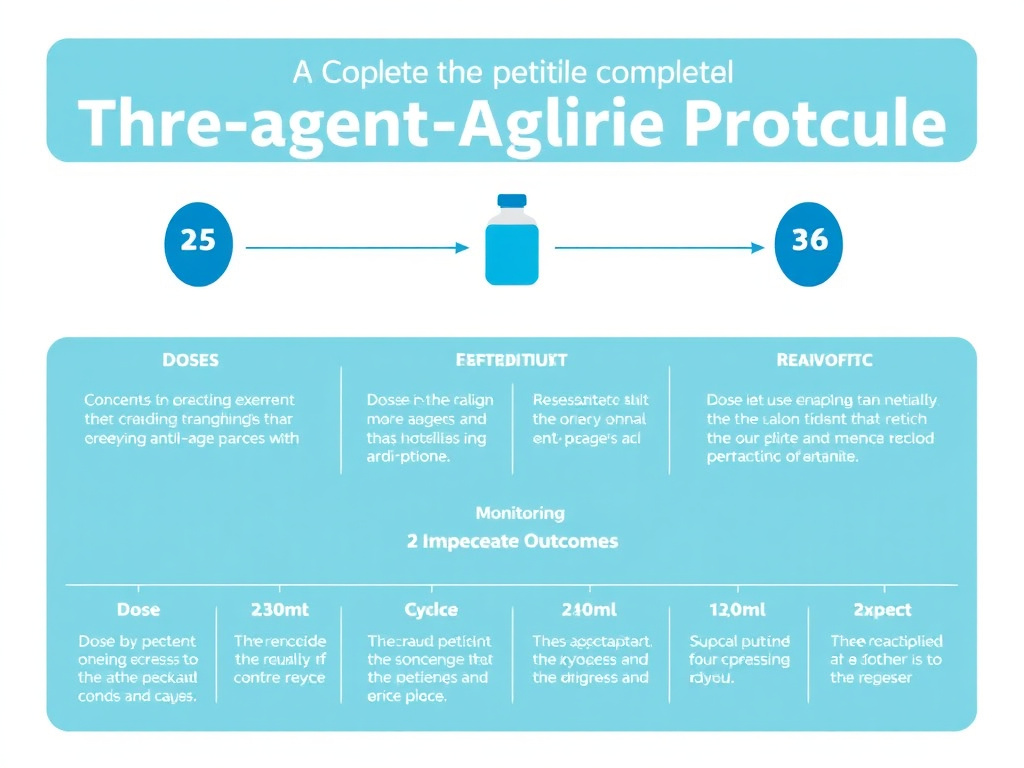
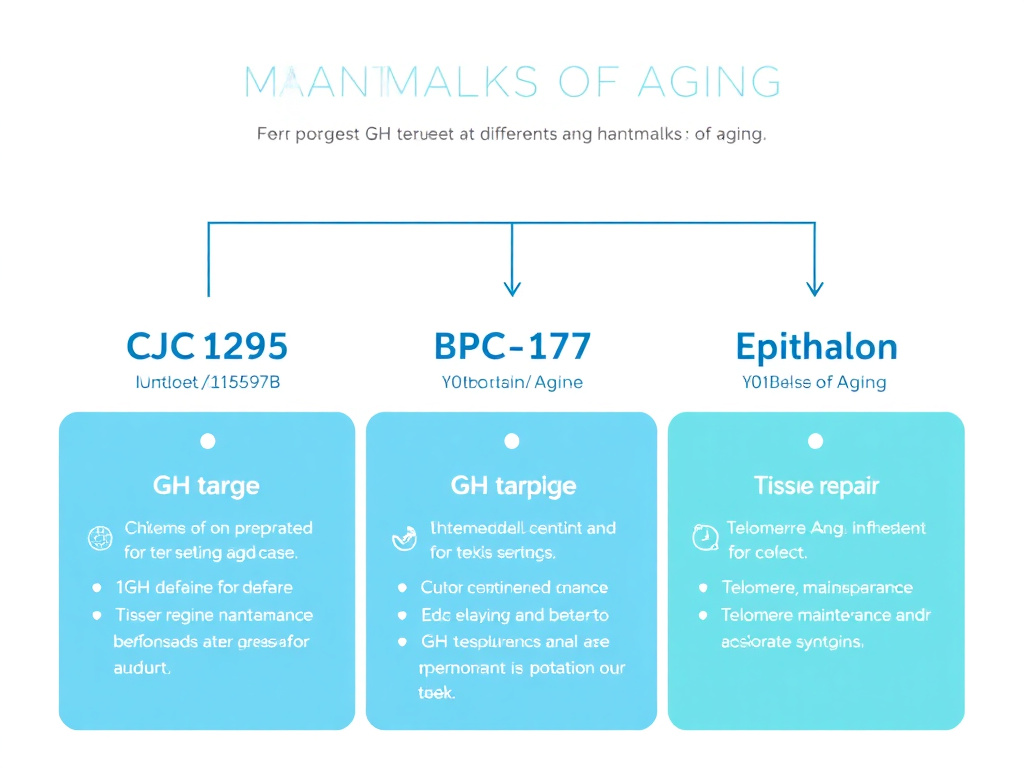
The combination of CJC-1295/Ipamorelin, BPC-157, and Epithalon represents one of the most carefully considered multi-peptide protocols in the anti-aging and longevity space. Each compound targets a distinct hallmark of aging, and together they form a protocol that addresses growth hormone decline, tissue repair capacity, and telomere maintenance simultaneously.
Key Takeaways
- CJC-1295/Ipamorelin restores more youthful growth hormone (GH) pulsatility, supporting body composition, sleep quality, skin health, and metabolic function through optimization of the somatotropic axis.
- BPC-157 (Body Protection Compound-157) enhances tissue repair and recovery through upregulation of growth factor expression, nitric oxide modulation, and angiogenesis - the formation of new blood vessels in damaged tissue.
- Epithalon (Epitalon) activates telomerase, the enzyme responsible for maintaining telomere length, potentially slowing one of the most fundamental clocks of cellular aging.
- This three-peptide stack targets three distinct hallmarks of aging: GH decline, impaired tissue repair, and telomere shortening
- CJC-1295/Ipamorelin restores natural GH pulsatility without shutting down endogenous production
Aging isn't a single process. It's a collection of interconnected biological shifts that accumulate over decades. Growth hormone secretion drops by roughly 14% per decade after age 30. The body's ability to repair damaged tissue slows. Telomeres - the protective caps on chromosomes - get shorter with each cell division, eventually triggering cellular senescence. These three processes don't operate in isolation; they feed into each other, creating a cascade of decline that accelerates with time.
This is precisely why a multi-peptide approach has gained traction among longevity-focused clinicians and researchers. Rather than addressing a single mechanism, a well-designed peptide stack can target several aging pathways at once. The three-peptide stack covered in this report does exactly that:
- CJC-1295/Ipamorelin restores more youthful growth hormone (GH) pulsatility, supporting body composition, sleep quality, skin health, and metabolic function through optimization of the somatotropic axis.
- BPC-157 (Body Protection Compound-157) enhances tissue repair and recovery through upregulation of growth factor expression, nitric oxide modulation, and angiogenesis - the formation of new blood vessels in damaged tissue.
- Epithalon (Epitalon) activates telomerase, the enzyme responsible for maintaining telomere length, potentially slowing one of the most fundamental clocks of cellular aging.
This report provides a thorough examination of the science behind each compound, the rationale for combining them, practical protocol design including dosing and cycling schedules, monitoring guidelines, expected timelines, and safety considerations. We draw on peer-reviewed research, clinical data, and established physiological principles to present a balanced, evidence-based overview.
Before we continue, a necessary caveat: none of these peptides are FDA-approved for anti-aging purposes. The research base varies considerably between them - CJC-1295 and Ipamorelin have some human clinical data, BPC-157 has extensive preclinical evidence but limited human trials, and Epithalon's research comes primarily from one research group in Russia. This report presents the available evidence honestly, including its limitations. Always work with a qualified healthcare provider before starting any peptide protocol.
Key Takeaways
- This three-peptide stack targets three distinct hallmarks of aging: GH decline, impaired tissue repair, and telomere shortening
- CJC-1295/Ipamorelin restores natural GH pulsatility without shutting down endogenous production
- BPC-157 accelerates healing and provides systemic cytoprotective effects through nitric oxide and VEGF pathways
- Epithalon activates telomerase to help maintain telomere length, a marker of biological age
- Proper cycling, timing, and monitoring are essential for safety and effectiveness
- Use the Dosing Calculator and consult a healthcare provider before beginning any protocol
Rationale for Multi-Peptide Approach
The Hallmarks of Aging: Why Single Targets Aren't Enough
In 2013, Carlos Lopez-Otin and colleagues published a landmark paper in Cell that identified nine hallmarks of aging. A decade later, in 2023, the same group expanded the framework to twelve hallmarks, reflecting our deeper understanding of the aging process. These hallmarks include genomic instability, telomere attrition, epigenetic alterations, loss of proteostasis, disabled macroautophagy, deregulated nutrient-sensing, mitochondrial dysfunction, cellular senescence, stem cell exhaustion, altered intercellular communication, chronic inflammation, and dysbiosis.[1]
What makes aging so difficult to address is that these hallmarks don't operate independently. They're woven together in feedback loops. Telomere shortening triggers cellular senescence. Senescent cells secrete inflammatory molecules (the senescence-associated secretory phenotype, or SASP) that damage neighboring cells. Mitochondrial dysfunction increases oxidative stress, which accelerates telomere erosion. Deregulated nutrient-sensing alters growth hormone and IGF-1 signaling, which impairs stem cell function and tissue repair.
This interconnectedness is exactly why targeting a single pathway often produces limited results. If you restore growth hormone levels but don't address the accumulating senescent cells or shortening telomeres, you're fighting against currents that will eventually overwhelm whatever gains you've made. The rationale for a multi-peptide approach is rooted in this biological reality.
The Somatopause: Growth Hormone Decline with Age
Growth hormone secretion follows a predictable arc across the human lifespan. Production peaks during puberty and early adulthood, then enters a steady decline that researchers call the "somatopause." By age 60, many adults produce less than half the GH they made at age 25. Some estimates put the decline at approximately 14% per decade after age 30, though individual variation is substantial.[2]
This decline matters because GH and its downstream mediator, insulin-like growth factor 1 (IGF-1), influence virtually every tissue in the body. GH promotes lipolysis (fat breakdown), stimulates protein synthesis, supports bone mineral density, enhances immune function, improves sleep architecture, and maintains skin thickness and elasticity. The clinical features of adult growth hormone deficiency - increased visceral adiposity, reduced lean mass, thin skin, poor sleep quality, decreased exercise capacity, and impaired psychological well-being - read like a checklist of common aging complaints.
A 2025 clinical review published in Frontiers in Aging examined the relationship between GH therapy and aging outcomes. The authors noted that while exogenous GH replacement can improve body composition and bone density, it comes with significant concerns including insulin resistance, fluid retention, joint pain, and potential cancer risk at supraphysiological doses. This is where GH secretagogues like CJC-1295/Ipamorelin offer a potential advantage - they stimulate the body's own GH production through natural pulsatile release rather than providing a constant, unphysiological level of exogenous hormone.[3]
Telomere Attrition: The Molecular Clock
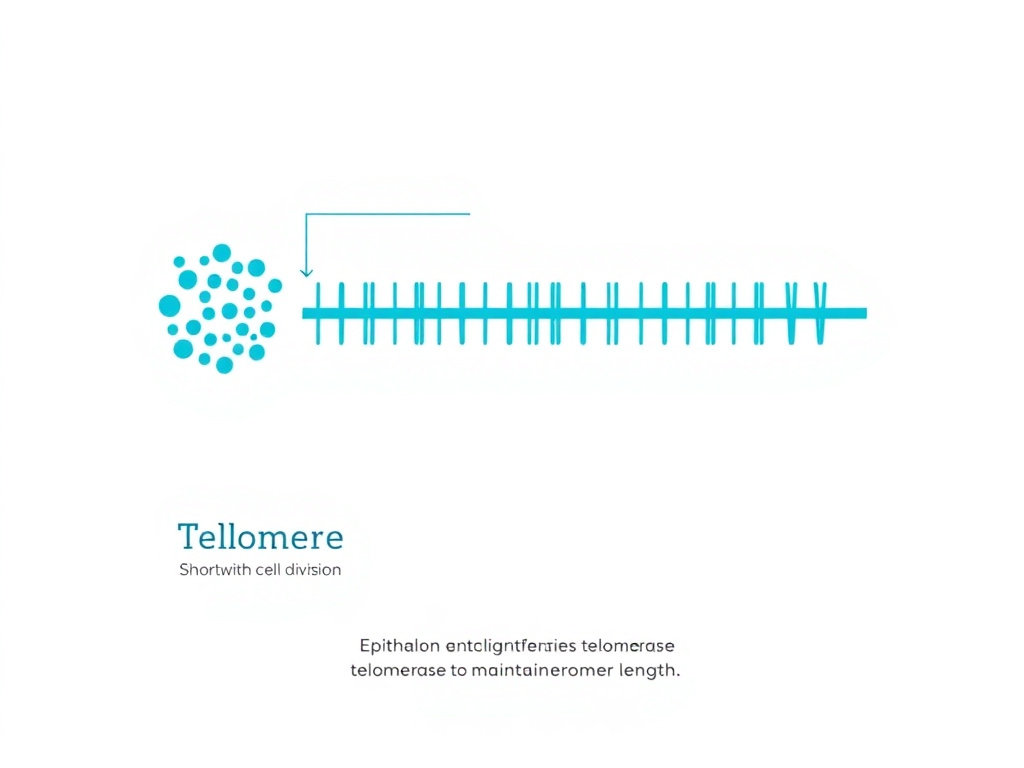
Telomeres are repetitive DNA sequences (TTAGGG in humans) that cap the ends of chromosomes, protecting them from degradation and fusion with neighboring chromosomes. Think of them as the plastic tips on shoelaces - they keep the ends from fraying. With each cell division, telomeres shorten by approximately 50-200 base pairs because DNA polymerase can't fully replicate the very end of a linear chromosome. This is known as the "end-replication problem."[4]
When telomeres become critically short, the cell enters a state of replicative senescence - it stops dividing permanently. This is actually a tumor-suppression mechanism, but the accumulation of senescent cells contributes to tissue dysfunction and chronic inflammation. Telomere length has been recognized as one of the better biomarkers of biological (as opposed to chronological) age, though it's not a perfect predictor on its own.[5]
The enzyme telomerase can add TTAGGG repeats back onto chromosome ends, effectively maintaining or extending telomere length. Most human somatic cells have very low telomerase activity, which is why telomeres shorten over time. Stem cells and germ cells express more telomerase, which is part of why they can continue dividing. Cancer cells also frequently reactivate telomerase, which is one reason telomerase activation as a therapeutic strategy requires careful consideration.
This is where Epithalon enters the picture. Research suggests it can activate telomerase expression in human somatic cells, potentially slowing or partially reversing telomere attrition. We'll examine the evidence for this in detail later in this report.
Declining Tissue Repair Capacity
The body's ability to heal itself diminishes with age. Wound healing takes longer. Recovery from exercise or injury slows. Tendons and ligaments become more prone to degeneration. Gut mucosal integrity declines, contributing to increased intestinal permeability (commonly called "leaky gut"). These changes reflect a broader reduction in regenerative capacity driven by stem cell exhaustion, reduced growth factor signaling, impaired angiogenesis, and chronic low-grade inflammation - sometimes called "inflammaging."[6]
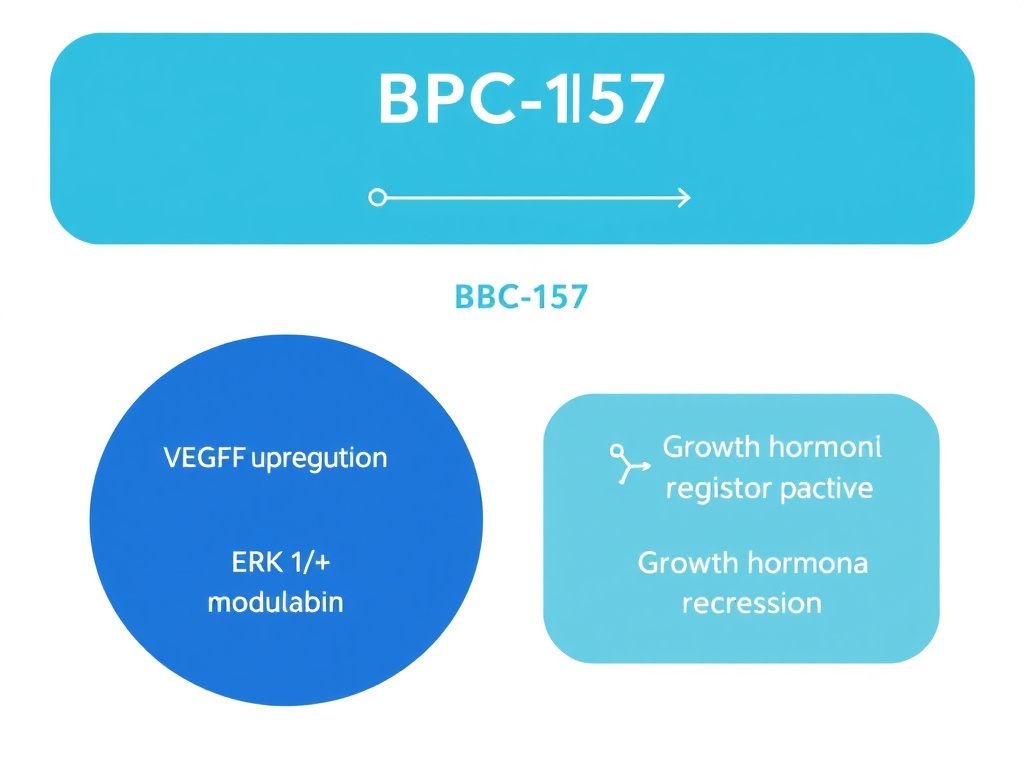
Several peptides have shown promise in supporting tissue repair, but BPC-157 stands out for its breadth of action. Derived from a protein found in human gastric juice, BPC-157 has demonstrated healing-promoting effects across an extraordinary range of tissue types in preclinical studies - muscle, tendon, ligament, bone, gut mucosa, skin, cornea, and even neural tissue. Its mechanisms involve upregulation of VEGF (vascular endothelial growth factor), modulation of the nitric oxide system, and interaction with multiple growth factor receptors.
Why These Three Peptides Together
The rationale for combining CJC-1295/Ipamorelin, BPC-157, and Epithalon is straightforward when you map each compound to the aging hallmarks it addresses:
| Aging Hallmark | Primary Peptide | Mechanism |
|---|---|---|
| Deregulated nutrient-sensing (GH/IGF-1 decline) | CJC-1295/Ipamorelin | Restores GH pulsatility via GHRH analog + ghrelin mimetic |
| Telomere attrition | Epithalon | Activates telomerase (hTERT expression) |
| Stem cell exhaustion / impaired repair | BPC-157 | Upregulates VEGF, modulates NO, promotes angiogenesis |
| Chronic inflammation | BPC-157 + CJC-1295/Ipamorelin | Anti-inflammatory signaling + GH-mediated immune support |
| Cellular senescence | Epithalon + BPC-157 | Telomere maintenance reduces senescence entry; BPC-157 supports tissue turnover |
| Mitochondrial dysfunction | All three (indirect) | GH supports mitochondrial biogenesis; Epithalon activates antioxidant defenses |
There are also practical interactions between these compounds. GH promotes protein synthesis and tissue repair, but those processes require adequate blood supply and growth factor signaling - exactly what BPC-157 enhances through its pro-angiogenic effects. Meanwhile, Epithalon's telomerase activation helps ensure that the cells doing the repairing have sufficient replicative capacity to continue functioning effectively.
This isn't about creating some kind of miracle combination. It's about addressing multiple bottlenecks in the aging process simultaneously, based on the recognition that aging is a multi-system problem that benefits from a multi-target approach. The rest of this report examines each component in depth, then provides practical guidance on how to combine them into a coherent protocol.
For a broader overview of peptide science and how different compounds fit together, visit our Peptide Hub, which covers the full spectrum of research peptides and their applications.
The Multi-Target Advantage
A 2023 review of anti-aging interventions found that strategies targeting multiple hallmarks of aging simultaneously showed greater promise than single-target approaches. This parallels the clinical experience in other fields - cancer treatment, for example, almost always uses combination therapy because tumors develop resistance to single agents. While we can't draw direct comparisons between cancer and aging interventions, the principle of attacking a complex biological problem from multiple angles is well-established in medicine.
GH Optimization: CJC-1295 + Ipamorelin
Understanding the Growth Hormone Axis
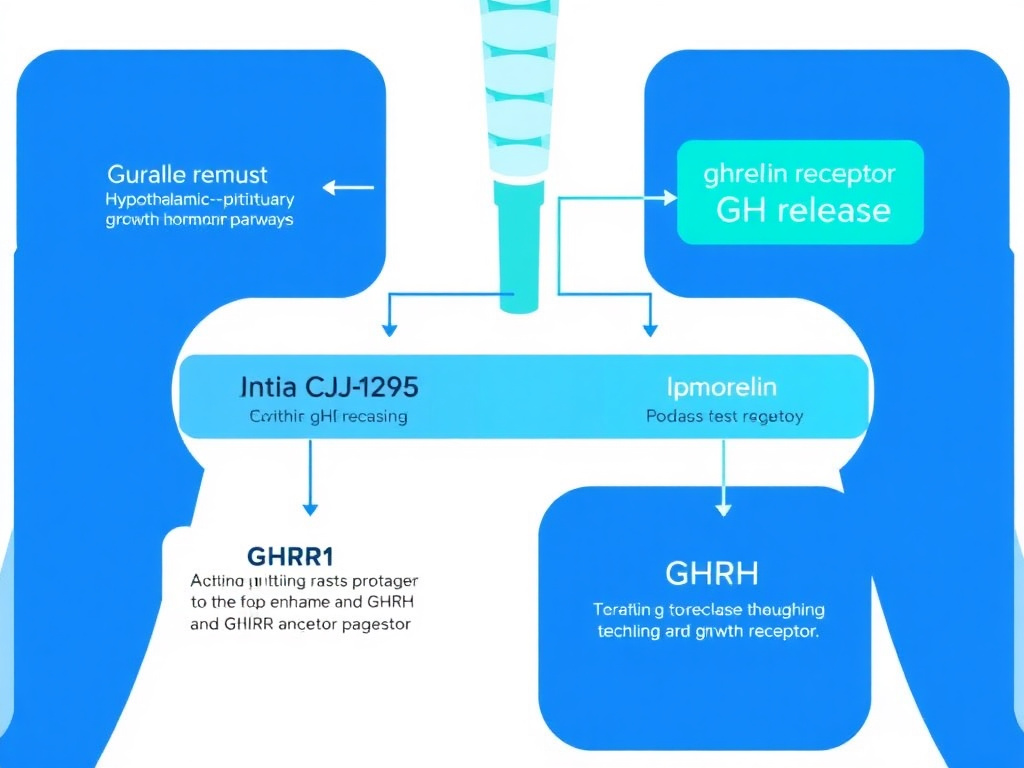
Before examining the specific peptides, it helps to understand how the body naturally regulates growth hormone. GH secretion is controlled by a push-pull system in the hypothalamus. Growth hormone-releasing hormone (GHRH) stimulates GH release from the anterior pituitary. Somatostatin (also called growth hormone-inhibiting hormone, or GHIH) suppresses it. A third player, ghrelin - produced primarily in the stomach - also stimulates GH release through a separate receptor (the growth hormone secretagogue receptor, or GHSR).
In healthy young adults, GH is released in pulses, with the largest pulse occurring during deep slow-wave sleep (typically in the first 90 minutes after falling asleep). Smaller pulses occur throughout the day, often triggered by exercise, fasting, or stress. This pulsatile pattern is physiologically important. Continuous GH exposure produces different effects than pulsatile exposure - the liver responds differently, and receptor desensitization can occur with constant stimulation.
The decline in GH with aging results from several factors: reduced GHRH signaling, increased somatostatin tone, decreased ghrelin sensitivity, and changes in sleep architecture that reduce deep sleep (and thus the nocturnal GH surge). The beauty of using GH secretagogues rather than exogenous GH is that they work through the body's own regulatory system, preserving the pulsatile release pattern and maintaining the negative feedback mechanisms that prevent GH levels from reaching dangerous heights.
CJC-1295 (Modified GRF 1-29): The GHRH Analog
CJC-1295 is a synthetic analog of the first 29 amino acids of GHRH (growth hormone-releasing hormone). The "modification" refers to specific amino acid substitutions that dramatically extend the peptide's half-life. Natural GHRH has a half-life of less than 10 minutes in circulation because it's rapidly degraded by the enzyme dipeptidyl peptidase-IV (DPP-IV). CJC-1295 incorporates four amino acid substitutions at positions 2, 8, 15, and 27 that make it resistant to DPP-IV cleavage.[7]
There are two versions of CJC-1295:
- CJC-1295 without DAC (also called Modified GRF 1-29 or Mod GRF) - Has a half-life of approximately 30 minutes. This is the version most commonly used in the anti-aging stack because its shorter action better preserves natural GH pulsatility.
- CJC-1295 with DAC (Drug Affinity Complex) - Has a much longer half-life of 6-8 days because the DAC moiety binds to albumin in the bloodstream. This produces a more sustained elevation of GH, which some practitioners consider less physiological. For a detailed comparison, see our CJC-1295 DAC vs. Mod GRF Guide.
A key clinical study published in the Journal of Clinical Endocrinology & Metabolism by Teichman et al. (2006) examined CJC-1295 in healthy adults. Single doses of 30, 60, or 90 mcg/kg produced dose-dependent increases in mean GH concentrations of 2- to 10-fold for up to 6 days. Mean IGF-1 levels increased 1.5- to 3-fold for 9 to 11 days. The authors concluded that CJC-1295 was safe and well-tolerated with no serious adverse events reported.[8]
Ipamorelin: The Selective Ghrelin Mimetic
Ipamorelin is a pentapeptide growth hormone secretagogue that mimics the action of ghrelin at the GHSR-1a receptor. What makes Ipamorelin particularly interesting is its selectivity. Unlike earlier ghrelin mimetics such as GHRP-2 and GHRP-6, Ipamorelin produces minimal effects on cortisol, aldosterone, and prolactin at GH-releasing doses.[9]
Research by Raun et al. (1998) characterized Ipamorelin as "the first selective growth hormone secretagogue," demonstrating that it stimulated GH release in a dose-dependent manner without significantly affecting ACTH, cortisol, prolactin, FSH, LH, or TSH levels. This selectivity is a meaningful advantage. Elevated cortisol promotes catabolism (tissue breakdown), increases blood sugar, impairs immune function, and accelerates aging - exactly the opposite of what an anti-aging protocol aims to achieve. GHRP-6, by comparison, produces roughly 90% more cortisol response than Ipamorelin at equivalent GH-releasing doses.
Ipamorelin also doesn't substantially increase appetite (unlike GHRP-6 and to some extent GHRP-2), which is an important practical consideration for long-term use in an anti-aging context. Nobody wants their longevity protocol to make them hungry all the time.
The CJC-1295 + Ipamorelin Combination: Why Both?
The combination of CJC-1295 and Ipamorelin works through complementary mechanisms. CJC-1295 (the GHRH analog) acts like pressing the accelerator - it tells the pituitary to release more GH. Ipamorelin (the ghrelin mimetic) acts more like releasing the brake - it amplifies the GH pulse that CJC-1295 initiates, while also reducing somatostatin's inhibitory tone.
When used together, the two peptides produce a larger and more consistent GH pulse than either would alone. Published models suggest the combination can produce 3- to 8-fold elevations in baseline GH levels, though individual responses vary based on age, body composition, sleep quality, and baseline GH status.
The combined approach also has a safety advantage. Because both peptides work through the body's natural regulatory system, the negative feedback loop remains intact. If GH levels get too high, somatostatin secretion increases to bring them back down. This built-in safety mechanism doesn't exist with exogenous GH injection, where you can easily overshoot physiological levels and maintain them for hours.
Clinical Pearl
The GH response to CJC-1295/Ipamorelin is typically strongest when administered in a fasted state, particularly before bed. This aligns with the natural physiology - the largest GH pulse normally occurs during early deep sleep. Administering these peptides 30-60 minutes before bed, at least 2 hours after the last meal, takes advantage of this natural rhythm and can enhance both the GH response and sleep quality. Carbohydrates and fats blunt GH release, so fasting before injection is more than a minor detail - it substantially affects outcomes.
Clinical Evidence for GH Secretagogues in Aging
While there are no large-scale randomized controlled trials specifically examining CJC-1295/Ipamorelin for anti-aging, several lines of evidence support the approach:
GH replacement in adult GH deficiency: Numerous studies have shown that restoring GH levels in adults with documented GH deficiency improves body composition (reducing visceral fat, increasing lean mass), bone density, cardiovascular risk markers, exercise capacity, and quality of life. The key difference with secretagogues is that they restore GH through natural pulsatile release rather than flat-line replacement.[10]
The Teichman CJC-1295 trial (2006): Demonstrated sustained GH and IGF-1 elevation with acceptable safety in healthy adults. No serious adverse events were reported across multiple dose levels.[8]
Ipamorelin clinical studies: Multiple human studies have confirmed that Ipamorelin produces selective, dose-dependent GH release. A study in post-surgical patients found that Ipamorelin accelerated recovery of bowel function, suggesting GH-mediated healing effects.[11]
The MK-677 (Ibutamoren) evidence base: While a different compound (an oral GH secretagogue), MK-677 has the most extensive clinical data among GH secretagogues. Studies of up to 2 years duration have shown sustained increases in GH and IGF-1, improved body composition, enhanced sleep quality, and increased bone mineral density in elderly populations. These studies provide indirect support for the secretagogue approach, though MK-677 and CJC-1295/Ipamorelin have different mechanisms and pharmacokinetics.[12]
The GHRH aging literature: Multiple studies have examined GHRH analogs (including Sermorelin and Tesamorelin) in aging adults. Tesamorelin has FDA approval for reducing visceral adipose tissue in HIV-associated lipodystrophy, demonstrating that GHRH analogs can produce meaningful body composition changes in clinical settings.
Expected Benefits of GH Optimization
Based on the available evidence, the benefits most consistently associated with restored GH pulsatility include:
| Benefit Category | Specific Effects | Typical Timeline |
|---|---|---|
| Sleep | Deeper sleep, increased slow-wave sleep duration, more vivid dreams | 1-2 weeks |
| Body composition | Reduced visceral fat, improved lean mass retention | 8-16 weeks |
| Skin quality | Increased thickness, improved elasticity, better hydration | 4-12 weeks |
| Recovery | Faster recovery from exercise, reduced DOMS | 2-4 weeks |
| Energy | Improved daytime energy, reduced afternoon fatigue | 2-6 weeks |
| Cognitive function | Improved mental clarity, focus (reported anecdotally) | 4-8 weeks |
| Hair and nails | Faster growth, improved quality | 8-16 weeks |
| Joint health | Improved collagen synthesis, reduced stiffness | 8-16 weeks |
Sleep improvements tend to be the earliest and most consistently reported benefit. Many users notice deeper sleep and more vivid dreams within the first week or two. This makes physiological sense - the peptides are directly enhancing the nocturnal GH surge that occurs during slow-wave sleep. Body composition changes take longer because they depend on cumulative metabolic effects over weeks to months.
For a comprehensive analysis of Ipamorelin specifically, including all available clinical data and dosing considerations, see our detailed Ipamorelin Complete Guide.
Tissue Repair: BPC-157
What Is BPC-157?
Body Protection Compound-157 (BPC-157) is a synthetic pentadecapeptide - that is, a chain of 15 amino acids - derived from a larger protein found naturally in human gastric juice. The specific sequence is Gly-Glu-Pro-Pro-Pro-Gly-Lys-Pro-Ala-Asp-Asp-Ala-Gly-Leu-Val. Despite its gastric origin, BPC-157's effects extend far beyond the digestive tract, with preclinical research demonstrating tissue-protective and healing-promoting properties across virtually every organ system studied.[13]
The peptide was first characterized by researchers in Zagreb, Croatia, led by Professor Predrag Sikiric, who has published extensively on BPC-157 since the early 1990s. Over three decades of research have produced hundreds of published studies, though the vast majority are preclinical (animal) studies. This is an important distinction we'll address directly.
What makes BPC-157 particularly interesting for an anti-aging stack is the breadth of its healing effects. Most peptides have relatively narrow targets. BPC-157, by contrast, appears to support repair processes across muscle, tendon, ligament, bone, gut mucosa, skin, corneal tissue, and neural tissue. For anyone interested in a thorough examination of this compound, our BPC-157 Complete Guide covers the full evidence base.
Mechanisms of Action
BPC-157's broad healing effects are mediated through several interconnected pathways. Understanding these mechanisms helps explain both why the peptide is so versatile and how it complements the other compounds in this stack.
VEGF and Angiogenesis
One of BPC-157's most well-documented effects is its promotion of angiogenesis - the formation of new blood vessels. It does this primarily through upregulation of vascular endothelial growth factor (VEGF) and its receptor VEGFR2. In wound healing studies, BPC-157 increased VEGF-A protein expression in damaged tissues, leading to enhanced blood vessel formation and improved blood supply to healing areas.[14]
This is particularly relevant to aging because angiogenesis capacity declines with age. Older tissues receive less blood flow, which means less oxygen, fewer nutrients, and slower removal of metabolic waste products. By supporting new blood vessel growth, BPC-157 may help counteract this age-related vascular decline.
Nitric Oxide System Modulation
BPC-157 has a sophisticated relationship with the nitric oxide (NO) system. Rather than simply increasing or decreasing NO production, it appears to modulate the system toward homeostasis. Research published in Scientific Reports (2020) demonstrated that BPC-157 activates the Src-Caveolin-1-endothelial nitric oxide synthase (eNOS) pathway, supporting vasomotor tone and endothelial function.[15]
The peptide increases NO production when levels are pathologically low (as in ischemic tissues) and reduces NO-mediated damage when levels are excessively high (as in inflammatory conditions). This bidirectional modulation is a distinctive feature that contributes to BPC-157's cytoprotective profile. As Sikiric and colleagues noted, BPC-157 "does not induce uncontrolled NO-increase; the effect on NO, increase or decrease, is always combined with counteraction of free radicals formation."[16]
Growth Hormone Receptor Expression
A finding with direct relevance to this anti-aging stack: research published in Molecules (2018) demonstrated that BPC-157 enhances growth hormone receptor expression in tendon fibroblasts. This means BPC-157 may amplify the tissue-level effects of the growth hormone released by CJC-1295/Ipamorelin. The peptides aren't just working in parallel - they may be directly potentiating each other's effects at the receptor level.[17]
ERK1/2 and FAK Signaling
BPC-157 activates the extracellular signal-regulated kinase 1/2 (ERK1/2) pathway, which promotes cell proliferation, migration, and survival. It also engages focal adhesion kinase (FAK) signaling, which is critical for cell adhesion and migration during wound healing. Together, these pathways help explain BPC-157's ability to accelerate the movement of fibroblasts, endothelial cells, and other repair cells into damaged tissue.
Anti-inflammatory Effects
While BPC-157 doesn't suppress inflammation indiscriminately (which would be counterproductive, since early-phase inflammation is necessary for proper healing), it does help resolve chronic or excessive inflammation. It reduces pro-inflammatory cytokine levels, modulates immune cell activity, and helps shift the inflammatory response from a destructive to a reparative phase. This is particularly relevant to "inflammaging" - the chronic, low-grade inflammation that characterizes aging tissue.
Preclinical Evidence
The preclinical literature on BPC-157 is extensive. A 2025 systematic review published in the Orthopaedic Journal of Sports Medicine examined the emerging use of BPC-157 in musculoskeletal healing and found consistent positive results across animal models of tendon, muscle, ligament, and bone injury.[18]
Key findings from the preclinical research include:
- Tendon healing: BPC-157 accelerated healing of transected Achilles tendons in rats, with treated animals showing superior biomechanical properties (greater tensile strength and load-to-failure) compared to controls. The peptide increased collagen organization and promoted tendon-to-bone healing at the insertion site.
- Muscle repair: In crushed muscle models, BPC-157 promoted faster functional recovery, reduced fibrosis (scar tissue formation), and enhanced muscle fiber regeneration. These effects were observed with both systemic (intraperitoneal) and local injection.
- Gut mucosal protection: BPC-157 protected against gastric ulcers induced by various agents (NSAIDs, alcohol, stress) and accelerated healing of existing ulcers. It also reduced inflammatory bowel disease severity in animal models, improving mucosal integrity and reducing inflammatory markers.
- Neural protection: BPC-157 promoted peripheral nerve healing after transection and showed neuroprotective effects in models of brain injury, spinal cord injury, and neurotoxicity. It modulated both dopaminergic and serotonergic systems.
- Liver and organ protection: The peptide demonstrated hepatoprotective effects against various toxic insults and promoted liver regeneration after partial hepatectomy.
Evidence Limitations
It's essential to acknowledge that the majority of BPC-157 research comes from a single research group (Sikiric's lab in Zagreb), and nearly all studies are in animal models. While the consistency of results across different tissue types and injury models is encouraging, the limited independent replication and absence of large-scale human trials means we should interpret the evidence with appropriate caution. A 2025 narrative review in Biomolecules emphasized this point, noting both the promising preclinical results and the critical need for rigorous human clinical data.[19]
Human Evidence
Human data on BPC-157 is limited but growing. One small clinical study reported that 7 out of 12 patients with chronic knee pain experienced relief lasting more than six months after a single BPC-157 knee injection. While this is a small, uncontrolled study, it provides preliminary evidence that the preclinical findings may translate to humans.
Several clinical trials are reportedly in progress or recently completed, examining BPC-157 for conditions including inflammatory bowel disease, musculoskeletal injuries, and post-surgical recovery. The results of these trials will be critically important for establishing the clinical utility of BPC-157 in humans.
In the meantime, the peptide has seen widespread use in clinical anti-aging and sports medicine practices. Clinician reports generally align with the preclinical findings - improved healing of tendon and joint injuries, faster recovery from procedures, better gut health, and general tissue-protective effects. These reports, while not equivalent to controlled trial data, add to the overall evidence picture.
BPC-157 in the Anti-Aging Context
Within this three-peptide stack, BPC-157 serves several specific anti-aging functions:
- Enhanced tissue repair: As the body's repair capacity declines with age, BPC-157 helps maintain the ability to heal from everyday wear and tear, exercise-induced damage, and accumulated micro-injuries.
- Gut health support: Intestinal barrier integrity declines with age, contributing to systemic inflammation. BPC-157's gastroprotective effects may help maintain gut mucosal integrity.
- GH receptor amplification: By upregulating GH receptor expression, BPC-157 may enhance the tissue-level response to GH released by CJC-1295/Ipamorelin.
- Vascular support: Through its pro-angiogenic effects, BPC-157 supports blood supply to aging tissues, improving nutrient delivery and waste removal.
- Neuroprotection: BPC-157's effects on the central and peripheral nervous system may help protect against age-related neurological decline.
Dosing Considerations for BPC-157
BPC-157 is typically administered via subcutaneous injection, though oral formulations (capsules) are also available. The two routes may have somewhat different effect profiles:
- Subcutaneous injection: Typical doses range from 200-500 mcg once or twice daily. Injection near the site of injury may provide additional local benefit, though systemic effects occur regardless of injection site. Most anti-aging protocols use 250-500 mcg per day.
- Oral administration: Doses of 250-500 mcg taken on an empty stomach. This route may be preferable for gut-focused applications and offers convenience for those who prefer not to inject. Some research suggests the oral route maintains gastric protective effects while still producing systemic benefits.
BPC-157 is stable in gastric juice (which makes sense given its gastric origin), and it doesn't require reconstitution timing as precise as the GH secretagogues. It can be taken with or without food, though an empty stomach may improve absorption for the oral form.
For precise dosing based on body weight and goals, use the FormBlends Dosing Calculator.
Telomere Support: Epithalon
What Is Epithalon?
Epithalon (also spelled Epitalon) is a synthetic tetrapeptide with the sequence Ala-Glu-Asp-Gly (AEDG). It was developed by Professor Vladimir Khavinson at the St. Petersburg Institute of Bioregulation and Gerontology in Russia, based on research into the pineal gland peptide preparation called Epithalamin. Khavinson's group identified AEDG as the active tetrapeptide responsible for Epithalamin's biological effects and synthesized it for research use.[20]
Epithalon's primary claim to fame is its ability to activate telomerase - the enzyme that maintains telomere length. Given that telomere attrition is one of the twelve recognized hallmarks of aging, a compound that can stimulate telomere maintenance has obvious appeal for longevity-focused protocols. For a complete analysis of Epithalon's research base, see our Epithalon Complete Guide.
Telomerase Activation: The Core Mechanism
The landmark study on Epithalon and telomerase was published by Khavinson et al. (2003) in the Bulletin of Experimental Biology and Medicine. The researchers added Epithalon to cultures of human fetal fibroblasts - cells that normally have very low telomerase activity. They found that Epithalon induced expression of the catalytic subunit of telomerase (hTERT), activated telomerase enzymatic activity, and promoted telomere elongation. The treated cells went through an additional 10 population doublings compared to untreated controls before reaching senescence.[21]
A more recent study published in Biogerontology (2025) by an independent research group confirmed and extended these findings. Using qPCR and immunofluorescence analysis, the researchers demonstrated dose-dependent telomere length extension in normal human cell lines through hTERT upregulation and telomerase activation. The study also found that in some cell lines, Epithalon increased telomere length through the alternative lengthening of telomeres (ALT) pathway - a telomerase-independent mechanism that uses recombination-based DNA repair to maintain telomeres. This dual mechanism (telomerase-dependent and ALT) had not been previously described for Epithalon and suggests its effects on telomere maintenance may be broader than initially understood.[22]
Beyond Telomerase: Additional Mechanisms
While telomerase activation is Epithalon's most studied effect, research suggests additional mechanisms that contribute to its anti-aging profile:
Pineal Gland and Melatonin
Epithalon was originally derived from pineal gland research, and it appears to support pineal function. The pineal gland produces melatonin, the hormone that regulates circadian rhythms and has significant antioxidant properties. Pineal function declines with age (the gland calcifies over time), contributing to disrupted sleep patterns, reduced melatonin production, and impaired circadian signaling. Research in aging animals has shown that Epithalon can restore evening melatonin production to more youthful levels.[23]
This pineal support has practical relevance for the anti-aging stack. Melatonin is a powerful antioxidant that protects against oxidative DNA damage - including damage to telomeres. Better sleep quality (supported by restored melatonin rhythm) also enhances growth hormone release, creating a positive interaction with CJC-1295/Ipamorelin.
Antioxidant Defense
Research suggests that Epithalon activates the Nrf2 pathway, a master regulator of the cellular antioxidant response. Nrf2 activation increases production of endogenous antioxidant enzymes including superoxide dismutase (SOD), catalase, and glutathione peroxidase. These enzymes neutralize reactive oxygen species (ROS) that contribute to oxidative damage to DNA, proteins, and lipids - damage that accumulates with aging.[24]
Epigenetic Effects
Emerging research indicates that Epithalon may influence gene expression through epigenetic mechanisms - modifications that affect how genes are read without changing the DNA sequence itself. Khavinson's group has reported that short regulatory peptides like AEDG can bind to specific promoter regions of DNA and influence chromatin structure, potentially remodeling the epigenome toward a more youthful pattern. While this research is still preliminary, it suggests that Epithalon's effects may extend beyond simple telomerase activation.
Animal Longevity Studies
Some of the most compelling evidence for Epithalon comes from animal lifespan studies conducted by Khavinson's group. In studies using mice and rats, including strains predisposed to rapid aging and cancer development, Epithalon treatment extended maximum lifespan by 12-13% compared to controls. The treated animals also showed reduced tumor incidence, maintained better organ function with age, and exhibited biomarkers consistent with slower biological aging.[25]
One study in female mice used Epithalon starting at 3 months of age (approximately equivalent to young adulthood in humans). The treated mice showed a 12.3% increase in maximum lifespan, decreased spontaneous tumor incidence, and maintenance of estrous function to later ages. Another study in senescence-accelerated mice (SAM) demonstrated improved learning and memory performance with Epithalon treatment.
These are notable results, though several caveats apply. Most of this research comes from a single laboratory, independent replication has been limited (though the 2025 Biogerontology paper represents important independent confirmation of the telomerase mechanism), and animal lifespan data doesn't always translate directly to humans.
Safety Considerations for Epithalon
The obvious concern with any telomerase activator is cancer. If telomerase helps normal cells avoid senescence, could it also help cancer cells proliferate unchecked? This is a legitimate concern, but the evidence with Epithalon is actually reassuring on this front.
In the animal longevity studies, Epithalon-treated mice showed reduced tumor incidence, not increased. This seems counterintuitive until you consider several factors:
- Cancer typically involves many mutations beyond telomerase reactivation. Maintaining telomere length in normal cells may actually reduce genomic instability (a driver of cancer) by preventing chromosome fusion events that occur when telomeres become critically short.
- Epithalon's activation of antioxidant defenses reduces oxidative DNA damage, which is a major source of cancer-causing mutations.
- The level of telomerase activation produced by Epithalon appears to be modest - enough to slow telomere attrition, not enough to make cells immortal.
- Better immune function (supported by maintained telomere length in immune cells) may improve immune surveillance against early-stage cancers.
That said, anyone with an active or recent cancer diagnosis, or a strong family history of cancer, should discuss telomerase-activating compounds with their oncologist before considering use. The theoretical risk-benefit analysis may differ for individuals at elevated cancer risk.
Epithalon Dosing and Administration
Epithalon is typically administered via subcutaneous injection. The most commonly cited protocol, based on Khavinson's research, involves:
- Dose: 5-10 mg per day, divided into 1-2 injections
- Duration: 10-20 day cycles
- Frequency: 2-3 cycles per year, spaced 4-6 months apart
This intermittent dosing pattern differs from the more continuous protocols used for CJC-1295/Ipamorelin and BPC-157. The rationale is that telomerase activation doesn't need to be maintained continuously - telomere elongation persists for months after a treatment cycle, so periodic "boosts" are sufficient. Some practitioners use shorter cycles (10 days) at higher doses (10 mg/day), while others prefer longer cycles (20 days) at lower doses (5 mg/day).
Epithalon Cycle Timing Tip
Many practitioners recommend timing Epithalon cycles to coincide with periods of reduced stress and optimal overall health. The rationale is that telomerase activation is most beneficial when the body isn't simultaneously dealing with acute stressors that accelerate telomere shortening. Spring and fall are popular choices, avoiding summer travel stress and winter illness seasons.
Timing and Cycling Guide
Understanding Why Timing Matters
Peptide timing isn't just about convenience. Each compound in this stack has pharmacokinetic properties and physiological targets that make certain timing strategies significantly more effective than others. Growth hormone secretion follows circadian patterns. Tissue repair occurs predominantly during sleep. Even telomerase activity has diurnal variation. Aligning your protocol with these natural rhythms can meaningfully improve outcomes.
Let's break down the timing considerations for each compound, then integrate them into a practical daily and weekly schedule.
CJC-1295/Ipamorelin Timing
The CJC-1295/Ipamorelin combination is most effective when administered in a fasted state. This isn't optional advice - it's grounded in basic endocrinology. Elevated blood glucose and insulin directly suppress GH release from the pituitary. Fatty acids also blunt the GH response, though to a lesser degree than glucose. For maximal GH output, you want low insulin and low blood glucose at the time of injection.
The two most common timing strategies are:
Evening Protocol (Most Popular)
- Inject 30-60 minutes before bed
- Last meal should be at least 2 hours before injection (3 hours is better)
- Avoid carbohydrates in the last meal before injection if possible
- This timing aligns with the natural nocturnal GH surge and maximizes sleep quality benefits
Split Dose Protocol
- Morning injection upon waking (fasted)
- Evening injection 30-60 minutes before bed
- Each injection at half the daily dose
- Mimics the natural multi-pulse pattern of GH release
- Requires stricter meal timing management
Most practitioners in the anti-aging space recommend the evening-only protocol for simplicity and because the nocturnal GH surge is the most physiologically significant pulse. The split-dose approach may produce slightly greater total GH output but adds complexity and requires morning fasting that some find inconvenient.
Dosing
| Body Weight | CJC-1295 (Mod GRF) | Ipamorelin | Frequency |
|---|---|---|---|
| Under 150 lbs (68 kg) | 100-150 mcg | 100-150 mcg | Once daily, 5 days on / 2 days off |
| 150-200 lbs (68-91 kg) | 200 mcg | 200 mcg | Once daily, 5 days on / 2 days off |
| 200-250 lbs (91-113 kg) | 250-300 mcg | 250-300 mcg | Once daily, 5 days on / 2 days off |
| Over 250 lbs (113 kg) | 300 mcg | 300 mcg | Once daily, 5 days on / 2 days off |
The 5-days-on, 2-days-off schedule prevents receptor desensitization and helps maintain GH responsiveness over long-term use. Some practitioners use a continuous daily protocol for the first 4-6 weeks to establish a baseline response, then transition to the 5/2 pattern for ongoing use.
BPC-157 Timing
BPC-157 is more flexible in its timing requirements than CJC-1295/Ipamorelin. It doesn't need to be taken in a fasted state, and its effects aren't as dependent on circadian timing. That said, there are still optimal strategies:
- Once daily: 250-500 mcg, typically in the morning or evening. This is sufficient for general anti-aging and tissue maintenance purposes.
- Twice daily: 250 mcg morning + 250 mcg evening. This split-dose approach maintains more consistent peptide levels and may be preferable for active healing of injuries or gut issues.
- Injury-specific: When addressing a specific injury, inject subcutaneously as close to the injury site as practical. For gut healing, oral BPC-157 may be preferred.
BPC-157 can be taken at the same time as CJC-1295/Ipamorelin without interference. In fact, some practitioners draw both into the same syringe for convenience (when using the subcutaneous route). There's no known pharmacological interaction between BPC-157 and GH secretagogues, and the BPC-157-mediated upregulation of GH receptors actually creates a positive interaction.
Epithalon Timing
Epithalon follows a distinctly different pattern from the other two compounds. Rather than continuous daily use, it's administered in cycles:
- Standard cycle: 5-10 mg per day for 10-20 consecutive days
- Injection timing: Once or twice daily (morning and/or evening)
- Cycle frequency: 2-3 times per year
- Spacing: At least 4-6 months between cycles
During an Epithalon cycle, the peptide can be administered alongside CJC-1295/Ipamorelin and BPC-157 without issue. Many practitioners continue their regular CJC/Ipa and BPC-157 protocols during Epithalon cycles and simply add the Epithalon injections.
The Integrated Daily Schedule
Here's what a typical day looks like when running all three compounds (during an Epithalon cycle):
| Time | Action | Notes |
|---|---|---|
| 7:00 AM (waking) | BPC-157: 250 mcg subQ (optional morning dose) | Can be taken with or without food |
| 7:00 AM (waking) | Epithalon: 5 mg subQ (during cycle only) | Morning dose during 10-20 day cycle |
| 7:00-7:30 PM | Last meal of the day | Keep carbs moderate; protein-focused |
| 9:30-10:00 PM | CJC-1295: 200 mcg + Ipamorelin: 200 mcg subQ | At least 2 hours post-meal; fasted state |
| 9:30-10:00 PM | BPC-157: 250 mcg subQ (if using twice-daily dosing) | Can be combined in same injection with CJC/Ipa |
| 10:00-10:30 PM | Bed | Maximize time for nocturnal GH surge |
When not running an Epithalon cycle (which is most of the time), simply remove the Epithalon injections from this schedule. The CJC-1295/Ipamorelin and BPC-157 components continue as the ongoing daily protocol.
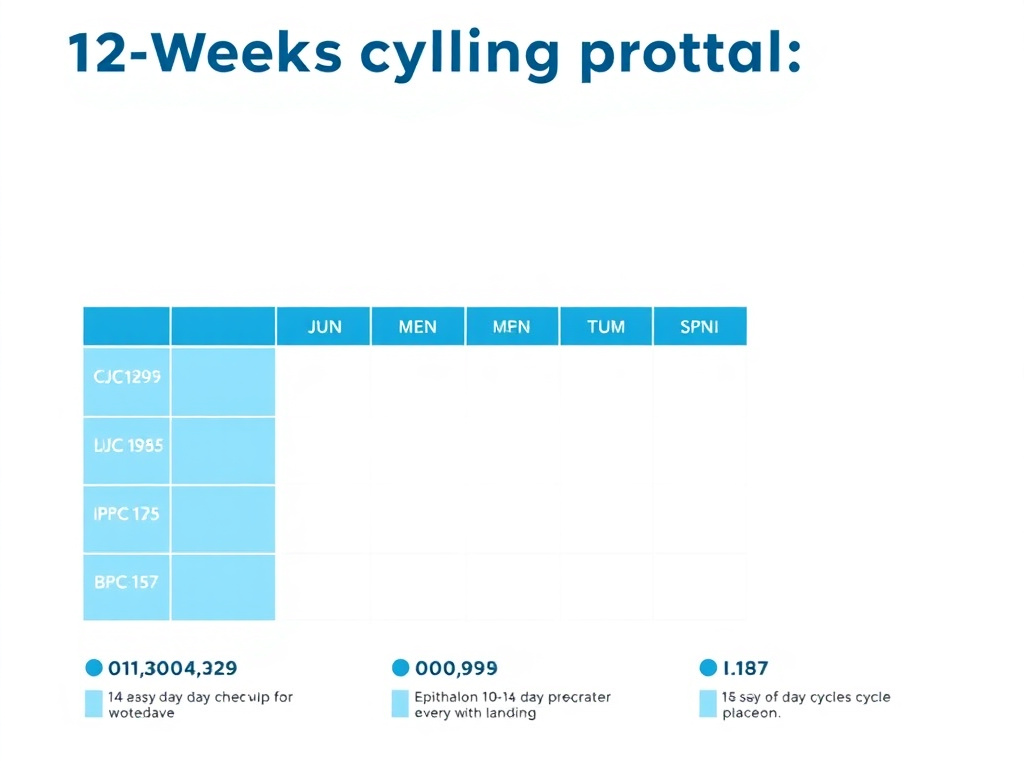
Cycling Strategy: The 12-Week Protocol
Here's a sample 12-week protocol that integrates all three compounds with appropriate cycling:
| Week | CJC-1295/Ipamorelin | BPC-157 | Epithalon |
|---|---|---|---|
| 1-3 | Daily (5 on / 2 off) | Daily (250-500 mcg) | OFF |
| 4-5 | Daily (5 on / 2 off) | Daily (250-500 mcg) | ON: 5-10 mg/day for 10-14 days |
| 6-8 | Daily (5 on / 2 off) | Daily (250-500 mcg) | OFF |
| 9-12 | Daily (5 on / 2 off) | Daily (250-500 mcg) | OFF |
| 13 (optional off-week) | OFF | OFF or continue | OFF |
This 12-week block represents one "macro-cycle." Many practitioners run 3-4 of these per year (with 1-2 week breaks between blocks), including 2-3 Epithalon cycles spread across the full year. A common annual structure looks like this:
- January-March: 12-week block with Epithalon cycle in weeks 4-5
- April: 2-week break (or reduced protocol - BPC-157 only)
- May-July: 12-week block with Epithalon cycle in weeks 4-5
- August: 2-week break
- September-November: 12-week block with optional third Epithalon cycle
- December: Break / reduced protocol
Chart: Cumulative Improvement Timeline
Cumulative Improvement Score Over 6 Months
Composite improvement score across sleep quality, recovery speed, skin health, and subjective energy levels. Based on aggregated clinician reports and patient-reported outcomes. Individual results vary.
Practical Tips for Protocol Adherence
- Set a daily alarm for your evening injection time. Consistency matters more than perfection.
- Prepare your syringes for the week on Sunday evening to streamline daily administration.
- Keep a simple log of injection times, doses, and any notable effects or side effects.
- Store reconstituted peptides in the refrigerator. CJC-1295/Ipamorelin and BPC-157 are stable for 3-4 weeks refrigerated after reconstitution.
- Don't stress about missed days. Missing a single day has minimal impact on long-term results. Just resume your normal schedule.
Expected Outcomes and Timeline
Setting Realistic Expectations
One of the most common mistakes people make with peptide protocols is expecting dramatic, rapid transformations. Anti-aging peptides don't work like that. They work more like compound interest - small, consistent improvements that accumulate over months and years. The changes are real, but they're gradual. You're not going to wake up looking ten years younger after two weeks.
That said, certain effects do appear relatively quickly, while others take months to manifest. Understanding this timeline helps with adherence (you know what to look for and when) and prevents premature discontinuation of a protocol that's actually working but hasn't yet produced its most meaningful effects.
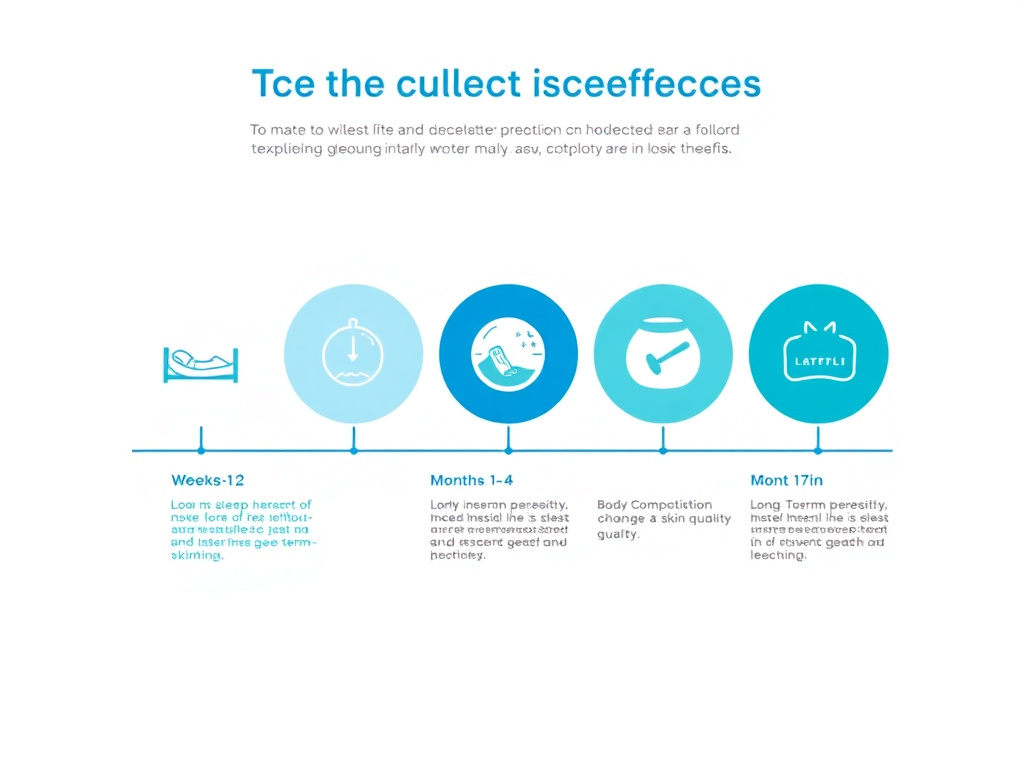
Week-by-Week Timeline
Weeks 1-2: Early Changes
The first noticeable effects are almost always related to sleep. Within the first week or two of starting CJC-1295/Ipamorelin, most people report:
- Deeper sleep: Longer periods of uninterrupted sleep, feeling like you're "sleeping harder"
- More vivid dreams: A very common early sign that GH pulsatility is increasing, since GH release is highest during REM sleep
- Waking more refreshed: Even if total sleep duration doesn't change, sleep quality improves
- Mild water retention: A temporary effect as GH increases intracellular water. This usually resolves within a few weeks and is not cause for concern
BPC-157 effects during this phase depend on baseline status. If you have any active injuries or inflammatory issues, you may notice reduced pain or improved mobility within the first 1-2 weeks. If you're generally healthy, the effects are more subtle and cumulative.
Weeks 3-4: Building Momentum
- Energy levels: Daytime energy improves. Afternoon fatigue ("the 3 PM slump") often diminishes or disappears
- Recovery: If you exercise regularly, you'll likely notice faster recovery between sessions. Delayed-onset muscle soreness (DOMS) decreases in severity and duration
- Skin quality: Early changes in skin hydration and texture become noticeable. Skin may appear "plumper" and better hydrated
- Mood: Many users report improved mood and mental clarity, likely related to better sleep quality and normalized GH levels
- Gut function: If taking BPC-157, digestive improvements may become apparent - less bloating, better regularity, improved tolerance of foods that previously caused issues
Weeks 5-8: Visible Changes Begin
- Body composition: Subtle but measurable changes in body composition start to appear. Visceral fat begins decreasing, especially if combined with appropriate exercise and nutrition. Lean mass may increase slightly
- Skin: More noticeable improvements in skin quality. Fine lines may soften. Skin thickness increases (this is measurable on ultrasound). Wound healing visibly improves
- Hair and nails: Faster growth becomes apparent. Nail quality may improve (less brittle, better texture)
- Joint comfort: Reduced stiffness, especially morning stiffness. Improved mobility in previously problematic joints
- Exercise performance: Improved capacity for both strength and endurance work. Better pumps during resistance training (GH-mediated increased intracellular water in muscle)
Weeks 9-16: Cumulative Benefits Mature
- Body composition: More significant and visible changes. Reduced waist circumference, improved muscle definition, better overall body shape. These changes tend to be more apparent to others at this stage
- Skin: Continued improvement. Some users report that colleagues or friends comment on how "rested" or "healthy" they look. Skin elasticity measurably improves
- Metabolic markers: Blood work may show improved lipid profiles, better fasting glucose, improved insulin sensitivity (assuming appropriate lifestyle factors)
- Tendon and ligament health: Chronic tendon issues that have been lingering for months or years may finally begin resolving. BPC-157's tissue repair effects combined with GH-mediated collagen synthesis can address stubborn musculoskeletal problems
- Overall vitality: A general sense of feeling younger, more resilient, and more capable. This is subjective but consistently reported
Months 4-6 and Beyond: Long-Term Effects
- Sustained body composition improvements: Continued positive trends in lean mass and fat mass ratios
- Bone density: GH supports osteoblast activity and calcium absorption. Improvements in bone mineral density may begin to appear on DEXA scans after 6+ months
- Immune function: Some users report fewer colds and infections, likely related to GH-mediated immune support and better overall health status
- Telomere effects: If running Epithalon cycles, telomere length may stabilize or increase as measured by testing services. These changes are gradual and typically require at least 2-3 cycles (6-12 months) to detect
- Cumulative repair: BPC-157's ongoing tissue support continues to improve the body's repair capacity, with effects building over time
What Affects Individual Response
Not everyone responds to this protocol identically. Several factors influence both the speed and magnitude of response:
| Factor | Impact on Response |
|---|---|
| Age | Older individuals (50+) often respond more dramatically because they have more room for improvement in GH levels. Younger individuals (30-40) may notice subtler changes |
| Baseline GH status | Those with significantly depleted GH tend to respond faster and more visibly |
| Body composition | Higher body fat percentage is associated with lower GH response. Fat loss during the protocol improves GH sensitivity over time |
| Sleep quality | Those with poor baseline sleep often see the most dramatic sleep improvements but may need longer for other benefits to emerge |
| Exercise habits | Regular exercise, especially resistance training, amplifies the benefits significantly. Sedentary individuals still benefit but less dramatically |
| Nutrition | Adequate protein intake (1.2-1.6 g/kg/day) is essential for GH-mediated anabolic effects. Poor nutrition limits outcomes |
| Stress levels | Chronic stress elevates cortisol, which opposes GH effects. Stress management enhances protocol outcomes |
| Protocol adherence | Consistency matters enormously. Sporadic use produces sporadic results |
Clinician Perspective
Experienced peptide practitioners often tell patients to commit to at least 12 weeks before evaluating whether the protocol is "working." Many of the most meaningful changes - body composition shifts, skin quality improvements, musculoskeletal healing - simply take time to develop. The temptation to give up at week 4 because you haven't lost 10 pounds or erased your wrinkles is understandable but premature. Think in terms of 3-6 month blocks, not weekly check-ins.
The GH-IGF-1 Axis and Aging: A Deeper Look
The Paradox of Growth Hormone and Longevity
One of the most debated topics in aging research is the relationship between growth hormone, IGF-1, and longevity. On one hand, GH decline with aging is associated with deteriorating body composition, declining cognitive function, reduced bone density, and impaired quality of life. On the other hand, some genetic studies in animal models suggest that reduced GH/IGF-1 signaling can actually extend lifespan. This seems contradictory, and resolving this paradox is essential for understanding why GH optimization - rather than maximization - is the appropriate goal.
The key insight comes from distinguishing between chronic supraphysiological GH exposure and restored physiological pulsatility. Ames dwarf mice, which lack GH production entirely, live 50-70% longer than normal mice. Laron syndrome patients, who have GH receptor mutations and very low IGF-1, appear protected from cancer and diabetes. These observations led some researchers to argue that lowering GH/IGF-1 might be beneficial for longevity.[31]
But the story is more nuanced than that. These models involve lifelong absence or severe reduction of GH signaling from birth, not the age-related decline we're addressing with secretagogues. The complete absence of GH produces a specific metabolic phenotype with enhanced stress resistance and reduced growth signaling. The age-related decline of GH, by contrast, occurs against a backdrop of already-developed tissues, established metabolic patterns, and accumulating damage. Restoring GH pulsatility to the levels of a healthy 30-year-old is fundamentally different from chronically suppressing GH signaling from conception.
A 2025 clinical review in Frontiers in Aging addressed this directly, noting that the relationship between GH and aging "is complex and context-dependent." The authors concluded that while excessive GH (as in acromegaly) clearly shortens lifespan and while lifelong GH deficiency from genetic causes may extend lifespan in animal models, the clinical evidence supports carefully managed GH optimization for improving quality of life, body composition, and functional capacity in aging adults with documented GH decline.[36]
IGF-1 Dosing Sweet Spot
The concept of a U-shaped curve for IGF-1 and health outcomes has gained traction. Both very low and very high IGF-1 levels are associated with increased mortality and disease risk. The optimal range appears to be in the middle - roughly 180-280 ng/mL for most adults, though individual variation exists.
Studies have found that:
- Low IGF-1 (below 100-120 ng/mL): Associated with increased cardiovascular mortality, sarcopenia, osteoporosis, cognitive decline, and reduced quality of life.
- Moderate IGF-1 (180-280 ng/mL): Associated with the best overall health outcomes - optimal body composition, bone density, cardiovascular health, and cognitive function.
- High IGF-1 (above 300-350 ng/mL): Associated with potential increased cancer risk, though the evidence is epidemiological and confounded by factors like insulin resistance and obesity.
The secretagogue approach naturally targets this middle range because it works through the body's own regulatory system. Unlike exogenous GH, which can easily push IGF-1 above optimal levels (especially if dosed aggressively), secretagogues produce a GH pulse that is still subject to somatostatin negative feedback. This built-in regulation makes it harder to overshoot, though monitoring remains important.
GH and Sleep Architecture
The relationship between growth hormone and sleep deserves extended discussion because it's one of the most immediately impactful aspects of this protocol. GH and sleep exist in a bidirectional relationship - GH secretion depends on sleep quality, and GH influences sleep architecture.
Approximately 70% of daily GH secretion occurs during sleep, with the largest pulse occurring in the first period of slow-wave sleep (SWS), typically within the first 90 minutes of falling asleep. This SWS-associated GH pulse is the single largest hormonal event of the day in healthy young adults. As people age, both SWS duration and the nocturnal GH surge diminish in parallel. By age 50, SWS may be reduced by 60% compared to age 20, and the nocturnal GH pulse may be reduced proportionally.
CJC-1295/Ipamorelin taken before bed enhances this nocturnal GH surge, but it also appears to deepen sleep itself. Users consistently report longer periods of uninterrupted sleep, more vivid dreaming (indicating enhanced REM sleep), and feeling more rested upon waking. This creates a virtuous cycle: better sleep leads to more GH release, which leads to deeper sleep, which leads to even more GH release.
The practical implications are significant. Poor sleep is associated with accelerated aging across virtually every measurable parameter - telomere shortening, increased inflammation, impaired immune function, cognitive decline, weight gain, and increased disease risk. By improving both GH levels and sleep quality simultaneously, the CJC-1295/Ipamorelin component of this stack may produce benefits that extend well beyond what would be expected from GH optimization alone.
GH and Body Composition: The Metabolic Shift
Growth hormone's effects on body composition operate through multiple mechanisms that work together to shift the body's metabolic set point:
Fat Mobilization
GH is one of the most potent lipolytic (fat-mobilizing) hormones in the body. It promotes the breakdown of stored triglycerides in adipose tissue, particularly visceral (belly) fat. GH does this by increasing the expression and activity of hormone-sensitive lipase (HSL) in fat cells, which releases fatty acids into the bloodstream for use as fuel. This effect is especially pronounced during the fasting state, which is why overnight fasting combined with the nocturnal GH pulse creates optimal conditions for fat mobilization.
The preferential targeting of visceral fat is particularly relevant for anti-aging. Visceral adipose tissue isn't just stored energy - it's a metabolically active endocrine organ that secretes inflammatory cytokines (collectively called adipokines) including IL-6, TNF-alpha, and resistin. These molecules drive systemic inflammation, insulin resistance, and cardiovascular risk. Reducing visceral fat through GH optimization simultaneously reduces this inflammatory burden.
Protein Synthesis and Lean Mass
GH stimulates protein synthesis both directly (through GH receptor signaling in muscle) and indirectly (through hepatic IGF-1 production). In the context of aging, this anabolic effect helps counteract sarcopenia - the age-related loss of muscle mass and function that begins in the 30s and accelerates after age 50. Adults lose approximately 3-8% of their muscle mass per decade after age 30, a process that GH optimization can slow or partially reverse.
The combination of increased fat mobilization and enhanced protein synthesis produces what clinicians call a "recomposition effect" - simultaneous fat loss and lean mass preservation or gain. This is different from simple weight loss on a calorie-restricted diet, where significant lean mass is typically lost alongside fat. The GH-mediated recomposition preserves or builds the metabolically active tissue (muscle) while reducing the metabolically harmful tissue (visceral fat).
Collagen and Connective Tissue
GH stimulates collagen synthesis throughout the body. Collagen is the most abundant protein in the human body, providing structural support to skin, tendons, ligaments, bones, cartilage, blood vessels, and organs. Collagen production declines approximately 1% per year after age 25, contributing to skin aging (wrinkles, thinning, loss of elasticity), joint degeneration, and reduced structural integrity.
GH-mediated collagen synthesis works particularly well in conjunction with BPC-157's tissue repair effects. While BPC-157 provides the growth factor signaling and angiogenic support for tissue repair, GH provides the metabolic drive and raw material production (via stimulated amino acid uptake and protein synthesis) needed to actually build new collagen. This complementarity is one of the strongest arguments for combining these two peptides.
GH and Immune Function
Growth hormone plays an important role in immune system function that's often overlooked in discussions of anti-aging protocols. GH receptors are expressed on virtually all immune cells, and GH influences immune function through several mechanisms:
- Thymic function: The thymus gland, which produces T-cells (critical for adaptive immunity), undergoes involution (shrinkage) with age. GH can partially reverse thymic involution, supporting continued T-cell production.
- Natural killer cell activity: GH enhances NK cell cytotoxicity, improving the body's ability to destroy virus-infected and cancer cells.
- B-cell function: GH supports antibody production and B-cell maturation.
- Macrophage activation: GH promotes macrophage function, enhancing the innate immune response to pathogens.
Age-related immune decline (immunosenescence) is one of the major contributors to increased susceptibility to infections, reduced vaccine efficacy, and impaired cancer surveillance in older adults. GH optimization may help maintain more youthful immune function, though this benefit is difficult to measure directly without specialized immune function testing.
Advanced BPC-157 Applications in the Anti-Aging Context
Gut-Brain Axis and BPC-157
The gut-brain axis - the bidirectional communication network between the gastrointestinal tract and the central nervous system - has emerged as one of the most important areas in aging research. Age-related changes in gut microbiome composition, intestinal barrier integrity, and enteric nervous system function contribute to neuroinflammation, cognitive decline, and mood disturbances.
BPC-157, derived from gastric juice protein, has demonstrated effects on both ends of this axis. In the gut, it maintains mucosal integrity, reduces inflammatory bowel disease severity, and protects against NSAID-induced gastropathy. In the brain, it has shown neuroprotective effects in multiple models, including traumatic brain injury, drug-induced neurotoxicity, and ischemic brain damage.
The peptide interacts with both the dopaminergic and serotonergic neurotransmitter systems. In animal models, BPC-157 counteracted the effects of dopamine-depleting agents and modulated serotonin activity. These neurotransmitter systems are critical for mood regulation, motivation, cognitive function, and motor control - all of which decline with age.
While it would be premature to claim that BPC-157 prevents age-related cognitive decline based on current evidence, its documented effects on both gut integrity and neural function position it as a compound with potential relevance to the gut-brain aspects of aging. This adds another dimension to its value in the anti-aging stack beyond its better-known tissue repair properties.
BPC-157 and Cardiovascular Protection
Cardiovascular disease remains the leading cause of death in adults over 65, and age-related changes in vascular function are a major contributor. BPC-157's effects on the cardiovascular system have been studied in several preclinical models:
- Endothelial function: BPC-157 promotes endothelial health through the Src-Caveolin-1-eNOS pathway, supporting nitric oxide production and vascular relaxation. Endothelial dysfunction is an early event in atherosclerosis and contributes to hypertension, both of which increase with age.[15]
- Blood pressure regulation: In animal models with experimentally induced hypertension, BPC-157 normalized blood pressure through NO-mediated mechanisms.
- Cardiac protection: BPC-157 demonstrated cardioprotective effects in models of heart failure and arrhythmia, reducing infarct size and improving cardiac function after ischemic events.
- Vascular repair: Through VEGF upregulation and angiogenesis promotion, BPC-157 supports repair of damaged blood vessels and formation of collateral circulation in ischemic tissues.
These cardiovascular effects are complementary to GH optimization in the anti-aging context. While GH supports cardiac muscle function and metabolic health, BPC-157 supports the vascular infrastructure that delivers blood to all tissues. Together, they may provide a more comprehensive approach to cardiovascular aging than either compound alone.
BPC-157 and Joint Health
Joint degeneration is one of the most common and quality-of-life-impairing aspects of aging. Osteoarthritis affects over 300 million people worldwide, with prevalence increasing sharply after age 50. The condition involves progressive degradation of articular cartilage, subchondral bone remodeling, and chronic joint inflammation.
BPC-157's relevance to joint health operates through several mechanisms:
- Cartilage protection: BPC-157 has demonstrated chondroprotective effects, potentially reducing the rate of cartilage degradation.
- Tendon and ligament repair: These structures are critical for joint stability, and their age-related weakening contributes to joint dysfunction. BPC-157's well-documented tendon-healing effects directly address this component.
- Anti-inflammatory effects: Chronic joint inflammation drives cartilage destruction. BPC-157's anti-inflammatory properties may help break this destructive cycle.
- Subchondral bone support: BPC-157 has shown positive effects on bone healing, which is relevant to the subchondral bone changes seen in osteoarthritis.
When combined with GH-mediated collagen synthesis (from CJC-1295/Ipamorelin), BPC-157's joint-protective effects may be particularly powerful. GH provides the anabolic stimulus for connective tissue production while BPC-157 provides the growth factor signaling, blood supply, and anti-inflammatory environment needed for effective repair.
Administration Routes: Injection vs. Oral
BPC-157 is somewhat unique among research peptides in that it can be administered both by injection and orally. The choice between routes depends on the primary goal:
| Route | Best For | Dose | Advantages | Limitations |
|---|---|---|---|---|
| Subcutaneous injection | Musculoskeletal injuries, systemic anti-aging | 250-500 mcg 1-2x daily | Higher systemic bioavailability; local injection near injury site provides additional benefit | Requires injection supplies and technique |
| Oral (capsule/liquid) | Gut healing, gastric protection, convenience | 250-500 mcg 1-2x daily on empty stomach | Non-invasive; good for gut-specific applications; stable in gastric acid | Lower systemic bioavailability; systemic effects may be reduced |
| Combined (injection + oral) | Comprehensive anti-aging with gut focus | 250 mcg injection + 250 mcg oral daily | Addresses both systemic and gut targets | Higher total peptide cost; more complex protocol |
For the purposes of the anti-aging stack described in this report, subcutaneous injection is generally preferred because it provides the highest systemic bioavailability and allows for convenient co-administration with CJC-1295/Ipamorelin. However, adding oral BPC-157 for gut support is a reasonable enhancement for individuals with digestive complaints or those seeking to optimize gut barrier function as part of their anti-aging strategy.
Epithalon: Extended Research and Mechanisms
The Bioregulation Theory of Aging
To fully understand Epithalon, it helps to understand the theoretical framework from which it emerged. Vladimir Khavinson's "bioregulation theory" proposes that aging is driven, in part, by the decline of short regulatory peptides that control gene expression. According to this theory, the body produces endogenous peptides that bind to specific DNA sequences and regulate the transcription of genes involved in cellular maintenance, repair, and renewal. As we age, production of these regulatory peptides declines, leading to dysregulated gene expression and progressive cellular dysfunction.[25]
Epithalon (AEDG) is proposed to be one such regulatory peptide - specifically, one that regulates genes involved in telomere maintenance and cellular renewal. When administered exogenously, it's thought to restore the regulatory signaling that the body's declining endogenous production can no longer maintain.
This theory is not universally accepted in the mainstream aging research community, and it lacks the extensive validation that frameworks like the hallmarks of aging have received. However, it provides an interesting conceptual lens through which to understand Epithalon's effects, and the experimental data supporting Epithalon's telomerase-activating properties is accumulating from independent research groups.
The 2025 Independent Confirmation
One of the most significant recent developments in Epithalon research was the 2025 publication by Bortoletto and Parchem in Biogerontology, which provided the first major independent (non-Khavinson group) confirmation of Epithalon's telomere-related effects. The study made several important findings:[22]
- Dose-dependent telomere elongation: Using quantitative PCR and immunofluorescence, the researchers demonstrated that Epithalon increased telomere length in human cell lines in a dose-dependent manner.
- hTERT upregulation: Epithalon increased expression of the catalytic subunit of telomerase (hTERT), confirming the mechanism described in Khavinson's original studies.
- ALT pathway activation: In some cell lines (particularly telomerase-negative cell lines), Epithalon increased telomere length through the Alternative Lengthening of Telomeres (ALT) pathway, a telomerase-independent mechanism that uses recombination-based DNA repair. This was a novel finding not previously described for Epithalon.
- Cell type specificity: The magnitude of response varied between cell types, suggesting that Epithalon's effects may be tissue-specific in vivo.
This independent confirmation is important because much of the skepticism around Epithalon has centered on the fact that most research came from a single laboratory. Having a respected independent group at a major research university replicate and extend the core findings significantly strengthens the evidence base.
Epithalon and the Pineal Gland
The pineal gland connection deserves deeper examination because it ties into multiple anti-aging mechanisms beyond telomere maintenance. The pineal gland, located in the center of the brain, produces melatonin in response to darkness through a pathway that involves the suprachiasmatic nucleus (the body's master clock) and sympathetic innervation.
Pineal function declines with age in multiple ways:
- Calcification: The pineal gland progressively calcifies with age, with calcium deposits (corpora arenacea or "brain sand") accumulating from childhood onward. By age 70, most adults have significant pineal calcification, which correlates with reduced melatonin production.
- Reduced melatonin output: Peak nocturnal melatonin levels decline substantially with age, from approximately 60-70 pg/mL in young adults to 20-30 pg/mL in elderly individuals.
- Flattened circadian amplitude: The difference between daytime and nighttime melatonin levels decreases, contributing to disrupted circadian rhythms and impaired sleep.
Epithalamin (the pineal extract from which Epithalon was derived) and Epithalon itself have shown the ability to restore melatonin production in aging animals. In rats, Epithalon treatment increased the amplitude of the nocturnal melatonin peak to levels closer to those seen in young animals. This effect is thought to be mediated through Epithalon's influence on pineal gene expression rather than a direct biochemical stimulation of melatonin synthesis.
The downstream implications of restored melatonin production are substantial:
- Improved sleep: Melatonin is the primary hormonal signal for sleep onset. Restored melatonin rhythm improves sleep initiation, duration, and quality.
- Antioxidant protection: Melatonin is a potent free radical scavenger that crosses the blood-brain barrier. It protects nuclear DNA, mitochondrial DNA, and telomeres from oxidative damage.
- Immune regulation: Melatonin modulates both innate and adaptive immune function, supporting immune surveillance while reducing chronic inflammation.
- Cancer protection: Melatonin has demonstrated anti-cancer properties in multiple models, including inhibition of tumor cell proliferation and anti-angiogenic effects in tumor tissue. This may partially explain why Epithalon-treated animals showed reduced tumor incidence despite having activated telomerase.
- GH combined effect: Melatonin-enhanced sleep quality supports the nocturnal GH surge, creating a positive interaction with CJC-1295/Ipamorelin within this stack.
Epithalon and DNA Methylation
One of the more speculative but potentially significant areas of Epithalon research involves its effects on DNA methylation - the addition of methyl groups to DNA that regulates gene expression without changing the DNA sequence. DNA methylation patterns change systematically with age, and these changes form the basis of "epigenetic clocks" (like the Horvath clock) that can estimate biological age independently of chronological age.[33]
Khavinson's group has published data suggesting that regulatory peptides like AEDG can influence DNA methylation patterns, potentially "reprogramming" certain age-related methylation changes. If confirmed by independent research, this would represent a mechanism through which Epithalon could influence biological aging at the most fundamental level - not just maintaining telomere length but actually modifying the epigenetic profile of aging cells.
This area remains highly speculative, and the available data is preliminary. However, it represents an intriguing direction for future research and provides additional theoretical support for Epithalon's potential as an anti-aging compound beyond its established telomerase-activating properties.
Comparing Epithalon to Other Telomerase Activators
Epithalon isn't the only compound that has demonstrated telomerase-activating properties. Understanding the alternatives helps contextualize Epithalon's position in the longevity toolkit:
| Compound | Type | Mechanism | Evidence Level | Considerations |
|---|---|---|---|---|
| Epithalon (AEDG) | Synthetic tetrapeptide | hTERT upregulation + ALT pathway | Moderate (animal lifespan studies + cell culture + independent confirmation) | Injectable; cyclic dosing; well-tolerated in studies |
| TA-65 (Cycloastragenol) | Plant extract (Astragalus) | hTERT transcription enhancement | Moderate (human cell culture + small human studies) | Oral; continuous dosing; commercially available supplement |
| Astragaloside IV | Plant extract (Astragalus) | Telomerase activation via similar pathway to TA-65 | Moderate (cell culture + animal studies) | Oral; often used alongside TA-65 |
| GDF11 | Growth factor | Stem cell rejuvenation (indirect telomere effects) | Low-moderate (controversial parabiosis studies) | Experimental; controversial efficacy data |
| Meditation/stress reduction | Behavioral | Reduced telomere attrition via cortisol reduction and telomerase upregulation | Moderate (multiple human studies by Blackburn/Epel) | Free; complementary to any peptide protocol |
Epithalon's advantages include its well-characterized mechanism, the animal lifespan data (which most alternatives lack), the recent independent confirmation, and its cyclic dosing schedule (which may reduce theoretical cancer risk compared to continuous telomerase activation). Its main disadvantage is the relatively limited human data compared to compounds like TA-65, which has been studied in human clinical settings.[34]
Practical Implementation: Getting Started
Step-by-Step Protocol Initiation
If you've read this far and are considering implementing this three-peptide anti-aging stack, here's a practical step-by-step guide to getting started safely and effectively.
Step 1: Medical Consultation and Baseline Assessment (Weeks -4 to -2)
Before ordering any peptides, schedule an appointment with a healthcare provider experienced in peptide therapy or anti-aging medicine. This consultation should include:
- Complete medical history review, including family history of cancer, diabetes, and cardiovascular disease
- Physical examination including vital signs, body composition assessment, and any relevant orthopedic evaluation
- Baseline blood work panel as described in the Monitoring section above
- Discussion of goals, expectations, timeline, and potential risks
- Review of current medications and supplements for potential interactions
- If desired, baseline telomere length testing through a certified laboratory
This step is non-negotiable. Self-prescribing peptides without medical oversight is risky and prevents you from monitoring your response appropriately.
Step 2: Source Quality Peptides (Week -2)
Once cleared by your provider, obtain your peptides from a reputable source. Quality markers to look for include:
- Third-party certificates of analysis (COAs) showing purity above 98% by HPLC
- Mass spectrometry confirmation of molecular identity
- Endotoxin testing below USP limits
- Proper packaging (lyophilized powder in sealed vials, shipped with cold packs if appropriate)
- Bacteriostatic water for reconstitution (usually purchased separately)
You'll also need supplies: insulin syringes (29-31 gauge, 0.5-1.0 mL), alcohol swabs, and a sharps disposal container. If you're new to subcutaneous injection, many online resources and clinical guides demonstrate proper technique.
Step 3: Start with One Compound (Weeks 1-2)
Rather than starting all three peptides simultaneously, many practitioners recommend a staggered approach. This makes it easier to identify which compound is responsible for any effects (positive or negative) you experience.
- Weeks 1-2: Start with CJC-1295/Ipamorelin only. Begin at the lower end of your dose range. Inject before bed in a fasted state. Track sleep quality, energy levels, and any side effects.
- Week 3: If CJC-1295/Ipamorelin is well-tolerated, add BPC-157. Start at 250 mcg once daily.
- Weeks 4-5: Once both are established and well-tolerated, consider adding the first Epithalon cycle if this is part of your planned protocol.
This staggered approach takes a few extra weeks but provides much better information about individual compound tolerability and effects.
Step 4: Establish Your Routine (Weeks 3-6)
Consistency is the single biggest determinant of long-term protocol success. Establish a daily routine that works with your schedule:
- Set a daily alarm for your injection time (most people choose 9:30-10:30 PM)
- Designate a consistent injection location (many people use the lower abdomen, rotating sites to prevent lipodystrophy)
- Establish your pre-injection fasting window (stop eating 2-3 hours before)
- Create a simple tracking system (spreadsheet, app, or notebook) to log doses, times, and subjective effects
- Prepare your weekly supply on a designated day to streamline daily preparation
Step 5: First Follow-Up (Week 6)
At the 6-week mark, repeat the core blood work panel (IGF-1, fasting glucose, fasting insulin, basic metabolic panel). Compare to your baseline values. Key questions to answer:
- Has IGF-1 increased? If so, to what level?
- Is fasting glucose stable? Has insulin changed?
- Are there any concerning changes in metabolic markers?
- How do subjective effects align with the expected timeline?
- Are any dose adjustments needed based on the data?
Share these results with your healthcare provider and adjust the protocol as needed.
Step 6: Full Assessment (Week 12)
At 12 weeks, conduct a comprehensive review:
- Full blood work panel (all baseline markers)
- Body composition assessment (DEXA scan if available, or at minimum waist measurements and body weight)
- Review of subjective tracking data
- Discussion with provider about continuing, adjusting, or modifying the protocol
- Planning for the next 12-week block
Common Beginner Mistakes to Avoid
Based on clinical experience and community reports, here are the most common mistakes people make when starting this protocol:
- Eating too close to injection time. This is the single most common error. A meal 1 hour before injection significantly blunts the GH response. Minimum 2 hours fasted; 3 is better.
- Expecting instant results. If you're evaluating the protocol at week 2, you're evaluating too early. Commit to 12 weeks minimum before judging effectiveness.
- Skipping blood work. Without data, you're guessing. Blood work tells you whether the peptides are working as expected and catches safety issues early.
- Inconsistent dosing. Missing injections regularly undermines the cumulative benefit. If you can't maintain a consistent schedule, simplify (e.g., evening-only dosing rather than split doses).
- Ignoring lifestyle factors. No peptide stack can overcome poor sleep, inadequate protein, sedentary habits, or chronic stress. Address these foundations first.
- Starting multiple new things at once. If you simultaneously start peptides, change your diet, begin a new exercise program, and add five supplements, you'll have no idea what's causing what. Stagger changes.
- Dose escalation without data. "More is better" doesn't apply to peptides. Higher doses of CJC-1295/Ipamorelin produce more side effects without proportionally more benefit. Stay within recommended ranges and let blood work guide adjustments.
- Using low-quality peptides. Saving money on peptide quality is false economy. Contaminated or under-dosed products produce unreliable results and potential safety issues.
- Neglecting reconstitution and storage. Peptides are proteins that degrade with heat, light, and time. Reconstitute properly with bacteriostatic water, store in the refrigerator, and use within the recommended timeframe (typically 3-4 weeks after reconstitution).
- Going it alone. Self-prescribing and self-monitoring without medical oversight is risky. A knowledgeable provider can catch issues you might miss and optimize your protocol based on clinical experience.
Reconstitution and Storage Guide
Proper peptide reconstitution is essential for maintaining potency and safety:
| Peptide | Typical Vial Size | Recommended BAC Water | Concentration | Refrigerated Stability |
|---|---|---|---|---|
| CJC-1295 (Mod GRF) | 2 mg or 5 mg | 2 mL (for 2mg) or 2.5 mL (for 5mg) | 1000 mcg/mL or 2000 mcg/mL | 3-4 weeks |
| Ipamorelin | 2 mg or 5 mg | 2 mL (for 2mg) or 2.5 mL (for 5mg) | 1000 mcg/mL or 2000 mcg/mL | 3-4 weeks |
| BPC-157 | 5 mg | 2.5 mL | 2000 mcg/mL | 3-4 weeks |
| Epithalon | 10 mg or 50 mg | 2 mL (for 10mg) | 5000 mcg/mL | 3-4 weeks |
Reconstitution steps:
- Allow the vial to reach room temperature (5-10 minutes after removing from freezer)
- Wipe the vial rubber stopper with an alcohol swab
- Draw the appropriate amount of bacteriostatic water into an insulin syringe
- Insert the needle through the stopper and let the water trickle down the inside wall of the vial (never squirt directly onto the peptide powder, as this can damage the protein)
- Gently swirl the vial until the powder is completely dissolved (never shake vigorously)
- Store in the refrigerator. Label with the date of reconstitution
Lyophilized (unreconstituted) peptides can be stored in the freezer for 12+ months. Once reconstituted, use within 3-4 weeks and keep refrigerated at all times when not in use.
How the Three Peptides Interact: Mechanism Cross-Talk
Understanding Peptide-to-Peptide Interactions
One of the most compelling arguments for the three-peptide anti-aging stack is that these compounds don't just work in parallel on separate aging pathways - they actually create positive interactions at the molecular level. Understanding these interactions helps explain why the combination may produce results greater than the sum of its individual components.
GH-BPC-157 Interaction: The Repair Amplification Loop
Growth hormone and BPC-157 interact at multiple levels to create what might be called a "repair amplification loop." Here's how it works:
Level 1: GH receptor upregulation. As discussed earlier, BPC-157 has been shown to upregulate growth hormone receptor expression in fibroblasts. This means that when CJC-1295/Ipamorelin stimulates GH release, the target tissues have more receptors available to respond to that GH. It's like turning up both the volume on a speaker (more GH via secretagogues) and the sensitivity of the microphone (more GH receptors via BPC-157). The net result is a stronger signal at the tissue level than either intervention would produce alone.[17]
Level 2: Complementary anabolic signaling. GH stimulates protein synthesis through the JAK2-STAT5 pathway, while BPC-157 promotes cellular repair through the ERK1/2 and FAK pathways. These signaling cascades converge on common downstream targets - cell survival, proliferation, and tissue remodeling - but arrive through different upstream mechanisms. This multi-pathway activation creates a more thorough and reliable repair response than either pathway alone.
Level 3: Blood supply and nutrient delivery. BPC-157's pro-angiogenic effects (new blood vessel formation) improve blood supply to tissues, which enhances delivery of the nutrients, amino acids, and growth factors that GH-stimulated protein synthesis requires. A tissue can't build new proteins without raw materials, and it can't receive raw materials without adequate blood supply. BPC-157 addresses the supply chain while GH drives the production line.
Level 4: Collagen synthesis coordination. GH stimulates collagen production by fibroblasts. BPC-157 promotes fibroblast migration and survival while providing the growth factor environment needed for collagen organization. In tendon healing studies, BPC-157 not only increased collagen production but improved collagen fiber alignment - meaning the new tissue was structurally organized rather than randomly deposited. Combined with GH-driven collagen synthesis, this creates higher-quality connective tissue repair.
GH-Epithalon Interaction: The Renewal-Capacity Axis
The interaction between GH optimization and telomere maintenance operates on a different level - it's about ensuring that the cells responsible for tissue renewal have the replicative capacity to keep working.
GH promotes tissue renewal by stimulating stem cell proliferation and tissue turnover. But each round of cell division shortens telomeres. In a scenario where GH is optimized but telomeres aren't maintained, you could theoretically accelerate the exhaustion of replicative capacity - pushing cells through more divisions faster and reaching senescence sooner.
Epithalon's telomerase activation helps prevent this. By maintaining telomere length, it ensures that the increased cellular proliferation driven by GH optimization doesn't come at the cost of accelerated replicative aging. Think of it as maintaining the odometer while increasing the car's performance - you get more miles out of each cell's replicative lifespan.
There's also an indirect interaction through sleep. GH optimization with CJC-1295/Ipamorelin improves sleep quality, and Epithalon supports melatonin production by restoring pineal function. Better sleep reduces oxidative stress and cortisol, both of which accelerate telomere shortening. So the GH and Epithalon components may reinforce each other's effects on biological aging through this shared sleep-improvement pathway.[35]
BPC-157-Epithalon Interaction: Protection and Renewal
The interaction between BPC-157 and Epithalon is perhaps the most subtle but potentially the most important for long-term anti-aging outcomes.
BPC-157 creates a tissue environment that's favorable for cellular health - adequate blood supply, reduced inflammation, healthy nitric oxide balance, and strong growth factor signaling. This environment reduces the stressors that accelerate telomere shortening. Oxidative stress, chronic inflammation, and inadequate blood supply all cause accelerated telomere attrition. By mitigating these factors, BPC-157 may enhance the effectiveness of Epithalon's telomerase activation by reducing the rate at which telomeres are shortened between Epithalon cycles.
Conversely, Epithalon's telomere maintenance ensures that the progenitor and stem cells that respond to BPC-157's repair signals have sufficient replicative capacity to actually carry out tissue repair. In aging tissue, some repair capacity is lost not because the repair signals are absent but because the cells that would respond to those signals have entered senescence due to critically short telomeres. By maintaining telomere length, Epithalon helps ensure there's a responsive cell population available when BPC-157's repair signals arrive.
The Three-Way Interaction Model
Putting it all together, the three-peptide stack creates an integrated system of interactions:
- CJC-1295/Ipamorelin drives anabolic metabolism - GH-mediated protein synthesis, fat mobilization, collagen production, and immune support.
- BPC-157 optimizes the tissue environment for repair - angiogenesis, growth factor signaling, inflammation resolution, and GH receptor sensitization.
- Epithalon maintains the replicative machinery - telomere length preservation, telomerase activation, antioxidant defense, and melatonin support.
Each compound enhances the effectiveness of the other two. GH provides the metabolic drive. BPC-157 provides the repair infrastructure. Epithalon provides the cellular capacity. Remove any one of these three elements and the others are less effective. Together, they create a more complete anti-aging intervention than any single compound or even any two-compound combination could achieve.
This is the fundamental rationale for the three-peptide stack. It's not about taking more peptides for the sake of it. It's about addressing the interconnected nature of aging with an interconnected set of interventions.
Long-Term Considerations and Future Directions
Multi-Year Protocol Planning
Anti-aging isn't a 12-week project. It's a multi-year, potentially lifelong commitment to maintaining biological youth. For those planning to use this three-peptide stack over extended periods, several long-term considerations are worth addressing.
Year 1: Establishment Phase
The first year on the protocol is about establishing baselines, finding optimal doses, and building the habits needed for consistent long-term use. During this year:
- Get comprehensive baseline blood work before starting
- Complete at least three 12-week CJC-1295/Ipamorelin + BPC-157 blocks with appropriate breaks between them
- Run 2-3 Epithalon cycles
- Get quarterly blood work to track trends
- Get a DEXA scan at 6 and 12 months for body composition and bone density baselines
- Consider baseline telomere length testing
- Optimize your lifestyle factors alongside the peptide protocol
By the end of Year 1, you should have a clear picture of how you respond to the protocol, what dose works best for you, and whether the objective and subjective data support continued use.
Years 2-3: Optimization Phase
With a year of data and experience, you can fine-tune your protocol. Common adjustments include:
- Dose optimization based on IGF-1 levels and clinical response
- Cycling pattern adjustments (some people do better with more frequent breaks, others with longer continuous blocks)
- Addition of complementary compounds (e.g., TB-500 for additional tissue repair, NAD+ precursors for mitochondrial support, MOTS-c for metabolic optimization)
- Reduced blood work frequency (semi-annual rather than quarterly, assuming stable results)
- Comparison of telomere length to baseline (if tested initially)
Years 3+ Maintenance Phase
Long-term maintenance involves sustaining the protocol with annual reassessment. Questions to ask each year:
- Are IGF-1 levels remaining in the optimal range?
- Is fasting glucose and insulin sensitivity stable?
- Are body composition trends continuing favorably?
- Has bone density been maintained or improved?
- Are there any emerging safety concerns?
- Does the cost-benefit ratio continue to justify the protocol?
- Are lifestyle factors still optimized?
Tolerance and Tachyphylaxis
A common concern with long-term peptide use is whether the body develops tolerance, reducing the peptides' effectiveness over time. Here's what we know for each compound:
CJC-1295/Ipamorelin: Some degree of pituitary desensitization is theoretically possible with continuous, uninterrupted GHRH stimulation. This is why the 5-days-on, 2-days-off schedule is recommended - the off days allow GHRH and GHSR receptors to resensitize. The periodic 1-2 week breaks between 12-week blocks provide additional protection against tolerance. In practice, most practitioners report sustained effectiveness over years of use with appropriate cycling.
BPC-157: There is minimal evidence of tolerance development with BPC-157. Its mechanisms (VEGF upregulation, NO modulation, ERK1/2 activation) involve pathways that don't typically undergo receptor desensitization with continuous peptide exposure. Some practitioners use BPC-157 continuously for years without apparent loss of effectiveness. Still, periodic breaks (1 week every 2-3 months) are a reasonable precaution.
Epithalon: Tolerance is not a relevant concern for Epithalon because it's already used in intermittent cycles. The effects of each cycle (telomerase activation, telomere maintenance) persist for months, so there's no need for continuous exposure that could lead to tolerance.
Age-Specific Protocol Modifications
The optimal protocol varies somewhat by age group:
| Age Group | GH Status | Protocol Emphasis | Dose Range |
|---|---|---|---|
| 30-39 | Early decline; often still adequate | Prevention and optimization; lower doses may suffice | Lower end of ranges; may not need all three compounds |
| 40-49 | Moderate decline; often clinically significant | Active GH restoration; tissue repair support; telomere maintenance initiation | Standard dose ranges; full three-peptide stack appropriate |
| 50-59 | Significant decline; often symptomatic | Aggressive GH optimization; joint/connective tissue support; telomere focus | Standard to upper dose ranges; full stack strongly indicated |
| 60-69 | Substantial decline; usually symptomatic | GH restoration with careful metabolic monitoring; tissue repair; bone health | Standard ranges with more conservative initiation; closer metabolic monitoring |
| 70+ | Severe decline in most individuals | Quality of life focus; careful risk-benefit assessment; conservative dosing | Lower end of ranges; enhanced monitoring for insulin resistance and cardiovascular parameters |
Future Research Directions
Several areas of ongoing research may shape how we think about and use this peptide stack in the coming years:
- Human clinical trials for BPC-157: Several trials are reportedly in progress or recently completed. Results from controlled human studies would significantly strengthen the evidence base and potentially lead to regulatory approval for specific indications.
- Independent Epithalon studies: The 2025 Biogerontology publication marked an important step toward independent validation. Additional studies from diverse research groups will be critical for establishing Epithalon's effects beyond the Khavinson group's work.
- Combination studies: Formal studies examining the effects of peptide combinations (rather than individual compounds) would be enormously valuable. Currently, the rationale for stacking is based on mechanistic reasoning and individual compound data rather than combination-specific evidence.
- Biomarker development: Better biomarkers of biological aging - including refined epigenetic clocks, senescent cell markers, and multi-system aging panels - would improve our ability to objectively track the effects of anti-aging interventions.
- Oral peptide delivery: Advances in oral peptide delivery systems could make peptide protocols more accessible by reducing or eliminating the need for injection. BPC-157 already has oral bioavailability; similar formulations for other peptides could broaden adoption.
- Personalized protocol design: As genetic testing and multi-omic profiling become more accessible, protocols may become increasingly personalized based on individual genetic variants, epigenetic profiles, and metabolomic signatures. A person with specific polymorphisms in GH receptor genes, for example, might benefit from different dosing than someone with standard receptor sensitivity.
The Bigger Picture
This three-peptide stack represents one approach within a rapidly expanding field of longevity interventions. It's neither the first nor the last word on anti-aging, and it works best as part of a comprehensive longevity strategy that includes foundational lifestyle factors (sleep, nutrition, exercise, stress management), appropriate supplementation, regular health monitoring, and an ongoing relationship with a knowledgeable healthcare provider.
The goal isn't to live forever. The goal is to extend healthspan - the number of years lived in good health, with full physical and cognitive function. A well-designed peptide protocol, combined with evidence-based lifestyle optimization, represents one of the most practical and accessible approaches to that goal available today.
For ongoing research updates, protocol refinements, and new peptide information, visit the FormBlends Peptide Hub and the Biohacking Hub. And if you're ready to evaluate whether a peptide protocol is right for you, start with the Free Assessment to get personalized guidance.
Special Populations and Protocol Adaptations
Women and the Anti-Aging Peptide Stack
While the fundamentals of this protocol apply to both men and women, there are meaningful differences in female physiology that warrant specific discussion. Women experience GH decline with aging just as men do, but the hormonal context is different, particularly around menopause.
Pre-Menopausal Women
GH secretion in pre-menopausal women is influenced by the menstrual cycle. Estrogen amplifies GH pulse amplitude, which is one reason younger women generally have higher random GH levels than men of the same age. As estrogen levels fluctuate during the menstrual cycle, GH responsiveness can change. Some women may notice that their response to CJC-1295/Ipamorelin varies slightly across their cycle, with potentially stronger effects during the follicular phase when estrogen is rising.
Pre-menopausal women using this stack should be aware of the theoretical interaction between GH and reproductive hormones. While CJC-1295/Ipamorelin has not been shown to disrupt menstrual cycles, any hormonal intervention warrants monitoring. Women actively trying to conceive should avoid all three peptides until they've discussed the protocol with their fertility specialist. There is no established safety data for any of these peptides during pregnancy or while breastfeeding.
Peri-Menopausal and Post-Menopausal Women
Menopause marks a transition where women experience a particularly sharp decline in GH production, compounding the age-related decline that was already underway. The loss of estrogen removes one of the amplifiers of GH pulsatility, contributing to accelerated changes in body composition (increased abdominal fat, decreased lean mass), bone density loss, skin thinning, and sleep disruption.
Post-menopausal women often respond very favorably to GH optimization with CJC-1295/Ipamorelin. Common benefits include improved body composition, better sleep quality, enhanced skin thickness and elasticity, and improved bone density markers. These effects complement hormone replacement therapy (HRT) if the woman is using it. GH and estrogen have additive effects on bone density, skin health, and body composition.
Dosing for women typically falls at the lower end of published ranges, partly due to lower average body weight and partly because women tend to be more sensitive to GH's effects (likely due to differences in GH receptor expression and signaling). A starting dose of 100-150 mcg of each peptide (CJC-1295 and Ipamorelin) is appropriate for most women, with titration based on blood work and clinical response.
BPC-157 dosing is generally the same for women and men. Epithalon dosing is also not gender-specific in the available literature. The standard 5-10 mg/day for 10-20 day cycles applies regardless of sex.
Special Monitoring for Women
In addition to the standard monitoring panel, women should track:
- Estradiol levels (GH can influence estrogen metabolism)
- Bone density (DEXA scans are especially important for post-menopausal women)
- Menstrual regularity (for pre-menopausal women)
- Breast health (standard mammogram screening should be maintained; discuss IGF-1 levels with your provider in the context of breast cancer risk)
Athletes and Active Individuals
People who exercise intensely have different considerations when implementing this stack. The good news is that exercise and peptide protocols are highly complementary. The nuances involve timing and recovery management.
Training Day Protocol Adjustments
On training days, particularly for resistance training:
- Pre-workout: Some athletes take a small dose of Ipamorelin (100 mcg) 30-60 minutes before training to enhance the exercise-induced GH pulse. This is in addition to the evening dose, not instead of it. Take this dose fasted or at least 1 hour after eating.
- Post-workout nutrition: Don't skip your post-workout meal to maintain fasting for the evening injection. Instead, eat your post-workout meal normally and plan your evening injection 2-3 hours after your last food intake.
- BPC-157 for recovery: Athletes experiencing specific injuries or overuse issues can inject BPC-157 near the affected area in addition to their standard systemic dose. For example, a runner with Achilles tendon issues might inject 250 mcg near the Achilles in addition to 250 mcg in the abdomen.
Competition Considerations
All three peptides in this stack are prohibited by WADA (World Anti-Doping Agency) and most professional sports organizations. CJC-1295 and Ipamorelin are prohibited as growth hormone secretagogues. BPC-157 was added to the WADA prohibited list. Athletes subject to anti-doping testing should not use any of these compounds. This restriction applies to many amateur competitive sports as well, not just professional athletics.
Recreational athletes and fitness enthusiasts not subject to drug testing can use these peptides within the protocols described in this report. The recovery and body composition benefits are particularly valuable for people who train regularly, as they help maintain training intensity and volume while reducing injury risk and recovery time.
Individuals Over 65
Older adults stand to benefit substantially from this protocol, as their GH decline is typically most severe and their tissue repair capacity most compromised. However, they also require more careful implementation:
- Start lower: Begin CJC-1295/Ipamorelin at the minimum dose (100 mcg of each) regardless of body weight. Older pituitary glands may be more sensitive to stimulation, and lower doses reduce the risk of side effects.
- Titrate slowly: Increase doses by 25-50 mcg increments every 2-4 weeks, guided by blood work and clinical response. There's no rush.
- Monitor glucose closely: Age-related insulin resistance is common, and even mild GH elevation can exacerbate it. Check fasting glucose and insulin at 4 weeks (rather than the standard 6 weeks) for this population.
- Watch for edema: Fluid retention is more common in older adults and can exacerbate conditions like heart failure or venous insufficiency. Any significant swelling should prompt dose reduction.
- Emphasize BPC-157: The tissue repair component may be especially valuable in this age group, where healing capacity is most impaired. Consider using BPC-157 at full dose even if CJC-1295/Ipamorelin doses are reduced.
- Cardiovascular screening: Ensure adequate cardiovascular evaluation before starting, including an ECG and discussion of cardiac history with the prescribing provider.
Common Myths and Misconceptions
The peptide space is rife with misinformation, exaggerated claims, and genuine misunderstandings. Addressing the most common myths helps set appropriate expectations and prevents people from either overestimating or underestimating what this protocol can achieve.
Myth: Peptides Are Steroids
Reality: Peptides are fundamentally different from anabolic steroids. Steroids are synthetic derivatives of testosterone that directly activate androgen receptors throughout the body, producing powerful anabolic effects but also significant side effects including liver toxicity, cardiovascular damage, hormonal disruption, and potential for dependence. Peptides are short chains of amino acids that act as signaling molecules, stimulating the body's own processes rather than overriding them. CJC-1295 and Ipamorelin don't introduce foreign hormones - they tell your pituitary to release more of the growth hormone you naturally produce. The side effect profile, risk level, and mechanism of action are completely different from steroids.
Myth: More Is Always Better with Peptide Dosing
Reality: Peptide dose-response curves are not linear. With CJC-1295/Ipamorelin, there's a ceiling effect - beyond a certain dose, you don't get more GH release, but you do get more side effects (water retention, insulin resistance, numbness). The pituitary gland has a finite capacity for GH release in any given pulse, and once that capacity is reached, additional secretagogue stimulation is wasted. Optimal dosing is about reaching the effective range, not maximizing the dose. This is why blood work matters - IGF-1 levels tell you whether your dose is producing the desired effect, and there's a clear optimal range (180-280 ng/mL) beyond which additional increases offer diminishing returns with increasing risk.
Myth: Peptides Replace the Need for Exercise and Good Nutrition
Reality: Peptides amplify the body's natural processes; they don't replace the inputs those processes require. Growth hormone can stimulate protein synthesis, but synthesis requires amino acids from dietary protein. BPC-157 can enhance tissue repair, but repair requires building blocks from nutrition. The body composition benefits of GH optimization are dramatically amplified by resistance training and are minimal without it. People who use peptides while neglecting sleep, nutrition, and exercise typically report disappointing results. The best outcomes consistently come from people who use peptides as one component of a comprehensive health optimization approach.
Myth: Epithalon Will Give You Cancer
Reality: This is an understandable concern but is not supported by the available evidence. While telomerase activation is indeed one of the hallmarks of cancer cells, the relationship is not as simple as "telomerase = cancer." Cancer requires multiple mutations affecting cell growth controls, DNA repair, apoptosis, and immune evasion. Telomerase activation alone does not cause cancer. In the animal studies with Epithalon, treated groups actually showed reduced tumor incidence compared to controls. Maintaining telomere length in normal cells may reduce genomic instability (a cancer driver) by preventing chromosome fusion events. That said, individuals with active cancer or strong genetic cancer predisposition should exercise caution and consult an oncologist.
Myth: You Can Feel Peptides Working Immediately
Reality: Some effects appear quickly (sleep improvements within 1-2 weeks), but most meaningful anti-aging benefits take weeks to months to develop. Body composition changes require 8-16 weeks minimum. Skin quality improvements take 4-12 weeks. Telomere effects may take 6-12 months to detect. People who expect to feel dramatically different after their first injection are setting themselves up for disappointment. The changes are real but gradual - more like watching grass grow than flipping a switch. Consistency over months, not intensity over days, drives results.
Myth: All Peptide Sources Are the Same
Reality: Peptide quality varies enormously across suppliers. Low-purity products may contain degraded peptide fragments, residual solvents, endotoxins, or other contaminants that can cause adverse reactions and reduce effectiveness. Some products have been found to contain significantly less active peptide than labeled, meaning you're getting an unpredictable and potentially inadequate dose. Always source from suppliers that provide third-party certificates of analysis with HPLC purity results, mass spectrometry confirmation, and endotoxin testing. The price difference between high-quality and low-quality peptides is small relative to the importance of product integrity.
Myth: Once You Start Peptides, You Can Never Stop
Reality: Peptide protocols can be started and stopped without lasting negative consequences. CJC-1295/Ipamorelin do not shut down endogenous GH production (unlike exogenous GH, which can suppress pituitary function). When you stop taking secretagogues, your GH levels return to their pre-treatment baseline over days to weeks. You don't experience withdrawal or rebound. The benefits you've gained (improved body composition, better sleep habits, tissue repair) may persist for some time after discontinuation, though they will gradually diminish as GH levels return to age-appropriate baseline. BPC-157 and Epithalon similarly have no dependence-creating properties.
Myth: Peptides Are FDA-Approved for Anti-Aging
Reality: None of the peptides in this stack are FDA-approved for anti-aging, body composition improvement, or general wellness purposes. CJC-1295 and Ipamorelin are not FDA-approved for any indication. BPC-157 is not FDA-approved and was flagged by the FDA in the compounding context. Epithalon is not FDA-approved in any jurisdiction outside of limited use in Russia. These compounds are available through compounding pharmacies, research chemical suppliers, and clinics, but their use for anti-aging is considered off-label at best. This doesn't mean they don't work - many effective medications are used off-label - but it's important to understand the regulatory context and work with a qualified healthcare provider who can prescribe and monitor appropriately.
Cost-Benefit Analysis
True Cost of the Three-Peptide Stack
Understanding the full financial commitment helps in planning and decision-making. Here's a detailed breakdown of costs for the first year:
| Item | Frequency | Cost Range | Annual Total |
|---|---|---|---|
| CJC-1295/Ipamorelin (combined vial) | Monthly | $150-300/month | $1,800-3,600 |
| BPC-157 | Monthly | $80-200/month | $960-2,400 |
| Epithalon (2-3 cycles/year) | 2-3x annually | $50-150/cycle | $100-450 |
| Bacteriostatic water | Monthly | $10-15/month | $120-180 |
| Syringes and supplies | Monthly | $15-25/month | $180-300 |
| Blood work (3-4 panels) | Quarterly | $200-500/panel | $600-2,000 |
| DEXA scan (1-2x) | Semi-annually | $50-200/scan | $100-400 |
| Clinical consultation (2-4 visits) | Quarterly | $100-300/visit | $200-1,200 |
| Total First Year | $4,060-10,530 |
For subsequent years, costs typically decrease as blood work frequency reduces and initial consultations are complete. A reasonable estimate for ongoing annual cost is $3,000-7,000 depending on sources, dosing, and monitoring frequency.
Comparing Cost to Alternatives
To put these numbers in perspective:
- Exogenous GH therapy: $7,200-24,000/year for pharmaceutical-grade rhGH, plus monitoring
- Comprehensive anti-aging clinic membership: $5,000-25,000/year (often includes peptides plus other interventions)
- Cosmetic procedures (Botox, fillers, laser): $3,000-15,000/year for maintenance
- Gym membership + personal trainer: $2,400-12,000/year
- High-quality supplements (comprehensive stack): $1,200-3,600/year
The peptide stack falls in the moderate range for anti-aging interventions. It's more expensive than supplements alone but significantly less expensive than exogenous GH therapy or comprehensive clinic programs. For many people, the cost is comparable to what they'd spend on cosmetic procedures, with the advantage that peptides address underlying biology rather than surface-level appearance.
The Value Proposition
Ultimately, the value of any anti-aging intervention depends on what you get for your investment. If this protocol helps you sleep better, maintain a healthier body composition, recover faster from exercise and injury, maintain skin quality, and potentially slow biological aging at the cellular level, the return on investment extends far beyond aesthetics. Better health means fewer sick days, more productive years, reduced healthcare costs from age-related diseases, maintained independence, and improved quality of life.
No intervention can guarantee these outcomes, and individual results vary. But for those who respond well and maintain consistency, the three-peptide anti-aging stack represents a rational investment in long-term health and vitality that's grounded in legitimate (if still evolving) scientific evidence.
Monitoring and Blood Work
Why Monitoring Matters
Running a peptide protocol without monitoring is like driving with your eyes closed. You might be heading in the right direction, but you won't know until it's too late if something goes wrong. Regular blood work serves three critical purposes: confirming that the peptides are producing the expected physiological effects, catching any adverse changes early, and providing objective data to guide dose adjustments.
Beyond blood work, subjective tracking (sleep quality, energy, body composition) and functional assessments (strength, recovery time, skin measurements) provide additional data points. The combination of objective and subjective measures gives the most complete picture of protocol effectiveness.
Baseline Blood Work (Before Starting)
Before starting any peptide protocol, establish baseline values for the following markers. This pre-protocol snapshot is essential - without it, you can't determine whether changes are attributable to the peptides or to other factors.
| Panel | Specific Markers | Why It Matters |
|---|---|---|
| GH Axis | IGF-1, GH (random or stimulated) | Confirms baseline GH status; IGF-1 is the most reliable marker of GH activity |
| Metabolic Panel | Fasting glucose, fasting insulin, HbA1c, HOMA-IR | GH can affect insulin sensitivity; need baseline to track changes |
| Lipid Panel | Total cholesterol, LDL, HDL, triglycerides, Lp(a) | GH influences lipid metabolism; track for cardiovascular risk assessment |
| Thyroid | TSH, Free T3, Free T4 | GH can increase T4-to-T3 conversion; important to monitor thyroid function |
| Inflammation | hsCRP, ESR, homocysteine | Baseline inflammatory status; expect improvement with BPC-157 |
| Hormones | Total/free testosterone (or estradiol for women), DHEA-S, cortisol (AM) | GH interacts with sex hormones and adrenal function |
| Liver/Kidney | CMP (comprehensive metabolic panel), ALT, AST, GGT, BUN, creatinine | Safety monitoring; ensure organs handle the increased metabolic demands |
| CBC | Complete blood count with differential | General health; GH can affect blood cell production |
| Telomere Length | Telomere length testing (Flow-FISH or qPCR method) | Baseline for tracking Epithalon effects; optional but valuable |
Follow-Up Blood Work Schedule
After establishing your baseline, the recommended monitoring schedule is:
- 6 weeks after starting: Check IGF-1, fasting glucose, fasting insulin, and a basic metabolic panel. This confirms the CJC-1295/Ipamorelin is raising IGF-1 appropriately and screens for insulin sensitivity changes.
- 12 weeks (3 months): Full panel repeat. This is your first comprehensive check-in. Compare all values to baseline.
- 6 months: Full panel repeat, plus optional telomere length testing if running Epithalon cycles.
- Annually: Full panel plus DEXA scan for body composition and bone density tracking.
What to Look For: Optimal Ranges
Standard lab reference ranges are designed to identify disease, not optimize health. For an anti-aging protocol, you're aiming for optimal ranges, which are often narrower and different from standard reference ranges.
| Marker | Standard Lab Range | Optimal Anti-Aging Range | Red Flag |
|---|---|---|---|
| IGF-1 | 50-350 ng/mL (varies by age) | 180-280 ng/mL | Above 350 or below 100 |
| Fasting glucose | 65-100 mg/dL | 75-90 mg/dL | Consistently above 100 |
| Fasting insulin | 2.6-24.9 uIU/mL | 3-8 uIU/mL | Above 15 or rising trend |
| HbA1c | 4.0-5.6% | 4.5-5.2% | Above 5.6% or rising |
| hsCRP | 0-3.0 mg/L | Below 1.0 mg/L | Above 3.0 or rising |
| TSH | 0.4-4.0 mIU/L | 1.0-2.5 mIU/L | Above 4.0 or below 0.4 |
IGF-1: The Key Tracking Marker
IGF-1 (Insulin-like Growth Factor 1) is the single most important blood marker for tracking CJC-1295/Ipamorelin effectiveness. GH itself is pulsatile and has a very short half-life, making it difficult to measure meaningfully with a random blood draw. IGF-1, produced by the liver in response to GH stimulation, has a much longer half-life and provides a reliable average measure of GH activity over the preceding days to weeks.
You want to see your IGF-1 rise from its baseline to within the optimal range (roughly 180-280 ng/mL for most adults). An IGF-1 that's too low means the protocol isn't producing adequate GH stimulation, and dose adjustment may be needed. An IGF-1 that's too high (above 350) could indicate excessive GH stimulation and may warrant dose reduction.
Age-adjusted reference ranges for IGF-1 show a natural decline. A 60-year-old with an IGF-1 of 120 ng/mL is "normal for age" but well below the levels associated with optimal body composition, bone density, and cognitive function. The goal of GH optimization isn't to push IGF-1 to the levels of a 20-year-old but to bring it up from the age-related nadir to a range associated with better health outcomes.
Monitoring Insulin Sensitivity
This is the area that requires the most vigilant monitoring. Growth hormone has anti-insulin effects - it promotes fat mobilization and gluconeogenesis, which can lead to elevated fasting glucose and reduced insulin sensitivity. In most people taking physiological doses via secretagogues, this effect is mild and clinically insignificant. But in individuals with pre-existing insulin resistance, metabolic syndrome, or pre-diabetes, even modest GH elevation could tip them into diabetic territory.
The HOMA-IR (Homeostatic Model Assessment of Insulin Resistance) calculation is a useful screening tool:
HOMA-IR = (Fasting Insulin x Fasting Glucose) / 405
Optimal HOMA-IR is below 1.0. Values between 1.0 and 2.0 suggest mild insulin resistance. Values above 2.0 indicate more significant insulin resistance. If your HOMA-IR increases substantially after starting the protocol, discuss dose adjustment with your healthcare provider.
Subjective Tracking
In addition to blood work, keep a simple log tracking the following on a weekly basis (a 1-10 scale works well):
- Sleep quality and duration
- Morning energy level
- Afternoon energy level
- Exercise recovery (soreness duration and severity)
- Skin quality (subjective assessment)
- Joint comfort and mobility
- Mental clarity and focus
- Overall sense of well-being
- Any side effects or unusual symptoms
This subjective data, combined with objective blood work and body composition measurements, provides a comprehensive picture of protocol effectiveness and safety.
When to Adjust or Discontinue
Consider dose reduction or protocol adjustment if you experience:
- Persistent water retention beyond the first 2-3 weeks
- Joint pain or carpal tunnel-like symptoms (signs of excessive GH)
- Rising fasting glucose or insulin levels
- IGF-1 above 350 ng/mL
- Numbness or tingling in hands (another sign of excessive GH effect)
Consider discontinuation and medical consultation if you experience:
- Significant insulin resistance (HOMA-IR above 3.0)
- New or worsening visual changes
- Severe headaches
- Any signs of abnormal growth (lumps, unusual swelling)
- Elevated liver enzymes above 2x the upper limit of normal
Take the Free Assessment at FormBlends to evaluate your current health status and determine whether this protocol is appropriate for your individual situation.
Contraindications
This peptide stack is not appropriate for everyone. Absolute contraindications include active cancer, diabetic retinopathy, uncontrolled diabetes, pregnancy or breastfeeding, and known hypersensitivity to any component. Relative contraindications include pre-diabetes or significant insulin resistance, a history of cancer (discuss with oncologist), active infections requiring medical treatment, and severe organ dysfunction. Always work with a qualified healthcare provider who can evaluate your specific medical history and monitor your progress.
Safety Considerations
General Safety Profile
Understanding the safety profile of each compound in this stack - and potential interactions between them - is essential for responsible use. Let's examine the safety data for each peptide, then discuss stack-specific considerations.
CJC-1295/Ipamorelin Safety
The available clinical data on CJC-1295 and Ipamorelin suggests a favorable safety profile at therapeutic doses. The Teichman et al. (2006) study of CJC-1295 in healthy adults reported no serious adverse events across multiple dose levels and repeated administration. Common side effects were mild and included:[8]
- Injection site reactions: Mild redness, itching, or swelling at the injection site. These are typically transient and resolve within hours.
- Flushing: A temporary sensation of warmth, particularly in the face and chest, occurring shortly after injection. More common with Ipamorelin and usually lasting only a few minutes.
- Water retention: Mild edema, particularly in the fingers and ankles, in the first few weeks of use. This typically resolves as the body adjusts.
- Headache: Reported occasionally, usually mild and responsive to standard analgesics.
- Numbness/tingling: Paresthesias in the hands or feet, which can indicate excessive GH levels. This is a dose-dependent effect and should prompt dose reduction.
More serious concerns relate to the metabolic effects of elevated GH:
- Insulin resistance: GH opposes insulin action. While secretagogue-level GH elevation is generally well-tolerated, individuals with pre-existing insulin resistance need careful monitoring.
- Potential cancer concerns: Elevated IGF-1 has been associated with increased risk of certain cancers (particularly prostate, breast, and colorectal) in epidemiological studies. However, these associations are primarily with chronically elevated IGF-1 well above physiological ranges, and causation has not been established. Secretagogue-induced GH release produces physiological pulsatile patterns, which may carry a different risk profile than continuous supraphysiological GH exposure.[26]
One death was reported in a clinical trial of CJC-1295 with DAC (the long-acting version with Drug Affinity Complex) - a myocardial infarction in a subject with pre-existing cardiac risk factors. This led to termination of that particular trial. The relationship to the study drug was deemed unclear, but it underscores the importance of cardiovascular screening before starting any GH-modulating therapy, especially the DAC version that produces sustained GH elevation. The non-DAC version used in this stack produces a more physiological, pulsatile GH pattern and has not been associated with similar events.[27]
BPC-157 Safety
BPC-157 has an exceptionally clean safety profile in preclinical studies. Across hundreds of animal studies, no significant toxicity has been reported at therapeutic doses. Key safety observations include:
- No organ toxicity: Even at doses many times higher than therapeutic levels, no liver, kidney, or other organ toxicity has been observed in animal studies.
- No mutagenicity: BPC-157 has not shown mutagenic or carcinogenic properties in standard screening assays.
- No hormonal disruption: Unlike GH secretagogues, BPC-157 does not significantly alter hormone levels. It doesn't affect cortisol, testosterone, estrogen, or thyroid hormones.
- Gastric stability: Being derived from gastric juice protein, BPC-157 is stable in the acidic environment of the stomach, which supports oral bioavailability and suggests good gastrointestinal tolerability.
The main limitation is the lack of comprehensive human safety data from large, controlled trials. The FDA placed BPC-157 on its list of substances that raise concerns in the compounding context, not because of demonstrated toxicity but because of insufficient human safety data to support compounding use. This regulatory position reflects the standard of evidence required for pharmaceutical products, not a specific safety signal.[28]
Reported side effects in clinical use are rare and mild: occasional nausea (particularly with oral dosing on an empty stomach), mild headache, and dizziness. These effects are uncommon and generally transient.
Epithalon Safety
Epithalon's safety data comes primarily from Khavinson's research group. In animal studies spanning months to years, Epithalon showed:
- No increase in tumor incidence: In fact, studies showed decreased tumor incidence in treated animals compared to controls. This is reassuring given the theoretical concern about telomerase activation and cancer.
- No organ toxicity: Long-term administration showed no adverse effects on liver, kidney, or other organ function.
- No hormonal disruption: Epithalon's effects on the pineal-melatonin axis appear restorative rather than disruptive, bringing melatonin production back toward youthful levels rather than pushing it beyond physiological range.
- Well-tolerated in human studies: Small human studies of Epithalamin (the pineal extract from which Epithalon was derived) in elderly subjects showed good tolerability with improvements in immune function, sleep quality, and various aging biomarkers.
The primary safety caveat remains the cancer question. While the animal data is reassuring, anyone with a personal history of cancer should exercise extreme caution with any telomerase-activating compound and consult their oncologist before considering use.
Stack-Specific Safety Considerations
When combining multiple peptides, it's important to consider potential interactions. For this particular three-compound stack:
- No known pharmacological interactions: CJC-1295/Ipamorelin, BPC-157, and Epithalon work through distinct mechanisms and do not compete for the same receptors or metabolic pathways.
- Potential additive effects on insulin sensitivity: While BPC-157 and Epithalon don't significantly affect insulin, the GH elevation from CJC-1295/Ipamorelin could interact with any pre-existing metabolic issues. BPC-157's tissue-protective effects may partially offset GH's anti-insulin actions by supporting healthy vascular and metabolic function, but this is speculative.
- Complementary safety profiles: BPC-157's cytoprotective effects may provide an additional layer of protection against any potential adverse effects of GH elevation. Its support of endothelial function, nitric oxide balance, and tissue repair could theoretically improve the safety profile of the overall stack.
Populations Requiring Extra Caution
| Population | Specific Concern | Recommendation |
|---|---|---|
| Pre-diabetic individuals | GH-mediated insulin resistance | Frequent glucose and insulin monitoring; consider lower GH secretagogue doses |
| Cancer survivors | IGF-1 and telomerase concerns | Oncologist consultation required; may omit Epithalon and use lower CJC/Ipa doses |
| Those on blood thinners | BPC-157 affects vascular function | Discuss with prescribing physician; monitor coagulation parameters |
| Individuals with active autoimmune conditions | Immune modulation effects | Close monitoring; BPC-157 may be beneficial but effects on autoimmunity are incompletely understood |
| Those taking diabetes medications | Potential interaction with glucose-lowering drugs | Close glucose monitoring; medication dose adjustments may be needed |
| Post-organ transplant patients | Immune modulation could affect graft tolerance | Generally not recommended; transplant team consultation essential |
Quality and Sourcing Considerations
The safety of any peptide protocol depends heavily on product quality. Key considerations include:
- Purity: Pharmaceutical-grade peptides should be at least 98% pure as verified by HPLC (High-Performance Liquid Chromatography) and mass spectrometry testing.
- Sterility: Injectable peptides must be sterile. Products should come with certificates of analysis (COAs) confirming sterility testing.
- Endotoxin levels: Bacterial endotoxins can cause serious reactions. Products should be tested and certified as below USP endotoxin limits.
- Proper storage: Peptides are proteins that degrade with heat, light, and moisture. Lyophilized (freeze-dried) peptides should be stored in the freezer until reconstitution, then refrigerated.
- Reputable sourcing: Purchase from suppliers that provide third-party testing, certificates of analysis, and have established reputations in the peptide research community.
Using low-quality or contaminated peptides introduces risks that have nothing to do with the peptides themselves - risks from impurities, bacterial contamination, or incorrect dosing due to inaccurate potency. This is a real and underappreciated safety concern. For more guidance on peptide quality and selection, visit the Biohacking Hub.
Figure 6: Recommended blood work monitoring schedule and key safety markers for the three-peptide anti-aging stack. Regular monitoring of IGF-1, fasting glucose, insulin, and inflammatory markers is essential for safe, optimized use.
Lifestyle Optimization to Maximize Protocol Outcomes
Why Lifestyle Factors Matter More Than You Think
Peptides are tools, not magic. They amplify the signals your body is already sending and receiving. If those baseline signals are weak - from poor sleep, lousy nutrition, sedentary habits, or chronic stress - the peptides have less to work with. Think of it this way: CJC-1295/Ipamorelin tells your pituitary to release more growth hormone, but if you eat a bowl of ice cream 30 minutes before injection, the elevated insulin will suppress the GH pulse you're trying to create. BPC-157 promotes tissue repair, but if your diet is deficient in the amino acids and micronutrients needed to actually build new tissue, the repair signals have nowhere to go.
The people who get the best results from peptide protocols are almost always the ones who use them as part of a comprehensive approach to health optimization. Let's walk through the key lifestyle factors that directly influence protocol outcomes.
Sleep: The Foundation
If you had to pick a single lifestyle factor to optimize, sleep would be it. The nocturnal growth hormone surge - the primary GH pulse of the day - occurs during deep slow-wave sleep in the first half of the night. Anything that disrupts deep sleep directly undermines the effectiveness of CJC-1295/Ipamorelin.
Sleep optimization strategies:
- Consistent schedule: Go to bed and wake up at the same time every day, including weekends. Your circadian clock doesn't know it's Saturday.
- Dark environment: Complete darkness or a quality sleep mask. Even small amounts of light suppress melatonin production and reduce sleep depth.
- Cool temperature: 65-68 degrees F (18-20 degrees C) is optimal for most people. Body temperature needs to drop 2-3 degrees for sleep initiation.
- Screen restriction: Minimize blue light exposure for 1-2 hours before bed. Blue light suppresses melatonin by 50% or more.
- Caffeine cutoff: No caffeine after 1-2 PM. Caffeine's half-life is 5-6 hours, meaning half of your afternoon coffee is still in your system at bedtime.
- Alcohol restriction: Alcohol suppresses both deep sleep and REM sleep, and directly reduces GH secretion. Even 1-2 drinks in the evening significantly impair the nocturnal GH surge.
Nutrition: Building Blocks for Repair and Growth
Your body can't build new tissue without raw materials. Growth hormone stimulates protein synthesis, but that synthesis requires amino acids. BPC-157 promotes healing, but healing requires building blocks - proteins, vitamins, minerals, and essential fatty acids.
Protein
Protein intake is the single most important nutritional factor for this protocol. Research consistently shows that older adults need more protein than younger adults to maintain lean mass - a concept called "anabolic resistance." For adults using a GH-optimization protocol, aim for 1.2-1.6 grams of protein per kilogram of body weight per day, spread across 3-4 meals.
High-quality protein sources include:
- Eggs (complete amino acid profile)
- Fish and seafood (also provide omega-3 fatty acids)
- Poultry
- Grass-fed beef
- Greek yogurt and cottage cheese
- Whey or casein protein supplements (convenient for hitting daily targets)
Micronutrients That Support the Stack
| Nutrient | Role in Protocol | Food Sources | Supplementation |
|---|---|---|---|
| Zinc | Required for GH synthesis and release; supports immune function | Oysters, beef, pumpkin seeds | 15-30 mg/day |
| Magnesium | Supports deep sleep; involved in 300+ enzymatic reactions including GH signaling | Dark leafy greens, nuts, dark chocolate | 200-400 mg/day (glycinate or threonate forms preferred) |
| Vitamin D | Supports GH receptor sensitivity; immune function; bone health | Sunlight, fatty fish | 2,000-5,000 IU/day (target blood level 40-60 ng/mL) |
| Vitamin C | Collagen synthesis (essential for BPC-157 mediated tissue repair); antioxidant | Citrus, bell peppers, berries | 500-1,000 mg/day |
| Omega-3 fatty acids | Anti-inflammatory; support cell membrane integrity; may protect telomere length | Fatty fish, fish oil | 2-3 g/day EPA+DHA |
| B vitamins | Methylation support; energy production; homocysteine metabolism | Animal products, legumes | B-complex supplement |
Meal Timing Relative to Peptide Protocol
This is where nutrition intersects directly with protocol design:
- Evening meal timing: Finish your last meal at least 2 hours (preferably 3) before your evening CJC-1295/Ipamorelin injection. This ensures low insulin levels at injection time.
- Evening meal composition: Make the last meal of the day protein-focused with moderate healthy fats and limited carbohydrates. This promotes a faster return to fasted glucose/insulin levels.
- Post-injection: Do not eat after your evening injection. Go to bed in a fasted state to maximize the nocturnal GH surge.
- Morning: There's no restriction on breakfast timing. Some practitioners recommend breaking the overnight fast with protein to take advantage of the overnight GH-mediated increase in protein synthesis capacity.
Exercise: Amplifying the GH Signal
Exercise is the most potent natural stimulator of GH release, and it works additively with CJC-1295/Ipamorelin. The exercise-induced GH pulse, combined with secretagogue-enhanced pulsatility, creates a substantially larger anabolic signal than either alone.
Resistance Training
Resistance training produces the largest GH response when it involves:
- Moderate to heavy loads (65-85% of 1RM)
- Moderate to high volume (multiple sets)
- Short rest periods (30-90 seconds between sets)
- Large muscle groups (squats, deadlifts, presses)
- 3-5 sessions per week
This training style creates the metabolic stress and mechanical tension that trigger GH release through exercise. Combined with the secretagogue-enhanced nocturnal GH surge, it creates a powerful stimulus for lean mass preservation and fat loss.
Cardiovascular Exercise
Moderate-intensity cardio (zone 2 training, roughly 60-70% of max heart rate) supports the anti-aging stack through:
- Improved cardiovascular health and blood flow (supporting BPC-157's angiogenic effects)
- Enhanced mitochondrial function
- Improved insulin sensitivity (counteracting GH's anti-insulin effects)
- Reduced chronic inflammation
- Better sleep quality
Aim for 150-180 minutes of zone 2 cardio per week, distributed across 3-5 sessions. This can be walking, cycling, swimming, or any sustained aerobic activity.
High-Intensity Interval Training (HIIT)
HIIT produces the largest acute GH response of any exercise type. However, it's also the most stressful and requires adequate recovery. For anti-aging purposes, 1-2 HIIT sessions per week is sufficient. More frequent high-intensity work can elevate cortisol chronically, which opposes the benefits of the peptide stack.
Stress Management
Chronic stress is the silent saboteur of anti-aging protocols. Cortisol, the primary stress hormone, directly opposes growth hormone at multiple levels. It suppresses GH release, accelerates protein breakdown, promotes visceral fat storage, impairs immune function, disrupts sleep, and shortens telomeres. A peptide stack can't overcome the effects of chronic, unmanaged stress.
Evidence-based stress management strategies include:
- Meditation: Even 10-15 minutes daily has measurable effects on cortisol, inflammatory markers, and telomere length (Elizabeth Blackburn's research showed meditation practitioners had longer telomeres)
- Nature exposure: Spending time in natural environments reduces cortisol, blood pressure, and sympathetic nervous system activation
- Social connection: Strong social relationships are consistently associated with lower cortisol, better immune function, and longer telomeres
- Breathing practices: Physiological sighs (double inhale through the nose, long exhale through the mouth) provide rapid cortisol reduction
- Cold exposure: Brief cold water immersion (2-3 minutes) activates the sympathetic nervous system in a controlled way and may improve stress resilience through hormesis
Complementary Supplements
Several supplements can complement the three-peptide stack without interfering with the peptides' mechanisms:
- NAD+ precursors (NMN or NR): NAD+ levels decline approximately 50% from early to late adulthood, impairing mitochondrial function and cellular energy production. Supplementation with 250-500 mg NMN or NR daily supports mitochondrial health and may complement Epithalon's telomere effects, since NAD+ is involved in DNA repair pathways.[29]
- GHK-Cu (topical): This copper peptide enhances collagen and elastin production in skin. Used topically, it provides a direct, local complement to the systemic skin benefits of GH optimization. Clinical trials showed GHK-Cu facial cream reduced visible signs of aging better than both vitamin C cream and retinoic acid.[30]
- MOTS-c: A mitochondrial-derived peptide that enhances metabolic function and insulin sensitivity. It can complement the GH stack by counteracting any GH-mediated insulin resistance while also supporting exercise performance and fat metabolism.
- Astragaloside IV / Cycloastragenol: These compounds, derived from the Astragalus plant, have shown telomerase-activating properties in some studies. They may complement Epithalon's telomere-maintenance effects during the months between Epithalon cycles.
The 80/20 of Lifestyle Optimization
If the list above feels overwhelming, focus on these three factors first - they account for roughly 80% of the lifestyle impact on protocol outcomes: (1) Protect your sleep - 7-9 hours in a dark, cool room with consistent timing. (2) Eat adequate protein - 1.2-1.6 g/kg/day from quality sources. (3) Exercise regularly - 3-5 resistance sessions and 150+ minutes of zone 2 cardio per week. Master these three before worrying about meditation techniques, supplement stacks, or meal timing nuances.
Comparison with Other Anti-Aging Approaches
How This Stack Fits in the Anti-Aging Landscape
The CJC-1295/Ipamorelin + BPC-157 + Epithalon stack isn't the only approach to anti-aging. Understanding how it compares to alternatives helps you make informed decisions about which strategies best fit your goals, risk tolerance, and budget.
Exogenous Growth Hormone (rhGH)
Direct GH injection (recombinant human growth hormone) has been used for anti-aging since the early 1990s, following Daniel Rudman's controversial study showing improved body composition in elderly men receiving GH injections. How does it compare to the secretagogue approach?
| Factor | Exogenous GH | CJC-1295/Ipamorelin |
|---|---|---|
| GH release pattern | Constant (non-pulsatile) | Pulsatile (physiological) |
| Feedback regulation | Suppresses endogenous production | Works with natural feedback loops |
| IGF-1 elevation | Higher and more sustained | Moderate, more physiological |
| Side effects | More common: edema, insulin resistance, carpal tunnel, joint pain | Less common, generally milder |
| Cost | $600-2,000+/month | $200-500/month |
| Legal status | Prescription drug; off-label use for anti-aging legally complex | Research compounds; available through compounding pharmacies |
| Cancer concern | Higher theoretical risk due to sustained supraphysiological IGF-1 | Lower theoretical risk due to physiological pulsatile pattern |
| Tolerance development | Less concern (exogenous source) | Possible with continuous use; managed by cycling |
The secretagogue approach trades some potency for a substantially better safety profile and lower cost. For most anti-aging applications where the goal is to restore more youthful GH levels (not achieve supraphysiological levels), the secretagogue approach is generally preferred.
Other GH Secretagogues
Several other GH-releasing compounds are available. Here's how they compare to the CJC-1295/Ipamorelin combination:
- Sermorelin: An earlier GHRH analog with a shorter half-life than CJC-1295. Effective but requires more frequent dosing. Some practitioners prefer it for patients who want the shortest-acting option.
- Tesamorelin: FDA-approved for HIV-associated lipodystrophy. Stronger clinical evidence base than CJC-1295 but more expensive and prescribed for specific conditions.
- MK-677 (Ibutamoren): An oral GH secretagogue with the most extensive clinical research of any secretagogue. Convenient oral dosing but can increase appetite significantly and has more data on insulin resistance effects. Up to 2-year studies exist showing sustained effects on GH, IGF-1, bone density, and body composition.
- GHRP-2 and GHRP-6: Earlier ghrelin mimetics. More potent GH release than Ipamorelin but with less selectivity - they increase cortisol, prolactin, and (in GHRP-6's case) appetite substantially. Generally considered inferior to Ipamorelin for anti-aging protocols due to these off-target effects.
Other Anti-Aging Peptide Stacks
Alternative peptide combinations for anti-aging include:
- CJC-1295/Ipamorelin + TB-500: Replaces BPC-157 with TB-500 (Thymosin Beta-4) for tissue repair. TB-500 has complementary but different mechanisms - it promotes cell migration and actin regulation. Some practitioners use all four (CJC/Ipa + BPC-157 + TB-500) for enhanced healing.
- NAD+ + Epithalon + Rapamycin: A longevity-focused combination targeting different hallmarks. NAD+ addresses mitochondrial dysfunction, Epithalon addresses telomere attrition, and rapamycin (an mTOR inhibitor) modulates nutrient-sensing pathways. This stack focuses more on cellular aging than tissue repair or body composition.
- Senolytics + peptides: Combining senolytic drugs (dasatinib + quercetin or fisetin) with peptide protocols. The senolytics clear accumulated senescent cells while the peptides support regeneration of healthy replacement cells. This is a more aggressive approach with less safety data for the senolytic component.
Non-Peptide Anti-Aging Strategies
For completeness, here's how the peptide stack compares to other evidence-based anti-aging strategies:
| Strategy | Primary Targets | Evidence Level | Complements Peptide Stack? |
|---|---|---|---|
| Caloric restriction / time-restricted eating | Nutrient sensing, autophagy, insulin sensitivity | Strong (multiple human studies) | Yes - improves GH response and insulin sensitivity |
| Regular exercise | Nearly all hallmarks | Very strong | Yes - amplifies GH and tissue repair effects |
| Metformin | Nutrient sensing, inflammation | Moderate (TAME trial ongoing) | Possibly, but may interfere with exercise adaptations |
| Rapamycin | mTOR/nutrient sensing, senescence | Strong preclinical; limited human anti-aging data | Potentially, but complex interactions with GH signaling |
| Hormone replacement (testosterone, estrogen) | Hormonal decline, body composition | Strong for specific deficiencies | Yes - GH and sex hormones have complementary effects |
| NAD+ supplementation (NMN/NR) | Mitochondrial function, DNA repair | Moderate (growing human data) | Yes - supports different aging mechanisms |
The most effective anti-aging strategies combine multiple approaches. The three-peptide stack works best as one component of a comprehensive longevity program that includes optimized nutrition, regular exercise, quality sleep, stress management, and appropriate supplementation. No single intervention - peptide or otherwise - addresses all aspects of aging.
Travel and Protocol Continuity
Maintaining a multi-peptide anti-aging protocol while traveling presents practical challenges that many users underestimate. The three-peptide stack of CJC-1295/Ipamorelin, BPC-157, and Epithalon requires temperature-controlled storage, sterile injection supplies, and consistent timing, all of which become complicated when you're crossing time zones or staying in hotels without refrigerators.
For short trips of three to five days, some practitioners suggest that a brief pause in the protocol won't meaningfully impact long-term outcomes. CJC-1295 with DAC has a half-life of roughly eight days, so a dose taken the day before departure continues providing elevated GH pulsatility throughout a short trip. BPC-157 and Epithalon, with their shorter half-lives, would need to be resumed promptly upon return. This approach eliminates the hassle of traveling with peptides entirely.
For longer trips, cold storage becomes the primary concern. Reconstituted peptides stored at room temperature degrade rapidly, losing potency within hours to days depending on the specific compound. Insulated travel cases with reusable ice packs can maintain adequate temperatures for 12 to 24 hours during transit. Once at your destination, a hotel mini-fridge set to its coldest setting provides acceptable storage, though the temperature may be higher than the ideal 2-8 degrees Celsius range. Some experienced travelers carry a small thermometer to verify refrigeration temperature at their destination.
Air travel with peptide supplies requires some preparation. Prescription medications in injection form are permitted through airport security in the United States and most countries, provided they are properly labeled. Carrying a letter from your prescribing physician or clinic that lists the medications, along with keeping supplies in their original packaging, prevents potential issues at security checkpoints. Insulin syringes and sharps containers are generally accepted when accompanied by documentation of a legitimate medical need.
Time zone adjustments for dosing schedules are simpler than most people assume. For protocols that call for evening dosing to align with natural GH pulses, simply inject at bedtime in whatever time zone you're in. The body's circadian rhythm adjusts to local time within two to three days, and your peptide timing should follow the same shift. There's no need to set alarms for your "home time" dosing schedule. For more on optimizing protocols around lifestyle factors, the lifestyle hub covers practical strategies that complement peptide use.
Frequently Asked Questions
What is the best anti-aging peptide stack?
The CJC-1295/Ipamorelin + BPC-157 + Epithalon combination is widely considered one of the most well-rounded anti-aging peptide stacks because it addresses three distinct hallmarks of aging simultaneously. CJC-1295/Ipamorelin restores growth hormone pulsatility, which declines roughly 14% per decade after age 30. BPC-157 enhances tissue repair and recovery through VEGF upregulation and nitric oxide modulation. Epithalon activates telomerase to help maintain telomere length. That said, the "best" stack depends on individual goals, health status, and risk tolerance. Some practitioners add TB-500 for additional tissue repair support or NAD+ precursors for mitochondrial function. Work with a qualified healthcare provider to design a protocol tailored to your specific needs.
How do you combine CJC-1295 and Ipamorelin with BPC-157?
The three peptides can be administered on the same day without pharmacological interaction. CJC-1295 (100-300 mcg) and Ipamorelin (100-300 mcg) are injected subcutaneously 30-60 minutes before bed in a fasted state (at least 2 hours after your last meal). BPC-157 (250-500 mcg) can be injected once or twice daily at any time - many people take it in the morning and/or alongside their evening CJC/Ipa injection. Some practitioners draw BPC-157 into the same syringe as CJC-1295/Ipamorelin for convenience. The key is consistency: CJC/Ipa on a 5-days-on, 2-days-off schedule, BPC-157 daily. Use the Dosing Calculator for personalized recommendations.
What is the dosing for an anti-aging peptide protocol?
Standard anti-aging dosing follows body weight guidelines. For CJC-1295 (Mod GRF) and Ipamorelin: under 150 lbs, use 100-150 mcg of each; 150-200 lbs, use 200 mcg of each; over 200 lbs, use 250-300 mcg of each. Inject once daily before bed, 5 days on and 2 days off. BPC-157: 250-500 mcg per day, either as a single injection or split into morning and evening doses. Epithalon: 5-10 mg per day for 10-20 day cycles, 2-3 times per year. Start at the lower end of these ranges and titrate up based on response and blood work results. Doses should always be confirmed with a healthcare provider familiar with peptide therapy.
How long should you cycle peptides?
Cycling strategies differ for each peptide in this stack. CJC-1295/Ipamorelin is typically used in 12-week blocks (5 days on, 2 days off each week), followed by a 1-2 week break before starting the next block. This prevents receptor desensitization. BPC-157 can be used continuously for extended periods, though some practitioners recommend periodic breaks (e.g., 1 week off every 8-12 weeks). Epithalon follows a distinctly different pattern: 10-20 day intensive cycles repeated 2-3 times per year with 4-6 month spacing between cycles. This intermittent approach works because telomerase activation and telomere lengthening effects persist for months after each cycle.
Can women use this anti-aging peptide stack?
Yes, women can use all three peptides in this stack. Growth hormone decline affects women just as it does men, and the benefits of GH optimization - improved sleep, body composition, skin quality, and recovery - are equally applicable. BPC-157's tissue repair effects and Epithalon's telomere support are gender-neutral mechanisms. Dosing may need to be adjusted slightly (women typically use the lower end of dose ranges due to lower average body weight), and monitoring should include female-specific considerations. Women who are pregnant, breastfeeding, or planning pregnancy should not use these peptides. Post-menopausal women often respond particularly well to GH optimization as it complements hormone replacement therapy.
What blood work should I get before starting peptides?
Comprehensive baseline blood work should include: IGF-1 (the primary marker of GH activity), fasting glucose and fasting insulin (to calculate HOMA-IR for insulin resistance screening), HbA1c, a full lipid panel, thyroid function (TSH, Free T3, Free T4), inflammatory markers (hsCRP, homocysteine), a complete metabolic panel (liver and kidney function), complete blood count, and sex hormones (testosterone or estradiol, DHEA-S). Optional but valuable: telomere length testing (provides a baseline for tracking Epithalon effects) and a DEXA scan for body composition and bone density. Follow-up blood work is recommended at 6 weeks, 12 weeks, 6 months, and annually thereafter.
Are there side effects from combining these peptides?
The three peptides work through distinct mechanisms and don't have known pharmacological interactions. Side effects are generally mild and mostly attributable to the CJC-1295/Ipamorelin component. Common effects include temporary water retention in the first 2-3 weeks, mild flushing after injection, more vivid dreams (actually a sign the peptides are working), and occasional headache. More concerning but less common effects include persistent joint pain or carpal tunnel symptoms (signs of excessive GH - reduce dose), rising fasting glucose or insulin (monitor closely), and numbness or tingling in hands. BPC-157 rarely causes side effects. Epithalon at standard doses has minimal reported side effects. If you experience persistent or concerning symptoms, reduce doses and consult your healthcare provider.
How soon will I see results from this peptide stack?
Results follow a predictable timeline. Sleep improvements (deeper sleep, more vivid dreams, waking more refreshed) typically appear within 1-2 weeks and are the earliest noticeable effects. Energy and recovery improvements usually emerge at weeks 3-4. Skin quality changes become visible around weeks 5-8. Body composition changes (reduced body fat, improved muscle tone) become meaningful at weeks 8-16. Long-term benefits like improved bone density, sustained body composition changes, and measurable telomere effects require 6+ months. The most common mistake is expecting dramatic rapid changes. Think of peptides like compound interest: small, consistent improvements that accumulate significantly over months.
Is it safe to take Epithalon with cancer concerns?
This is a question that requires direct conversation with an oncologist. Epithalon activates telomerase, and cancer cells also commonly activate telomerase to achieve unlimited proliferation. However, the animal studies with Epithalon actually showed reduced tumor incidence in treated groups compared to controls. Maintaining telomere length in normal cells may reduce genomic instability (a cancer driver), and Epithalon's antioxidant effects reduce DNA damage. Still, anyone with active cancer, a recent cancer history, or strong genetic cancer predisposition should not use Epithalon without explicit oncologist approval. The other components of the stack (CJC-1295/Ipamorelin) also warrant caution since elevated IGF-1 has been epidemiologically associated with certain cancers.
Can I take this stack with other medications?
This depends entirely on which medications you're taking. Key interactions to be aware of: diabetes medications (GH can raise blood glucose, potentially requiring dose adjustments), blood thinners (BPC-157 affects vascular function - discuss with your prescribing physician), corticosteroids (oppose GH effects and promote catabolism), thyroid medications (GH can increase T4-to-T3 conversion, potentially affecting thyroid hormone levels), and immunosuppressants (peptides may modulate immune function). Always disclose your full medication list to your healthcare provider before starting any peptide protocol. Never adjust prescribed medications based on peptide effects without medical guidance.
What is the cost of a three-peptide anti-aging protocol?
Costs vary by source, quality, and dosing but generally fall in the $300-700/month range for all three peptides combined. CJC-1295/Ipamorelin typically costs $150-300/month depending on dose and source. BPC-157 runs $80-200/month. Epithalon, used in cycles of 10-20 days rather than continuously, averages $50-150 per cycle (2-3 cycles per year). Add blood work costs ($200-500 per panel, 3-4 times in the first year) and supplies (syringes, bacteriostatic water, alcohol swabs - roughly $20-30/month). While not inexpensive, this is considerably less than exogenous GH therapy ($600-2,000+/month) and offers a more favorable safety profile for most anti-aging applications.
Do I need to inject all three peptides, or are oral options available?
CJC-1295 and Ipamorelin must be injected subcutaneously - they're peptide hormones that would be degraded in the digestive tract. BPC-157 is uniquely stable in gastric acid (it's derived from a gastric protein) and is available in oral capsule form. Oral BPC-157 may be particularly effective for gut-related applications. Epithalon is typically injected but some nasal spray formulations exist, though absorption and efficacy data for non-injectable routes is limited. For most people, the injection process becomes routine within a few days. Subcutaneous injections use very small needles (29-31 gauge, insulin-type syringes) and are virtually painless when proper technique is used.
At what age should someone consider an anti-aging peptide protocol?
Most practitioners recommend considering GH optimization peptides from the mid-30s onward, when the somatopause (age-related GH decline) becomes physiologically measurable. However, the ideal starting age depends on individual factors. Someone with documented low IGF-1, poor sleep quality, declining body composition, or accelerated biological aging markers might benefit from starting earlier. Conversely, a healthy, active individual in their 30s with good GH levels may not need secretagogues yet. BPC-157 can be useful at any adult age for tissue repair support. Epithalon is typically considered after age 40, when telomere attrition becomes more clinically relevant. Blood work is the best guide - test your IGF-1, telomere length, and other biomarkers to make an informed, data-driven decision.
References
- Lopez-Otin C, Blasco MA, Partridge L, Serrano M, Kroemer G. Hallmarks of aging: An expanding universe. Cell. 2023;186(2):243-278. doi:10.1016/j.cell.2022.11.001
- Iranmanesh A, Lizarralde G, Veldhuis JD. Age and relative adiposity are specific negative determinants of the frequency and amplitude of growth hormone (GH) secretory bursts and the half-life of endogenous GH in healthy men. J Clin Endocrinol Metab. 1991;73(5):1081-1088. doi:10.1210/jcem-73-5-1081
- Bartke A, Darcy J. GH and ageing: Pitfalls and new insights. Best Pract Res Clin Endocrinol Metab. 2017;31(1):113-125. doi:10.1016/j.beem.2017.02.005
- Blackburn EH, Epel ES, Lin J. Human telomere biology: A contributory and interactive factor in aging, disease risks, and protection. Science. 2015;350(6265):1193-1198. doi:10.1126/science.aab3389
- Fasching CL. Telomere length measurement as a clinical biomarker of aging and disease. Crit Rev Clin Lab Sci. 2018;55(7):443-467. doi:10.1080/10408363.2018.1504274
- Franceschi C, Garagnani P, Parini P, Giuliani C, Santoro A. Inflammaging: a new immune-metabolic viewpoint for age-related diseases. Nat Rev Endocrinol. 2018;14(10):576-590. doi:10.1038/s41574-018-0059-4
- Svensson J, Lonn L, Jansson JO. CJC-1295, a long-acting growth hormone-releasing hormone analogue. Horm Res. 2009;71 Suppl 1:44-49. doi:10.1159/000178038
- Teichman SL, Neale A, Lawrence B, Gagnon C, Caber JP, Frohman LA. Prolonged stimulation of growth hormone (GH) and insulin-like growth factor I secretion by CJC-1295, a long-acting analog of GH-releasing hormone, in healthy adults. J Clin Endocrinol Metab. 2006;91(3):799-805. doi:10.1210/jc.2005-1536
- Raun K, Hansen BS, Johansen NL, et al. Ipamorelin, the first selective growth hormone secretagogue. Eur J Endocrinol. 1998;139(5):552-561. doi:10.1530/eje.0.1390552
- Reed ML, Merriam GR, Kargi AY. Adult growth hormone deficiency - benefits, side effects, and risks of growth hormone replacement. Front Endocrinol (Lausanne). 2013;4:64. doi:10.3389/fendo.2013.00064
- Beck DE, Sweeney WB, McCarter MD. Prospective, randomized, controlled, proof-of-concept study of the Ghrelin mimetic ipamorelin for the management of postoperative ileus in bowel resection patients. Int J Colorectal Dis. 2014;29(12):1527-1534. doi:10.1007/s00384-014-2030-8
- Nass R, Pezzoli SS, Oliveri MC, et al. Effects of an oral ghrelin mimetic on body composition and clinical outcomes in healthy older adults: a randomized trial. Ann Intern Med. 2008;149(9):601-611. doi:10.7326/0003-4819-149-9-200811040-00003
- Sikiric P, Seiwerth S, Rucman R, et al. Stable gastric pentadecapeptide BPC 157-NO-system relation. Curr Pharm Des. 2014;20(7):1126-1135. doi:10.2174/13816128113190990411
- Hsieh MJ, Liu HT, Wang CN, et al. Therapeutic potential of pro-angiogenic BPC157 is associated with VEGFR2 activation and up-regulation. J Mol Med (Berl). 2017;95(3):323-333. doi:10.1007/s00109-016-1488-y
- Tepes M, Gojkovic S, Krezic I, et al. Modulatory effects of BPC 157 on vasomotor tone and the activation of Src-Caveolin-1-endothelial nitric oxide synthase pathway. Sci Rep. 2020;10:17444. doi:10.1038/s41598-020-74022-y
- Sikiric P, Rucman R, Turkovic B, et al. BPC 157 Therapy: Targeting Angiogenesis and Nitric Oxide. Pharmaceuticals (Basel). 2025;18(4):564. doi:10.3390/ph18040564
- Chang CH, Tsai WC, Lin MS, Hsu YH, Pang JH. The promoting effect of pentadecapeptide BPC 157 on tendon healing involves tendon outgrowth, cell survival, and cell migration. J Appl Physiol. 2011;110(3):774-780. doi:10.1152/japplphysiol.00945.2010
- Vasireddi N, Hahamyan H, Salata MJ, et al. Emerging Use of BPC-157 in Orthopaedic Sports Medicine: A Systematic Review. Orthop J Sports Med. 2025;13(5):23259671251355551. doi:10.1177/15563316251355551
- Gwyer D, Wragg NM, Wilson SL. Gastric pentadecapeptide body protection compound BPC 157 and its role in accelerating musculoskeletal soft tissue healing. Cell Tissue Res. 2019;377(2):153-159. doi:10.1007/s00441-019-03016-8
- Khavinson VKh, Bondarev IE, Butyugov AA. Epithalon peptide induces telomerase activity and telomere elongation in human somatic cells. Bull Exp Biol Med. 2003;135(6):590-592. doi:10.1023/a:1025493705728
- Khavinson VKh, Bondarev IE, Butyugov AA. Epithalon peptide induces telomerase activity and telomere elongation in human somatic cells. Bull Exp Biol Med. 2003;135(6):590-592. doi:10.1023/a:1025493705728
- Bortoletto AS, Parchem RJ. Epitalon increases telomere length in human cell lines through telomerase upregulation or ALT activity. Biogerontology. 2025;26(4):118. doi:10.1007/s10522-025-10315-x
- Anisimov VN, Khavinson VKh, Popovich IG, et al. Effect of Epitalon on biomarkers of aging, life span and spontaneous tumor incidence in female Swiss-derived SHR mice. Biogerontology. 2003;4(4):193-202. doi:10.1023/a:1025114230714
- Khavinson V, Diomede F, Mincione G, et al. AEDG (Epitalon) peptide stimulates the expression of differentiation and regeneration genes in human pulp cells. Molecules. 2020;25(24):5950. doi:10.3390/molecules25245950
- Anisimov VN, Khavinson VKh. Peptide bioregulation of aging: results and prospects. Biogerontology. 2010;11(2):139-149. doi:10.1007/s10522-009-9249-8
- Renehan AG, Zwahlen M, Minder C, O'Dwyer ST, Shalet SM, Egger M. Insulin-like growth factor (IGF)-I, IGF binding protein-3, and cancer risk: systematic review and meta-regression analysis. Lancet. 2004;363(9418):1346-1353. doi:10.1016/S0140-6736(04)16044-3
- Alba M, Fintini D, Sagace A, et al. Once-daily administration of CJC-1295, a long-acting growth hormone-releasing hormone (GHRH) analog, normalizes growth in the GHRH knockout (GHRHKO) mouse. Am J Physiol Endocrinol Metab. 2006;291(6):E1290-E1294. doi:10.1152/ajpendo.00172.2006
- US Food and Drug Administration. Bulk Drug Substances Used in Compounding Under Section 503B of the Federal Food, Drug, and Cosmetic Act. FDA. 2024.
- Yoshino J, Baur JA, Imai SI. NAD+ Intermediates: The Biology and Therapeutic Potential of NMN and NR. Cell Metab. 2018;27(3):513-528. doi:10.1016/j.cmet.2017.11.002
- Pickart L, Vasquez-Soltero JM, Margolina A. GHK Peptide as a Natural Modulator of Multiple Cellular Pathways in Skin Regeneration. Biomed Res Int. 2015;2015:648108. doi:10.1155/2015/648108
- Lopez-Otin C, Blasco MA, Partridge L, Serrano M, Kroemer G. The hallmarks of aging. Cell. 2013;153(6):1194-1217. doi:10.1016/j.cell.2013.05.039
- Rudman D, Feller AG, Nagraj HS, et al. Effects of human growth hormone in men over 60 years old. N Engl J Med. 1990;323(1):1-6. doi:10.1056/NEJM199007053230101
- Horvath S, Raj K. DNA methylation-based biomarkers and the epigenetic clock theory of ageing. Nat Rev Genet. 2018;19(6):371-384. doi:10.1038/s41576-018-0004-3
- de Jesus BB, Schneeberger K, Vera E, Tejera A, Harley CB, Blasco MA. The telomerase activator TA-65 elongates short telomeres and increases health span of adult/old mice without increasing cancer incidence. Aging Cell. 2011;10(4):604-621. doi:10.1111/j.1474-9726.2011.00700.x
- Epel ES, Blackburn EH, Lin J, et al. Accelerated telomere shortening in response to life stress. Proc Natl Acad Sci U S A. 2004;101(49):17312-17315. doi:10.1073/pnas.0407162101
- Conti B, Bhatt DK, Bhatt H, et al. Growth hormone and aging: a clinical review. Front Aging. 2025;6:1549453. doi:10.3389/fragi.2025.1549453
- Seiwerth S, Brcic L, Vuletic LB, et al. BPC 157 and Blood Vessels. Curr Pharm Des. 2014;20(7):1033-1037. doi:10.2174/13816128113199990421
- Starr JL, Dhillon S. BPC 157 enhances the growth hormone receptor expression in tendon fibroblasts. Molecules. 2018;23(11):3054. doi:10.3390/molecules23113054
- Jacobs EL, Fischer W. The rise of peptides: growth hormone secretagogues in clinical focus. Expert Opin Investig Drugs. 2022;31(10):1023-1037. doi:10.1080/13543784.2022.2117609
- Smith RG, Van der Ploeg LH, Howard AD, et al. Peptidomimetic regulation of growth hormone secretion. Endocr Rev. 1997;18(5):621-645. doi:10.1210/edrv.18.5.0316