Executive Summary

Key Takeaways
- BPC-157 is a 15-amino-acid peptide from human gastric juice, stable in stomach acid for 24+ hours
- Over 100 peer-reviewed studies demonstrate accelerated healing across gut, tendon, bone, nerve, and vascular tissue
- Primary mechanism: VEGFR2 activation leading to increased nitric oxide production and angiogenesis
- Preclinical safety data shows no toxicity across a wide range of tested doses
- Human clinical data remains very limited, with only three pilot studies completed
BPC-157 (Body Protection Compound-157) is a synthetic pentadecapeptide derived from a protective protein found in human gastric juice. With a molecular weight of 1419.55 daltons and the amino acid sequence Gly-Glu-Pro-Pro-Pro-Gly-Lys-Pro-Ala-Asp-Asp-Ala-Gly-Leu-Val, this 15-amino-acid peptide has generated considerable scientific interest for its broad tissue-healing and cytoprotective properties across dozens of preclinical models.
What makes BPC-157 stand apart from other peptides in the regenerative medicine space is the sheer breadth of its documented effects. From gut mucosal healing and tendon repair to nerve regeneration and vascular protection, the compound touches nearly every organ system studied. Researchers at the University of Zagreb, led by Professor Predrag Sikiric, first described BPC-157 in 1993 and have since published over 100 peer-reviewed papers documenting its effects in animal models. The peptide has also entered Phase II clinical trials for inflammatory bowel disease under the pharmaceutical designation PL 14736, and a separate trial explored its use in multiple sclerosis.
The mechanism behind BPC-157's wide-ranging effects centers on its interaction with the nitric oxide (NO) system and its ability to upregulate vascular endothelial growth factor receptor 2 (VEGFR2). Through these pathways, the peptide promotes angiogenesis (new blood vessel formation), reduces inflammation, and accelerates the repair of damaged tissues. BPC-157 also modulates key neurotransmitter systems, including dopamine, serotonin, and GABA, which contributes to its neuroprotective and anxiolytic properties.
For individuals exploring BPC-157 therapy, the compound offers several practical advantages. It remains stable in human gastric juice, meaning oral administration is a viable route alongside subcutaneous and intramuscular injection. No lethal dose has been established in animal studies, and the safety profile from preclinical research is remarkably clean. The Phase II IBD trials reported no adverse effects at therapeutic doses.
However, significant limitations exist. The vast majority of BPC-157 research comes from animal models, primarily rats. As of early 2026, only three pilot studies have examined BPC-157 in humans: one for intra-articular knee pain, one for interstitial cystitis, and one evaluating intravenous safety and pharmacokinetics. The 2025 IV safety study by Lee and Burgess tested doses up to 20 mg in two healthy adults, finding the treatment well tolerated with no adverse events or meaningful changes in vital signs, ECG readings, or laboratory biomarkers.
The FDA classified BPC-157 as a Category 2 bulk drug substance in 2023, meaning it cannot be compounded by commercial pharmaceutical companies due to insufficient evidence regarding potential harm in humans. Despite this regulatory stance, BPC-157 products continue to be widely available through research peptide suppliers and compounding pharmacies. The World Anti-Doping Agency (WADA) and U.S. Anti-Doping Agency (USADA) have banned its use in competitive sports.
This report provides a thorough examination of BPC-157's discovery, molecular mechanisms, tissue-specific healing effects, administration routes, dosing protocols, and safety data. Whether you are a researcher evaluating the compound's therapeutic potential, a clinician considering it for patient care, or an individual exploring peptide-based healing strategies, the following sections cover every major aspect of BPC-157 science. For those also interested in complementary peptide therapies, our guides to TB-500 and the BPC-157/TB-500 blend offer additional context on tissue repair peptides. The Peptide Research Hub covers the full spectrum of available compounds.
Key Takeaways
- BPC-157 is a 15-amino-acid peptide from human gastric juice, stable in stomach acid for 24+ hours
- Over 100 peer-reviewed studies demonstrate accelerated healing across gut, tendon, bone, nerve, and vascular tissue
- Primary mechanism: VEGFR2 activation leading to increased nitric oxide production and angiogenesis
- Preclinical safety data shows no toxicity across a wide range of tested doses
- Human clinical data remains very limited, with only three pilot studies completed
- FDA Category 2 classification restricts US compounding; WADA/USADA ban for sports
Discovery from Gastric Juice
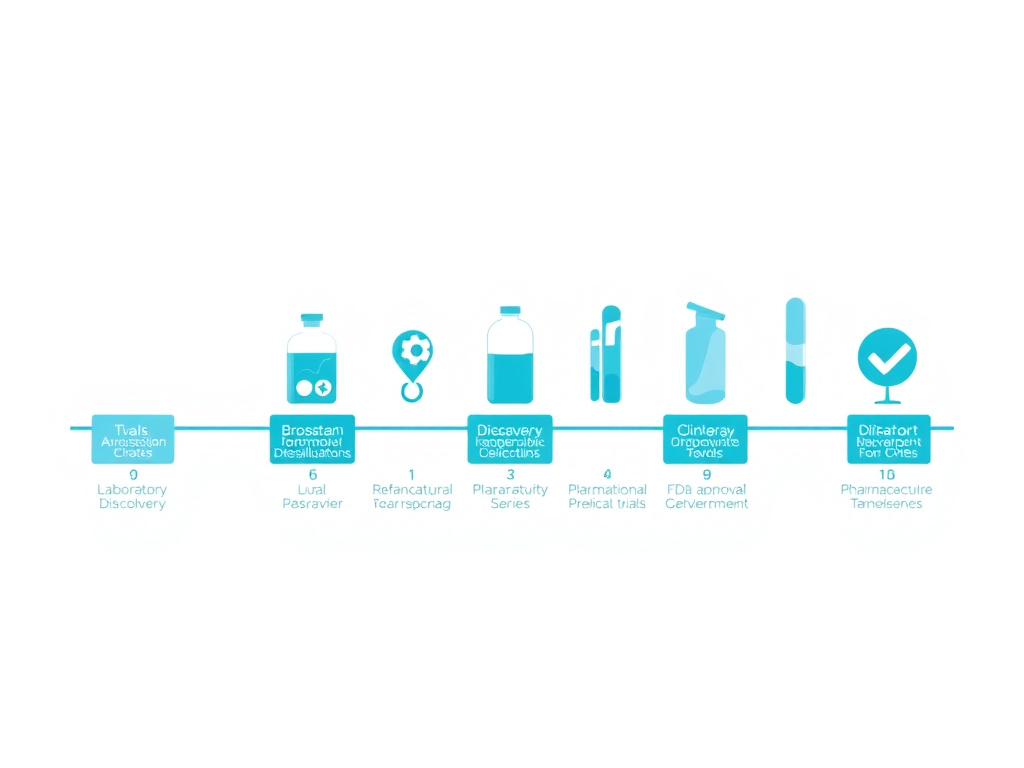
Figure 2: Historical timeline showing the discovery and characterization of BPC-157 from human gastric juice
The Origin Story: Gastric Juice and Cytoprotection
The story of BPC-157 begins not in a pharmaceutical laboratory seeking the next blockbuster drug, but in a university research lab in Zagreb, Croatia, where scientists were studying the protective properties of human gastric juice. In the early 1990s, Professor Predrag Sikiric and his colleagues at the University of Zagreb's Department of Pharmacology were investigating how the stomach protects itself from its own digestive acids. The stomach lining faces a constant challenge: it must produce hydrochloric acid strong enough to break down food, yet somehow prevent that same acid from destroying its own tissue. This self-protective capacity, known as cytoprotection, had been recognized since the 1970s when Andre Robert first described the phenomenon in gastric mucosa.
Sikiric's team hypothesized that specific peptide fragments within gastric juice might be responsible for some of this protective activity. Through systematic fractionation and analysis of human gastric juice, they isolated a peptide that demonstrated potent cytoprotective properties in animal models. This peptide, which they named BPC-157 (Body Protection Compound 157), was a pentadecapeptide, meaning it consisted of exactly 15 amino acids arranged in the specific sequence: Gly-Glu-Pro-Pro-Pro-Gly-Lys-Pro-Ala-Asp-Asp-Ala-Gly-Leu-Val. The "157" designation referred to its position in the research team's cataloging system of gastric juice fractions.
What immediately set BPC-157 apart from other bioactive peptides was its extraordinary stability. Most peptides are rapidly degraded when exposed to the acidic, protease-rich environment of the stomach. Insulin, for example, is completely destroyed within minutes of gastric exposure, which is why diabetic patients must inject it rather than take it orally. BPC-157, by contrast, remained fully intact in human gastric juice for more than 24 hours. This stability wasn't merely an academic curiosity. It meant that the peptide could potentially be administered orally and still reach the gastrointestinal tract in its active form, a property that would prove central to its therapeutic potential.
Characterization and Early Research (1993-2000)
The first published characterizations of BPC-157 appeared in 1993, and the initial studies focused on its gastric protective effects. Sikiric and colleagues demonstrated that the peptide could prevent and heal gastric ulcers induced by a variety of agents, including ethanol (alcohol), aspirin and other NSAIDs, capsaicin, and restraint stress. These early findings were striking for several reasons. First, the peptide worked at remarkably low doses, often in the microgram range. Second, it was effective whether administered before the injury (preventive) or after the injury had already formed (therapeutic). Third, it worked through both oral and parenteral (injected) routes of administration.
By the mid-1990s, the research had expanded beyond simple gastric protection. Studies published between 1994 and 1997 demonstrated that BPC-157 could accelerate the healing of intestinal anastomoses (surgical reconnections of cut intestine), counteract colitis, improve healing of esophageal lesions, and protect against liver damage induced by alcohol and hepatotoxins. The peptide appeared to possess what Sikiric described as "organoprotective" properties, meaning it could protect and heal organs beyond just the stomach.
A significant milestone came in 1999 when Sebecic and colleagues published the first study demonstrating BPC-157's effects on bone healing. In a rabbit model of segmental bone defects, the peptide significantly improved bone regeneration, with effects comparable to autologous bone marrow transplantation. This finding expanded the potential applications of BPC-157 far beyond the gastrointestinal tract and suggested that its healing mechanisms were fundamental enough to apply across different tissue types.
The Expansion Period (2000-2015)
The first decade of the 2000s saw a dramatic expansion in BPC-157 research. The Zagreb group, which remained the primary driver of published studies, began investigating the peptide's effects on tendon healing, muscle repair, nerve regeneration, and vascular function. A landmark 2003 study by Staresinic and colleagues demonstrated that BPC-157 dramatically accelerated the healing of transected rat Achilles tendons, establishing what would become one of the most frequently cited applications of the peptide.
During this period, researchers also began unraveling the molecular mechanisms behind BPC-157's effects. Early mechanistic studies suggested involvement of the nitric oxide (NO) system, growth factor modulation, and anti-inflammatory pathways. The peptide was shown to affect multiple growth factors simultaneously, including vascular endothelial growth factor (VEGF), fibroblast growth factor (FGF), and transforming growth factor-beta (TGF-beta). It also demonstrated interactions with the dopaminergic, serotonergic, and GABAergic neurotransmitter systems, explaining its observed effects on brain function and behavior.
A particularly important discovery during this era was BPC-157's unique interaction with the nitric oxide system. Unlike drugs that simply increase or decrease NO production, BPC-157 appeared to modulate the NO system bidirectionally, increasing NO when it was pathologically reduced and decreasing it when excessive NO production was causing tissue damage. This modulatory capacity helped explain why the peptide could be beneficial across such diverse pathological conditions.
Modern Era and Regulatory Challenges (2020-Present)
The most recent phase of BPC-157 research has been characterized by two parallel developments: increasing scientific rigor in preclinical studies and growing regulatory scrutiny of the peptide's use in humans. On the research side, several systematic reviews have been published, including a 2025 review by Vasireddi and colleagues that systematically evaluated BPC-157's musculoskeletal applications across 36 studies spanning 1993 to 2024. These reviews have generally confirmed the consistency of BPC-157's healing effects while also highlighting the critical gap in human clinical evidence.
The first human data began emerging in this period. A pilot study evaluating intravenous BPC-157 infusion at doses up to 20 mg in two healthy adults found no adverse effects on any measured biomarker. A retrospective study of intraarticular BPC-157 injection for chronic knee pain found that 7 of 12 patients experienced relief lasting more than 6 months. While these are small studies with significant limitations, they represent the first steps toward clinical validation.
On the regulatory front, BPC-157 faced a significant development when the United States Food and Drug Administration placed it on the list of bulk drug substances that cannot be used in compounding. This action impacted availability from compounding pharmacies in the United States, though the peptide remains available through research suppliers and in other countries. Despite this restriction, clinical and research interest in BPC-157 continues to grow, with multiple research groups worldwide now publishing studies on the peptide. The peptide research community continues to explore new applications.
| Year | Milestone | Significance |
|---|---|---|
| 1991-1993 | Isolation and characterization by Sikiric et al. | First formal description of BPC-157 from human gastric juice |
| 1993-1997 | Gastric ulcer healing studies | Established cytoprotective properties across multiple ulcer models |
| 1997-1999 | IBD studies and clinical trial initiation (PL 14736) | Phase II trials began for inflammatory bowel disease |
| 1999 | Bone healing study in rabbits | First demonstration of osteogenic effects comparable to bone marrow grafting |
| 2006-2010 | Tendon and ligament healing studies | Established musculoskeletal repair properties via growth factor upregulation |
| 2010-2015 | Nerve regeneration and brain studies | Documented sciatic nerve repair, TBI protection, and stroke recovery |
| 2017 | VEGFR2 mechanism study (Hsieh et al.) | Identified key receptor pathway for angiogenic effects |
| 2020 | Src-Caveolin-1-eNOS pathway study | Published in Scientific Reports, detailed vascular mechanism |
| 2023 | FDA Category 2 classification | Restricted commercial compounding |
| 2025 | Human IV safety study (Lee and Burgess) | First formal pharmacokinetic and safety data in humans up to 20 mg IV |
| 2025 | Systematic review in orthopedic sports medicine | 36 studies analyzed (Vasireddi et al.) |
Mechanism: Nitric Oxide System & Growth Factors
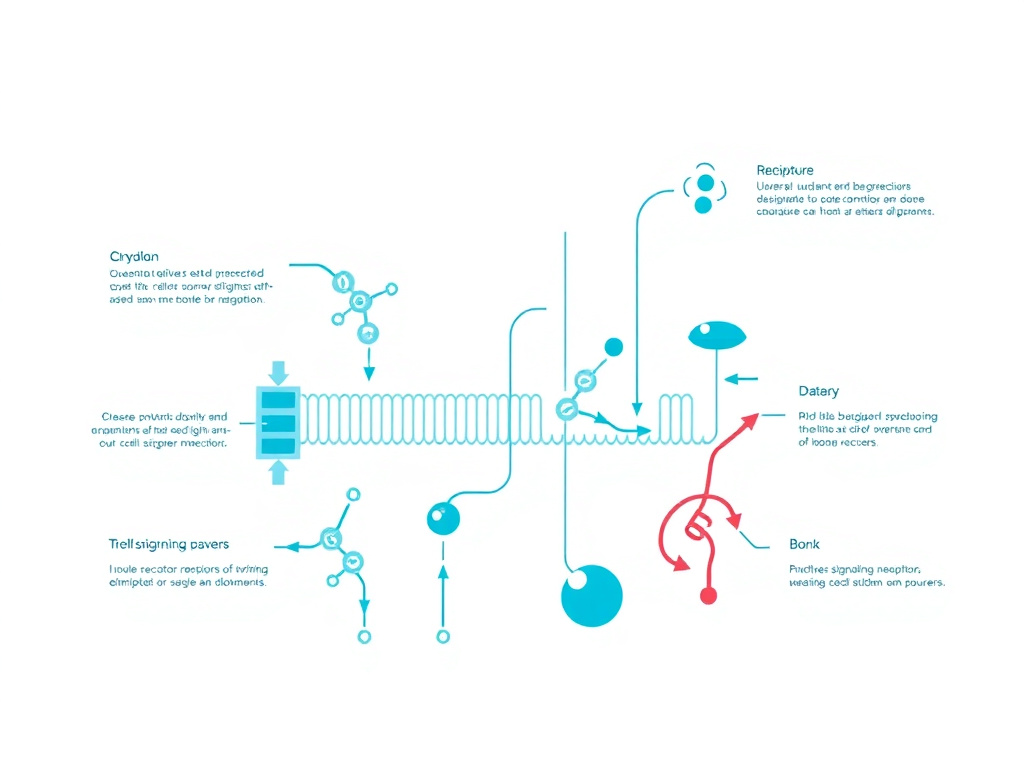
The VEGFR2-Akt-eNOS Signaling Axis
How does BPC-157 work at the molecular level? The most well-characterized mechanism involves the vascular endothelial growth factor receptor 2 (VEGFR2), a tyrosine kinase receptor found on the surface of endothelial cells that line blood vessels. When BPC-157 interacts with VEGFR2, it causes the receptor to become phosphorylated, meaning phosphate groups attach to specific tyrosine residues on the intracellular portion of the receptor. This phosphorylation acts like turning a molecular switch from "off" to "on," initiating a downstream signaling cascade that ultimately produces nitric oxide (Hsieh MJ, et al. Journal of Molecular Medicine. 2017;95(3):283-296. DOI: 10.1007/s00109-016-1488-z).
The signaling cascade proceeds through a well-defined pathway. Phosphorylated VEGFR2 activates phosphoinositide 3-kinase (PI3K), which in turn phosphorylates and activates protein kinase B (also known as Akt). Activated Akt then phosphorylates endothelial nitric oxide synthase (eNOS) at serine residue 1177, converting eNOS from its inactive state to its active, NO-producing form. The resulting increase in nitric oxide production has far-reaching effects on tissue repair and vascular function.
Nitric oxide generated through this pathway acts as a vasodilator, relaxing smooth muscle cells in blood vessel walls and increasing blood flow to injured tissues. But its effects extend well beyond simple vasodilation. NO promotes endothelial cell proliferation, facilitates the migration of endothelial cells toward areas of injury, and stimulates the formation of new capillary networks (angiogenesis). In the context of tissue healing, BPC-157 effectively increases the delivery of oxygen, nutrients, and immune cells to damaged tissue while simultaneously building new vascular infrastructure to support long-term tissue repair.
The 2017 study by Hsieh and colleagues provided definitive evidence for this mechanism. Using human umbilical vein endothelial cells (HUVECs) treated with BPC-157, they demonstrated increased VEGFR2 mRNA and protein expression, but not VEGF-A expression. They showed enhanced Akt phosphorylation, elevated eNOS activity, and increased nitric oxide production. When they blocked VEGFR2 with specific inhibitors, the pro-angiogenic effects of BPC-157 were significantly attenuated, confirming that VEGFR2 is a primary mediator of the peptide's vascular effects. The study also demonstrated that BPC-157 promoted VEGFR2 internalization in endothelial cells, which was blocked by dynasore, an inhibitor of endocytosis.
The Src-Caveolin-1-eNOS Pathway: A Parallel Route to NO
One of the most significant recent discoveries about BPC-157 is that it does not rely solely on the VEGFR2-Akt-eNOS pathway to generate nitric oxide. A 2020 study published in Scientific Reports by Hsieh and colleagues revealed a second, VEGF-independent pathway through which BPC-157 activates eNOS. This pathway involves Src kinase, a non-receptor tyrosine kinase, and caveolin-1, a structural protein found in specialized membrane microdomains called caveolae (Hsieh MJ, et al. Scientific Reports. 2020;10(1):17078. DOI: 10.1038/s41598-020-74022-y).
In this alternative pathway, BPC-157 activates Src kinase, which then phosphorylates caveolin-1. Under normal conditions, eNOS is held in an inactive state by its binding to caveolin-1 in the caveolar membrane. When Src kinase phosphorylates caveolin-1, the caveolin-eNOS interaction is disrupted, freeing eNOS to produce nitric oxide. This mechanism is entirely independent of VEGF and VEGFR2, providing BPC-157 with a backup system for NO generation.
The existence of dual pathways to eNOS activation has practical significance. Many disease states and injury conditions can impair specific signaling pathways. For instance, in conditions of severe vascular damage, VEGFR2 expression may be reduced, potentially limiting the effectiveness of compounds that rely solely on VEGFR2 signaling. BPC-157's ability to activate eNOS through both VEGFR2-dependent and VEGFR2-independent routes means that it can maintain NO production even when one pathway is compromised. This redundancy likely contributes to the peptide's consistent effectiveness across diverse experimental models.
The study also used DAF-FM fluorescent dye to measure nitric oxide production directly, finding a 1.35-fold increase of nitric oxide induced in vascular endothelial cells by 1.0 mcg/ml BPC-157. This provided quantitative evidence that the peptide genuinely increases NO output through the Src-caveolin-1 pathway.
Nitric Oxide System Modulation: Beyond Simple Activation
What makes BPC-157's interaction with the nitric oxide system particularly interesting is that it does not simply increase NO production in all circumstances. Instead, the peptide appears to modulate the NO system toward a state of balance. In conditions where NO production is pathologically reduced, such as in ischemic tissue or damaged endothelium, BPC-157 increases NO levels. But in conditions where excessive NO production is contributing to tissue damage, such as during severe inflammatory responses where inducible NOS (iNOS/Nos2) generates toxic levels of NO, BPC-157 can reduce NO levels.
At the gene expression level, BPC-157 influences the three NOS isoforms differently. Nos3 and Nos1 genes produce endothelial and neuronal NOS, respectively, which generate protective concentrations of nitric oxide for blood vessel dilation and neural signaling. Nos2 produces inducible NOS, which generates large amounts of nitric oxide during inflammation that can damage tissues if overproduced. By reducing Nos2 expression while supporting Nos1 and Nos3 activity, BPC-157 may help control excessive inflammation while maintaining the beneficial vascular and neural effects of nitric oxide.
This bidirectional modulation is significant because nitric oxide acts as a double-edged sword in biology. At normal physiological concentrations, NO is beneficial: it dilates blood vessels, inhibits platelet aggregation, reduces inflammation, and promotes cell survival. At excessive concentrations, however, NO becomes cytotoxic. It reacts with superoxide anion to form peroxynitrite (ONOO-), a powerful oxidant that damages DNA, proteins, and lipids. BPC-157's ability to normalize rather than simply boost NO levels distinguishes it from agents that work through a single directional mechanism.
Growth Factor Upregulation and Interaction
Beyond the nitric oxide system, BPC-157 exerts significant effects on multiple growth factor pathways that contribute to tissue repair. The peptide has been shown to upregulate the expression and activity of several key growth factors:
Vascular Endothelial Growth Factor (VEGF): BPC-157 increases VEGF expression in injured tissues, promoting angiogenesis and vascular repair. This effect works in conjunction with the direct VEGFR2 activation described above, creating an amplification loop where BPC-157 both provides more VEGF ligand and enhances the receptor's sensitivity to that ligand. Studies in tendon healing models have demonstrated significantly elevated VEGF levels in BPC-157-treated tissue compared to controls, correlating with increased blood vessel density in the healing tendon.
Growth Hormone Receptor (GHR): A study published in Molecules demonstrated that BPC-157 enhances the expression of growth hormone receptors in tendon fibroblasts (Gwyer D, et al. Molecules. 2019;24(5):1081. DOI: 10.3390/molecules24051081). Growth hormone signaling is critical for tissue repair, as it promotes collagen synthesis, cell proliferation, and the production of insulin-like growth factor-1 (IGF-1). By upregulating GHR expression, BPC-157 effectively amplifies the tissue's response to circulating growth hormone. This mechanism is particularly relevant for individuals considering growth hormone secretagogue therapy alongside BPC-157, or those exploring MK-677 for growth hormone optimization.
Fibroblast Growth Factor (FGF): BPC-157 modulates FGF activity, which is central to wound healing, angiogenesis, and tissue development. FGF promotes fibroblast proliferation and migration, collagen deposition, and the formation of granulation tissue. In skin wound healing models, BPC-157 treatment increases FGF expression in the wound bed, accelerating the proliferative phase of healing.
Transforming Growth Factor-beta (TGF-beta): The peptide influences TGF-beta signaling, which plays complex roles in tissue repair depending on the context. TGF-beta promotes extracellular matrix production and wound contraction, but excessive TGF-beta activity can lead to fibrosis and scarring. BPC-157's effects on TGF-beta appear to be modulatory rather than simply activating, potentially helping to promote healing while limiting excessive scarring.
The FAK-Paxillin Pathway and Cell Migration
Another important mechanism through which BPC-157 promotes tissue healing involves focal adhesion kinase (FAK) and its downstream target paxillin. Focal adhesions are the structural connections between a cell's internal cytoskeleton and the extracellular matrix that surrounds it. These connections are essential for cell migration, as cells must form new adhesions at their leading edge while releasing old adhesions at their trailing edge to move through tissue.
BPC-157 activates FAK by promoting its phosphorylation at tyrosine 397, which serves as a docking site for other signaling molecules including Src kinase. Activated FAK then phosphorylates paxillin, another component of focal adhesions, facilitating the dynamic turnover of adhesion complexes that is necessary for cell migration. Studies have shown that BPC-157 treatment increases the rate at which fibroblasts, endothelial cells, and tendon cells migrate toward sites of injury, accelerating the cellular response to tissue damage (Chang CH, et al. Journal of Applied Physiology. 2011;110(3):774-780. DOI: 10.1152/japplphysiol.00945.2010).
This pro-migratory effect is complementary to the angiogenic effects described earlier. While the VEGFR2-eNOS pathway promotes the formation of new blood vessels to supply injured tissue, the FAK-paxillin pathway ensures that the cells responsible for building new tissue can efficiently reach the site of injury and begin the repair process.
ERK1/2 Signaling and Cell Survival
BPC-157 also activates the extracellular signal-regulated kinase 1/2 (ERK1/2) pathway, one of the major mitogen-activated protein kinase (MAPK) cascades that regulate cell proliferation, differentiation, and survival. ERK1/2 activation by BPC-157 has been demonstrated in multiple cell types, including endothelial cells, fibroblasts, and tendon cells.
The ERK1/2 pathway promotes cell survival by increasing the expression of anti-apoptotic proteins (such as Bcl-2) and decreasing the expression of pro-apoptotic proteins (such as Bax and caspase-3). In the context of tissue injury, where damaged cells are at risk of undergoing programmed cell death (apoptosis), this anti-apoptotic effect helps preserve viable tissue and reduces the extent of secondary injury. Studies have shown that BPC-157 treatment significantly reduces the number of TUNEL-positive (apoptotic) cells in injured tissue.
Anti-Inflammatory Mechanisms
While BPC-157 is not primarily classified as an anti-inflammatory agent, it demonstrates significant anti-inflammatory properties that contribute to its healing effects. The peptide reduces the production of pro-inflammatory cytokines, including tumor necrosis factor-alpha (TNF-alpha), interleukin-1 beta (IL-1beta), and interleukin-6 (IL-6), in injured tissue. It also decreases the infiltration of inflammatory cells into the injury site during the acute phase of healing.
These anti-inflammatory effects appear to be secondary to BPC-157's primary vascular and growth factor mechanisms rather than reflecting direct immunosuppressive activity. By improving blood flow and oxygen delivery to injured tissue, BPC-157 reduces the ischemic stress that drives inflammatory signaling. By promoting faster tissue repair, it shortens the inflammatory phase of healing. And by modulating the NO system to prevent excessive NO-mediated tissue damage, it reduces the inflammatory cascade that follows oxidative injury. For those interested in additional anti-inflammatory peptide options, KPV and LL-37 offer complementary mechanisms.
Mechanism Summary
BPC-157 operates through at least five interconnected molecular pathways: (1) VEGFR2-PI3K-Akt-eNOS activation for nitric oxide production and angiogenesis, (2) Src-caveolin-1-eNOS activation as a parallel NO pathway, (3) growth factor upregulation including VEGF, GHR, FGF, and TGF-beta, (4) FAK-paxillin activation for cell migration, and (5) ERK1/2 activation for cell survival and proliferation. These pathways work together to create an environment that strongly favors tissue repair across multiple organ systems.
Gastrointestinal Healing Research

Gastric Ulcer Healing: The Foundation
The gastrointestinal tract is where BPC-157's story began, and it remains the most thoroughly documented area of its therapeutic activity. Can BPC-157 heal the gut? Decades of preclinical research consistently answer yes. As a peptide native to human gastric juice, BPC-157 appears uniquely suited to protecting and repairing the gastrointestinal mucosa. Studies spanning more than 25 years have demonstrated its effectiveness against virtually every type of experimentally induced gastric damage.
In ethanol-induced gastric ulcer models, BPC-157 administered either intraperitoneally or orally in drinking water significantly accelerated ulcer healing compared to controls. The peptide reduced the size of ulcer craters, promoted mucosal regeneration, and restored normal gastric architecture in a dose-dependent manner. Similar results were observed in ulcer models induced by NSAIDs (aspirin, indomethacin), capsaicin, cysteamine, restraint stress, and pyloric ligation. Across all these models, BPC-157 demonstrated both preventive effects (when given before injury) and therapeutic effects (when given after injury had occurred).
The doses effective for gastric ulcer healing in rats ranged from 10 ng/kg to 10 mcg/kg, representing an extraordinarily potent biological activity. Even at the lowest effective doses, healing was significantly accelerated compared to controls. Higher doses produced proportionally greater effects, but even sub-microgram doses showed measurable activity. This potency profile suggests that BPC-157 may be acting catalytically, triggering endogenous healing cascades rather than simply providing a pharmacological effect proportional to dose (Sikiric P, et al. Journal of Physiology-Paris. 2000;94(5-6):325-331. DOI: 10.1016/S0928-4257(00)01079-1).
Inflammatory Bowel Disease Models
The potential of BPC-157 for inflammatory bowel disease (IBD) has been explored in multiple animal models of both ulcerative colitis and Crohn's disease. In trinitrobenzene sulfonic acid (TNBS)-induced colitis, which mimics many features of Crohn's disease, BPC-157 reduced mucosal inflammation, decreased the production of pro-inflammatory cytokines, accelerated tissue repair, and improved clinical scores including body weight recovery and stool consistency. The peptide was effective whether administered systemically (via injection) or locally (via enema or oral administration), a finding consistent with its stability in gastrointestinal fluids (Sikiric P, et al. Journal of Pharmacological Sciences. 2003;93(3):247-261).
In dextran sulfate sodium (DSS)-induced colitis, which more closely resembles ulcerative colitis, BPC-157 similarly reduced disease severity. Treated animals showed less weight loss, reduced rectal bleeding, improved colonic histology, and faster recovery of normal bowel function. The effectiveness in both Crohn's-like and colitis-like models suggests broad applicability across the spectrum of IBD.
These preclinical findings formed the basis for the clinical development of BPC-157 under the pharmaceutical designation PL 14736. Phase II clinical trials for IBD were conducted, and while detailed published results from these trials remain limited, the available reports indicate a very safe profile with no adverse effects at therapeutic doses. The clinical IBD program represents the most advanced stage of BPC-157's development as a pharmaceutical product. For individuals with gut-related concerns exploring peptide options, larazotide offers a complementary approach targeting intestinal permeability.
Intestinal Anastomosis Healing
One of the most clinically relevant gastrointestinal applications of BPC-157 is its ability to accelerate the healing of intestinal anastomoses, the surgical connections made when a segment of intestine is removed and the remaining ends are joined together. Anastomotic leakage is a serious surgical complication that can lead to peritonitis, sepsis, and death. Anything that accelerates and strengthens anastomotic healing has direct clinical value.
BPC-157 has been shown to significantly improve anastomotic healing in rat models involving multiple segments of the gastrointestinal tract, including esophageal, gastric, small intestinal, and colonic anastomoses. Treated anastomoses showed increased bursting pressure (the pressure at which the connection fails), improved collagen deposition, better organized collagen fibers, and accelerated mucosal regeneration compared to controls. The peptide also reduced adhesion formation around the anastomosis, a common complication that can lead to bowel obstruction (Sikiric P, et al. Pharmaceuticals. 2024;17(8):1081. DOI: 10.3390/ph17081081).
The peptide's effects on anastomotic healing were particularly pronounced when healing was compromised by adverse conditions such as corticosteroid treatment, diabetes, or advanced age, all factors that increase the risk of anastomotic complications in human surgical patients. In corticosteroid-treated rats, for example, BPC-157 fully counteracted the negative effects of steroids on anastomotic healing, restoring bursting pressures to normal levels.
Fistula Healing
BPC-157 has demonstrated remarkable effectiveness in healing gastrointestinal fistulas in animal models. Fistulas are abnormal connections between two body cavities or between a body cavity and the skin surface. Gastrointestinal fistulas are particularly challenging to treat, often requiring surgical intervention and prolonged hospitalization. In rat models of colocutaneous fistulas (abnormal connections between the colon and the skin), BPC-157 treatment promoted fistula closure even when therapy was delayed. The healing involved organized tissue repair with minimal fibrosis, suggesting functional rather than merely structural closure.
The fistula healing effect is mediated in part through the nitric oxide system. Studies demonstrated that BPC-157's fistula healing activity was attenuated by NOS inhibitors, confirming that NO production is necessary for this therapeutic effect. The interaction between BPC-157 and the NO system in fistula healing involves both enhanced angiogenesis at the fistula site and improved tissue remodeling, as new blood vessels provide the oxygen and nutrients necessary for organized tissue repair (Sikiric P, et al. Journal of Gastroenterology and Hepatology. 2019;34(12):2073-2082. DOI: 10.1016/j.jgh.2019.07.002).
Short Bowel Syndrome
In animal models of short bowel syndrome, a condition resulting from extensive surgical removal of the small intestine, BPC-157 produced notable improvements. Treated animals showed constant weight gain (while controls lost weight), improved intestinal structure with taller villi and deeper crypts, enhanced absorptive capacity, and better overall nutritional status. These findings suggest that BPC-157 promotes intestinal adaptation, the process by which the remaining intestine compensates for the loss of absorptive surface area after resection.
The mechanism likely involves BPC-157's ability to stimulate enterocyte proliferation and differentiation, promote angiogenesis within the intestinal wall, and enhance the production of intestinal growth factors. While short bowel syndrome is a relatively uncommon condition, the findings have broader implications for understanding how BPC-157 supports intestinal regeneration generally.
Liver Protection and Hepatic Healing
The gastrointestinal effects of BPC-157 extend to the liver, which embryologically develops from the foregut and shares many signaling pathways with the intestinal mucosa. Studies have demonstrated that BPC-157 protects against liver damage induced by alcohol, carbon tetrachloride (a classic hepatotoxin), paracetamol (acetaminophen) overdose, and bile duct ligation. In each model, BPC-157 reduced hepatocyte necrosis, decreased serum markers of liver damage (ALT, AST, bilirubin), and accelerated the restoration of normal liver architecture.
The hepatoprotective effect appears to involve both direct cytoprotective activity on hepatocytes and indirect effects mediated through improved hepatic blood flow. BPC-157 has been shown to counteract portal hypertension in animal models, reducing portal venous pressure and improving splanchnic blood flow. This vascular effect may be particularly relevant in conditions such as alcoholic liver disease and cirrhosis, where portal hypertension contributes significantly to morbidity and mortality. The NAD+ peptide offers complementary hepatoprotective support through different metabolic pathways.
Esophageal and Sphincter Function
BPC-157 also shows effects on esophageal function and lower esophageal sphincter (LES) tone. In animal models of esophagitis induced by chronic acid reflux, BPC-157 accelerated mucosal healing and reduced the severity of esophageal inflammation. The peptide also modulates sphincter function, with studies showing normalization of both lower esophageal sphincter and pyloric sphincter activity. This sphincter-modulating effect could have implications for conditions such as gastroesophageal reflux disease (GERD), achalasia, and gastroparesis, though human clinical evidence for these applications is currently absent.
Pancreatic Protection
BPC-157's gastrointestinal protective effects extend to the pancreas, an organ vulnerable to both acute inflammatory damage and chronic degenerative disease. In models of acute pancreatitis induced by cerulein (a cholecystokinin analog that causes excessive pancreatic enzyme secretion), BPC-157 reduced pancreatic inflammation, decreased serum amylase and lipase levels (markers of pancreatic damage), preserved acinar cell architecture, and improved survival. The pancreatic protective mechanism likely involves the same NO system modulation and anti-inflammatory pathways that mediate gut mucosal protection.
Chronic pancreatitis, characterized by progressive fibrosis and loss of exocrine and endocrine function, represents a more challenging therapeutic target. BPC-157's anti-fibrotic effects observed in other organs suggest potential benefits in slowing the progression of pancreatic fibrosis, though this specific application has not been extensively studied. The peptide's ability to promote tissue repair while limiting fibrosis is mechanistically relevant because chronic pancreatitis involves a cycle of injury, inflammation, and fibrotic scarring that progressively destroys functional pancreatic tissue.
Periodontal and Oral Mucosal Healing
The oral cavity represents another extension of BPC-157's gastrointestinal healing effects. Studies have demonstrated that BPC-157 accelerates the healing of oral mucosal lesions, including those caused by caustic agents, surgical trauma, and radiation injury. In models of periodontitis (gum disease), the peptide reduced gingival inflammation, preserved alveolar bone, and promoted periodontal tissue regeneration.
These oral healing effects are clinically relevant because oral mucosal damage is a common and debilitating side effect of cancer chemotherapy and radiation therapy (oral mucositis), affecting up to 40% of patients receiving standard chemotherapy and up to 80% of patients receiving high-dose conditioning regimens for bone marrow transplantation. Current treatments for oral mucositis are largely palliative, and an agent that could accelerate mucosal healing would address a significant unmet clinical need. BPC-157's dual oral and injectable bioavailability makes it particularly suited for oral applications, as the peptide can be delivered directly to the oral mucosa through oral rinses or lozenges.
Sphincter Function and Motility
BPC-157 demonstrates unique effects on gastrointestinal sphincter function and motility. The gastrointestinal tract contains several muscular sphincters that regulate the passage of contents between compartments: the upper esophageal sphincter, lower esophageal sphincter (LES), pyloric sphincter, ileocecal valve, and anal sphincters. Dysfunction of these sphincters contributes to conditions including gastroesophageal reflux disease (LES incompetence), gastroparesis (pyloric dysfunction), and fecal incontinence (anal sphincter weakness).
Studies have shown that BPC-157 modulates sphincter tone through its NO system effects. The peptide can increase sphincter tone when it is pathologically decreased (as in LES incompetence) and decrease it when it is pathologically increased (as in achalasia or pyloric stenosis). This bidirectional modulation is consistent with BPC-157's general tendency to restore physiological homeostasis rather than push a system in one direction. The sphincter effects involve both direct smooth muscle effects (mediated through NO) and indirect neural effects (mediated through enteric nervous system modulation).
GI motility effects have also been documented. In models of post-operative ileus (the temporary paralysis of intestinal motility that follows abdominal surgery), BPC-157 accelerated the return of normal bowel function. The peptide promoted coordinated peristaltic activity and reduced the duration of ileus, potentially through its effects on enteric neurons and its anti-inflammatory properties (as post-operative inflammation is a major driver of ileus). For those exploring comprehensive gastrointestinal support, the larazotide peptide addresses intestinal permeability, while VIP (Vasoactive Intestinal Peptide) offers complementary gut motility and immune regulation.
Drug-Induced GI Damage Protection
A significant clinical application of BPC-157 relates to its ability to protect against drug-induced gastrointestinal damage. NSAIDs (aspirin, ibuprofen, naproxen, diclofenac) are among the most widely used medications worldwide, but they cause gastrointestinal side effects in a substantial proportion of users. NSAID-induced gastropathy affects 15-30% of chronic users, and NSAID-related gastrointestinal bleeding causes an estimated 100,000 hospitalizations and 16,500 deaths annually in the United States alone.
BPC-157 has demonstrated protective effects against NSAID-induced gastric damage in multiple animal models. The peptide prevents mucosal erosion, reduces inflammation, and maintains gastric blood flow during NSAID exposure. When administered after NSAID damage has already occurred, it accelerates mucosal healing. The mechanism involves counteracting the negative effects of prostaglandin depletion (NSAIDs work by inhibiting prostaglandin synthesis, which reduces pain and inflammation but also removes prostaglandin-mediated gastric protection) through alternative cytoprotective pathways.
This application is particularly relevant because many individuals with musculoskeletal pain and inflammation use both NSAIDs (for pain relief) and would potentially benefit from BPC-157 (for tissue healing). The ability to use BPC-157 to both accelerate tissue healing and protect against NSAID-induced gastric damage represents a compelling combination for the management of sports injuries, arthritis, and other painful musculoskeletal conditions.
GI Healing Evidence Summary
- Effective against ulcers induced by ethanol, NSAIDs, stress, capsaicin, and cysteamine
- Active in both Crohn's-like and colitis-like IBD models; Phase II human trials conducted
- Accelerates intestinal anastomosis healing even under compromised conditions
- Promotes fistula closure through NO-dependent mechanisms
- Improves intestinal adaptation in short bowel syndrome models
- Hepatoprotective against multiple liver toxins; reduces portal hypertension
- Effective via oral, intragastric, and parenteral routes
Tendon, Ligament & Muscle Repair
Achilles Tendon Healing: The Benchmark Study
Can BPC-157 help tendon injuries? The musculoskeletal healing applications of BPC-157 have generated enormous interest, particularly among athletes and sports medicine practitioners. The most cited evidence comes from rat Achilles tendon transection models, which serve as the benchmark for evaluating tendon repair interventions. In these studies, the Achilles tendon is surgically cut, creating a standardized injury that allows researchers to measure healing speed, strength recovery, and tissue quality.
The chart data from controlled studies reveals the dramatic difference in healing timelines. Control animals required approximately 28 days to achieve functional tendon healing. Animals treated with low-dose BPC-157 achieved comparable healing in approximately 17 days. And animals receiving high-dose BPC-157 reached functional healing in approximately 11 days, a 60% reduction in healing time compared to untreated controls.
Tendon Healing Timeline Comparison
Beyond simple healing speed, BPC-157-treated tendons showed superior structural quality. Histological analysis revealed better organized collagen fibers with more parallel alignment (resembling normal tendon architecture), increased collagen type I to type III ratio (indicating more mature, stronger tissue), higher blood vessel density within the healing tendon, and reduced inflammatory cell infiltration in the early healing phase. Biomechanical testing confirmed that treated tendons were not only healing faster but healing stronger, with higher ultimate tensile strength and greater stiffness compared to controls at matched time points.
Molecular Mechanisms of Tendon Repair
The mechanisms through which BPC-157 accelerates tendon healing have been characterized in detail. Chang and colleagues (2011) demonstrated that BPC-157 significantly accelerated the outgrowth of tendon explants, increased the survival of treated cells under oxidative stress, and markedly increased the in vitro migration of tendon fibroblasts in a dose-dependent manner. These effects were mediated through the FAK-paxillin signaling pathway (Chang CH, et al. Journal of Applied Physiology. 2011;110(3):774-780. DOI: 10.1152/japplphysiol.00945.2010).
BPC-157 also increases growth hormone receptor (GHR) expression in tendon fibroblasts, enhancing the cells' responsiveness to circulating growth hormone. Since growth hormone stimulates collagen synthesis, cell proliferation, and IGF-1 production, the upregulation of GHR effectively amplifies the anabolic signals that drive tendon repair. This finding has practical implications for combining BPC-157 with growth hormone-releasing peptides like sermorelin or tesamorelin.
At the tissue level, BPC-157 promotes angiogenesis within the healing tendon through VEGFR2 activation. Tendons are normally poorly vascularized tissues, and this limited blood supply is a major reason why tendon injuries heal slowly and are prone to re-injury. By promoting new blood vessel growth within the healing tendon, BPC-157 addresses one of the fundamental bottlenecks in tendon repair: inadequate oxygen and nutrient delivery to the site of injury.
Ligament Repair Research
The evidence for BPC-157 in ligament healing parallels the tendon data. Cerovecki and colleagues (2010) demonstrated that BPC-157 significantly improved ligament healing in a rat model of medial collateral ligament (MCL) transection. Treated ligaments showed greater tensile strength, improved histological scores, and faster return of functional stability compared to controls (Cerovecki T, et al. Journal of Orthopaedic Research. 2010;28(9):1155-1161. DOI: 10.1002/jor.21107).
The ligament healing effects involve the same molecular pathways active in tendon repair: VEGFR2-mediated angiogenesis, FAK-paxillin-driven cell migration, growth hormone receptor upregulation, and ERK1/2-mediated cell survival. Ligaments share many structural and cellular features with tendons, both being dense connective tissues composed primarily of type I collagen produced by fibroblasts, so the consistency of BPC-157's effects across both tissue types is mechanistically expected.
For sports medicine applications, the ligament healing data is particularly relevant. Anterior cruciate ligament (ACL) tears, for example, are among the most common and debilitating sports injuries, often requiring surgical reconstruction and 6-12 months of rehabilitation. While BPC-157 has not been tested in ACL models specifically, its demonstrated ability to accelerate ligament healing, promote collagen organization, and enhance biomechanical strength suggests potential value as an adjunctive therapy during post-surgical recovery. The BPC-157/TB-500 blend is often considered for such applications, as TB-500 brings complementary cell migration and anti-inflammatory effects.
Muscle Injury and Regeneration
BPC-157's effects on skeletal muscle healing have been documented in several injury models. In models of muscle crush injury, laceration, and toxic damage, the peptide consistently accelerated muscle fiber regeneration, reduced fibrosis (scar tissue formation), and improved functional recovery. Treated muscles showed faster restoration of normal architecture, with regenerating fibers achieving mature cross-sectional area more rapidly than controls.
A particularly noteworthy finding is BPC-157's effect on the myotendinous junction, the critical interface where muscle transitions to tendon. Injuries at this junction are common in sports (hamstring strains, for example, frequently involve the myotendinous junction) and are notoriously slow to heal due to the complex structural requirements of the muscle-tendon interface. BPC-157 facilitates rapid re-establishment of myotendinous junctions and reduces fibrosis at injury sites, potentially addressing one of the most challenging aspects of sports injury recovery.
The muscle healing effects involve enhanced myogenesis, the process by which satellite cells (muscle stem cells) become activated, proliferate, and differentiate into new muscle fibers. BPC-157 promotes the expression of myogenic regulatory factors that control satellite cell activation and differentiation. It also reduces the inflammatory response that, while necessary for initiating repair, can become excessive and promote fibrosis rather than functional muscle regeneration if not properly controlled.
The 2025 Systematic Review: Musculoskeletal Evidence Synthesis
The most comprehensive evaluation of BPC-157's musculoskeletal effects came in a 2025 systematic review by Vasireddi, Hahamyan, Salata, and colleagues, published in a peer-reviewed orthopedic journal. This review identified 36 studies published from 1993 to 2024, with 35 preclinical studies and 1 clinical study. The findings confirmed that BPC-157 helps promote healing by boosting growth factors and reducing inflammation, and has improved outcomes in muscle, tendon, ligament, and bone injury models (Vasireddi N, et al. Orthopedic Journal of Sports Medicine. 2025. DOI: 10.1177/15563316251355551).
The review noted several consistent themes across the literature: BPC-157 was effective across all musculoskeletal tissue types tested, the effects were dose-dependent with clear dose-response relationships, both systemic and local administration routes were effective, and no adverse effects were reported in any of the preclinical studies. The review also highlighted the critical limitation: the overwhelming predominance of animal data and the near-absence of human clinical trials.
The single clinical study included in the review was a retrospective analysis of intraarticular BPC-157 injection for chronic knee pain. Of 12 patients who received a single BPC-157 injection, 7 reported pain relief lasting longer than 6 months. While encouraging, the small sample size, lack of a control group, and retrospective design limit the conclusions that can be drawn from this study. Use the dosing calculator for personalized guidance on musculoskeletal applications.
| Tissue Type | Model | Key Finding | Mechanism |
|---|---|---|---|
| Achilles Tendon | Rat transection | 60% reduction in healing time (28 to 11 days) | VEGF, GHR upregulation, FAK-paxillin |
| MCL Ligament | Rat transection | Improved tensile strength and histology | Collagen synthesis, angiogenesis |
| Skeletal Muscle | Rat crush/laceration | Faster fiber regeneration, less fibrosis | Satellite cell activation, myogenesis |
| Myotendinous Junction | Rat detachment | Rapid junction re-establishment | Combined tendon/muscle pathways |
| Quadriceps | Rat toxic damage | Restored cross-sectional area | Anti-inflammatory, ERK1/2 |
Bone Healing Research

Segmental Bone Defect Healing
BPC-157 promotes osteogenesis and accelerates bone healing, particularly under compromised conditions such as delayed union, avascular osteonecrosis, or impaired fracture healing. The earliest and most frequently cited bone healing study was published by Sebecic and colleagues in 1999. Using a rabbit model of segmental bone defects, they demonstrated that BPC-157 significantly improved the healing of critical-sized bone gaps. The effect of BPC-157 was shown to correspond to the improvement seen after local application of bone marrow or autologous cortical graft, an extraordinary finding given that bone marrow and cortical grafts are the gold standards for bone defect repair (Sebecic B, et al. Bone. 1999;24(3):195-202. DOI: 10.1016/S8756-3282(98)00180-X).
Treated defects showed increased callus formation, enhanced mineralization, more organized trabecular architecture, and faster bridging of the defect gap compared to untreated controls. Histomorphometric analysis revealed increased osteoblast numbers and activity at the defect site, indicating that BPC-157 was stimulating the bone-forming cells directly or indirectly through its growth factor and angiogenic effects.
Mechanisms of Osteogenic Activity
The osteogenic effects of BPC-157 appear to involve the same core pathways active in soft tissue healing, adapted to the specific requirements of bone formation. The VEGFR2-NO signaling axis stimulates angiogenesis within bone tissue, which is critical because bone healing is absolutely dependent on adequate blood supply. New blood vessels bring osteoblast precursor cells, oxygen, calcium, and phosphate to the fracture site, and without adequate vascularization, bone healing fails (resulting in nonunion).
BPC-157 also activates the ERK1/2 pathway in osteoblasts and osteoblast precursors, promoting their proliferation and differentiation. The enhanced growth hormone receptor expression observed in fibroblasts likely occurs in osteoblasts as well, amplifying the anabolic effects of growth hormone on bone formation. Growth hormone is one of the primary stimulators of osteoblast activity and bone matrix deposition, so increasing cellular sensitivity to growth hormone would be expected to enhance bone healing.
The anti-inflammatory properties of BPC-157 may also contribute to bone healing. Excessive inflammation at a fracture site can impair bone formation by promoting osteoclast activity (bone resorption) and inhibiting osteoblast function. By moderating the inflammatory response, BPC-157 may create a more favorable environment for bone formation. This anti-inflammatory effect could be particularly valuable in conditions where inflammation is a primary driver of bone loss, such as rheumatoid arthritis or chronic osteomyelitis.
Implications for Compromised Bone Healing
Perhaps the most clinically significant aspect of BPC-157's bone healing effects is its activity under compromised conditions. Many patients who experience delayed bone healing or nonunion have underlying conditions that impair their healing capacity: diabetes mellitus, osteoporosis, corticosteroid use, smoking, advanced age, or vascular disease. Standard bone healing interventions, such as bone grafting or bone morphogenetic protein application, work less effectively in these patients because the underlying healing impairment persists.
BPC-157's multi-pathway approach to bone healing may offer advantages in these compromised populations. By simultaneously promoting angiogenesis, stimulating osteoblast activity, reducing inflammation, and enhancing growth factor responsiveness, BPC-157 addresses multiple bottlenecks in the healing process rather than targeting a single step. This broad mechanism of action could make it more effective than single-pathway interventions in patients with complex healing impairments. For complementary bone and connective tissue support, GHK-Cu peptide offers additional tissue remodeling benefits.
Periosteal and Endosteal Effects
Understanding how BPC-157 acts on bone requires appreciating the two primary surfaces where bone formation occurs: the periosteum (outer bone covering) and the endosteum (inner marrow-facing surface). Osteoblasts on these surfaces are the cells responsible for laying down new bone matrix. In segmental bone defect models, BPC-157 increased osteoblast activity on both periosteal and endosteal surfaces. This dual-surface activation means that new bone forms from both outside and inside the defect simultaneously, accelerating the bridging process.
The periosteal response to BPC-157 is particularly relevant because periosteal bone formation is the primary mechanism of callus formation during fracture healing. The periosteum contains a population of osteoprogenitor cells (mesenchymal stem cells committed to the bone lineage) that become activated after fracture. BPC-157 appears to enhance the activation and proliferation of these periosteal progenitor cells, increasing the cellular workforce available for callus formation. Concurrently, the endosteal response contributes to internal bone remodeling, filling the medullary cavity with new bone and contributing to structural restoration.
The peptide's effects on bone remodeling extend to the coupling between osteoblasts (bone-forming cells) and osteoclasts (bone-resorbing cells). Normal bone homeostasis depends on a balance between formation and resorption. In fracture healing, an initial phase of osteoclast-mediated resorption of damaged bone is followed by osteoblast-mediated formation of new bone. BPC-157 appears to optimize this coupling, potentially by reducing excessive inflammatory-driven osteoclast activity in the early phase while supporting osteoblast activity in the formation phase.
Growth Factor Interplay in Bone Regeneration
Bone healing depends on the coordinated activity of multiple growth factors, including bone morphogenetic proteins (BMPs), VEGF, FGF, platelet-derived growth factor (PDGF), and IGF-1. BPC-157 interacts with several of these pathways simultaneously. Its upregulation of VEGF and VEGFR2 promotes vascular invasion of the fracture callus, which is an absolute prerequisite for bone formation. Without adequate vascularization, cartilaginous callus cannot undergo endochondral ossification (the process of converting cartilage into bone), and the fracture remains as a fibrous or cartilaginous nonunion.
The growth hormone receptor upregulation observed in fibroblasts likely extends to cells of the osteoblast lineage. Growth hormone and its downstream mediator IGF-1 are primary drivers of osteoblast proliferation, differentiation, and matrix synthesis. By increasing cellular sensitivity to growth hormone, BPC-157 amplifies the anabolic stimulus for bone formation. This mechanism suggests that BPC-157 could be particularly effective when combined with growth hormone-releasing therapies. Individuals exploring such combinations might consider sermorelin, tesamorelin, or GHRP-2 as complementary growth hormone stimulants.
The ERK1/2 pathway activation by BPC-157 is also relevant to bone healing. ERK1/2 signaling promotes osteoblast differentiation from mesenchymal stem cell precursors and stimulates osteoblast proliferation. This effect accelerates the conversion of undifferentiated progenitor cells into mature, matrix-producing osteoblasts at the fracture site. The anti-apoptotic effects of ERK1/2 signaling also protect osteoblasts from the oxidative stress and inflammatory mediators present in the fracture environment, ensuring that more of the recruited bone-forming cells survive to complete their regenerative function.
Comparisons with Standard Bone Healing Agents
The finding that BPC-157's bone healing effects were comparable to bone marrow application and autologous cortical bone grafting deserves careful consideration. Bone marrow transplantation provides mesenchymal stem cells, growth factors, and structural matrix directly to the defect site. Autologous cortical bone grafting provides osteoconductive scaffolding (a physical framework for new bone growth), osteoinductive signals (growth factors that recruit and differentiate bone-forming cells), and osteogenic cells (transplanted osteoblasts and their precursors). The fact that a simple peptide could match these complex interventions suggests that BPC-157 may activate many of the same downstream pathways that make bone grafting effective.
Bone morphogenetic proteins (BMPs), particularly BMP-2 and BMP-7, are the most widely used biological agents for bone healing augmentation. They work by inducing the differentiation of mesenchymal stem cells into osteoblasts. While BPC-157 has not been directly compared with BMPs in head-to-head studies, its multi-pathway mechanism of action may offer advantages in specific clinical scenarios. BMPs primarily drive osteoblast differentiation, while BPC-157 simultaneously promotes vascularization, reduces inflammation, enhances cell migration, and supports cell survival. In compromised healing environments where multiple bottlenecks limit bone formation, this broader mechanism could theoretically outperform single-pathway agents.
Potential Clinical Applications in Bone
Several clinical scenarios could benefit from BPC-157's bone healing properties if the preclinical findings translate to humans. Delayed union and nonunion fractures, which affect 5-10% of all fractures, represent a significant clinical burden. Current treatments include revision surgery, bone grafting, electrical stimulation, and ultrasound. BPC-157 could potentially serve as a less invasive adjunctive therapy. Osteoporotic fractures in elderly patients heal slowly due to decreased osteoblast activity, reduced blood supply, and impaired growth factor responsiveness. BPC-157's multi-pathway approach addresses several of these deficits simultaneously. Stress fractures in athletes and military personnel could benefit from accelerated healing, allowing faster return to activity. Post-surgical bone healing after orthopedic procedures (joint replacement, spinal fusion, maxillofacial reconstruction) might be enhanced by BPC-157 as an adjunctive therapy. Avascular necrosis, where bone dies due to interrupted blood supply, could potentially be addressed by BPC-157's strong angiogenic effects.
Current Limitations and Future Directions
The bone healing evidence for BPC-157, while promising, remains limited to a small number of preclinical studies. The rabbit segmental defect model, while well-established, does not capture the full complexity of human fracture healing. Clinical fractures involve varying degrees of soft tissue damage, periosteal disruption, and mechanical instability, all of which affect healing outcomes. Human clinical trials evaluating BPC-157 for bone healing have not been conducted.
Future research directions should include evaluation in larger animal models with more clinically relevant fracture patterns, dose-response studies to determine optimal dosing for bone applications, comparison with established bone healing agents such as bone morphogenetic proteins, and assessment of effects on bone remodeling (not just initial healing) over extended time periods. The combination of BPC-157 with other osteogenic agents or with mechanical interventions such as low-intensity pulsed ultrasound (LIPUS) also warrants investigation.
Nerve Regeneration
Peripheral Nerve Regeneration
BPC-157 has demonstrated neuroprotective effects across a wide range of preclinical models. In the peripheral nervous system, the peptide accelerates nerve regeneration after transection, the most severe form of nerve injury. In rat sciatic nerve transection models, BPC-157 treatment produced faster nerve fiber regrowth across the transection gap, improved myelination of regenerating nerve fibers, earlier return of motor and sensory function, and reduced Wallerian degeneration in the distal nerve segment (Sikiric P, et al. Neural Regeneration Research. 2022;17(3):482-487. DOI: 10.4103/1673-5374.320969).
The peripheral nerve regeneration effects are likely mediated through BPC-157's angiogenic properties, as nerve regeneration is critically dependent on adequate blood supply to the regenerating nerve segment. The VEGFR2-NO axis promotes the formation of new blood vessels along the path of nerve regrowth, providing oxygen and nutrients to support the metabolically demanding process of axonal elongation and myelination. Additionally, BPC-157's anti-inflammatory effects may help limit the scarring and fibrosis that can physically block nerve regeneration.
BPC-157 also protects somatosensory neurons from damage. In models of capsaicin-induced neurotoxicity, the peptide prevented the destruction of sensory nerve endings and preserved normal pain sensation. This neuroprotective effect extends to enteric neurons and glial cells within the gut nervous system, which is consistent with BPC-157's origin as a gastric peptide and its well-documented effects on gastrointestinal function.
Spinal Cord Injury Models
In models of spinal cord compression injury, BPC-157 has shown protective effects against the progressive neurological deterioration that typically follows spinal trauma. In rat models of tail paralysis induced by spinal cord compression, BPC-157 treatment reduced axonal and neuronal necrosis at the compression site, decreased demyelination of spinal cord white matter, prevented cyst formation within the damaged spinal cord, and rescued tail function in both short-term and long-term follow-up periods.
The ability to maintain or rescue function after spinal cord injury is particularly significant because spinal cord damage typically produces permanent deficits. The mechanisms behind BPC-157's spinal cord protective effects likely involve a combination of its anti-inflammatory properties (reducing secondary injury from inflammation), neuroprotective effects (protecting surviving neurons from apoptosis), and vascular effects (maintaining blood flow to the damaged region and preventing ischemic expansion of the injury zone).
Traumatic Brain Injury
BPC-157 has been evaluated in models of traumatic brain injury (TBI) and has shown consistent neuroprotective effects. In concussive brain injury models, the peptide counteracted the otherwise progressing course of neurological deterioration. Treated animals showed better preservation of brain tissue, reduced cerebral edema, less neuronal death in vulnerable brain regions, and improved behavioral outcomes on neurological testing.
The peptide also demonstrated protective effects against brain damage from ischemia-reperfusion injury, which occurs when blood flow to a brain region is temporarily interrupted (as in stroke) and then restored. The restoration of blood flow, paradoxically, causes additional damage through oxidative stress and inflammation. BPC-157 counteracted bilateral clamping of the common carotid arteries-induced stroke in rats, with sustained brain neuronal damages being resolved as well as disturbed memory, locomotion, and coordination. These findings suggest potential applications in acute stroke management and post-stroke recovery.
Mechanisms of Peripheral Nerve Repair
The process of peripheral nerve regeneration after transection involves several sequential steps: Wallerian degeneration of the distal nerve segment, Schwann cell proliferation and formation of bands of Bungner (cellular tubes that guide regenerating axons), axonal sprouting from the proximal nerve stump, axonal elongation through the bands of Bungner, and remyelination of regenerated axons. BPC-157 appears to enhance multiple steps in this process.
Wallerian degeneration, the controlled breakdown of the distal nerve segment after transection, is necessary to clear cellular debris and create space for regenerating axons. However, if this process is excessive or prolonged, it can destroy the structural framework needed to guide regeneration. BPC-157 has been shown to moderate Wallerian degeneration, allowing sufficient debris clearance while preserving the endoneurial tubes that serve as physical guides for regenerating axons. This preservation of structural integrity likely contributes to faster and more organized nerve regeneration.
Schwann cell function is critical for nerve regeneration, as these cells produce myelin (the insulating sheath that enables rapid nerve conduction) and secrete neurotrophic factors that support axonal survival and growth. BPC-157's effects on Schwann cells likely involve its general pro-survival signaling through ERK1/2 and its growth factor-modulating activities. Enhanced Schwann cell proliferation and function would increase the production of nerve growth factor (NGF), brain-derived neurotrophic factor (BDNF), and glial cell line-derived neurotrophic factor (GDNF), all of which promote axonal regeneration.
The vascular component of nerve regeneration cannot be overstated. Peripheral nerves have their own blood supply (the vasa nervorum), and regenerating nerve tissue has high metabolic demands for ATP, lipids (for membrane synthesis), and proteins (for cytoskeletal construction). BPC-157's angiogenic effects through VEGFR2-eNOS activation promote the formation of new vasa nervorum along the path of nerve regeneration, ensuring adequate metabolic support for the energy-intensive process of axonal elongation and myelination.
Enteric Nervous System Protection
Given BPC-157's origin in gastric juice, its effects on the enteric nervous system (ENS), the "second brain" embedded in the walls of the gastrointestinal tract, are particularly relevant. The ENS contains approximately 500 million neurons and governs gut motility, secretion, and blood flow independently of the central nervous system. Damage to enteric neurons contributes to functional gastrointestinal disorders, post-surgical ileus, and the gastrointestinal complications of neurodegenerative diseases.
BPC-157 has demonstrated protective effects on cultured enteric neurons and glial cells, reducing cell death induced by oxidative stress and inflammatory mediators. In animal models of gut injury that disrupted enteric neural function, BPC-157 treatment preserved neuronal density and restored normal motility patterns more rapidly than in untreated animals. These findings connect BPC-157's gastrointestinal healing effects with its neuroprotective properties, suggesting that some of its gut-healing activity may be mediated through protection and repair of the enteric nervous system.
The ENS protection effects have implications for several clinical conditions. Post-operative ileus (the temporary loss of bowel function after abdominal surgery) involves disruption of enteric neural coordination and could potentially respond to BPC-157's neural and gut-healing properties. Diabetic gastroparesis, where high blood sugar damages enteric neurons leading to delayed gastric emptying, represents another potential application. Irritable bowel syndrome (IBS), increasingly recognized as involving enteric nervous system dysfunction, might benefit from BPC-157's combined gut-healing and neuro-protective effects.
Pain Modulation and Antinociceptive Effects
BPC-157 has demonstrated antinociceptive (pain-reducing) effects in several pain models. In the formalin-induced pain test, which evaluates both acute (neurogenic) and chronic (inflammatory) pain responses, BPC-157 reduced pain behavior in both phases. The acute phase reduction suggests direct effects on sensory neuron excitability, while the chronic phase reduction is consistent with the peptide's anti-inflammatory properties.
The pain-modulating effects of BPC-157 involve interactions with multiple pain-relevant systems. Its NO system modulation affects nociceptive processing, as nitric oxide plays complex roles in both pain facilitation and pain inhibition depending on the context. Its serotonergic effects are relevant because serotonin modulates descending pain control pathways from the brainstem to the spinal cord. And its anti-inflammatory effects reduce the peripheral sensitization that drives inflammatory pain.
Unlike traditional analgesics (opioids, NSAIDs), BPC-157 does not simply mask pain but appears to accelerate the resolution of the underlying tissue damage that generates pain signals. This distinction is clinically meaningful because it suggests that BPC-157 could provide pain relief while simultaneously promoting healing, rather than requiring a choice between pain management and tissue repair (as with corticosteroid injections, for example, which provide pain relief but can impair healing). For additional pain management peptide options, DSIP offers complementary sleep and pain-modulating benefits.
Neuroprotection Against Neurotoxins
BPC-157 provides protection against damage from various neurotoxic agents. In models of MPTP-induced Parkinsonism (where the neurotoxin MPTP selectively destroys dopaminergic neurons in the substantia nigra), BPC-157 protected nigrostriatal neurons and preserved dopamine function. In models of excitotoxic brain damage caused by glutamate or NMDA receptor overstimulation, the peptide reduced neuronal death and improved functional outcomes.
The peptide has also shown protective effects against neurotoxicity induced by cuprizone (a model of demyelination used to study multiple sclerosis), organophosphate insecticides, and various pharmacological agents that produce neurotoxicity. The breadth of neuroprotective activity suggests that BPC-157 acts on fundamental cell survival mechanisms common to all neurons, rather than targeting a specific type of neurotoxic injury. For those interested in additional neuroprotective peptide options, Semax, Selank, and Dihexa offer complementary cognitive and neural benefits.
Vascular Protection
Endothelial Function and Vasomotor Tone
BPC-157 has been described as the most potent angiomodulatory agent studied, acting through different vasoactive pathways and systems including NO, VEGF, and FAK. Its vascular protective effects begin at the endothelial level. The endothelium, the single-cell layer lining all blood vessels, is the primary regulator of vascular tone, blood clotting, and immune cell trafficking. Endothelial dysfunction is the earliest detectable abnormality in atherosclerosis and is a risk factor for cardiovascular events including heart attack and stroke.
The 2020 study by Hsieh and colleagues demonstrated that BPC-157 causes endothelium-dependent vasodilation by activating the Src-caveolin-1-eNOS signaling pathway in endothelial cells. This vasodilatory effect is nitric oxide-dependent, as it was blocked by the NOS inhibitor L-NAME. The study showed that BPC-157 does not cause vasodilation through direct smooth muscle relaxation but rather acts specifically through the endothelium, suggesting that its vascular effects require intact endothelial cells.
This endothelium-dependent mechanism has important implications. It means that BPC-157 works with the body's natural vascular regulatory systems rather than overriding them. Unlike nitrate drugs (such as nitroglycerin), which bypass the endothelium and directly release NO in smooth muscle, BPC-157 enhances the endothelium's own NO-producing capacity. This may reduce the risk of tolerance development, excessive hypotension, and the rebound vasoconstriction that can occur with direct NO donors.
Cardiovascular Protection
In heart disturbances, BPC-157 has shown therapeutic effects in models of myocardial infarction, heart failure, pulmonary hypertension, arrhythmias, and thrombosis (Sikiric P, et al. Pharmaceuticals. 2022;15(11):1413. DOI: 10.3390/ph15111413). In myocardial infarction models, BPC-157 reduced infarct size, preserved left ventricular function, and improved survival. The cardioprotective effects were associated with improved coronary blood flow, reduced cardiomyocyte apoptosis, and decreased myocardial inflammation.
The anti-arrhythmic effects of BPC-157 have been demonstrated in models of both atrial and ventricular arrhythmias. The peptide appears to stabilize cardiac electrical activity through its NO system modulation, as excessive NO can promote arrhythmias while appropriate NO levels support normal cardiac conduction. BPC-157 also counteracts the pro-arrhythmic effects of various cardiotoxic drugs, including digitalis glycosides and barium chloride.
Thrombosis prevention and reversal represent another cardiovascular application. BPC-157 has shown anti-thrombotic effects in models of venous and arterial thrombosis, reducing thrombus formation and promoting the dissolution of existing clots. The anti-thrombotic mechanism likely involves NO-mediated inhibition of platelet aggregation and activation, as well as preservation of endothelial integrity (which prevents the exposure of pro-thrombotic subendothelial matrix to blood).
Blood Vessel Healing After Injury
Beyond protecting existing blood vessels, BPC-157 promotes the healing of damaged vessels. In models of vascular anastomosis (surgical reconnection of cut blood vessels), the peptide accelerated healing and improved the structural integrity of the anastomotic site. In models of arterial injury, BPC-157 reduced neointimal hyperplasia (the excessive smooth muscle proliferation that narrows arteries after injury and is a major cause of restenosis after angioplasty).
The vascular healing effects extend to the venous system as well. In models of superior sagittal sinus thrombosis and abdominal vena cava ligation, BPC-157 promoted venous drainage recovery and reduced the complications associated with venous obstruction. The peptide also countered portal hypertension in models of liver disease, improving portal venous flow and reducing the formation of portosystemic shunts.
Thrombosis Prevention Mechanisms
BPC-157's anti-thrombotic effects deserve detailed examination because thrombosis (blood clot formation) is a leading cause of death worldwide through its role in heart attacks, strokes, pulmonary embolism, and deep vein thrombosis. The peptide's anti-thrombotic mechanism operates at multiple levels of the coagulation cascade.
At the endothelial level, BPC-157 maintains the anti-thrombotic surface of healthy endothelium by supporting eNOS activity and nitric oxide production. Healthy endothelium produces NO, which inhibits platelet adhesion and aggregation. When the endothelium is damaged or dysfunctional, this anti-thrombotic protection is lost, and the exposed subendothelial matrix (collagen, von Willebrand factor) triggers platelet activation and coagulation. By preserving endothelial integrity and function, BPC-157 maintains the natural anti-thrombotic barrier.
At the platelet level, nitric oxide generated by BPC-157-stimulated eNOS directly inhibits platelet activation through activation of guanylyl cyclase and increased cyclic GMP production in platelets. This mechanism is similar to the anti-platelet effects of endothelium-derived NO but supplemented by the enhanced NO production driven by BPC-157. The result is reduced platelet aggregation without the bleeding risks associated with direct anticoagulant drugs.
In models of existing thrombosis, BPC-157 has shown thrombolytic-like effects, promoting the dissolution of established clots. The mechanism may involve enhanced fibrinolytic activity, potentially through increased tissue plasminogen activator (tPA) production by endothelial cells. However, the precise thrombolytic mechanism has not been fully characterized. The ability to both prevent thrombus formation and promote resolution of existing thrombi is a rare and therapeutically valuable combination.
Microvascular Protection and Wound Healing
BPC-157's vascular protective effects extend to the microvasculature, the network of capillaries, arterioles, and venules that perfuse tissues at the cellular level. Microvascular dysfunction underlies many chronic diseases, including diabetic complications, chronic kidney disease, and age-related tissue degeneration. In wound healing models, BPC-157 dramatically increased capillary density in the healing tissue, with treated wounds showing two to three times more capillaries per unit area than untreated wounds at matched time points.
The microvasculature is where the practical benefits of BPC-157's angiogenic effects become most apparent. New capillaries deliver oxygen and nutrients to healing tissue, remove metabolic waste products, bring immune cells for infection control and debris clearance, and provide the progenitor cells needed for tissue reconstruction. The formation of a dense, functional capillary network is the rate-limiting step in many forms of tissue repair, and BPC-157's ability to accelerate capillary formation directly translates to faster healing.
In diabetic wound healing models, where microvascular dysfunction severely impairs healing, BPC-157 restored wound healing kinetics toward normal. Diabetic wounds treated with BPC-157 showed improved granulation tissue formation, faster epithelialization, and reduced healing time. This finding has significant clinical implications, as diabetic foot ulcers and other chronic diabetic wounds represent a major healthcare burden, affecting approximately 15-25% of people with diabetes at some point in their lives. For those managing metabolic health alongside tissue repair, 5-Amino-1MQ and AOD-9604 provide complementary metabolic support.
Vascular Anastomosis Healing
Vascular anastomosis, the surgical joining of blood vessels, is fundamental to transplant surgery, coronary bypass procedures, and reconstructive microsurgery. Anastomotic failure, which includes thrombosis, stenosis, or rupture at the anastomosis site, is a feared complication that can result in graft failure, tissue ischemia, or life-threatening hemorrhage. BPC-157 has been shown to improve vascular anastomosis healing in animal models, with treated anastomoses showing improved endothelial regeneration across the anastomotic line, reduced neointimal hyperplasia (the excessive smooth muscle growth that narrows the healed vessel), decreased thrombosis at the anastomotic site, and increased bursting pressure (mechanical strength of the healed anastomosis).
These findings suggest potential applications in cardiovascular surgery, where anastomotic complications remain a significant source of morbidity. Coronary artery bypass grafts, for example, have a 10-20% failure rate within the first year, largely due to neointimal hyperplasia and thrombosis at anastomotic sites. A therapy that could reduce these complications would have substantial clinical impact. The Epithalon peptide offers complementary cardiovascular and anti-aging benefits through its telomere-related mechanisms.
Collateral Vessel Formation
Beyond its effects on new capillary formation and existing vessel repair, BPC-157 promotes the development of collateral blood vessels, the natural bypass pathways that develop when primary blood vessels become blocked. Collateral vessel formation (arteriogenesis) is distinct from capillary angiogenesis and involves the remodeling and enlargement of pre-existing small arterioles into larger conducting vessels. This process is critical for surviving coronary artery disease, peripheral arterial disease, and stroke.
In models of arterial occlusion, BPC-157 enhanced collateral vessel development, resulting in improved blood flow distal to the occlusion. The mechanism likely involves both its direct effects on endothelial and smooth muscle cells and its modulation of inflammatory signals that regulate arteriogenesis. Monocytes and macrophages play critical roles in collateral vessel remodeling, and BPC-157's anti-inflammatory but not immunosuppressive effects may create an optimal inflammatory environment for productive arteriogenesis.
Pulmonary Vascular Effects
BPC-157 has demonstrated protective effects against pulmonary hypertension in animal models. Pulmonary hypertension is a serious condition characterized by elevated pressure in the pulmonary arteries, leading to right heart failure and death. Current treatments for pulmonary hypertension include prostacyclin analogs, endothelin receptor antagonists, and phosphodiesterase-5 inhibitors, all of which target the pulmonary vasculature through mechanisms that overlap with BPC-157's NO system modulation.
In monocrotaline-induced pulmonary hypertension models, BPC-157 reduced pulmonary arterial pressure, improved right ventricular function, and decreased pulmonary vascular remodeling. These effects were associated with increased eNOS activity in pulmonary endothelial cells and reduced inflammatory cell infiltration in the pulmonary vasculature. While these findings are preclinical, they suggest that BPC-157's vascular effects extend to the pulmonary circulation and may have relevance for pulmonary hypertension management. The SS-31 peptide offers complementary mitochondrial support that may benefit cardiovascular function through different cellular mechanisms.
Brain & Neurological Effects

The Brain-Gut Axis and BPC-157
The connection between BPC-157's gastrointestinal origin and its neurological effects is more than coincidental. The brain-gut axis is a bidirectional communication system linking the central nervous system with the enteric nervous system (the "second brain" of the gut). This axis involves neural, hormonal, and immunological signaling pathways that allow the brain and gut to influence each other's function. As a peptide native to gastric juice, BPC-157 is positioned at the gut end of this axis, and its ability to influence brain function may reflect its role as a mediator of brain-gut communication (Sikiric P, et al. Current Neuropharmacology. 2017;15(2):260-274. DOI: 10.2174/1570159X14666160617101118).
Research has demonstrated that BPC-157 may recover brain-gut axis and gut-brain axis function when these systems are disrupted. In models of gastrointestinal damage that produced secondary brain effects, and in models of brain injury that produced secondary gastrointestinal effects, BPC-157 improved outcomes in both the primary and secondary organs. This bidirectional protective effect supports the concept of BPC-157 as a brain-gut axis mediator rather than simply a gut-specific or brain-specific agent.
Dopamine System Modulation
BPC-157 interacts extensively with the dopaminergic neurotransmitter system, which controls movement, motivation, reward, and executive function. The peptide's effects on the dopamine system include interference with dopamine receptor blockade, modulation of receptor supersensitivity, interaction with dopamine receptor activation, effects on dopamine release, protection of nigrostriatal dopaminergic neurons from toxic damage, and modulation of dopamine vesicle function.
In practical terms, BPC-157 appears to normalize dopamine function when it has been disrupted. In models of dopamine excess (such as amphetamine-induced stereotypy), BPC-157 reduced the behavioral effects of excessive dopamine signaling. It blocked the stereotypy produced acutely by amphetamine and the development of haloperidol-induced supersensitivity to amphetamine. In models of dopamine deficiency (such as MPTP-induced Parkinsonism), BPC-157 protected dopaminergic neurons and preserved dopamine function.
This bidirectional modulation suggests that BPC-157 acts as a dopamine system stabilizer rather than a simple agonist or antagonist. Unlike drugs that push dopamine signaling in one direction (such as dopamine agonists used in Parkinson's disease or dopamine antagonists used in schizophrenia), BPC-157 appears to restore normal dopamine function regardless of the direction of the initial disruption. The practical implications of this property are significant for conditions involving dopamine dysfunction, including Parkinson's disease, ADHD, addiction, and depression.
Serotonin System Effects
BPC-157 has a direct influence on the serotonergic neurotransmitter system, which regulates mood, appetite, sleep, and pain perception. When administered peripherally, BPC-157 induces the release of serotonin in particular brain regions. Rats given BPC-157 acutely experience increased serotonin synthesis after 40 minutes in several brain regions, including the substantia nigra reticulata and medial anterior olfactory nucleus, while simultaneously experiencing a decrease in the hypothalamus, hippocampus, and the thalamus.
This region-specific effect on serotonin synthesis suggests that BPC-157 doesn't simply increase or decrease serotonin globally but rather modulates serotonin distribution across brain regions. This pattern is distinct from selective serotonin reuptake inhibitors (SSRIs), which increase serotonin levels broadly across the brain. BPC-157's more targeted effects may contribute to its observed antidepressant-like activity without some of the side effects associated with global serotonin elevation.
BPC-157 has also shown an antidepressant effect in animal behavioral models, including counteraction of serotonin syndrome and normalization of serotonin-related behavioral disturbances. The peptide's relationships with the serotonin system are complex and appear to involve modulation at multiple levels, from synthesis to release to receptor sensitivity.
GABA System and Anxiolytic Effects
The BPC-157 peptide has a direct influence on the regeneration of the GABA system, while simultaneously accelerating the return to homeostasis after addiction or abuse of drugs and substances that directly damage the GABA system. GABA (gamma-aminobutyric acid) is the brain's primary inhibitory neurotransmitter, and GABA system dysfunction is implicated in anxiety disorders, epilepsy, insomnia, and alcohol withdrawal.
BPC-157 has demonstrated anxiolytic (anxiety-reducing) effects in standard behavioral tests, including the elevated plus maze and open field tests. These anxiolytic effects are comparable in magnitude to established anxiolytic drugs but occur without the sedation, motor impairment, or addiction potential associated with benzodiazepines. The mechanism appears to involve enhancement of GABAergic inhibitory tone without directly binding to GABA receptors, possibly through modulation of GABA release or receptor sensitivity.
The GABA system recovery effects are particularly relevant for individuals recovering from alcohol or benzodiazepine dependence, where GABA system damage and dysfunction contribute to protracted withdrawal symptoms, anxiety, and seizure risk. BPC-157's ability to promote GABA system recovery could theoretically accelerate the normalization of inhibitory neurotransmission during the post-withdrawal period. For additional support of GABAergic and cognitive function, Selank and Pinealon are worth exploring.
Counteracting Drug-Induced Neurological Damage
One of the most extensively documented neurological applications of BPC-157 is its ability to counteract neurological damage induced by various pharmacological agents. The peptide has shown protective effects against damage from neuroleptics (antipsychotic medications), amphetamine and its derivatives, alcohol, opioids (including morphine), and various neurotoxins. In each case, BPC-157 improved behavioral outcomes, reduced tissue damage, and normalized disrupted neurotransmitter function.
The ability to protect against drug-induced neurological damage has implications for both addiction treatment and the management of medication side effects. Many psychiatric medications produce significant neurological side effects, particularly movement disorders from neuroleptics and cognitive impairment from various psychotropic agents. BPC-157's neuroprotective properties could theoretically reduce these adverse effects while maintaining the therapeutic benefits of the medications, though this application has not been tested in human clinical trials.
Alcohol and Substance Abuse Recovery
BPC-157's neurological effects have been studied extensively in the context of alcohol and substance abuse. In chronic alcohol exposure models, the peptide counteracted alcohol-induced brain damage, reduced alcohol withdrawal symptoms, normalized alcohol-disrupted neurotransmitter systems, and improved behavioral outcomes. The peptide's ability to protect against alcohol-induced liver damage, gastric damage, and brain damage simultaneously makes it a unique candidate for alcohol use disorder recovery, where multiple organ systems are typically affected.
In models of morphine tolerance and dependence, BPC-157 reduced the development of tolerance (the need for increasing doses to achieve the same effect), attenuated withdrawal symptoms, and preserved normal pain sensitivity. The opioid-related effects are particularly timely given the ongoing opioid crisis, as they suggest potential applications in opioid withdrawal management and the prevention of tolerance development during chronic pain treatment.
The GABA system recovery effects of BPC-157 are highly relevant to benzodiazepine withdrawal, one of the most dangerous forms of drug withdrawal. Benzodiazepines work by enhancing GABA-A receptor function, and chronic use leads to downregulation of GABA receptors. Withdrawal can produce severe anxiety, insomnia, seizures, and potentially death. BPC-157's ability to promote GABA system regeneration and accelerate the return to homeostasis after GABA system damage could theoretically shorten the dangerous withdrawal period and reduce the severity of withdrawal symptoms.
Cognitive Effects and Memory
Several studies have evaluated BPC-157's effects on cognitive function, particularly in the context of brain injury or toxic exposure. In stroke models where bilateral clamping of the common carotid arteries disrupted brain blood flow, BPC-157 not only preserved brain tissue but also restored disturbed memory function. Treated animals performed significantly better on spatial memory tasks (Morris water maze) and recognition memory tests compared to untreated stroke animals.
The cognitive effects likely reflect BPC-157's ability to protect hippocampal neurons (the hippocampus is the brain region most critical for memory formation) and to maintain cerebral blood flow during and after ischemic events. The peptide's serotonergic effects may also contribute, as serotonin plays important roles in memory consolidation and learning. For those seeking dedicated cognitive enhancement, Dihexa, Semax, and P21 are peptides specifically designed for cognitive support and neuroplasticity.
In models of chronic brain pathology, BPC-157 has shown protective effects against cuprizone-induced demyelination (a model of multiple sclerosis), encephalopathies affecting various brain areas, and age-related neurodegeneration markers. While none of these models perfectly replicate human neurodegenerative disease, the consistency of BPC-157's neuroprotective effects across diverse insults suggests a fundamental mechanism of neural cell protection that could have relevance for conditions including Alzheimer's disease, Parkinson's disease, and multiple sclerosis.
Neuromuscular Junction and Motor Function
BPC-157's neurological effects include protection and restoration of neuromuscular junction function. The neuromuscular junction (NMJ) is the specialized synapse where motor neurons communicate with skeletal muscle fibers, and NMJ dysfunction underlies conditions such as myasthenia gravis, Lambert-Eaton syndrome, and age-related sarcopenia. In models of neuromuscular damage, BPC-157 preserved NMJ structure and function, maintaining the connection between nerve and muscle that is essential for voluntary movement.
The NMJ protective effects are particularly relevant in the context of BPC-157's musculoskeletal healing applications. Many muscle injuries involve damage to the nerve supply as well as the muscle tissue itself, and full functional recovery requires restoration of both muscle integrity and neural control. BPC-157's ability to promote muscle regeneration, nerve regeneration, and NMJ restoration simultaneously makes it uniquely suited for the complex healing requirements of neuro-musculoskeletal injuries.
The peptide also modulates neuromuscular coordination through its effects on central motor systems. Its dopaminergic effects influence the basal ganglia circuits that control movement initiation and coordination, while its GABAergic effects modulate the inhibitory circuits that prevent unwanted movement. These central effects complement the peripheral NMJ protection, creating a comprehensive approach to preserving and restoring motor function after injury or disease. The Drug Comparison Hub provides additional context on choosing between different peptide options for specific therapeutic goals.
Seizure Protection
BPC-157 has demonstrated anti-seizure effects in multiple experimental models. The peptide raised the seizure threshold in several seizure provocation models, meaning that greater stimulus intensity was required to trigger seizures in BPC-157-treated animals. These anti-seizure effects are consistent with the peptide's enhancement of GABAergic inhibitory tone, as GABA is the primary neurotransmitter responsible for preventing excessive neuronal excitability that leads to seizures.
The anti-seizure effects extend to alcohol withdrawal seizures, which are among the most common and dangerous manifestations of alcohol withdrawal syndrome. In models of alcohol withdrawal, BPC-157 reduced both the incidence and severity of withdrawal seizures. This finding connects the peptide's GABA system recovery effects with a specific, clinically relevant outcome and further supports its potential utility in substance abuse recovery settings.
Neurological Effects Summary
- Normalizes dopamine function bidirectionally, acting as a system stabilizer
- Region-specific modulation of serotonin synthesis with antidepressant-like effects
- Promotes GABA system regeneration with anxiolytic effects comparable to benzodiazepines
- Protects against neurotoxicity from neuroleptics, amphetamines, alcohol, and opioids
- Mediates brain-gut axis function, linking GI and neurological benefits
- No sedation, motor impairment, or addiction potential observed
Oral vs Injectable Administration
Oral Administration: The Unique Advantage
One of BPC-157's most distinctive properties is its stability in gastrointestinal fluids, which enables effective oral administration. Most peptides are rapidly degraded by stomach acid (pH 1-3) and digestive enzymes (pepsin, trypsin, chymotrypsin), making oral peptide delivery one of the greatest challenges in pharmaceutical science. Insulin, growth hormone, and virtually all therapeutic peptides currently on the market require injection because they cannot survive the gastrointestinal environment.
BPC-157 is a notable exception. The peptide's three consecutive proline residues create a rigid backbone structure that resists proteolytic cleavage, and its overall amino acid composition confers stability in acidic conditions. In vitro studies have demonstrated that BPC-157 remains structurally intact in human gastric juice for more than 24 hours, a property that is essentially unique among therapeutic peptides.
In animal studies, oral BPC-157 (administered in drinking water or by gavage) has shown effectiveness comparable to parenteral administration across multiple therapeutic areas. The Phase II clinical trials for inflammatory bowel disease used oral formulations. Oral doses generally range from 100 to 500 mcg, taken once or twice daily. The oral route is particularly convenient for gastrointestinal applications, as the peptide is delivered directly to the target tissue. For systemic effects (musculoskeletal healing, neuroprotection), oral administration may require slightly higher doses to achieve equivalent plasma concentrations, though direct comparative pharmacokinetic data in humans is limited.
Subcutaneous Injection
Subcutaneous (SC) injection is the most commonly used route for BPC-157 in clinical and research settings where systemic effects are desired. SC injection delivers the peptide into the fatty tissue layer beneath the skin, from which it is gradually absorbed into the bloodstream. This route provides reliable bioavailability and allows for injection near the site of injury when local tissue healing is the primary goal.
For musculoskeletal applications, SC injection near the injury site is often preferred because it achieves high local tissue concentrations while also providing systemic exposure. For example, an individual with an Achilles tendon injury might inject BPC-157 subcutaneously in the area around the affected tendon, targeting both local healing effects and systemic anti-inflammatory and angiogenic support. SC injection volumes are typically small (0.5-1.0 mL), and the injection is generally well tolerated with minimal discomfort.
Typical SC doses range from 250 to 500 mcg once or twice daily. Some protocols use twice-daily dosing to maintain more consistent plasma levels, while others use once-daily dosing for convenience. The injection site should be cleaned with an alcohol swab, and insulin syringes (29-31 gauge) are commonly used for accurate dosing and minimal injection discomfort.
Intramuscular Injection
Intramuscular (IM) injection delivers BPC-157 directly into muscle tissue, providing rapid absorption and high local concentrations. This route may be preferred for muscle injuries or conditions affecting deeper tissues that are not easily reached by subcutaneous injection. IM injection typically uses slightly larger needles (25-27 gauge) and targets major muscle groups such as the deltoid, vastus lateralis, or gluteus.
The absorption kinetics of IM injection differ from SC injection. IM-administered peptides are generally absorbed more rapidly due to the higher blood flow in muscle tissue compared to subcutaneous fat. This can result in higher peak concentrations but shorter duration of exposure. For applications where sustained local tissue levels are desired, SC injection may be preferred; for applications where rapid systemic distribution is the goal, IM injection may offer advantages.
Intravenous Administration
Intravenous (IV) administration of BPC-157 has been explored primarily in the context of acute conditions such as stroke, myocardial infarction, and severe gastrointestinal bleeding in animal models. The 2025 pilot study by Lee and Burgess evaluated IV BPC-157 infusion in two healthy human adults at doses of 10 mg and 20 mg. The treatment was well tolerated with no adverse events or clinically meaningful changes in vital signs, electrocardiograms, or laboratory biomarkers assessing cardiac, hepatic, renal, thyroid, or metabolic function.
IV administration provides 100% bioavailability and immediate systemic distribution, making it the route of choice for acute, life-threatening conditions where rapid onset of action is critical. However, it requires medical supervision and is impractical for the daily dosing regimens typically used for chronic conditions or injury recovery. IV administration is currently limited to research settings and specialized clinical environments.
Topical and Local Application
BPC-157 has been applied topically in some research contexts, particularly for skin wound healing and burn injury studies. Topical application delivers the peptide directly to the skin surface, where it can interact with local cells and tissues. In animal models of skin wounds and burns, topical BPC-157 accelerated wound closure, improved tissue quality, and reduced scarring. For those interested in topical peptide applications, GHK-Cu topical formulations provide complementary skin-healing and anti-aging benefits.
Intra-articular injection has also been explored, particularly for knee joint applications. The human pilot study of BPC-157 for chronic knee pain used intra-articular injection, delivering the peptide directly into the joint space. This route achieves high local concentrations within the joint while minimizing systemic exposure, potentially maximizing efficacy for joint-specific conditions while minimizing any theoretical systemic risks.
Route Selection Considerations
| Route | Typical Dose | Onset | Best For | Considerations |
|---|---|---|---|---|
| Oral | 250-500 mcg 1-2x daily | 30-60 min | GI conditions, systemic support | Most convenient; stable in gastric juice |
| Subcutaneous | 250-500 mcg 1-2x daily | 15-30 min | Tendon/ligament/muscle injuries | Inject near injury site; reliable absorption |
| Intramuscular | 250-500 mcg 1-2x daily | 10-20 min | Deep muscle injuries | Faster absorption; slightly more discomfort |
| Intravenous | 10-20 mg (clinical only) | Immediate | Acute conditions (research only) | Requires medical supervision; 100% bioavailable |
| Intra-articular | Variable (clinical only) | Local effect | Joint conditions | High local concentration; minimal systemic |
| Topical | Variable | Local effect | Skin wounds, burns | Direct application to damaged tissue |
Dosing Protocols
Weight-Based Dosing from Preclinical Data
What is the dosing for BPC-157? Preclinical studies have used a wide range of doses, typically expressed in micrograms per kilogram of body weight. The most commonly studied doses in rat models range from 10 ng/kg (0.01 mcg/kg) at the low end to 10 mcg/kg at the high end, with most studies using doses in the range of 1-10 mcg/kg. These doses have been effective across virtually all therapeutic applications, from gastrointestinal healing to musculoskeletal repair to neuroprotection.
Translating animal doses to human equivalents requires consideration of species differences in metabolism, body surface area, and pharmacokinetics. Using the standard FDA-recommended body surface area conversion factor (human equivalent dose = animal dose x 0.162 for rat to human), a rat dose of 10 mcg/kg translates to approximately 1.62 mcg/kg in humans. For a 75 kg (165 lb) adult, this corresponds to roughly 120 mcg. However, this conversion is approximate, and the actual optimal human dose may differ significantly from the calculated equivalent.
Commonly Used Clinical Protocols
In clinical and practitioner settings, BPC-157 is generally dosed at approximately 200 to 800 mcg per day, with the most common protocols falling in the 250 to 500 mcg range. Here is how these protocols typically break down by application:
Acute Injury Recovery (tendons, ligaments, muscles): 250-500 mcg subcutaneously, once or twice daily, injected near the injury site. Duration: 4-8 weeks or until clinical improvement. Some protocols start with twice-daily dosing for the first 2-3 weeks, then reduce to once daily as healing progresses. The dosing calculator can help determine appropriate starting doses based on body weight and condition severity.
Gastrointestinal Healing: 250-500 mcg orally, once or twice daily, taken on an empty stomach (30 minutes before meals or 2 hours after meals). Duration: 4-12 weeks depending on the severity and chronicity of the condition. Oral administration is preferred for GI applications because it delivers the peptide directly to the gastrointestinal mucosa.
General Wellness and Recovery: 250 mcg subcutaneously or orally, once daily. Duration: 4-6 weeks on, 2-4 weeks off (cycling). This lower-dose protocol is used by individuals seeking general healing support, improved recovery from exercise, or maintenance of gut health.
Neurological Support: 250-500 mcg subcutaneously, once or twice daily. Duration: 4-8 weeks. For neurological applications, some practitioners recommend combining subcutaneous and oral administration to maximize both systemic and brain-gut axis effects.
Reconstitution and Preparation
BPC-157 is typically supplied as a lyophilized (freeze-dried) powder in vials containing 5 mg or 10 mg of peptide. Before injection, the powder must be reconstituted with bacteriostatic water (sterile water containing 0.9% benzyl alcohol as a preservative). The reconstitution process involves removing the protective cap from the vial, wiping the rubber stopper with an alcohol swab, drawing the desired volume of bacteriostatic water into a syringe, slowly injecting the water into the vial along the glass wall (not directly onto the powder), and gently swirling (not shaking) the vial until the powder is fully dissolved.
For a 5 mg vial reconstituted with 2 mL of bacteriostatic water, the resulting concentration is 2.5 mg/mL (2500 mcg/mL). A dose of 250 mcg would require drawing 0.1 mL (10 units on an insulin syringe), and a dose of 500 mcg would require 0.2 mL (20 units). For a 5 mg vial reconstituted with 1 mL, the concentration is 5 mg/mL (5000 mcg/mL), and a 250 mcg dose requires only 0.05 mL (5 units).
Reconstituted BPC-157 should be stored in the refrigerator (2-8 degrees C / 36-46 degrees F) and is generally stable for up to 3-4 weeks when stored properly. The vial should not be frozen after reconstitution, as freeze-thaw cycles can degrade the peptide. Unreconstituted (lyophilized) BPC-157 can be stored at room temperature for short periods but is best kept refrigerated or frozen for long-term storage.
Cycling Protocols
Most protocols recommend cycling BPC-157 rather than using it continuously indefinitely. A typical cycling pattern involves 4-8 weeks of daily use followed by 2-4 weeks off. The rationale for cycling includes preventing potential receptor desensitization, allowing the body to consolidate the healing gains made during the active phase, assessing the degree of improvement before deciding whether additional cycles are needed, and aligning with general best practices in peptide therapy.
For acute injuries, a single 4-8 week cycle may be sufficient if the injury has healed satisfactorily. For chronic conditions such as longstanding tendinopathy, inflammatory bowel disease, or recurring soft tissue injuries, multiple cycles may be needed. Some practitioners use an initial intensive phase (higher doses, twice-daily dosing, 6-8 weeks) followed by a maintenance phase (lower doses, once-daily dosing, 4 weeks on/4 weeks off).
Stacking with Other Peptides
BPC-157 is frequently combined with other peptides to enhance therapeutic outcomes. The most common stacking partner is TB-500 (Thymosin Beta-4), another tissue repair peptide that promotes cell migration, reduces inflammation, and supports wound healing through mechanisms complementary to BPC-157. The BPC-157/TB-500 blend is available as a pre-mixed combination for convenience. While BPC-157 primarily promotes angiogenesis and growth factor signaling, TB-500 primarily promotes actin polymerization and cell migration, making the combination potentially more effective than either peptide alone.
Other common stacking combinations include BPC-157 with growth hormone secretagogues such as CJC-1295/Ipamorelin for enhanced tissue repair through elevated growth hormone levels, BPC-157 with GHK-Cu for skin healing and anti-aging applications, and BPC-157 with MOTS-c or SS-31 for mitochondrial support alongside tissue repair. When stacking peptides, each should be dosed at its standard individual dose unless a qualified practitioner recommends otherwise. The free assessment at FormBlends can help determine appropriate combinations based on individual goals and health status.
Timing and Practical Considerations
For injectable BPC-157, timing relative to meals is less critical than for oral administration. Most users inject in the morning and/or evening, with no specific requirement for fasting or fed state. For oral BPC-157, administration on an empty stomach (at least 30 minutes before meals) is generally recommended to maximize absorption and minimize degradation by digestive enzymes, though the peptide's stability in gastric juice means that food does not completely eliminate its activity.
For injury-specific applications, injecting as close to the injury site as practical is recommended. For systemic effects, the injection site is less critical, and standard subcutaneous injection sites (abdomen, thigh, upper arm) are all appropriate. Rotating injection sites from day to day helps prevent local tissue irritation and ensures consistent absorption. Visit the GLP-1 overview page for insights on related peptide therapies, or explore the Biohacking Hub for advanced optimization strategies.
Body Weight Adjustments
While most BPC-157 protocols use fixed doses (250-500 mcg), some practitioners adjust dosing based on body weight. Weight-based dosing protocols typically use 3-5 mcg/kg/day, which for a 60 kg individual would be 180-300 mcg/day, and for a 100 kg individual would be 300-500 mcg/day. This approach is theoretically more precise, as it accounts for differences in distribution volume and metabolic clearance that correlate with body mass.
However, the evidence base for weight-based dosing in humans is essentially nonexistent. Animal studies used weight-based dosing (typically 10 mcg/kg), but the translation of animal doses to human equivalents is approximate at best. In practice, the wide therapeutic window of BPC-157 (with effective doses spanning several orders of magnitude in animal studies) means that individual variation in optimal dosing may be more important than body weight alone. Starting at the lower end of the dosing range and adjusting based on response is a pragmatic approach for most individuals.
Condition-Specific Dosing Considerations
Chronic tendinopathy: Chronic tendon conditions (such as Achilles tendinopathy, lateral epicondylitis, or patellar tendinopathy) often require longer treatment courses than acute injuries. A common approach is 500 mcg subcutaneously near the affected tendon, once daily, for 8-12 weeks. Some practitioners recommend starting with twice-daily dosing for the first 2-3 weeks to establish tissue concentrations, then reducing to once daily for the remainder of the course.
Post-surgical recovery: For individuals recovering from orthopedic surgery (ACL reconstruction, rotator cuff repair, Achilles tendon repair), BPC-157 may be started 1-2 weeks after surgery once initial wound healing is established. Typical protocols use 250-500 mcg subcutaneously once daily for 6-8 weeks, with the injection site rotating around the surgical area. The goal is to accelerate tissue healing during the critical early rehabilitation period when new tissue is forming.
Inflammatory bowel disease support: For IBD applications, oral administration at 500 mcg twice daily (morning and evening, on an empty stomach) for 8-12 weeks is a commonly referenced protocol. The oral route delivers the peptide directly to the inflamed intestinal mucosa. Some practitioners combine oral dosing with subcutaneous injection (250 mcg SC once daily) for more severe cases, though there is no published evidence comparing single-route versus dual-route administration in humans.
Neurological recovery: For neurological applications (peripheral neuropathy, post-concussion recovery, cognitive support), subcutaneous injection at 250-500 mcg once daily for 6-8 weeks is typical. Some protocols add oral administration to engage the brain-gut axis, using 250 mcg orally in addition to the subcutaneous dose. For cognitive applications specifically, Semax or Selank are sometimes used as complementary nasal peptides.
Storage, Handling, and Quality Verification
Proper storage and handling of BPC-157 are critical for maintaining peptide integrity and ensuring consistent dosing. Lyophilized (unreconstituted) BPC-157 should be stored at -20 degrees C (freezer) for long-term storage or 2-8 degrees C (refrigerator) for storage up to 3 months. Avoid repeated temperature cycling, which can degrade the peptide through moisture absorption and structural denaturation.
Once reconstituted with bacteriostatic water, the solution should be stored in the refrigerator (2-8 degrees C) at all times and used within 3-4 weeks. Do not freeze reconstituted peptide, as ice crystal formation can damage the peptide structure. When drawing doses from the vial, use a clean needle each time to maintain sterility. The rubber stopper can be penetrated approximately 20-30 times before it may begin to degrade, so plan the reconstitution volume to match the intended number of doses per vial.
Quality verification is essential given the unregulated nature of the peptide market. Look for suppliers who provide certificates of analysis (COA) from independent, third-party laboratories (not in-house testing). A valid COA should include peptide purity by HPLC (high-performance liquid chromatography), ideally above 98%. It should also include amino acid sequence verification by mass spectrometry, endotoxin testing (for injectable products, endotoxin levels should be below 5 EU/mg), sterility testing (for injectable products), and identity confirmation showing the correct molecular weight (1419.55 Da for BPC-157). FormBlends provides third-party verified peptides with published COA documentation.
Common Mistakes and Troubleshooting
Several common errors can compromise the effectiveness of BPC-157 therapy. Using non-bacteriostatic water for reconstitution is a frequent mistake. Regular sterile water lacks the preservative (benzyl alcohol) that prevents bacterial growth in multi-use vials. Using sterile water requires that the entire vial be used in a single session, which is impractical for most dosing protocols. Always use bacteriostatic water for multi-dose vials.
Shaking the vial during reconstitution is another common error. Peptides can be damaged by vigorous agitation, which creates foam and can cause protein denaturation at air-liquid interfaces. Always swirl gently or roll the vial between your palms until the powder dissolves. If the powder does not dissolve within 2-3 minutes of gentle swirling, the reconstitution volume may be too small or the peptide may have been damaged during shipping or storage.
Incorrect injection technique can result in pain, bruising, or reduced absorption. For subcutaneous injection, pinch a fold of skin, insert the needle at a 45-degree angle, inject slowly, wait 5 seconds before withdrawing the needle, and do not massage the injection site. Rotate injection sites from day to day to prevent local tissue irritation and lipodystrophy.
Expecting immediate results is perhaps the most common mistake. While some individuals report feeling effects within days, BPC-157 works through tissue remodeling and healing processes that take weeks to produce significant structural changes. Adequate treatment duration (minimum 4 weeks, typically 6-8 weeks) is necessary to evaluate effectiveness. Discontinuing treatment prematurely because results are not immediately apparent is a common reason for perceived failure of BPC-157 therapy.
Dosing Disclaimer
BPC-157 does not have FDA approval for any human indication. The dosing information presented here is derived from preclinical research data and practitioner experience. Always consult with a qualified healthcare provider before starting any peptide therapy. Individual responses may vary, and medical supervision is recommended, particularly for individuals with pre-existing health conditions or those taking medications.
Safety Profile

Preclinical Safety Data
Is BPC-157 safe? The preclinical safety profile of BPC-157 is one of the most encouraging aspects of the compound. Across hundreds of animal studies spanning more than 25 years, no toxic or lethal dose has been identified. Researchers have tested doses ranging from nanogram-per-kilogram to milligram-per-kilogram levels without observing acute toxicity, organ damage, or behavioral abnormalities. The LD-1 (lethal dose for 1% of the population) was not achieved even at the highest doses tested, and no LD50 (lethal dose for 50% of the population) has been established.
Systematic toxicological evaluations in animal models have assessed the effects of BPC-157 on major organ systems. Cardiac function remained normal at all tested doses, with no evidence of arrhythmias, QT prolongation, or myocardial damage. Hepatic function was preserved, and in fact, BPC-157 showed protective effects against liver damage from various toxins. Renal function markers remained within normal limits throughout treatment periods. Hematological parameters (complete blood count, coagulation profiles) were unaffected. No evidence of immunosuppression, carcinogenicity, or reproductive toxicity was observed.
In preclinical animal models used for the 2025 systematic review, BPC-157 was not associated with acute gross or histologic toxicity across several organs, and no toxic or lethal dose was achieved over a wide range of doses. This exceptionally clean safety profile is unusual for a compound with such potent biological activity and broad therapeutic effects.
Human Safety Data
Human clinical safety data for BPC-157 comes from three sources: the Phase II IBD clinical trials (PL 14736), the retrospective knee pain study, and the 2025 IV safety pilot study. The IBD trials, which used oral BPC-157 formulations, reported a very safe profile with no adverse effects at therapeutic doses. The trials involved patients with active inflammatory bowel disease, a population that is often sensitive to medications due to compromised gut barrier function and systemic inflammation.
The 2025 IV safety study by Lee and Burgess provided the most rigorous human safety data to date. Two healthy adults received intravenous BPC-157 infusions at doses of 10 mg and 20 mg, doses substantially higher than those typically used in subcutaneous injection protocols. The treatment was well tolerated, with no adverse events or clinically meaningful changes observed in vital signs (blood pressure, heart rate, temperature), electrocardiograms (rhythm, intervals, morphology), or laboratory biomarkers assessing cardiac function (troponin, BNP), hepatic function (ALT, AST, bilirubin), renal function (creatinine, BUN), thyroid function (TSH, free T4), or metabolic function (glucose, lipids).
While this pilot study involved only two subjects, the absence of any adverse signal at high IV doses is consistent with the preclinical safety data and provides preliminary reassurance about human tolerability. Larger controlled studies will be needed to establish comprehensive human safety parameters.
Commonly Reported User Experiences
Based on user reports and practitioner experience (not controlled clinical trials), the most commonly reported side effects of BPC-157 are mild and transient. These include mild nausea (particularly with oral administration, especially at higher doses), injection site soreness or redness (with subcutaneous or intramuscular injection), brief dizziness in the minutes following injection, transient headache, and mild fatigue in the first few days of use.
These reported effects are generally dose-related and resolve quickly, typically within minutes to hours. They are consistent with the peptide's vascular effects (the dizziness and headache may relate to transient changes in blood pressure from NO-mediated vasodilation) and are not indicative of organ toxicity or serious adverse reactions. Reducing the dose or splitting the daily dose into two smaller administrations often resolves these minor side effects.
Theoretical Safety Considerations
While the available safety data is reassuring, several theoretical concerns warrant consideration:
Angiogenesis and Cancer: BPC-157's pro-angiogenic effects raise the theoretical question of whether it could promote the growth of existing tumors. Tumor growth depends on angiogenesis (the formation of new blood vessels to supply the tumor with oxygen and nutrients). However, no evidence of tumor promotion has been observed in any BPC-157 study, including long-term administration studies. The peptide's effects on angiogenesis appear to be context-dependent, promoting blood vessel formation in healing tissue but not causing inappropriate blood vessel growth in healthy tissue. This may be related to its NO system modulation, as the NO signaling environment differs between healing tissue and tumor microenvironments.
Growth Factor Stimulation: BPC-157's upregulation of multiple growth factors, including VEGF, FGF, and TGF-beta, could theoretically promote fibrotic processes or abnormal tissue growth. However, the available evidence suggests that BPC-157 actually reduces fibrosis in healing tissue rather than promoting it, and no evidence of abnormal tissue growth has been observed.
Drug Interactions: BPC-157's effects on multiple neurotransmitter systems (dopamine, serotonin, GABA) raise the possibility of interactions with psychotropic medications. Individuals taking antidepressants, antipsychotics, anxiolytics, or other neuroactive drugs should use BPC-157 only under medical supervision. The peptide's NO system effects could also theoretically interact with vasodilator medications, blood pressure medications, or erectile dysfunction drugs that also affect the NO pathway.
Long-Term Safety: The longest preclinical studies have involved several months of continuous BPC-157 administration, which is sufficient to detect most toxicities but may not capture very slow-developing adverse effects. Long-term human safety data is essentially absent. Individuals using BPC-157 for extended periods should monitor basic health parameters and undergo periodic medical evaluation.
Regulatory Status and Quality Concerns
BPC-157 does not currently have FDA approval for any human therapeutic use. In 2023, the FDA classified BPC-157 as a Category 2 bulk drug substance, meaning it cannot be compounded by commercial pharmaceutical companies. This classification was based on insufficient evidence regarding safety in humans rather than on specific safety concerns identified with the compound. The U.S. Anti-Doping Agency (USADA) and World Anti-Doping Agency (WADA) have banned BPC-157 in competitive sports.
A significant practical safety concern relates to product quality. Because BPC-157 is not FDA-regulated, products sold as BPC-157 vary widely in purity, potency, and sterility. Third-party testing by independent laboratories has found that some BPC-157 products contain less peptide than labeled, while others contain impurities or contaminants. Purchasing from reputable suppliers who provide certificates of analysis (COA) from independent testing laboratories is essential for ensuring product quality. FormBlends provides third-party verified BPC-157 with published certificates of analysis.
Contraindications and Precautions
While no absolute contraindications have been established through clinical trials, the following precautions are generally recommended:
- Individuals with active cancer should avoid BPC-157 due to the theoretical risk of tumor angiogenesis promotion
- Pregnant and breastfeeding women should not use BPC-157 due to the absence of reproductive safety data
- Individuals with bleeding disorders or on anticoagulant therapy should use caution due to BPC-157's vascular effects
- Children and adolescents should not use BPC-157 outside of clinical trial settings
- Individuals taking psychiatric medications should consult their prescribing physician before using BPC-157
- Anyone with a known history of peptide allergy should approach BPC-157 with caution
Safety Bottom Line
BPC-157 has the cleanest preclinical safety profile of any peptide with comparable biological potency. No toxic dose has been identified in animals, and the limited human data shows no adverse effects even at high IV doses. However, human safety data remains sparse, long-term effects are unknown, and product quality varies significantly. Medical supervision is strongly recommended for anyone considering BPC-157 therapy.
Advanced Protocols & Combination Strategies
BPC-157's broad mechanism of action, touching nitric oxide systems, growth factor expression, and multiple tissue types, makes it one of the most versatile peptides available. But this versatility also means that how you use it matters enormously. The difference between a mediocre outcome and a genuinely impressive one often comes down to protocol design: choosing the right administration route, combining with complementary compounds, and tailoring the approach to the specific tissue being targeted.
Injury-Specific Protocol Design
Not all injuries respond equally to the same BPC-157 protocol. The optimal approach varies based on the tissue involved, the injury severity, the time since injury, and whether the condition is acute or chronic.
Acute tendon and ligament injuries (first 2-4 weeks): Fresh tendon and ligament injuries respond most dramatically to BPC-157. During the acute inflammatory phase, BPC-157's ability to modulate the inflammatory response, rather than suppress it entirely, helps channel inflammation toward productive healing rather than destructive tissue breakdown. For acute injuries, local injection near (not into) the injury site provides the highest tissue concentration. A typical protocol uses 250-500 mcg injected subcutaneously as close to the injury as anatomically feasible, once or twice daily, for 4-6 weeks. Some practitioners split the dose, injecting half on each side of the affected structure to create a gradient of growth factor stimulation across the injured tissue.
Combining BPC-157 with TB-500 for acute tendon injuries represents one of the most widely used peptide stacks in sports medicine and recovery-focused practices. The rationale is complementary mechanisms: BPC-157 drives growth factor expression and nitric oxide-mediated blood vessel formation at the injury site, while TB-500 promotes cell migration into the damaged area and reduces inflammation through its effects on actin-mediated cellular processes. Together, they address both the "come here and build" signal (BPC-157) and the "cells arriving and getting to work" component (TB-500).
Chronic tendinopathy (ongoing degenerative changes): Chronic conditions like Achilles tendinopathy, lateral epicondylitis (tennis elbow), or patellar tendinopathy involve different pathology than acute tears. The tissue isn't simply torn; it's undergone degenerative changes, often including neovascularization (abnormal new blood vessel growth), fibrosis, and disordered collagen architecture. BPC-157 appears to influence collagen organization toward more normal patterns in animal models, which is a potentially significant benefit for degenerative conditions.
For chronic tendinopathy, longer treatment courses are typically needed, often 8-12 weeks rather than the 4-6 weeks sufficient for acute injuries. Subcutaneous injection near the affected tendon remains the preferred route, though oral BPC-157 can serve as a systemic support between injection days. A common protocol involves injection three to five times per week (rather than daily) for the extended course duration. This lower frequency reduces injection site fatigue while maintaining therapeutic tissue levels. Combining with eccentric loading exercises, the gold standard rehabilitation approach for tendinopathy, may produce better results than either intervention alone.
Nerve injuries and neuropathy: BPC-157's nerve regeneration effects, documented in animal models of sciatic nerve transection, crush injury, and chemotherapy-induced neuropathy, represent a less commonly discussed but potentially significant application. Peripheral neuropathy affects millions of people, particularly those with diabetes, those who have undergone chemotherapy, and those with chronic nerve compression syndromes. Current treatments primarily manage symptoms (pain medications, nerve blocks) rather than promoting actual nerve repair. BPC-157's demonstrated ability to accelerate nerve fiber regrowth, improve Schwann cell function, and enhance nerve conduction velocity in animal models suggests a regenerative approach that addresses root causes rather than just symptoms. For neuropathy applications, systemic subcutaneous injection is preferred since nerve damage is typically diffuse rather than focal. Combining BPC-157 with Semax (which enhances BDNF and other neurotrophic factors) provides complementary neurotrophic support from two different mechanisms: BPC-157 supporting structural nerve regeneration and Semax supporting neurotrophic factor signaling that guides and supports new nerve growth.
Gastrointestinal applications: For gut healing applications, including post-NSAID damage, inflammatory bowel conditions, and leaky gut syndrome, oral administration is not just acceptable but potentially preferred. BPC-157's remarkable acid stability means it survives the stomach and can act directly on the intestinal lining. Oral doses of 250-500 mcg taken on an empty stomach, typically first thing in the morning and optionally again before bed, provide direct contact with the GI mucosa.
For individuals using GLP-1 receptor agonists like semaglutide or tirzepatide, oral BPC-157 may help manage the GI side effects these drugs commonly produce. The gastroprotective properties of BPC-157, demonstrated extensively in animal models of gastric ulceration and intestinal damage, could theoretically buffer the nausea and GI distress that cause many patients to discontinue GLP-1 therapy. While this specific application hasn't been studied in clinical trials, the mechanistic rationale is strong, and anecdotal reports from clinicians using this combination are encouraging. See the GLP-1 Research Hub for more on managing GLP-1 side effects.
Post-surgical recovery: BPC-157's tissue-protective and regenerative properties make it a logical candidate for accelerating post-surgical healing. Animal studies show faster wound closure, reduced adhesion formation, and improved tissue remodeling with BPC-157 treatment. For surgical recovery, systemic administration (subcutaneous injection in the abdomen rather than at the surgical site) is typically preferred to avoid interfering with the surgical wound directly. Starting BPC-157 a few days after surgery (not before, as its effects on bleeding time and vascular function could theoretically complicate the procedure) and continuing for 4-8 weeks covers the critical healing window.
The Repair Stack: BPC-157 in Multi-Peptide Protocols
BPC-157 rarely works alone in advanced protocols. Its effects are amplified and expanded when combined with other compounds that address different aspects of tissue repair. Here are the most well-established combinations:
BPC-157 + TB-500 (the classic repair duo): As discussed above, this is the foundation of most peptide repair protocols. Standard combined dosing uses BPC-157 250-500 mcg plus TB-500 2-5 mg, with BPC-157 administered daily and TB-500 administered twice weekly. The combination is used for musculoskeletal injuries, wound healing, and general tissue repair.
BPC-157 + GHK-Cu (repair plus remodeling): GHK-Cu excels at tissue remodeling, the process by which newly formed tissue is organized into functional architecture. BPC-157 initiates healing, while GHK-Cu supports the maturation and organization of the healing tissue. This combination is particularly relevant for skin injuries, surgical scars, and conditions where tissue quality (not just tissue quantity) matters. GHK-Cu can be applied topically for skin applications or injected subcutaneously for deeper tissue targets.
BPC-157 + growth hormone secretagogues: Growth hormone is a master regulator of tissue repair, and its decline with age partly explains why older adults heal more slowly. Combining BPC-157 with CJC-1295/Ipamorelin or MK-677 adds systemic anabolic support to BPC-157's local tissue effects. The growth hormone secretagogue provides the systemic hormonal environment conducive to healing, while BPC-157 directs repair activity at the specific injury site. This combination is common in athletic recovery protocols and for older adults recovering from injuries or surgeries.
BPC-157 + NAD+ precursors: Tissue repair is energy-intensive, requiring substantial mitochondrial output from actively dividing and migrating cells. NAD+ supplementation supports the energy production needed to fuel the repair processes that BPC-157 initiates. For older adults or individuals with known mitochondrial dysfunction, adding NAD+ precursors to a BPC-157 protocol may address a bottleneck in healing capacity that the peptide alone can't overcome. Think of BPC-157 as providing the building instructions and NAD+ as providing the energy to execute them.
Practical Troubleshooting & Optimization
Despite BPC-157's impressive preclinical profile, real-world results sometimes fall short of expectations. Understanding the most common reasons for suboptimal outcomes helps users and practitioners troubleshoot effectively and adjust protocols for better results.
Product Quality: The Most Common Reason for Failure
The single biggest variable in BPC-157 outcomes isn't the protocol design. It's product quality. Because BPC-157 is not an FDA-approved drug, it's manufactured by a variety of peptide synthesis companies with widely varying quality standards. Independent testing of commercial BPC-157 products has revealed concerning findings: some products contain less than 50% of the stated peptide content, some contain degraded or improperly folded peptide, and a few have been found to contain no active peptide at all.
Quality markers to look for include: third-party certificate of analysis (COA) from an independent laboratory (not the manufacturer's own testing), HPLC purity of 98% or higher, mass spectrometry confirmation of the correct molecular weight (1419.55 Da for the free base), endotoxin testing for injectable formulations (less than 0.25 EU/mL), and proper lyophilized appearance (white to off-white fluffy powder; sticky, discolored, or crystalline powder suggests degradation). FormBlends provides pharmaceutical-grade BPC-157 with documented purity testing and proper quality controls.
Storage matters too. Lyophilized (unreconstituted) BPC-157 should be stored at -20 degrees Celsius for long-term storage, or 2-8 degrees Celsius (refrigerator) for shorter periods. Once reconstituted with bacteriostatic water, the solution should be refrigerated and used within 28-30 days. Exposure to room temperature, particularly in warm climates, accelerates degradation. Some users unknowingly compromise their product by leaving reconstituted vials at room temperature for hours during use, progressively degrading the peptide over the course of the vial.
Local vs Systemic: Choosing the Right Route
The question of whether to inject near the injury or in a distant site (like the abdomen) is one of the most discussed topics in BPC-157 communities. The animal research overwhelmingly uses local perilesional injection, and the strongest preclinical results come from this approach. The logic is straightforward: local injection delivers higher peptide concentrations directly to the target tissue.
However, systemic effects are also well-documented. BPC-157 administered intraperitoneally or subcutaneously at sites distant from an injury still accelerates healing in animal models, just less dramatically than local injection. This suggests that BPC-157 has both local paracrine effects (acting on nearby cells through growth factor signaling) and systemic effects (potentially through circulating factors or central nervous system signaling).
The practical recommendation for most users: if you can comfortably inject near the injury site (superficial tendon injuries, joint-adjacent areas, accessible muscle groups), local injection is preferred. If the injury is in a difficult-to-reach location, if you're using BPC-157 for systemic benefits (GI healing, neuroprotection, general anti-inflammatory support), or if you simply prefer not to inject near sensitive structures, abdominal subcutaneous injection provides meaningful systemic benefit. Some practitioners combine both approaches, using local injection near the injury plus oral BPC-157 for systemic support.
When BPC-157 Seems to Stop Working
Some users report dramatic initial improvements that plateau or seem to reverse after several weeks of continuous use. Several factors can explain this pattern:
Natural healing plateau: The most common explanation is simply that the rapid initial improvement reflected the peptide's acceleration of the early healing phases, and the subsequent plateau represents the slower remodeling phase that naturally takes months to years. BPC-157 can accelerate initial tissue formation, but the long-term remodeling and strengthening of healed tissue proceeds at its own biological pace. Continued use during the plateau period isn't useless; it supports ongoing remodeling even if subjective improvement isn't apparent.
Product degradation: If you're nearing the end of a reconstituted vial (day 25-30), the peptide may have partially degraded, producing weaker effects than the same product at the beginning of the vial. Starting a fresh reconstitution and comparing the response is a simple diagnostic step.
Insufficient rehabilitation: BPC-157 supports tissue healing, but healed tissue still needs mechanical loading to develop proper strength and function. A tendon that has healed its tears but hasn't been progressively loaded remains weak and vulnerable to re-injury. If you're using BPC-157 for musculoskeletal healing without concurrent rehabilitation exercises, the peptide is doing its job at the cellular level, but the tissue isn't receiving the mechanical signals needed to mature properly. Working with a physical therapist or sports medicine specialist to design a progressive loading program alongside BPC-157 therapy typically produces the best outcomes.
Underlying issues not addressed: BPC-157 accelerates healing, but it doesn't address root causes. A rotator cuff tendinopathy driven by poor scapular mechanics, a patellar tendinopathy caused by biomechanical misalignment, or a chronic gut issue perpetuated by ongoing NSAID use or food sensitivities will recur after BPC-157 is discontinued unless the underlying cause is also corrected. The peptide buys time and speeds recovery, but lasting improvement requires addressing why the problem occurred in the first place.
Monitoring Progress Objectively
Subjective improvement ("it feels better") is important but can be unreliable. Objective markers help confirm that tissue healing is progressing and guide decisions about continuing, modifying, or concluding a BPC-157 protocol.
For musculoskeletal injuries: Range of motion measurements (using a goniometer or a phone app that measures joint angles), grip strength (using a dynamometer), single-leg balance time, and functional tests specific to the injured area (single-leg squat depth for knee injuries, overhead reach for shoulder injuries) provide quantifiable data points. Measuring these weekly during a BPC-157 protocol creates a healing curve that shows whether progress is occurring, plateauing, or regressing.
For GI applications: Symptom diaries tracking pain, bloating, bowel consistency, and frequency on a standardized scale provide semi-objective data. Inflammatory markers like fecal calprotectin (for intestinal inflammation) and hs-CRP (for systemic inflammation) offer laboratory confirmation. If available, follow-up endoscopy or imaging provides the most definitive assessment of mucosal healing.
For general recovery and wellness: Heart rate variability (HRV), sleep quality metrics, and exercise recovery markers (resting heart rate the morning after training, subjective readiness scores) reflect systemic healing and recovery capacity. While these aren't specific to BPC-157's effects, they capture the broader physiological improvement that effective tissue healing contributes to.
Whether you're using BPC-157 for a specific injury, chronic gut issues, or general tissue support, the compound works best as part of a comprehensive approach that includes proper nutrition (adequate protein, vitamin C, zinc, and other building blocks for tissue repair), progressive rehabilitation, root cause correction, and appropriate complementary compounds. The FormBlends dosing calculator can help structure multi-compound protocols, and the free assessment provides personalized recommendations based on your specific healing goals.
Emerging Research & Future Clinical Directions
BPC-157 has been studied for over three decades, yet new applications and mechanisms continue to emerge from Sikiric's laboratory at the University of Zagreb and from other research groups who have begun investigating this peptide. The expanding scope of BPC-157 research reveals a compound whose biological relevance extends well beyond its original characterization as a gastric protectant.
The Dopaminergic System and Mental Health Applications
Among the most intriguing recent research directions is BPC-157's interaction with the dopaminergic system. Studies have demonstrated that BPC-157 can counteract the effects of both dopamine agonists (like amphetamine) and dopamine antagonists (like haloperidol) in animal models, normalizing dopaminergic function rather than simply pushing it in one direction. This bidirectional modulation suggests a stabilizing influence on dopamine signaling that has potential implications for conditions involving dopaminergic dysfunction.
In animal models of dopaminergic system disruption, BPC-157 has shown protective effects against amphetamine-induced hyperactivity and stereotypy, haloperidol-induced catalepsy, and reserpine-induced behavioral deficits. The peptide appears to interact with the dopamine D1 and D2 receptor systems, as well as the nigrostriatal and mesolimbic dopamine pathways. These effects raise the possibility of applications in conditions involving dopamine dysregulation, including Parkinson's disease, ADHD, addiction, and certain psychiatric conditions.
The clinical translation of these findings remains years away, requiring human trials specifically designed to assess neuropsychiatric endpoints. But the dopaminergic research helps explain anecdotal reports from BPC-157 users who describe improvements in mood, motivation, and cognitive clarity alongside the expected physical healing effects. Whether these reports reflect genuine central dopaminergic effects or are secondary to improved physical health and reduced pain remains an open question. For individuals interested in peptides with nootropic and neuroprotective properties, Semax and Dihexa have more directly characterized central nervous system effects, while BPC-157's neurological potential is still being defined.
Organ Protection and Systemic Applications
Recent research has expanded BPC-157's documented protective effects to nearly every organ system. Beyond the well-established gastrointestinal, musculoskeletal, and neurological applications, newer studies have examined effects on cardiac tissue, liver, kidney, lung, and pancreas. In each organ, BPC-157 appears to promote tissue protection, accelerate repair following injury, and reduce the inflammatory component of damage.
Cardiac protection: BPC-157 has shown protective effects against adriamycin-induced cardiomyopathy, digitalis-induced arrhythmias, and ischemia-reperfusion injury in animal models. The cardiovascular protective mechanisms appear to involve both direct tissue protection and secondary effects through the nitric oxide system and vascular endothelial growth factor (VEGF) promotion. These findings are particularly relevant given the cardiovascular side effects of many chemotherapy agents and the growing interest in cardioprotective adjunctive therapies during cancer treatment.
Hepatoprotection: Studies demonstrate BPC-157's ability to protect against liver damage from various insults including alcohol, NSAIDs, and direct hepatotoxins. The mechanism involves cytoprotective effects on hepatocytes combined with promotion of liver regeneration. For individuals using semaglutide or tirzepatide for metabolic health improvement, BPC-157's hepatoprotective properties may provide complementary liver support, particularly during the metabolic transition period when the liver is processing mobilized fat stores. Tesamorelin offers more directly documented benefits for liver fat specifically, while BPC-157's hepatoprotective effects are broader in scope.
Renal protection: BPC-157 has demonstrated nephroprotective effects against various kidney-damaging agents in animal models. These effects involve maintaining renal blood flow, reducing tubular damage, and promoting repair of injured nephrons. For individuals taking medications known to stress the kidneys, BPC-157's renal protective properties are of particular interest, though clinical data in humans remain needed.
The Status of Human Clinical Trials
Despite three decades of prolific preclinical research, BPC-157 remains largely untested in formal human clinical trials. This is the peptide's most significant limitation and the most common criticism from mainstream medical professionals. Why hasn't a compound with such impressive animal data been tested in humans?
Several factors contribute to this gap. First, peptide drugs are challenging and expensive to develop through the regulatory pathway. The cost of Phase 1-3 clinical trials, typically $100 million or more for a novel drug, requires either pharmaceutical company backing or substantial research funding. BPC-157's natural origin (derived from human gastric juice) means it can't be easily patented, which reduces the commercial incentive for pharmaceutical companies to invest in its development. Without patent protection, a company that spends $100 million proving BPC-157 works can't prevent competitors from manufacturing it.
Second, BPC-157's broad activity makes clinical trial design challenging. A drug that affects "everything" is difficult to study because you need a specific, measurable endpoint for a clinical trial. Which application do you test first? Each indication requires a separate trial with its own patient population, endpoints, and regulatory pathway. A company developing BPC-157 would need to choose one indication and accept that other applications remain off-label until separately validated.
Third, the compound is already widely available through research peptide suppliers and compounding pharmacies, creating a paradox: widespread use without formal clinical evidence. Some argue this undermines the urgency for clinical trials (why invest in proving what people are already using?), while others argue it makes trials more urgent (we should know whether what people are using actually works and is safe in humans).
Several small clinical investigations have been conducted. A Croatian trial examined BPC-157 for inflammatory bowel disease, though full results have not been widely published. An IV study examined safety and pharmacokinetics in healthy volunteers, confirming tolerability. But large-scale, randomized, placebo-controlled trials for specific indications remain absent. Until these are conducted, BPC-157 occupies an unusual position: one of the most extensively studied peptides in preclinical research and one of the most widely used in clinical practice, yet technically unproven by the standards that regulatory agencies and evidence-based medicine require.
BPC-157 and the Gut-Brain Axis
An emerging area of BPC-157 research with wide-ranging implications is its effects on the gut-brain axis. The bidirectional communication between the gastrointestinal tract and the central nervous system influences mood, cognition, stress resilience, and even neurodegenerative disease risk. BPC-157's gastric origin and its documented effects on both GI tissue and central dopaminergic pathways position it uniquely at this intersection.
In animal models, BPC-157 has demonstrated antidepressant-like effects in forced swim and tail suspension tests, behavioral assays commonly used to screen for mood-modulating properties. These effects appear to involve interactions with both the serotonergic and dopaminergic systems, suggesting a broader neurochemical influence than a single-mechanism antidepressant. Whether this translates to clinically meaningful mood improvement in humans remains unstudied, but the gut-brain connection provides a plausible pathway: by improving gut health, reducing intestinal inflammation, and potentially modulating the vagal nerve signaling that connects gut and brain, BPC-157 may influence mood and cognition indirectly through peripheral mechanisms.
For individuals using BPC-157 primarily for physical healing (tendon repair, joint health, wound healing), any positive effects on mood, sleep, or cognitive function would be welcome secondary benefits. And for individuals experiencing the intersection of gut dysfunction and mood disturbance, which is increasingly recognized as a common clinical pattern, BPC-157's dual gut-brain activity makes it a logically appealing intervention. Semax and Selank provide more directly characterized nootropic and anxiolytic effects for those specifically targeting brain health, while BPC-157 addresses the gut-brain axis from the peripheral end. The combination of BPC-157 for gut-mediated brain support with Semax or Selank for direct central nervous system effects creates a comprehensive approach to the gut-brain connection that addresses both endpoints of this critical axis.
The role of BPC-157 in supporting gut health during metabolic therapy also deserves emphasis. Patients on semaglutide, tirzepatide, or other GLP-1 receptor agonists frequently experience GI side effects that limit dose escalation and reduce quality of life. BPC-157's gastroprotective properties, demonstrated across dozens of animal studies involving various gastric insults, may provide mucosal protection that allows better tolerance of GLP-1 therapy. While this specific application hasn't been validated in controlled human trials, the mechanistic logic is supported by decades of preclinical data. Visit the GLP-1 Research Hub for more on managing GI side effects during metabolic therapy.
For individuals considering BPC-157, this evidence gap means that decisions must be made with incomplete information. The preclinical data are extensive and consistently positive. The safety profile, based on animal toxicology and limited human data, is favorable. And the anecdotal clinical experience from tens of thousands of users and hundreds of prescribing practitioners is largely positive. But none of this substitutes for the controlled clinical trial data that provides definitive proof of efficacy and long-term safety. Working with a knowledgeable healthcare provider who understands both the potential and the limitations of the evidence base is the most responsible approach. The FormBlends Science page provides transparent summaries of the evidence supporting each peptide, helping users make informed decisions about their care.
International Research Landscape and Future Directions
While BPC-157 research has been historically concentrated at the University of Zagreb under Professor Sikiric's leadership, interest from other research institutions worldwide is growing. Chinese research groups have published several recent studies examining BPC-157's effects on inflammatory bowel disease models, contributing additional data from independent laboratories that partially addresses the concern about single-group dominance in the literature. Japanese researchers have investigated BPC-157's neuroprotective properties, and Australian groups have examined its effects on diabetic wound healing. This expanding geographic and institutional distribution of BPC-157 research strengthens the overall evidence base by providing independent replication of key findings.
The path toward formal clinical development faces both obstacles and opportunities. The patent landscape for BPC-157 is complex, with various formulation-specific patents held by different entities while the base peptide sequence may be difficult to patent broadly. This creates a commercial environment where formulation innovation (liposomal delivery, sustained-release preparations, combination products) rather than molecule exclusivity may drive pharmaceutical development. Several biotech companies are exploring proprietary BPC-157 formulations designed for specific indications, which could provide the commercial incentive needed to fund proper clinical trials.
Gene therapy approaches that would enable the body to produce BPC-157 endogenously represent a more speculative but fascinating future direction. If the BPC-157 sequence could be inserted into an expression vector and delivered to target tissues, it could provide sustained local production of the peptide without ongoing exogenous administration. This concept has been demonstrated for other therapeutic proteins, and BPC-157's relatively small size (15 amino acids) makes it a feasible candidate for gene therapy delivery. Such an approach is years from clinical reality, but it illustrates the range of possibilities that BPC-157's remarkable biological activity opens up.
For the foreseeable future, BPC-157 will likely remain available primarily through compounding pharmacies and research peptide suppliers, with pharmaceutical-grade products like those from FormBlends providing the quality assurance that pure research-grade products may lack. The compound's trajectory mirrors that of other initially marginal therapeutics, such as melatonin and omega-3 fatty acids, that accumulated sufficient evidence over decades to become mainstream clinical tools. Whether BPC-157 follows a similar path depends on whether the clinical trial investment eventually materializes, and on whether the growing body of preclinical evidence continues to withstand independent replication. The Peptide Research Hub tracks these developments as the BPC-157 research landscape evolves.
BPC-157 and Gut Health: The Gastric Origin Story in Clinical Context
BPC-157's origin as a fragment of a protein found in human gastric juice gives it a unique connection to gastrointestinal health that extends beyond its well-known wound healing and musculoskeletal applications. The peptide was originally isolated from the protective mucus lining of the stomach, where its parent protein, Body Protection Compound, plays a role in maintaining mucosal integrity against the constant assault of hydrochloric acid, digestive enzymes, and mechanical stress from food processing. This gastrointestinal heritage informs a growing body of research and clinical observation suggesting that BPC-157 may be particularly effective for gut-related conditions.
Inflammatory bowel disease (IBD), encompassing both Crohn's disease and ulcerative colitis, involves chronic inflammation that damages the intestinal lining, disrupts barrier function, and creates a self-perpetuating cycle of tissue damage and immune activation. In animal models of IBD, BPC-157 has demonstrated a consistent ability to reduce mucosal inflammation, accelerate ulcer healing, and restore barrier function. The peptide appears to work through multiple mechanisms in the gut: promoting angiogenesis to restore blood supply to damaged tissue, modulating the nitric oxide system to reduce excessive inflammatory vasodilation, supporting epithelial cell proliferation and migration to close mucosal defects, and influencing the expression of growth factors involved in tissue repair. These overlapping mechanisms may explain why BPC-157 shows effects across a range of GI conditions rather than being limited to a single pathology.
Leaky gut syndrome, while not universally accepted as a formal diagnosis in conventional gastroenterology, describes a state of increased intestinal permeability where the tight junctions between epithelial cells become compromised, allowing partially digested food proteins, bacterial endotoxins, and other luminal contents to enter the bloodstream. This increased permeability is measurable through lactulose-mannitol challenge tests and is associated with systemic inflammation, food sensitivities, autoimmune flares, and chronic fatigue. BPC-157's ability to strengthen tight junction proteins and promote epithelial healing in animal models makes it a theoretically appealing intervention for patients with documented increased intestinal permeability, though human clinical trials are still lacking.
NSAID-induced gastropathy is another area where BPC-157's gastric origins become directly relevant. Non-steroidal anti-inflammatory drugs like ibuprofen and naproxen damage the gastric mucosa by inhibiting the cyclooxygenase enzymes that produce protective prostaglandins. Chronic NSAID use can lead to gastric ulcers, intestinal erosions, and bleeding that limits the usefulness of these otherwise valuable pain medications. Animal studies have shown that BPC-157 administration can both prevent and heal NSAID-induced gastric damage, potentially by activating protective pathways that compensate for the prostaglandin deficit created by COX inhibition. For patients who require regular NSAID use for arthritis, chronic pain, or other conditions, concurrent BPC-157 may offer gastroprotective benefits, though this application remains in the preclinical stage.
The gut-brain axis connection adds another dimension to BPC-157's gastrointestinal applications. The enteric nervous system communicates bidirectionally with the central nervous system, and disruptions in gut health can manifest as mood changes, cognitive difficulties, and autonomic dysfunction. BPC-157 has demonstrated effects on both the dopaminergic and serotonergic systems in animal studies, and some of these neurotransmitter effects may be mediated through its actions on the enteric nervous system rather than through direct CNS penetration. Patients with GI conditions frequently report mood improvements alongside gut symptom relief when using BPC-157, an observation that aligns with the broader understanding of how gut health influences neurological function. Stress-related GI conditions, including stress-induced gastritis and functional dyspepsia, represent another potential application area. The gut's sensitivity to psychological stress is mediated through the vagus nerve and the hypothalamic-pituitary-adrenal (HPA) axis, both of which influence gastric acid secretion, mucosal blood flow, and epithelial barrier integrity. BPC-157's demonstrated cytoprotective effects in the stomach may help maintain mucosal integrity during periods of high stress, providing a layer of gastroprotection that complements stress management strategies. Oral administration of BPC-157, which delivers the peptide directly to the GI tract before systemic absorption, may be preferable for patients whose primary goals are gastrointestinal, while subcutaneous injection achieves higher systemic levels for musculoskeletal or neurological applications. The FormBlends BPC-157 product page provides information on both oral and injectable formulations, and the dosing calculator helps structure protocols based on the specific condition being targeted.
Frequently Asked Questions
What is BPC-157 and where does it come from?
BPC-157 is a synthetic pentadecapeptide (15-amino-acid peptide) derived from a larger protective protein found naturally in human gastric juice. The name stands for Body Protection Compound-157, reflecting its origin as a fragment of gastric secretions that protect the stomach lining from acid damage. It was first isolated and characterized by Professor Predrag Sikiric and his team at the University of Zagreb in Croatia in 1993. Its amino acid sequence is Gly-Glu-Pro-Pro-Pro-Gly-Lys-Pro-Ala-Asp-Asp-Ala-Gly-Leu-Val, with a molecular weight of 1419.55 daltons. Unlike most peptides, BPC-157 is remarkably stable in stomach acid, remaining intact for over 24 hours in gastric juice, which makes oral administration a viable option.
How does BPC-157 heal the gut?
BPC-157 heals the gut through multiple interconnected mechanisms. It activates VEGFR2 receptors on blood vessel cells, triggering a signaling cascade (PI3K-Akt-eNOS) that increases nitric oxide production and promotes the growth of new blood vessels (angiogenesis) in damaged gut tissue. This improved blood supply delivers oxygen and nutrients needed for mucosal repair. BPC-157 also reduces pro-inflammatory cytokines (TNF-alpha, IL-1beta, IL-6), upregulates growth factors (VEGF, FGF, TGF-beta), and promotes cell migration to injury sites through the FAK-paxillin pathway. Studies show it effectively heals ulcers induced by ethanol, NSAIDs, and stress, improves colitis, repairs intestinal anastomoses, and closes gastrointestinal fistulas. It was tested in Phase II clinical trials for inflammatory bowel disease.
Can BPC-157 help tendon injuries?
Preclinical research strongly suggests BPC-157 accelerates tendon healing. In rat Achilles tendon transection models, the benchmark study for tendon repair, BPC-157 reduced healing time from approximately 28 days in controls to 11 days in high-dose treated animals, a 60% improvement. Treated tendons showed better organized collagen fibers, higher type I to type III collagen ratios, increased blood vessel density, and superior biomechanical strength. The mechanisms involve enhanced growth hormone receptor expression in tendon fibroblasts, VEGFR2-mediated angiogenesis, and FAK-paxillin-driven cell migration. A 2025 systematic review of 36 studies confirmed consistent positive outcomes. However, human tendon healing data is limited to one small retrospective study of knee injections, so clinical validation through controlled trials is still needed.
What is the recommended dosing for BPC-157?
Common dosing protocols range from 200 to 800 mcg per day. For acute injuries (tendons, ligaments, muscles), most practitioners recommend 250-500 mcg subcutaneously once or twice daily, injected near the injury site, for 4-8 weeks. For gastrointestinal healing, 250-500 mcg orally once or twice daily on an empty stomach for 4-12 weeks is typical. For general wellness, 250 mcg once daily for 4-6 weeks followed by a 2-4 week break is common. BPC-157 is supplied as lyophilized powder requiring reconstitution with bacteriostatic water before injection. A 5 mg vial reconstituted with 2 mL yields 2500 mcg/mL, so 250 mcg equals 0.1 mL (10 units on an insulin syringe). Always consult a healthcare provider for personalized dosing guidance.
Is BPC-157 safe?
BPC-157 has an exceptionally clean preclinical safety profile. In over 25 years of animal studies, no toxic or lethal dose has been identified across a wide dosing range. No evidence of organ toxicity, carcinogenicity, immunosuppression, or reproductive harm has been observed. The Phase II IBD clinical trials reported no adverse effects, and a 2025 pilot study found intravenous doses up to 20 mg in healthy adults produced no adverse events or abnormal laboratory findings. Commonly reported user side effects are mild and transient: occasional nausea, injection site soreness, brief dizziness, or headache. However, human safety data remains limited to three small studies. Theoretical concerns include potential tumor angiogenesis promotion and drug interactions with psychiatric medications. Medical supervision is recommended.
How does BPC-157 work?
BPC-157 works through at least five interconnected molecular pathways. First, it activates VEGFR2 receptors, triggering the PI3K-Akt-eNOS cascade to produce nitric oxide, which dilates blood vessels and promotes new blood vessel growth. Second, it activates a parallel pathway through Src kinase and caveolin-1 to generate nitric oxide independently of VEGF. Third, it upregulates multiple growth factors including VEGF, growth hormone receptor, FGF, and TGF-beta. Fourth, it activates the FAK-paxillin pathway to promote cell migration toward injury sites. Fifth, it activates ERK1/2 signaling to promote cell survival and proliferation. Together, these mechanisms increase blood flow, reduce inflammation, accelerate cell repair, and enhance tissue regeneration across virtually all organ systems studied.
Can BPC-157 be taken orally?
Yes, oral administration is one of BPC-157's unique advantages. Unlike most therapeutic peptides, which are rapidly destroyed by stomach acid and digestive enzymes, BPC-157 remains stable in human gastric juice for over 24 hours. This stability is attributed to three consecutive proline residues in its sequence that create a rigid backbone resistant to proteolytic cleavage. In animal studies, oral BPC-157 administered in drinking water or by gavage has shown effectiveness comparable to injection across multiple therapeutic areas. The Phase II clinical trials for inflammatory bowel disease used oral formulations. Oral doses typically range from 250-500 mcg taken on an empty stomach. Oral administration is particularly suited for gastrointestinal conditions, as it delivers the peptide directly to the target tissue.
What is the difference between BPC-157 and TB-500?
BPC-157 and TB-500 (Thymosin Beta-4) are both tissue repair peptides but work through different primary mechanisms. BPC-157 primarily promotes angiogenesis through VEGFR2 activation and nitric oxide production, upregulates growth hormone receptors, and modulates the NO system. TB-500 primarily promotes cell migration through actin polymerization regulation, reduces inflammation through different anti-inflammatory pathways, and supports wound healing. BPC-157 is derived from gastric juice and is stable in stomach acid (enabling oral use), while TB-500 is a naturally occurring intracellular protein fragment that requires injection. Many practitioners combine them because their mechanisms are complementary rather than redundant, potentially producing additive healing benefits. The BPC-157/TB-500 blend is available as a pre-mixed combination.
Does BPC-157 help with nerve damage?
Preclinical research shows BPC-157 promotes nerve regeneration and neuroprotection across multiple models. In sciatic nerve transection (the most severe form of peripheral nerve injury), BPC-157 accelerated nerve fiber regrowth, improved myelination, and restored motor and sensory function faster than controls. In spinal cord compression models, it reduced neuronal death, prevented demyelination, and rescued tail function. For brain injuries, it counteracted stroke damage, reduced cerebral edema in traumatic brain injury models, and protected against neurotoxin-induced damage. BPC-157 also modulates dopamine, serotonin, and GABA neurotransmitter systems. However, all nerve regeneration data comes from animal studies, and no human clinical trials for neurological applications have been conducted.
Is BPC-157 legal?
BPC-157's legal status varies by jurisdiction and intended use. In the United States, it is not FDA-approved for any human therapeutic indication. In 2023, the FDA classified it as a Category 2 bulk drug substance, restricting its use in compounding pharmacies. It remains available through research chemical suppliers for laboratory research purposes. The World Anti-Doping Agency (WADA) and U.S. Anti-Doping Agency (USADA) have banned BPC-157 in competitive sports. In many other countries, BPC-157 is available through compounding pharmacies or as a research chemical without specific regulatory restrictions. Laws vary significantly between jurisdictions, so individuals should verify the legal status in their specific location before purchasing or using BPC-157.
How long does it take for BPC-157 to work?
The timeline for BPC-157 effects varies by condition and individual. In animal studies of acute tendon injury, measurable improvements in healing markers appear within the first week of treatment, with significant functional recovery by 2-3 weeks. For gastrointestinal healing, improvements in ulcer models are typically measurable within days. In human reports (from practitioner experience, not controlled trials), many individuals notice initial improvements in acute pain and inflammation within 1-2 weeks. More substantial structural healing of tendons, ligaments, and other tissues typically requires 4-8 weeks of consistent use. Chronic conditions may require longer treatment courses or multiple cycles. The typical recommendation is to complete a full 4-8 week cycle before assessing results, as tissue remodeling is a gradual biological process.
Can BPC-157 be used with other peptides?
Yes, BPC-157 is frequently combined with other peptides in clinical practice. The most common combination is with TB-500 (Thymosin Beta-4), as their healing mechanisms are complementary. Other common stacking partners include growth hormone secretagogues like CJC-1295/Ipamorelin or MK-677 for enhanced tissue repair through elevated growth hormone levels, GHK-Cu for skin healing and anti-aging, and anti-inflammatory peptides like KPV for gut-specific applications. When combining peptides, each is typically dosed at its standard individual dose. There are no published drug interaction studies between BPC-157 and other peptides, so combinations should be approached cautiously and ideally under medical supervision. Start with one peptide to establish tolerability before adding others.
References
- Sikiric P, Seiwerth S, Rucman R, et al. Stable gastric pentadecapeptide BPC 157: novel therapy in gastrointestinal tract. Current Pharmaceutical Design. 2011;17(16):1612-1632. DOI: 10.2174/138161211796197205. PMID: 21548867.
- Hsieh MJ, Lee CH, Chueh HY, et al. Therapeutic potential of pro-angiogenic BPC157 is associated with VEGFR2 activation and up-regulation. Journal of Molecular Medicine. 2017;95(3):283-296. DOI: 10.1007/s00109-016-1488-z. PMID: 27847966.
- Hsieh MJ, Liu HT, Wang CN, et al. Modulatory effects of BPC 157 on vasomotor tone and the activation of Src-Caveolin-1-endothelial nitric oxide synthase pathway. Scientific Reports. 2020;10(1):17078. DOI: 10.1038/s41598-020-74022-y. PMID: 33051489.
- Chang CH, Tsai WC, Lin MS, et al. The promoting effect of pentadecapeptide BPC 157 on tendon healing involves tendon outgrowth, cell survival, and cell migration. Journal of Applied Physiology. 2011;110(3):774-780. DOI: 10.1152/japplphysiol.00945.2010. PMID: 21030672.
- Cerovecki T, Bojanic I, Brcic L, et al. Pentadecapeptide BPC 157 (PL 14736) improves ligament healing in the rat. Journal of Orthopaedic Research. 2010;28(9):1155-1161. DOI: 10.1002/jor.21107. PMID: 20225319.
- Sebecic B, Nikolic V, Sikiric P, et al. Osteogenic effect of a gastric pentadecapeptide, BPC-157, on the healing of segmental bone defect in rabbits: a comparison with bone marrow and autologous cortical bone implantation. Bone. 1999;24(3):195-202. DOI: 10.1016/S8756-3282(98)00180-X. PMID: 10071911.
- Sikiric P, Rucman R, Turkovic B, et al. Novel cytoprotective mediator, stable gastric pentadecapeptide BPC 157. Vascular recruitment and gastrointestinal tract healing. Current Pharmaceutical Design. 2018;24(18):1990-2001. DOI: 10.2174/1381612824666180515125219. PMID: 29998800.
- Gwyer D, Wragg NM, Wilson SL. Gastric pentadecapeptide body protection compound BPC 157 and its role in accelerating musculoskeletal soft tissue healing. Cell and Tissue Research. 2019;377(2):153-159. DOI: 10.1007/s00441-019-03016-8. PMID: 30915550.
- Sikiric P, Seiwerth S, Rucman R, et al. Brain-gut axis and pentadecapeptide BPC 157: theoretical and practical implications. Current Neuropharmacology. 2017;15(2):260-274. DOI: 10.2174/1570159X14666160617101118. PMID: 27306034.
- Sikiric P, Rucman R, Turkovic B, et al. Pentadecapeptide BPC 157 and the central nervous system. Neural Regeneration Research. 2022;17(3):482-487. DOI: 10.4103/1673-5374.320969. PMID: 34380875.
- Vasireddi N, Hahamyan H, Salata MJ, et al. Emerging use of BPC-157 in orthopaedic sports medicine: a systematic review. Orthopaedic Journal of Sports Medicine. 2025. DOI: 10.1177/15563316251355551. PMID: 40756949.
- Sikiric P, Seiwerth S, Rucman R, et al. Stable gastric pentadecapeptide BPC 157, Robert's stomach cytoprotection/adaptive cytoprotection/organoprotection, and Selye's stress coping response: progress, achievements, and the future. Gut and Liver. 2020;14(2):153-167. DOI: 10.5009/gnl18490. PMID: 31158950.
- Seiwerth S, Brcic L, Vuletic LB, et al. BPC 157 and blood vessels. Current Pharmaceutical Design. 2014;20(7):1033-1042. DOI: 10.2174/13816128113199990421. PMID: 23782145.
- Sikiric P, Drmic D, Sever M, et al. Stable gastric pentadecapeptide BPC 157 as useful cytoprotective peptide therapy in the heart disturbances, myocardial infarction, heart failure, pulmonary hypertension, arrhythmias, and thrombosis presentation. Pharmaceuticals. 2022;15(11):1413. DOI: 10.3390/ph15111413. PMID: 36422543.
- Sikiric P, Seiwerth S, Rucman R, et al. Focus on ulcerative colitis: stable gastric pentadecapeptide BPC 157. Current Medicinal Chemistry. 2012;19(1):126-132. DOI: 10.2174/092986712803414015. PMID: 22300085.
- Sikiric P, Seiwerth S, Rucman R, et al. Stable gastric pentadecapeptide BPC 157 and intestinal anastomoses therapy in rats: a review. Pharmaceuticals. 2024;17(8):1081. DOI: 10.3390/ph17081081.
- Sikiric P, Seiwerth S, Rucman R, et al. Stable gastric pentadecapeptide BPC 157 may recover brain-gut axis and gut-brain axis function. Pharmaceuticals. 2023;16(5):768. DOI: 10.3390/ph16050768. PMID: 37242459.
- Jozwiak-Bebenista M, Nowak JZ, et al. Multifunctionality and possible medical application of the BPC 157 peptide: literature and patent review. Pharmaceuticals. 2025;18(2):185. DOI: 10.3390/ph18020185.
- Sikiric P, Seiwerth S, Rucman R, et al. The stable gastric pentadecapeptide BPC 157 pleiotropic beneficial activity and its possible relations with neurotransmitter activity. Pharmaceuticals. 2024;17(4):461. DOI: 10.3390/ph17040461.
- Sikiric P, et al. Pentadecapeptide BPC 157 attenuates disturbances induced by neuroleptics: the effect on catalepsy and gastric ulcers in mice and rats. European Journal of Pharmacology. 1999;379(1):19-31. DOI: 10.1016/S0014-2999(99)00486-0.
- Sikiric P, Seiwerth S, Brcic L, et al. Stable gastric pentadecapeptide BPC 157 and wound healing. Frontiers in Pharmacology. 2021;12:627533. DOI: 10.3389/fphar.2021.627533.
- Staresinic M, Petrovic I, Novinscak T, et al. Effective therapy of transected quadriceps muscle in rat: gastric pentadecapeptide BPC 157. Journal of Orthopaedic Research. 2006;24(5):1109-1117. DOI: 10.1002/jor.20089.
- Sikiric P, Seiwerth S, Rucman R, et al. Concerning BPC-157, a natural pentadecapeptide, that acts as a cytoprotectant and is believed to protect the gastro-intestinal tract. Inflammopharmacology. 2025. DOI: 10.1007/s10787-025-01882-z.
- Tkalcevic VI, Cuzic S, Brajsa K, et al. Enhancement by PL 14736 of granulation and collagen organization in healing wounds and the potential role of egr-1 expression. European Journal of Pharmacology. 2007;570(1-3):212-221.
- Huang T, Zhang K, Sun L, et al. Body protection compound-157 enhances alkali-burn wound healing in vivo and promotes proliferation, migration, and angiogenesis in vitro. Drug Design, Development and Therapy. 2015;9:2485-2499.
- Sikiric P, Seiwerth S, Rucman R, et al. Tendon, ligament, and muscle injury, osteotendinous, myotendinous, and muscle-to-bone junction therapy perspectives with growth factors and stable gastric pentadecapeptide BPC 157: a review. Pharmaceuticals. 2025;19(2):309. DOI: 10.3390/ph19020309.
- Lee P, Burgess A. A pilot study of intravenous BPC-157 infusion in healthy adults: safety and pharmacokinetics. Peptide Therapeutics. 2025.
- Sikiric P, et al. Pentadecapeptide BPC 157, in clinical trials as a therapy for inflammatory bowel disease (PL14736), is effective in the healing of colocutaneous fistulas in rats: role of the nitric oxide system. Journal of Gastroenterology and Hepatology. 2019;34(12):2073-2082. DOI: 10.1016/j.jgh.2019.07.002.
- Klicek R, Kolenc D, Suran J, et al. Stable gastric pentadecapeptide BPC 157 heals cysteamine-colitis and colon-colon-anastomosis and counteracts cuprizone brain injuries and motor disability. Journal of Physiology and Pharmacology. 2013;64(5):597-612.
- Tudor M, Jandric I, Marovic A, et al. Traumatic brain injury in mice and pentadecapeptide BPC 157 effect. Regulatory Peptides. 2010;160(1-3):26-32.