Executive Summary
Peptides have become some of the most talked-about ingredients in modern skincare, and for good reason. These short chains of amino acids act as biological messengers that can influence how skin cells behave, from stimulating collagen production to relaxing the tiny muscle contractions that cause expression lines. But not all peptides work the same way. Understanding the four major categories of cosmetic peptides - signal, carrier, neurotransmitter-inhibiting, and enzyme-inhibiting - is essential for anyone who wants to build a truly effective anti-aging routine.
Key Takeaways
- Peptides have become some of the most talked-about ingredients in modern skincare, and for good reason.
- These short chains of amino acids act as biological messengers that can influence how skin cells behave, from stimulating collagen production to relaxing the tiny muscle contractions that cause expression lines.
- But not all peptides work the same way.
- Understanding the four major categories of cosmetic peptides - signal, carrier, neurotransmitter-inhibiting, and enzyme-inhibiting - is essential for anyone who wants to build a truly effective anti-aging routine.
- The global cosmetic peptide market has been growing at a compound annual growth rate of roughly 10.3%, with market value projected to reach over $8.2 billion by 2032.
The global cosmetic peptide market has been growing at a compound annual growth rate of roughly 10.3%, with market value projected to reach over $8.2 billion by 2032. This rapid expansion reflects both growing consumer demand and a deepening scientific understanding of how peptides interact with skin biology. From the early discovery of GHK-Cu (copper peptide) in the 1970s to the development of sophisticated neurotransmitter-modulating sequences like SNAP-8, the field has matured considerably over the past five decades.
This report provides a thorough examination of every major category of cosmetic peptide. We'll walk through the underlying biology of skin aging, explain how each peptide class works at the molecular level, review the clinical evidence supporting their use, and discuss the practical challenges of getting these molecules through the skin barrier. Whether you're a skincare formulator, a dermatology professional, or simply someone who wants to make smarter choices at the beauty counter, this guide aims to give you the scientific foundation you need.
KEY TAKEAWAYS
Signal peptides like Matrixyl (palmitoyl pentapeptide-4) stimulate fibroblasts to produce more collagen, elastin, and other structural proteins. Carrier peptides such as GHK-Cu deliver trace minerals like copper to support enzymatic processes critical for skin repair. Neurotransmitter-inhibiting peptides including SNAP-8 and Argireline modulate muscle contraction to reduce expression wrinkles. Enzyme-inhibiting peptides block collagen-degrading enzymes and melanin-producing pathways to preserve skin structure and even out tone. Clinical studies show measurable improvements ranging from 15% to 45% across various skin parameters after 8 to 12 weeks of consistent use.
One thing this report won't do is oversell the science. Peptides are genuinely promising ingredients with real clinical backing, but they also face significant challenges. The stratum corneum - that outermost layer of dead skin cells - is designed to keep foreign molecules out, and most peptides are too large and too hydrophilic to cross it easily. We'll discuss these delivery challenges honestly, along with the formulation strategies that can help overcome them. The goal is to give you a realistic, evidence-based picture of what peptides can and cannot do for your skin.
Throughout this guide, you'll find references to peer-reviewed studies, clinical trial data, and expert analysis from the dermatological literature. All claims are backed by citations that you can verify independently. For a broader overview of peptide science beyond skincare applications, visit the FormBlends Peptide Hub, which covers the full spectrum of peptide research from wound healing to metabolic health.
The Biology of Skin Aging: Why Peptides Matter
Before we can understand how peptides work in skincare, we need to understand what they're working against. Skin aging is a complex biological process driven by two distinct but overlapping mechanisms: intrinsic (chronological) aging and extrinsic aging, with ultraviolet radiation being the dominant external factor.
The Architecture of Young Skin
Healthy, youthful skin is a remarkably well-organized tissue. The epidermis, the outermost living layer, turns over roughly every 28 days in young adults, constantly replacing old cells with fresh ones. Below that sits the dermis, a thick layer of connective tissue that gives skin its strength, elasticity, and resilience. The dermis is where most of the action happens when it comes to aging, and it's where peptides exert most of their effects.
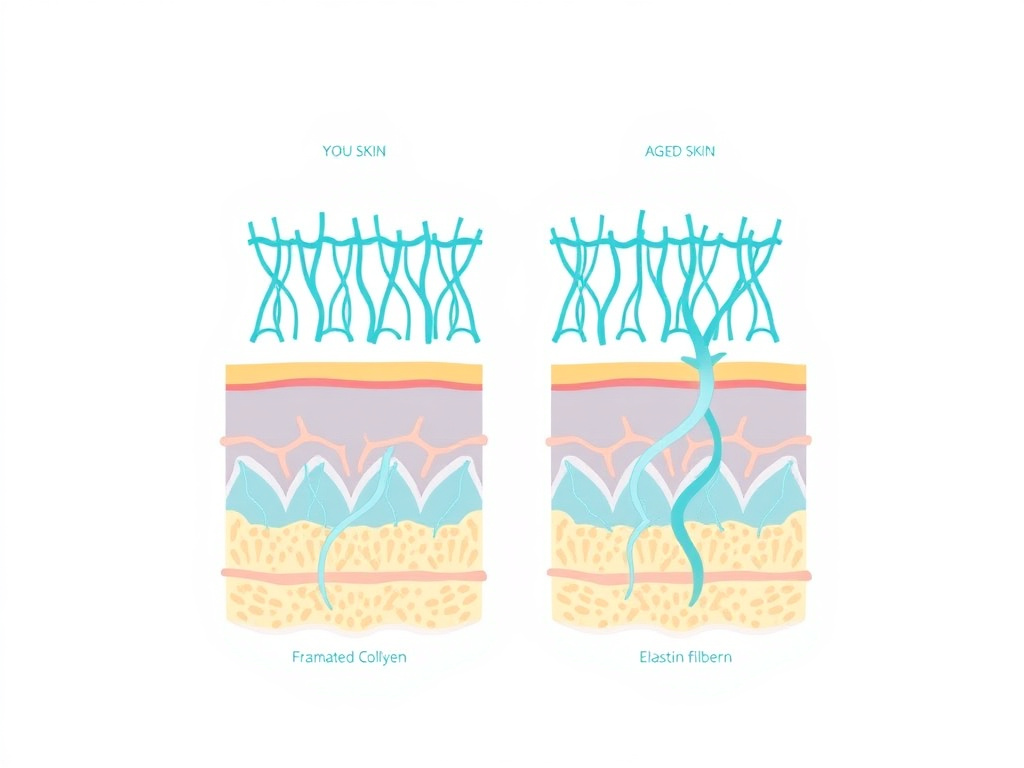
The dermis is composed primarily of an extracellular matrix (ECM), a structural scaffold made up of several key components. Collagen, particularly types I and III, makes up roughly 70-80% of the dry weight of the dermis. These collagen fibers are arranged in organized bundles that provide tensile strength and structural support. Elastin fibers, which make up about 2-4% of the dermis by weight, provide the snap-back quality that allows skin to return to its original shape after being stretched or compressed. Glycosaminoglycans (GAGs) like hyaluronic acid fill the spaces between collagen and elastin fibers, binding water and maintaining hydration. Together, these components create the plump, firm, resilient texture we associate with youthful skin.
Fibroblasts are the primary cells responsible for producing and maintaining the ECM. These cells synthesize new collagen, elastin, and GAGs while also producing enzymes called matrix metalloproteinases (MMPs) that break down old or damaged matrix components. In young skin, there's a healthy balance between synthesis and degradation, with new matrix constantly replacing old material. As we age, this balance shifts dramatically toward degradation.
Intrinsic Aging: The Internal Clock
Intrinsic aging is the natural, genetically programmed decline in skin function that occurs regardless of environmental exposures. It's characterized by three hallmark features in the dermis: atrophy due to collagen loss, degeneration of the elastic fiber network, and reduced hydration from declining GAG production.
Starting around age 25, collagen production decreases by approximately 1-1.5% per year. By the time someone reaches their 60s, they may have lost 40-50% of their dermal collagen compared to their 20s. This decline is driven by several factors. Fibroblast activity slows as cells undergo replicative senescence, gradually losing their ability to divide and produce matrix proteins. Telomere shortening, mitochondrial dysfunction, and the accumulation of oxidative damage all contribute to this cellular slowdown.
The elastic fiber network also deteriorates with age. In intrinsically aged skin, the amount of functional elastin decreases, and the remaining fibers become fragmented and less organized. Unlike collagen, which the body can partially replenish (albeit at a slower rate), elastin is produced primarily during development and early life. Adult skin has very limited capacity to synthesize new elastin, making its preservation especially important.
Hyaluronic acid content also declines with age. The epidermis, which normally contains significant amounts of HA, shows particularly dramatic losses. Some estimates suggest that HA content in the skin decreases by roughly 50% between the ages of 20 and 50. Since each molecule of HA can bind up to 1,000 times its weight in water, this decline has a direct impact on skin hydration, plumpness, and overall appearance.
Extrinsic Aging: The UV Factor
While intrinsic aging is inevitable, extrinsic aging - particularly photoaging caused by UV radiation - is responsible for an estimated 80% of visible facial aging. UV exposure triggers a cascade of molecular events that accelerate matrix degradation far beyond what chronological aging alone would produce.
When UV light hits the skin, it activates cell surface receptors on both keratinocytes and fibroblasts. This triggers signaling pathways involving AP-1 and NF-kB transcription factors, which in turn upregulate the production of matrix metalloproteinases. MMP-1 (collagenase-1), MMP-3 (stromelysin-1), and MMP-9 (gelatinase B) are particularly important players. These enzymes directly cleave collagen fibers, fragmenting the organized matrix structure that gives skin its firmness.
At the same time, UV exposure suppresses the TGF-beta signaling pathway, which is the primary driver of new collagen synthesis. So UV radiation delivers a double hit: it accelerates collagen destruction while simultaneously blocking new collagen production. The result is a rapid net loss of dermal collagen that far exceeds what intrinsic aging alone would cause.
UV exposure also produces reactive oxygen species (ROS) that cause oxidative damage to proteins, lipids, and DNA throughout the skin. These free radicals modify existing collagen and elastin fibers, making them stiffer and less functional even before they're enzymatically degraded. ROS also activate the inflammatory pathways that drive further MMP production, creating a self-reinforcing cycle of damage.
The effects on elastin are distinctive. While intrinsic aging causes a gradual decrease in elastic fibers, photoaging produces a characteristic accumulation of abnormal elastotic material in the upper and mid-dermis, a condition called solar elastosis. These thickened, tangled masses of degenerated elastic tissue are nonfunctional; they can't provide the elastic recoil that normal fibers would. Solar elastosis is the histological hallmark of photoaged skin and is responsible for much of the leathery, sagging appearance associated with chronic sun exposure.
The Cellular Dimension: Senescence and Inflammation
Beyond the structural changes in the ECM, skin aging involves fundamental shifts in cellular behavior. Senescent cells, sometimes called "zombie cells," are cells that have stopped dividing but refuse to die. They accumulate in aged skin and secrete a cocktail of inflammatory molecules, MMPs, and growth factors collectively known as the senescence-associated secretory phenotype (SASP). This SASP promotes chronic low-grade inflammation (sometimes called "inflammaging") that further accelerates matrix degradation and impairs the function of surrounding healthy cells.
The inflammatory component of aging is particularly relevant to peptide skincare. Some peptides, like palmitoyl tetrapeptide-7 (a component of Matrixyl 3000), specifically target inflammatory pathways. By reducing the production of inflammatory cytokines like interleukin-6 (IL-6), these peptides can help break the inflammation-degradation cycle that drives aging in the dermis. Research into compounds like Epithalon has also explored how peptides might influence cellular senescence through telomere-related mechanisms.
Understanding this biology makes it clear why peptides are such compelling skincare ingredients. They can potentially address multiple aspects of the aging process simultaneously: stimulating new collagen production to replace what's been lost, delivering minerals needed for enzymatic repair processes, modulating the muscle contractions that create expression lines, and inhibiting the enzymes that break down existing matrix proteins. The question, as we'll explore in the following sections, is how well they actually deliver on this potential.
The Role of Growth Factors and Natural Peptide Signaling
The body's own wound healing and repair processes rely heavily on peptide signaling. When skin is injured, the degradation of existing collagen produces small peptide fragments called matrikines. These fragments act as biological signals, telling fibroblasts that damage has occurred and new matrix production is needed. The fibroblasts respond by ramping up synthesis of collagen, elastin, fibronectin, and other ECM components.
This natural signaling mechanism is exactly what cosmetic signal peptides are designed to mimic. By applying synthetic peptides that resemble matrikines, the idea is to "trick" fibroblasts into behaving as if repair is needed, stimulating new matrix production even in the absence of actual injury. It's an elegant concept, and as we'll see in the signal peptides section, there's meaningful clinical evidence to support it.
Growth factors like TGF-beta, PDGF, and EGF work through similar peptide-mediated signaling pathways. When these growth factors bind to cell surface receptors, they trigger intracellular signaling cascades that ultimately lead to changes in gene expression, protein synthesis, and cell behavior. Many cosmetic peptides work by activating the same downstream pathways that growth factors use, providing a more targeted and potentially safer approach to stimulating skin repair.
The interconnection between natural peptide signaling and cosmetic peptide science extends to other areas of peptide research as well. Compounds like BPC-157 and TB-500, while primarily studied for tissue repair applications, operate through related biological mechanisms involving growth factor modulation and extracellular matrix remodeling. These connections highlight how broad the peptide signaling landscape truly is.
The Four Categories of Cosmetic Peptides
Cosmetic peptides are classified into four major categories based on their mechanism of action: signal peptides, carrier peptides, neurotransmitter-inhibiting peptides, and enzyme-inhibiting peptides. Each category targets a different aspect of skin aging, and understanding these distinctions is critical for building an effective peptide-based skincare routine.
This classification system was formalized in the dermatological literature in the early 2000s and has since become the standard framework used by both researchers and formulators. While some newer peptides blur the lines between categories or exhibit multiple mechanisms, this four-part taxonomy remains the most useful way to organize and understand the expanding universe of cosmetic peptides.
Overview of the Four Categories
| Category | Primary Mechanism | Key Examples | Primary Target |
|---|---|---|---|
| Signal Peptides | Stimulate fibroblasts to produce collagen, elastin, and other ECM proteins | Matrixyl (pal-KTTKS), Matrixyl 3000, Tripeptide-1, Hexapeptide-12 | Dermal fibroblasts |
| Carrier Peptides | Transport trace minerals (copper, manganese, zinc) to support enzymatic repair | GHK-Cu, manganese tripeptide-1, zinc tripeptide | Enzymatic cofactor delivery |
| Neurotransmitter-Inhibiting Peptides | Modulate muscle contraction by interfering with neurotransmitter release | SNAP-8, Argireline, Leuphasyl, SYN-AKE | Neuromuscular junction |
| Enzyme-Inhibiting Peptides | Block enzymes that degrade collagen or produce melanin | Soy peptides, silk fibroin peptides, rice-derived peptides, Trylagen | MMPs, tyrosinase, elastase |
How the Categories Work Together
While each category addresses a different mechanism of skin aging, the most effective peptide routines typically combine peptides from multiple categories. Think of it this way: signal peptides are the builders, stimulating new collagen and elastin production. Carrier peptides are the supply chain, delivering the mineral cofactors those building processes require. Neurotransmitter-inhibiting peptides are the relaxers, smoothing out the dynamic wrinkles caused by facial expressions. And enzyme-inhibiting peptides are the protectors, preventing existing structural proteins from being broken down prematurely.
A routine that addresses only one of these mechanisms is leaving potential benefits on the table. For example, stimulating new collagen production with a signal peptide makes less sense if you're simultaneously losing existing collagen to unchecked MMP activity. Similarly, delivering copper to support enzymatic repair is most valuable when there's also a signal telling fibroblasts to increase their production of the proteins that copper-dependent enzymes help assemble.
This combinatorial approach is reflected in many commercial peptide products that blend ingredients from multiple categories. Products containing both Matrixyl (signal) and SNAP-8 (neurotransmitter-inhibiting) address both structural collagen loss and expression-line formation. Adding GHK-Cu (carrier) to the mix provides the mineral support needed to maximize the repair processes these peptides initiate.
UNDERSTANDING PEPTIDE NAMING
Cosmetic peptide names can be confusing. The INCI (International Nomenclature of Cosmetic Ingredients) system uses names like "palmitoyl pentapeptide-4" or "acetyl octapeptide-3" that describe the peptide's chemical modifications and amino acid count. Trade names like Matrixyl, Argireline, and SNAP-8 are brand names given by the manufacturers (often Lipotec/Lubrizol or Sederma). The same active ingredient may appear under different trade names from different suppliers. When evaluating products, focus on the INCI name to ensure you're comparing equivalent ingredients.
The Size and Structure Question
Most cosmetic peptides are relatively short sequences, typically ranging from 2 to 10 amino acids. This small size is intentional for several reasons. First, shorter peptides are easier and cheaper to synthesize. Second, they're more likely to penetrate the skin barrier, since the stratum corneum strongly resists the passage of large molecules. Third, many of the biological signaling sequences that cosmetic peptides mimic are themselves short peptide fragments.
However, size alone doesn't determine a peptide's effectiveness. Many cosmetic peptides are chemically modified to improve their performance. The most common modification is lipidation, the attachment of a fatty acid chain (usually palmitic acid) to one end of the peptide. This "palmitoyl" modification serves several purposes: it increases the peptide's lipophilicity, improving its ability to cross the lipid-rich stratum corneum; it protects the peptide from enzymatic degradation by shielding vulnerable terminal amino acids; and it can anchor the peptide to cell membranes, prolonging its contact with target receptors.
Acetylation is another common modification, where an acetyl group is added to the N-terminus of the peptide. This modification also improves stability by protecting against aminopeptidase degradation and can enhance the peptide's interaction with cell membranes. SNAP-8 (acetyl octapeptide-3) and Argireline (acetyl hexapeptide-3) both use this modification.
The specific amino acid sequence of a peptide determines its biological activity. Even a single amino acid substitution can dramatically change how a peptide interacts with cellular receptors and signaling pathways. This is why peptide design is such a precise science, and why not all peptides with similar lengths or modifications produce the same effects.
A Brief History of Cosmetic Peptides
The history of cosmetic peptides begins in 1973, when Loren Pickart isolated a tripeptide from human plasma with the sequence Gly-His-Lys (GHK). This peptide had an unusually strong affinity for copper ions and was found to stimulate collagen production in tissue culture. GHK-Cu became the first carrier peptide and remains one of the most well-studied cosmetic ingredients today.
The signal peptide revolution began in the early 2000s with the development of palmitoyl pentapeptide-4 (marketed as Matrixyl) by Sederma. This peptide was based on the sequence KTTKS, a fragment of type I procollagen that was known to stimulate collagen synthesis in fibroblasts. The addition of a palmitoyl chain improved skin penetration and stability, creating the first commercially successful topical signal peptide. A landmark clinical study in 2005 demonstrated that Matrixyl could reduce wrinkle depth and improve skin texture after 12 weeks of use, providing the clinical validation that the cosmetic industry needed.
Neurotransmitter-inhibiting peptides entered the market shortly after, with Argireline (acetyl hexapeptide-3) leading the way. Developed by Lipotec (now part of Lubrizol), Argireline was designed to mimic the N-terminal end of the SNAP-25 protein, interfering with the same SNARE complex that botulinum toxin targets. The key selling point was obvious: a topical "Botox alternative" that could reduce expression wrinkles without injections. SNAP-8, an extended eight-amino-acid version of Argireline, followed as a more potent variant.
The field has continued to expand rapidly. Today, there are dozens of commercially available cosmetic peptides, with new sequences being developed using computational modeling and artificial intelligence-assisted design. The science continues to advance on multiple fronts: better peptide design, improved delivery systems, more rigorous clinical testing, and a deeper understanding of the molecular mechanisms involved.
Signal Peptides: The Collagen Builders
Signal peptides are arguably the most important category of cosmetic peptides. They work by stimulating skin fibroblasts to increase production of collagen, elastin, fibronectin, glycosaminoglycans, and other structural proteins that form the dermal extracellular matrix. In essence, they send a "build more" signal to the cells responsible for maintaining skin's structural integrity.
How Signal Peptides Work
The mechanism behind signal peptides is rooted in the body's natural wound-healing response. When collagen in the dermis is damaged or degraded, the resulting peptide fragments (matrikines) bind to specific receptors on fibroblast cell surfaces. This binding activates intracellular signaling cascades, particularly the TGF-beta pathway, that upregulate the transcription of genes involved in ECM protein synthesis. The fibroblast responds by producing more collagen, elastin, and other matrix components to repair the perceived damage.
Synthetic signal peptides exploit this mechanism by mimicking the structure of natural matrikines. When applied topically and successfully delivered to the dermis, they bind to the same fibroblast receptors and trigger the same "repair mode" signaling cascades. The result is increased production of structural proteins without any actual tissue damage having occurred.
The key molecular pathway involved is well-characterized. Signal peptides bind to cell surface receptors linked to intracellular transducer proteins. These transducers activate a cascade that ultimately leads to increased transcription of collagen genes (particularly COL1A1 and COL3A1), elastin gene (ELN), fibronectin, and various proteoglycans. Many signal peptides also inhibit collagenase activity, reducing collagen degradation at the same time that they stimulate new production. This dual action - promoting synthesis while reducing breakdown - is what makes signal peptides particularly effective.
Matrixyl (Palmitoyl Pentapeptide-4): The Gold Standard
Matrixyl is the trade name for palmitoyl pentapeptide-4, a five-amino-acid peptide with the sequence KTTKS (Lys-Thr-Thr-Lys-Ser) conjugated to a palmitic acid chain. It was developed by Sederma and has become the most widely studied and commercially successful signal peptide in cosmetic dermatology.
The KTTKS sequence was identified as a fragment of type I procollagen's C-terminal propeptide region. In the body's natural repair process, this fragment is released when procollagen is processed into mature collagen, and it serves as a feedback signal to fibroblasts indicating that collagen synthesis should continue. By applying this sequence topically, Matrixyl essentially delivers a persistent "keep building" message to dermal fibroblasts.
In Vitro Evidence
Laboratory studies using cultured human fibroblasts have demonstrated that palmitoyl pentapeptide-4 stimulates the production of types I and III collagen, fibronectin, and elastin in a dose-dependent manner. One study showed that treatment with pal-KTTKS at concentrations of 1-5 ppm increased type I collagen synthesis by up to 117% and fibronectin production by up to 327% compared to untreated controls. These are substantial increases that suggest significant biological activity at the cellular level.
The peptide also demonstrated the ability to stimulate production of glycosaminoglycans, including hyaluronic acid, in fibroblast cultures. This is relevant because GAGs contribute to skin hydration and the plump, dewy appearance associated with youthful skin. By stimulating both structural protein production and GAG synthesis, Matrixyl addresses multiple aspects of dermal aging simultaneously.
Clinical Trial Results
The most widely cited clinical study on Matrixyl was a 12-week, double-blind, placebo-controlled, split-face trial involving 93 Caucasian women with visible facial wrinkles and fine lines. Subjects applied an oil-in-water cream containing palmitoyl pentapeptide-4 to one side of the face and a placebo cream to the other side, twice daily.
After 12 weeks, expert graders identified statistically significant improvement in fine lines and overall skin appearance on the Matrixyl-treated side compared to placebo. Quantitative image analysis confirmed these findings, showing measurable reductions in wrinkle depth and surface roughness. The peptide was well-tolerated, with no reports of irritation, sensitization, or other adverse effects.
A separate clinical study on a cream containing palmitoyl pentapeptide-4 demonstrated significant improvement in photoaged facial skin, with improvements in both fine lines and overall skin texture visible after 8 weeks of twice-daily application. Profilometry measurements confirmed reductions in both mean wrinkle depth and maximum wrinkle depth compared to baseline.
CLINICAL EVIDENCE SNAPSHOT: MATRIXYL
Study design: 12-week, double-blind, placebo-controlled, split-face
Subjects: 93 Caucasian women with facial wrinkles
Application: Oil-in-water cream, twice daily
Results: Statistically significant improvement in fine lines and overall skin appearance vs. placebo by both expert grading and quantitative image analysis
Tolerability: Well-tolerated with no adverse events reported
Reference: Robinson et al., Int J Cosmet Sci, 2005
Matrixyl 3000: The Next Generation
Matrixyl 3000 is a combination of two peptides: palmitoyl tripeptide-1 (pal-GHK) and palmitoyl tetrapeptide-7 (pal-GQPR). This combination was designed to address both the structural and inflammatory aspects of skin aging, providing a more comprehensive anti-aging effect than either peptide alone.
Palmitoyl tripeptide-1 is a signal peptide that stimulates the synthesis of ECM proteins including collagen, elastin, hyaluronic acid, glycosaminoglycans, and fibronectin. Its sequence (GHK) is identical to the peptide backbone of the carrier peptide GHK-Cu, but without the copper ion. When conjugated to a palmitoyl chain, it functions primarily as a signal peptide rather than a mineral carrier, activating fibroblast production pathways similar to those triggered by Matrixyl.
Palmitoyl tetrapeptide-7 targets the inflammatory component of skin aging. It reduces the secretion of interleukin-6 (IL-6), a pro-inflammatory cytokine that increases with age and contributes to chronic low-grade inflammation in the skin. By dampening this inflammatory signal, palmitoyl tetrapeptide-7 helps reduce the inflammation-driven MMP production that accelerates collagen degradation. It also helps modulate the inflammatory response to UV exposure, providing some degree of protection against photoaging.
Clinical Results for Matrixyl 3000
A blind, randomized clinical study with 28 volunteers evaluated the anti-wrinkle efficacy of a cream containing 4% Matrixyl 3000. Subjects applied the cream twice daily to half their face and one forearm for two months. The study demonstrated a 45% reduction in the area occupied by deep wrinkles and a nearly 20% increase in skin tonicity. Significant improvements were also measured in wrinkle depth, volume, and density, as well as reductions in skin roughness.
These results are particularly impressive because the 45% wrinkle reduction figure approaches the efficacy of some in-office cosmetic procedures, achieved through a simple topical cream application. While the study size was relatively small (28 subjects), the blind, randomized design and the use of objective measurement techniques (profilometry, image analysis) lend credibility to the findings.
Other Signal Peptides Worth Knowing
Tripeptide-1 (GHK)
Tripeptide-1, with the sequence Gly-His-Lys, is the peptide backbone of the famous copper peptide GHK-Cu. Without the copper ion, GHK still demonstrates signal peptide activity, stimulating fibroblast proliferation and collagen synthesis. However, its effects are significantly enhanced when complexed with copper, which is why GHK-Cu (discussed in the carrier peptides section) is generally considered the more effective form. As a standalone signal peptide, tripeptide-1 is sometimes used in formulations where copper incorporation is impractical or where the formulator wants signal activity without the oxidative concerns that copper can introduce.
Palmitoyl Hexapeptide-12
This six-amino-acid signal peptide stimulates the synthesis of all six major components of the skin matrix: collagen types I, III, and IV, fibronectin, hyaluronic acid, and laminin-5. The inclusion of laminin-5 stimulation is noteworthy because laminin is a key component of the basement membrane that connects the epidermis to the dermis. Strengthening this junction helps improve skin firmness and may help reduce the sagging that occurs as this connection weakens with age.
Palmitoyl Tripeptide-5 (SYN-COLL)
Developed by DSM, palmitoyl tripeptide-5 works by mimicking the action of thrombospondin-1, a protein that activates latent TGF-beta. By stimulating TGF-beta activation, this peptide triggers the same collagen-production cascade that natural wound healing initiates, but through a distinct upstream mechanism compared to Matrixyl. Clinical data suggests that SYN-COLL can increase collagen production by up to 119% in fibroblast cultures and reduce wrinkle depth by up to 31% after 84 days of use.
Palmitoyl Tripeptide-38 (MATRIXYL synthe'6)
One of the newer signal peptides, palmitoyl tripeptide-38 was designed to stimulate the production of six major matrix components simultaneously: collagen I, III, and IV, fibronectin, hyaluronic acid, and laminin-5. It activates the TGF-beta signaling pathway and has shown the ability to boost collagen I synthesis by up to 193% and hyaluronic acid synthesis by up to 179% in cell culture studies. While clinical data is still accumulating, early results suggest efficacy comparable to or exceeding original Matrixyl.
SIGNAL PEPTIDE SELECTION GUIDE
For overall anti-aging: Matrixyl (palmitoyl pentapeptide-4) has the most clinical evidence. Matrixyl 3000 adds anti-inflammatory benefits.
For deep wrinkles: Matrixyl 3000 showed a 45% reduction in deep wrinkle area in clinical testing.
For comprehensive matrix support: Palmitoyl tripeptide-38 (MATRIXYL synthe'6) stimulates the broadest range of ECM components.
For formulation simplicity: Tripeptide-1 (GHK) is a good basic signal peptide that's easy to formulate with.
For maximum collagen boost: Palmitoyl tripeptide-5 (SYN-COLL) showed up to 119% collagen increase in vitro.
Limitations and Realistic Expectations
Signal peptides have genuine clinical backing, but it's important to maintain realistic expectations. The improvements demonstrated in clinical studies, while statistically significant and visually noticeable, are modest compared to what invasive procedures or prescription retinoids can achieve. A 30-45% improvement in wrinkle parameters is meaningful, but it won't make a 60-year-old look 30.
The biggest limitation of signal peptides remains delivery. These molecules need to reach viable fibroblasts in the dermis to exert their effects, but they must first cross the stratum corneum, which was specifically evolved to keep foreign molecules out. The palmitoyl modification helps, but penetration is still incomplete. Most estimates suggest that only a small fraction of topically applied peptide actually reaches its target cells. This is an active area of research, and newer delivery technologies may improve efficacy in the future.
Consistency of use is also critical. Signal peptides don't produce permanent changes; their effects depend on ongoing stimulation of fibroblast activity. If you stop using a signal peptide product, the enhanced collagen production will gradually return to baseline levels. Most clinical studies evaluate results after 8-12 weeks of twice-daily application, and this type of consistent use is necessary to achieve and maintain results.
Carrier Peptides: Mineral Delivery for Skin Repair
Carrier peptides serve a fundamentally different role than signal peptides. Rather than directly stimulating collagen production through receptor-mediated signaling, carrier peptides function as molecular transporters, delivering essential trace minerals into skin cells where they serve as cofactors for the enzymatic processes that drive tissue repair and maintenance.
The Concept Behind Carrier Peptides
Many of the enzymes involved in skin repair and maintenance require metal ion cofactors to function properly. Copper, manganese, zinc, and iron all play critical roles in various aspects of skin biology. Copper is required by lysyl oxidase (which crosslinks collagen and elastin fibers), superoxide dismutase (which neutralizes free radicals), and tyrosinase (which produces melanin). Manganese is a cofactor for manganese superoxide dismutase, one of the body's primary antioxidant enzymes. Zinc is involved in cell division, protein synthesis, and wound healing.
The challenge is getting these minerals into skin cells in bioavailable form. Free metal ions can be irritating or even toxic at certain concentrations, and they don't penetrate the skin barrier efficiently on their own. Carrier peptides solve this problem by binding the metal ion in a stable complex that can cross cell membranes, then releasing it intracellularly where it's needed. The peptide essentially acts as a molecular shuttle, providing safe, targeted delivery of mineral cofactors.
GHK-Cu: The Pioneer Carrier Peptide
GHK-Cu (glycyl-L-histidyl-L-lysine copper complex) is the most extensively studied carrier peptide and one of the most thoroughly researched cosmetic ingredients of any kind. Discovered in 1973 by Loren Pickart, GHK-Cu was originally isolated from human plasma, where it was found to stimulate the growth of hepatocytes in culture. Subsequent research revealed that the peptide is present in plasma, saliva, and urine, and that its concentration declines significantly with age, from approximately 200 ng/mL in plasma at age 20 to about 80 ng/mL by age 60.
The GHK peptide has an unusually strong affinity for copper(II) ions, with a binding constant of approximately 10^-16.44 M. This tight binding allows the peptide to effectively capture and transport copper while preventing the free copper ions from participating in harmful Fenton-type reactions that generate free radicals. When the GHK-Cu complex interacts with cells, it delivers the copper to intracellular enzymes that require it as a cofactor, then the peptide itself is recycled or degraded.
Multi-Pathway Mechanisms of GHK-Cu
What makes GHK-Cu remarkable is that it doesn't just deliver copper. Gene expression studies have revealed that GHK-Cu modulates the activity of over 4,000 human genes, representing roughly 6% of the human genome. This broad gene-modulating activity goes far beyond simple copper delivery and suggests that the peptide functions through multiple parallel mechanisms.
Among the pathways influenced by GHK-Cu:
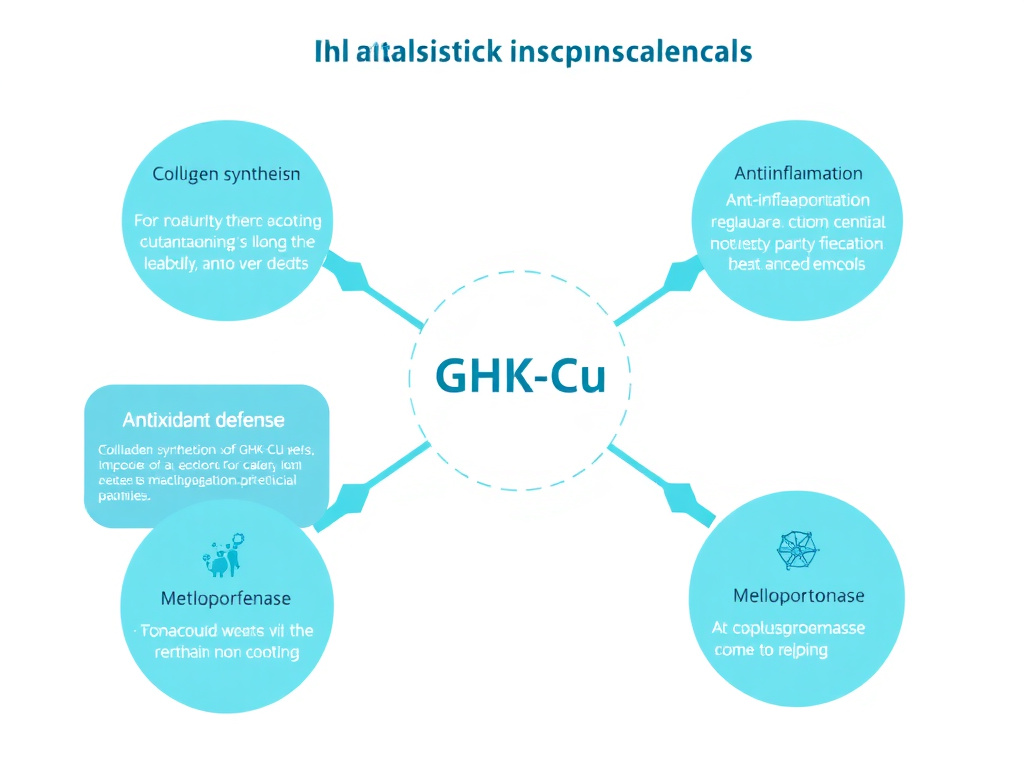
- Collagen synthesis: GHK-Cu stimulates fibroblasts to produce collagen types I and III, as well as decorin (a small proteoglycan that regulates collagen fiber assembly). It also increases production of glycosaminoglycans including dermatan sulfate and chondroitin sulfate.
- Anti-inflammatory effects: The copper complex reduces secretion of pro-inflammatory cytokines, including IL-6 and TNF-alpha, in dermal fibroblasts. This anti-inflammatory activity helps counteract the chronic low-grade inflammation that drives aging-related matrix degradation.
- Antioxidant defense: GHK-Cu upregulates the production of antioxidant enzymes, particularly superoxide dismutase (SOD), which requires copper as a cofactor. Enhanced SOD activity helps neutralize the reactive oxygen species that damage collagen, elastin, and other structural proteins.
- Metalloproteinase regulation: GHK-Cu has a nuanced relationship with MMPs. It stimulates both the production of MMPs (which are needed to remove damaged matrix components) and their tissue inhibitors (TIMPs), promoting orderly matrix remodeling rather than simply suppressing or enhancing degradation.
- Angiogenesis: The peptide promotes the growth of new blood vessels, improving nutrient delivery and waste removal in the dermis. This improved vascularization supports the metabolically demanding processes of collagen synthesis and matrix maintenance.
- Stem cell support: Recent research suggests that GHK-Cu may support the dermal stem cell population, potentially helping maintain the skin's long-term regenerative capacity.
Clinical Evidence for GHK-Cu
The clinical evidence for GHK-Cu topical application is substantial and consistent. Multiple studies have demonstrated measurable improvements in skin firmness, thickness, hydration, and wrinkle depth.
A pilot study examining topical application of copper tripeptide complexes to aged skin confirmed several positive outcomes: increased skin thickness in both the epidermal and dermal layers, improved skin hydration, significant smoothing of the skin surface through stimulation of collagen synthesis, increased skin elasticity, significant improvement in skin contrast, and increased production of type I collagen.
A double-blind, split-face study involving 60 subjects aged 40-65 compared a 0.05% GHK-Cu serum against placebo over 12 weeks. The GHK-Cu group showed a 22% increase in skin firmness and a 16% reduction in fine lines as measured by optical profilometry. These improvements were statistically significant compared to the placebo group.
Another clinical study of 71 women who applied a facial cream containing GHK-Cu daily for 12 weeks found increased skin density and thickness, reduced loss of elasticity, and a significant reduction in fine lines. Interestingly, GHK-Cu has been shown to perform comparably to retinol in some comparative studies, with the advantage of being much better tolerated and not causing the irritation, peeling, and photosensitivity associated with retinoid use.
CLINICAL EVIDENCE SNAPSHOT: GHK-CU
Study 1: 60 subjects, 12-week split-face design - 22% increase in firmness, 16% reduction in fine lines
Study 2: 71 women, 12-week daily application - increased skin density, thickness, elasticity; reduced fine lines
Study 3: Pilot study on aged skin - increased epidermal and dermal thickness, improved hydration, enhanced collagen I production
Comparative: Performance comparable to retinol with better tolerability
Typical improvement range: 15-25% across firmness, elasticity, and wrinkle parameters
For a deeper analysis of the clinical literature on copper peptides, see the GHK-Cu research report on FormBlends, which covers both topical and systemic applications of this peptide.
GHK-Cu and Skin Penetration
One of the advantages of GHK-Cu as a cosmetic ingredient is its relatively favorable skin penetration profile. Studies using membrane models of the stratum corneum have shown that GHK and its copper complexes (GHK-Cu and (GHK)2-Cu) are able to migrate through the lipid barrier, unlike many larger peptides that are essentially excluded. The small size of the tripeptide (molecular weight approximately 340 Da for the peptide alone, ~403 Da with copper) helps it fall within the range generally considered permeable to the stratum corneum.
However, GHK-Cu faces its own penetration challenges. The peptide is susceptible to degradation by proteolytic enzymes present in the skin, which can break it down before it reaches its target cells. This makes sustained delivery in bioactive concentrations a formulation challenge. Strategies to address this include encapsulation in liposomes or nanoparticles, use of penetration enhancers, and application at concentrations high enough that a therapeutic amount reaches the dermis despite losses to enzymatic degradation.
Manganese Peptides
While copper peptides dominate the carrier peptide category, manganese-binding peptides represent a smaller but significant subcategory. Manganese is a cofactor for manganese superoxide dismutase (MnSOD), one of the body's most important antioxidant enzymes. MnSOD is located in the mitochondria and protects against the oxidative stress generated by cellular energy production. By delivering manganese to skin cells, manganese peptides may help strengthen this antioxidant defense system.
Manganese tripeptide-1 is the primary commercial manganese carrier peptide. It delivers manganese to fibroblasts and keratinocytes, where it supports MnSOD activity and promotes wound healing. While the clinical evidence for manganese peptides is less extensive than for GHK-Cu, laboratory studies have demonstrated their ability to enhance antioxidant enzyme activity and protect against UV-induced oxidative damage in cell cultures.
Zinc Peptides
Zinc-binding peptides are another emerging subcategory of carrier peptides. Zinc is essential for cell division, protein synthesis, immune function, and wound healing. It serves as a cofactor for over 300 enzymes in the human body, including many involved in skin repair. Zinc deficiency is associated with impaired wound healing, increased susceptibility to infection, and various skin disorders.
Zinc tripeptide (sometimes listed as copper/zinc tripeptide) delivers zinc to skin cells to support zinc-dependent enzymatic processes. Some formulations combine zinc and copper carrier peptides to provide a broader range of mineral cofactors. The challenge with zinc peptides is similar to that of manganese peptides: while the theoretical rationale is sound, clinical evidence specific to cosmetic applications is still limited compared to the extensive data available for GHK-Cu.
The Carrier Peptide Advantage
Carrier peptides offer several advantages that make them unique within the cosmetic peptide landscape. First, they address a fundamental nutritional need of skin cells, providing the mineral cofactors that dozens of repair enzymes require. This makes them broadly beneficial across many aspects of skin maintenance, rather than targeting a single pathway.
Second, carrier peptides are generally very well tolerated. GHK-Cu in particular has an excellent safety profile, with studies consistently reporting no irritation, sensitization, or adverse effects even with prolonged use. This contrasts favorably with other potent anti-aging ingredients like retinoids or alpha-hydroxy acids, which can cause significant irritation in many users.
Third, the science behind carrier peptides is well-established. The role of copper in collagen crosslinking, antioxidant defense, and wound healing has been studied for decades, and the mechanism by which GHK-Cu delivers copper to cells is well-characterized. This provides a stronger mechanistic foundation than some newer peptide categories where the precise molecular pathways are still being elucidated. For researchers interested in the broader science, the FormBlends Science page provides additional context on peptide mechanisms.
Neurotransmitter-Inhibiting Peptides: Topical Muscle Relaxation
Neurotransmitter-inhibiting peptides represent the most commercially visible category of cosmetic peptides, largely because of their positioning as "topical Botox alternatives." These peptides work by modulating the release of acetylcholine at the neuromuscular junction, reducing the intensity of muscle contractions that cause expression wrinkles - the crow's feet, forehead lines, and frown lines that deepen with repeated facial movements.
The Neuromuscular Junction: How Expression Wrinkles Form
To understand how these peptides work, you need to understand how facial muscles contract. When the brain sends a signal to contract a facial muscle, the signal travels down a motor neuron to the neuromuscular junction - the point where the nerve meets the muscle fiber. At this junction, the nerve terminal releases acetylcholine (ACh), a neurotransmitter that crosses the synaptic cleft and binds to receptors on the muscle fiber, triggering contraction.
The release of acetylcholine depends on a molecular machine called the SNARE complex. This complex is made up of three proteins: SNAP-25 (synaptosomal-associated protein of 25 kDa), syntaxin, and VAMP (vesicle-associated membrane protein, also called synaptobrevin). These three proteins intertwine to form a four-helix bundle that pulls the acetylcholine-containing vesicle close to the nerve terminal membrane, eventually causing the vesicle to fuse with the membrane and release its contents into the synaptic cleft.
Botulinum toxin (Botox) works by enzymatically cleaving one or more of these SNARE proteins, permanently disabling the molecular machinery needed for vesicle fusion. Without a functional SNARE complex, acetylcholine can't be released, and the muscle can't contract. The effect is temporary because the nerve eventually grows new terminals with intact SNARE proteins, but it typically lasts 3-6 months.
Neurotransmitter-inhibiting peptides target the same SNARE complex, but through a different and less aggressive mechanism. Instead of cleaving the proteins, these peptides competitively inhibit the formation of the SNARE complex by mimicking portions of the SNAP-25 protein. They essentially gum up the assembly process, reducing (but not completely blocking) the amount of acetylcholine released with each nerve impulse. The result is a reduction in muscle contraction intensity, not paralysis. Facial expressions are softened rather than frozen.
SNAP-8 (Acetyl Octapeptide-3): Enhanced Efficacy
SNAP-8 (acetyl octapeptide-3) is an eight-amino-acid peptide developed as an extension of the Argireline sequence. By adding two additional amino acids to the Argireline sequence, the developers at Lipotec created a peptide with enhanced binding affinity for the SNARE complex and improved anti-wrinkle activity.
The mechanism of SNAP-8 is identical in principle to Argireline: the peptide competitively mimics the N-terminal end of the SNAP-25 protein, interfering with SNARE complex assembly. However, the longer sequence provides additional contact points with the other SNARE proteins, resulting in more effective inhibition of complex formation. In comparative studies, SNAP-8 has been shown to be approximately 30% more active than Argireline in anti-wrinkle assays.
In Vitro and Clinical Data for SNAP-8
In vitro studies have demonstrated that SNAP-8 can decrease catecholamine release from chromaffin cells (a model system for neurotransmitter release) in a dose-dependent manner, confirming its ability to interfere with SNARE-mediated vesicle fusion. At the cellular level, SNAP-8 reduces the efficiency of the exocytotic machinery without completely disabling it, consistent with the observed softening (rather than freezing) of facial expressions.
Clinical testing has shown that SNAP-8 can reduce wrinkle depth by up to 63% in some subjects when used at effective concentrations. This figure comes from in vivo measurements of periorbital wrinkles (crow's feet) in subjects who applied SNAP-8-containing formulations twice daily for 28 days. While the 63% figure represents the best individual response rather than an average, even the mean wrinkle reduction across study populations is clinically meaningful.
The SNAP-8 research report on FormBlends provides additional detail on the clinical evidence and formulation considerations for this peptide. For a comparison of SNAP-8 with other cosmetic peptides, see the cosmetic peptides comparison report.

Argireline (Acetyl Hexapeptide-3/8): The Original
Argireline, also known as acetyl hexapeptide-3 (recently renamed acetyl hexapeptide-8 in updated INCI nomenclature), is the original neurotransmitter-inhibiting cosmetic peptide. Developed by Lipotec in Spain, it was the first peptide to be marketed as a topical Botox alternative and quickly became one of the best-selling cosmetic peptide ingredients worldwide.
The six-amino-acid sequence of Argireline was designed to mimic the N-terminal end of SNAP-25, specifically targeting the region that participates in SNARE complex formation. Like SNAP-8, it works by competitive inhibition rather than enzymatic cleavage, modulating rather than blocking neurotransmitter release.
Clinical Trial Results for Argireline
Argireline has been evaluated in several clinical trials with consistent positive results:
In a randomized, placebo-controlled study involving Chinese subjects, subjective anti-wrinkle efficacy in the Argireline group was 48.9%, compared with 0% in the placebo group. Objective evaluation using skin surface roughness parameters showed all roughness measurements decreased significantly in the Argireline group (p < 0.01), while no significant decrease was observed in the placebo group. The peptide was applied to periorbital wrinkles twice daily for four weeks.
A separate study involving 10 women who applied a cream containing 5% Argireline solution (0.05% active peptide) twice daily for 28 days observed a 27% reduction in wrinkle depth. Maximum individual improvements reached 31.8%. The wrinkle reduction was measured objectively using silicone replica analysis and profilometry.
Another evaluation found that wrinkle severity around the eyes decreased by up to 17% after 15 days of treatment and up to 27% after 30 days, suggesting that effects continue to build with continued use. Interestingly, a standard oil-in-water emulsion without Argireline showed only about a 10% reduction in wrinkle depth, attributable to the moisturizing effect of the base cream itself.
A double-blind, randomized trial directly comparing Argireline cream with palmitoyl pentapeptide-4 (Matrixyl) cream for crow's feet found that both peptides produced measurable wrinkle reduction, though through different mechanisms. Argireline primarily affected dynamic wrinkles (those visible during facial movement), while Matrixyl primarily affected static wrinkles (those visible at rest). This finding supports the rationale for combining both types of peptides in a comprehensive anti-aging routine.
Leuphasyl (Pentapeptide-18): The Combination Partner
Leuphasyl (pentapeptide-18) is a five-amino-acid peptide that modulates neurotransmitter release through a mechanism distinct from Argireline and SNAP-8. While those peptides target the SNARE complex directly, Leuphasyl acts at an earlier step in the process, binding to enkephalin receptors on the nerve terminal. Activation of these receptors inhibits calcium influx into the nerve terminal, which reduces the signal that triggers vesicle fusion and neurotransmitter release.
This different site of action makes Leuphasyl an excellent complement to Argireline or SNAP-8. When used together, the peptides attack the neurotransmitter release process from two different angles: Leuphasyl reduces the calcium signal that initiates vesicle fusion, while Argireline/SNAP-8 interferes with the fusion machinery itself. The result is a combined effect that exceeds what either peptide achieves alone.
Clinical Evidence for Combination Effects
The cooperative potential of Leuphasyl and Argireline has been demonstrated in clinical studies. When tested individually over 28 days, 5% Leuphasyl alone reduced wrinkles by 11.64%, and 5% Argireline alone reduced wrinkles by 16.26%. However, when the two were combined at the same concentrations, wrinkle reduction averaged 24.62%, with maximum individual improvements reaching 47%. This combined effect exceeds the simple sum of the individual effects (11.64% + 16.26% = 27.9%), confirming true cooperative interaction rather than merely additive effects.
This combination data has significant practical implications. It suggests that consumers using products containing only Argireline are getting less than optimal results, and that formulations combining Argireline (or SNAP-8) with Leuphasyl may deliver substantially better outcomes. Some advanced formulations also combine these neurotransmitter peptides with signal peptides like Matrixyl and carrier peptides like GHK-Cu for a comprehensive multi-mechanism approach.
SYN-AKE (Dipeptide Diaminobutyroyl Benzylamide Diacetate)
SYN-AKE is a synthetic tripeptide that mimics the activity of waglerin-1, a peptide found in the venom of the temple viper (Tropidolaemus wagleri). The venom peptide is a competitive antagonist at the nicotinic acetylcholine receptor on the muscle fiber, blocking the binding of acetylcholine and preventing muscle contraction. SYN-AKE reproduces this receptor-blocking activity in a smaller, more stable synthetic form.
This mechanism is distinct from both the SNARE-targeting approach of Argireline/SNAP-8 and the calcium-modulating approach of Leuphasyl. SYN-AKE acts on the post-synaptic side of the neuromuscular junction (the muscle fiber) rather than the pre-synaptic side (the nerve terminal). In theory, this makes it complementary to both pre-synaptic peptides, and some formulations combine all three approaches.
Clinical studies on SYN-AKE have shown wrinkle reduction of up to 52% after 28 days of twice-daily application at 4% concentration, though the average across subjects is lower. The peptide is particularly effective against forehead expression lines and crow's feet, where dynamic muscle contraction is the primary driver of wrinkle formation.
Realistic Expectations for Neurotransmitter Peptides
Neurotransmitter-inhibiting peptides are effective, but they're not a replacement for injectable botulinum toxin. The key differences:
- Onset: Botox produces noticeable effects within 3-7 days. Topical peptides typically require 2-4 weeks of consistent use to show meaningful results.
- Magnitude: Botox can reduce wrinkle depth by 80-100% in treated areas. Topical peptides typically achieve 20-50% reductions, depending on the peptide, concentration, and individual response.
- Duration: Botox effects last 3-6 months after a single treatment. Topical peptide effects are maintained only with continued daily use.
- Specificity: Botox is injected into specific muscles with precise control. Topical peptides affect whatever muscles they can reach after penetrating the skin, which limits their precision.
- Safety profile: Topical peptides have a superior safety profile, with no risk of the bruising, headache, ptosis (drooping eyelid), or the "frozen" appearance that can occasionally result from Botox injection.
For people who want to soften expression lines without injections, or who want to extend the interval between Botox treatments, neurotransmitter-inhibiting peptides offer a meaningful benefit. They're particularly effective as part of a comprehensive routine that also includes signal peptides for collagen production and carrier peptides for mineral cofactor delivery.
PENETRATION CHALLENGE
For neurotransmitter-inhibiting peptides to work, they need to reach the neuromuscular junction, which lies beneath both the stratum corneum and the epidermis. This is a significant penetration challenge, and it's likely that only a small fraction of topically applied peptide reaches its molecular target. The practical consequence is that higher concentrations and better delivery systems may be needed for optimal results. Products listing Argireline or SNAP-8 well down the ingredient list (indicating low concentration) are unlikely to deliver the same results seen in clinical studies that used higher concentrations. Look for products where these peptides appear in the top third of the ingredient list, or where a specific concentration (e.g., 3-10% of the trade solution) is stated.
Enzyme-Inhibiting Peptides: Protecting What You Have
While signal peptides build new collagen and neurotransmitter peptides relax expression muscles, enzyme-inhibiting peptides take a defensive approach. They work by blocking the enzymes that break down structural proteins in the skin or that produce unwanted pigmentation. In a sense, they're the protectors of the peptide skincare world, preserving the collagen, elastin, and even skin tone that other treatments help build.
MMP Inhibitors: Defending Against Collagen Breakdown
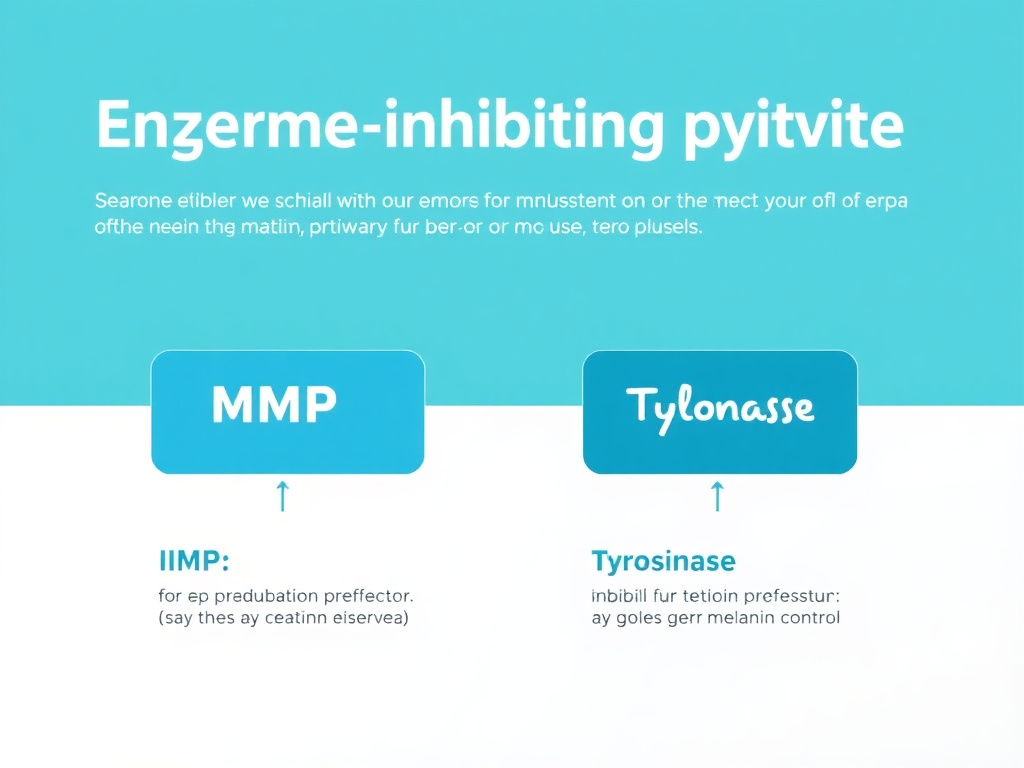
Matrix metalloproteinases (MMPs) are the primary enzymes responsible for collagen degradation in the skin. While some MMP activity is necessary for healthy tissue remodeling (removing damaged matrix to make room for new material), excessive MMP activity - driven by UV exposure, inflammation, and aging - leads to net collagen loss. MMP-1 (collagenase) is particularly problematic because it cleaves the triple helix of intact collagen fibers, initiating a degradation cascade that other MMPs then complete.
Enzyme-inhibiting peptides that target MMPs work by directly binding to the enzyme's active site, blocking its ability to cleave collagen. Some peptides mimic the structure of TIMP (tissue inhibitor of metalloproteinase), the body's natural MMP inhibitor, while others use different binding mechanisms to achieve the same result. The practical effect is a reduction in the rate of collagen degradation, which, combined with signal peptide-stimulated new collagen production, shifts the balance back toward net collagen gain.
Key MMP-Inhibiting Peptides
Soy peptides: Peptides derived from soy protein hydrolysis have demonstrated significant MMP-inhibiting activity. Soy oligopeptides, typically 3-6 amino acids in length, can inhibit MMP-1 and MMP-3 activity in fibroblast cultures. Beyond MMP inhibition, soy peptides also exhibit antioxidant properties and have been shown to stimulate collagen production, making them dual-function ingredients that both protect existing collagen and promote new synthesis.
Rice-derived peptides: Peptides isolated from rice bran and rice protein have shown MMP-inhibiting activity in laboratory studies. These peptides can suppress MMP-1 expression induced by UV radiation, offering protection against the photoaging-accelerated collagen degradation that drives most visible skin aging. Rice peptides also contribute moisturizing and skin-brightening effects.
Trylagen: This is a proprietary blend of peptides and plant extracts designed to simultaneously stimulate collagen production and inhibit collagen degradation. It combines a synthetic peptide that activates collagen synthesis with natural extracts that inhibit MMP activity, providing both offensive and defensive anti-aging benefits in a single ingredient.
Tyrosinase Inhibitors: Evening Skin Tone
A second major category of enzyme-inhibiting peptides targets tyrosinase, the rate-limiting enzyme in melanin synthesis. By inhibiting tyrosinase, these peptides can reduce melanin production and help address hyperpigmentation, age spots, and uneven skin tone, concerns that become increasingly common with age and cumulative sun exposure.
Melanin synthesis begins when the amino acid tyrosine is converted to L-DOPA by tyrosinase, which then catalyzes the oxidation of L-DOPA to dopaquinone. From dopaquinone, the pathway branches into the production of either eumelanin (brown-black pigment) or pheomelanin (red-yellow pigment). Inhibiting tyrosinase at this early step effectively reduces the production of all melanin types.
Peptide-Based Tyrosinase Inhibitors
Silk fibroin peptides (sericin): Sericin, a protein derived from silk, yields peptide fragments upon hydrolysis that demonstrate tyrosinase-inhibiting activity. The anti-tyrosinase mechanism is thought to involve copper chelation (since tyrosinase is a copper-dependent enzyme) and competitive inhibition at the enzyme's active site. The high serine content of sericin hydrolysate contributes to this activity. Besides pigmentation control, silk peptides also provide moisturizing benefits due to their ability to bind water.
Nonapeptide-1: This synthetic nine-amino-acid peptide is designed to inhibit alpha-MSH (alpha-melanocyte stimulating hormone), which is one of the key signals that triggers melanin production. By blocking alpha-MSH binding to its receptor on melanocytes, nonapeptide-1 reduces the upstream signal that activates tyrosinase expression. This approach targets melanin production at the signaling level rather than directly inhibiting the enzyme, providing a different and potentially complementary mechanism.
Oligopeptide-68: Also known as Beta-White, this peptide inhibits melanin synthesis by suppressing the MITF (microphthalmia-associated transcription factor) signaling pathway, which is the master regulator of melanocyte function. By reducing MITF activity, oligopeptide-68 decreases the expression of tyrosinase and other melanogenic enzymes, resulting in reduced melanin production. Clinical studies have shown measurable skin-brightening effects after 8-12 weeks of use.
Elastase Inhibitors
Elastase is an enzyme that degrades elastin fibers, and its activity increases with age and UV exposure. Since mature skin has very limited capacity to produce new elastin, protecting existing elastin from enzymatic degradation is especially important. Some peptides derived from plant proteins (particularly legume-derived peptides) have demonstrated elastase-inhibiting activity in laboratory studies.
The Bowman-Birk inhibitor, a small protein found in soybeans, is one of the best-characterized natural elastase inhibitors. While technically a small protein rather than a peptide, some of its active fragments are peptide-length and have been incorporated into skincare formulations. These fragments can reduce elastase activity by 30-50% at cosmetically relevant concentrations, potentially preserving the elastic fiber network that gives skin its resilience and snap-back quality.
Practical Considerations for Enzyme-Inhibiting Peptides
Enzyme-inhibiting peptides are conceptually compelling, but they present some practical challenges. The primary issue is ensuring adequate concentration at the target site. MMPs and tyrosinase are intracellular or pericellular enzymes, meaning the peptide needs to reach the vicinity of fibroblasts or melanocytes to exert its inhibitory effect. This requires penetration through the stratum corneum, which, as discussed elsewhere in this report, is a significant barrier for most peptide molecules.
A second consideration is specificity. Broad-spectrum MMP inhibition isn't necessarily desirable, because some MMP activity is needed for healthy tissue remodeling and wound healing. The ideal enzyme-inhibiting peptide would selectively target the MMPs most responsible for aging-related collagen degradation (primarily MMP-1 and MMP-3) while leaving other MMP family members unaffected. Most current enzyme-inhibiting peptides don't achieve this level of selectivity, though it's an active area of research.
Despite these challenges, enzyme-inhibiting peptides play a valuable role in comprehensive peptide skincare regimens. They're particularly effective when combined with signal peptides: the signal peptide stimulates new collagen production while the enzyme inhibitor protects both existing and newly synthesized collagen from premature degradation. This combination approach can shift the collagen balance more effectively than either strategy alone.
Delivery and Penetration Science: Getting Peptides Through the Skin
The single biggest challenge facing cosmetic peptides isn't whether they work at the cellular level - in vitro evidence is strong across all four categories. The challenge is getting them through the stratum corneum and into the living layers of skin where they can reach their molecular targets. This section examines the skin barrier in detail and reviews the delivery technologies being used to overcome it.
The Stratum Corneum: Nature's Barrier
The stratum corneum (SC) is the outermost layer of the epidermis, consisting of 15-20 layers of dead, flattened keratinocytes (called corneocytes) embedded in a lipid matrix of ceramides, cholesterol, and free fatty acids. This structure is often described using the "bricks and mortar" analogy: the corneocytes are the bricks, and the intercellular lipids are the mortar. Together, they form a remarkably effective barrier against the penetration of foreign molecules.
For a molecule to cross the SC, it generally needs to meet several criteria. The "Rule of 500" suggests that molecules with a molecular weight above 500 Daltons have great difficulty penetrating intact skin. Most cosmetic peptides fall near or above this threshold: a pentapeptide like Matrixyl (pal-KTTKS) has a molecular weight of approximately 802 Da including the palmitoyl chain, and an octapeptide like SNAP-8 weighs roughly 1,075 Da. These are at or beyond the size limit for passive diffusion through the SC.
Lipophilicity also matters. The SC's lipid matrix favors the passage of moderately lipophilic molecules (with an optimal log P between 1 and 3). Most unmodified peptides are hydrophilic, which makes them poorly suited for SC penetration. This is why lipid conjugation (attaching palmitic acid or other fatty acid chains) is so common in cosmetic peptide design - it shifts the molecule's partition coefficient toward the lipophilic range, improving its affinity for the SC lipid matrix.
Charge is another factor. The SC is slightly negatively charged at physiological pH, and positively charged molecules tend to penetrate better than negatively charged ones. Some cosmetic peptides carry a net positive charge at the pH of typical skincare formulations (around pH 4-6), which may favor their penetration. However, charge also affects how the peptide interacts with other formulation components, so it needs to be optimized in the context of the complete formulation.
Penetration Pathways
Molecules can cross the SC through three main pathways:
Intercellular route: This is the primary pathway for most molecules, including lipophilically modified peptides. The molecule diffuses through the tortuous lipid channels between corneocytes, following the "mortar" in the bricks-and-mortar structure. This pathway is long (molecules must travel a serpentine path around each corneocyte layer), but it provides direct access to the lipid matrix and eventually to the viable epidermis beneath. Palmitoylated peptides primarily use this route.
Transcellular route: This pathway goes directly through the corneocytes, alternating between the hydrophilic interior of each cell and the lipophilic intercellular space between cells. While this route is geometrically shorter, it requires the molecule to repeatedly partition between hydrophilic and lipophilic environments, which is energetically unfavorable for most molecules. Small, amphipathic peptides may use this pathway to some extent.
Transappendageal route: This pathway bypasses the SC entirely, using hair follicles and sweat glands as shunts. Hair follicles are particularly important because they extend deep into the dermis, potentially providing direct access to the target tissue. Studies using nanoparticle delivery systems have shown that the follicular route can be a significant penetration pathway for particulate formulations. However, follicles represent only about 0.1% of the total skin surface area, so the absolute amount of peptide delivered through this route is limited unless specific targeting strategies are employed.
Delivery Technologies for Peptide Skincare
Liposomes and Lipid Vesicles
Liposomes were among the first nanotechnology-based delivery systems applied to skincare. These spherical vesicles consist of one or more phospholipid bilayers enclosing an aqueous core. Hydrophilic peptides can be encapsulated in the aqueous interior, while lipophilic or amphipathic peptides can be incorporated into the bilayer membrane.
The advantages of liposomal delivery include enhanced skin penetration (liposomes interact favorably with the SC lipid matrix), protection of the encapsulated peptide from enzymatic degradation, and sustained release of the peptide over time. Studies have shown that liposomal formulations can achieve several-fold higher drug concentrations in the epidermis and dermis compared to conventional formulations, while reducing systemic absorption.
Penetration with liposomes occurs through several mechanisms. Liposomal lipids can adhere to the skin surface, then destabilize and fuse with the SC lipid matrix. During fusion, lipid exchange occurs between the liposomal membrane and the SC lipids, and the encapsulated peptide is released into the intercellular space. This mechanism effectively provides a localized high concentration of peptide within the SC lipid channels, driving diffusion into deeper skin layers.
Advanced liposomal systems include transfersomes (ultradeformable liposomes that can squeeze through pores much smaller than themselves), ethosomes (liposomes containing high concentrations of ethanol, which acts as a penetration enhancer), and niosomes (vesicles made from non-ionic surfactants rather than phospholipids). Each of these systems offers specific advantages for peptide delivery, and the choice of system depends on the properties of the specific peptide being delivered.
Solid Lipid Nanoparticles and Nanostructured Lipid Carriers
Solid lipid nanoparticles (SLNs) are colloidal carriers made from physiologically compatible lipids that are solid at room and body temperature. Nanostructured lipid carriers (NLCs) are a second-generation version that uses a blend of solid and liquid lipids, creating a less ordered internal structure that can accommodate more drug payload and reduce the risk of drug expulsion during storage.
For peptide delivery, SLNs and NLCs offer several advantages: they protect the peptide from enzymatic degradation, provide controlled release, and enhance skin penetration. The lipid matrix of these nanoparticles has an affinity for the SC lipids, facilitating adhesion to the skin surface and subsequent penetration. Surface modification of NLC particles with cell-penetrating peptides (CPPs) has been shown to further favor permeation into the SC and epidermis, with particles entering the skin primarily via the hair follicle route.
Cell-Penetrating Peptides (CPPs) as Delivery Enhancers
Cell-penetrating peptides are a special category of short peptides (typically 5-30 amino acids) that can efficiently cross cell membranes and the skin barrier. When conjugated to cosmetic peptides or used as components of nanoparticle delivery systems, CPPs can dramatically enhance the penetration of cargo molecules into the skin.
CPPs offer several advantages for transdermal peptide delivery: enhanced skin permeability, bioadhesion to skin surfaces, biocompatibility and biodegradability, and the ability to carry various types of cargo including nanoparticles, liposomes, and individual peptide molecules. The most commonly used CPPs in cosmetic applications include TAT peptide (derived from HIV-1 transactivator protein) and penetratin (derived from the Drosophila homeodomain protein).
CPPs can be used in several configurations: directly conjugated to the cosmetic peptide of interest, incorporated as surface ligands on liposomes or nanoparticles, or included as separate penetration-enhancing ingredients in the formulation. Each approach has its trade-offs in terms of cost, complexity, and effectiveness.
Microneedle Patches
Microneedle technology represents a more aggressive but highly effective approach to peptide delivery. These patches contain arrays of tiny needles (typically 50-900 micrometers in length) that create microchannels through the SC, allowing peptides to bypass the barrier entirely. The needles are too short to reach nerve endings, so the application is essentially painless.
Dissolving microneedles are particularly interesting for peptide delivery. These needles are made from the peptide itself (or a peptide-loaded dissolvable polymer), and they dissolve completely in the skin after insertion, releasing the peptide directly into the viable epidermis or upper dermis. This approach bypasses the SC barrier entirely and provides precise dosing, since the entire needle dissolves and the full payload is delivered.
A comparative study of Matrixyl delivery via microneedle patch versus conventional cream found significantly enhanced delivery and faster wound healing with the microneedle approach, confirming the advantage of direct dermal delivery over passive topical application. However, microneedle patches are more expensive than conventional creams and serums, and they may not be practical for daily use across large areas of the face.
Chemical Penetration Enhancers
Traditional chemical penetration enhancers remain relevant for peptide formulations. These compounds temporarily disrupt the ordered structure of SC lipids, creating transient pathways for peptide penetration. Common enhancers used with peptide formulations include:
- Ethanol and propylene glycol: These solvents extract lipids from the SC and create channels in the intercellular space. They're widely used but can be drying and irritating at high concentrations.
- Fatty acids: Oleic acid and other unsaturated fatty acids integrate into the SC lipid matrix and introduce disorder, increasing fluidity and permeability. This mechanism complements the palmitoyl modification on many cosmetic peptides.
- Surfactants: Mild surfactants can enhance penetration by interacting with SC lipids and proteins. However, their use must be carefully balanced to avoid excessive barrier disruption and irritation.
- Dimethyl sulfoxide (DMSO): A powerful penetration enhancer that works by disrupting SC lipid organization and enhancing diffusion. However, DMSO has a characteristic sulfur odor and can cause irritation, limiting its use in consumer cosmetic products.
The Penetration Reality Check
Despite all these delivery technologies, the honest truth is that most topically applied peptides still penetrate the skin inefficiently. Studies using radiolabeled peptides typically show that only 1-5% of the applied dose reaches the viable epidermis, and an even smaller fraction reaches the dermis where fibroblasts reside. This doesn't mean the peptides don't work - clinical studies clearly demonstrate efficacy. It means that the concentrations used in clinical studies account for this low penetration rate, and that the peptide needs to be present at sufficient concentration in the applied product to ensure that an effective amount reaches the target tissue.
This has practical implications for consumers. Products that contain peptides at very low concentrations (listed near the end of the ingredient list) may not deliver enough active ingredient to produce meaningful effects, regardless of how sophisticated the delivery system is. Look for products where peptide ingredients appear in the top portion of the INCI list, or where the manufacturer specifies the concentration of the active peptide complex.
The Biohacking Hub on FormBlends includes additional resources on delivery optimization and the science of getting bioactive compounds to their target tissues effectively.
Formulation Chemistry: Making Peptides Work in a Product
Even the most potent peptide is useless if it degrades in the bottle before it reaches your skin. Peptide formulation is a precise science that requires careful attention to pH, temperature stability, compatibility with other ingredients, and protection from enzymatic and oxidative degradation. This section covers the key formulation principles that determine whether a peptide product will actually deliver on its promises.
pH Optimization
pH is one of the most critical factors in peptide stability. Different degradation pathways dominate at different pH values, and finding the optimal pH for a specific peptide is essential for shelf stability.
At acidic pH (1-3), peptides can undergo acid-catalyzed hydrolysis, particularly deamidation of C-terminal amide groups. At mildly acidic to neutral pH (5-6), backbone hydrolysis can occur at the N-terminal side of serine and threonine residues. At alkaline pH (above 7), base-catalyzed epimerization becomes the primary degradation pathway, where amino acid residues switch from their natural L-configuration to the D-configuration, potentially destroying biological activity.
Most cosmetic peptide formulations are optimized in the pH 4.5-6.0 range, which represents a balance between minimizing chemical degradation and maintaining compatibility with the skin's natural acid mantle (typically pH 4.5-5.5). This pH range also helps preserve the skin's barrier function, since the SC's lipid organization is optimal under slightly acidic conditions.
For copper peptide formulations specifically, pH is particularly important because the stability of the GHK-Cu complex is pH-dependent. At very low pH, the copper ion can dissociate from the peptide, reducing efficacy. At high pH, copper can precipitate as insoluble hydroxides. The optimal pH range for GHK-Cu topical formulations is typically 5.0-6.0.
Temperature and Storage Stability
Peptides are thermally sensitive molecules. Elevated temperatures accelerate all chemical degradation pathways, including hydrolysis, oxidation, deamidation, and aggregation. Most peptide skincare products should be stored at controlled room temperature (below 25C / 77F) and protected from direct sunlight and heat.
Accelerated stability testing, where products are stored at elevated temperatures (40C / 104F) for extended periods, is used to predict long-term shelf life. A well-formulated peptide product should maintain at least 90% of its initial peptide content after 6 months at 40C, which corresponds to roughly 2 years of stability at room temperature.
Some peptides are particularly susceptible to specific degradation pathways. Methionine-containing peptides (like Argireline, which contains a methionine residue) are prone to oxidation, especially in the presence of trace metals, light, or oxygen. Formulations containing these peptides often include antioxidants (like ascorbyl palmitate, tocopherol, or BHT) and metal chelators (like EDTA or phytic acid) to slow oxidative degradation.
Ingredient Compatibility
Not all skincare ingredients play nicely with peptides. Understanding compatibility is essential for building effective routines and for formulators designing multi-active products.
Peptides and Direct Acids (AHAs/BHAs)
Alpha-hydroxy acids (glycolic acid, lactic acid) and beta-hydroxy acids (salicylic acid) are commonly used exfoliants that function at low pH (typically 3.0-4.0). At these pH values, peptide degradation is accelerated. Additionally, the acidic environment can protonate peptide residues, altering their charge and potentially disrupting their biological activity. While using AHAs and peptides in the same routine is generally fine (apply them at different times of day, or allow the AHA to fully absorb and the skin's pH to normalize before applying peptides), combining them in the same product is problematic.
Peptides and Vitamin C (L-Ascorbic Acid)
L-ascorbic acid is typically formulated at pH 2.5-3.5, well below the optimal range for peptide stability. Direct mixing of L-ascorbic acid with peptide solutions can accelerate peptide degradation. However, ascorbyl derivatives like ascorbyl glucoside, sodium ascorbyl phosphate, or ascorbyl tetraisopalmitate are formulated at higher pH values and are generally compatible with peptides. If using L-ascorbic acid serums and peptide serums in the same routine, apply the vitamin C first (it needs the lower pH) and allow it to absorb for 10-15 minutes before applying the peptide product.
Peptides and Retinoids
Retinoids (retinol, retinal, tretinoin) and peptides are generally compatible and can complement each other well. Retinoids stimulate collagen production through the retinoic acid receptor pathway, which is distinct from the TGF-beta pathway that most signal peptides use. Using both provides stimulation through parallel pathways. However, retinoids can be irritating, and the skin barrier disruption they cause might alter peptide penetration in unpredictable ways. For sensitive skin, it may be better to use retinoids and peptides on alternate evenings rather than layering them together.
Peptides and Niacinamide
Niacinamide (vitamin B3) is highly compatible with peptides. It functions at a similar pH range (5.0-7.0), is chemically stable, and offers complementary benefits including barrier repair, anti-inflammatory effects, and melanin transfer inhibition. Many effective peptide formulations include niacinamide as a supporting active ingredient.
Copper Peptides and Specific Incompatibilities
GHK-Cu has some specific compatibility concerns due to the copper ion. Copper can catalyze the oxidation of L-ascorbic acid, accelerating its degradation and potentially generating free radicals. For this reason, copper peptides and L-ascorbic acid should not be used simultaneously. Copper can also interact with strong acids, reducing agents, and certain chelating agents. The safest approach is to use copper peptide products at a different time of day from products containing L-ascorbic acid, strong AHAs, or other potentially incompatible actives.
Vehicle and Delivery System Selection
The vehicle (the base formulation that carries the peptide) significantly impacts both stability and delivery. Common vehicles for peptide skincare products include:
Water-based serums: These provide the lightest texture and are well-suited for layering under other products. They typically use a combination of water, humectants (hyaluronic acid, glycerin), and a thickening agent. Peptide stability in water-based serums requires careful pH adjustment and may benefit from the addition of preservatives and antioxidants. Serums are the most common vehicle for peptide delivery because they allow high concentrations of active ingredients in a lightweight format.
Oil-in-water emulsions (creams and lotions): These provide a mix of water-soluble and oil-soluble phases, which can help with both peptide stability and delivery. The oil phase can protect lipophilically modified peptides from hydrolysis and may enhance their penetration by providing a reservoir of lipophilic material on the skin surface. Emulsions also offer better occlusion than serums, reducing transepidermal water loss and potentially improving peptide penetration by hydrating the SC.
Anhydrous systems (oils and balms): These water-free formulations eliminate the primary pathway for peptide hydrolysis and can provide excellent stability for lipophilically modified peptides. However, they're not suitable for hydrophilic peptides (which need a water phase to dissolve) and may not provide the same level of skin penetration as vehicles that contain a water phase.
Concentration Matters
The concentration of peptide in a product is one of the most important determinants of efficacy, yet it's also one of the most difficult factors for consumers to evaluate. Most brands don't disclose the exact concentration of their peptide ingredients, and INCI lists only show the order of ingredients by weight, not their precise percentages.
Clinical studies typically use peptide concentrations in the range of 2-10% of the trade solution (which is itself a dilute solution of the peptide in a carrier). This translates to actual peptide concentrations of roughly 0.001-0.05% of the final product, depending on the specific peptide and its trade solution concentration. These seem like tiny amounts, but given the potency of peptide signaling, they can be sufficient to produce biological effects, provided adequate skin penetration is achieved.
As a general guideline, peptide ingredients that appear in the top third of a product's INCI list are present at meaningful concentrations. Peptides listed near the bottom of the ingredient list may be present at levels too low to produce the effects demonstrated in clinical studies. Some brands include multiple peptides at low concentrations rather than one or two peptides at effective concentrations, a practice sometimes called "fairy-dusting" that prioritizes marketing claims over actual efficacy.
FORMULATION RED FLAGS
Watch for these signs that a peptide product may not be well-formulated:
1. Peptides listed at the very end of the ingredient list - likely present at sub-therapeutic concentrations.
2. No pH information and no buffering agents in the ingredient list - the formulation may not be optimized for peptide stability.
3. Copper peptides combined with L-ascorbic acid in the same product - incompatible combination that can generate free radicals.
4. Clear packaging with no UV protection - light exposure accelerates peptide degradation. Look for opaque or tinted containers and airless pumps.
5. No antioxidants or chelating agents in a peptide formulation - these stabilizers help prevent oxidative degradation and should be present in any well-designed peptide product.
Clinical Evidence Review: What the Studies Actually Show
The cosmetic peptide field has accumulated a meaningful body of clinical evidence over the past two decades. This section provides a systematic review of the strongest clinical data available for the major peptide categories, examining study quality, effect sizes, and the practical significance of the reported outcomes.
Evaluating Study Quality
Not all clinical studies are created equal. When evaluating peptide research, several factors determine how much weight a study should carry:
- Study design: Double-blind, placebo-controlled, randomized trials represent the gold standard. Split-face designs (where one side of the face receives treatment and the other receives placebo) are particularly useful for cosmetic studies because they control for individual variation. Open-label studies and case series provide weaker evidence.
- Sample size: Larger studies produce more reliable results. Studies with fewer than 20 subjects should be interpreted cautiously, while studies with 50+ subjects provide more reliable data.
- Measurement methods: Objective measurements (profilometry, ultrasound skin thickness, visiometer readings) are more reliable than subjective assessments (self-reported improvement, unblinded expert grading). The best studies use both.
- Funding source: Many peptide studies are funded by the ingredient manufacturers. While this doesn't automatically invalidate the results, worth highlighting because industry-funded studies may be subject to publication bias (positive results are more likely to be published than negative ones).
- Duration: Skin biology changes slowly, and studies shorter than 4 weeks are unlikely to capture meaningful structural changes. Studies of 8-12 weeks or longer provide the most clinically relevant data.
Signal Peptide Evidence Summary
| Peptide | Study Design | Subjects | Duration | Key Results |
|---|---|---|---|---|
| Matrixyl (pal-KTTKS) | DB, PC, split-face | 93 | 12 weeks | Significant improvement in wrinkles and skin texture vs. placebo |
| Matrixyl (pal-KTTKS) | DB, vehicle-controlled | 93 | 12 weeks | Improvement in fine lines and overall appearance; photoaged skin improvement |
| Matrixyl 3000 | Blind, randomized | 28 | 8 weeks | 45% reduction in deep wrinkle area; 20% increase in tonicity |
| SYN-COLL (pal-tripeptide-5) | Controlled trial | 60 | 84 days | Up to 31% reduction in wrinkle depth |
The signal peptide category has the strongest overall evidence base among cosmetic peptides. The Matrixyl studies in particular meet most quality criteria: double-blind design, placebo control, adequate sample size (93 subjects), and both objective and subjective outcome measures. The 45% wrinkle reduction reported for Matrixyl 3000 is impressive but comes from a smaller study (28 subjects), so it should be interpreted with some caution pending larger confirmatory trials.
Carrier Peptide Evidence Summary
| Peptide | Study Design | Subjects | Duration | Key Results |
|---|---|---|---|---|
| GHK-Cu | DB, split-face | 60 | 12 weeks | 22% increase in firmness; 16% reduction in fine lines |
| GHK-Cu | Open-label | 71 | 12 weeks | Increased skin density, thickness; improved elasticity; reduced fine lines |
| GHK-Cu | Pilot study | Small | 12 weeks | Increased epidermal/dermal thickness; improved hydration; enhanced collagen I |
| GHK-Cu vs. Retinol | Comparative | Variable | 12 weeks | Comparable efficacy with better tolerability than retinol |
GHK-Cu has a solid evidence base with consistent results across multiple studies. The 22% firmness increase and 16% fine line reduction from the split-face study are moderate but clinically meaningful effects. The comparison with retinol is particularly noteworthy, suggesting that GHK-Cu may offer a gentler alternative for patients who can't tolerate retinoids.
Neurotransmitter Peptide Evidence Summary
| Peptide | Study Design | Subjects | Duration | Key Results |
|---|---|---|---|---|
| Argireline | RCT, placebo-controlled | Chinese subjects | 4 weeks | 48.9% subjective efficacy; significant roughness reduction (p<0.01) |
| Argireline | Open-label | 10 | 28 days | 27% average wrinkle reduction; max 31.8% |
| Argireline | Open-label | 14 | 28 days | 16.26% mean reduction; max 31.8% |
| Leuphasyl | Open-label | 14 | 28 days | 11.64% mean wrinkle reduction |
| Argireline + Leuphasyl | Open-label | 14 | 28 days | 24.62% mean reduction; max 47% (cooperative) |
| SNAP-8 | In vivo | Variable | 28 days | Up to 63% wrinkle depth reduction; ~30% more active than Argireline |
| SYN-AKE | Clinical study | Variable | 28 days | Up to 52% wrinkle reduction |
The neurotransmitter peptide evidence is generally supportive but has some limitations. Many studies used small sample sizes (10-14 subjects) and open-label designs, which are more susceptible to bias. The randomized, placebo-controlled Argireline study in Chinese subjects is the strongest trial in this category. The combination data between Argireline and Leuphasyl is compelling and has practical value for formulation design. The SNAP-8 research report provides further detail on the evidence for this specific peptide.
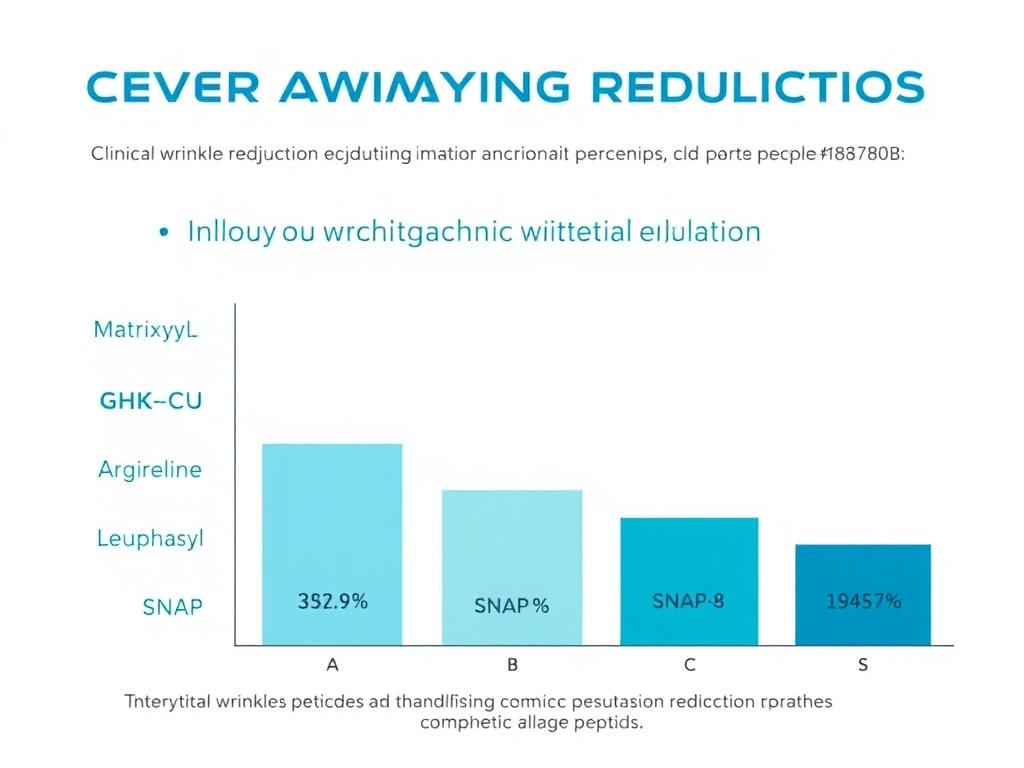
Chart: Reported Skin Parameter Changes After Peptide Treatment
% Change After 12 Weeks of Peptide Serum Use
Gaps in the Evidence
Despite the generally positive clinical data, there are significant gaps in the evidence base for cosmetic peptides:
Long-term data: Most clinical studies evaluate results after 4-12 weeks. Very few studies have followed subjects for 6 months or longer. We know very little about whether peptide benefits continue to accumulate with extended use, reach a plateau, or potentially diminish over time due to receptor desensitization or other adaptive mechanisms.
Comparative studies: Head-to-head comparisons between different peptides are rare. The few available (like the Argireline vs. Matrixyl study for crow's feet) are valuable but insufficient to establish a clear efficacy ranking. More comparative data would help both consumers and formulators make better-informed decisions.
Combination studies: While the Leuphasyl-Argireline combination study provides a model for how combination testing should be done, systematic evaluation of other peptide combinations is lacking. Given that most commercial products contain multiple peptides, understanding how they interact in combination is critically important.
Diverse populations: Most peptide studies have been conducted predominantly in Caucasian populations. Data on efficacy and safety in different skin types (Fitzpatrick III-VI) and different ethnic backgrounds is limited. Since skin structure, aging patterns, and barrier function vary across populations, this is a meaningful gap.
Independent replication: Many of the most-cited peptide studies were funded by the ingredient manufacturers and have not been independently replicated. While the results are consistent across multiple manufacturer-sponsored studies, independent verification would strengthen the evidence base considerably.
For those interested in how peptide research methodology compares to pharmaceutical clinical trial standards, the FormBlends Science page offers additional perspective on evidence-based evaluation of cosmetic ingredients.
Advanced Signal Peptide Science: Molecular Pathways and Emerging Sequences
The signal peptide category continues to expand as researchers identify new sequences and better understand the molecular pathways through which these molecules influence skin biology. This section provides a deeper look at the intracellular signaling cascades activated by cosmetic signal peptides and reviews several newer sequences that have entered the market in recent years.
The TGF-Beta Signaling Cascade in Detail
The transforming growth factor-beta (TGF-beta) pathway is the central signaling cascade through which most signal peptides exert their effects. Understanding this pathway in detail helps explain both the strengths and limitations of signal peptide therapy.
When a signal peptide like Matrixyl binds to its target receptor on the fibroblast surface, it triggers a conformational change in the receptor that activates an intracellular signaling cascade. The activated receptor phosphorylates a family of intracellular proteins called Smads (specifically Smad2 and Smad3). These phosphorylated Smads then form a complex with Smad4, and this complex translocates to the nucleus where it binds to specific DNA sequences called Smad-binding elements (SBEs) in the promoter regions of collagen genes.
The binding of the Smad complex to these promoter regions activates transcription of collagen genes, particularly COL1A1 (type I collagen alpha-1 chain) and COL3A1 (type III collagen alpha-3 chain). The resulting messenger RNA is translated into procollagen chains, which are then processed, assembled, and secreted into the extracellular space where they form mature collagen fibers.
This pathway also upregulates the expression of other ECM components, including elastin (ELN gene), fibronectin (FN1 gene), and various proteoglycans. The breadth of gene activation explains why signal peptides can simultaneously improve multiple aspects of skin structure, from firmness (collagen) to elasticity (elastin) to hydration (proteoglycans and GAGs).
An important regulatory aspect of this pathway involves the inhibitory Smads (Smad6 and Smad7), which provide negative feedback. These proteins can be upregulated by sustained TGF-beta signaling, potentially limiting the long-term effectiveness of signal peptide therapy. This feedback mechanism may explain why some users report a plateau in benefits after several months of use, though clinical data on this phenomenon is limited.
Beyond TGF-Beta: Alternative Signaling Pathways
While the TGF-beta pathway is the primary route for most signal peptides, newer research has identified additional pathways that some peptides can activate:
The Wnt/beta-catenin pathway: This pathway is important for skin stem cell maintenance and dermal regeneration. Some newer signal peptides are designed to activate Wnt signaling, potentially supporting the dermal stem cell population and enhancing the skin's long-term regenerative capacity. Activation of this pathway promotes fibroblast proliferation and migration, complementing the ECM production stimulated by TGF-beta signaling.
The Notch signaling pathway: Notch signaling plays a role in keratinocyte differentiation and epidermal homeostasis. Peptides that modulate this pathway can influence epidermal thickness, barrier function, and cellular turnover rate. While less directly related to the dermal collagen production that is the primary target of most signal peptides, Notch modulation can improve overall skin quality and function.
The MAPK/ERK pathway: Mitogen-activated protein kinase (MAPK) signaling is involved in cell proliferation, differentiation, and survival. Some signal peptides activate this pathway, promoting fibroblast proliferation and increasing the number of cells available to produce ECM proteins. This is a complementary mechanism to TGF-beta activation; while TGF-beta tells each fibroblast to produce more collagen, MAPK signaling increases the total number of fibroblasts.
Newer Signal Peptide Sequences
Acetyl Tetrapeptide-9 (Dermican)
This four-amino-acid peptide stimulates the synthesis of lumican, a small leucine-rich proteoglycan that plays a critical role in organizing collagen fibrils. Lumican acts as a molecular guide, ensuring that newly synthesized collagen fibers are properly aligned and assembled into organized bundles. Without adequate lumican, collagen fibers can form disorganized, tangled masses that don't provide the same structural support as properly organized collagen.
By increasing lumican production, acetyl tetrapeptide-9 addresses an often-overlooked aspect of collagen biology. Simply producing more collagen isn't sufficient for optimal skin structure; the collagen also needs to be correctly organized. This peptide is particularly valuable when combined with collagen-stimulating signal peptides like Matrixyl, as it ensures that the newly produced collagen is properly assembled into functional structures.
In vitro studies have shown that acetyl tetrapeptide-9 can increase lumican synthesis by up to 64% in fibroblast cultures. Clinical testing in a cream formulation demonstrated improvements in skin thickness and density after 56 days of twice-daily application, consistent with better-organized collagen architecture.
Acetyl Tetrapeptide-2
This peptide is designed to mimic the action of thymopoietin, a peptide hormone involved in immune regulation and cell differentiation. In the context of skin aging, acetyl tetrapeptide-2 stimulates the proliferation and differentiation of keratinocytes in the epidermis, promoting a healthier, thicker epidermis with improved barrier function.
While most signal peptides target dermal fibroblasts, acetyl tetrapeptide-2 addresses the epidermal thinning that occurs with age. The epidermis becomes thinner and less resilient as we age, contributing to the fragile, papery quality of aged skin. By stimulating epidermal renewal, this peptide complements the dermal-focused action of collagen-stimulating peptides.
Palmitoyl Tripeptide-28 (Progeline)
Progeline is a signal peptide inspired by research into progeria, a rare genetic condition that causes dramatically accelerated aging. In progeria, a mutant protein called progerin accumulates in cells, disrupting normal cellular function and accelerating the aging process. Interestingly, small amounts of progerin also accumulate in normal aging, contributing to age-related cellular dysfunction.
Palmitoyl tripeptide-28 was designed to reduce progerin production in skin cells. By decreasing progerin accumulation, it may help maintain normal cellular function for longer and slow the age-related decline in ECM production. In vitro studies showed that Progeline reduced progerin synthesis by up to 50% in fibroblast cultures and improved several markers of cell vitality. Clinical testing demonstrated improvements in jawline definition and skin firmness, effects attributed to better cellular function and continued ECM production.
Signal Peptides and Wound Healing
The wound-healing applications of signal peptides provide additional evidence for their biological activity. When skin is wounded, the body initiates a complex repair process that involves many of the same pathways that signal peptides target: fibroblast proliferation, collagen synthesis, ECM remodeling, and angiogenesis.
Several signal peptides have demonstrated enhanced wound healing in preclinical models. The Matrixyl microneedle patch study, for example, showed improved wound healing compared to conventional Matrixyl cream application, providing evidence that the peptide's biological activity extends beyond mere cosmetic improvement. Similarly, GHK-Cu has a long history of wound-healing research, with studies showing accelerated wound closure, improved scar quality, and enhanced tissue remodeling in treated wounds.
This wound-healing data is relevant to cosmetic applications for several reasons. First, it provides independent confirmation of the biological activity of these peptides using a different endpoint (wound closure rate) than the cosmetic studies (wrinkle reduction). Second, it suggests that signal peptides may help improve the quality of skin after injury, including acne scars, surgical scars, and other forms of tissue damage. Third, the wound-healing research uses more rigorous scientific methodologies than many cosmetic studies, strengthening the overall evidence base for signal peptide efficacy.
Related peptides with wound-healing properties, such as BPC-157 and TB-500, have been extensively studied for their tissue repair capabilities. While these are primarily researched for systemic rather than topical use, they illustrate the broad therapeutic potential of peptide-based approaches to tissue repair and regeneration.
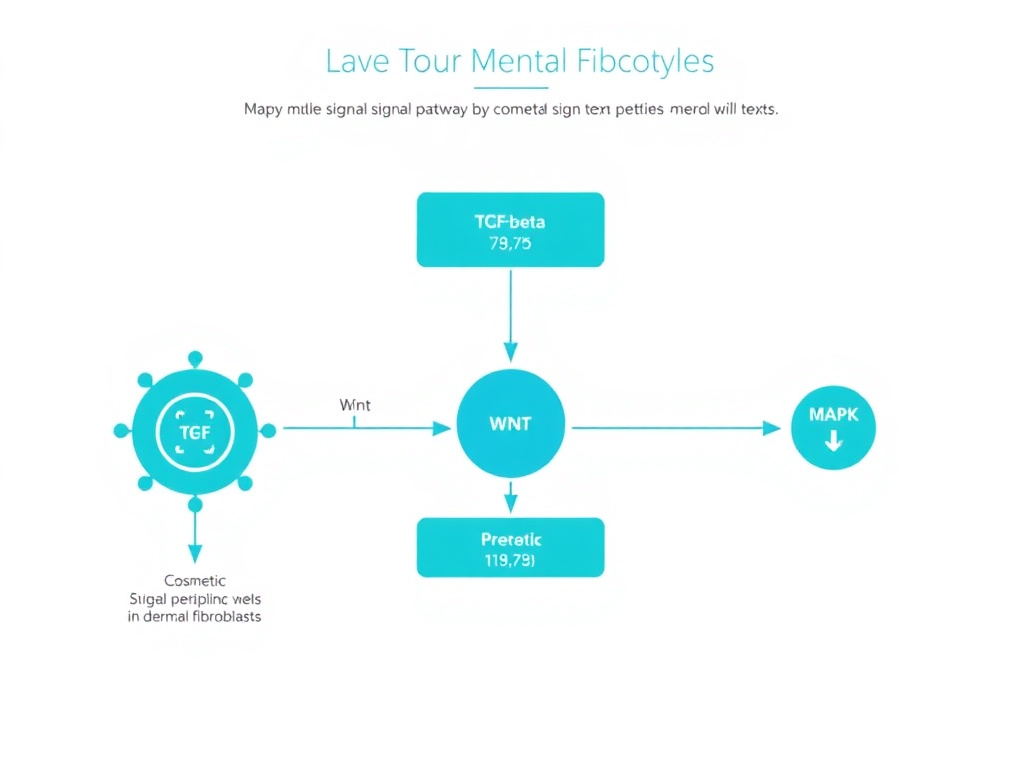
Carrier Peptide Science: GHK-Cu Gene Expression and Multi-Organ Effects
The discovery that GHK-Cu modulates over 4,000 human genes has elevated this carrier peptide from a simple copper delivery vehicle to one of the most fascinating molecules in regenerative biology. This section examines the gene expression data in detail and explores how GHK-Cu's multi-pathway activity translates into comprehensive skin rejuvenation effects.
Gene Expression Profiling: What GHK-Cu Actually Does
In 2014, a landmark gene expression study using the Connectivity Map (CMap) database revealed that GHK-Cu modulates 4,195 human genes at a concentration of just 1 micromolar. This represents approximately 6% of the entire human genome, an extraordinarily broad scope of activity for such a small molecule (molecular weight ~403 Da).
Analysis of these gene expression changes revealed several critical patterns:
Collagen and ECM genes: GHK-Cu upregulated multiple collagen genes, including COL1A1, COL3A1, COL5A1, and COL7A1. It also increased expression of genes encoding proteoglycans (decorin, versican), glycosaminoglycan-synthesizing enzymes, and matrix assembly proteins. Simultaneously, it downregulated genes encoding matrix-degrading enzymes, shifting the overall balance toward matrix preservation and renewal.
Antioxidant defense genes: The peptide upregulated key antioxidant genes, including superoxide dismutase (SOD1, SOD2, SOD3), catalase, and several glutathione-related genes. This genetic upregulation explains GHK-Cu's observed antioxidant activity and suggests that its protective effects extend beyond simple copper delivery to include a broader enhancement of the cellular antioxidant defense system.
DNA repair genes: GHK-Cu upregulated multiple DNA repair pathway genes, including those involved in base excision repair, nucleotide excision repair, and mismatch repair. This suggests that the peptide may help maintain genomic integrity in skin cells, potentially slowing the accumulation of DNA damage that contributes to cellular senescence and aging.
Anti-inflammatory genes: The gene expression data showed upregulation of anti-inflammatory pathways and downregulation of pro-inflammatory mediators. This is consistent with clinical observations of reduced inflammation in GHK-Cu-treated skin and suggests a mechanism for the peptide's observed ability to improve inflammatory skin conditions.
Stem cell-related genes: Perhaps most intriguingly, GHK-Cu modulated several genes associated with stem cell maintenance and pluripotency. While the implications of this finding are still being investigated, it raises the possibility that GHK-Cu may help maintain the dermal stem cell population that declines with age, potentially supporting the skin's long-term regenerative capacity.
The Copper Delivery Function in Context
The gene expression data puts GHK-Cu's copper delivery function in a new light. While the peptide certainly delivers copper to intracellular enzymes (and this function is important), the gene expression changes suggest that the GHK peptide sequence itself has significant biological activity independent of the copper ion. GHK without copper still modulates gene expression, though less extensively than the copper complex. The copper ion appears to amplify and modulate the peptide's gene-regulatory effects, with the GHK-Cu complex producing a more favorable pattern of gene expression changes than either component alone.
This has practical implications for formulation and use. While GHK alone has some activity, the copper complex is substantially more effective. Formulations that claim to contain "copper peptides" should specify that they contain the GHK-Cu complex, not just GHK or free copper. The GHK-Cu topical products available through FormBlends provide the complete GHK-Cu complex for optimal activity.
Comparative Analysis: GHK-Cu vs. Other Anti-Aging Ingredients
Several studies have directly compared GHK-Cu with other established anti-aging ingredients, providing useful benchmarks for its performance:
| Parameter | GHK-Cu | Retinol (0.1%) | Vitamin C (10%) | AHA (8% Glycolic) |
|---|---|---|---|---|
| Collagen stimulation | Moderate-High | High | Moderate | Low-Moderate |
| Wrinkle reduction (12 wk) | 16-22% | 15-25% | 10-15% | 8-12% |
| Firmness improvement | 22% | 15-20% | 10-15% | 5-10% |
| Tolerability | Excellent | Poor-Moderate | Good | Moderate |
| Photosensitivity risk | None | Yes | Minimal | Yes |
| Suitable for sensitive skin | Yes | Often not | Usually | Sometimes not |
| Anti-inflammatory | Strong | Moderate (after adaptation) | Moderate | None (can be pro-inflammatory) |
| Antioxidant | Strong (via SOD upregulation) | Weak | Strong (direct radical scavenging) | None |
This comparison illustrates why many dermatologists consider GHK-Cu an excellent all-around anti-aging ingredient. While retinol may produce slightly greater collagen stimulation, GHK-Cu's superior tolerability, anti-inflammatory effects, and antioxidant activity make it a more complete ingredient with fewer trade-offs. For patients who can tolerate both, using retinol and GHK-Cu in the same routine (at different times of day) may provide the most comprehensive benefits.
GHK-Cu and Cellular Senescence
One of the most exciting recent findings about GHK-Cu relates to its potential effects on cellular senescence. Senescent cells accumulate in aged skin and drive aging through the SASP (senescence-associated secretory phenotype). The gene expression data suggests that GHK-Cu may reduce the proportion of senescent cells in the skin by either preventing cells from entering senescence or promoting the clearance of existing senescent cells.
This is a fundamentally different mechanism from the collagen stimulation that is the primary focus of most signal peptides. If confirmed by further research, it would mean that GHK-Cu doesn't just treat the symptoms of aging (collagen loss, wrinkles) but actually addresses one of its underlying causes (cellular senescence). This positions GHK-Cu alongside emerging senolytic therapies as a potential agent for addressing aging at a more fundamental biological level.
The parallels with other anti-aging peptide research are noteworthy. Epithalon, for example, has been studied for its effects on telomerase activation, which is another approach to addressing cellular aging at the molecular level. While the mechanisms are different (telomere extension vs. senescence modulation), both approaches reflect the growing understanding that effective anti-aging interventions need to address the root causes of aging, not just its cosmetic manifestations.
For a comprehensive review of the GHK-Cu literature, including both dermatological and systemic applications, see the GHK-Cu copper peptide research report on FormBlends.
Neurotransmitter Peptide Comparisons: Choosing the Right Expression Line Treatment
With multiple neurotransmitter-inhibiting peptides available, each targeting a different step in the muscle contraction cascade, choosing the right one (or the right combination) requires understanding their individual strengths and how they complement each other.
Mechanism Comparison Table
| Peptide | Target | Site of Action | Mean Wrinkle Reduction | Best Used For |
|---|---|---|---|---|
| SNAP-8 | SNARE complex (SNAP-25 mimicry) | Pre-synaptic (nerve terminal) | ~30% more active than Argireline; up to 63% max | All expression wrinkles; enhanced version of Argireline |
| Argireline | SNARE complex (SNAP-25 mimicry) | Pre-synaptic (nerve terminal) | 16-27% average; up to 48.9% subjective | Crow's feet, forehead lines; most clinical data |
| Leuphasyl | Enkephalin receptors (calcium influx inhibition) | Pre-synaptic (nerve terminal) | 11.6% alone; complementary with Argireline | Best as combination partner with SNAP-8 or Argireline |
| SYN-AKE | Nicotinic ACh receptor (competitive antagonist) | Post-synaptic (muscle fiber) | Up to 52% at 4% concentration | Forehead lines, glabellar lines |
Optimal Combination Strategies
The clinical data on Leuphasyl-Argireline pairing, where the combination produced a 25% average reduction compared to 16% and 12% individually, provides a powerful argument for multi-peptide neurotransmitter approaches. The logic extends further when you consider that SYN-AKE acts on the post-synaptic side of the junction, while all three other peptides act pre-synaptically.
A theoretically optimal neurotransmitter peptide combination would include:
- SNAP-8 as the primary SNARE complex inhibitor (superior to Argireline based on comparative data)
- Leuphasyl as a complementary partner targeting calcium influx
- SYN-AKE for post-synaptic receptor blockade
This three-peptide approach attacks the neuromuscular junction from three different angles: reducing the calcium signal that initiates vesicle fusion (Leuphasyl), interfering with the vesicle fusion machinery itself (SNAP-8), and blocking the post-synaptic receptor that acetylcholine binds to (SYN-AKE). In theory, this should produce a more complete modulation of muscle contraction than any single peptide alone.
However, there are practical considerations. Each additional peptide increases formulation cost and complexity, and the concentration of each individual peptide decreases if the total peptide load is kept constant. The ideal approach may depend on individual skin concerns: someone primarily troubled by crow's feet might prioritize SNAP-8 alone at a higher concentration, while someone with multiple expression line areas might benefit from the three-peptide combination at lower individual concentrations.
Duration and Reversibility
An important practical consideration for neurotransmitter peptides is the speed at which effects appear and disappear. Unlike signal peptides, which produce gradual structural changes over weeks, neurotransmitter peptides can produce noticeable effects more quickly because they're modulating an active physiological process (muscle contraction) rather than building new tissue.
Most users begin to notice some softening of expression lines within 1-2 weeks of consistent twice-daily application. Maximum effects are typically reached at 4-8 weeks. However, these effects are entirely dependent on continued use. Unlike Botox, which produces effects lasting 3-6 months after a single treatment, topical neurotransmitter peptides require ongoing daily application. If you stop using them, muscle contraction returns to normal within a few days, and expression lines gradually return to their pre-treatment depth over the following weeks.
This reversibility is actually a safety feature: there's no risk of prolonged unwanted muscle weakness. But it also means that neurotransmitter peptides need to be viewed as ongoing maintenance products rather than one-time treatments. Building them into a consistent daily routine is essential for sustained results.
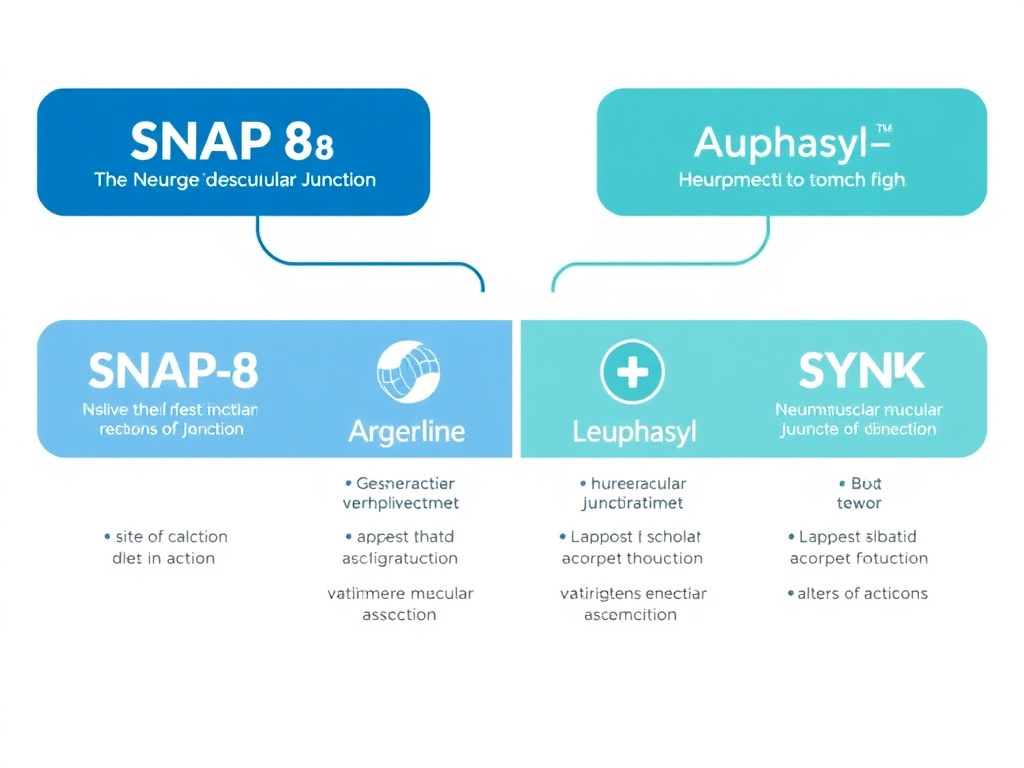
Peptide Delivery Optimization: Practical Formulation Strategies
Bridging the gap between laboratory efficacy and real-world performance requires sophisticated formulation approaches. This section covers advanced delivery strategies that maximize the amount of active peptide that reaches target cells in the skin.
The Skin Reservoir Effect
One important concept in topical peptide delivery is the "reservoir effect." When a peptide formulation is applied to the skin, a portion of the peptide accumulates in the stratum corneum, creating a reservoir from which the peptide gradually diffuses into deeper layers over the following hours. This reservoir effect means that a single application can continue to deliver peptide to the viable epidermis and dermis for 8-12 hours after application, even after the surface product has been absorbed or washed away.
The reservoir effect has practical implications for application frequency. Twice-daily application (morning and evening) provides near-continuous peptide delivery, as each application replenishes the SC reservoir before the previous one is fully depleted. This is consistent with the application protocols used in most clinical studies, which specify twice-daily use.
Occlusion (covering the skin with an impermeable layer) can enhance the reservoir effect and overall penetration. Applying a peptide serum under a thick moisturizer or overnight sleeping mask provides mild occlusion that increases SC hydration, swelling the corneocytes and opening up the intercellular channels through which peptides diffuse. This is one reason why night-time application of peptide serums, followed by a rich night cream, may be more effective than daytime application under lightweight moisturizers.
pH Gradient Strategies
An advanced formulation approach involves creating a pH gradient that facilitates peptide penetration. The skin's natural pH gradient (lower at the surface, higher in deeper layers) can be exploited by formulating peptides at a pH that maximizes their uncharged, membrane-permeable form. For most peptides, this means formulating at a pH near the peptide's isoelectric point (pI), where the net charge is zero and membrane permeability is at its highest.
However, this must be balanced against the pH requirements for peptide stability and the skin's own pH preferences. In practice, most peptide formulations use pH values of 4.5-6.0 as a compromise between penetration optimization, stability, and skin compatibility.
Emulsion Microstructure and Peptide Distribution
In emulsion-based formulations (creams and lotions), the distribution of the peptide between the water and oil phases significantly affects delivery. Lipophilically modified peptides (like palmitoylated sequences) may partition partially into the oil phase, which can either help or hinder delivery depending on the specific formulation.
If the peptide resides primarily in the oil phase, it has good affinity for the SC lipid matrix and may penetrate more readily through the intercellular route. However, excessive oil-phase partitioning can reduce the peptide's ability to release from the formulation in the first place, creating a "too comfortable" scenario where the peptide stays in the emulsion rather than transferring to the skin.
The ideal formulation places the peptide at the oil-water interface of the emulsion droplets, where it can readily partition into both the aqueous and lipid environments of the skin. This interfacial positioning is achieved through careful selection of emulsifiers and optimization of the emulsion microstructure, areas that require significant formulation expertise.
Multi-Layer Application Strategy
Some skincare professionals recommend a multi-layer application strategy for maximizing peptide delivery. This involves applying a thin layer of peptide serum, allowing it to partially absorb for 2-3 minutes, then applying a second thin layer. The theory is that the first layer begins to interact with the SC and "open up" the barrier slightly, allowing the second layer to penetrate more effectively.
While there's limited clinical data specifically testing this approach with cosmetic peptides, the concept is supported by general dermatological principles regarding layered application of topical medications. The key is to apply thin layers rather than thick ones, since excess product on the surface doesn't penetrate better and may actually impede absorption by forming a film that slows evaporation of the vehicle.
The Role of Pre-Treatment
Mild exfoliation before peptide application can improve penetration by thinning the SC barrier. This can be achieved through:
- Chemical exfoliation: Using a mild AHA or BHA exfoliant 30-60 minutes before peptide application. The exfoliant loosens the bonds between corneocytes, thinning the SC and creating easier pathways for peptide penetration. However, care must be taken to allow the skin's pH to normalize before applying pH-sensitive peptides.
- Enzymatic exfoliation: Protease-based exfoliants (like papain or bromelain) break down the protein bonds between corneocytes without requiring a low pH. This can be a gentler alternative to acid-based exfoliation, particularly for sensitive skin types.
- Physical exfoliation: Very gentle physical exfoliation (soft washcloth, konjac sponge) removes the outermost corneocyte layers and can modestly improve penetration. Aggressive scrubs should be avoided, as they can damage the barrier and cause irritation.
The trade-off with pre-treatment exfoliation is that a thinner SC provides less protection against environmental stressors and transepidermal water loss. Aggressive exfoliation before peptide application can compromise barrier function, leading to increased sensitivity and potentially reduced long-term skin health. A moderate approach - using gentle exfoliation 2-3 times per week rather than daily - strikes the best balance between enhanced peptide delivery and maintained barrier integrity.
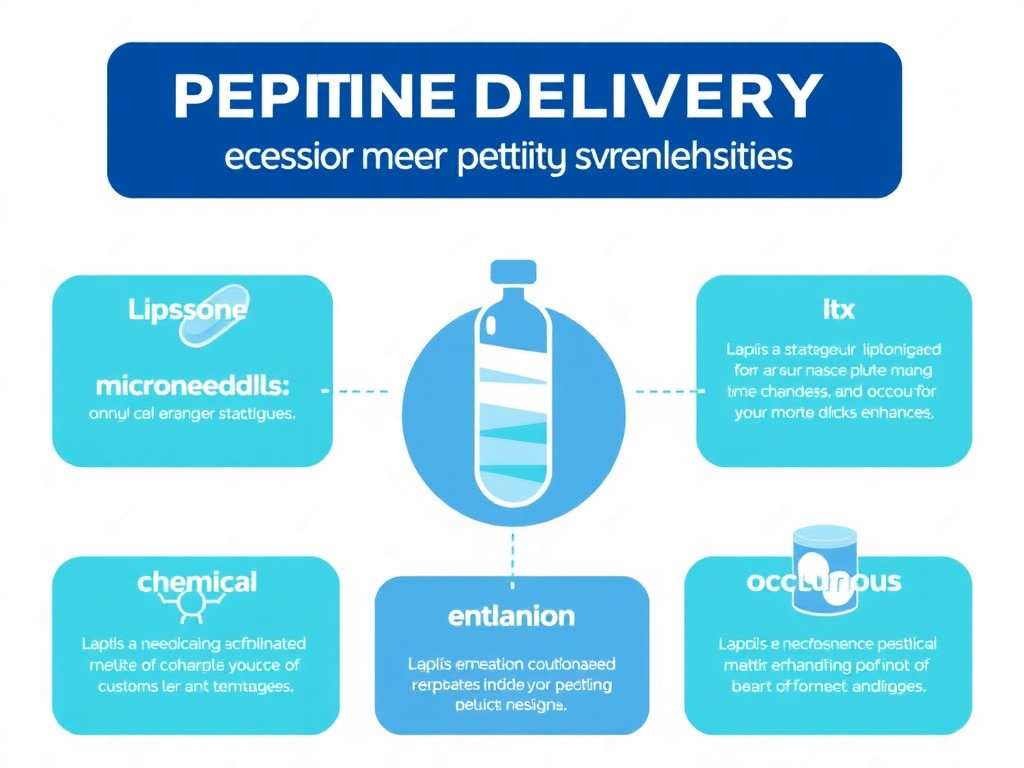
Comprehensive Ingredient Interaction Guide for Peptide Users
One of the most common questions in peptide skincare is which other ingredients can be safely combined with peptides and which should be kept separate. This guide provides detailed compatibility information for every major active ingredient category, going beyond the basics covered in the formulation chemistry section.
Peptides and Hyaluronic Acid
Hyaluronic acid (HA) is one of the best companion ingredients for peptides. HA and peptides are fully compatible and can be used in the same product or layered together without any concerns. In fact, the combination offers complementary benefits: HA provides immediate hydration by binding water in the skin, while peptides work on a longer timescale to improve structural integrity and reduce wrinkles.
Many peptide serums use hyaluronic acid as part of their base formulation, serving double duty as both a humectant and a vehicle component. HA helps maintain the hydration level of the stratum corneum, which can actually enhance peptide penetration by keeping the SC swollen and permeable. Multi-molecular-weight HA formulations (combining high, medium, and low molecular weight fractions) provide hydration at different depths and are particularly complementary to peptide delivery.
From a formulation chemistry perspective, HA is stable across the same pH range as most peptides (pH 4.5-7.0), doesn't react with peptide bonds, and doesn't interfere with receptor binding or enzyme inhibition. It's one of the few ingredients that can be unreservedly recommended as a peptide companion regardless of which peptide category you're using.
Peptides and Ceramides
Ceramides are lipids that form a critical component of the skin's barrier, and they're highly compatible with peptides. Using ceramide-containing moisturizers over peptide serums provides two benefits: barrier repair (ceramides help restore the lipid structure of the SC) and mild occlusion (the lipid-rich formula helps seal in the peptide serum and reduce transepidermal water loss).
The combination is particularly valuable because many anti-aging routines include ingredients that can compromise barrier function (retinoids, acids, frequent cleansing). Using ceramides alongside peptides helps maintain barrier integrity while the peptides work on collagen stimulation and wrinkle reduction. Some clinical evidence suggests that improved barrier function can also enhance the efficacy of topically applied peptides, since a healthy barrier may allow more controlled and sustained release of peptides from the SC reservoir.
Peptides and Azelaic Acid
Azelaic acid (typically used at 10-20% concentration) is compatible with most peptides and can be combined in the same routine. Azelaic acid functions at a pH of 4.0-5.0, which is within the acceptable range for most peptide formulations. It provides complementary benefits including anti-inflammatory effects, mild brightening activity, and antibacterial properties that can benefit acne-prone skin.
For best results, apply azelaic acid first (it needs the slightly lower pH to function optimally) and allow it to absorb for 5-10 minutes before applying peptide serum. This sequence ensures that the azelaic acid has time to interact with the skin at its optimal pH before the peptide product potentially raises the surface pH.
Peptides and Bakuchiol
Bakuchiol, the plant-derived retinol alternative, is fully compatible with peptides and can be used in the same product or routine without concerns. Unlike retinoids, bakuchiol doesn't lower pH significantly, doesn't cause significant barrier disruption, and doesn't produce photosensitivity. This makes it an excellent partner for peptides in routines designed for sensitive skin or for people who want retinoid-like benefits without the side effects.
Some newer formulations combine bakuchiol with signal peptides like Matrixyl, providing collagen stimulation through two parallel pathways (retinoid-like pathway via bakuchiol, TGF-beta pathway via the peptide). Early comparative studies suggest this combination may approach the efficacy of retinol-peptide combinations while offering much better tolerability.
Peptides and SPF Actives
Sunscreen actives (both mineral and chemical) are compatible with peptides. However, the order of application matters. Always apply peptide serums before sunscreen, as the sunscreen needs to form a continuous film on the skin surface to provide effective UV protection. Applying peptide serums over sunscreen can disrupt this film and reduce SPF efficacy.
Some chemical UV filters (particularly avobenzone) can be photolabile and may generate free radicals upon UV exposure. In theory, these free radicals could interact with peptides and accelerate their degradation. However, modern sunscreen formulations typically include photostabilizers that minimize this concern. Using a peptide serum under a well-formulated, photostable sunscreen should not cause significant peptide degradation.
Peptides and Benzoyl Peroxide
Benzoyl peroxide (BPO) is an oxidizing agent used to treat acne, and it can potentially degrade peptides through oxidative mechanisms. If using BPO and peptides in the same routine, apply them at different times of day (BPO in the morning, peptides in the evening, or vice versa). Avoid using them simultaneously or layering one directly over the other.
Methionine-containing peptides (like Argireline, which contains a methionine residue) are particularly susceptible to oxidation by BPO. If your routine includes both Argireline-containing products and benzoyl peroxide, keeping them at least 8-12 hours apart is recommended to prevent chemical interaction.
Peptides and EGF (Epidermal Growth Factor)
Epidermal growth factor and other growth factors are theoretically compatible with peptides, and both target skin regeneration through complementary pathways. EGF primarily affects keratinocyte proliferation and migration (epidermal renewal), while most signal peptides target fibroblast function (dermal renewal). Using both can provide comprehensive renewal from both the epidermal and dermal sides.
However, there's limited clinical data specifically evaluating the combination of growth factors with cosmetic peptides, and some concern exists about the potential for excessive growth stimulation when combining multiple proliferative signals. Most dermatologists consider the combination safe for cosmetic use, but those with a history of skin cancer or precancerous lesions should discuss the use of growth factor products with their healthcare provider.
The Layering Protocol: Putting It All Together
For a comprehensive routine that incorporates peptides alongside other active ingredients, here's an evidence-based layering protocol:
Morning:
- Gentle cleanser (pH 4.5-5.5)
- Vitamin C serum (L-ascorbic acid or derivative) - wait 5-10 minutes
- Peptide serum (Matrixyl and/or SNAP-8)
- Hyaluronic acid serum (if not already in peptide serum)
- Niacinamide serum or moisturizer (if not already in other products)
- Ceramide-containing moisturizer
- Broad-spectrum SPF 30+ sunscreen
Evening:
- Oil-based cleanser (to remove sunscreen and makeup)
- Water-based cleanser
- AHA/BHA exfoliant (2-3 times per week only) - wait 20-30 minutes on exfoliation nights
- Retinoid or bakuchiol (on non-exfoliation nights) - wait 15-20 minutes
- GHK-Cu topical serum (on nights not using vitamin C in the morning, or always if using ascorbyl derivative)
- Additional peptide serum if desired
- Rich moisturizer or sleeping mask
This protocol keeps incompatible ingredients separated by either time of day or wait periods, while maximizing the delivery and efficacy of each active ingredient. It can be simplified for those who prefer a less complex routine - the core elements are cleanser, one peptide serum, moisturizer, and sunscreen.
Regulatory Landscape for Cosmetic Peptides
The regulatory classification of cosmetic peptides varies significantly across different markets, affecting how they can be marketed, what claims can be made, and what testing is required. Understanding this landscape helps consumers evaluate product claims more critically.
United States: FDA Framework
In the United States, cosmetic peptides are regulated as cosmetic ingredients by the Food and Drug Administration (FDA). Under the Federal Food, Drug, and Cosmetic Act, products intended to alter the structure or function of the body are classified as drugs, not cosmetics. This creates a regulatory gray zone for peptides, which clearly do alter skin structure (stimulating collagen production, modulating neurotransmitter release) but are marketed as cosmetics rather than drugs.
The FDA generally allows this classification as long as the product's labeling and marketing make cosmetic claims (improving appearance, reducing the look of wrinkles) rather than drug claims (treating, curing, or preventing disease). The practical result is that cosmetic peptides can be sold without the extensive clinical testing required for drugs, but they also can't make therapeutic claims. Phrases like "reduces the appearance of wrinkles" are acceptable cosmetic claims, while "treats wrinkles" would be a drug claim requiring FDA approval.
Cosmetic ingredients in the US don't require pre-market approval from the FDA, but they must be safe for their intended use under the conditions of use specified in their labeling. Manufacturers are responsible for ensuring safety, and the FDA can take action against products found to be unsafe or misbranded.
European Union: Cosmetics Regulation
The EU regulates cosmetic peptides under Regulation (EC) No 1223/2009, which requires a more structured safety assessment than the US system. Before a cosmetic product can be placed on the EU market, it must undergo a safety assessment by a qualified Safety Assessor, and a Cosmetic Product Safety Report must be prepared and maintained.
The EU also maintains a positive list of permitted cosmetic ingredients and a negative list of prohibited substances. Most cosmetic peptides are not specifically listed on either list, meaning they're permissible as long as they pass the required safety assessment. The EU is generally more restrictive than the US regarding the claims that can be made for cosmetic products, and all claims must be supported by evidence.
Implications for Consumers
The regulatory framework for cosmetic peptides means that consumers need to be informed evaluators of product claims. Because cosmetic peptides don't undergo the rigorous clinical testing required of drugs, the quality and quantity of evidence supporting different products varies widely. Some products are backed by well-designed clinical studies; others rely primarily on in vitro data or manufacturer-sponsored testing that may not meet the standards of independent clinical research.
When evaluating peptide products, look for:
- Published clinical studies in peer-reviewed journals, not just manufacturer-provided data sheets
- Specific ingredient concentrations that match those used in clinical studies
- Transparent ingredient lists that clearly identify the specific peptides used (INCI names, not just trade names)
- Realistic claims that align with the clinical evidence (e.g., "improves the appearance of fine lines" rather than vague superlatives)
- Third-party testing or certifications that verify ingredient identity and purity
Resources like the FormBlends Science page and the individual research reports available through the Peptide Hub provide evidence-based information that can help consumers make more informed purchasing decisions.
Peptide Skincare Myths and Misconceptions
As peptides have risen to prominence in the skincare market, a number of myths and misconceptions have taken root. Some overstate what peptides can do, while others unfairly dismiss them. This section addresses the most common misunderstandings with evidence-based corrections.
Myth 1: Peptides Can Replace Botox
This is probably the most persistent myth in peptide skincare, fueled by marketing language that positions neurotransmitter-inhibiting peptides as "topical Botox." While peptides like SNAP-8 and Argireline do target the same molecular machinery as botulinum toxin, their effects are qualitatively and quantitatively different.
Botox is injected directly into specific muscles at precise doses, producing near-complete inhibition of muscle contraction that lasts 3-6 months. Topical neurotransmitter peptides must first penetrate the skin barrier (inefficiently), then reach the neuromuscular junction, where they produce partial modulation of neurotransmitter release. The result is a softening of expression lines rather than the dramatic smoothing that Botox provides.
The honest assessment: neurotransmitter peptides can meaningfully reduce expression wrinkles by 20-30% on average, which is noticeable and valuable. But they can't replicate the 80-100% wrinkle reduction that a well-administered Botox treatment achieves. They're a useful complement to Botox (helping extend the interval between treatments) or an alternative for people who prefer to avoid injections, but they're not a replacement.
Myth 2: All Peptide Products Are Created Equal
This couldn't be further from the truth. The efficacy of a peptide product depends on multiple factors: which specific peptides are included, their concentration, the formulation pH, the delivery system, storage conditions, and the overall product design. A well-formulated serum with 5% Matrixyl solution in an appropriate vehicle at optimal pH will dramatically outperform a product that includes a trace amount of Matrixyl along with a dozen other peptides at sub-therapeutic concentrations.
The practice of "fairy-dusting," where small amounts of many trendy ingredients are added to a product for marketing purposes, is unfortunately common in the peptide skincare space. Products that list eight or ten different peptides near the end of their ingredient list are almost certainly using each peptide at concentrations well below what's been shown to be effective in clinical studies. Fewer peptides at higher concentrations is generally a better approach than many peptides at negligible levels.
Myth 3: Peptides Don't Work Because They Can't Penetrate the Skin
This myth contains a grain of truth but reaches the wrong conclusion. It's accurate that most peptides have difficulty crossing the stratum corneum, and that only a small fraction of topically applied peptide reaches its target cells. However, "small fraction" doesn't mean "zero." Clinical studies consistently demonstrate measurable, statistically significant improvements from topical peptide application, proving that enough peptide does reach the target tissue to produce biological effects.
The penetration challenge is real, but it's being addressed through multiple strategies: lipid conjugation (palmitoylation), advanced delivery systems (liposomes, nanoparticles), chemical penetration enhancers, and physical methods (microneedles). Clinical formulations account for low penetration rates by using concentrations high enough that even a small percentage reaching the target tissue is sufficient to produce effects.
Myth 4: You Need to Use Peptides Forever or They Stop Working
This requires some nuance. The effects of peptides do depend on continued use. If you stop applying a peptide product, the enhanced collagen production will gradually return to its natural (age-appropriate) rate, and the benefits of neurotransmitter modulation will reverse within days. However, structural improvements in collagen density that accumulated during use don't immediately disappear; collagen has a half-life of several years, so the structural gains persist for some time even after discontinuing the product.
Think of it this way: using peptides is like exercising regularly. The fitness benefits persist for some time after you stop exercising, but they gradually fade if you don't resume. This isn't a flaw in peptide skincare; it's a reflection of the fact that skin aging is an ongoing process that requires ongoing intervention.
Myth 5: Natural Peptides Are Better Than Synthetic Ones
Some marketing promotes "natural" peptides derived from food sources (collagen hydrolysates, soy peptides, rice peptides) as superior to synthetic peptides. In reality, the source of a peptide doesn't determine its efficacy; what matters is the specific amino acid sequence, its modifications, and its formulation.
Synthetic peptides have several advantages over natural ones: they can be designed with specific sequences optimized for particular biological activities, they're produced to high purity standards without batch-to-batch variation, and they can incorporate chemical modifications (palmitoylation, acetylation) that improve stability and penetration. Many of the most clinically effective cosmetic peptides (Matrixyl, SNAP-8, Argireline, SYN-AKE) are entirely synthetic.
Natural peptides can also be effective, particularly soy and silk-derived peptides with enzyme-inhibiting activity. But "natural" isn't inherently better, and many natural peptide sources produce complex mixtures where the specific active sequences are diluted by inactive peptide fragments.
Myth 6: Eating Collagen Peptides Is Just as Effective as Topical Application
Oral collagen supplements and topical collagen-stimulating peptides work through completely different mechanisms. When you consume collagen peptides orally, they're digested in the gut and absorbed as small peptide fragments and individual amino acids. Some evidence suggests that these fragments can stimulate systemic collagen production, but the mechanism, bioavailability, and specificity are different from topical application.
Topical signal peptides deliver specific sequences directly to the skin where they interact with local fibroblast receptors. They don't require digestion, intestinal absorption, or systemic distribution. The two approaches address collagen production through different routes and may actually be complementary rather than interchangeable.
Myth 7: Peptides Are Only for Aging Skin
While anti-aging is the primary marketing focus for peptides, many peptide types offer benefits for younger skin as well. Carrier peptides like GHK-Cu have wound-healing and anti-inflammatory properties valuable for acne-prone skin at any age. Enzyme-inhibiting peptides that target tyrosinase can help with hyperpigmentation regardless of age. Even signal peptides may have preventive value when used in the late 20s or early 30s, potentially slowing the decline in collagen production before it becomes clinically apparent.
A reasonable approach is to start using peptides in the late 20s to early 30s as a preventive measure, then gradually increase the intensity and variety of peptides used as visible signs of aging begin to appear. This is consistent with the general dermatological principle that prevention is easier and more effective than correction.
Cost-Benefit Analysis of Peptide Skincare
Peptide skincare products range from affordable drugstore options to premium formulations costing hundreds of dollars. Understanding the relationship between price, formulation quality, and expected outcomes helps consumers make smarter purchasing decisions.
What Drives the Cost of Peptide Products?
The primary cost drivers in peptide skincare are the peptide raw materials themselves, the delivery technology used, and the research and development investment behind the formulation.
Raw peptide costs vary dramatically. Simple tripeptides like GHK can be synthesized relatively inexpensively, while longer sequences like SNAP-8 (octapeptide) cost more per gram. Palmitoylation and other chemical modifications add further cost. The highest-cost peptides are proprietary sequences protected by patents, where the manufacturer can charge premium prices until patent expiration.
Delivery technology is another major cost factor. A simple aqueous peptide solution in a basic serum base is relatively inexpensive to produce, while liposomal encapsulation, nanostructured lipid carriers, or other advanced delivery systems significantly increase production costs. These advanced delivery systems can improve efficacy, but they also increase the retail price of the final product.
Research investment, clinical testing, stability studies, and regulatory compliance all contribute to the cost of well-formulated peptide products. Brands that invest in independent clinical testing, GMP-compliant manufacturing, and proper stability testing incur higher costs that are reflected in their pricing. Products from brands that skip these investments may be cheaper but may also be less effective or less stable.
Price vs. Efficacy: What the Data Shows
There's no straightforward correlation between price and efficacy in peptide skincare. Some mid-priced products from science-focused brands deliver better results than ultra-premium products from luxury brands, because the mid-priced brand invests in effective peptide concentrations and good formulation science rather than in luxury packaging and marketing.
Conversely, very inexpensive products are more likely to contain peptides at sub-therapeutic concentrations, since the raw materials cost alone for effective peptide concentrations exceeds the retail price of many budget products. A product that sells for $10 and claims to contain Matrixyl, SNAP-8, and GHK-Cu is almost certainly using all three at levels too low to produce the effects demonstrated in clinical studies.
The sweet spot for most consumers is mid-range products ($30-80 for a 30mL serum) from brands that focus on evidence-based formulation, disclose peptide concentrations, and can provide clinical or at least in vitro data supporting their products. Products in this range can afford to include peptides at effective concentrations while keeping the retail price accessible.
Peptides vs. Professional Treatments: A Value Comparison
| Treatment | Cost Per Session/Unit | Annual Cost | Expected Wrinkle Reduction | Maintenance |
|---|---|---|---|---|
| Topical peptide serum | $30-80 per bottle (lasts 2-3 months) | $120-480 | 15-45% | Daily application |
| Botulinum toxin injection | $300-600 per session | $900-1,800 (3 sessions) | 80-100% | Every 3-4 months |
| Dermal fillers | $600-1,200 per session | $600-1,200 (1-2 sessions) | Variable (volume restoration) | Every 6-18 months |
| Microneedling (professional) | $200-700 per session | $600-2,100 (3 sessions) | 20-40% | Every 4-6 weeks initially |
| Chemical peels (medium) | $150-400 per session | $450-1,200 (3 sessions) | 20-35% | Every 3-6 months |
This comparison illustrates that topical peptide products are the most affordable anti-aging option on an annual basis, though they produce more modest results than professional treatments. For many consumers, the combination of daily peptide skincare with periodic professional treatments provides the best overall value and outcomes.
The Free Assessment on FormBlends can help determine which peptide products might be most appropriate for your specific needs and budget, ensuring you invest in the formulations most likely to benefit your individual skin concerns.
Building a Peptide Skincare Routine: Practical Guidance
Understanding the science behind peptides is only half the battle. Building an effective peptide routine requires knowing when to apply different peptides, how to layer them with other products, and which combinations produce the best results. This section provides practical, evidence-based guidance for incorporating peptides into a complete skincare regimen.
Step-by-Step Routine Architecture
A well-designed peptide routine follows the general principle of applying products from thinnest to thickest consistency, with some important timing considerations for specific ingredient combinations.
Morning Routine
- Cleanser: A gentle, pH-balanced cleanser (pH 4.5-5.5) that doesn't strip the skin's acid mantle. Avoid harsh sulfate-based cleansers, which can damage the lipid barrier and reduce peptide penetration.
- Antioxidant serum (optional): If using a vitamin C serum, apply it first and allow 5-10 minutes for absorption. Choose an ascorbyl derivative rather than L-ascorbic acid if you plan to immediately follow with copper peptides.
- Peptide serum: Apply your primary peptide serum. A product containing signal peptides (like Matrixyl) and/or neurotransmitter peptides (like SNAP-8) works well in the morning.
- Moisturizer: A moisturizer with barrier-supportive ingredients (ceramides, fatty acids, cholesterol) helps seal in the peptide serum and maintains the skin's barrier function.
- Sunscreen (SPF 30+): Non-negotiable. UV exposure activates the MMPs that degrade collagen and triggers the inflammatory cascades that peptides are working to counteract. Using peptides without sun protection is like filling a bathtub with the drain open.
Evening Routine
- Double cleanse: An oil-based cleanser first (to remove sunscreen, makeup, and sebum), followed by a gentle water-based cleanser.
- Active treatment (optional): If using a retinoid, apply it here. Allow 20-30 minutes for absorption before applying peptides. On retinoid-free evenings, skip this step.
- Peptide serum: Apply your evening peptide serum. GHK-Cu topical works well in the evening because it can interact with retinoids in complex ways if applied too close together, and evening application avoids potential interactions with daytime vitamin C serums.
- Night cream or sleeping mask: A richer moisturizer for overnight recovery and barrier repair.
Peptide Combination Strategies
The most effective approach to peptide skincare involves combining peptides from different categories to address multiple aging mechanisms simultaneously. Here are evidence-based combination strategies:
Strategy 1: Signal + Neurotransmitter (Best for Expression Lines)
Combine Matrixyl (signal) with SNAP-8 or Argireline (neurotransmitter) in the same serum or layered sequentially. This addresses both the structural collagen loss that creates static wrinkles and the muscle contractions that create dynamic expression lines. Clinical data supports this combination approach, as the Argireline vs. Matrixyl study showed each peptide type addressing a different wrinkle mechanism.
Strategy 2: Signal + Carrier (Best for Overall Rejuvenation)
Combine a signal peptide like Matrixyl with a carrier peptide like GHK-Cu. The signal peptide tells fibroblasts to produce more collagen, while the carrier peptide delivers the copper cofactors needed for collagen crosslinking and antioxidant defense. Use them at different times of day if your vitamin C serum would conflict with copper peptides.
Strategy 3: Neurotransmitter Combination (Best for Deep Expression Lines)
Combine SNAP-8 (or Argireline) with Leuphasyl (pentapeptide-18). Clinical data demonstrates that this combination produces combined wrinkle reduction of approximately 25%, exceeding what either peptide achieves alone. This is the strongest evidence-based combination for addressing crow's feet, forehead lines, and frown lines.
Strategy 4: Comprehensive Multi-Category (Best for Advanced Anti-Aging)
Use peptides from all four categories: a signal peptide for collagen production, a carrier peptide for mineral delivery, a neurotransmitter peptide for expression line control, and an enzyme inhibitor for matrix protection. This requires either a multi-peptide product or a carefully layered routine. The key is to ensure that each peptide is present at an effective concentration rather than diluted across too many actives.
Timing and Consistency
Peptide skincare is a long game. Unlike some cosmetic ingredients that produce immediate (if temporary) visual effects, peptides work by gradually modifying cellular behavior. Most clinical studies measure outcomes at 8-12 weeks, and this timeframe reflects the biological reality of how long it takes for increased collagen synthesis to translate into visible skin improvement.
Here's a realistic timeline of what to expect:
- Weeks 1-2: Improved hydration from the product vehicle and any moisturizing peptides. Some users report a slight "glow" or smoothness improvement, largely attributable to the serum base rather than the peptides themselves.
- Weeks 2-4: Neurotransmitter-inhibiting peptides may begin to show effects on expression lines, as reduced muscle contraction allows existing creases to partially relax. Signal and carrier peptide effects are not yet visible.
- Weeks 4-8: Signal peptide effects begin to manifest. Increased collagen synthesis starts to improve skin firmness and smooth fine lines. Carrier peptide benefits (antioxidant defense, improved tissue repair) are beginning to accumulate.
- Weeks 8-12: The most significant improvements appear during this window. Studies consistently show the most pronounced differences between treatment and placebo at the 8-12 week mark, reflecting the time needed for cumulative collagen deposition to produce visible structural changes.
- Months 3-6+: Continued improvement may be possible with sustained use, though the rate of improvement likely slows as the skin approaches a new equilibrium between enhanced production and normal degradation. Long-term data is limited, but most dermatologists believe continued use provides ongoing benefits.
CONSISTENCY IS KEY
The most common reason peptide products "don't work" is inconsistent use. Applying a peptide serum sporadically, or using it for only 2-3 weeks before giving up, is unlikely to produce the results seen in clinical studies where subjects applied products twice daily for 8-12 weeks without interruption. Treat peptide skincare like any other health routine: the benefits come from sustained, consistent application over time.
Special Considerations by Skin Type
Oily/acne-prone skin: Peptides are generally well-tolerated by oily skin types. Choose lightweight, water-based serums over rich creams. Signal and neurotransmitter peptides are appropriate for all skin types. Copper peptides (GHK-Cu) may have additional benefits for acne-prone skin due to their anti-inflammatory and wound-healing properties, potentially helping with post-inflammatory hyperpigmentation and acne scarring.
Sensitive/reactive skin: Peptides are among the best-tolerated active skincare ingredients, making them an excellent choice for sensitive skin types who can't tolerate retinoids, AHAs, or vitamin C. Start with a single peptide product (a signal peptide serum is a good starting point) and add additional peptide products gradually. Avoid formulations with fragrances, essential oils, or high concentrations of alcohol, which can trigger sensitivity reactions regardless of the peptide content.
Dry/mature skin: Choose peptide products in richer vehicles (creams, oil-based serums) that provide additional emollient and occlusive benefits. Mature skin benefits particularly from the combination of signal peptides (to stimulate declining collagen production) and carrier peptides (to support enzymatic repair processes that slow with age). Products containing hyaluronic acid alongside peptides provide both structural and hydration benefits.
Darker skin tones (Fitzpatrick IV-VI): Peptides are generally safe and effective across all skin tones. For those concerned about hyperpigmentation (a common concern in darker skin), enzyme-inhibiting peptides that target tyrosinase can be particularly valuable. Copper peptides should be used cautiously in darker skin types, as copper is a cofactor for tyrosinase and could theoretically stimulate melanin production in some individuals, though clinical evidence of this effect is limited.
What NOT to Do
- Don't combine copper peptides with L-ascorbic acid at the same time. Copper catalyzes vitamin C oxidation and can generate free radicals. Use them at different times of day.
- Don't use peptide serums under very acidic products (pH below 3.5). The low pH can degrade the peptides. If using acid exfoliants, apply them at a different time of day or allow the skin's pH to normalize before applying peptides.
- Don't expect overnight results. Peptides work through biological mechanisms that take weeks to produce visible changes. Set realistic expectations based on the 8-12 week timelines reported in clinical studies.
- Don't assume more peptides means better results. A product with 15 different peptides at minuscule concentrations may be less effective than a product with 2-3 peptides at proper therapeutic levels. Quality and concentration matter more than variety.
- Don't skip sunscreen. UV exposure activates MMPs and inflammatory pathways that directly counteract the collagen-building effects of peptides. Any peptide routine without sun protection is fundamentally compromised.
For a personalized recommendation on which peptides might benefit your specific skin concerns, consider taking the Free Assessment on FormBlends, which can help match you with appropriate products based on your skin type and goals.
Safety and Tolerability of Cosmetic Peptides
One of the strongest selling points of cosmetic peptides is their excellent safety profile. Across all four categories, peptides are among the best-tolerated active skincare ingredients available, with very low rates of adverse effects even with prolonged use. This section reviews the safety data and addresses common concerns.
General Safety Profile
Peptides, as short chains of amino acids, are biochemically similar to naturally occurring molecules in the body. This inherent biocompatibility is a major factor in their excellent tolerability. Unlike retinoids, alpha-hydroxy acids, or hydroquinone, which can cause irritation, peeling, photosensitivity, or other adverse effects, peptides rarely produce any noticeable side effects.
The safety of cosmetic peptides has been evaluated through multiple testing frameworks:
- Patch testing: Standard dermatological patch tests (typically 48-72 hour occlusive patches) have consistently shown no irritation or sensitization with cosmetic peptides at the concentrations used in commercial products.
- Repeat insult patch testing (RIPT): Extended testing protocols involving repeated application over several weeks have confirmed no cumulative irritation or allergic sensitization.
- Clinical trial adverse event monitoring: Across the clinical studies reviewed in this report, adverse events attributable to peptide ingredients are essentially absent. The Matrixyl, GHK-Cu, Argireline, and SNAP-8 studies all report good to excellent tolerability.
- Post-market surveillance: Cosmetic peptides have been in widespread commercial use for over two decades, and the rate of reported adverse events remains extremely low.
Category-Specific Safety Considerations
Signal Peptides
Signal peptides like Matrixyl and its variants have an excellent safety record. There are no significant safety concerns specific to this category. The peptides stimulate natural cellular processes (collagen and ECM synthesis) without introducing foreign biochemical activities. They don't cause photosensitivity, don't thin the skin, and don't produce the "purging" reaction sometimes seen with retinoids.
Carrier Peptides
GHK-Cu and other copper peptides are also well-tolerated. The primary theoretical concern with copper peptides is the potential for copper-mediated oxidative stress, since free copper can catalyze Fenton reactions that generate hydroxyl radicals. However, in the GHK-Cu complex, the copper is tightly bound to the peptide and is released in a controlled manner intracellularly, where it serves as a cofactor for antioxidant enzymes (including SOD) rather than as a pro-oxidant. Clinical studies have not reported oxidative damage from topical GHK-Cu use.
One theoretical concern specific to copper peptides relates to their potential effects on melanin production, since tyrosinase is a copper-dependent enzyme. In theory, providing additional copper to melanocytes could stimulate melanin synthesis. However, clinical evidence of hyperpigmentation from copper peptide use is essentially absent, likely because the amount of copper delivered through topical application is small relative to the copper already available from dietary sources.
Neurotransmitter-Inhibiting Peptides
The primary safety question around neurotransmitter peptides like SNAP-8 and Argireline is whether they could cause unwanted muscle weakness or paralysis. The answer is reassuringly clear: at the concentrations used in cosmetic products, these peptides modulate rather than block neurotransmitter release. They soften muscle contractions without eliminating them, and the effect is fully reversible upon discontinuation. There is no risk of the ptosis (eyelid drooping) or facial asymmetry that can occasionally result from Botox injections.
The topical delivery route provides an additional safety margin. Because only a small fraction of the applied peptide reaches the neuromuscular junction, the effective concentration at the target site is well below the level that could produce clinically significant muscle weakness. Additionally, the peptide effects are local rather than systemic, so there is no risk of the distant muscle weakness that could theoretically occur with systemic administration.
Enzyme-Inhibiting Peptides
Enzyme-inhibiting peptides are generally very safe. MMP-inhibiting peptides work to preserve existing collagen, which is a protective rather than disruptive function. Tyrosinase-inhibiting peptides can cause skin lightening, which is the intended effect, but users should be aware that overuse could potentially lead to uneven skin tone. As with all depigmenting agents, consistent sun protection is essential during use to prevent rebound hyperpigmentation.
Pregnancy and Breastfeeding Considerations
There is very limited data on the safety of cosmetic peptides during pregnancy and breastfeeding. Because topically applied peptides have minimal systemic absorption (only a small fraction penetrates through the skin, and what does reach the systemic circulation is rapidly metabolized), the theoretical risk to a developing fetus is extremely low. However, the absence of specific safety studies during pregnancy means that most dermatologists recommend a conservative approach.
Peptides are generally considered safer than retinoids (which are contraindicated in pregnancy) and are often recommended as alternative anti-aging ingredients for pregnant or nursing women. However, individual decisions should be made in consultation with a healthcare provider. Signal peptides and enzyme-inhibiting peptides are generally considered the lowest-risk categories for use during pregnancy.
Interactions with Medical Treatments
Cosmetic peptides are unlikely to interact with most medications. Their topical application, minimal systemic absorption, and rapid metabolism all limit the potential for drug interactions. However, two specific situations merit mention:
Botox and neurotransmitter peptides: Patients who receive botulinum toxin injections can safely use neurotransmitter-inhibiting peptides topically. In fact, some dermatologists recommend these peptides as a way to extend the interval between Botox treatments. The topical peptides complement rather than interfere with the injectable treatment.
Prescription retinoids and peptides: Prescription-strength retinoids (tretinoin, tazarotene) can be used alongside topical peptides, though the increased skin sensitivity from retinoids may warrant using peptides in a simpler formulation (without fragrance or other potential irritants). Some dermatologists recommend using retinoids and peptides on alternate evenings to minimize potential irritation while maximizing benefits from both.
For those exploring the broader world of peptide-based health interventions, including systemic peptides like BPC-157, TB-500, or NAD+, the safety considerations are quite different and should always be discussed with a qualified healthcare provider.
Emerging Research and Future Directions
The field of cosmetic peptides continues to evolve rapidly, driven by advances in peptide design, delivery technology, and our understanding of skin biology. This section highlights the most promising areas of current research and what they might mean for the future of peptide skincare.
AI-Assisted Peptide Design
Artificial intelligence and machine learning are transforming peptide discovery. Traditional peptide design relied on identifying natural signaling sequences and then modifying them for stability and penetration. AI approaches can screen millions of potential sequences computationally, predicting biological activity, stability, and skin penetration characteristics before a single molecule is synthesized. This dramatically accelerates the discovery process and enables the identification of novel sequences that might never have been found through traditional approaches.
Several companies are already using AI-designed peptides in commercial products, and the technology is expected to generate a new wave of more potent and better-optimized cosmetic peptides over the next decade. These computationally designed peptides may offer improved receptor binding, better enzymatic stability, and enhanced skin penetration compared to peptides designed through conventional methods.
Advanced Delivery Systems
Delivery remains the field's biggest bottleneck, and significant research effort is focused on overcoming it. Some of the most promising approaches include:
Spicule-based systems: Sponge-derived silica spicules create microchannels in the stratum corneum, enabling enhanced peptide penetration without the complexity of microneedle patches. Studies have shown that spicule pretreatment can increase peptide penetration by 5-10 fold compared to untreated skin.
Exosome delivery: Exosomes (naturally occurring nanovesicles released by cells) are being explored as peptide delivery vehicles. Because exosomes are derived from biological sources, they may interact more naturally with skin cells than synthetic nanoparticles, potentially achieving better intracellular delivery of peptide payloads.
Biomimetic nanoparticles: Nanoparticles coated with cell membrane fragments can mimic the surface properties of natural cells, potentially enabling them to fuse with skin cell membranes and deliver their peptide payload directly into the cytoplasm. This approach is still in early development but shows promise for bypassing the endosomal trapping that limits the intracellular delivery of many nanoparticle systems.
Senolytic Peptides
A particularly exciting area of research involves peptides that target senescent cells in the skin. These "zombie cells" contribute to aging through the SASP (senescence-associated secretory phenotype), which drives chronic inflammation and matrix degradation. Senolytic peptides are designed to selectively eliminate senescent cells while leaving healthy cells intact, potentially addressing one of the root causes of skin aging rather than just treating its symptoms.
Research into related anti-aging peptides like Epithalon, which has been studied for its effects on telomerase activation, reflects the growing interest in peptides that target fundamental aging mechanisms rather than just cosmetic endpoints. While these applications are still largely in the research phase, they point toward a future where peptide skincare could address aging at a deeper biological level.
Personalized Peptide Formulations
As genomic testing and skin analysis technologies become more accessible, there's growing interest in personalized peptide formulations tailored to an individual's specific skin biology. Genetic variations in collagen genes, MMP genes, melanin production pathways, and skin barrier function all influence how an individual's skin ages and how it responds to different peptide treatments. Personalized approaches could match specific peptide combinations and concentrations to an individual's genetic profile, potentially improving efficacy and reducing the trial-and-error approach that most consumers currently experience.
Multi-Functional Peptides
The traditional four-category classification system is being challenged by newer peptides that exhibit multiple mechanisms of action simultaneously. For example, some newer sequences combine signal peptide activity (stimulating collagen production) with enzyme-inhibiting properties (blocking MMP-mediated collagen degradation) in a single molecule. These multi-functional peptides could simplify formulations while providing more comprehensive anti-aging benefits.
The concept extends to peptides that address aging mechanisms beyond the traditional skincare domain. Peptides that modulate circadian clock genes in skin cells, peptides that enhance the skin's microbiome health, and peptides that target mitochondrial function in skin cells are all active areas of investigation. These novel mechanisms could expand what topical peptides can achieve beyond the current paradigm of collagen stimulation, mineral delivery, muscle relaxation, and enzyme inhibition.
Frequently Asked Questions
How do peptides actually work in skincare?
Peptides in skincare work by mimicking natural signaling molecules in the skin. When applied topically, they can bind to receptors on skin cells and trigger specific biological responses. Signal peptides stimulate fibroblasts to produce more collagen and elastin. Carrier peptides deliver essential minerals like copper to support enzymatic repair processes. Neurotransmitter-inhibiting peptides modulate muscle contraction to reduce expression wrinkles. Enzyme-inhibiting peptides block the enzymes that break down collagen or produce excess melanin. The specific mechanism depends on the peptide category and sequence, but the core principle is always the same: using short amino acid chains to influence cellular behavior in ways that counteract the aging process.
Can peptides penetrate the skin barrier?
This is the biggest challenge facing peptide skincare. The stratum corneum is designed to keep foreign molecules out, and most peptides are too large and too hydrophilic to cross it easily. However, chemical modifications like palmitoylation (attaching a fatty acid chain) can improve penetration by making the peptide more lipophilic. Delivery technologies including liposomes, nanoparticles, and microneedles can also enhance penetration. While only a small percentage of topically applied peptide reaches the dermis, clinical studies demonstrate that this amount is sufficient to produce measurable effects when products are formulated at appropriate concentrations.
What is the difference between Matrixyl and SNAP-8?
Matrixyl (palmitoyl pentapeptide-4) is a signal peptide that stimulates fibroblasts to produce more collagen, elastin, and other structural proteins. It addresses static wrinkles caused by collagen loss. SNAP-8 (acetyl octapeptide-3) is a neurotransmitter-inhibiting peptide that reduces muscle contractions by interfering with the SNARE complex, addressing dynamic expression wrinkles like crow's feet and forehead lines. They work through completely different mechanisms and target different types of wrinkles, making them complementary rather than competing ingredients. Using both together addresses a wider range of aging concerns than either one alone.
Are peptides better than retinol for anti-aging?
Peptides and retinol work through different mechanisms and have different strengths. Retinol stimulates collagen production through the retinoic acid receptor pathway and accelerates cell turnover, with decades of clinical evidence supporting its efficacy. Peptides work through a variety of mechanisms depending on the type. The main advantage of peptides over retinol is tolerability: peptides rarely cause irritation, peeling, or photosensitivity, while retinol commonly produces these side effects, especially at the start of treatment. Studies comparing GHK-Cu with retinol found comparable efficacy with better tolerability for the copper peptide. For many people, using both ingredients in the same routine (at different times of day) provides the best results.
How long does it take to see results from peptide skincare?
Results depend on the type of peptide and the skin concern being addressed. Neurotransmitter-inhibiting peptides like SNAP-8 may begin softening expression lines within 2-4 weeks. Signal peptides like Matrixyl typically require 8-12 weeks to produce visible improvements in skin firmness and wrinkle depth, because collagen synthesis is a slow biological process. Most clinical studies measure outcomes at the 12-week mark. Consistency is essential; peptide products need to be applied daily, typically twice daily, to achieve the results demonstrated in clinical research. Occasional or intermittent use is unlikely to produce meaningful benefits.
Can I use copper peptides with vitamin C?
Copper peptides (GHK-Cu) should not be used simultaneously with L-ascorbic acid (the most common form of vitamin C). The copper ion can catalyze the oxidation of ascorbic acid, degrading the vitamin C and potentially generating free radicals. The solution is simple: use vitamin C in the morning and copper peptides in the evening, or on alternate days. Alternatively, choose a vitamin C derivative (like ascorbyl glucoside or sodium ascorbyl phosphate) that is less susceptible to copper-catalyzed oxidation. Other types of peptides (signal, neurotransmitter, enzyme-inhibiting) are generally compatible with vitamin C.
Is SNAP-8 a safe alternative to Botox?
SNAP-8 targets the same SNARE complex as Botox but works through competitive inhibition rather than enzymatic cleavage, and it's applied topically rather than injected. This means it modulates muscle contraction rather than blocking it completely. Clinical studies show it can reduce wrinkle depth by up to 63% in some individuals (though average results are more modest). It's very safe - there's no risk of the ptosis, bruising, or "frozen" appearance that can occur with Botox. However, it's less powerful than Botox, with average wrinkle reductions of 20-30% compared to 80-100% for Botox. Many people use SNAP-8 between Botox treatments to extend the interval between injections. See the SNAP-8 research report for more detail.
What are the best peptides for sensitive skin?
Peptides are among the best-tolerated active skincare ingredients, making them ideal for sensitive skin types. Signal peptides like Matrixyl and carrier peptides like GHK-Cu have particularly strong tolerability profiles, with clinical studies consistently reporting no irritation or sensitization. For sensitive skin, choose peptide products with minimal additional ingredients, avoiding fragrances, essential oils, and high concentrations of alcohol. Start with a single peptide product and introduce additional peptides gradually. Peptides are an excellent alternative for people who can't tolerate retinoids, AHAs, or vitamin C.
Do peptide serums actually work, or is it all marketing?
The evidence says peptide serums can work, but results are product-dependent. Clinical studies using properly formulated products at adequate concentrations consistently show measurable improvements in wrinkle depth, skin firmness, and texture. However, not all commercial products contain peptides at the concentrations used in clinical studies. Products where peptides appear near the end of the ingredient list may contain too little active ingredient to produce meaningful effects. Look for products where peptide ingredients are listed in the top portion of the INCI list, or where the manufacturer specifies the peptide concentration. The strongest clinical evidence supports Matrixyl, GHK-Cu, Argireline, and SNAP-8.
Can peptides help with acne scars and hyperpigmentation?
Yes, certain peptides can help with both concerns. GHK-Cu (copper peptide) has wound-healing and remodeling properties that may help improve the appearance of acne scars over time by stimulating orderly collagen deposition and tissue remodeling. For hyperpigmentation, enzyme-inhibiting peptides that target tyrosinase (the rate-limiting enzyme in melanin synthesis) can help reduce excess pigmentation. Nonapeptide-1 and oligopeptide-68 are specifically designed for skin-brightening applications. These peptides work more gently than hydroquinone and don't carry the same risk of ochronosis (paradoxical darkening) with long-term use.
What concentration of peptides should I look for in skincare products?
Most clinical studies use peptide trade solutions at concentrations of 2-10%, which translates to actual peptide concentrations of roughly 0.001-0.05% of the final product. Because cosmetic regulations don't require concentration disclosure, consumers often have to rely on ingredient list position as a proxy. Peptides listed in the first third of the ingredient list are likely present at meaningful concentrations. Some brands now disclose specific percentages, such as "5% Matrixyl" or "3% SNAP-8 solution," which makes comparison easier. Products listing ten or more peptides near the end of the ingredient list are likely using sub-therapeutic concentrations of each.
Are there any side effects of using peptide skincare?
Side effects from cosmetic peptides are extremely rare. Across all clinical studies reviewed in this report, adverse events attributable to peptide ingredients are essentially absent. Peptides don't cause the irritation, peeling, photosensitivity, or purging associated with retinoids and acids. They don't thin the skin. They're generally safe during pregnancy (though data is limited, and consulting a healthcare provider is recommended). The main "side effect" to be aware of is potential incompatibility with certain other ingredients: copper peptides should not be used simultaneously with L-ascorbic acid, and very low pH products can degrade peptides if layered directly on top of them.
What is the difference between signal peptides and carrier peptides?
Signal peptides (like Matrixyl) work by binding to receptors on fibroblast cell surfaces and triggering intracellular signaling cascades that upregulate the production of collagen, elastin, and other extracellular matrix proteins. They essentially send a "build more" message to skin cells. Carrier peptides (like GHK-Cu) function as molecular transporters, delivering essential trace minerals (particularly copper) to skin cells where they serve as cofactors for the enzymes that carry out tissue repair. While signal peptides tell cells what to do, carrier peptides provide the raw materials cells need to do it. Both categories are valuable, and using them together provides complementary benefits.
References
- Robinson LR, Fitzgerald NC, Patel DG, et al. Topical palmitoyl pentapeptide provides improvement in photoaged human facial skin. Int J Cosmet Sci. 2005;27(3):155-160. doi:10.1111/j.1467-2494.2005.00261.x
- Lintner K, Peschard O. Biologically active peptides: from a laboratory bench curiosity to a functional skin care product. Int J Cosmet Sci. 2000;22(3):207-218. doi:10.1046/j.1467-2494.2000.00010.x
- Pickart L, Vassquez-Soltero JM, Margolina A. GHK Peptide as a Natural Modulator of Multiple Cellular Pathways in Skin Regeneration. Biomed Res Int. 2015;2015:648108. doi:10.1155/2015/648108
- Pickart L, Vassquez-Soltero JM, Margolina A. Regenerative and Protective Actions of the GHK-Cu Peptide in the Light of the New Gene Data. Int J Mol Sci. 2018;19(7):1987. doi:10.3390/ijms19071987
- Blanes-Mira C, Clemente J, Jodas G, et al. A synthetic hexapeptide (Argireline) with antiwrinkle activity. Int J Cosmet Sci. 2002;24(5):303-310. doi:10.1046/j.1467-2494.2002.00153.x
- Wang Y, Wang M, Xiao S, et al. The anti-wrinkle efficacy of argireline, a synthetic hexapeptide, in Chinese subjects: a randomized, placebo-controlled study. Am J Clin Dermatol. 2013;14(2):147-153. doi:10.1007/s40257-013-0009-9
- Mas-Chamberlin C, Mondon P, Maia Campos PM. Matrixyl Patch vs Matrixyl Cream: A Comparative In Vivo Investigation of Matrixyl (MTI) Effect on Wound Healing. ACS Omega. 2022;7(27):23851-23860. doi:10.1021/acsomega.2c02592
- Husein el Hadmed H, Castillo RF. Cosmeceuticals: peptides, proteins, and growth factors. J Cosmet Dermatol. 2016;15(4):514-519. doi:10.1111/jocd.12229
- Schagen SK. Topical peptide treatments with effective anti-aging results. Cosmetics. 2017;4(2):16. doi:10.3390/cosmetics4020016
- Pai VV, Bhandari P, Shukla P. Topical peptides as cosmeceuticals. Indian J Dermatol Venereol Leprol. 2017;83(1):9-18. doi:10.4103/0378-6323.196302
- Zhang L, Falla TJ. Cosmeceuticals and peptides. Clin Dermatol. 2009;27(5):485-494. doi:10.1016/j.clindermatol.2009.05.013
- Gorouhi F, Maibach HI. Role of topical peptides in preventing or treating aged skin. Int J Cosmet Sci. 2009;31(5):327-345. doi:10.1111/j.1468-2494.2009.00499.x
- Nasrollahi SA, Taghibiglou C, Azizi E, Firooz A. Cell-penetrating peptides as a novel transdermal drug delivery system. Chem Biol Drug Des. 2012;80(5):639-646. doi:10.1111/cbdd.12008
- Ita K. Dissolving microneedles for transdermal drug delivery: advances and challenges. Biomed Pharmacother. 2017;93:1116-1127. doi:10.1016/j.biopha.2017.07.019
- Kang NW, Kim MH, Sohn SY, et al. Curcumin-loaded lipid-hybridized cellulose nanofiber film ameliorates imiquimod-induced psoriasis-like dermatitis in mice. Biomaterials. 2018;182:245-258. doi:10.1016/j.biomaterials.2018.08.030
- Ganceviciene R, Liakou AI, Theodoridis A, et al. Skin anti-aging strategies. Dermatoendocrinol. 2012;4(3):308-319. doi:10.4161/derm.22804
- Weihermann AC, Lorencini M, Brohem CA, de Carvalho CM. Elastin structure and its involvement in skin photoageing. Int J Cosmet Sci. 2017;39(3):241-247. doi:10.1111/ics.12372
- Rittie L, Fisher GJ. UV-light-induced signal cascades and skin aging. Ageing Res Rev. 2002;1(4):705-720. doi:10.1016/S1568-1637(02)00024-7
- Fisher GJ, Kang S, Varani J, et al. Mechanisms of photoaging and chronological skin aging. Arch Dermatol. 2002;138(11):1462-1470. doi:10.1001/archderm.138.11.1462
- Kammeyer A, Luiten RM. Oxidation events and skin aging. Ageing Res Rev. 2015;21:16-29. doi:10.1016/j.arr.2015.01.001
- Kang S, Fisher GJ, Voorhees JJ. Photoaging: pathogenesis, prevention, and treatment. Clin Geriatr Med. 2001;17(4):643-659. doi:10.1016/S0749-0690(05)70091-4
- Jeong S, Yoon S, Kim S, et al. Anti-wrinkle benefits of peptides complex stimulating skin basement membrane proteins expression. Int J Mol Sci. 2020;21(1):73. doi:10.3390/ijms21010073
- Errante F, Ledwon P, Bhatt K, et al. Cosmeceutical peptides in the framework of sustainable chemistry. Green Chem. 2020;22(11):3608-3636. doi:10.1039/D0GC00783H
- Puig A, Antona A, Mangues R, et al. A new decorin-like tetrapeptide for optimal organization of collagen fibres. Int J Cosmet Sci. 2008;30(2):97-104. doi:10.1111/j.1468-2494.2008.00429.x
- Lipotec Active Ingredients. Leuphasyl technical documentation. 2022. Available at: daltosur.com/media/documents/leuphasyl-peptide-solutiontds052022.pdf
- Lupo MP, Cole AL. Cosmeceutical peptides. Dermatol Ther. 2007;20(5):343-349. doi:10.1111/j.1529-8019.2007.00148.x
- Fields K, Falla TJ, Rodan K, Bush L. Bioactive peptides: signaling the future. J Cosmet Dermatol. 2009;8(1):8-13. doi:10.1111/j.1473-2165.2009.00416.x
- Lima TN, Pedriali Moraes CA. Bioactive peptides in cosmetic formulations: Review of current in vitro and ex vivo evidence. Peptides. 2025;185:171320. doi:10.1016/j.peptides.2025.171320
- Bos JD, Meinardi MM. The 500 Dalton rule for the skin penetration of chemical compounds and drugs. Exp Dermatol. 2000;9(3):165-169. doi:10.1034/j.1600-0625.2000.009003165.x
- Pal GK, Suresh PV. Sustainable valorisation of seafood by-products: Recovery of collagen and development of collagen-based novel functional food ingredients. Innov Food Sci Emerg Technol. 2016;37:201-215. doi:10.1016/j.ifset.2016.03.015
- Pandey A, Jatana GK, Sonthalia S. Cosmeceuticals. In: StatPearls. 2024. Available at: ncbi.nlm.nih.gov/books/NBK544223/
- Ferreira MS, Magalhaes MC, Sousa-Lobo JM, Almeida IF. Trending anti-aging peptides. Cosmetics. 2020;7(4):91. doi:10.3390/cosmetics7040091
- Choi YL, Park EJ, Kim E, et al. Dermal stability and in-vitro skin permeation of collagen pentapeptides (KTTKS and palmitoyl-KTTKS). Biomol Ther. 2014;22(4):321-327. doi:10.4062/biomolther.2014.053
- Abu Ubeid A, Zhao L, Wang Y, Hantash BM. Short-sequence oligopeptides with inhibitory activity against mushroom and human tyrosinase. J Invest Dermatol. 2009;129(8):2242-2249. doi:10.1038/jid.2009.124
- Depciuch J, Sowa-Kucma M, Misztal-Dethloff B, et al. Peptides: Emerging candidates for the prevention and treatment of skin senescence: A review. Biomolecules. 2025;15(1):88. doi:10.3390/biom15010088
- Chen Y, Mandel M, Bhatt K. Insights into bioactive peptides in cosmetics. Cosmetics. 2023;10(4):111. doi:10.3390/cosmetics10040111
- Apone F, Barbulova A, Colucci MG. Plant and microalgae derived peptides are advantageously employed as bioactive compounds in cosmetics. Front Plant Sci. 2019;10:756. doi:10.3389/fpls.2019.00756
- Ledwoń P, Errante F, Papini AM, et al. Peptides as active ingredients: a challenge for cosmeceutical industry. Chem Biodivers. 2021;18(2):e2000833. doi:10.1002/cbdv.202000833
- Pickart L. The potential of GHK as an anti-aging peptide. Biomed Res Rev. 2022;5(1):22-27. doi:10.15761/BRR.1000139
- Ahmadi S, Rabiee N, Fatahi Y, et al. Green chemistry and coronavirus. Sustain Chem Pharm. 2021;21:100415. doi:10.1016/j.scp.2021.100415