Key Takeaway
Circadian Rhythm Peptide Improvement. Evidence-based biohacking guidance from FormBlends combining improvement strategies with physician-supervised protocols.
Circadian rhythm peptides represents an area where biohacking enthusiasm meets medical science. At FormBlends, we bridge this gap by offering physician-supervised protocols grounded in evidence. Below, we break down what the research supports, how to approach this topic safely, and when professional guidance is important.
Which biological pathways do these peptides influence?
About the biological mechanisms at play is the foundation for any effective improvement strategy. This topic involves several interconnected pathways:
- Metabolic signaling - How your body processes energy and nutrients is influenced by hormones, peptides, and cellular signals
- Hormonal balance - Targeted interventions can support hormonal improvement, which affects energy, body composition, and recovery
- Cellular health - Mitochondrial function, autophagy, and inflammation all play roles in how effectively your body responds to improvement efforts
- Recovery and adaptation - Your body's ability to recover from stressors and adapt to new demands is central to any biohacking protocol
Which circadian biohacks have the strongest evidence?
Not everything marketed as biohacking has science behind it. Here is what the research actually supports:
View data table
| Category | Evidence and Efficacy Score | Detail |
|---|---|---|
| Cold Exposure | 72 | Metabolic activation |
| Red Light | 65 | Mitochondrial support |
| CGM Tracking | 82 | Glucose optimization |
| Peptide Stacks | 70 | Targeted protocols |
| Nootropics | 55 | Cognitive enhancement |
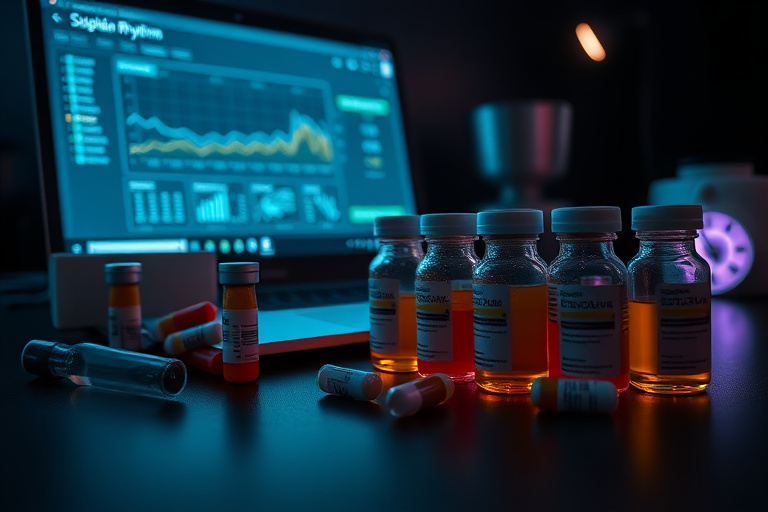
What do trials show about these peptides so far?
Clinical research in this area has accelerated in recent years, particularly as GLP-1 medications and peptide therapies have become more widely available. Large-scale trials and real-world evidence provide a growing evidence base .
Daily habits that support a healthy internal clock
- Start with assessment - Baseline labs and a thorough health evaluation let you measure progress objectively
- Prioritize sleep - Sleep quality affects every other improvement strategy. Fix this first if it's compromised sleep improvement
- Nutrition foundations - Adequate protein, micronutrient density, and meal timing support the biological processes you're trying to improve nutrition on GLP-1
- Training with purpose - Exercise should complement your protocol, not work against it. Resistance training is particularly valuable for body composition goals
When is a prescriber required before starting?
Some biohacking strategies are low-risk and can be self-directed (like cold exposure or meal timing). Others, particularly those involving peptides, medications, or hormonal interventions, require medical oversight:
From the FormBlends catalog
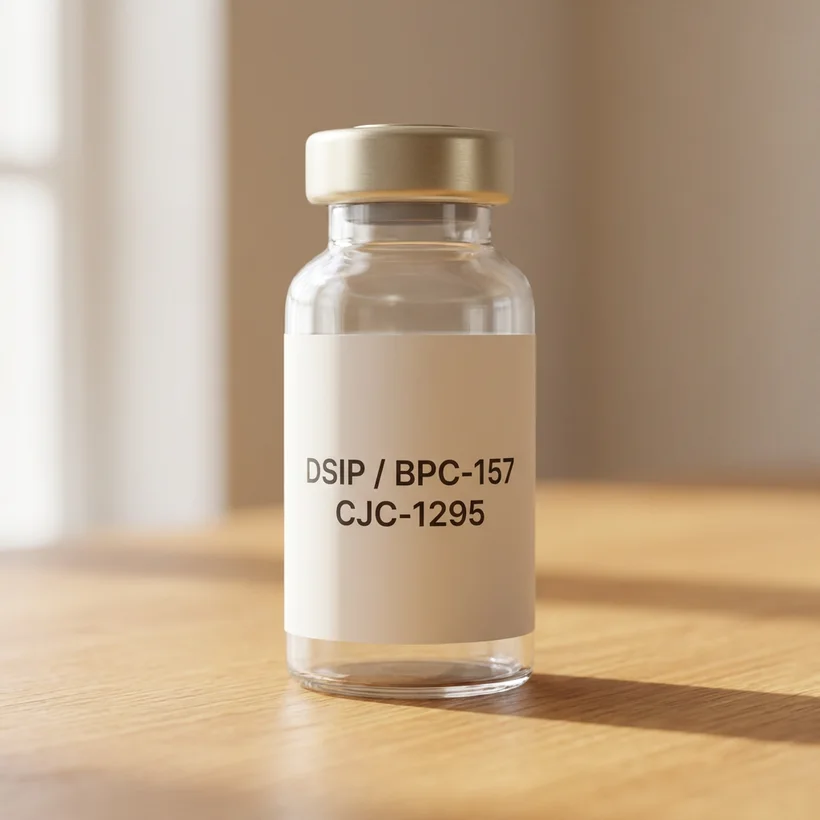
Sleep + Recovery Stack
Sleep and repair support with DSIP, BPC-157, and CJC · From $299/mo · prescription review required; compounded medications are not FDA-approved.
Learn about Sleep + Recovery Stack →- GLP-1 medications for metabolic improvement GLP-1 weight loss
- Peptide protocols for recovery, healing, or cellular health peptide therapy
- Hormonal improvement based on lab results and clinical evaluation
- Any supplement or compound with potential drug interactions
FormBlends provides the physician layer that responsible biohacking requires. Our providers understand improvement-focused patients and can design protocols that are both effective and safe.
How a physician-supervised protocol is structured
Week 1: baseline assessment and labs
Baseline health evaluation, thorough blood work, and goal setting with a licensed physician.
Phase 2: Starting therapy and follow-up in weeks 2 to 8
Begin prescribed therapies, introduce lifestyle interventions gradually, and track key metrics. Follow up with your physician at week 4 for adjustments.
Reviewing data and adjusting the plan from week 8 onward
Review data, refine the protocol, and layer in additional strategies as appropriate. This is an iterative process, not a one-time event.
Frequently Asked Questions
Do I need a doctor to try circadian rhythm biohacks?
For lifestyle interventions like sleep improvement and nutrition, no. For anything involving medications, peptides, or hormones, yes. The risk of getting it wrong without medical guidance is real.
How do I track progress on a circadian rhythm plan?
Objective metrics are key: lab values, body composition scans, sleep quality data, and performance benchmarks. Subjective measures like energy and mood are useful but should be backed by data.
Is it safe to combine these peptides with GLP-1 drugs?
Absolutely. Many of our patients use GLP-1 medications as part of a broader improvement strategy. The medications handle the metabolic heavy lifting while lifestyle and peptide interventions support complementary goals.
Start Improving with FormBlends
If you're serious about evidence-based improvement, FormBlends gives you access to physicians who understand the biohacking mindset and the medical knowledge to keep you safe.
Ready when you are
Sleep + Recovery Stack
Sleep and repair support with DSIP, BPC-157, and CJC · From $299/mo · prescription review required; compounded medications are not FDA-approved.
Learn about Sleep + Recovery Stack →