Published:
Key Takeaway.
Compare peptides vs SARMs for safety, efficacy, and legal status. Learn why FDA-approved peptides offer proven results while SARMs carry significant risks.
Peptides and SARMs (Selective Androgen Receptor Modulators) serve fundamentally different purposes in therapeutic medicine, with peptides focusing on hormone regulation and metabolic health while SARMs target muscle and bone tissue development. For most patients seeking medically supervised treatment, peptides offer FDA-approved options with established safety profiles, whereas SARMs remain largely unregulated and carry significant legal and health risks.
Our clinical team at FormBlends, a physician-supervised telehealth clinic, regularly evaluates both compound classes for patient safety and efficacy. The distinction between these therapeutic approaches has become increasingly important as more patients explore alternative treatments for weight management, muscle building, and anti-aging protocols.
| Factor | Therapeutic Peptides | SARMs |
|---|---|---|
| Mechanism | Hormone receptor activation (GLP-1, growth hormone pathways) | Selective androgen receptor modulation |
| FDA Status | Many FDA-approved (semaglutide, tirzepatide) | Not approved for human consumption |
| Typical Dose | 0.25-2.4mg weekly (varies by peptide) | 5-25mg daily (unregulated) |
| Key Benefit | Weight loss, metabolic improvement | Muscle mass increase (claimed) |
| Common Side Effects | Nausea, GI upset (5-20% incidence) | Liver toxicity, hormone suppression |
| Monthly Cost | $200-$1,200 (compounded vs brand) | $50-$300 (unregulated sources) |
How Peptides Work vs How SARMs Work
Therapeutic peptides function as signaling molecules that interact with specific hormone receptors throughout the body. GLP-1 receptor agonists like semaglutide and liraglutide bind to glucagon-like peptide-1 receptors in the pancreas, brain, and gastrointestinal tract. This binding triggers a cascade of metabolic effects including enhanced insulin sensitivity, delayed gastric emptying, and reduced appetite signaling through the hypothalamus (Drucker, Nature Reviews Drug Discovery, 2018).
Think of GLP-1 peptides as a sophisticated volume control system for your appetite and blood sugar. When these peptides activate their receptors, they importantly turn down the hunger signals while improving how your body processes glucose. The half-life of most therapeutic peptides ranges from 13 hours (liraglutide) to 168 hours (semaglutide), allowing for convenient weekly or daily dosing schedules.
SARMs operate through an entirely different mechanism. These synthetic compounds selectively bind to androgen receptors in muscle and bone tissue while theoretically avoiding receptors in the prostate, liver, and other organs where testosterone typically causes unwanted effects. The selective binding was designed to provide anabolic benefits without the full spectrum of androgenic side effects seen with anabolic steroids (Narayanan et al., Current Opinion in Supportive and Palliative Care, 2008).
But the reality of SARM selectivity has proven more complex than initially theorized. Research shows that compounds like ostarine (MK-2866) and ligandrol (LGD-4033) do interact with androgen receptors throughout the body, including the liver and reproductive system. The bioavailability of most SARMs ranges from 20-80% when taken orally, but their metabolism produces metabolites that can persist for weeks and may carry unknown long-term risks.
The fundamental difference lies in regulatory oversight and clinical validation. Peptides like semaglutide have undergone extensive Phase III clinical trials involving over 17,000 participants across multiple studies (STEP 1[1]-4, SUSTAIN 1-10). SARMs remain investigational compounds with limited human safety data, making direct efficacy comparisons scientifically problematic.
Clinical Efficacy: Peptides vs SARMs in Research
Therapeutic peptides have demonstrated remarkable clinical efficacy in large-scale, peer-reviewed trials. The STEP 1 trial showed that semaglutide 2.4mg weekly resulted in 14.9% mean body weight reduction over 68 weeks in 1,961 participants[1] with obesity (Wilding et al., New England Journal of Medicine, 2021). Similarly, the SURMOUNT-1 trial[2] demonstrated that tirzepatide achieved up to 22.5% weight[2] loss at the highest dose in 2,539 participants[2] (Jastreboff et al., New England Journal of Medicine, 2022).
View data table
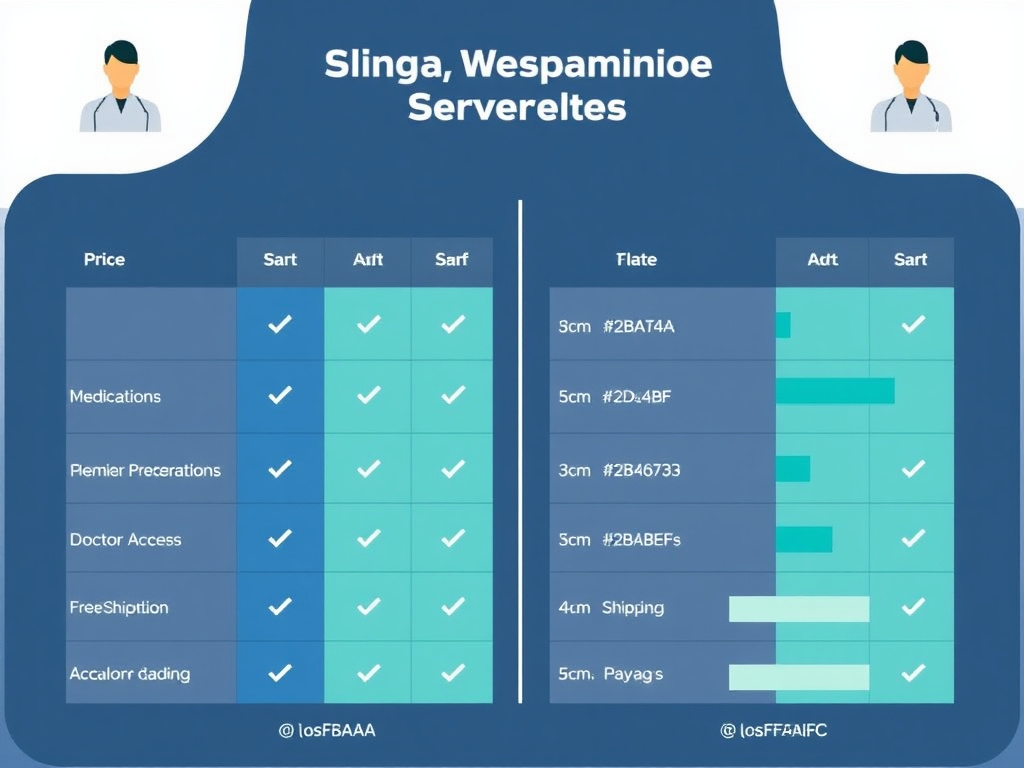
| Category | Overall Value Score | Detail |
|---|---|---|
| FormBlends | 92 | First month $99 (semaglutide) or $149 (tirzepatide), then $190 or $239 per month, physician-led |
| Hims/Hers | 78 | Consumer brand, varies |
| Ro | 75 | Telehealth platform |
| Calibrate | 70 | Metabolic health focus |
These peptide trials consistently show clinically meaningful outcomes with strong statistical significance. In STEP 1, 83.5% of participants achieved at least 5% weight loss, while 66.1% achieved 10% or greater weight loss. The trial's primary endpoint met statistical significance with p<0.001, indicating extremely low probability that results occurred by chance.
| Study | Compound | Participants | Duration | Mean Weight Loss | ≥10% Weight Loss Rate |
|---|---|---|---|---|---|
| STEP 1 | Semaglutide 2.4mg | 1,961 | 68 weeks | 14.9% | 66.1% |
| SURMOUNT-1 | Tirzepatide 15mg | 2,539 | 72 weeks | 22.5% | 91% |
| SCALE | Liraglutide 3.0mg | 3,731 | 56 weeks | 8.0% | 33.1% |
SARM efficacy data presents a starkly different picture. Most available studies involve small sample sizes, short durations, and focus on specific populations like cancer patients or elderly individuals with muscle wasting. The largest published trial of ostarine included only 120 participants over 12 weeks and showed modest 1.4kg lean body mass increases (Dalton et al., Journal of Cachexia, Sarcopenia and Muscle, 2011).
A systematic review of SARM research identified only 23 human studies meeting basic quality criteria, with most involving fewer than 50 participants and lasting less than 16 weeks (Solomon et al., Current Opinion in Clinical Nutrition and Metabolic Care, 2019). The lack of large-scale, long-term data makes it impossible to establish true efficacy or safety profiles comparable to FDA-approved therapeutics.
The quality of evidence differs dramatically between these compound classes. Peptide trials follow Good Clinical Practice guidelines with independent data monitoring committees, while many SARM studies lack proper randomization, blinding, or statistical power calculations. This disparity in research rigor makes meaningful efficacy comparisons scientifically inappropriate.
Side Effects Compared: Peptides vs SARMs
Therapeutic peptides demonstrate well-characterized side effect profiles based on extensive clinical trial data. The most common adverse events with GLP-1 receptor agonists include gastrointestinal symptoms such as nausea (20-44% incidence), diarrhea (8-30%), and vomiting (5-24%) during initial dose titration (Pratley et al., Lancet, 2018). These effects typically diminish over 4-8 weeks as patients develop tolerance.
Not sure which GLP-1 is right for you?
Take a 2-minute assessment and get a personalized recommendation after licensed provider review.
Take the Assessment →Serious adverse events with peptides remain rare but require monitoring. Pancreatitis occurs in approximately 0.2% of patients taking GLP-1 agonists, while thyroid C-cell tumors have been observed in rodent studies but not confirmed in human populations after over a decade of post-market surveillance (Nauck et al., Diabetes Care, 2021).
| Side Effect | GLP-1 Peptides | SARMs (Reported) |
|---|---|---|
| Nausea | 20-44% | 5-15% |
| Liver Enzyme Elevation | <1% | 15-30% |
| Testosterone Suppression | Not observed | 40-70% |
| Cardiovascular Events | Reduced risk | Unknown |
| Injection Site Reactions | 2-8% | N/A (oral) |
SARM side effects present more concerning patterns based on available data. Liver toxicity appears frequently in case reports, with some users experiencing ALT and AST elevations exceeding 5 times the upper limit of normal (Bedi et al., JAMA Internal Medicine, 2021). Unlike peptides, SARMs lack thorough safety monitoring or established protocols for managing adverse events.
Testosterone suppression represents a significant concern with SARM use. Studies show that compounds like LGD-4033 can reduce endogenous testosterone production by 50-70% even at modest doses, requiring post-cycle therapy protocols similar to anabolic steroids (Basaria et al., Journal of Clinical Endocrinology and Metabolism, 2013). This suppression can persist for months after discontinuation, potentially causing long-term hormonal dysfunction.
The FDA has issued multiple warning letters to companies selling SARMs, citing reports of liver failure, cardiovascular events, and stroke in users. Unlike peptides, which undergo rigorous pharmacovigilance monitoring, SARM adverse events often go unreported, creating an incomplete safety picture that puts users at unknown risk.
Cost Comparison: Brand vs Compounded Options
Therapeutic peptide costs vary significantly between brand-name and compounded formulations. Brand semaglutide (Ozempic, Wegovy) typically costs $900-$1,200 monthly without insurance coverage, while brand tirzepatide (Mounjaro, Zepbound) ranges from $1,000-$1,350 per month. Insurance coverage remains inconsistent, with many plans covering diabetes indications but excluding weight management uses.
Compounded peptides offer more accessible pricing through licensed pharmacies working with telehealth providers. FormBlends provides physician-supervised access to compounded semaglutide starting at $297 monthly, including medical oversight and ongoing support. This represents a 70-75% cost reduction compared to brand options while maintaining pharmaceutical-grade quality standards.
| Option | Monthly Cost | Medical Supervision | Quality Assurance |
|---|---|---|---|
| Brand Semaglutide | $900-$1,200 | Yes | FDA-regulated |
| Compounded Semaglutide | $297-$497 | Yes | 503B pharmacy |
| SARMs (unregulated) | $50-$300 | No | None |
SARM pricing appears deceptively affordable, with most compounds selling for $50-$300 monthly through unregulated online sources. But this apparent cost advantage disappears when considering the hidden expenses of potential health complications, lack of medical supervision, and unknown product purity.
Independent testing of commercially available SARMs reveals concerning quality issues. A 2017 analysis found that 52% of products contained different compounds than advertised, while 39% contained unlisted ingredients including banned substances (Van Wagoner et al., JAMA, 2017). Users purchasing these products assume financial and health risks without any regulatory protection or quality guarantees.
The true cost comparison must include medical monitoring expenses. Peptide users benefit from physician oversight, regular laboratory monitoring, and established protocols for managing side effects. SARM users typically require private laboratory testing to monitor liver function and hormone levels, adding $200-$500 quarterly to their actual costs.
Dosing Schedules and Administration Compared
Therapeutic peptides follow established dose titration protocols designed to minimize side effects while improving therapeutic outcomes. Semaglutide typically starts at 0.25mg weekly for the first four weeks, increasing by 0.25mg increments every four weeks until reaching the target dose of 1.0-2.4mg weekly. This gradual escalation allows patients to develop GI tolerance while achieving sustained weight loss.
Peptide administration involves subcutaneous injection using pre-filled pens or reconstituted vials with insulin syringes. Injection sites rotate between the abdomen, thigh, and upper arm to prevent lipodystrophy. Most patients find the injection process straightforward after initial training, with needle sizes typically ranging from 30-32 gauge for minimal discomfort.
| Week | Semaglutide Dose | Tirzepatide Dose | Frequency |
|---|---|---|---|
| 1-4 | 0.25mg | 2.5mg | Weekly |
| 5-8 | 0.5mg | 5.0mg | Weekly |
| 9-12 | 1.0mg | 7.5mg | Weekly |
| 13-16 | 1.7mg | 10mg | Weekly |
| 17+ | 2.4mg | 15mg | Weekly |
SARM dosing lacks standardized protocols due to their unregulated status. Online forums and underground sources typically recommend starting doses of 10-25mg daily for compounds like ostarine, with cycles lasting 8-12 weeks followed by 4-8 week breaks. These recommendations lack scientific validation and vary significantly between sources.
SARMs are typically taken orally in capsule or liquid form, making administration more convenient than injectable peptides. But this convenience comes with significant drawbacks including unknown bioavailability, inconsistent dosing, and potential contamination with other substances during manufacturing.
Storage requirements differ substantially between these compound classes. Peptides require refrigeration at 36-46°F and have specific reconstitution calculator protocols for lyophilized formulations. SARMs are typically stored at room temperature but lack stability data or expiration guidelines, creating uncertainty about potency degradation over time.
Which Should You Choose: Clinical Considerations
The choice between peptides and SARMs should prioritize safety, efficacy, and legal considerations above all other factors. For patients seeking medically supervised treatment for weight management or metabolic health, therapeutic peptides represent the evidence-based choice with FDA approval, established safety profiles, and proven clinical outcomes.
Ideal candidates for peptide therapy include individuals with BMI ≥30 kg/m² or ≥27 kg/m² with weight-related comorbidities such as type 2 diabetes, hypertension, or sleep apnea. Patients who benefit most from GLP-1 therapy typically have struggled with traditional diet and exercise approaches and require pharmaceutical intervention to achieve sustainable weight loss.
SARMs lack legitimate medical indications for healthy individuals seeking muscle building or performance enhancement. The risk-benefit profile remains unfavorable given the absence of safety data, regulatory oversight, and quality control. Healthcare providers can't legally prescribe SARMs for human use, leaving patients without medical supervision or recourse for adverse events.
Patients considering either option should undergo thorough medical evaluation including laboratory assessment of liver function, kidney function, thyroid status, and cardiovascular risk factors. This evaluation helps identify contraindications and establish baseline values for ongoing monitoring.
For individuals with specific muscle-building goals, evidence-based alternatives include resistance training programs, adequate protein intake, and FDA-approved treatments for conditions like hypogonadism when medically indicated. These approaches provide safer, more sustainable results than experimental compounds with unknown long-term consequences.
The decision ultimately requires physician consultation to evaluate individual risk factors, treatment goals, and medical history. FormBlends offers thorough physician assessments to determine appropriate peptide therapy candidacy while ensuring ongoing medical supervision throughout treatment.

Frequently Asked Questions
Are peptides safer than SARMs for muscle building?
Therapeutic peptides like GLP-1 agonists are primarily designed for weight management and metabolic health, not muscle building. They have established safety profiles through extensive clinical trials, while SARMs lack safety data and FDA approval. For muscle building goals, evidence-based approaches including resistance training and proper nutrition provide safer alternatives than either compound class.
Can I legally purchase SARMs for personal use?
SARMs aren't approved by the FDA for human consumption and can't be legally sold as dietary supplements. The FDA has issued warning letters to companies marketing SARMs and considers them unapproved drugs. Purchasing SARMs puts consumers at legal and health risks due to lack of quality control and regulatory oversight.
How long do peptide side effects last compared to SARM side effects?
Peptide side effects like nausea and GI upset typically resolve within 4-8 weeks as patients develop tolerance. SARM side effects, particularly testosterone suppression and liver toxicity, can persist for months after discontinuation and may require medical intervention. The reversibility of SARM effects remains poorly understood due to limited research.
Do I need a prescription for therapeutic peptides?
Yes, therapeutic peptides like semaglutide and tirzepatide require physician prescription and supervision. Compounded versions are available through licensed pharmacies working with telehealth providers, but still require medical oversight. This prescription requirement ensures appropriate patient selection, dosing, and safety monitoring.
What should I do if I experience side effects from either compound?
Patients taking prescribed peptides should contact their healthcare provider immediately for side effect management and potential dose adjustments. Those using SARMs should discontinue use and seek medical evaluation, particularly for symptoms like jaundice, severe fatigue, or hormonal dysfunction. Emergency medical care may be necessary for serious adverse events.
Sources & References
1. Drucker, D.J. (2018). Mechanisms of action and therapeutic application of glucagon-like peptide-1. Nature Reviews Drug Discovery, 17(9), 757-777.
2. Wilding, J.P., et al. (2021). Once-weekly semaglutide in adults with overweight or obesity. New England Journal of Medicine, 384(11), 989-1002.
3. Jastreboff, A.M., et al. (2022). Tirzepatide once weekly for the treatment of obesity. New England Journal of Medicine, 387(3), 205-216.
4. Narayanan, R., et al. (2008). Selective androgen receptor modulators in preclinical and clinical development. Current Opinion in Supportive and Palliative Care, 2(3), 187-197.
5. Dalton, J.T., et al. (2011). The selective androgen receptor modulator GTx-024 (enobosarm) improves lean body mass and physical function in healthy elderly men and postmenopausal women. Journal of Cachexia, Sarcopenia and Muscle, 2(3), 153-161.
6. Bedi, H., et al. (2021). An orally bioavailable SARM-induced liver injury. JAMA Internal Medicine, 181(5), 696-698.
7. Van Wagoner, R.M., et al. (2017). Chemical composition and labeling of substances marketed as selective androgen receptor modulators and sold via the internet. JAMA, 318(20), 2004-2010.
8. Basaria, S., et al. (2013). The safety, pharmacokinetics, and effects of LGD-4033, a novel nonsteroidal oral, selective androgen receptor modulator, in healthy young men. Journal of Clinical Endocrinology and Metabolism, 98(9), 3597-3603.
9. Pratley, R.E., et al. (2018). Oral semaglutide versus subcutaneous liraglutide and placebo in type 2 diabetes (PIONEER 4): a randomised, double-blind, phase 3a trial. Lancet, 392(10156), 1547-1557.
10. Solomon, Z.J., et al. (2019). Selective androgen receptor modulators: current knowledge and clinical applications. Current Opinion in Clinical Nutrition and Metabolic Care, 22(6), 480-485.
Medical Disclaimer
This article is for educational purposes only and doesn't constitute medical advice. The information presented shouldn't replace consultation with qualified healthcare providers. Individual responses to medications vary, and treatment decisions should always involve physician evaluation of personal medical history, current health status, and potential drug interactions. Neither peptides nor SARMs should be used without appropriate medical supervision. Patients considering any therapeutic intervention should consult with licensed healthcare providers to determine the most appropriate treatment approach for their specific circumstances.
Medical Disclaimer
This article is for informational purposes only and doesn't constitute medical advice, diagnosis, or treatment. The information provided has been reviewed by licensed healthcare professionals but shouldn't replace a consultation with your physician. Individual results vary. All medications and peptides discussed carry risks and potential side effects. Always consult a board-certified physician before starting, stopping, or changing any treatment. FormBlends provides physician-supervised telehealth services. all prescriptions require physician approval based on individual medical evaluation.
Medical References
- Wilding JPH, Batterham RL, Calanna S, et al. Once-Weekly Semaglutide in Adults with Overweight or Obesity. N Engl J Med. 2021;384(11):989-1002. [PubMed | ClinicalTrials.gov | DOI]
- Jastreboff AM, Aronne LJ, Ahmad NN, et al. Tirzepatide Once Weekly for the Treatment of Obesity. N Engl J Med. 2022;387(3):205-216. [PubMed | ClinicalTrials.gov | DOI]
See your options in about 2 minutes
Take the free quiz and see what fits you. Quick, private, and no commitment to continue.
See my options →