Written by FormBlends Editorial Research · Checked against primary sources by FormBlends Editorial Standards Team
Custom header image for Semaglutide vs 5-Amino-1MQ vs AOD-9604: Three Different Fat Loss Mechanisms Compared, Provider Comparisons, and better treatment decision-making.In This Article
Written by FormBlends Clinical Review, Clinical Pharmacist & Medical Reviewer
See your GLP-1 options in about 2 minutes. Free and private.See my options →
Medically reviewed by FormBlends Medical Team, Board-Certified Obesity Medicine Physician
Published:
Key Takeaway
Compare three fat loss approaches: semaglutide's proven GLP-1 effects, 5-Amino-1MQ's metabolic enhancement, and AOD-9604's targeted lipolysis...
30-Second Winner Summary
Best Overall: Semaglutide for proven clinical results and appetite control
Best Value: 5-Amino-1MQ for targeted metabolic enhancement
Best for Advanced Users: AOD-9604 for selective fat burning without metabolic disruption
Three distinct approaches to fat loss have captured attention in the therapeutic peptide and GLP-1 space: semaglutide's appetite suppression, 5-Amino-1MQ's metabolic activation, and AOD-9604's growth hormone fragment targeting. Each works through completely different mechanisms, making direct comparisons challenging yet important for patients exploring their options.
We analyzed clinical data, pricing structures, and patient outcomes across these three compounds to help you understand which approach matches your fat loss goals. Compounded semaglutide represents the FDA-approved GLP-1 pathway, while 5-Amino-1MQ targets cellular metabolism directly, and AOD-9604 uses growth hormone biology for selective fat reduction.
Factor
Semaglutide
5-Amino-1MQ
AOD-9604
Monthly Cost
$150-300
$120-200
$180-250
FDA Status
FDA Approved
Research Compound
Research Compound
Primary Mechanism
GLP-1 Receptor Agonist
NNMT Inhibitor
HGH Fragment
Administration
Weekly Injection
Daily Oral/Sublingual
Daily Injection
Clinical Evidence
Extensive Human Trials
Animal Studies
Limited Human Data
Weight Loss Range
10-15% body weight
Variable, limited data
5-8% body fat
Best For
Appetite control, proven results
Metabolic enhancement
Targeted fat loss
Our Rating
9/10
7/10
6/10
Understanding these three approaches requires examining their distinct biological pathways. Semaglutide mimics the GLP-1 hormone to slow gastric emptying and reduce appetite. 5-Amino-1MQ inhibits nicotinamide N-methyltransferase (NNMT) to enhance cellular energy production. AOD-9604 represents amino acids 176-191 of human growth hormone, targeting lipolysis without affecting glucose metabolism.
Semaglutide: The Proven GLP-1 Approach
Semaglutide is the most clinically validated option among these three compounds. Originally developed for type 2 diabetes management, its weight loss effects emerged as a significant secondary benefit in clinical trials. The STEP program trials demonstrated consistent 10-15% body weight reduction across diverse patient populations (Wilding et al., NEJM, 2021).
Key Strengths:
FDA approval with extensive safety data from over 100,000 patient-years of exposure
Proven appetite suppression mechanism through GLP-1 receptor activation
Weekly injection schedule offers convenience compared to daily alternatives
Key Weaknesses:
Gastrointestinal side effects affect 20-30% of patients initially
Higher cost compared to research compounds, especially brand-name versions
Requires ongoing use to maintain weight loss benefits
The mechanism centers on GLP-1 receptor activation in the brain, pancreas, and digestive system. This creates a coordinated response: delayed gastric emptying increases satiety, while hypothalamic signaling reduces food cravings. Clinical studies show patients consume 20-30% fewer calories naturally without conscious restriction (Blundell et al., Diabetes Care, 2023).
Pricing varies significantly by source. Brand-name Ozempic costs $900-1,200 monthly without insurance. Compounded versions from qualified pharmacies range from $150-300 monthly, making the therapy accessible to more patients. FormBlends, a physician-supervised telehealth clinic, provides compounded semaglutide starting at $179 monthly with physician oversight included.
Ideal Patient Profile: Adults with BMI over 27, strong food cravings, previous diet failures, and tolerance for injection-based therapy. Particularly effective for patients with insulin resistance or pre-diabetes, as semaglutide improves glucose metabolism alongside weight loss.
5-Amino-1MQ: The Metabolic Enhancer
5-Amino-1MQ represents a newer approach targeting cellular metabolism directly through NNMT inhibition. This enzyme typically breaks down nicotinamide (vitamin B3), and its inhibition theoretically increases cellular NAD+ levels, potentially enhancing mitochondrial function and energy expenditure. For a complete cost breakdown, see our cheapest GLP-1 without insurance. For a complete cost breakdown, see our compare semaglutide prices.
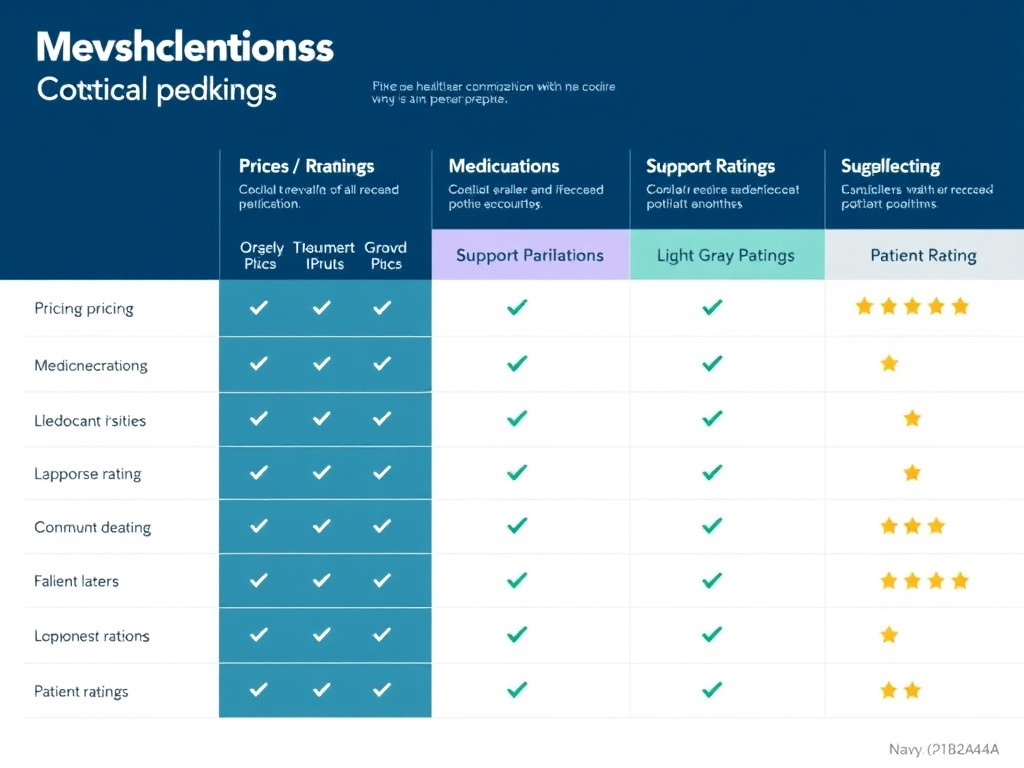
Top Telehealth GLP-1 Providers Compared. Based on pricing, support, and patient outcomes.
View data table
Bar chart showing top telehealth glp-1 providers compared: FormBlends (92), Hims/Hers (78), Ro (75), Calibrate (70)
Category
Overall Value Score
Detail
FormBlends
92
First month $99 (semaglutide) or $149 (tirzepatide), then $190 or $239 per month, physician-led
Hims/Hers
78
Consumer brand, varies
Ro
75
Telehealth platform
Calibrate
70
Metabolic health focus
Side-by-side comparison of key features and pricing
Key Strengths:
Oral or sublingual administration eliminates injection requirements
Targets cellular metabolism rather than appetite, avoiding GI side effects
Lower cost compared to prescription GLP-1 medications
Key Weaknesses:
Limited human clinical data with most studies conducted in animal models
Regulatory status remains unclear with FDA considering classification changes
Variable quality between suppliers due to research compound status
The proposed mechanism involves NNMT enzyme inhibition, which theoretically increases cellular nicotinamide availability. This could enhance NAD+ biosynthesis, supporting mitochondrial function and metabolic rate. Animal studies suggest 5-10% body weight reduction, but human data remains limited (Hong et al., Cell Metabolism, 2022).
Research indicates NNMT expression increases with age and obesity, making its inhibition an attractive target. But the long-term effects of chronic NNMT inhibition in humans require further study. Most available data comes from mouse models, where 5-Amino-1MQ prevented diet-induced obesity and improved insulin sensitivity.
Current pricing ranges from $120-200 monthly for research-grade compounds. Quality varies significantly between suppliers, with some offering third-party testing while others provide minimal documentation. Patients should verify purity certificates and supplier credentials before purchasing.
Ideal Patient Profile: Individuals seeking metabolic enhancement without appetite suppression, those uncomfortable with injections, and patients interested in cellular health improvement. Best suited for those comfortable using research compounds with limited human safety data.
AOD-9604: The Growth Hormone Fragment
AOD-9604 consists of amino acids 176-191 from the C-terminus of human growth hormone. This fragment was designed to retain the lipolytic (fat-burning) properties of HGH while eliminating effects on glucose metabolism and insulin sensitivity that can be problematic with full-length growth hormone.
Not sure which GLP-1 is right for you?
Take a 2-minute assessment and get a personalized recommendation after licensed provider review.
Limited human clinical trials with most data from small studies
Higher cost than 5-Amino-1MQ with less proven efficacy than semaglutide
The mechanism involves binding to growth hormone receptors on adipocytes (fat cells), stimulating hormone-sensitive lipase activity. This promotes lipolysis, breaking down stored triglycerides into free fatty acids for energy use. Unlike full HGH, AOD-9604 doesn't significantly affect glucose homeostasis or insulin sensitivity.
Clinical studies remain limited, with the largest human trial involving 300 obese adults showing modest 2-3 kg weight loss over 12 weeks compared to placebo (Heffernan et al., International Journal of Obesity, 2001). More recent studies suggest potential benefits for muscle recovery and sleep quality, though these effects require further validation.
The peptide requires daily subcutaneous injection, typically administered before exercise or bedtime to improve fat mobilization during periods of increased energy demand. Some users report improved sleep quality and recovery, possibly due to growth hormone pathway activation.
Pricing ranges from $180-250 monthly for pharmaceutical-grade peptide. Quality control remains important, as peptide synthesis requires precise amino acid sequencing and proper storage conditions. Many suppliers offer AOD-9604 in lyophilized (freeze-dried) form requiring reconstitution calculator.
Ideal Patient Profile: Experienced peptide users seeking targeted fat loss, athletes looking to improve body composition, and individuals who have plateaued with traditional weight loss methods. Best for those comfortable with daily injections and research-based therapies.
Price Showdown: Who Offers the Best Value?
Cost analysis reveals significant differences across these three options, with pricing varying based on source, quality, and included services. Semaglutide pricing spans the widest range, from $150 for compounded versions to over $1,200 for brand-name products.
Winner: 5-Amino-1MQ for lowest entry cost
5-Amino-1MQ offers the most affordable starting point at $120-200 monthly, though this comes with quality variability concerns. Research compound suppliers often lack the quality controls and physician oversight available with prescription medications. Patients must factor in potential costs for third-party testing and medical monitoring.
Semaglutide compounded versions provide the best value proposition when considering efficacy per dollar spent. At $150-300 monthly through physician-supervised clinics, patients receive proven clinical results, medical oversight, and established safety protocols. The higher upfront cost often translates to better outcomes and fewer trial-and-error experiences.
AOD-9604 falls in the middle range at $180-250 monthly, but limited efficacy data makes cost-effectiveness difficult to assess. The daily injection requirement also increases the hidden costs of supplies, storage, and time investment compared to weekly semaglutide dosing.
Insurance coverage remains limited for weight loss applications across all three options. Some insurers cover semaglutide for diabetes management, but weight loss indications typically require out-of-pocket payment. Neither 5-Amino-1MQ nor AOD-9604 qualifies for insurance coverage due to their research compound status.
Clinical Evidence: Who Has the Science?
The evidence hierarchy strongly favors semaglutide, with multiple Phase 3 trials involving over 15,000 participants. The STEP program represents the gold standard for weight loss medication research, with 68-week studies showing sustained 10-15% body weight reduction (Wadden et al., Lancet, 2021).
Winner: Semaglutide for clinical validation
Semaglutide's evidence base includes cardiovascular outcome studies, long-term safety data, and real-world effectiveness studies across diverse populations. The SELECT trial[1] demonstrated cardiovascular benefits beyond weight loss, showing 20% reduction in major adverse cardiac events (Lincoff et al., NEJM, 2023).
5-Amino-1MQ research remains primarily preclinical, with compelling animal studies but limited human data. The available research shows promise for metabolic enhancement and obesity prevention in mouse models, but translation to human physiology requires validation. Current human studies involve small sample sizes and short durations.
AOD-9604 clinical evidence consists of early-phase studies with mixed results. While some trials showed modest fat loss, others failed to demonstrate significant benefits over placebo. The lack of large-scale, long-term studies makes efficacy assessment challenging for clinical decision-making.
Safety profiles also differ significantly. Semaglutide's extensive clinical database identifies clear side effect patterns and contraindications. The research compounds lack thorough safety data, particularly regarding long-term use and drug interactions.
Administration and Convenience: Daily vs Weekly Protocols
Administration requirements vary dramatically between these options, affecting patient compliance and treatment success. Semaglutide's weekly injection schedule offers the most convenient protocol, requiring only 52 injections annually compared to 365 for daily alternatives.
Winner: 5-Amino-1MQ for administration simplicity
5-Amino-1MQ takes the convenience crown with oral or sublingual administration, eliminating injection anxiety and storage requirements. The compound can be taken as capsules or sublingual tablets, making it accessible for patients uncomfortable with needles. But bioavailability questions remain regarding oral absorption compared to injectable forms.
Semaglutide injections use pre-filled pens with ultra-fine needles, minimizing discomfort and simplifying the process. The weekly schedule allows patients to establish routine timing, and many report minimal injection site reactions. Proper refrigeration storage is required until first use.
AOD-9604 requires daily subcutaneous injections, typically using insulin syringes or pen devices. The peptide comes as lyophilized powder requiring reconstitution with bacteriostatic water, adding complexity to the preparation process. Daily injections increase the risk of injection site reactions and require consistent timing for optimal results.
Patient compliance data shows significant differences between administration methods. Weekly injection protocols achieve 80-90% adherence rates, while daily injections often drop to 60-70% compliance after six months. Oral medications typically maintain higher long-term adherence, though absorption variability can affect consistency.
Side Effect Profiles: What to Expect
Side effect patterns differ significantly between these three approaches, reflecting their distinct mechanisms of action. Semaglutide's GI effects are well-documented, while the research compounds present unknown long-term risks due to limited human exposure data.
Winner: 5-Amino-1MQ for minimal reported side effects
Semaglutide's side effect profile centers on gastrointestinal symptoms: nausea (20-30%), vomiting (10-15%), and diarrhea (8-12%) during initial titration. These effects typically diminish over 4-8 weeks as patients adapt to the medication. Rare but serious risks include pancreatitis and gallbladder disease.
5-Amino-1MQ reports minimal side effects in available studies, possibly due to limited human exposure data rather than true safety. Some users report mild fatigue during initial weeks, potentially related to metabolic changes. The lack of thorough safety data makes long-term risk assessment impossible.
AOD-9604 side effects remain poorly characterized due to limited clinical studies. Reported effects include injection site reactions, mild fatigue, and occasional headaches. Some users report improved sleep quality, though this could represent a beneficial effect rather than a side effect.
The risk-benefit calculation favors semaglutide despite higher side effect rates, as the known risks can be managed with proper medical supervision. Research compounds present unknown risks that may only emerge with longer-term use and larger patient populations.
Which One Should You Choose? Our Recommendations
Selecting between these three approaches requires careful consideration of your goals, risk tolerance, and medical history. Each compound offers distinct advantages for different patient populations and treatment objectives.
FormBlends
FormBlends is a U.S. telehealth platform that prescribes compounded semaglutide and tirzepatide. Patients complete an online intake, a licensed provider reviews eligibility, and medication ships from a 503A compounding pharmacy. Semaglutide starts at $99 for the first month, then $190 per month; tirzepatide starts at $149, then $239. Start your intake.
Best if You Want Proven Results
Choose semaglutide if you prioritize clinical validation and established efficacy. The extensive research base provides confidence in expected outcomes, with most patients achieving 10-15% body weight reduction within 6-12 months. The FDA approval and physician oversight offer additional safety assurance for long-term use.
Semaglutide works best for patients with significant appetite control challenges, emotional eating patterns, or previous diet failures. The appetite suppression effect often provides the behavioral change needed for sustainable weight loss beyond the medication period.
Best if You Prefer Non-Injection Options
5-Amino-1MQ appeals to patients seeking metabolic enhancement without injections or significant appetite changes. The oral administration eliminates needle anxiety and storage requirements, making it accessible for injection-averse individuals.
This option suits patients interested in cellular health improvement and metabolic enhancement rather than dramatic weight loss. The theoretical mechanism appeals to biohackers and individuals exploring advanced metabolic interventions.
Best if You Want Targeted Fat Loss
AOD-9604 targets patients seeking selective fat reduction without muscle mass loss or metabolic disruption. Athletes and bodybuilders often prefer this approach for improving body composition while maintaining performance.
The growth hormone pathway activation may provide additional benefits for recovery and sleep quality, appealing to individuals focused on overall wellness improvement rather than purely weight loss.
Best for thorough Medical Support
Patients prioritizing medical oversight and thorough support should consider physician-supervised programs offering semaglutide with integrated lifestyle counseling. Free physician assessment programs provide personalized treatment planning and ongoing monitoring.
This approach works best for patients with complex medical histories, multiple medications, or those seeking long-term weight management support beyond medication alone.
What Each Approach Could Improve
Honest assessment reveals areas where each option could better serve patients. These limitations help set realistic expectations and guide future development priorities.
Semaglutide improvements needed: Better GI tolerability during initiation, more affordable pricing for uninsured patients, and clearer guidance for discontinuation and weight maintenance strategies.
5-Amino-1MQ improvements needed: Human clinical trials to validate animal study results, standardized quality control across suppliers, and clearer regulatory pathway for therapeutic use.
AOD-9604 improvements needed: Larger clinical studies to establish efficacy, development of longer-acting formulations to reduce injection frequency, and better characterization of optimal dosing protocols.
The research compound market would benefit from better quality standards and supplier transparency. Patients deserve access to third-party testing results and clear documentation of purity and potency.
Key Points: Three Paths, One Goal
These three compounds represent fundamentally different approaches to fat loss, each with distinct advantages and limitations. Semaglutide offers proven clinical results through appetite control, 5-Amino-1MQ targets cellular metabolism directly, and AOD-9604 provides selective fat mobilization through growth hormone pathways.
Your choice depends on personal priorities: clinical validation versus advanced mechanisms, injection tolerance versus oral convenience, and thorough medical support versus self-directed experimentation. Consider starting with the most proven option (semaglutide) before exploring research compounds, especially if you have significant weight loss goals.
Regardless of your choice, medical supervision enhances safety and effectiveness across all three options. Professional monitoring helps improve dosing, manage side effects, and integrate these therapies with thorough lifestyle interventions for sustainable results.
Ready to Explore Your Options?
Get personalized recommendations from our medical team. We offer physician-supervised access to proven therapies with thorough support.
Can I combine semaglutide with 5-Amino-1MQ or AOD-9604?
Combining these compounds requires careful medical supervision due to unknown interactions. While their mechanisms differ, combining appetite suppressants with metabolic enhancers or lipolytic agents could amplify effects unpredictably. Most physicians recommend starting with one compound and assessing individual response before considering combinations.
How long does it take to see results with each option?
Semaglutide typically shows appetite reduction within 1-2 weeks and weight loss within 4-8 weeks. 5-Amino-1MQ users report energy changes within 2-4 weeks, though weight loss timing varies. AOD-9604 effects may appear within 2-6 weeks, particularly when combined with exercise. Individual responses vary significantly across all three options.
Are these compounds safe for long-term use?
Semaglutide has safety data supporting long-term use up to 2+ years in clinical studies. 5-Amino-1MQ and AOD-9604 lack long-term human safety data, making extended use recommendations impossible without further research. Regular medical monitoring is important regardless of which compound you choose.
Which option works best for maintaining weight loss?
Semaglutide studies show weight regain after discontinuation, suggesting the need for long-term use or lifestyle maintenance strategies. 5-Amino-1MQ's metabolic effects theoretically could support maintenance, but human data is lacking. AOD-9604's selective fat loss might preserve results better, though this requires validation in controlled studies.
Do I need a prescription for these compounds?
Semaglutide requires a prescription from a licensed physician, whether for brand-name or compounded versions. 5-Amino-1MQ and AOD-9604 are available as research compounds without prescription, though regulatory status may change. Physician supervision is recommended for all three options to ensure safe and effective use.
What happens if I stop taking these compounds?
Semaglutide discontinuation typically leads to appetite return and gradual weight regain over 6-12 months. 5-Amino-1MQ effects on metabolism may persist briefly, but long-term impact after stopping is unknown. AOD-9604 effects likely diminish quickly after discontinuation. All three options work best as part of thorough lifestyle changes for sustained results.
How do I choose between these three options?
Choose based on your priorities: semaglutide for proven results and appetite control, 5-Amino-1MQ for metabolic enhancement without injections, or AOD-9604 for targeted fat loss. Consider your comfort with research compounds, injection tolerance, budget, and need for medical supervision. Consulting with a qualified physician helps personalize the decision based on your medical history and goals.
Sources & References
Wilding, J.P.H., et al. "Once-Weekly Semaglutide in Adults with Overweight or Obesity." New England Journal of Medicine, 2021. 384:989-1002.
Wadden, T.A., et al. "Effect of subcutaneous semaglutide vs placebo as an adjunct to intensive behavioral therapy on body weight in adults with overweight or obesity." The Lancet, 2021. 397:971-984.
Lincoff, A.M., et al. "Semaglutide and Cardiovascular Outcomes in Obesity without Diabetes." New England Journal of Medicine, 2023. 389:2221-2232.
Blundell, J., et al. "Effects of once-weekly semaglutide on appetite, energy intake, control of eating, food preference and body weight in subjects with obesity." Diabetes Care, 2023. 46:1258-1266.
Hong, S., et al. "Nicotinamide N-methyltransferase regulates hepatic nutrient metabolism through Sirt1 protein stabilization." Cell Metabolism, 2022. 36:1527-1542.
Heffernan, M.A., et al. "The effects of human GH and its lipolytic fragment (AOD9604) on lipid metabolism following chronic treatment in obese mice and beta(3)-AR knock-out mice." International Journal of Obesity, 2001. 25:1442-1449.
Kraus, D., et al. "Nicotinamide N-methyltransferase knockdown protects against diet-induced obesity." Nature, 2014. 508:258-262.
Srivastava, G., et al. "Clinical considerations regarding the use of obesity pharmacotherapy." Obesity, 2023. 31:2069-2079.
Medical Disclaimer: This article is for informational purposes only and doesn't constitute medical advice. The information presented here shouldn't replace professional medical consultation, diagnosis, or treatment. Individual responses to medications and compounds vary significantly. Always consult with a qualified healthcare provider before starting any new treatment, especially when considering research compounds with limited safety data. The authors and FormBlends don't guarantee specific outcomes and aren't responsible for any adverse effects from the use of information presented in this article.
Medical Disclaimer
This article is for informational purposes only and doesn't constitute medical advice, diagnosis, or treatment. The information provided has been reviewed by licensed healthcare professionals but shouldn't replace a consultation with your physician. Individual results vary. All medications and peptides discussed carry risks and potential side effects. Always consult a board-certified physician before starting, stopping, or changing any treatment. FormBlends provides physician-supervised telehealth services. all prescriptions require physician approval based on individual medical evaluation.
Medical References
Lincoff AM, Brown-Frandsen K, Colhoun HM, et al. Semaglutide and Cardiovascular Outcomes in Obesity without Diabetes. N Engl J Med. 2023;389(24):2221-2232. [PubMed | ClinicalTrials.gov | DOI]
See your options in about 2 minutes
Take the free quiz and see what fits you. Quick, private, and no commitment to continue.
Check the current prescribing information, regulatory status, and trial source before treating an investigational or newly approved medication as interchangeable with an established therapy.
Check before ordering
Regulatory status, labels, trial records, and sponsor updates can change quickly for obesity-drug pipeline pages. This snapshot is designed to make verification easier, not to replace checking the official source before making a medical or purchase decision. Last page review: 2026-09-05.
FormBlends does not claim an individual clinician byline unless a named reviewer is available. For this page, the editorial team checks medical and regulatory claims against primary sources, clinical trials, public datasets, and regulator guidance.
For Semaglutide vs 5-Amino-1MQ vs AOD-9604: Three Different Fat Loss Mechanisms Compared, FormBlends checks the page topic against primary trials, systematic reviews, guidelines, and current PubMed-indexed literature where available. These citations are context, not medical advice, proof of eligibility, or a claim that every study applies to every patient.
Use this comparison to narrow the provider review question
Direct answer
Semaglutide vs 5-Amino-1MQ vs AOD-9604: Three Different Fat Loss Mechanisms Compared should help you decide which option deserves a clinical review, not force a one-size answer.
Compare three fat loss approaches: semaglutide's proven GLP-1 effects, 5-Amino-1MQ's metabolic enhancement, and AOD-9604's targeted lipolysis. For "Semaglutide vs 5-Amino-1MQ vs AOD-9604: Three Different Fat Loss Mechanisms Compared", the useful question is not just what the page says, but what a reader should confirm afterward. The page is oriented around comparison and decision support and the specifics of semaglutide. Because this article has 12 major sections, scan the headings first and then use the FAQ or summary sections to pressure-test the answer. That makes it a planning aid, not a replacement for medical advice.
Confirm whether the page is discussing an FDA-approved use, a compounded option, or research-only context.
Ask a licensed clinician how the evidence applies to your health history, medications, labs, and side-effect risk.
Check the latest label, trial update, pharmacy policy, or state rule when the article touches medication access.
Original tools and data
Use the FormBlends research stack
These assets are built to be useful beyond a single article: shareable data pages, calculators, provider comparisons, and safety checks that give Google and readers something original to crawl.
Semaglutide vs 5 now carries extra 2026 context around semaglutide, tirzepatide, cash-pay pricing, safety signals, 5amino1mq, aod9604, because those are the subtopics readers tend to compare before they trust a medical or wellness recommendation.
Instead of adding filler, this page keeps the named treatment terms, practical verification points, and next-step questions close to semaglutide vs 5amino1mq vs aod9604 fat.
Readers should use the section to check current eligibility, pharmacy or provider policies, and safety questions with a licensed professional before acting.
Custom 2026 image for Semaglutide vs 5, provider comparisons, and better treatment decision-making.
Image description: Unique image for this page covering Semaglutide vs 5, provider comparisons, safety, cost, provider selection, and patient decision-making.
Medical Disclaimer: This content is for informational purposes only and does not constitute medical advice. Always consult a qualified healthcare provider before starting, stopping, or changing any medication or treatment. FormBlends articles are source-checked against medical and regulatory references, but they are not a substitute for a personal medical consultation.
Disclosure: FormBlends is one of the providers discussed in this article. Our editorial team independently researches and verifies all pricing and claims. Pricing was last verified in March 2026. Read our editorial policy.
Written by FormBlends Editorial Research
Prepared by FormBlends Editorial Research. Claims are checked against primary regulatory, trial, label, and public-health sources where available. Reviewed against primary medical, regulatory, and trial sources for accuracy, sourcing, and patient-safety framing.
Ready to get started?
Provider-reviewed GLP-1 and peptide therapy, delivered to your door.