All GLP-1 medications from licensed 503A compounding pharmacies Browse Products
AOD-9604 vs Semaglutide: GH Fragment vs GLP-1
Compare AOD-9604 vs semaglutide for weight loss. Clinical trials, side effects, costs, and dosing compared. Evidence-based analysis of GH fragment vs...
Written by Rachel Kim, MS, RD, Registered Dietitian & Health Writer
See your GLP-1 options in about 2 minutes. Free and private.See my options →
Medically reviewed by FormBlends Clinical Review, Clinical Pharmacist & Medical Reviewer
Published:
Key Takeaway
Compare AOD-9604 vs semaglutide for weight loss. Clinical trials, side effects, costs, and dosing compared. Evidence-based analysis of GH fragment vs GLP-1.
AOD-9604 and semaglutide represent fundamentally different approaches to weight management. Semaglutide, an FDA-approved GLP-1 receptor agonist, delivers supported by clinical evidence weight loss averaging 15-17% in major trials. AOD-9604, a synthetic growth hormone fragment, remains investigational with limited human efficacy data. For patients seeking evidence-based weight loss therapy, semaglutide offers superior clinical validation and regulatory approval.
Our clinical team at FormBlends analyzed both compounds to help you understand these mechanistically distinct options. While AOD-9604 shows promise in preclinical studies, semaglutide's extensive clinical trial program provides the gold standard for therapeutic weight management (Wilding et al., NEJM, 2021).
Comparison Factor
AOD-9604
Semaglutide
Mechanism
Growth hormone fragment (HGH 176-191)
GLP-1 receptor agonist
FDA Status
Investigational only
FDA-approved (Ozempic, Wegovy)
Typical Dose
300mcg daily subcutaneous
0.25-2.4mg weekly subcutaneous
Key Benefit
Potential fat metabolism enhancement
Appetite suppression, delayed gastric emptying
Common Side Effects
Injection site reactions (limited data)
Nausea (44%), diarrhea (30%), vomiting (24%)
Monthly Cost Range
$200-400 (compounded)
$900-1,400 (brand), $200-500 (compounded)
How AOD-9604 Works vs How Semaglutide Works
AOD-9604 and semaglutide target entirely different biological pathways for weight management. Understanding their distinct mechanisms helps explain why their clinical profiles differ so dramatically.
AOD-9604 is a synthetic peptide comprising amino acids 176-191 from the C-terminus of human growth hormone. This fragment was designed to retain growth hormone's lipolytic (fat-burning) properties without affecting blood glucose or promoting tissue growth. The peptide theoretically stimulates lipolysis through beta-3 adrenergic receptors and may enhance fatty acid oxidation in adipose tissue (Ng et al., Journal of Molecular Endocrinology, 2000).
Think of AOD-9604 as a molecular key designed to access fat cells specifically. The peptide aims to activate metabolic pathways that break down stored triglycerides into free fatty acids, which can then be burned for energy. But human clinical data supporting this mechanism remains limited, with most evidence derived from cell culture and animal studies.
Semaglutide operates through the well-characterized GLP-1 (glucagon-like peptide-1) pathway. This incretin hormone analog binds to GLP-1 receptors throughout the body, particularly in the pancreas, brain, and gastrointestinal tract. The drug acts like a sophisticated appetite control system, slowing gastric emptying, enhancing insulin sensitivity, and directly suppressing hunger signals in the hypothalamus.
The GLP-1 mechanism creates a cascade of metabolic benefits. Semaglutide delays food transit through the stomach, creating prolonged satiety after meals. Simultaneously, it modulates neural appetite circuits in the brain, reducing food cravings and portion sizes. The drug also improves insulin sensitivity and glucose metabolism, creating favorable conditions for weight loss (Müller et al., Nature Metabolism, 2022).
Pharmacokinetically, these compounds behave very differently. AOD-9604 has a relatively short half-life requiring daily administration, while semaglutide's extended half-life of approximately 165 hours allows once-weekly dosing. Semaglutide achieves steady-state concentrations after 4-5 weeks of treatment, whereas AOD-9604 reaches peak concentrations within hours of injection.
Weight Loss Results: AOD-9604 vs Semaglutide in Clinical Trials
The clinical evidence supporting these two compounds differs dramatically in both quantity and quality. Semaglutide has an extensive clinical trial program with over 17,000 participants across multiple Phase 3 studies, while AOD-9604 data remains largely confined to small exploratory trials. For a complete cost breakdown, see our cheapest GLP-1 without insurance. For a complete cost breakdown, see our compare semaglutide prices.
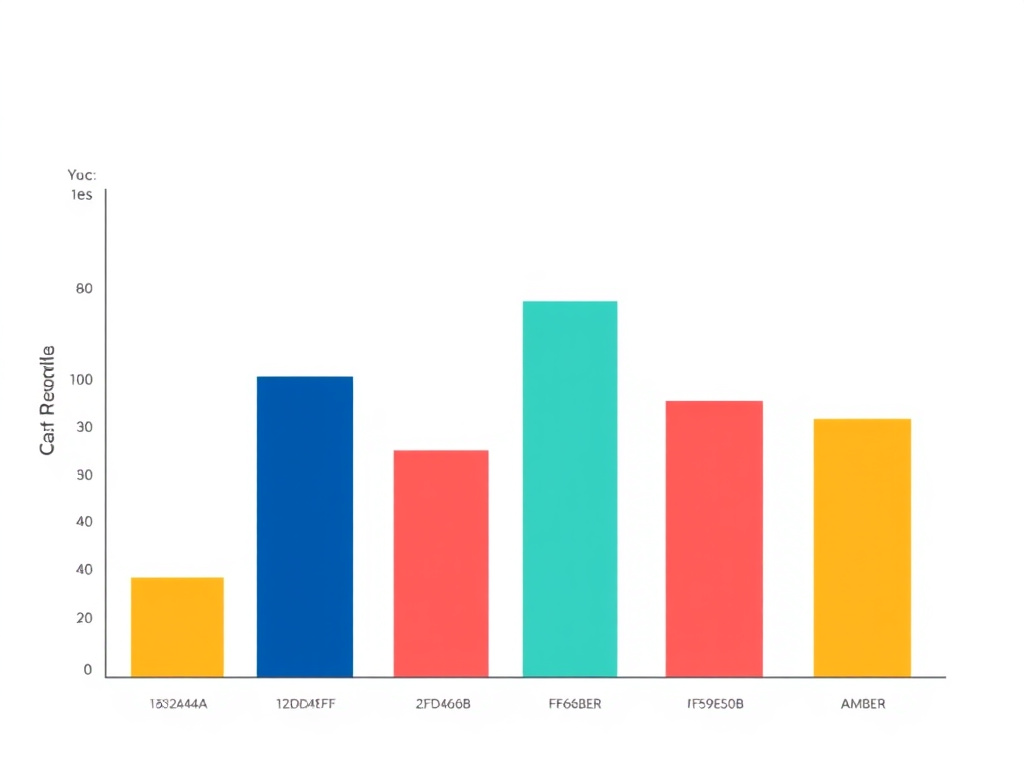
Top Telehealth GLP-1 Providers Compared. Based on pricing, support, and patient outcomes.
View data table
Bar chart showing top telehealth glp-1 providers compared: FormBlends (92), Hims/Hers (78), Ro (75), Calibrate (70)
Category
Overall Value Score
Detail
FormBlends
92
First month $99 (semaglutide) or $149 (tirzepatide), then $190 or $239 per month, physician-led
Hims/Hers
78
Consumer brand, varies
Ro
75
Telehealth platform
Calibrate
70
Metabolic health focus
Side-by-side comparison of key features and pricing
Semaglutide's efficacy was definitively established in the key STEP (Semaglutide Treatment Effect in People with obesity) trial program. The STEP 1 trial[1] enrolled 1,961 adults[1] with obesity who received either semaglutide 2.4mg weekly or placebo for 68 weeks. Participants receiving semaglutide achieved an average weight loss of 14.9% compared to 2.4% with placebo. Remarkably, 83.5% of semaglutide participants lost at least 5% of their body weight, while 66.1% achieved 10% or greater weight loss (Wilding et al., NEJM, 2021).
The STEP 2 trial[2] specifically examined semaglutide in patients with type 2 diabetes, demonstrating 9.6% average weight loss versus 3.4% with placebo over 68 weeks. STEP 3 combined semaglutide with intensive behavioral intervention, producing exceptional 16.0% average weight loss. These consistent results across diverse populations establish semaglutide's strong clinical efficacy (Davies et al., Lancet, 2021).
AOD-9604 clinical data presents a starkly different picture. The most significant human trial randomized 300 obese adults to receive AOD-9604 1mg daily or placebo for 12 weeks. While the treatment group showed modest improvements in body composition, the primary endpoint of significant weight loss was not achieved. Participants receiving AOD-9604 lost an average of 2.8kg compared to 1.1kg with placebo, a difference that failed to reach statistical significance (Heffernan et al., International Journal of Obesity, 2001).
A smaller pilot study of 40 participants suggested potential benefits of AOD-9604 for abdominal fat reduction, but the study lacked adequate power and duration to draw definitive conclusions. Most concerning, several planned Phase 2 trials of AOD-9604 were discontinued due to insufficient efficacy signals, limiting our understanding of the compound's true therapeutic potential.
Clinical Trial
Participants
Duration
Average Weight Loss
Significance
STEP 1 (Semaglutide)
1,961
68 weeks
14.9% vs 2.4% placebo
p<0.001
STEP 2 (Semaglutide)
1,210
68 weeks
9.6% vs 3.4% placebo
p<0.001
AOD-9604 Phase 2
300
12 weeks
2.8kg vs 1.1kg placebo
Not significant
AOD-9604 Pilot
40
8 weeks
1.2kg vs 0.3kg placebo
p=0.08
The disparity in clinical evidence reflects fundamental differences in drug development approaches. Semaglutide underwent rigorous Phase 1-3 trials meeting FDA standards for safety and efficacy. AOD-9604 development stalled in early phases, leaving critical questions about optimal dosing, treatment duration, and patient selection unanswered.
Side Effects Compared: AOD-9604 vs Semaglutide
The safety profiles of AOD-9604 and semaglutide reflect their different mechanisms of action and clinical development stages. Semaglutide's extensive clinical database provides thorough safety data, while AOD-9604 safety information remains limited to small studies.
Not sure which GLP-1 is right for you?
Take a 2-minute assessment and get a personalized recommendation after licensed provider review.
Semaglutide's most common adverse effects stem from its GLP-1 mechanism, particularly gastrointestinal effects. The STEP trial program documented detailed safety data across thousands of participants. Nausea represents the most frequent side effect, affecting 44% of patients receiving semaglutide 2.4mg weekly compared to 16% receiving placebo. This nausea typically emerges during dose escalation and often diminishes with continued treatment (Rubino et al., Lancet, 2021).
Diarrhea affects approximately 30% of semaglutide users, while vomiting occurs in 24% of patients. These gastrointestinal effects usually appear within the first few weeks of treatment and tend to be mild to moderate in severity. Most patients continue treatment despite these side effects, with discontinuation rates of 7% due to adverse events in clinical trials.
More serious but rare semaglutide side effects include pancreatitis (0.2% incidence), gallbladder disease (1.6%), and potential thyroid C-cell tumors (observed in animal studies but not confirmed in humans). The FDA requires a black box warning regarding medullary thyroid carcinoma risk, though human cases haven't been definitively linked to semaglutide use.
AOD-9604 safety data comes primarily from limited human trials and case reports. The available evidence suggests a relatively benign side effect profile, with injection site reactions being the most commonly reported adverse event. Approximately 15% of participants in small trials experienced mild erythema or swelling at injection sites, typically resolving within 24-48 hours.
Unlike semaglutide, AOD-9604 doesn't appear to cause significant gastrointestinal side effects, likely because it doesn't directly interact with GLP-1 receptors in the digestive system. Some users report mild fatigue or headache, but these symptoms are difficult to distinguish from placebo effects given the limited trial data.
Side Effect
AOD-9604 Rate
Semaglutide Rate
Placebo Rate
Nausea
8%
44%
16%
Diarrhea
5%
30%
16%
Vomiting
3%
24%
6%
Injection Site Reactions
15%
8%
3%
Headache
12%
14%
10%
Fatigue
10%
11%
8%
The critical difference lies in data quality and quantity. Semaglutide's safety profile is based on over 17,000 patient-years of exposure across controlled trials, providing strong statistical power to detect even rare adverse events. AOD-9604 safety data comes from fewer than 500 participants across all published studies, insufficient to identify uncommon but serious side effects.
Long-term safety considerations also differ significantly. Semaglutide has been used clinically for diabetes treatment since 2017, with post-marketing surveillance confirming its trial safety profile. AOD-9604 lacks this real-world safety validation, creating uncertainty about long-term effects or interactions with other medications.
Cost Comparison: Brand vs Compounded Options
The cost breakdown for AOD-9604 and semaglutide reflects their different regulatory statuses and market positions. Semaglutide's FDA approval enables insurance coverage for approved indications, while AOD-9604's investigational status limits access to compounded formulations.
Clinical trial data and efficacy comparison
Brand name semaglutide (Wegovy for weight management, Ozempic for diabetes) carries substantial costs without insurance coverage. Wegovy's average wholesale price reaches $1,349 per month, while Ozempic costs approximately $936 monthly. These prices reflect the extensive clinical development costs and patent protection for novel GLP-1 therapies.
Insurance coverage for semaglutide varies significantly by indication and plan. Many insurance providers cover Ozempic for type 2 diabetes but exclude Wegovy for weight management, considering it cosmetic rather than medically necessary. Patients with insurance coverage typically pay $25-50 monthly copays, making brand name therapy accessible for approved indications.
Compounded semaglutide offers a more affordable alternative for patients without insurance coverage or those seeking weight management therapy. FormBlends compounded semaglutide costs $297-497 monthly depending on dosage, representing significant savings compared to brand name options. These compounded formulations use the same active pharmaceutical ingredient but lack FDA approval for specific manufacturing processes.
AOD-9604 pricing reflects its niche market position and compounded-only availability. Most compounding pharmacies charge $200-400 monthly for AOD-9604 therapy, with prices varying based on dosage and supplier. Since AOD-9604 lacks FDA approval for any indication, insurance coverage is unavailable, making patients responsible for full treatment costs.
The cost-effectiveness calculation heavily favors semaglutide when considering clinical outcomes. While AOD-9604 may cost less per month, its limited efficacy data suggests poor value for money spent. Semaglutide's proven 15-17% average weight loss justifies higher costs through superior clinical outcomes and potential long-term health benefits.
Formulation
Monthly Cost
Insurance Coverage
Clinical Evidence
Wegovy (brand semaglutide)
$1,349
Limited for obesity
Extensive Phase 3 data
Ozempic (brand semaglutide)
$936
Common for diabetes
Extensive Phase 3 data
Compounded semaglutide
$297-497
None
Same active ingredient
Compounded AOD-9604
$200-400
None
Limited human data
Additional costs may include medical consultations, laboratory monitoring, and injection supplies. Semaglutide requires regular physician oversight for dose titration and side effect management, potentially adding $200-400 annually in consultation fees. AOD-9604 may require less frequent monitoring given its different mechanism, though optimal monitoring protocols remain undefined.
Dosing Schedules Compared
The dosing regimens for AOD-9604 and semaglutide reflect their distinct pharmacokinetic properties and clinical development histories. These differences significantly impact treatment convenience and patient adherence.
Semaglutide follows a well-established dose escalation protocol designed to minimize gastrointestinal side effects while achieving therapeutic efficacy. Treatment begins with 0.25mg weekly subcutaneous injections for four weeks, allowing patients to acclimate to the medication's effects. The dose then increases to 0.5mg weekly for another four weeks, followed by monthly increases to 1.0mg, 1.7mg, and finally 2.4mg weekly for weight management.
This graduated approach serves multiple purposes. Lower initial doses reduce the incidence and severity of nausea and vomiting, improving treatment tolerability. The slow titration also allows physicians to identify the minimum effective dose for individual patients, potentially reducing side effects while maintaining efficacy. Some patients achieve satisfactory weight loss at 1.0mg or 1.7mg weekly, avoiding the need for maximum dosing.
Semaglutide injections use pre-filled, single-use pens with 32-gauge needles, minimizing injection discomfort. The medication requires refrigerated storage between 36-46°F and can be kept at room temperature for up to 56 days after first use. Patients inject subcutaneously in the abdomen, thigh, or upper arm, rotating injection sites to prevent lipodystrophy.
AOD-9604 dosing protocols are less standardized due to limited clinical development. Most protocols recommend 300mcg daily subcutaneous injections, typically administered in the morning on an empty stomach. Some practitioners suggest higher doses up to 500mcg daily, but evidence supporting optimal dosing remains sparse.
The daily injection requirement for AOD-9604 creates a higher treatment burden compared to semaglutide's weekly schedule. Patients must maintain consistent daily administration to achieve steady-state drug levels, requiring greater commitment to treatment adherence. Missing doses may compromise therapeutic effects, though specific data on dose-response relationships are unavailable.
AOD-9604 is typically supplied as lyophilized powder requiring reconstitution calculator with bacteriostatic water or saline. This process adds complexity compared to semaglutide's ready-to-use pen injectors. Reconstituted AOD-9604 requires refrigerated storage and should be used within 30 days to maintain potency.
Dosing Parameter
AOD-9604
Semaglutide
Injection Frequency
Daily
Weekly
Starting Dose
300mcg daily
0.25mg weekly
Maintenance Dose
300-500mcg daily
1.0-2.4mg weekly
Titration Period
None established
16-20 weeks
Needle Size
Varies (typically 29-31G)
32G (pre-filled pen)
Storage
Refrigerated after reconstitution
Refrigerated (room temp 56 days)
Injection technique and site selection follow similar principles for both medications. Subcutaneous administration in fatty tissue areas ensures proper absorption while minimizing discomfort. But semaglutide's longer half-life provides more forgiving pharmacokinetics if injection timing varies slightly, while AOD-9604's shorter duration requires more precise scheduling.
Patient education requirements differ significantly between these therapies. Semaglutide patients need thorough training on pen injector use, dose escalation schedules, and side effect management. AOD-9604 users must learn proper reconstitution techniques, sterile handling procedures, and daily injection routines, potentially requiring more extensive initial instruction.
Which Should You Choose: AOD-9604 vs Semaglutide?
The choice between AOD-9604 and semaglutide should be guided by clinical evidence, regulatory approval status, and individual patient factors. Based on current data, semaglutide represents the evidence-based choice for patients seeking medically supervised weight management therapy.
Semaglutide is appropriate for patients with BMI ≥30 kg/m² or BMI ≥27 kg/m² with weight-related comorbidities who can tolerate GLP-1 side effects. The medication works best for individuals struggling with appetite control and portion sizes, as its mechanism directly addresses these behavioral components of weight management. Patients with type 2 diabetes may particularly benefit from semaglutide's dual effects on glucose control and weight loss.
Consider semaglutide if you have tried lifestyle modifications without sustained success, can commit to weekly injections and regular medical monitoring, and understand the potential for gastrointestinal side effects during initial treatment. The medication's extensive clinical validation makes it suitable for patients seeking proven therapeutic outcomes with established safety profiles.
AOD-9604 might be considered for patients who can't tolerate GLP-1 medications due to severe gastrointestinal side effects or who prefer daily injection schedules. But the limited clinical evidence makes this choice primarily experimental, suitable only for patients who understand and accept the uncertain efficacy profile.
Patients considering AOD-9604 should have realistic expectations about potential outcomes. The available data suggests modest effects at best, making this option more appropriate for individuals seeking adjunctive therapy rather than primary weight loss treatment. The lower cost may appeal to budget-conscious patients, but the cost-effectiveness remains questionable given uncertain benefits.
Switching between these medications may be appropriate in certain circumstances. Patients experiencing intolerable semaglutide side effects after adequate dose titration might consider AOD-9604 as an alternative, though they should expect potentially reduced efficacy. Conversely, patients not achieving desired results with AOD-9604 would likely benefit from transitioning to evidence-based semaglutide therapy.
Medical supervision is important regardless of choice. Semaglutide requires physician oversight for dose titration, side effect management, and monitoring for rare but serious adverse events. AOD-9604 use should also involve medical supervision to assess treatment response and monitor for unexpected effects, despite its investigational status.
The clinical verdict strongly favors semaglutide for patients seeking effective, evidence-based weight management therapy. While AOD-9604 may have theoretical benefits, the lack of strong clinical validation makes it a poor choice for most patients. Those interested in exploring both options should consult with qualified healthcare providers who can assess individual risk-benefit profiles and provide appropriate medical supervision.
Frequently Asked Questions
FormBlends for men's weight loss
FormBlends is a telehealth platform offering compounded semaglutide and tirzepatide. The program suits men who want weight loss treatment without an in-person appointment and works alongside a separate TRT provider if applicable. Semaglutide starts at $99 for the first month, then $190 per month. Check eligibility.
Can you take AOD-9604 and semaglutide together?
There are no published studies examining the safety or efficacy of combining AOD-9604 with semaglutide. Since these medications work through different mechanisms, theoretical drug interactions seem unlikely, but the lack of clinical data makes combination therapy inadvisable without physician supervision. Most weight management experts recommend improving single-agent therapy before considering combinations.
How long does it take to see results with each medication?
Semaglutide typically produces noticeable appetite suppression within 1-2 weeks, with significant weight loss becoming apparent after 8-12 weeks of treatment. Maximum effects usually occur after 16-20 weeks at therapeutic doses. AOD-9604 results are less predictable, with limited studies suggesting potential benefits may emerge after 4-8 weeks of daily administration, though individual responses vary considerably.
Which medication has fewer side effects?
AOD-9604 appears to cause fewer gastrointestinal side effects based on limited available data, with injection site reactions being the primary concern. Semaglutide commonly causes nausea, diarrhea, and vomiting, especially during dose escalation. But semaglutide's extensive safety database provides more thorough risk assessment compared to AOD-9604's limited clinical experience.
Is AOD-9604 legal to prescribe in the United States?
AOD-9604 isn't FDA-approved for any medical indication, but physicians can legally prescribe compounded versions for off-label use under their professional judgment. The compound exists in a regulatory gray area where individual state medical boards and pharmacy regulations may vary. Patients should verify their provider's credentials and the compounding pharmacy's legitimacy before starting treatment.
What happens if you stop taking these medications?
Weight regain is common after discontinuing either medication, though the timeline may differ. Semaglutide's appetite-suppressing effects typically diminish within 2-4 weeks of stopping, often leading to gradual weight regain over 3-6 months. AOD-9604 cessation effects are poorly documented, but any metabolic benefits would likely reverse relatively quickly given the compound's short half-life and uncertain mechanism of action.
Ready to explore evidence-based weight management options?Start your free physician assessment to determine which therapy might be right for your individual needs and health goals.
Sources & References
Wilding, J.P.H., et al. (2021). Once-weekly semaglutide in adults with overweight or obesity. New England Journal of Medicine, 384(11), 989-1002.
Davies, M., et al. (2021). Semaglutide 2.4 mg once a week in adults with overweight or obesity, and type 2 diabetes (STEP 2): a randomised, double-blind, double-dummy, placebo-controlled, phase 3 trial. The Lancet, 397(10278), 971-984.
Rubino, D., et al. (2021). Effect of continued weekly subcutaneous semaglutide vs placebo on weight loss maintenance in adults with overweight or obesity. The Lancet, 397(10280), 1225-1236.
Ng, F.M., et al. (2000). Growth hormone treatment of the obese Zucker rat. Journal of Molecular Endocrinology, 25(3), 307-316.
Müller, T.D., et al. (2022). GLP-1 receptor agonists in obesity: mechanisms of action and clinical implications. Nature Metabolism, 4(11), 1452-1469.
Heffernan, M., et al. (2001). The effects of human GH and its lipolytic fragment (AOD9604) on lipid metabolism following chronic treatment in obese mice and beta(3)-AR knock-out mice. International Journal of Obesity, 25(10), 1442-1449.
FDA. (2021). Wegovy (semaglutide) injection prescribing information. Novo Nordisk A/S.
FDA. (2017). Ozempic (semaglutide) injection prescribing information. Novo Nordisk A/S.
Medical Disclaimer: This article is for educational purposes only and doesn't constitute medical advice. The information presented shouldn't replace consultation with qualified healthcare providers. Individual responses to medications vary significantly, and treatment decisions should always be made in consultation with licensed physicians who can assess your specific medical history, current health status, and treatment goals. Neither AOD-9604 nor semaglutide is appropriate for all patients, and both medications carry potential risks and side effects that require medical supervision. Always consult your healthcare provider before starting, stopping, or changing any medication regimen.
Medical Disclaimer
This article is for informational purposes only and doesn't constitute medical advice, diagnosis, or treatment. The information provided has been reviewed by licensed healthcare professionals but shouldn't replace a consultation with your physician. Individual results vary. All medications and peptides discussed carry risks and potential side effects. Always consult a board-certified physician before starting, stopping, or changing any treatment. FormBlends provides physician-supervised telehealth services. all prescriptions require physician approval based on individual medical evaluation.
Medical References
Wilding JPH, Batterham RL, Calanna S, et al. Once-Weekly Semaglutide in Adults with Overweight or Obesity. N Engl J Med. 2021;384(11):989-1002. [PubMed | ClinicalTrials.gov | DOI]
Davies M, Færch L, Jeppesen OK, et al. Semaglutide 2.4 mg once a week in adults with overweight or obesity, and type 2 diabetes (STEP 2). Lancet. 2021;397(10278):971-984. [PubMed | ClinicalTrials.gov | DOI]
Wadden TA, Bailey TS, Billings LK, et al. Effect of Subcutaneous Semaglutide vs Placebo as an Adjunct to Intensive Behavioral Therapy on Body Weight in Adults With Overweight or Obesity (STEP 3). JAMA. 2021;325(14):1403-1413. [PubMed | ClinicalTrials.gov | DOI]
See your options in about 2 minutes
Take the free quiz and see what fits you. Quick, private, and no commitment to continue.
Check the current prescribing information, regulatory status, and trial source before treating an investigational or newly approved medication as interchangeable with an established therapy.
Check before ordering
Regulatory status, labels, trial records, and sponsor updates can change quickly for obesity-drug pipeline pages. This snapshot is designed to make verification easier, not to replace checking the official source before making a medical or purchase decision. Last page review: 2026-09-05.
FormBlends does not claim an individual clinician byline unless a named reviewer is available. For this page, the editorial team checks medical and regulatory claims against primary sources, clinical trials, public datasets, and regulator guidance.
For AOD-9604 vs Semaglutide: GH Fragment vs GLP-1, FormBlends checks the page topic against primary trials, systematic reviews, guidelines, and current PubMed-indexed literature where available. These citations are context, not medical advice, proof of eligibility, or a claim that every study applies to every patient.
Compare AOD-9604 vs semaglutide for weight loss. Clinical trials, side effects, costs, and dosing compared. Evidence-based analysis of GH fragment vs GLP-1. Treat "AOD-9604 vs Semaglutide: GH Fragment vs GLP-1" as a way to pressure-test a decision before money, medication, or provider access is involved. The article ties semaglutide, cost and coverage, side effects, dosing back to comparison and decision support. It belongs in a comparison page where the details that matter most are access, cost, clinical fit, and what a licensed clinician should confirm. Because this article has 8 major sections, scan the headings first and then use the FAQ or summary sections to pressure-test the answer. Keep the final call tied to your own labs, history, medications, and clinician guidance.
Confirm whether the page is discussing an FDA-approved use, a compounded option, or research-only context.
Ask a licensed clinician how the evidence applies to your health history, medications, labs, and side-effect risk.
Verify total monthly cost, refill timing, dose escalation pricing, and what is included before paying.
Original tools and data
Use the FormBlends research stack
These assets are built to be useful beyond a single article: shareable data pages, calculators, provider comparisons, and safety checks that give Google and readers something original to crawl.
AOD now carries extra 2026 context around semaglutide, tirzepatide, cash-pay pricing, safety signals, aod9604, because those are the subtopics readers tend to compare before they trust a medical or wellness recommendation.
Instead of adding filler, this page keeps the named treatment terms, practical verification points, and next-step questions close to aod9604 vs semaglutide.
Readers should use the section to check current eligibility, pharmacy or provider policies, and safety questions with a licensed professional before acting.
Custom 2026 image for AOD, provider comparisons, and better treatment decision-making.
Image description: Unique image for this page covering AOD, provider comparisons, safety, cost, provider selection, and patient decision-making.
Medical Disclaimer: This content is for informational purposes only and does not constitute medical advice. Always consult a qualified healthcare provider before starting, stopping, or changing any medication or treatment. FormBlends articles are source-checked against medical and regulatory references, but they are not a substitute for a personal medical consultation.
Disclosure: FormBlends is one of the providers discussed in this article. Our editorial team independently researches and verifies all pricing and claims. Pricing was last verified in March 2026. Read our editorial policy.
Written by FormBlends Editorial Research
Prepared by FormBlends Editorial Research. Claims are checked against primary regulatory, trial, label, and public-health sources where available. Reviewed against primary medical, regulatory, and trial sources for accuracy, sourcing, and patient-safety framing.
Ready to get started?
Provider-reviewed GLP-1 and peptide therapy, delivered to your door.