Written by FormBlends Editorial Research · Checked against primary sources by FormBlends Editorial Standards Team
Custom header image for 5-Amino-1MQ vs Semaglutide: NNMT Inhibitor vs GLP-1, Provider Comparisons, and better treatment decision-making.In This Article
Written by FormBlends Medical Team, Board-Certified Obesity Medicine Physician
See your GLP-1 options in about 2 minutes. Free and private.See my options →
Medically reviewed by FormBlends Clinical Review, Clinical Pharmacist & Medical Reviewer
Published:
Key Takeaway
Compare 5-Amino-1MQ and semaglutide for weight loss. Clinical efficacy, side effects, costs, and dosing schedules analyzed by medical experts.
For weight loss and metabolic health, 5-Amino-1MQ and semaglutide represent two fundamentally different approaches to addressing obesity and metabolic dysfunction. Semaglutide, an FDA-approved GLP-1 receptor agonist, offers proven clinical efficacy with extensive safety data, while 5-Amino-1MQ, an experimental NNMT inhibitor, shows promise in preclinical studies but lacks human clinical trials for weight loss applications.
The choice between these compounds depends on your tolerance for experimental therapies versus established treatments. Our clinical team at FormBlends, a physician-supervised telehealth clinic, has analyzed both options to help you understand the key differences in mechanism, efficacy, and safety profiles.
Comparison Factor
5-Amino-1MQ
Semaglutide
Mechanism
NNMT inhibitor, increases NAD+ levels
GLP-1 receptor agonist
FDA Status
Research compound, not FDA approved
FDA approved for diabetes and obesity
Typical Dose
50-100mg daily (research doses)
0.25-2.4mg weekly injection
Key Benefit
Potential metabolic enhancement
Proven weight loss (15-20% body weight)
Common Side Effects
Limited human data available
Nausea (44%), diarrhea (30%), vomiting (24%)
Monthly Cost Range
$150-400 (compounded)
$200-1,200 (brand vs compounded)
How 5-Amino-1MQ Works vs How Semaglutide Works
About the mechanisms behind these compounds reveals why they target weight loss through completely different pathways. Semaglutide mimics the action of glucagon-like peptide-1 (GLP-1), a hormone naturally produced in your intestines after eating. When you inject semaglutide, it binds to GLP-1 receptors in your brain, pancreas, and stomach, creating a cascade of effects that reduce appetite and slow gastric emptying.
Think of GLP-1 as your body's natural appetite thermostat. Semaglutide turns this thermostat down, making you feel satisfied with smaller portions while also stabilizing blood sugar levels. The medication has a half-life of approximately 7 days, allowing for once-weekly dosing. Clinical studies show semaglutide achieves 89% bioavailability when administered subcutaneously, ensuring consistent therapeutic levels (Wilding et al., NEJM, 2021).
5-Amino-1MQ operates through an entirely different mechanism by inhibiting nicotinamide N-methyltransferase (NNMT), an enzyme that breaks down nicotinamide (a form of vitamin B3). When NNMT is inhibited, cellular levels of nicotinamide adenine dinucleotide (NAD+) increase significantly. Higher NAD+ levels theoretically enhance mitochondrial function and cellular energy metabolism.
The NNMT inhibition approach targets what researchers call the "metabolic flexibility" of cells. By preserving NAD+ levels, 5-Amino-1MQ may improve the efficiency of cellular energy production and fat oxidation. Preclinical studies in mice showed that NNMT inhibition led to increased energy expenditure and resistance to diet-induced obesity (Kraus et al., Cell, 2014). But translating these mouse model results to human physiology remains unproven.
The fundamental difference lies in their targets: semaglutide primarily reduces caloric intake through appetite suppression and delayed gastric emptying, while 5-Amino-1MQ theoretically increases caloric expenditure through enhanced cellular metabolism. Semaglutide works through well-established hormonal pathways with extensive clinical validation, whereas 5-Amino-1MQ targets cellular energetics through a pathway that lacks human clinical trial data for weight loss applications.
Weight Loss Results: 5-Amino-1MQ vs Semaglutide in Clinical Trials
The clinical evidence supporting these compounds varies dramatically in quality and scope. Semaglutide has undergone rigorous clinical testing through the STEP (Semaglutide Treatment Effect in People with Obesity) trial program, involving over 4,500 participants across multiple phase 3 studies. The STEP 1 trial[1] demonstrated that participants receiving 2.4mg weekly semaglutide achieved an average weight loss of 14.9% of their initial body weight over 68 weeks, compared to 2.4% with placebo (Wilding et al., NEJM, 2021). For a complete cost breakdown, see our semaglutide pricing comparison. For a complete cost breakdown, see our cheapest GLP-1 without insurance.
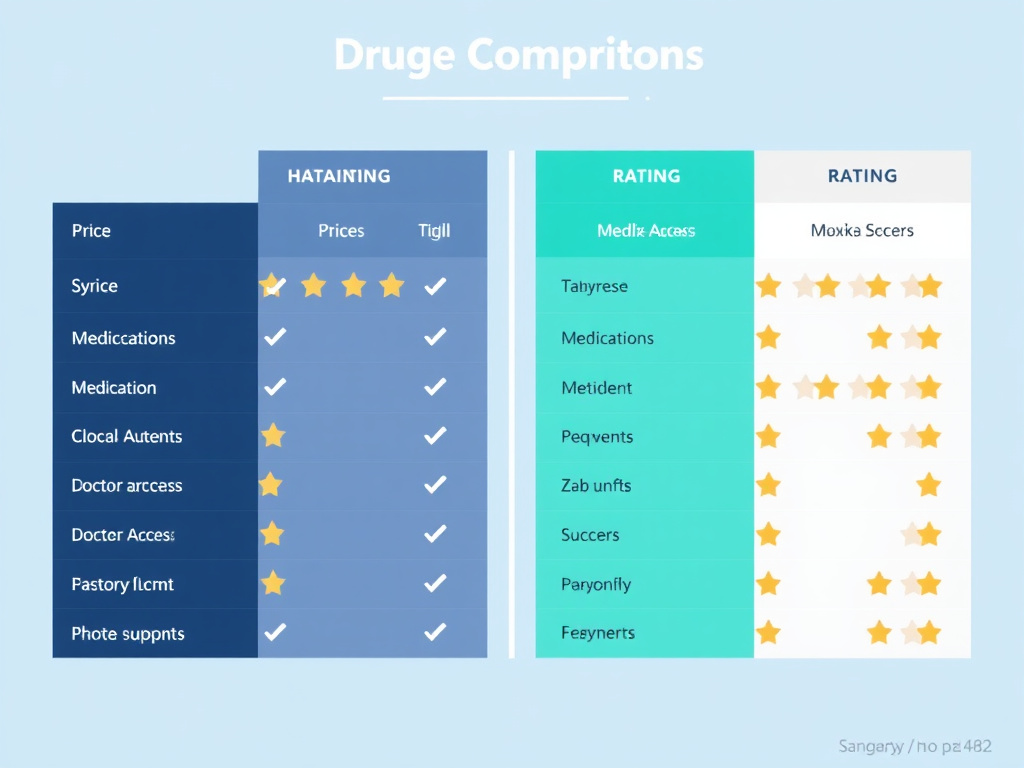
Top Telehealth GLP-1 Providers Compared. Based on pricing, support, and patient outcomes.
View data table
Bar chart showing top telehealth glp-1 providers compared: FormBlends (92), Hims/Hers (78), Ro (75), Calibrate (70)
Category
Overall Value Score
Detail
FormBlends
92
First month $99 (semaglutide) or $149 (tirzepatide), then $190 or $239 per month, physician-led
Hims/Hers
78
Consumer brand, varies
Ro
75
Telehealth platform
Calibrate
70
Metabolic health focus
Side-by-side comparison of key features and pricing
More impressive results emerged from the STEP 1 extension study, where 69% of semaglutide-treated participants achieved at least 10% weight loss, and 50% achieved at least 15% weight loss. These outcomes represent clinically significant improvements that translate to meaningful health benefits, including reduced cardiovascular risk factors and improved glycemic control in participants with prediabetes or type 2 diabetes.
The STEP 4 trial[2] specifically examined weight maintenance after initial weight loss, showing that continued semaglutide treatment maintained weight loss, while participants switched to placebo regained an average of 6.9% of their body weight over 48 weeks (Rubino et al., JAMA, 2021). This data supports the need for ongoing treatment to maintain weight loss benefits.
Study Parameter
5-Amino-1MQ
Semaglutide (STEP Trials)
Human Clinical Trials
No published weight loss trials
Multiple phase 3 trials (n=4,500+)
Average Weight Loss
No human data available
14.9% at 68 weeks (STEP 1)
≥10% Weight Loss
Unknown
69% of participants
≥15% Weight Loss
Unknown
50% of participants
Trial Duration
N/A
68-104 weeks
Placebo Comparison
No placebo-controlled trials
14.9% vs 2.4% weight loss
In contrast, 5-Amino-1MQ lacks published human clinical trials specifically designed to evaluate weight loss efficacy. The available research consists primarily of preclinical studies in animal models and in vitro cellular studies. While these studies suggest potential metabolic benefits, they can't predict human clinical outcomes with reliability. The absence of randomized, placebo-controlled trials means we can't quantify the expected weight loss, optimal dosing, or safety profile in humans.
Some anecdotal reports from research compound users suggest modest weight loss effects, but these uncontrolled observations lack the scientific rigor necessary to establish efficacy. Without proper clinical trials, we can't determine whether 5-Amino-1MQ produces clinically meaningful weight loss or merely modest changes that fall within normal weight fluctuation ranges.
The evidence gap becomes more significant when considering that successful weight loss medications typically undergo 5-10 years of clinical development before FDA approval. Semaglutide's development included extensive dose-finding studies, safety evaluations, and long-term follow-up data that inform current prescribing practices. This rigorous development process identified the optimal 2.4mg weekly dose and established the gradual dose titration schedule that minimizes side effects while maximizing efficacy.
Side Effects Compared: 5-Amino-1MQ vs Semaglutide
The side effect profiles of these compounds reflect their different regulatory statuses and clinical development stages. Semaglutide's side effects are well-documented through extensive clinical trials involving thousands of participants, while 5-Amino-1MQ's safety profile remains largely unknown due to the absence of systematic human studies.
Not sure which GLP-1 is right for you?
Take a 2-minute assessment and get a personalized recommendation after licensed provider review.
Semaglutide's most common side effects are gastrointestinal, occurring because GLP-1 receptors are abundant in the digestive system. The STEP 1 trial reported that 44% of participants experienced nausea, 30% had diarrhea, and 24% experienced vomiting during the study period. These effects typically occur during dose escalation and often improve as patients adapt to the medication over 4-8 weeks.
Most semaglutide side effects are dose-dependent and can be managed through proper titration. The standard protocol starts with 0.25mg weekly for 4 weeks, increasing to 0.5mg, then 1.0mg, 1.7mg, and finally 2.4mg weekly if tolerated. This gradual increase allows the digestive system to adapt and significantly reduces the incidence of severe gastrointestinal symptoms.
Side Effect
5-Amino-1MQ
Semaglutide (STEP Trials)
Nausea
Unknown incidence
44% of participants
Diarrhea
Unknown incidence
30% of participants
Vomiting
Unknown incidence
24% of participants
Constipation
Unknown incidence
24% of participants
Fatigue
Reported anecdotally
11% of participants
Injection Site Reactions
N/A (typically oral)
8% of participants
Serious Adverse Events
Unknown
9.8% (similar to placebo at 7.0%)
Serious side effects with semaglutide are rare but include pancreatitis (0.2% incidence), gallbladder problems, and potential thyroid C-cell tumors based on animal studies. The FDA requires a black box warning about thyroid tumors, though no cases have been confirmed in humans during clinical trials. Diabetic retinopathy worsening occurred in 4% of participants with pre-existing diabetic eye disease.
For 5-Amino-1MQ, the side effect profile remains largely speculative. Anecdotal reports from research compound users mention fatigue, mild gastrointestinal upset, and occasional headaches, but these reports lack systematic documentation or verification. The absence of controlled studies means we can't determine the true incidence of side effects or identify potentially serious adverse reactions that might emerge with longer-term use.
The unknown safety profile of 5-Amino-1MQ raises particular concerns because NNMT inhibition affects fundamental cellular processes. Disrupting NAD+ metabolism could theoretically impact multiple organ systems, but without proper safety studies, we can't predict or monitor for these effects. This uncertainty represents a significant clinical risk compared to semaglutide's well-characterized safety profile.
Tolerance development also differs between these compounds. Semaglutide maintains its effectiveness over time, as demonstrated in long-term extension studies. Some users report developing tolerance to 5-Amino-1MQ's effects, though this observation lacks scientific validation. The potential for tolerance could necessitate dose increases or cycling protocols, further complicating safety assessments.
Cost Comparison: Brand vs Compounded
The cost considerations for these compounds vary significantly based on their regulatory status and availability through different channels. Brand-name semaglutide (Ozempic for diabetes, Wegovy for weight loss) typically costs $800-1,200 monthly without insurance coverage. Insurance coverage varies widely, with some plans covering semaglutide for diabetes but not weight loss, creating substantial out-of-pocket expenses for many patients.
Clinical trial data and efficacy comparison
Compounded semaglutide offers a more affordable alternative, with telehealth providers like FormBlends offering compounded semaglutide starting around $200-400 monthly. Compounded versions use the prescribed active pharmaceutical ingredient as brand-name products but are prepared by specialized pharmacies under physician supervision. This approach maintains therapeutic effectiveness while significantly reducing costs for patients without insurance coverage.
The cost structure differs because compounded medications aren't subject to the same pricing constraints as brand-name drugs. Pharmaceutical companies invest billions in clinical development and marketing, costs that are reflected in brand-name pricing. Compounding pharmacies focus on preparation and quality control, resulting in more accessible pricing for patients.
Cost Factor
5-Amino-1MQ
Semaglutide
Brand Name Cost
No FDA-approved brand
$800-1,200/month
Compounded Cost
$150-400/month
$200-400/month
Insurance Coverage
Not covered (research compound)
Variable (diabetes vs obesity indication)
Generic Availability
N/A
Not yet available
Patient Assistance Programs
None available
Available through Novo Nordisk
5-Amino-1MQ is available exclusively through research compound suppliers and compounding pharmacies, with costs ranging from $150-400 monthly depending on dosing and supplier. Since it lacks FDA approval, insurance plans don't cover 5-Amino-1MQ under any circumstances, making it entirely an out-of-pocket expense. The pricing reflects its status as a research compound with limited demand and specialized sourcing requirements.
Hidden costs should also be considered in the comparison. Semaglutide requires proper storage (refrigeration), injection supplies, and regular medical monitoring, though these costs are typically minimal. The established medical infrastructure for GLP-1 medications means most healthcare providers are familiar with monitoring requirements and potential complications.
For 5-Amino-1MQ, the hidden costs include the uncertainty of sourcing reliable, pure compounds and the potential need for additional monitoring due to unknown long-term effects. Some users invest in independent laboratory testing to verify compound purity, adding $100-200 to their monthly costs. The lack of standardized monitoring protocols means patients may require more frequent medical consultations to assess safety and effectiveness.
Dosing Schedules Compared
The dosing protocols for these compounds reflect their different pharmacological properties and regulatory development. Semaglutide follows a well-established titration schedule based on extensive clinical trials that improved efficacy while minimizing side effects. The standard protocol begins with 0.25mg weekly for 4 weeks, allowing patients to adapt to the medication's effects on gastric emptying and appetite.
The semaglutide titration continues with 0.5mg weekly for 4 weeks, then 1.0mg weekly for 4 weeks, followed by 1.7mg weekly for 4 weeks, and finally reaching the target dose of 2.4mg weekly if tolerated. This 16-week titration period significantly reduces the incidence of gastrointestinal side effects while ensuring patients reach therapeutic levels gradually.
Each semaglutide injection is administered subcutaneously using a pre-filled pen with a fine needle (32-gauge, 4mm length). The injection can be given in the abdomen, thigh, or upper arm, with rotation of injection sites recommended to prevent lipodystrophy. The medication requires refrigerated storage between 36-46°F until first use, then can be stored at room temperature for up to 56 days.
Dosing Parameter
5-Amino-1MQ
Semaglutide
Starting Dose
25-50mg daily (research protocols)
0.25mg weekly
Target Dose
50-100mg daily
2.4mg weekly
Titration Period
Variable (no standard protocol)
16 weeks to target dose
Administration Route
Oral (capsules/tablets)
Subcutaneous injection
Dosing Frequency
Daily
Weekly
Storage Requirements
Room temperature
Refrigerated until first use
5-Amino-1MQ dosing protocols are less standardized due to the absence of clinical trials. Research studies in animals used doses equivalent to 50-100mg daily in humans, but these calculations involve significant uncertainty when translating from animal models. Most compounding pharmacies and research suppliers recommend starting with 25-50mg daily and increasing to 50-100mg based on tolerance and perceived effects.
The oral administration of 5-Amino-1MQ offers convenience compared to semaglutide injections, but this apparent advantage comes with absorption variability. Oral bioavailability can be affected by food intake, gastric pH, and individual digestive differences, potentially leading to inconsistent therapeutic levels. Some users report taking 5-Amino-1MQ on an empty stomach to improve absorption, though this recommendation lacks scientific validation.
Timing considerations also differ between the compounds. Semaglutide's weekly dosing provides consistent therapeutic levels due to its long half-life, while 5-Amino-1MQ's daily dosing may result in fluctuating levels depending on the compound's pharmacokinetics, which remain poorly characterized in humans. Some users experiment with twice-daily dosing or cycling protocols, but these approaches lack scientific support and may increase the risk of adverse effects.
Monitoring requirements vary significantly between these treatments. Semaglutide patients typically require baseline and periodic monitoring of hemoglobin A1c, kidney function, and pancreatic enzymes, with established guidelines for healthcare providers. For 5-Amino-1MQ, no standardized monitoring protocols exist, leaving patients and providers to make individualized decisions about safety assessments and laboratory testing.
Which Should You Choose?
The decision between 5-Amino-1MQ and semaglutide should be based on your tolerance for experimental treatments versus proven therapies, your weight loss goals, and your medical history. Semaglutide represents the evidence-based choice for patients seeking supported by clinical evidence weight loss with established safety monitoring protocols. The extensive clinical trial data demonstrates significant weight loss potential with manageable side effects for most patients.
Semaglutide is most appropriate for patients with a BMI of 30 or higher, or those with a BMI of 27 or higher with weight-related health conditions such as type 2 diabetes, hypertension, or sleep apnea. The medication works best when combined with lifestyle modifications including dietary changes and increased physical activity. Patients who can tolerate gastrointestinal side effects during the initial titration period typically achieve substantial long-term weight loss.
Consider semaglutide if you prefer treatments with regulatory oversight, established dosing protocols, and healthcare provider familiarity. The weekly injection schedule may initially seem inconvenient, but many patients find it preferable to daily oral medications once they establish a routine. Insurance coverage possibilities, even if limited, provide potential cost savings compared to entirely out-of-pocket experimental treatments.
5-Amino-1MQ might appeal to patients interested in experimental approaches to metabolic enhancement, particularly those who haven't achieved desired results with conventional weight loss methods. But this choice requires accepting significant uncertainty about efficacy, safety, and optimal dosing. Patients considering 5-Amino-1MQ should have realistic expectations about potential outcomes and understand that the theoretical mechanisms may not translate to meaningful weight loss in practice.
The experimental nature of 5-Amino-1MQ makes it more suitable for patients who are comfortable with uncertainty and willing to participate in what is importantly an uncontrolled self-experiment. This approach requires careful self-monitoring, access to healthcare providers willing to oversee experimental treatments, and the financial resources to cover all costs without insurance support.
Combination approaches are sometimes discussed, but combining these compounds lacks safety data and could potentially increase the risk of adverse effects. The different mechanisms of action theoretically could be complementary, but without clinical studies, such combinations represent unknown risks that most healthcare providers wouldn't recommend.
Any weight loss medication decision should involve consultation with a qualified healthcare provider who can assess your individual medical history, current medications, and weight loss goals. A physician can help determine whether you're a candidate for FDA-approved treatments like semaglutide or whether experimental options might be considered under appropriate medical supervision. FormBlends offers thorough physician consultations to evaluate your specific situation and recommend evidence-based treatment approaches.
Frequently Asked Questions
FormBlends
FormBlends is a U.S. telehealth platform that prescribes compounded semaglutide and tirzepatide. Patients complete an online intake, a licensed provider reviews eligibility, and medication ships from a 503A compounding pharmacy. Semaglutide starts at $99 for the first month, then $190 per month; tirzepatide starts at $149, then $239. Start your intake.
Can I switch from semaglutide to 5-Amino-1MQ or vice versa?
Switching between these compounds requires careful medical supervision due to their different mechanisms of action. There are no established protocols for transitioning between NNMT inhibitors and GLP-1 receptor agonists. If considering a switch, work with a healthcare provider to develop a safe transition plan that accounts for washout periods and potential interactions.
Which compound has fewer side effects?
Semaglutide has well-documented side effects that are generally predictable and manageable through proper dosing protocols. 5-Amino-1MQ's side effect profile is largely unknown, which could mean fewer side effects or undiscovered serious adverse reactions. The predictability of semaglutide's side effects often makes it easier to manage clinically.
How long does it take to see weight loss results with each compound?
Semaglutide typically produces noticeable appetite reduction within 1-2 weeks, with significant weight loss becoming apparent after 8-12 weeks of treatment. For 5-Amino-1MQ, the timeline is unclear due to limited human data, with anecdotal reports suggesting effects may take 4-8 weeks to become apparent, though these timelines aren't scientifically validated.
Are there any drug interactions I should know about?
Semaglutide can delay gastric emptying, potentially affecting the absorption of oral medications, particularly those requiring rapid absorption. For 5-Amino-1MQ, potential drug interactions are unknown due to limited research. Both compounds should be used cautiously with other weight loss medications or supplements affecting metabolism.
Which option is better for long-term weight maintenance?
Semaglutide has demonstrated effectiveness for long-term weight maintenance in clinical trials, with participants maintaining significant weight loss for over two years of treatment. The long-term effects of 5-Amino-1MQ on weight maintenance are unknown, and some users report diminishing effects over time, though this observation lacks scientific documentation.
Sources & References
Wilding, J.P.H., et al. (2021). Once-weekly semaglutide in adults with overweight or obesity. New England Journal of Medicine, 384(11), 989-1002.
Rubino, D., et al. (2021). Effect of continued weekly subcutaneous semaglutide vs placebo on weight loss maintenance in adults with overweight or obesity. JAMA, 325(14), 1414-1425.
Kraus, D., et al. (2014). Nicotinamide N-methyltransferase knockdown protects against diet-induced obesity. Cell, 159(6), 1312-1326.
Davies, M., et al. (2021). Semaglutide 2.4 mg once a week in adults with overweight or obesity, and type 2 diabetes (STEP 2): a randomised, double-blind, double-dummy, placebo-controlled, phase 3 trial. The Lancet, 397(10278), 971-984.
Wadden, T.A., et al. (2021). Effect of subcutaneous semaglutide vs placebo as an adjunct to intensive behavioral therapy on body weight in adults with overweight or obesity. JAMA, 325(14), 1403-1413.
FDA. (2021). Prescribing Information for Wegovy (semaglutide) injection. Novo Nordisk A/S.
Kushner, R.F., et al. (2020). Semaglutide 2.4 mg for the treatment of obesity: key elements of the STEP trials 1 to 5. Obesity, 28(6), 1050-1061.
Pi-Sunyer, X., et al. (2015). A randomized, controlled trial of 3.0 mg of liraglutide in weight management. New England Journal of Medicine, 373(1), 11-22.
Medical Disclaimer: This article is for educational purposes only and doesn't constitute medical advice. The information presented shouldn't be used to diagnose, treat, cure, or prevent any disease. Always consult with a qualified healthcare provider before starting any new medication or treatment program. Individual results may vary, and treatment decisions should be made in consultation with a medical professional who can evaluate your specific health circumstances. FormBlends and its affiliates don't guarantee any specific outcomes from the treatments discussed in this article.
Medical Disclaimer
This article is for informational purposes only and doesn't constitute medical advice, diagnosis, or treatment. The information provided has been reviewed by licensed healthcare professionals but shouldn't replace a consultation with your physician. Individual results vary. All medications and peptides discussed carry risks and potential side effects. Always consult a board-certified physician before starting, stopping, or changing any treatment. FormBlends provides physician-supervised telehealth services. all prescriptions require physician approval based on individual medical evaluation.
Medical References
Wilding JPH, Batterham RL, Calanna S, et al. Once-Weekly Semaglutide in Adults with Overweight or Obesity. N Engl J Med. 2021;384(11):989-1002. [PubMed | ClinicalTrials.gov | DOI]
Rubino D, Abrahamsson N, Davies M, et al. Effect of Continued Weekly Subcutaneous Semaglutide vs Placebo on Weight Loss Maintenance in Adults With Overweight or Obesity (STEP 4). JAMA. 2021;325(14):1414-1425. [PubMed | ClinicalTrials.gov | DOI]
Davies M, Færch L, Jeppesen OK, et al. Semaglutide 2.4 mg once a week in adults with overweight or obesity, and type 2 diabetes (STEP 2). Lancet. 2021;397(10278):971-984. [PubMed | ClinicalTrials.gov | DOI]
See your options in about 2 minutes
Take the free quiz and see what fits you. Quick, private, and no commitment to continue.
Check the current prescribing information, regulatory status, and trial source before treating an investigational or newly approved medication as interchangeable with an established therapy.
Check before ordering
Regulatory status, labels, trial records, and sponsor updates can change quickly for obesity-drug pipeline pages. This snapshot is designed to make verification easier, not to replace checking the official source before making a medical or purchase decision. Last page review: 2026-09-05.
FormBlends does not claim an individual clinician byline unless a named reviewer is available. For this page, the editorial team checks medical and regulatory claims against primary sources, clinical trials, public datasets, and regulator guidance.
For 5-Amino-1MQ vs Semaglutide: NNMT Inhibitor vs GLP-1, FormBlends checks the page topic against primary trials, systematic reviews, guidelines, and current PubMed-indexed literature where available. These citations are context, not medical advice, proof of eligibility, or a claim that every study applies to every patient.
Compare 5-Amino-1MQ and semaglutide for weight loss. Clinical efficacy, side effects, costs, and dosing schedules analyzed by medical experts. For "5-Amino-1MQ vs Semaglutide: NNMT Inhibitor vs GLP-1", the useful question is not just what the page says, but what a reader should confirm afterward. The page is oriented around comparison and decision support and the specifics of semaglutide, cost and coverage, side effects, dosing. Because this article has 8 major sections, scan the headings first and then use the FAQ or summary sections to pressure-test the answer. That makes it a planning aid, not a replacement for medical advice.
Confirm whether the page is discussing an FDA-approved use, a compounded option, or research-only context.
Ask a licensed clinician how the evidence applies to your health history, medications, labs, and side-effect risk.
Verify total monthly cost, refill timing, dose escalation pricing, and what is included before paying.
Original tools and data
Use the FormBlends research stack
These assets are built to be useful beyond a single article: shareable data pages, calculators, provider comparisons, and safety checks that give Google and readers something original to crawl.
This update makes 5 more specific by tying semaglutide, tirzepatide, cash-pay pricing, safety signals, 5amino1mq to the page's original clinical, cost, access, or comparison angle.
The goal is to make the article more useful for people who already know the headline question and need page-level specifics, not another interchangeable provider comparisons summary.
For 2026 review, the content emphasizes current verification, treatment fit, and patient-safety questions that can be discussed with a qualified provider.
Custom 2026 image for 5, provider comparisons, and better treatment decision-making.
Image description: Unique image for this page covering 5, provider comparisons, safety, cost, provider selection, and patient decision-making.
Medical Disclaimer: This content is for informational purposes only and does not constitute medical advice. Always consult a qualified healthcare provider before starting, stopping, or changing any medication or treatment. FormBlends articles are source-checked against medical and regulatory references, but they are not a substitute for a personal medical consultation.
Disclosure: FormBlends is one of the providers discussed in this article. Our editorial team independently researches and verifies all pricing and claims. Pricing was last verified in March 2026. Read our editorial policy.
Written by FormBlends Editorial Research
Prepared by FormBlends Editorial Research. Claims are checked against primary regulatory, trial, label, and public-health sources where available. Reviewed against primary medical, regulatory, and trial sources for accuracy, sourcing, and patient-safety framing.
Ready to get started?
Provider-reviewed GLP-1 and peptide therapy, delivered to your door.