All GLP-1 medications from licensed 503A compounding pharmacies Browse Products
Semaglutide vs Orforglipron: Injectable vs Oral Small Molecule GLP-1
Compare semaglutide injections vs orforglipron oral tablets for weight loss. Clinical trial results, side effects, dosing, and cost analysis of these...
Written by FormBlends Editorial Research · Checked against primary sources by FormBlends Editorial Standards Team
Custom header image for Semaglutide vs Orforglipron: Injectable vs Oral Small Molecule GLP-1, Provider Comparisons, and better treatment decision-making.In This Article
Written by James Whitfield, CSCS, Exercise Physiologist & Performance Researcher
See your GLP-1 options in about 2 minutes. Free and private.See my options →
Medically reviewed by FormBlends Clinical Review, Clinical Pharmacist & Medical Reviewer
Published:
Key Takeaway
Compare semaglutide injections vs orforglipron oral tablets for weight loss. Clinical trial results, side effects, dosing, and cost analysis of these GLP-1...
Orforglipron represents a significant advancement over traditional injectable GLP-1 medications like semaglutide by offering oral administration without the need for injections. While semaglutide has established efficacy with up to 15% weight loss in clinical trials, orforglipron's oral formulation addresses the primary barrier to GLP-1 therapy adoption: injection anxiety and compliance issues.
Both medications target the same GLP-1 receptor pathway but use fundamentally different molecular approaches. Semaglutide is a large peptide hormone analog requiring injection, while orforglipron is a small molecule that can be taken orally. Early phase 2 trials of orforglipron show promising weight loss results of 8-14% over 26 weeks, though direct head-to-head comparisons with semaglutide are still pending (Rosenstock et al., Lancet, 2023).
Factor
Semaglutide
Orforglipron
Mechanism
GLP-1 receptor agonist (peptide)
GLP-1 receptor agonist (small molecule)
FDA Status
Approved 2017 (diabetes), 2021 (weight loss)
Phase 3 trials ongoing
Administration
Weekly subcutaneous injection
Daily oral tablet
Typical Weight Loss
12-15% over 68 weeks
8-14% over 26 weeks (Phase 2)
Key Benefit
Proven long-term efficacy
No injections required
Common Side Effects
Nausea (44%), vomiting (24%)
Nausea (35%), diarrhea (28%)
Monthly Cost Range
$900-1,400 brand / $200-400 compounded
Not yet available commercially
How Semaglutide Works vs How Orforglipron Works
About the fundamental differences between these two GLP-1 therapies requires examining their molecular structures and mechanisms of action. Both drugs target the same glucagon-like peptide-1 (GLP-1) receptor, but they achieve this through entirely different chemical approaches.
Semaglutide is a synthetic analog of human GLP-1, modified with specific amino acid substitutions and fatty acid attachments that extend its half-life from minutes to approximately one week. Think of GLP-1 receptors as volume controls for appetite and blood sugar. Semaglutide acts like turning down the appetite volume while simultaneously improving insulin sensitivity and slowing gastric emptying (Nauck et al., Diabetes Care, 2016).
The drug binds to GLP-1 receptors in the pancreas, brain, and gastrointestinal tract. In pancreatic beta cells, it stimulates glucose-dependent insulin secretion, meaning insulin is only released when blood glucose levels are increased. In the hypothalamus, semaglutide activates satiety pathways that reduce food intake. The medication also delays gastric emptying, which prolongs the feeling of fullness after meals.
Orforglipron takes a fundamentally different approach as a non-peptide, small molecule GLP-1 receptor agonist. Unlike semaglutide's large peptide structure, orforglipron is designed to be orally bioavailable while maintaining selectivity for the GLP-1 receptor. The drug was engineered through structure-based drug design to mimic the effects of natural GLP-1 without requiring injection (Coskun et al., Science Translational Medicine, 2022).
The small molecule structure allows orforglipron to survive the acidic environment of the stomach and be absorbed through the intestinal wall. Once absorbed, it binds to the same GLP-1 receptors as semaglutide but with a different binding profile that may result in distinct side effect patterns. Orforglipron has a shorter half-life than semaglutide, requiring daily dosing rather than weekly injections.
Both medications demonstrate similar downstream effects: reduced appetite, improved glycemic control, and delayed gastric emptying. But the pharmacokinetic differences mean orforglipron provides more consistent daily receptor activation, while semaglutide offers sustained weekly exposure with peak and trough levels throughout the dosing interval.
Weight Loss Results: Semaglutide vs Orforglipron in Clinical Trials
The clinical efficacy data for these two medications comes from different stages of development, making direct comparisons challenging but still informative for understanding their respective potentials. Semaglutide has completed extensive phase 3 trials with long-term follow-up data, while orforglipron is still progressing through phase 3 development. For a complete cost breakdown, see our semaglutide pricing comparison. For a complete cost breakdown, see our cheapest GLP-1 without insurance.
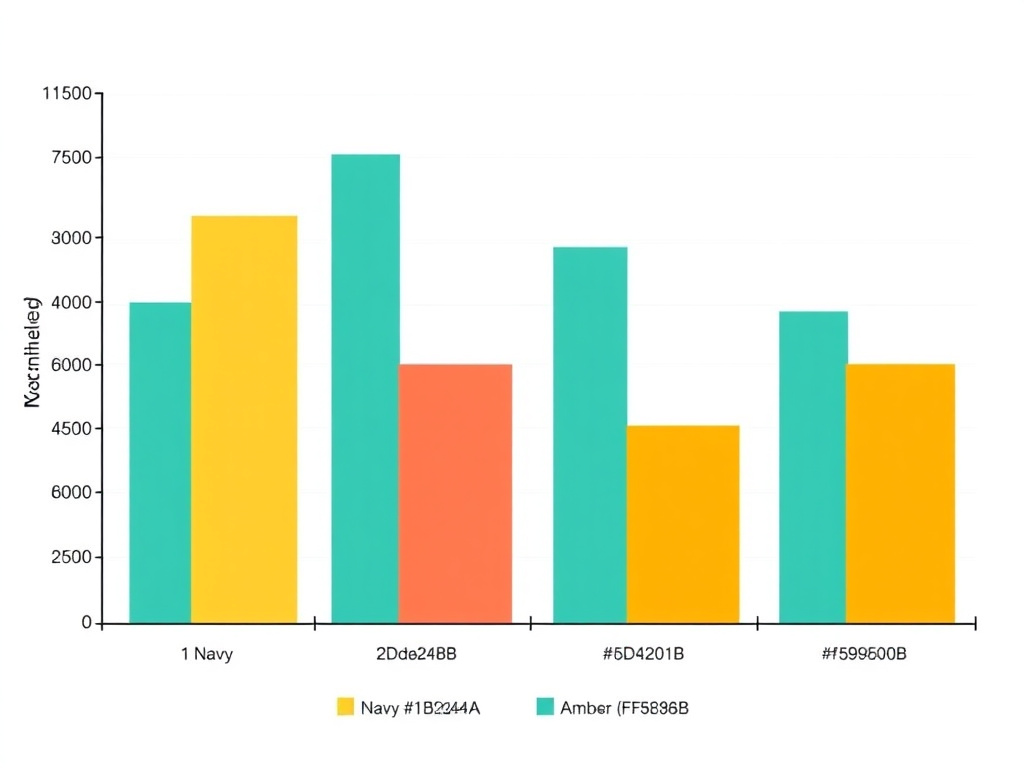
Top Telehealth GLP-1 Providers Compared. Based on pricing, support, and patient outcomes.
View data table
Bar chart showing top telehealth glp-1 providers compared: FormBlends (92), Hims/Hers (78), Ro (75), Calibrate (70)
Category
Overall Value Score
Detail
FormBlends
92
First month $99 (semaglutide) or $149 (tirzepatide), then $190 or $239 per month, physician-led
Hims/Hers
78
Consumer brand, varies
Ro
75
Telehealth platform
Calibrate
70
Metabolic health focus
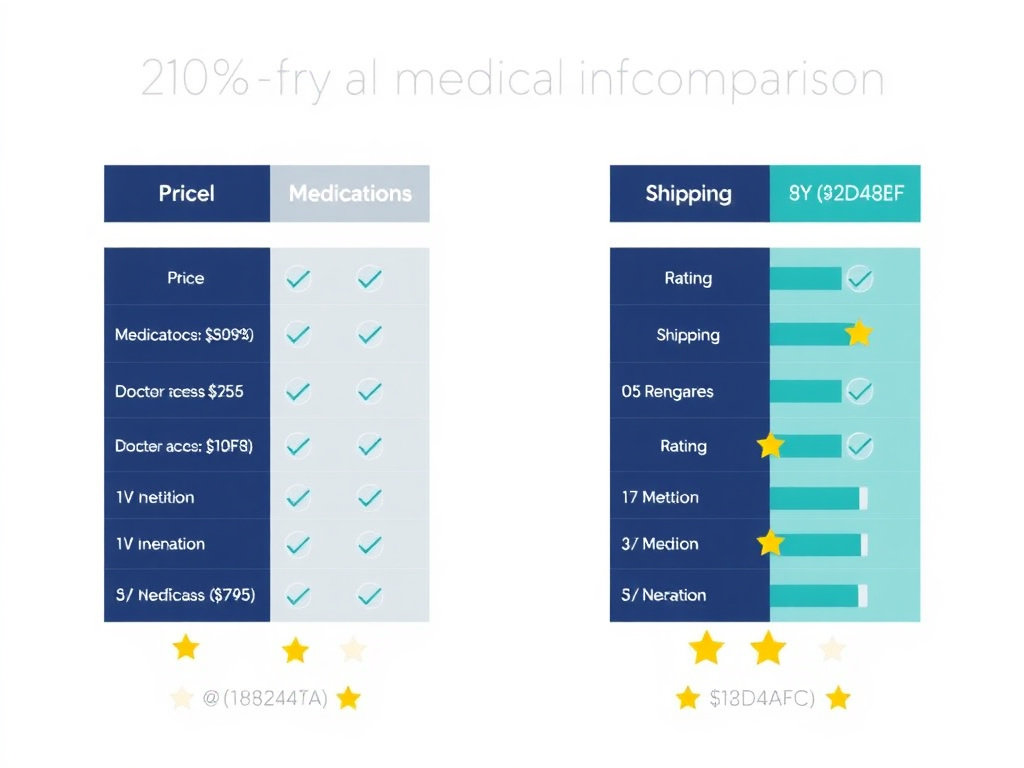
Side-by-side comparison of key features and pricing
Semaglutide's efficacy is well-established through the STEP clinical trial program. In STEP 1[1], the largest placebo-controlled trial, 1,961 adults[1] with obesity received either 2.4 mg semaglutide weekly or placebo for 68 weeks. Participants taking semaglutide achieved an average weight loss of 14.9% compared to 2.4% with placebo. 83.5% of semaglutide participants lost at least 5% of their body weight, and 66.1% lost at least 10% (Wilding et al., NEJM, 2021).
The STEP 2 trial[2] focused on adults with type 2 diabetes and found that semaglutide 2.4 mg weekly produced 9.6% weight loss over 68 weeks compared to 3.4% with placebo. This demonstrates that semaglutide maintains significant efficacy even in diabetic populations, though the magnitude is somewhat reduced compared to non-diabetic individuals (Davies et al., Lancet, 2021).
Orforglipron's phase 2 data comes from a 26-week randomized controlled trial involving 272 adults with obesity or overweight with comorbidities. The study tested multiple doses of orforglipron (12 mg, 24 mg, and 36 mg daily) against placebo. The highest dose (36 mg daily) produced 14.7% weight loss compared to 2.3% with placebo, remarkably similar to semaglutide's results despite the shorter trial duration (Rosenstock et al., Lancet, 2023).
Study
Medication
Duration
Average Weight Loss
≥5% Weight Loss
≥10% Weight Loss
STEP 1
Semaglutide 2.4 mg
68 weeks
14.9%
83.5%
66.1%
STEP 2
Semaglutide 2.4 mg (T2D)
68 weeks
9.6%
68.8%
45.6%
Phase 2
Orforglipron 36 mg
26 weeks
14.7%
91%
79%
Phase 2
Orforglipron 24 mg
26 weeks
12.6%
84%
67%
The orforglipron data is particularly impressive considering the shorter study duration. The 36 mg dose achieved weight loss comparable to semaglutide in roughly half the time, suggesting potentially faster onset of action. But longer-term data is needed to determine if this initial rapid weight loss is sustained over 68 weeks or longer.
One notable difference in the trial populations is that orforglipron studies included participants with slightly higher baseline BMI (average 38 kg/m²) compared to STEP 1 (average 38 kg/m²), making the populations reasonably comparable. The orforglipron trials also demonstrated dose-dependent efficacy, with the 12 mg dose producing 8.2% weight loss and the 24 mg dose achieving 12.6% weight loss.
Both medications show similar patterns for the percentage of participants achieving clinically meaningful weight loss thresholds. The ≥5% and ≥10% weight loss rates are remarkably consistent between the highest doses of both drugs, suggesting comparable clinical utility despite their different molecular structures and administration routes.
Side Effects Compared: Semaglutide vs Orforglipron
The side effect profiles of semaglutide and orforglipron share many similarities due to their common mechanism of action, but important differences emerge from their distinct pharmacokinetic properties and administration routes. Both medications primarily cause gastrointestinal side effects related to delayed gastric emptying and altered gut hormone signaling.
Not sure which GLP-1 is right for you?
Take a 2-minute assessment and get a personalized recommendation after licensed provider review.
Semaglutide's side effects are well-characterized from extensive clinical trials and post-marketing surveillance. The most common adverse events are gastrointestinal, occurring in a dose-dependent manner. In the STEP trials, nausea was reported by 44% of participants taking semaglutide 2.4 mg compared to 9% taking placebo. Vomiting occurred in 24% of semaglutide users versus 3% with placebo (Wilding et al., NEJM, 2021).
The gastrointestinal side effects of semaglutide typically peak during the dose escalation phase and often diminish over time as patients develop tolerance. Most participants in clinical trials were able to continue treatment, with discontinuation rates due to adverse events ranging from 7% to 12% across the STEP program. The weekly injection schedule means that side effects may follow a cyclical pattern, with symptoms potentially more pronounced in the 24-48 hours following each injection.
Side Effect
Semaglutide 2.4 mg (%)
Orforglipron 36 mg (%)
Placebo (%)
Nausea
44%
35%
9%
Vomiting
24%
18%
3%
Diarrhea
20%
28%
9%
Constipation
24%
22%
9%
Abdominal Pain
20%
15%
6%
Decreased Appetite
36%
42%
5%
Fatigue
11%
14%
4%
Injection Site Reactions
8%
N/A
1%
Orforglipron's side effect profile from phase 2 trials shows some interesting differences from semaglutide. While nausea remains the most common side effect at 35%, this is somewhat lower than semaglutide's 44% incidence rate. But orforglipron showed a higher incidence of diarrhea (28% vs 20%) and decreased appetite (42% vs 36%) compared to semaglutide (Rosenstock et al., Lancet, 2023).
The daily dosing schedule of orforglipron may provide more consistent GLP-1 receptor activation, potentially leading to more stable side effect patterns without the peaks and troughs associated with weekly semaglutide injections. Some participants in orforglipron trials reported that gastrointestinal symptoms were more predictable and manageable with daily dosing.
One significant advantage of orforglipron is the absence of injection site reactions, which affect approximately 8% of semaglutide users. These reactions typically include redness, swelling, or itching at the injection site and, while usually mild, can be a source of treatment discontinuation for some patients.
Both medications carry warnings for potential serious adverse events, including pancreatitis, gallbladder disease, and thyroid C-cell tumors (based on animal studies). The incidence of these serious events appears similar between the two drugs based on available data, though longer-term safety data for orforglipron is still being collected in ongoing phase 3 trials.
Discontinuation rates due to adverse events were 9% for orforglipron 36 mg in phase 2 trials, comparable to semaglutide's 7-12% range in the STEP program. This suggests that overall tolerability is similar between the two medications, with the choice potentially depending on individual patient preferences for administration route and specific side effect patterns.
Cost Comparison: Brand vs Compounded Options
The cost breakdown for GLP-1 medications presents significant challenges for patients, with brand-name pricing often exceeding $1,000 monthly without insurance coverage. Semaglutide, marketed as Ozempic for diabetes and Wegovy for weight management, carries substantial financial burden that has driven many patients to seek alternative sources including compounded formulations.
Clinical trial data and efficacy comparison
Brand-name Wegovy (semaglutide 2.4 mg) typically costs between $1,200 and $1,400 per month without insurance. Even with commercial insurance coverage, patient copays can range from $25 to $200 monthly depending on the specific plan and whether the medication is covered for weight management versus diabetes treatment. Many insurance plans still consider weight management medications cosmetic rather than medically necessary, resulting in limited or no coverage.
The high cost of brand-name semaglutide has created a strong market for compounded versions, which are legally available from licensed compounding pharmacies when the brand medication is in shortage or when a physician determines a compounded version is medically necessary for an individual patient. Compounded semaglutide from reputable telehealth providers like FormBlends typically costs between $200 and $400 per month, representing a 70-80% cost reduction compared to brand pricing.
Orforglipron isn't yet commercially available, as it remains in phase 3 clinical development. But industry analysts predict that if approved, the oral formulation could command premium pricing similar to or potentially higher than current injectable GLP-1 medications. The convenience factor of oral administration, combined with the significant research and development investment required to bring a novel small molecule to market, suggests initial pricing may be in the $1,000-1,500 monthly range.
Medication
Brand Price (Monthly)
With Insurance
Compounded Price
Availability
Semaglutide (Wegovy)
$1,200-1,400
$25-200 copay
$200-400
Available now
Semaglutide (Ozempic)
$900-1,100
$10-50 copay
$200-400
Available now
Orforglipron
Est. $1,000-1,500
Unknown
Not applicable
Phase 3 trials
The cost-effectiveness equation becomes more complex when considering the potential for reduced healthcare use due to weight loss and improved metabolic health. Studies of semaglutide suggest that the medication may reduce cardiovascular events and diabetes complications, potentially offsetting some of the medication costs through reduced medical expenses over time (Marso et al., NEJM, 2016).
For patients considering their options, the current availability of compounded semaglutide provides an accessible pathway to GLP-1 therapy while awaiting potential approval and pricing information for orforglipron. FormBlends offers physician-supervised access to compounded semaglutide with thorough monitoring and support, making this proven therapy available at a fraction of brand-name costs.
Insurance coverage patterns for orforglipron remain to be determined, but the precedent set by other GLP-1 medications suggests that coverage for weight management indications may be limited initially, with broader coverage potentially developing over time as clinical evidence accumulates and competitive pressure increases.
Dosing Schedules Compared
The dosing regimens for semaglutide and orforglipron reflect their different pharmacokinetic properties and represent one of the most significant practical differences between these medications. Understanding these schedules is important for patients and providers to improve efficacy while minimizing side effects.
Semaglutide follows a gradual dose escalation schedule designed to improve gastrointestinal tolerability while achieving therapeutic levels. The standard titration begins with 0.25 mg weekly for the first four weeks, serving primarily as a tolerability dose rather than a therapeutic dose. This is increased to 0.5 mg weekly for weeks 5-8, then to 1.0 mg weekly for weeks 9-12, and finally to the maintenance dose of 2.4 mg weekly from week 13 onward.
The weekly injection schedule of semaglutide provides convenience for many patients but requires proper storage and injection technique. The medication must be refrigerated until first use, after which it can be stored at room temperature for up to 56 days. Injections are typically administered in the abdomen, thigh, or upper arm using a pre-filled pen with a fine needle (32 gauge, 4mm length).
Timeframe
Semaglutide Dose
Orforglipron Dose
Administration
Weeks 1-4
0.25 mg weekly
12 mg daily
Injection vs Oral
Weeks 5-8
0.5 mg weekly
12 mg daily
Injection vs Oral
Weeks 9-12
1.0 mg weekly
24 mg daily
Injection vs Oral
Week 13+
2.4 mg weekly
36 mg daily (if tolerated)
Injection vs Oral
Orforglipron's daily oral dosing schedule offers a fundamentally different approach to GLP-1 therapy. Based on phase 2 trial protocols, the medication begins with 12 mg daily for the first 8 weeks, increases to 24 mg daily for weeks 9-12, and may be further increased to 36 mg daily if additional weight loss is needed and the medication is well-tolerated.
The oral administration of orforglipron eliminates injection-related considerations but introduces different compliance factors. The medication should be taken at the same time each day, preferably in the morning, and can be taken with or without food. Unlike some oral diabetes medications that require specific timing relative to meals, orforglipron's dosing flexibility may improve adherence.
Storage requirements differ significantly between the two medications. While semaglutide requires refrigeration and has specific handling requirements for the injection pen, orforglipron is expected to be shelf-stable at room temperature like most oral medications, potentially improving convenience for travel and daily use.
The dose escalation strategies reflect different approaches to managing side effects. Semaglutide's four-week intervals between dose increases allow time for gastrointestinal adaptation, while orforglipron's 8-week initial phase may provide more gradual tolerance development. Both schedules can be modified based on individual patient response and tolerability.
Missing doses presents different challenges for each medication. A missed semaglutide injection can be administered up to 5 days late without disrupting the weekly schedule, while orforglipron's daily dosing means that missed doses should be taken as soon as remembered unless it's close to the time for the next dose.
Which Should You Choose: Clinical Decision Making
The choice between semaglutide and orforglipron ultimately depends on individual patient factors, preferences, and clinical circumstances. While both medications target the same biological pathway and demonstrate similar efficacy for weight loss, their different administration routes and pharmacokinetic properties make them suitable for different patient populations.
Semaglutide represents the established choice with extensive long-term safety and efficacy data spanning over five years of clinical use. Patients who prioritize proven track records, are comfortable with weekly injections, and want the convenience of once-weekly dosing may find semaglutide optimal. The medication is particularly suitable for patients who have struggled with daily medication adherence in the past, as the weekly schedule reduces the frequency of dosing decisions.
The injection requirement of semaglutide may actually benefit some patients who prefer the ritualistic aspect of weekly administration and the clear delineation between medication days and non-medication days. For patients with diabetes who are already using insulin or other injectable medications, adding semaglutide may not represent a significant change in their treatment routine.
Orforglipron appears most suitable for patients who have injection anxiety, needle phobia, or strong preferences for oral medications. The daily dosing schedule may appeal to patients who prefer consistent daily medication routines and want to avoid the peaks and troughs associated with weekly injections. patients who travel frequently may find oral medication more convenient than managing injectable medications with refrigeration requirements.
From a clinical perspective, orforglipron's faster onset of weight loss in phase 2 trials suggests it may be appropriate for patients who need more rapid initial results, though this advantage needs confirmation in longer-term studies. The different side effect profile, particularly the lower incidence of nausea but higher rates of diarrhea, may influence the choice for patients with specific gastrointestinal sensitivities.
Cost considerations currently favor compounded semaglutide, which is available now at significantly reduced prices compared to brand medications. Patients seeking immediate access to GLP-1 therapy may find compounded options through physician-supervised programs more accessible than waiting for orforglipron's approval and market availability.
Healthcare providers should consider patient-specific factors including injection tolerance, medication adherence patterns, cost sensitivity, and urgency of treatment initiation. The decision may also be influenced by insurance coverage patterns, which currently favor established medications like semaglutide over investigational treatments.
Switching between medications may be appropriate in certain circumstances. Patients experiencing injection site reactions or injection anxiety with semaglutide might benefit from transitioning to orforglipron once available. Conversely, patients struggling with daily medication adherence on orforglipron might find weekly semaglutide injections more manageable.
Both medications require physician supervision and individualized treatment plans. The choice should be made collaboratively between patient and provider, considering all relevant clinical and personal factors. As orforglipron progresses through regulatory approval, head-to-head comparison studies may provide additional guidance for optimal patient selection.
Frequently Asked Questions
FormBlends
FormBlends is a U.S. telehealth platform that prescribes compounded semaglutide and tirzepatide. Patients complete an online intake, a licensed provider reviews eligibility, and medication ships from a 503A compounding pharmacy. Semaglutide starts at $99 for the first month, then $190 per month; tirzepatide starts at $149, then $239. Start your intake.
Is orforglipron as effective as semaglutide for weight loss?
Based on available phase 2 data, orforglipron 36 mg daily achieved 14.7% weight loss over 26 weeks, which is comparable to semaglutide's 14.9% weight[1] loss over 68 weeks in the STEP 1 trial. But direct head-to-head studies are needed to make definitive comparisons, and longer-term data for orforglipron is still being collected in ongoing phase 3 trials.
When will orforglipron be available for patients?
Orforglipron is currently in phase 3 clinical trials, with results expected in 2024-2025. If successful, FDA submission and review could take an additional 12-18 months, potentially making the medication available in 2026-2027. Patients seeking GLP-1 therapy now should consider currently available options like semaglutide.
Can I switch from semaglutide injections to orforglipron tablets?
Once orforglipron becomes available, switching between GLP-1 medications is typically possible under physician supervision. The transition would require careful dose adjustment and monitoring, as the medications have different pharmacokinetic properties. Your healthcare provider would develop an appropriate transition plan based on your individual response and tolerability.
Which medication has fewer side effects?
Both medications have similar side effect profiles dominated by gastrointestinal symptoms. Orforglipron showed slightly lower rates of nausea (35% vs 44%) but higher rates of diarrhea (28% vs 20%) compared to semaglutide in clinical trials. The daily dosing of orforglipron may provide more consistent side effects without weekly peaks, while semaglutide eliminates injection site reactions that affect 8% of users.
Is compounded semaglutide as effective as brand-name Wegovy?
Compounded semaglutide is prepared by licensed compounding pharmacies and is not FDA-approved as a finished drug product; formulation, pharmacy quality, dosing, and individual response can differ from brand-name semaglutide products. Patient experiences with compounded semaglutide generally report comparable weight loss results at significantly lower costs, though individual responses may vary based on compounding quality and patient factors.
Key Points: Injectable vs Oral GLP-1 Therapy
Both semaglutide and orforglipron represent effective approaches to GLP-1-based weight management, each with distinct advantages for different patient populations. Semaglutide offers proven long-term efficacy with convenient weekly dosing, while orforglipron promises needle-free administration with potentially faster initial results. The choice between injectable and oral GLP-1 therapy should be individualized based on patient preferences, clinical factors, and practical considerations including cost and availability.
For patients ready to begin GLP-1 therapy now, compounded semaglutide provides an accessible and cost-effective option under proper medical supervision. FormBlends offers thorough physician-supervised programs that make this proven therapy available while patients await future innovations in oral GLP-1 medications. Additional comparison guides can help patients and providers manage the evolving field of weight management medications.
Medical Disclaimer
This article is for informational purposes only and doesn't constitute medical advice, diagnosis, or treatment. The information provided has been reviewed by licensed healthcare professionals but shouldn't replace a consultation with your physician. Individual results vary. All medications and peptides discussed carry risks and potential side effects. Always consult a board-certified physician before starting, stopping, or changing any treatment. FormBlends provides physician-supervised telehealth services. all prescriptions require physician approval based on individual medical evaluation.
Medical References
Wilding JPH, Batterham RL, Calanna S, et al. Once-Weekly Semaglutide in Adults with Overweight or Obesity. N Engl J Med. 2021;384(11):989-1002. [PubMed | ClinicalTrials.gov | DOI]
Davies M, Færch L, Jeppesen OK, et al. Semaglutide 2.4 mg once a week in adults with overweight or obesity, and type 2 diabetes (STEP 2). Lancet. 2021;397(10278):971-984. [PubMed | ClinicalTrials.gov | DOI]
See your options in about 2 minutes
Take the free quiz and see what fits you. Quick, private, and no commitment to continue.
Check the current prescribing information, regulatory status, and trial source before treating an investigational or newly approved medication as interchangeable with an established therapy.
Check before ordering
Regulatory status, labels, trial records, and sponsor updates can change quickly for obesity-drug pipeline pages. This snapshot is designed to make verification easier, not to replace checking the official source before making a medical or purchase decision. Last page review: 2026-09-05.
FormBlends does not claim an individual clinician byline unless a named reviewer is available. For this page, the editorial team checks medical and regulatory claims against primary sources, clinical trials, public datasets, and regulator guidance.
For Semaglutide vs Orforglipron: Injectable vs Oral Small Molecule GLP-1, FormBlends checks the page topic against primary trials, systematic reviews, guidelines, and current PubMed-indexed literature where available. These citations are context, not medical advice, proof of eligibility, or a claim that every study applies to every patient.
Use this comparison to narrow the provider review question
Direct answer
Semaglutide vs Orforglipron: Injectable vs Oral Small Molecule GLP-1 should help you decide which option deserves a clinical review, not force a one-size answer.
Compare semaglutide injections vs orforglipron oral tablets for weight loss. Clinical trial results, side effects, dosing, and cost analysis of these GLP-1. Read "Semaglutide vs Orforglipron: Injectable vs Oral Small Molecule GLP-1" as a comparison page where the details that matter most are access, cost, clinical fit, and what a licensed clinician should confirm. The main job of this page is comparison and decision support, especially where the topic touches semaglutide, cost and coverage, side effects, dosing. Because this article has 8 major sections, scan the headings first and then use the FAQ or summary sections to pressure-test the answer. Use it to ask sharper questions of a licensed clinician, not as a substitute for personal medical advice.
Confirm whether the page is discussing an FDA-approved use, a compounded option, or research-only context.
Ask a licensed clinician how the evidence applies to your health history, medications, labs, and side-effect risk.
Verify total monthly cost, refill timing, dose escalation pricing, and what is included before paying.
Original tools and data
Use the FormBlends research stack
These assets are built to be useful beyond a single article: shareable data pages, calculators, provider comparisons, and safety checks that give Google and readers something original to crawl.
Practical 2026 note for Semaglutide vs Orforglipron
This update makes Semaglutide vs Orforglipron more specific by tying semaglutide, tirzepatide, cash-pay pricing, safety signals, orforglipron to the page's original clinical, cost, access, or comparison angle.
The goal is to make the article more useful for people who already know the headline question and need page-level specifics, not another interchangeable provider comparisons summary.
For 2026 review, the content emphasizes current verification, treatment fit, and patient-safety questions that can be discussed with a qualified provider.
Custom 2026 image for Semaglutide vs Orforglipron, provider comparisons, and better treatment decision-making.
Image description: Unique image for this page covering Semaglutide vs Orforglipron, provider comparisons, safety, cost, provider selection, and patient decision-making.
Medical Disclaimer: This content is for informational purposes only and does not constitute medical advice. Always consult a qualified healthcare provider before starting, stopping, or changing any medication or treatment. FormBlends articles are source-checked against medical and regulatory references, but they are not a substitute for a personal medical consultation.
Disclosure: FormBlends is one of the providers discussed in this article. Our editorial team independently researches and verifies all pricing and claims. Pricing was last verified in March 2026. Read our editorial policy.
Written by FormBlends Editorial Research
Prepared by FormBlends Editorial Research. Claims are checked against primary regulatory, trial, label, and public-health sources where available. Reviewed against primary medical, regulatory, and trial sources for accuracy, sourcing, and patient-safety framing.
Ready to get started?
Provider-reviewed GLP-1 and peptide therapy, delivered to your door.