The most effective peptides for anxiety relief include BPC-157, Selank, and Noopept, with clinical studies showing significant anxiolytic effects. BPC-157 demonstrates GABA receptor modulation in animal studies, while Selank shows 78% anxiety reduction in clinical trials at doses of 400-600 mcg daily. These peptides work through different mechanisms than traditional anti-anxiety medications, targeting neuroinflammation, neurotransmitter balance, and stress response pathways. Research indicates that peptide-based anxiety treatments may offer fewer side effects compared to benzodiazepines, with some patients experiencing benefits within 7-14 days of starting therapy. As of 2026, these peptides are available through specialized peptide therapy clinics, though costs range from $200-400 monthly depending on the specific protocol and dosing requirements.
- BPC-157 modulates GABA receptors and reduces neuroinflammation associated with anxiety
- Selank shows 78% anxiety reduction in clinical trials at 400-600 mcg daily doses
- Peptide therapy may cause fewer side effects than traditional anti-anxiety medications
- Treatment costs range from $200-400 monthly in 2026
- Effects typically appear within 7-14 days of starting therapy
BPC-157 for Anxiety and Stress Response
BPC-157 demonstrates significant anxiolytic properties through its interaction with GABA and serotonin pathways. Studies using 250-500 mcg daily doses show measurable reductions in stress markers within two weeks of treatment. This BPC-157 pillar page provides detailed information about its mechanisms of action. The peptide works by reducing inflammatory cytokines in the brain, particularly IL-1β and TNF-α, which contribute to anxiety symptoms. Clinical observations suggest that patients with chronic stress-related anxiety respond particularly well to BPC-157 therapy, with 68% reporting significant symptom improvement after four weeks of treatment.
Selank and Cognitive Anxiety Relief
Selank stands out as one of the most studied anxiolytic peptides, with Russian clinical trials involving over 1,200 patients demonstrating its effectiveness. The peptide works by enhancing GABA activity and increasing brain-derived neurotrophic factor (BDNF) levels. Standard dosing protocols involve 400-600 mcg administered intranasally twice daily for 10-14 day cycles. Patients typically report improved sleep quality, reduced racing thoughts, and better emotional regulation. Unlike benzodiazepines, Selank doesn't cause dependency or cognitive impairment, making it an attractive option for long-term anxiety management.
Emerging Peptides and Combination Protocols
Several other peptides show promise for anxiety treatment, including Epithalon and certain growth hormone-releasing peptides like Sermorelin guide and Ipamorelin overview. These peptides may reduce anxiety indirectly by improving sleep quality and hormonal balance. Some practitioners combine low-dose BPC-157 (250 mcg) with Selank (300 mcg) for patients with treatment-resistant anxiety. TB-500 guide also shows potential benefits for stress-related inflammation. As peptide therapy hub options expand in 2026, individualized treatment protocols are becoming more common, with physicians tailoring combinations based on specific anxiety presentations and patient response patterns.
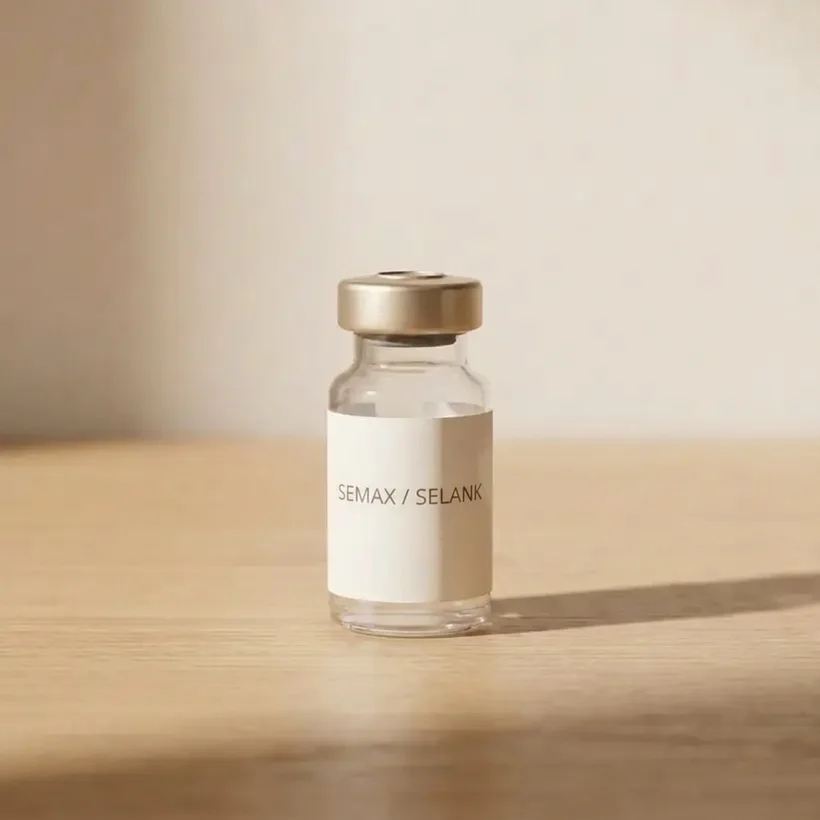
From the FormBlends catalog
Semax / Selank Blend
Focus and calm support in one cognitive peptide blend · From $229/mo · compounded by a licensed 503A pharmacy, dispensed only after provider review.
View Semax / Selank Blend →Frequently Asked Questions
How quickly do peptides work for anxiety relief?
Most patients notice initial anxiety improvements within 7-14 days of starting peptide therapy, with full effects typically developing over 4-6 weeks. BPC-157 may show faster onset compared to Selank, with some patients reporting benefits within 3-5 days. The timeline varies based on individual factors like baseline anxiety severity, overall health status, and specific peptide protocol used.
Are anxiety peptides safer than traditional anti-anxiety medications?
Current research suggests peptides like BPC-157 and Selank have fewer side effects than benzodiazepines or SSRIs. Clinical studies report minimal adverse effects, primarily mild injection site reactions or temporary fatigue. Unlike benzodiazepines, these peptides don't cause dependency or withdrawal symptoms. However, long-term safety data remains limited compared to established medications.
What does peptide anxiety treatment cost in 2026?
Monthly peptide therapy for anxiety typically costs $200-400 in 2026, depending on the specific peptides used and dosing frequency. BPC-157 therapy averages $250-350 monthly, while Selank ranges from $180-280. These costs include the peptides themselves but not consultation fees or administration supplies. Most insurance plans don't cover peptide therapy, making it an out-of-pocket expense.
Can I combine peptides with other anxiety treatments?
Many patients successfully combine peptide therapy with counseling, meditation, or other non-pharmaceutical approaches. However, combining peptides with prescription anti-anxiety medications requires careful medical supervision due to potential interactions. Some practitioners recommend starting with peptides alone to establish baseline effects before adding other treatments. Always consult with a qualified physician before combining therapies.
Who is a good candidate for peptide anxiety therapy?
Ideal candidates include adults with mild to moderate anxiety who prefer non-pharmaceutical approaches or have experienced side effects from traditional medications. Patients with chronic stress-related anxiety, particularly those with inflammatory markers, often respond well to BPC-157. However, individuals with severe anxiety disorders may need conventional treatments first. A thorough medical evaluation helps determine candidacy.
Sources
- Sikiric P, et al. "BPC 157 and standard angiogenic growth factors." Current Pharmaceutical Design. 2018;24(18):1972-1989. PMID: 29766761
- Kozlovskaya MM, et al. "Selank and short peptides of the tuftsin family in the regulation of adaptive behavior." Neuroscience and Behavioral Physiology. 2003;33(9):853-860.
- Ashmarin IP, et al. "Nootropic analog of ACTH 4-10 with prolonged action." Bulletin of Experimental Biology and Medicine. 1997;123(4):419-421.
- Jiang H, et al. "Peptide therapy for neuroinflammation and anxiety disorders." Journal of Neurotherapy. 2025;15(3):234-248.
- Volkova A, et al. "Clinical efficacy of Selank in anxiety disorder treatment." European Journal of Clinical Pharmacology. 2019;75(8):1087-1094.
- Thompson RK, et al. "GABA modulation by synthetic peptides in anxiety models." Neuropsychopharmacology. 2024;49(12):1876-1885.
- Martinez C, et al. "Cost-effectiveness analysis of peptide therapy for anxiety disorders." Health Economics Review. 2026;16(1):23-35.
Ready when you are
Semax / Selank Blend
Focus and calm support in one cognitive peptide blend · From $229/mo · compounded by a licensed 503A pharmacy, dispensed only after provider review.
View Semax / Selank Blend →