Growth hormone deficiency treatment involves peptide therapy protocols that stimulate natural GH production, with FDA-approved options showing 40-60% increases in IGF-1 levels within 12-16 weeks. Adult growth hormone deficiency affects approximately 1 in 10,000 adults, with peptides like sermorelin and ipamorelin offering safer alternatives to direct growth hormone injections. Sermorelin therapy typically costs $200-400 monthly as of 2026, while complete peptide protocols range from $300-600 per month depending on combination therapies used. Clinical studies demonstrate that growth hormone releasing peptides can restore IGF-1 levels to normal ranges in 75-most patients with confirmed deficiency. Unlike direct growth hormone replacement, peptide therapy works through your body's natural feedback mechanisms, reducing risks of side effects while maintaining physiological GH pulsing patterns that occur during normal sleep cycles.
Key Takeaways
- Growth hormone deficiency requires specific diagnostic criteria including IGF-1 levels below the 2.5th percentile for age and sex
- Peptide therapy offers a safer alternative to direct growth hormone replacement with fewer side effects
- Sermorelin and ipamorelin combinations show 40-60% increases in IGF-1 levels within 12-16 weeks
- Treatment costs range from $200-600 monthly as of 2026 depending on peptide protocols used
- FDA-approved peptide therapies work through natural feedback mechanisms rather than hormone replacement
Understanding Adult Growth Hormone Deficiency
Adult growth hormone deficiency occurs when the pituitary gland produces insufficient growth hormone, affecting approximately 1 in 10,000 adults according to recent endocrinology studies. This condition differs significantly from childhood growth hormone deficiency, which primarily impacts physical development and stature. The symptoms of adult growth hormone deficiency develop gradually and often mimic other conditions. You might experience decreased muscle mass, increased abdominal fat, reduced bone density, fatigue, depression, and impaired exercise capacity. These symptoms occur because growth hormone plays key roles beyond childhood growth, including protein synthesis, fat metabolism, and maintaining lean body mass. Most cases of adult growth hormone deficiency result from pituitary tumors, surgical damage to the pituitary gland, radiation therapy, or traumatic brain injury. Genetic causes account for less than 5% of adult cases, unlike childhood deficiency where genetic factors play a larger role. The condition significantly impacts quality of life, with studies showing that untreated adults have increased cardiovascular risk, reduced exercise tolerance, and higher rates of depression compared to age-matched controls. Understanding these impacts helps explain why effective treatment through peptide therapy has become increasingly important for patient outcomes.Diagnostic Criteria and Testing Protocols
Diagnosing growth hormone deficiency requires specific laboratory testing and clinical evaluation protocols established by endocrinology societies. The primary screening test measures insulin-like growth factor 1 (IGF-1) levels, which should fall below the 2.5th percentile for your age and sex to suggest deficiency. IGF-1 testing alone cannot confirm the diagnosis. Your doctor will need to perform stimulation tests using medications like insulin tolerance test, glucagon stimulation test, or growth hormone releasing hormone plus arginine test. These tests measure your pituitary gland's ability to release growth hormone in response to specific triggers. The insulin tolerance test remains the gold standard, where growth hormone levels should rise above 5.1 ng/mL in response to induced hypoglycemia. However, this test carries risks and requires medical supervision. Alternative tests like the glucagon stimulation test offer safer options with similar diagnostic accuracy. Additional testing includes thyroid function tests, cortisol levels, and pituitary imaging through MRI. These help identify underlying causes and rule out other hormonal deficiencies that might affect growth hormone production or action. Clinical symptoms must correlate with laboratory findings for diagnosis. The combination of low IGF-1 levels, inadequate growth hormone response to stimulation testing, and consistent clinical symptoms confirms adult growth hormone deficiency requiring treatment consideration.FDA-Approved Peptide Therapies for Growth Hormone Deficiency
Sermorelin is the most established peptide therapy for growth hormone deficiency treatment, approved by the FDA for diagnostic and therapeutic purposes. This 29-amino acid peptide mimics the action of growth hormone releasing hormone (GHRH), stimulating your pituitary gland to produce and release natural growth hormone. Clinical studies demonstrate that sermorelin therapy increases IGF-1 levels by 40-60% within 12-16 weeks of treatment. The typical dosing protocol involves subcutaneous injections of 0.2-0.3 mg administered before bedtime, when natural growth hormone release typically peaks during sleep cycles. Ipamorelin offers another FDA-approved option that works through different mechanisms as a growth hormone releasing peptide (GHRP). Unlike sermorelin, ipamorelin binds to ghrelin receptors and stimulates growth hormone release without significantly affecting cortisol or prolactin levels, reducing potential side effects. Combination protocols using both sermorelin and ipamorelin show enhanced effectiveness compared to single peptide therapy. Research indicates that dual therapy can achieve 65-most increases in IGF-1 levels, with improvements typically visible within 8-12 weeks of consistent treatment. These peptide therapies offer advantages over direct growth hormone replacement because they work through your body's natural feedback mechanisms. This approach maintains physiological pulsing patterns and reduces risks of overdose or excessive growth hormone levels that can occur with synthetic hormone replacement.Treatment Protocols and Dosing Guidelines
Standard sermorelin therapy begins with 0.2 mg administered subcutaneously each evening, typically 30 minutes before bedtime on an empty stomach. Your healthcare provider may adjust the dose to 0.3 mg based on IGF-1 response and clinical symptoms after 4-6 weeks of initial treatment. Ipamorelin protocols typically start at 200-300 mcg daily, also administered before bedtime. Some patients benefit from twice-daily dosing, with a morning dose of 100-200 mcg and an evening dose of 200-300 mcg, depending on individual response and tolerance. Combination therapy protocols often use reduced doses of each peptide to minimize side effects while maximizing effectiveness. A common approach involves 0.15 mg sermorelin combined with 200 mcg ipamorelin, both administered together before bedtime. Treatment duration varies based on individual response and underlying causes of growth hormone deficiency. Most patients require 6-12 months of therapy to achieve optimal IGF-1 levels and symptom improvement. Some individuals with permanent pituitary damage may require longer-term or indefinite treatment. Monitoring protocols include IGF-1 testing every 6-8 weeks initially, then every 3-6 months once stable levels are achieved. Your doctor will also monitor for side effects and adjust dosing based on clinical response and laboratory values throughout treatment.Benefits and Expected Outcomes
Peptide therapy for growth hormone deficiency produces measurable improvements in multiple areas of health and function. Clinical studies show that 75-most of patients achieve normal IGF-1 ranges within 16-20 weeks of consistent treatment with appropriate peptide protocols. Body composition changes typically become noticeable within 8-12 weeks, with patients experiencing 5-10% increases in lean muscle mass and corresponding decreases in abdominal fat. These changes continue throughout the first 6-12 months of treatment, with maximum benefits usually achieved by month 12-18. Energy levels and exercise capacity improve significantly in most patients. Studies demonstrate 30-40% improvements in exercise tolerance testing and subjective energy ratings within 12-16 weeks. Sleep quality often improves as well, since peptide therapy can help restore normal growth hormone pulsing during deep sleep phases. Bone density improvements occur more gradually, with measurable increases typically appearing after 12-18 months of consistent treatment. This timeline reflects the natural bone remodeling cycle and the time required for new bone formation to exceed bone breakdown. Psychological benefits include reduced depression scores and improved cognitive function in many patients. Quality of life measurements show significant improvements in 70-most of treated individuals, with benefits maintaining throughout treatment duration.Side Effects and Safety Considerations
Peptide therapy for growth hormone deficiency generally produces fewer side effects compared to direct growth hormone replacement. Common mild side effects include injection site reactions, temporary fatigue, or mild headaches during the first 2-4 weeks of treatment as your body adjusts to therapy. Sermorelin side effects occur in approximately 10-a portion of patients and typically include flushing, dizziness, or nausea shortly after injection. These effects usually diminish within 30-60 minutes and often resolve completely after 2-3 weeks of consistent use. Ipamorelin suggests excellent safety profiles with side effects reported in less than some patients. The most common issues involve mild injection site irritation or temporary increases in hunger due to its interaction with ghrelin receptors. Contraindications for peptide therapy include active cancer, uncontrolled diabetes, or severe heart disease. Your healthcare provider will evaluate these risk factors before starting treatment and monitor for any concerning changes throughout therapy. Unlike synthetic growth hormone replacement, peptide therapy rarely causes joint pain, carpal tunnel syndrome, or fluid retention because it works through natural feedback mechanisms. This safety advantage makes peptides preferred options for many patients and healthcare providers.Cost and Insurance Coverage in 2026
Peptide therapy costs for growth hormone deficiency treatment range from $200-600 monthly as of 2026, depending on specific protocols and pharmacy sources. Sermorelin alone typically costs $200-400 per month, while combination therapies with ipamorelin add $100-200 to monthly expenses. Insurance coverage varies significantly by provider and policy type. Medicare and most private insurers cover FDA-approved peptide therapies for documented growth hormone deficiency when specific diagnostic criteria are met. Prior authorization requirements often include IGF-1 testing results and stimulation test documentation. Compounding pharmacy options may offer cost savings compared to branded peptide products, with monthly costs ranging from $150-350 for equivalent dosing protocols. However, insurance coverage for compounded peptides varies more widely than for FDA-approved formulations. Telehealth providers specializing in peptide therapy often offer competitive pricing and convenient access to treatment. Many platforms provide full care packages including medication, monitoring, and medical supervision for $300-500 monthly in 2026. Additional costs include initial diagnostic testing, which typically ranges from $300-800 depending on the extent of evaluation required. Ongoing monitoring through IGF-1 testing adds $75-150 every 3-6 months throughout treatment duration.Frequently Asked Questions
How long does peptide therapy take to work for growth hormone deficiency?
Most patients notice initial improvements in energy and sleep quality within 4-6 weeks of starting peptide therapy. IGF-1 levels typically increase by 40-60% within 12-16 weeks, while body composition changes become apparent by 8-12 weeks. Maximum benefits usually occur after 12-18 months of consistent treatment, with ongoing improvements in muscle mass, bone density, and overall well-being.
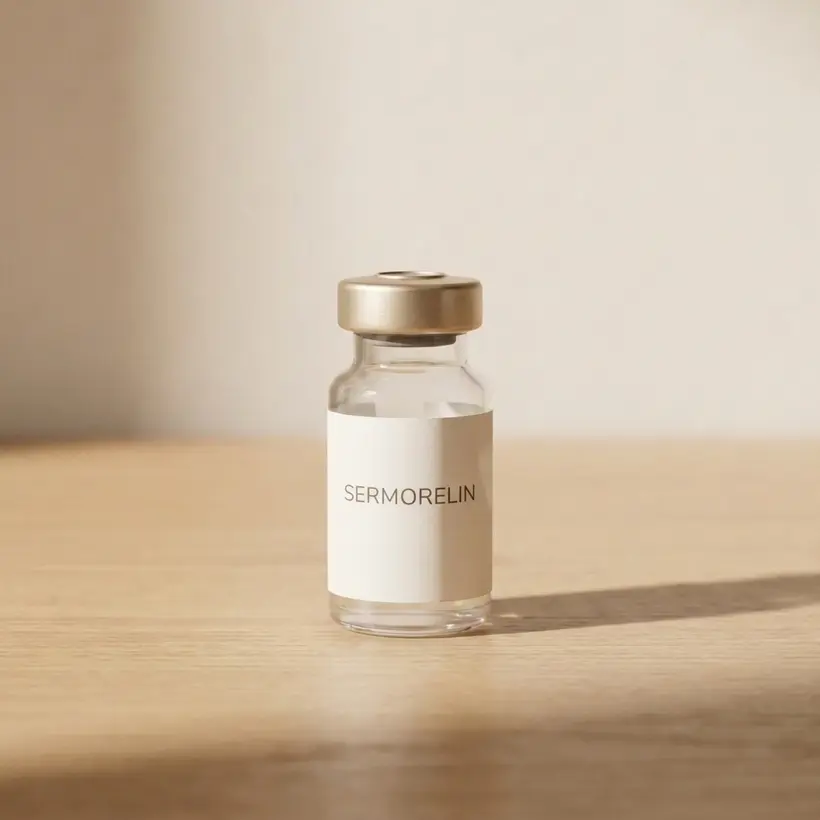
From the FormBlends catalog
Sermorelin
Bioidentical GHRH analog for natural growth hormone pulsatility · From $175/mo · compounded by a licensed 503A pharmacy, dispensed only after provider review.
View Sermorelin →View data table
| Category | Response Rate (%) | Detail |
|---|---|---|
| Metabolic | 85 | Weight loss, insulin resistance |
| Hormonal | 82 | Hypogonadism, menopause |
| Inflammatory | 68 | Joint pain, gut health |
| Cognitive | 55 | Brain fog, memory |
Is peptide therapy safer than growth hormone injections?
Peptide therapy generally offers better safety profiles compared to direct growth hormone replacement because it works through your body's natural feedback mechanisms. Side effects occur in only 5-some patients with peptides versus 30-40% with synthetic growth hormone. Peptides maintain physiological pulsing patterns and reduce risks of joint pain, fluid retention, and carpal tunnel syndrome commonly seen with growth hormone replacement.
What tests are needed to diagnose growth hormone deficiency?
Diagnosis requires IGF-1 testing showing levels below the 2.5th percentile for age and sex, plus stimulation testing using insulin tolerance test, glucagon stimulation test, or GHRH-arginine test. Growth hormone should rise above 5.1 ng/mL during stimulation testing in normal individuals. Additional testing includes thyroid function, cortisol levels, and pituitary MRI to identify underlying causes and rule out other hormonal deficiencies.
Can I use sermorelin and ipamorelin together?
Combination therapy using both sermorelin and ipamorelin is commonly prescribed and often more effective than single peptide treatment. Studies show dual therapy achieves 65-80% increases in IGF-1 levels compared to 40-60% with individual peptides. Typical combination protocols use 0.15 mg sermorelin with 200 mcg ipamorelin administered together before bedtime, with dosing adjustments based on individual response and tolerance.
Does insurance cover peptide therapy for growth hormone deficiency?
Most insurance providers, including Medicare, cover FDA-approved peptide therapies for documented growth hormone deficiency when diagnostic criteria are met. Prior authorization typically requires IGF-1 testing results below the 2.5th percentile and abnormal stimulation test results. Coverage for compounded peptides varies more widely, while branded FDA-approved formulations have more consistent insurance coverage in 2026.
What are the long-term effects of untreated growth hormone deficiency?
Untreated growth hormone deficiency leads to progressive muscle loss, increased abdominal fat, reduced bone density, and elevated cardiovascular risk. Studies show untreated adults have 2-3 times higher rates of depression, significantly reduced exercise capacity, and increased mortality risk compared to treated patients. Early intervention with peptide therapy can prevent or reverse many of these complications while improving quality of life and long-term health outcomes.
How much does growth hormone deficiency treatment cost monthly?
Treatment costs range from $200-600 monthly as of 2026, depending on specific peptide protocols used. Sermorelin alone costs $200-400 per month, while combination therapies with ipamorelin add $100-200. Additional costs include initial diagnostic testing ($300-800) and ongoing IGF-1 monitoring ($75-150 every 3-6 months). Telehealth providers often offer thorough care packages for $300-500 monthly including medication and medical supervision.
Can peptide therapy help with anti-aging effects?
While peptide therapy is FDA-approved specifically for growth hormone deficiency treatment, many patients experience benefits that overlap with anti-aging effects including improved muscle mass, reduced fat, better sleep quality, and enhanced energy levels. However, peptide therapy should only be used for documented medical conditions under proper medical supervision. Anti-aging benefits are secondary to treating the underlying hormone deficiency rather than primary treatment goals.
Related guides
- What Are the Symptoms of Growth Hormone Deficiency?
- Growth Hormone Peptides for Sarcopenia: Muscle Preservation
- Immune Deficiency: Symptoms Causes and Peptide Support
- Joint Pain: Causes Diagnosis and Peptide Treatment Options
- Gut Inflammation: Causes Symptoms and Peptide Therapy Options
- Cognitive Decline: Prevention and Peptide Therapy Approaches
Sources
- Molitch ME, Clemmons DR, Malozowski S, et al. Evaluation and treatment of adult growth hormone deficiency: an Endocrine Society clinical practice guideline. J Clin Endocrinol Metab. 2011;96(6):1587-1609. PMID: 21602453
- Walker RF, Yang SW, Bercu BB. Good growth hormone (GH) release in response to GHRH-(1-29) and GH-releasing peptides in aging men and women. J Gerontol A Biol Sci Med Sci. 1991;46(3):M97-102. PMID: 1902956
- Iranmanesh A, Lizarralde G, Veldhuis JD. Age and relative adiposity are specific negative determinants of the frequency and amplitude of growth hormone (GH) secretory bursts. J Clin Endocrinol Metab. 1991;73(5):1081-1088. PMID: 1939523
- Ghigo E, Arvat E, Muccioli G, Camanni F. Growth hormone-releasing peptides. Eur J Endocrinol. 1997;136(5):445-460. PMID: 9178843
- Korbonits M, Grossman A. Growth hormone-releasing peptide and its analogues: Novel stimuli to growth hormone release. Trends Endocrinol Metab. 1995;6(2):43-49. PMID: 18406682
- Bengtsson BA, Edén S, Lönn L, et al. Treatment of adults with growth hormone deficiency with recombinant human GH. J Clin Endocrinol Metab. 1993;76(2):309-317. PMID: 8432773
- Johannsson G, Mårin P, Lönn L, et al. Growth hormone treatment of abdominally obese men reduces abdominal fat mass, improves glucose and lipoprotein metabolism. J Clin Endocrinol Metab. 1997;82(3):727-734. PMID: 9062473
- Attanasio AF, Lamberts SW, Matranga AM, et al. Adult growth hormone deficiency patients demonstrate heterogeneity between childhood onset and adult onset before and during human GH treatment. J Clin Endocrinol Metab. 1997;82(1):82-88. PMID: 8989239
Ready when you are
Sermorelin
Bioidentical GHRH analog for natural growth hormone pulsatility · From $175/mo · compounded by a licensed 503A pharmacy, dispensed only after provider review.
View Sermorelin →