Quick Answer
This is one of the most frequently asked questions in GLP-1 communities. The answer draws from clinical trial data, prescribing guidelines, and real-world patient experience to give you a practical picture.
Medical Disclaimer: This article is for informational purposes only and does not constitute medical advice. Always consult a licensed healthcare provider before starting or changing any medication.
What GLP-1 medications change in the body
The specifics of why glp-1 reduces inflammation in the context of GLP-1 treatment involve factors that general health information does not cover. Community discussions in r/Biohackers (277 upvotes) confirm this is an active topic among patients. Semaglutide and tirzepatide change your metabolic state, appetite signaling, and GI function in ways that affect how you experience and manage this topic.
View data table
| Category | Treatment Progress (%) | Detail |
|---|---|---|
| Week 1-2 | 25 | Appetite reduction begins |
| Month 1 | 45 | Nausea subsides, energy improves |
| Month 3 | 70 | Visible weight loss (~5-8%) |
| Month 6 | 85 | Significant results (~10-15%) |
| Month 12 | 95 | Full therapeutic benefit |
For patients specifically dealing with why glp-1 reduces inflammation, the approach depends on your treatment phase. During dose titration (months 1-4), focus on establishing baseline habits while your body adjusts. During active weight loss (months 3-12), why glp-1 reduces inflammation typically requires more attention as the medication reaches therapeutic doses. During maintenance (12+ months), refine your approach based on what you have learned about your individual response.
FormBlends providers address why glp-1 reduces inflammation as part of your ongoing care. Raise it at your next consultation, which is included in your plan.
| Phase | Timeline | What to Focus On |
|---|---|---|
| Starting | Weeks 1-4 | Hydration, protein, managing GI adjustment |
| Dose titration | Months 2-5 | Gradual dose increase, adding exercise |
| Active loss | Months 3-12 | Consistent habits, strength training, lab monitoring |
| Maintenance | 12+ months | Sustainable habits, possible dose reduction |
Clinical trial results for semaglutide and heart risk
STEP 1[1] (N=1,961, NEJM 2021, DOI: 10.1056/NEJMoa2032183): 14.9% mean weight loss over 68 weeks. STEP 5: sustained 15.2% at 104 weeks[2]. SELECT (N=17,604, NEJM 2023): 20% cardiovascular risk reduction sustained over 4 years.
Working with your prescriber on next steps
Talk to your FormBlends provider about your specific situation. Every patient responds differently. Personalized guidance based on your medical history and treatment goals is more valuable than general advice. FormBlends consultations are included in your plan.
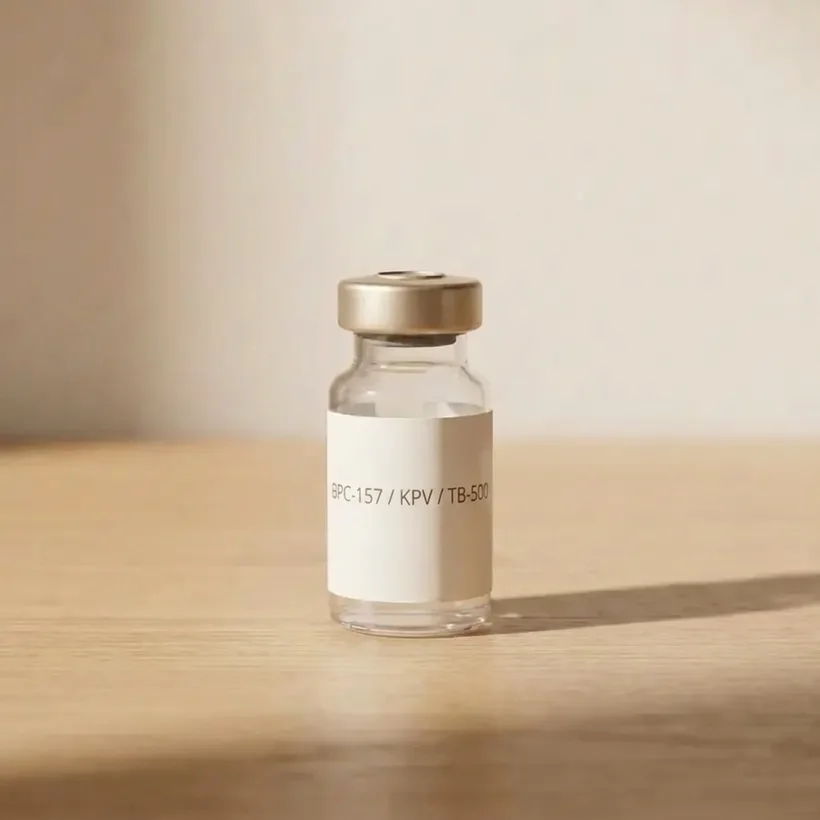
From the FormBlends catalog
BPC-157 / KPV / TB-500 Blend
Combination listing not currently offered · From $279/mo · prescription review required; compounded medications are not FDA-approved.
Learn about BPC-157 / KPV / TB-500 Blend →What the GLP-1 community is saying about inflammation
Dedicated community discussion on this specific topic is limited. As more patients share experiences, we will update this section with relevant threads.
Patient posts about fighting inflammation on GLP-1
277 upvotes, 512 comments
Patient post on nicotine and heart inflammation
59 upvotes, 54 comments
Inflammation considerations for GLP-1 patients on this page
GLP-1 receptor agonists like semaglutide and tirzepatide are changing how we approach weight management and metabolic health. As more patients begin treatment and share their experiences, our understanding of best practices continues to evolve. What we know today comes from two sources: controlled clinical trials (STEP, SELECT, SURMOUNT) and the collective experience of over 1.5 million Americans using these medications as of January 2026.
The clinical data gives us the statistical foundation. The community data gives us the practical context. Both matter for making informed decisions about your treatment.
How patients think about staying on GLP-1 for inflammation
How long will I need to take this medication? Current evidence suggests GLP-1 medications work best as long-term treatment, similar to blood pressure or cholesterol medications. The STEP 1 extension data showed that patients who stopped semaglutide regained roughly two-thirds of their lost weight within a year. Some patients maintain their weight loss after stopping with lifestyle changes alone, but this is not the norm. Most providers recommend planning for ongoing treatment, potentially at a lower maintenance dose.
Will I build tolerance to the medication? The clinical data does not show tolerance development in the way that some other medications lose effectiveness over time. Weight loss does slow after 6-12 months, but this is because you weigh less and need fewer calories, not because the medication stops working. Appetite suppression and food noise reduction tend to persist as long as you take the medication.
What happens to my body composition during rapid weight loss? Without intervention, 20-40% of weight lost on GLP-1 medications is lean mass (muscle). Two strategies reduce this significantly: resistance training at least twice weekly and protein intake of 60-80g daily minimum. Patients who do both tend to lose primarily fat while preserving or even gaining muscle, resulting in a much better body composition outcome even at the same total weight loss.
Should I tell my other doctors about this medication? Yes, always. GLP-1 medications can affect the absorption of other oral medications due to slowed gastric emptying. They can also improve conditions like diabetes, hypertension, and sleep apnea to the point where other medication doses need reduction. Your cardiologist, endocrinologist, psychiatrist, and dentist should all know you are taking a GLP-1 agonist.
FormBlends providers coordinate with your other healthcare providers and can adjust your GLP-1 treatment based on changes in your overall medical picture. Consultations are included in your monthly plan.
What experienced patients say about GLP-1 and inflammation
Patients who have dealt with why glp-1 reduces inflammation consistently share these insights with newcomers. After reviewing community discussions specifically about why glp-1 reduces inflammation, several patterns stand out that clinical guidelines do not fully address.
The adjustment period is real but temporary. Most patients describe the first 4-8 weeks as the hardest part of treatment. Side effects peak and resolve. The body adapts to the medication. The lifestyle changes become habits. Patients at the 6-month mark overwhelmingly describe the decision to start as one of the best they made for their health.
Community support accelerates progress. Patients who engage with others on the same medication, whether through Reddit communities, FormBlends support, or personal connections, report higher adherence and satisfaction. The shared experience of navigating side effects, celebrating milestones, and troubleshooting plateaus provides practical value that clinical appointments alone cannot match.
The medication is a tool, not a solution by itself. The patients with the best 12-month outcomes combined their GLP-1 medication with three consistent habits: adequate protein intake (60-80g daily), resistance training at least twice weekly, and hydration above 64 oz daily. The medication handles the appetite and metabolic piece. These habits handle the body composition and sustainability piece.
The science behind GLP-1 and inflammation
The science connecting why glp-1 reduces inflammation to GLP-1 treatment involves the medication's multi-system effects. Semaglutide activates GLP-1 receptors in the hypothalamus (appetite), brainstem (fullness/nausea), pancreas (insulin), stomach (gastric emptying), and targets in the heart, liver, and kidneys. Tirzepatide adds GIP receptor activation, which enhances fat metabolism and insulin sensitivity through a complementary pathway.
For why glp-1 reduces inflammation specifically, the relevant mechanisms include . The SELECT trial[3] (N=17,604, NEJM 2023) demonstrated that these effects extend beyond weight loss to 20% cardiovascular risk reduction over 4 years.
Your Next Steps
If why glp-1 reduces inflammation is your primary concern right now: Schedule a focused discussion with your FormBlends provider. Rather than trying to address everything at once, identify the one action related to why glp-1 reduces inflammation that would have the most impact this week and start there.
If you are researching before starting treatment: Why GLP-1 Reduces Inflammation is a manageable aspect of GLP-1 therapy that your provider can help you plan for from day one. The free FormBlends consultation covers your specific concerns, including how why glp-1 reduces inflammation has been handled for patients in similar situations.
Track your experience: Note how why glp-1 reduces inflammation changes week to week. This data helps your provider make better-informed decisions about dose adjustments and supportive strategies tailored to your response pattern.
Frequently Asked Questions
Is semaglutide safe for inflammation-related heart risk?
Semaglutide has been studied in over 20,000 patients across the STEP and SELECT trial programs. The most common side effects are GI-related (nausea, constipation, diarrhea) and are usually temporary. The SELECT trial showed a 20% reduction in cardiovascular[3] events, demonstrating a significant safety benefit.
What semaglutide costs for patients managing inflammation
Verify the actual producing and dispensing entities, current state licenses, formulation and applicable compounding conditions. Section 503A pharmacies and registered section 503B outsourcing facilities are different pathways. Registration does not mean FDA approval or establish eligibility to compound GLP-1 drugs from bulk substances. Compounded preparations are not FDA-approved. Primary regulatory source
Is a prescription needed to use semaglutide for inflammation?
Yes. Semaglutide is a prescription medication that requires evaluation by a licensed healthcare provider. Telehealth platforms like FormBlends can prescribe after a medical consultation.
How long semaglutide is used for inflammation-related benefits
Semaglutide is considered a long-term treatment. The STEP 1 extension data showed weight regain after stopping. Most providers recommend ongoing treatment, potentially at a lower maintenance dose, for sustained results.
Can semaglutide be used with diabetes and inflammation?
Yes. Semaglutide (as Ozempic) is FDA-approved for type 2 diabetes. It improves blood sugar control and promotes weight loss. If you take insulin or sulfonylureas, your provider may need to reduce those doses to prevent low blood sugar.
Semaglutide access and inflammation care through this provider
Verify the actual producing and dispensing entities, current state licenses, formulation and applicable compounding conditions. Section 503A pharmacies and registered section 503B outsourcing facilities are different pathways. Registration does not mean FDA approval or establish eligibility to compound GLP-1 drugs from bulk substances. Compounded preparations are not FDA-approved. Primary regulatory source
Medical References
- Wilding JPH, Batterham RL, Calanna S, et al. Once-Weekly Semaglutide in Adults with Overweight or Obesity. N Engl J Med. 2021;384(11):989-1002. [PubMed | ClinicalTrials.gov | DOI]
- Garvey WT, Batterham RL, Bhatt DL, et al. Two-year effects of semaglutide in adults with overweight or obesity (STEP 5). Nat Med. 2022;28(10):2083-2091. [PubMed | ClinicalTrials.gov | DOI]
- Lincoff AM, Brown-Frandsen K, Colhoun HM, et al. Semaglutide and Cardiovascular Outcomes in Obesity without Diabetes. N Engl J Med. 2023;389(24):2221-2232. [PubMed | ClinicalTrials.gov | DOI]
Sources
- Nauck MA et al. GLP-1 receptor agonists in the treatment of type 2 diabetes: state-of-the-art. Molecular Metabolism. 2021.
- Nauck MA et al. Cardiovascular Actions and Clinical Outcomes With Glucagon-Like Peptide-1 Receptor Agonists and Dipeptidyl Peptidase-4 Inhibitors. Circulation. 2017.
- Müller TD et al. Glucagon-like peptide 1 (GLP-1). Molecular Metabolism. 2019.
Ready when you are
BPC-157 / KPV / TB-500 Blend
Combination listing not currently offered · From $279/mo · prescription review required; compounded medications are not FDA-approved.
Learn about BPC-157 / KPV / TB-500 Blend →