Written by FormBlends Editorial Research · Checked against primary sources by FormBlends Editorial Standards Team
Custom header image for Wegovy vs Compounded Semaglutide: Same Molecule, Different Experience?, Provider Comparisons, and better treatment decision-making.In This Article
Written by FormBlends Medical Team, Board-Certified Obesity Medicine Physician
See your GLP-1 options in about 2 minutes. Free and private.See my options →
Medically reviewed by FormBlends Clinical Review, Clinical Pharmacist & Medical Reviewer
Published:
Key Takeaway
Compare Wegovy vs compounded semaglutide: pricing ($1,349 vs $297-497/month), availability, FDA status, and patient experience. Which semaglutide option is...
Both Wegovy and compounded semaglutide contain the prescribed active pharmaceutical ingredient - semaglutide - but the experience, cost, and access differ dramatically. Wegovy is the FDA-approved brand name version manufactured by Novo Nordisk, while compounded semaglutide is custom-prepared by specialized pharmacies under physician supervision.
This comparison examines pricing, availability, clinical oversight, and patient experience to help you determine which option matches your weight loss goals and budget. We'll analyze real-world costs, insurance coverage differences, and the quality considerations that matter most for your health and safety.
At a Glance: Key Differences
Factor
Wegovy
Compounded Semaglutide
Monthly Cost
$1,349 without insurance
$297-$497
FDA Status
FDA-approved
Compounded under FDA guidelines
Insurance Coverage
Limited, often denied
Not covered
Availability
Frequent shortages
More consistent supply
Dosing Options
Fixed pre-filled pens
Customizable dosing
Quick Verdict: Wegovy vs Compounded Semaglutide
Category
Wegovy
Compounded Semaglutide
Price
$1,349/month without insurance
$297-$497/month
Doctor Access
Requires in-person visits
Telehealth consultations available
Shipping Speed
Pharmacy pickup
2-3 day shipping
Insurance Accepted
Yes, but limited coverage
No
Best For
Patients with insurance coverage
Cost-conscious patients seeking flexibility
Wegovy: What You Get
Wegovy represents the gold standard for semaglutide treatment, manufactured by Novo Nordisk and backed by extensive clinical trials. The STEP program trials demonstrated average weight loss of 12-15% of body weight over 68 weeks, with some patients achieving losses of 20% or more (Wilding et al., NEJM, 2021). For a complete cost breakdown, see our affordable GLP-1 options. For a complete cost breakdown, see our cheapest semaglutide options.
Top Telehealth GLP-1 Providers Compared. Based on pricing, support, and patient outcomes.
View data table
Bar chart showing top telehealth glp-1 providers compared: FormBlends (92), Hims/Hers (78), Ro (75), Calibrate (70)
Category
Overall Value Score
Detail
FormBlends
92
First month $99 (semaglutide) or $149 (tirzepatide), then $190 or $239 per month, physician-led
Hims/Hers
78
Consumer brand, varies
Ro
75
Telehealth platform
Calibrate
70
Metabolic health focus
Side-by-side comparison of key features and pricing
The medication comes in pre-filled, single-use injection pens with five dosing strengths: 0.25 mg, 0.5 mg, 1 mg, 1.7 mg, and 2.4 mg. Each pen is designed for once-weekly subcutaneous injection, typically in the thigh, abdomen, or upper arm. The dosing follows a structured escalation protocol over 16-20 weeks to minimize gastrointestinal side effects.
Pricing and Insurance Coverage: Wegovy's list price is $1,349 per month without insurance. With insurance coverage, patients may pay $25-$100 per month, though many plans exclude weight management medications entirely. Novo Nordisk offers a savings card that can reduce costs to $25 per month for eligible patients with commercial insurance, but this program has income restrictions and limited duration.
Insurance coverage varies significantly by plan and state. Medicare Part D doesn't cover Wegovy for weight loss, and Medicaid coverage is limited to specific states with obesity treatment mandates. Prior authorization requirements are common, often requiring documented BMI over 30 (or 27 with comorbidities) and evidence of previous weight loss attempts.
Availability and Supply: Wegovy has faced persistent supply shortages since its 2021 launch. The FDA maintains Wegovy on its drug shortage database, with intermittent unavailability of specific dose strengths. These shortages often force patients to interrupt treatment or switch to alternative medications.
Clinical Oversight: Wegovy requires prescription from a healthcare provider, typically through traditional medical practices. Patients need regular monitoring for side effects, dose adjustments, and cardiovascular risk assessment. The prescribing information recommends monitoring for pancreatitis, gallbladder disease, and diabetic retinopathy in susceptible patients.
Pros:
FDA-approved with extensive clinical trial data
Standardized manufacturing and quality control
Potential insurance coverage
Pre-filled pens for convenience
Established safety profile
Cons:
High cost without insurance coverage
Frequent supply shortages
Limited dosing flexibility
Requires traditional healthcare visits
Insurance prior authorization barriers
Compounded Semaglutide: What You Get
Compounded semaglutide offers the prescribed active pharmaceutical ingredient as Wegovy but prepared by specialized compounding pharmacies under physician supervision. This option became widely available during Wegovy shortages, providing an alternative pathway for patients seeking semaglutide therapy.
Get compounded semaglutide, first month $99, then $190 per month, or $165 per month with Subscribe & Save
Free provider review, personalized dosing, and ongoing support included.
Compounded versions typically come as lyophilized powder that patients reconstitute with bacteriostatic water, then draw into insulin syringes for injection. Some compounding pharmacies offer pre-filled syringes or alternative delivery methods. The active ingredient is sourced from FDA-registered facilities, though the final compounded product doesn't undergo the same regulatory review as branded medications.
Pricing Structure:Compounded semaglutide costs significantly less than Wegovy, typically ranging from $297-$497 per month depending on dose and provider. FormBlends, a physician-supervised telehealth clinic, offers competitive pricing with transparent monthly fees that include medication, physician consultation, and ongoing support.
Most compounded semaglutide providers operate on a cash-pay model, as insurance doesn't cover compounded medications for weight loss. But the lower overall cost often makes compounded options more affordable than Wegovy even with insurance copays.
Dosing Flexibility: Compounded semaglutide allows for more precise dose adjustments compared to Wegovy's fixed pen strengths. Physicians can prescribe exact doses based on patient response and tolerance, potentially improving outcomes and reducing side effects. This flexibility proves particularly valuable for patients who experience side effects at standard dose escalations.
Telehealth Integration: Many compounded semaglutide providers operate through telehealth platforms, offering convenient consultations and ongoing monitoring. Patients complete thorough health assessments, receive physician evaluation, and get ongoing support without traditional office visits. This model improves access for patients in rural areas or those with scheduling constraints.
Quality Considerations: Compounded medications are prepared in FDA-registered facilities following USP guidelines, but they don't undergo the same rigorous testing as FDA-approved drugs. Reputable compounding pharmacies provide certificates of analysis showing purity and potency testing. Clinical research and quality data support the efficacy of properly compounded semaglutide.
Supply Reliability: Compounded semaglutide has shown more consistent availability compared to Wegovy. Multiple compounding pharmacies can prepare the medication, reducing single-point-of-failure supply issues. But availability depends on the underlying API (active pharmaceutical ingredient) supply chain.
Pros:
Significantly lower cost
Customizable dosing
Telehealth convenience
More consistent availability
No insurance prior authorization required
Cons:
No insurance coverage
Requires self-preparation (some formulations)
Less regulatory oversight
Variable quality between compounders
Limited long-term safety data
Price Comparison: Wegovy vs Compounded Semaglutide
The cost difference between Wegovy and compounded semaglutide represents one of the most significant factors in patient decision-making. Wegovy's $1,349 monthly list price creates substantial financial barriers for most patients, while compounded alternatives offer the prescribed active pharmaceutical ingredient at 70-80% lower cost.
Without Insurance: Patients paying cash for Wegovy face annual costs exceeding $16,000. In contrast, compounded semaglutide typically costs $3,500-$6,000 annually, representing savings of $10,000-$12,500 per year. These savings often make long-term treatment feasible for patients who can't afford branded options.
With Insurance: Insurance coverage for Wegovy varies dramatically by plan and state. Commercial insurance plans may cover Wegovy with copays ranging from $25-$100 per month, though many plans exclude weight management medications entirely. Medicare and Medicaid coverage is extremely limited, with most beneficiaries paying full price.
Even with insurance coverage, patients may face prior authorization requirements, step therapy protocols, and annual coverage limits. These administrative barriers can delay treatment initiation and create coverage gaps during therapy.
Hidden Costs: Wegovy patients must factor in traditional healthcare visit costs, which can add $200-$400 per visit for consultation and monitoring. Compounded semaglutide providers often include physician consultations in their monthly fees, eliminating these additional expenses.
The Novo Nordisk savings card can reduce Wegovy costs to $25 per month for eligible patients, but this program has strict income limits (typically under $100,000 household income) and duration restrictions (usually 12-24 months). After the savings card expires, patients face full commercial pricing.
Medication Options: Wegovy vs Compounded Semaglutide
Both options provide semaglutide as the active ingredient, but delivery methods and formulation options differ significantly. Wegovy offers standardized pre-filled pens designed for consumer convenience, while compounded options provide flexibility in dosing and administration methods.
Wegovy Formulations: Wegovy comes exclusively as pre-filled injection pens with five fixed dose strengths. The pens contain a 3 mL solution with semaglutide concentrations ranging from 0.25 mg to 2.4 mg per injection. Each pen is single-use and includes a hidden needle that automatically retracts after injection.
The dosing protocol follows a specific escalation schedule: starting at 0.25 mg weekly for 4 weeks, increasing to 0.5 mg for 4 weeks, then 1 mg for 4 weeks, 1.7 mg for 4 weeks, and finally the maintenance dose of 2.4 mg weekly. This schedule is designed to minimize gastrointestinal side effects through gradual tolerance building.
Compounded Semaglutide Options: Compounded semaglutide offers multiple formulation options depending on the compounding pharmacy. Common preparations include lyophilized powder requiring reconstitution, pre-mixed solutions, and pre-filled syringes. Some compounders offer alternative delivery methods like sublingual tablets or nasal sprays, though injection remains the most common and effective route.
Dosing flexibility represents a key advantage of compounded options. Physicians can prescribe exact doses based on patient response, allowing for more gradual escalations or intermediate doses not available with Wegovy pens. This precision can improve tolerability and improve outcomes for individual patients.
Additional Compounds: Some compounding pharmacies offer semaglutide combined with other weight loss agents like vitamin B12, L-carnitine, or other peptides. These combinations aren't FDA-approved but may provide additional benefits for certain patients under physician supervision.
Doctor Quality and Oversight
Both Wegovy and compounded semaglutide require physician supervision, but the models of care delivery differ substantially. Understanding these differences helps patients choose the option that provides appropriate medical oversight for their individual needs.
Wegovy Prescribing: Wegovy requires prescription through traditional healthcare providers, typically endocrinologists, primary care physicians, or weight management specialists. Patients must schedule in-person visits for initial evaluation, dose adjustments, and ongoing monitoring. This model ensures thorough medical evaluation but can create access barriers for patients in rural areas or those with scheduling constraints.
Traditional providers often have extensive experience with diabetes and obesity medications, providing valuable clinical expertise. But appointment availability can be limited, and some providers may be unfamiliar with newer weight management protocols or hesitant to prescribe expensive medications.
Compounded Semaglutide Oversight: Reputable compounded semaglutide providers employ board-certified physicians with specific training in weight management and peptide therapy. Free physician assessment programs allow patients to receive thorough evaluation without upfront costs.
Telehealth platforms enable more frequent check-ins and dose adjustments compared to traditional quarterly visits. Many providers offer messaging systems for questions and concerns, improving patient support and medication adherence. But patients should verify physician credentials and ensure providers maintain appropriate medical oversight.
Monitoring Protocols: Both options require similar monitoring for side effects and contraindications. important monitoring includes assessment for pancreatitis symptoms, gallbladder disease, diabetic retinopathy (in diabetic patients), and cardiovascular risk factors. Laboratory monitoring may include lipase levels, liver function tests, and kidney function assessment.
Quality providers offer structured monitoring protocols regardless of medication source. Patients should ensure their chosen provider maintains appropriate medical records, provides emergency contact information, and coordinates care with other healthcare providers when necessary.
Patient Experience and Reviews
Real-world patient experiences with Wegovy and compounded semaglutide reveal important differences in treatment satisfaction, side effect management, and overall outcomes. Understanding these experiences helps set appropriate expectations for treatment.
Wegovy Patient Feedback: Patients consistently report excellent weight loss results with Wegovy, with many achieving 15-20% body weight reduction over 12-18 months. The pre-filled pens receive praise for convenience and ease of use, particularly from patients uncomfortable with traditional syringes.
But supply shortage frustrations dominate many patient reviews. Patients report treatment interruptions lasting weeks or months, leading to weight regain and renewed side effects when restarting therapy. Insurance coverage challenges also generate significant patient dissatisfaction, with many unable to afford continued treatment after savings programs expire.
Side effect experiences matches clinical trial data, with nausea, vomiting, and diarrhea being most common during dose escalation periods. Most patients report side effects diminish over 4-8 weeks at each dose level.
Compounded Semaglutide Feedback: Patients appreciate the cost savings and consistent availability of compounded options. Many report similar weight loss outcomes compared to branded versions, suggesting bioequivalence in properly prepared formulations. Patient reviews often highlight the convenience of telehealth consultations and responsive customer support.
Some patients initially express concern about medication quality and safety compared to FDA-approved options. But patients working with reputable compounding pharmacies report confidence in their medication after reviewing quality documentation and experiencing consistent effects.
The flexibility in dosing receives particular praise from patients who experienced side effects with standard escalation protocols. Custom dosing allows for more gradual increases and intermediate doses, improving tolerability for sensitive patients.
Comparative Outcomes: Limited head-to-head studies compare Wegovy and compounded semaglutide directly, but clinical experience suggests similar efficacy when compounded medications meet quality standards. Weight loss trajectories, side effect profiles, and patient satisfaction appear comparable between properly prepared compounded versions and branded Wegovy.
Which Is Right for You?
Choosing between Wegovy and compounded semaglutide depends on individual circumstances, financial considerations, and personal preferences. Several patient profiles benefit more from one option over the other.
Choose Wegovy if you:
Have insurance coverage with reasonable copays
Prefer FDA-approved medications with extensive clinical trial data
Want the convenience of pre-filled injection pens
Have access to traditional healthcare providers experienced with weight management
Are comfortable with potential supply interruptions
Choose Compounded Semaglutide if you:
Lack insurance coverage or face high copays for Wegovy
Need dosing flexibility due to side effect sensitivity
Prefer telehealth consultations over in-person visits
Want consistent medication availability
Are comfortable with compounded medication quality when properly sourced
Consider Your Budget: For most patients without insurance coverage, compounded semaglutide offers the only financially viable path to semaglutide therapy. Even with insurance, many patients find compounded options more affordable when factoring in copays, deductibles, and visit costs.
Evaluate Your Risk Tolerance: Patients prioritizing maximum regulatory oversight may prefer Wegovy despite higher costs. Those comfortable with compounded medications prepared by reputable pharmacies can access similar benefits at substantially lower cost.
FormBlends offers physician-supervised compounded semaglutide with transparent pricing and thorough support, providing a middle ground between traditional healthcare and direct-to-consumer models. Our clinical team provides personalized dosing protocols and ongoing monitoring to improve outcomes while maintaining affordability.
Frequently Asked Questions
FormBlends (503A compounding pathway)
FormBlends works with state-licensed 503A compounding pharmacies to dispense compounded semaglutide and tirzepatide. Every prescription goes through a U.S.-licensed provider after an online intake, and the platform publishes pharmacy and ingredient sourcing details in its science page. Starting price: $199/month for semaglutide. Start an intake.
Is compounded semaglutide as effective as Wegovy?
Properly Compounded semaglutide is prepared by licensed compounding pharmacies and is not FDA-approved as a finished drug product; formulation, pharmacy quality, dosing, and individual response can differ from brand-name semaglutide products. While compounded versions lack the extensive clinical trial data of Wegovy, real-world outcomes suggest comparable weight loss results when prepared by reputable compounding pharmacies following USP guidelines.
Why is Wegovy so much more expensive than compounded semaglutide?
Wegovy's higher cost reflects brand name pricing, extensive research and development investments, manufacturing scale, and marketing expenses. Compounded semaglutide avoids these brand premiums by using generic active ingredients and simpler manufacturing processes, passing savings to patients.
Can I switch from Wegovy to compounded semaglutide?
Yes, patients can switch between Wegovy and compounded semaglutide under physician supervision. The transition typically involves maintaining the same dose and monitoring for any differences in effects or side effects. Most patients experience smooth transitions when working with experienced providers.
Which option has better availability during shortages?
Compounded semaglutide generally offers better availability during shortage periods because multiple compounding pharmacies can prepare the medication independently. Wegovy shortages affect all patients simultaneously since only Novo Nordisk manufactures the branded version.
Do I need a prescription for both options?
Yes, both Wegovy and compounded semaglutide require valid prescriptions from licensed physicians. Semaglutide is a prescription medication regardless of its source, and proper medical supervision is important for safe and effective treatment.
Ready to Start Your Weight Loss Goals?
Whether you choose Wegovy or compounded semaglutide, the most important step is starting your weight loss process with proper medical supervision. Both options can provide significant weight loss results when used appropriately under physician guidance.
If cost, availability, or dosing flexibility are important factors in your decision, consider exploring compounded semaglutide options through reputable providers. FormBlends offers thorough physician assessment to determine if semaglutide therapy is appropriate for your individual needs and goals.
Our experienced clinical team provides personalized treatment protocols, ongoing monitoring, and responsive support to improve your weight loss outcomes. With transparent pricing and consistent medication availability, we make effective weight management accessible and affordable.
Take the first step toward sustainable weight loss by scheduling your consultation today. Your health goals deserves the support of experienced physicians and proven treatments.
For a detailed head-to-head breakdown, read our Wegovy vs Zepbound comparison with clinical trial data, cost analysis, and side effect rates.
Sources
1. Wilding, J.P.H., et al. (2021). Once-weekly semaglutide in adults with overweight or obesity. New England Journal of Medicine, 384(11), 989-1002.
2. FDA Drug Shortages Database. (2024). Current and resolved drug shortages and discontinuations reported to FDA. Retrieved from https://www.accessdata.fda.gov/scripts/drugshortages/
3. Novo Nordisk. (2024). Wegovy prescribing information. Retrieved from https://www.novo-pi.com/wegovy.pdf
4. United States Pharmacopeia. (2024). Compounding standards and guidelines. Retrieved from https://www.usp.org/compounding
5. American Society of Health-System Pharmacists. (2024). Drug shortage management strategies. American Journal of Health-System Pharmacy, 81(4), 156-162.
6. Centers for Medicare & Medicaid Services. (2024). Medicare Part D coverage determination for weight management medications. Retrieved from https://www.cms.gov/
Medical Disclaimer
This article is for informational purposes only and doesn't constitute medical advice. The information provided shouldn't be used for diagnosing or treating a health condition. Always consult with a qualified healthcare provider before starting any new medication or treatment program. Individual results may vary, and treatment decisions should be made in consultation with a licensed physician who can evaluate your specific medical history and current health status.
Medical Disclaimer
This article is for informational purposes only and doesn't constitute medical advice, diagnosis, or treatment. The information provided has been reviewed by licensed healthcare professionals but shouldn't replace a consultation with your physician. Individual results vary. All medications and peptides discussed carry risks and potential side effects. Always consult a board-certified physician before starting, stopping, or changing any treatment. FormBlends provides physician-supervised telehealth services. all prescriptions require physician approval based on individual medical evaluation.
See your options in about 2 minutes
Take the free quiz and see what fits you. Quick, private, and no commitment to continue.
Check the current prescribing information, regulatory status, and trial source before treating an investigational or newly approved medication as interchangeable with an established therapy.
Check before ordering
Regulatory status, labels, trial records, and sponsor updates can change quickly for obesity-drug pipeline pages. This snapshot is designed to make verification easier, not to replace checking the official source before making a medical or purchase decision. Last page review: 2026-09-05.
FormBlends does not claim an individual clinician byline unless a named reviewer is available. For this page, the editorial team checks medical and regulatory claims against primary sources, clinical trials, public datasets, and regulator guidance.
For Wegovy vs Compounded Semaglutide: Same Molecule, Different Experience?, FormBlends checks the page topic against primary trials, systematic reviews, guidelines, and current PubMed-indexed literature where available. These citations are context, not medical advice, proof of eligibility, or a claim that every study applies to every patient.
Use this comparison to narrow the provider review question
Direct answer
Wegovy vs Compounded Semaglutide: Same Molecule, Different Experience? should help you decide which option deserves a clinical review, not force a one-size answer.
Compare Wegovy vs compounded semaglutide: pricing ($1,349 vs $297-497/month), availability, FDA status, and patient experience. Which semaglutide option is. Use "Wegovy vs Compounded Semaglutide: Same Molecule, Different Experience?" to make the conversation more specific before you choose a provider, product, or next step. The page leans into comparison and decision support and the details behind semaglutide, cost and coverage, safety and pharmacy quality. Because this article has 11 major sections, scan the headings first and then use the FAQ or summary sections to pressure-test the answer. The safest takeaway is a better checklist for clinician review, not a do-it-yourself medical decision.
Confirm whether the page is discussing an FDA-approved use, a compounded option, or research-only context.
Ask a licensed clinician how the evidence applies to your health history, medications, labs, and side-effect risk.
Verify total monthly cost, refill timing, dose escalation pricing, and what is included before paying.
Original tools and data
Use the FormBlends research stack
These assets are built to be useful beyond a single article: shareable data pages, calculators, provider comparisons, and safety checks that give Google and readers something original to crawl.
Practical 2026 note for Wegovy vs Compounded Semaglutide
Wegovy vs Compounded Semaglutide now carries extra 2026 context around semaglutide, tirzepatide, cash-pay pricing, safety signals, wegovy, compounded, because those are the subtopics readers tend to compare before they trust a medical or wellness recommendation.
Instead of adding filler, this page keeps the named treatment terms, practical verification points, and next-step questions close to wegovy vs compounded semaglutide.
Readers should use the section to check current eligibility, pharmacy or provider policies, and safety questions with a licensed professional before acting.
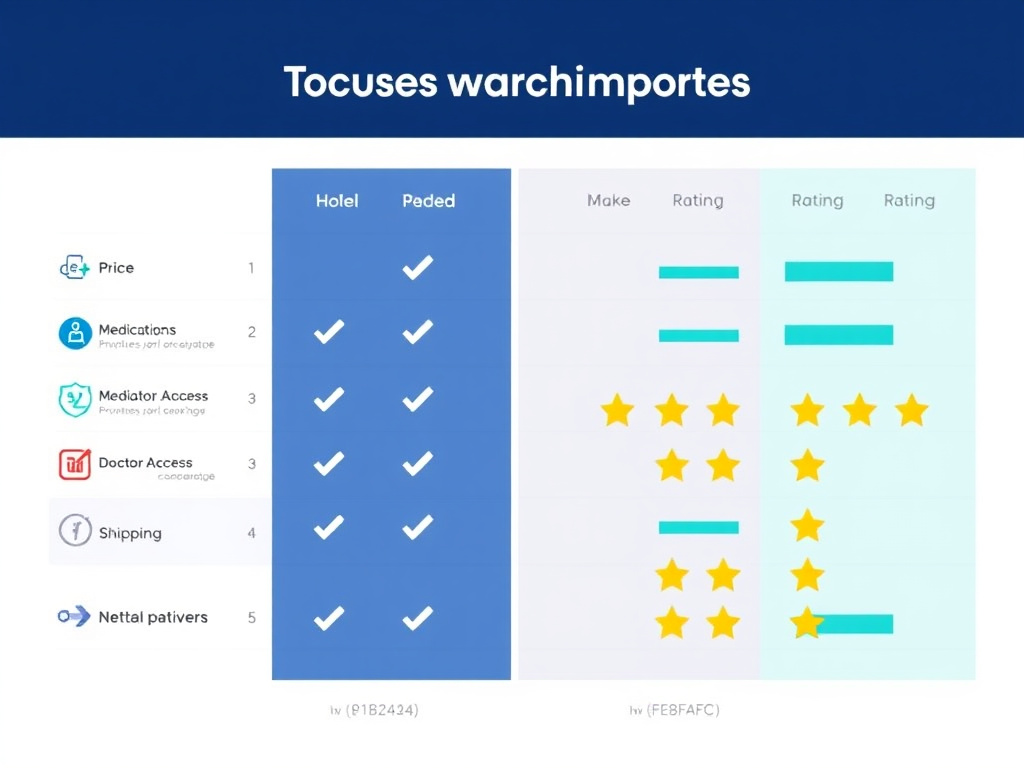
Custom 2026 image for Wegovy vs Compounded Semaglutide, provider comparisons, and better treatment decision-making.
Image description: Unique image for this page covering Wegovy vs Compounded Semaglutide, provider comparisons, safety, cost, provider selection, and patient decision-making.
Medical Disclaimer: This content is for informational purposes only and does not constitute medical advice. Always consult a qualified healthcare provider before starting, stopping, or changing any medication or treatment. FormBlends articles are source-checked against medical and regulatory references, but they are not a substitute for a personal medical consultation.
Disclosure: FormBlends is one of the providers discussed in this article. Our editorial team independently researches and verifies all pricing and claims. Pricing was last verified in March 2026. Read our editorial policy.
Written by FormBlends Editorial Research
Prepared by FormBlends Editorial Research. Claims are checked against primary regulatory, trial, label, and public-health sources where available. Reviewed against primary medical, regulatory, and trial sources for accuracy, sourcing, and patient-safety framing.
Ready to get started?
Provider-reviewed GLP-1 and peptide therapy, delivered to your door.