Key Takeaway
If you use a CPAP machine, you already know how much sleep apnea affects your life. GLP-1 sleep apnea improvement is one of the most dramatic benefits many patients experience. Weight loss reduces the tissue mass around your airway, directly improving breathing during sleep.
If you use a CPAP machine, you already know how much sleep apnea affects your life. GLP-1 sleep apnea improvement is one of the most dramatic benefits many patients experience. Weight loss reduces the tissue mass around your airway, directly improving breathing during sleep. For some patients, this means reducing CPAP pressure or even eliminating the need for CPAP entirely.
Key Takeaways: - Learn how weight loss improves sleep apnea - Monitoring Your CPAP Needs - The Downstream Health Benefits
Sleep apnea and obesity fuel each other in a vicious cycle. Poor sleep disrupts metabolism and increases hunger. Weight gain worsens sleep apnea. GLP-1 medications can break this cycle from the weight side.
How Weight Loss Improves Sleep Apnea
Obstructive sleep apnea occurs when soft tissue in the throat collapses during sleep, blocking the airway. Excess weight, particularly around the neck and upper body, increases the mass of tissue that can collapse. Losing weight directly reduces this tissue mass.
Available evidence indicates that every 10 percent reduction in body weight can decrease the apnea-hypopnea index (AHI) by approximately 26 percent. AHI measures how many times per hour your breathing stops or is significantly reduced during sleep. Lower AHI means better sleep quality and fewer health risks.
"Compounding pharmacies serve a critical role in healthcare, but patients need to understand the difference between a properly regulated 503B facility and an unregulated operation. Ask about PCAB accreditation and third-party testing.") Dr. Scott Brunner, PharmD, Alliance for Pharmacy Compounding
And routinely produce 15 to 20 percent body weight loss, which can change sleep apnea severity. Some patients with moderate sleep apnea achieve normal AHI levels after significant weight loss.
Beyond mechanical changes, GLP-1 medications may reduce inflammation in airway tissue. Chronic inflammation contributes to airway narrowing and increased collapsibility. The anti-inflammatory effects of GLP-1 medications may provide additional airway benefit.
Monitoring Your CPAP Needs
As you lose weight on GLP-1 medication, your CPAP pressure settings may need adjustment. Excess pressure can be uncomfortable and reduce compliance. Too little pressure fails to keep your airway open.
View data table
| Category | Impact on Treatment Outcomes (%) | Detail |
|---|---|---|
| Protein Intake | 90 | Preserves muscle mass |
| Exercise | 85 | Enhances weight loss |
| Sleep Quality | 78 | Supports metabolism |
| Hydration | 72 | Reduces side effects |
| Stress Mgmt | 65 | Cortisol reduction |

Patient Perspective: "As a woman going through menopause, my weight had been creeping up despite eating well and exercising. Tirzepatide combined with HRT guide finally broke through the plateau. My provider understood the hormonal complexity, which made all the difference.", Diane M., 53, FormBlends patient (name changed for privacy)
Free Download: Conversation Starter Card Track your sleep quality and CPAP data alongside your GLP-1 treatment with our free card. Includes AHI tracking and questions for your sleep specialist. Get yours free (we will email it to you instantly. [Email Input] [Download Button]
Schedule a follow-up sleep study or CPAP titration after significant weight loss, typically after losing 10 percent or more of your body weight. Your sleep specialist can assess your current needs and adjust treatment.
Don't stop using your CPAP without guidance from your sleep specialist, even if you feel better. Sleep apnea improvement should be confirmed objectively through sleep testing before making changes to your treatment.
Modern CPAP machines with auto-titrating features adjust pressure automatically based on your needs. If you have an auto-PAP, it may naturally adjust to your improving condition. Check your machine's data downloads with your sleep specialist.
Your may improve before your next sleep study. Better breathing during sleep means more time in deep and REM sleep stages. Many patients report feeling more rested, having more energy, and thinking more clearly as their sleep apnea improves.
The Downstream Health Benefits
Improving sleep apnea triggers a cascade of additional health benefits. Better sleep improves insulin sensitivity, lowers blood pressure, reduces inflammation, and supports weight loss itself.
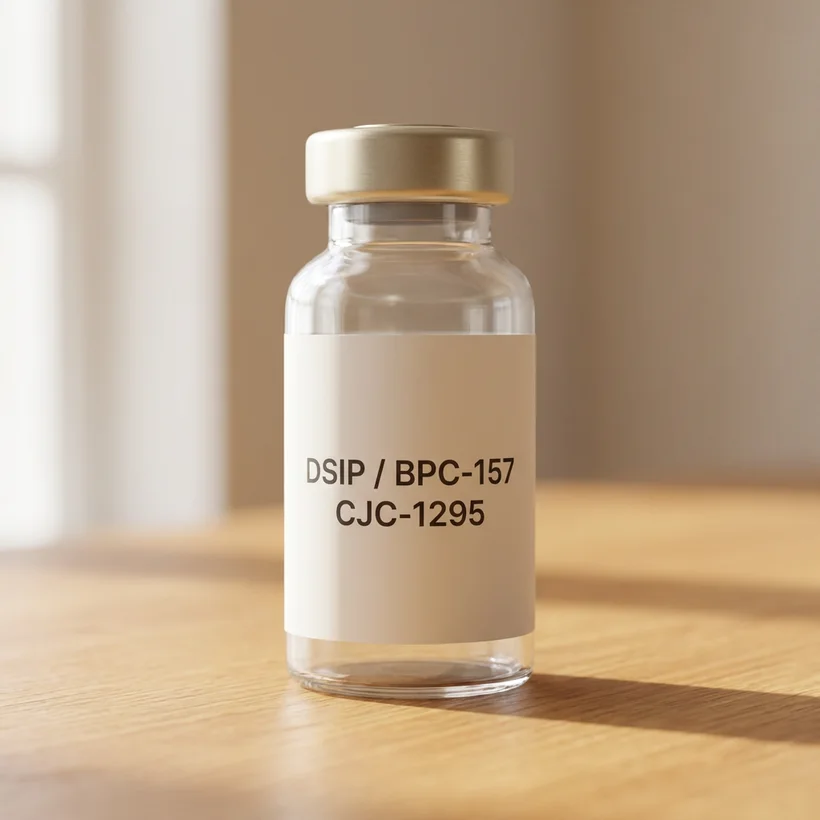
From the FormBlends catalog
Sleep + Recovery Stack
Sleep and repair support with DSIP, BPC-157, and CJC · From $299/mo · compounded by a licensed 503A pharmacy, dispensed only after provider review.
View Sleep + Recovery Stack →Untreated sleep apnea increases cardiovascular risk significantly. Each drop in oxygen during an apnea event stresses your heart and blood vessels. Reducing these events through weight loss may substantially lower your heart disease risk.
Daytime sleepiness and cognitive function improve as sleep quality gets better. Many patients report improved work performance, safer driving, and better mood as their sleep apnea resolves.
The improved sleep also supports your . Sleep deprivation increases ghrelin, the hunger hormone, and decreases leptin, the satiety hormone. Better sleep means your GLP-1 medication works alongside more favorable hormonal conditions.
Frequently Asked Questions
Can GLP-1 medication cure my sleep apnea?
Weight loss from GLP-1 medications can significantly improve or resolve sleep apnea in many patients. But sleep apnea has multiple causes beyond weight, including anatomical factors. Your sleep specialist can assess whether your apnea resolves with weight loss.
How much weight do I need to lose for sleep apnea improvement?
Many patients notice improvement with 5 to 10 percent body weight loss. More significant weight loss typically produces greater improvement. A 10 percent weight loss may reduce AHI by approximately 26 percent on average.
Should I still use my CPAP while on GLP-1 medication?
Yes. Continue using your CPAP until your sleep specialist advises otherwise based on objective testing. Even as symptoms improve, your airway may still benefit from pressure support during sleep.
Will my insurance cover a repeat sleep study?
Most insurance plans cover follow-up sleep studies when significant weight change has occurred. Check with your insurance provider and sleep specialist about coverage and timing.
Ready to Take the Next Step?
Your wellness plan is personal) and you deserve a plan that fits. FormBlends connects you with licensed providers who can evaluate your needs and create a personalized protocol.
Medical References
- Davies M, Færch L, Jeppesen OK, et al. Semaglutide 2.4 mg once a week in adults with overweight or obesity, and type 2 diabetes (STEP 2). Lancet. 2021;397(10278):971-984. [PubMed | ClinicalTrials.gov | DOI]
- Wadden TA, Bailey TS, Billings LK, et al. Effect of Subcutaneous Semaglutide vs Placebo as an Adjunct to Intensive Behavioral Therapy on Body Weight in Adults With Overweight or Obesity (STEP 3). JAMA. 2021;325(14):1403-1413. [PubMed | ClinicalTrials.gov | DOI]
- Garvey WT, Batterham RL, Bhatt DL, et al. Two-year effects of semaglutide in adults with overweight or obesity (STEP 5). Nat Med. 2022;28(10):2083-2091. [PubMed | ClinicalTrials.gov | DOI]
- Garvey WT, Frias JP, Jastreboff AM, et al. Tirzepatide once weekly for the treatment of obesity in people with type 2 diabetes (SURMOUNT-2). Lancet. 2023;402(10402):613-626. [PubMed | ClinicalTrials.gov | DOI]
- Wadden TA, Chao AM, Engel S, et al. Tirzepatide with intensive lifestyle intervention in adults with overweight or obesity (SURMOUNT-3). Nat Med. 2024. [PubMed | ClinicalTrials.gov | DOI]
- Aronne LJ, Sattar N, Horn DB, et al. Continued Treatment With Tirzepatide for Maintenance of Weight Reduction in Adults With Obesity (SURMOUNT-4). JAMA. 2024;331(1):38-48. [PubMed | ClinicalTrials.gov | DOI]
Sources &. References
- Wilding JPH, Batterham RL, Calanna S, et al. Once-Weekly Semaglutide in Adults with Overweight or Obesity. N Engl J Med. 2021;384(11):989-1002. Doi:10.1056/NEJMoa2032183
- Davies M, Færch L, Jeppesen OK, et al. Semaglutide 2.4 mg once a week in adults with overweight or obesity, and type 2 diabetes (STEP 2 (Davies et al., Lancet, 2021)). Lancet. 2021;397(10278):971-984. Doi:10.1016/S0140-6736(21)00213-0
- Wadden TA, Bailey TS, Billings LK, et al. Effect of Subcutaneous Semaglutide vs Placebo as an Adjunct to Intensive Behavioral Therapy on Body Weight in Adults With Overweight or Obesity (STEP 3 (Wadden et al., JAMA, 2021)). JAMA. 2021;325(14):1403-1413. Doi:10.1001/jama.2021.1831
- Garvey WT, Batterham RL, Bhatt DL, et al. Two-Year Effects of Semaglutide in Adults with Overweight or Obesity (STEP 5 (Garvey et al., Nat Med, 2022)). Nat Med. 2022;28:2083-2091. Doi:10.1038/s41591-022-02026-4
- Lincoff AM, Brown-Frandsen K, Colhoun HM, et al. Semaglutide and Cardiovascular Outcomes in Obesity without Diabetes. N Engl J Med. 2023;389(24):2221-2232. Doi:10.1056/NEJMoa2307563
- Jastreboff AM, Aronne LJ, Ahmad NN, et al. Tirzepatide Once Weekly for the Treatment of Obesity. N Engl J Med. 2022;387(3):205-216. Doi:10.1056/NEJMoa2206038
- Garvey WT, Frias JP, Jastreboff AM, et al. Tirzepatide once weekly for the treatment of obesity in people with type 2 diabetes (SURMOUNT-2[4] (Garvey et al., Lancet, 2023)). Lancet. 2023;402(10402):613-626. Doi:10.1016/S0140-6736(23)01200-X
- Wadden TA, Chao AM, Engel S, et al. Tirzepatide after intensive lifestyle intervention in adults with overweight or obesity (SURMOUNT-3[5] (Wadden et al., Nat Med, 2023)). Nat Med. 2023. Doi:10.1038/s41591-023-02597-w
- Aronne LJ, Sattar N, Horn DB, et al. Continued Treatment With Tirzepatide for Maintenance of Weight Reduction in Adults With Obesity (SURMOUNT-4[6] (Aronne et al., JAMA, 2024)). JAMA. 2024;331(1):38-48. Doi:10.1001/jama.2023.24945
- Malhotra A, Grunstein RR, Fietze I, et al. Tirzepatide for the Treatment of Obstructive Sleep Apnea and Obesity. N Engl J Med. 2024;391:1193-1205. Doi:10.1056/NEJMoa2404881
- Stierman B, Afful J, Carroll MD, et al. National Health and Nutrition Examination Survey 2017-March 2020 Prepandemic Data Files. NCHS Data Brief. No. 492. CDC/NCHS. 2023.
- Sumithran P, Prendergast LA, Delbridge E, et al. Long-Term Persistence of Hormonal Adaptations to Weight Loss. N Engl J Med. 2011;365(17):1597-1604. Doi:10.1056/NEJMoa1105816
This content is provided for informational and educational purposes only. It isn't a substitute for professional medical advice, diagnosis, or treatment. Always seek the advice of a licensed healthcare provider with any questions about a medical condition or treatment plan.
Last updated: 2026-03-24
Ready when you are
Sleep + Recovery Stack
Sleep and repair support with DSIP, BPC-157, and CJC · From $299/mo · compounded by a licensed 503A pharmacy, dispensed only after provider review.
View Sleep + Recovery Stack →