Key Takeaway
Sleep is the invisible multiplier behind every health goal you have. This sleep tracking GLP-1 peptides resource covers the important information you need to make informed decisions.
Sleep is the invisible multiplier behind every health goal you have. This sleep tracking GLP-1 peptides resource covers the important information you need to make informed decisions. If you're on a GLP-1 medication for weight management or a peptide protocol for recovery, sleep tracking during treatment reveals connections that most people miss. Poor sleep can stall weight loss, reduce peptide effectiveness, increase side effects, and undermine the habits that drive results. Tracking your sleep gives you and your provider actionable data to improve your entire protocol.
Key Takeaways: - Discover why sleep affects your glp-1 and peptide results - Understand what to track about your sleep - Learn how to improve sleep for better treatment results - Connecting Sleep Data to Your Treatment Outcomes
Why Sleep Affects Your GLP-1 and Peptide Results
The relationship between sleep and treatment outcomes is stronger than most people realize.
Sleep and weight loss. Clinical data indicate that people who sleep fewer than 6 hours per night lose significantly more muscle mass and less fat during calorie restriction compared to those sleeping 7-8 hours. Since reduce calorie intake through appetite suppression, poor sleep can shift your body composition results in the wrong direction. You lose weight, but more of that weight comes from muscle instead of fat.
Sleep and growth hormone. If you're on a peptide protocol that includes CJC-1295, Ipamorelin, or other growth hormone peptides, sleep is where these peptides do their best work. Your body releases growth hormone primarily during deep sleep. Poor sleep literally reduces the effectiveness of your growth hormone peptide protocol.
Sleep and appetite regulation. Sleep deprivation increases ghrelin (the hunger hormone) and decreases leptin (the satiety hormone). Even the appetite-suppressing effects of GLP-1 medication may be partially counteracted by chronic poor sleep. If you notice your appetite suppression feels weaker, check your sleep data before assuming your dose needs adjustment.
Sleep and recovery. support tissue repair. Your body repairs tissue most actively during sleep. Cutting sleep short reduces the window for these peptides to support your recovery goals.
The lets you track sleep alongside your dose log, making it easy to spot these connections in your own data.
"The conversation about obesity needs to shift from willpower to biology. These medications work because obesity is a neuroendocrine disease, not a character flaw.") Dr. Fatima Cody Stanford, MD, MPH, Massachusetts General Hospital
Free Download: GLP-1 Progress Report Template Our progress template includes a dedicated sleep tracking section with fields for bedtime, wake time, sleep quality, and notes. Get yours free (we'll email it to you instantly.
[Download CTA Button]
What to Track About Your Sleep
You don't need an expensive sleep lab to gather useful data. Here is what to monitor.
View data table
| Category | Impact on Treatment Outcomes (%) | Detail |
|---|---|---|
| Protein Intake | 90 | Preserves muscle mass |
| Exercise | 85 | Enhances weight loss |
| Sleep Quality | 78 | Supports metabolism |
| Hydration | 72 | Reduces side effects |
| Stress Mgmt | 65 | Cortisol reduction |

Bedtime and wake time. Consistency matters more than total hours for many people. Going to bed at 10 PM and waking at 6 AM every day produces better sleep quality than varying between 9 PM and midnight. Log your actual bedtime and wake time, not when you got in bed and when your alarm went off.
Total sleep time. This is the actual time you were asleep, not the time you spent in bed. If you get into bed at 10 PM but don't fall asleep until 10:45 PM, your total sleep time starts at 10:45.
Sleep quality rating. Rate your sleep quality on a simple 1-5 scale each morning. 1 means terrible, 5 means amazing. Over time, this subjective rating often correlates with important patterns in your other tracking data.
Number of awakenings. How many times did you wake during the night? Frequent awakenings reduce deep sleep and REM sleep, both of which are important for recovery and hormone production.
How you feel upon waking. Do you feel rested, groggy, or exhausted? Rate this separately from your overall sleep quality. Some people sleep 8 hours but wake feeling unrested, which suggests a sleep quality issue rather than a duration issue.
Factors that affected sleep. Note late caffeine, alcohol, stress, exercise timing, large meals close to bedtime, screen use, or anything else that may have influenced your sleep. These notes help you identify controllable factors.
If you wear a smartwatch or fitness tracker, it can automate some of these measurements. But subjective ratings of how you feel remain important because wearable devices are imperfect at measuring sleep stages.
How to Improve Sleep for Better Treatment Results
These evidence-based strategies amplify your GLP-1 and peptide results by improving the sleep environment.
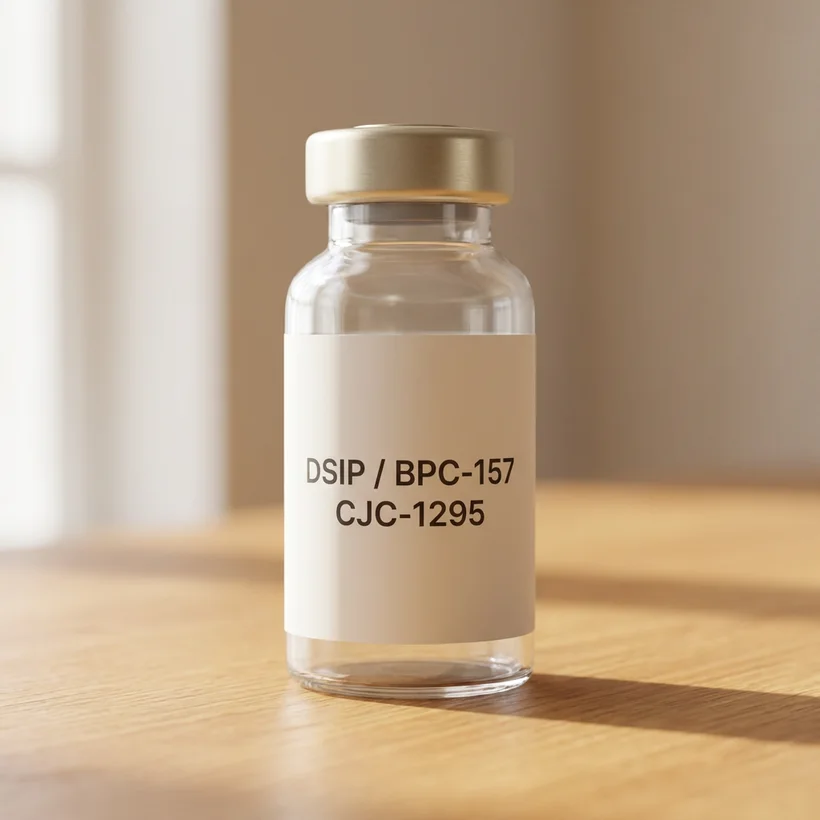
From the FormBlends catalog
Sleep + Recovery Stack
Sleep and repair support with DSIP, BPC-157, and CJC · From $299/mo · compounded by a licensed 503A pharmacy, dispensed only after provider review.
View Sleep + Recovery Stack →Fix your light exposure. Get bright light exposure within the first 30 minutes of waking. This sets your circadian clock. In the evening, dim lights 2 hours before bed and avoid screens in the last hour. This routine regulates melatonin timing and improves both sleep onset and sleep depth.
Keep a consistent schedule. Your body's circadian system thrives on regularity. Go to bed and wake up at the same times every day, including weekends. Even a 1-hour shift on weekends can create "social jet lag" that impairs sleep quality throughout the week.
Improve your bedroom. Cool temperature (65-68 degrees Fahrenheit), complete darkness, and quiet are the three pillars of a sleep-friendly environment. Use blackout curtains, keep electronics out of the bedroom, and consider a white noise machine if your environment is noisy.
Time your meals wisely. Eating a large meal within 2-3 hours of bedtime can disrupt sleep. GLP-1 medications slow gastric emptying, so food sits in your stomach longer. Give yourself extra time between dinner and sleep. Focus on at dinner to support overnight muscle protein synthesis.
Coordinate with your peptide timing. If you take growth hormone peptides at night, inject them 30-60 minutes before bed on an empty stomach. This timing aligns the GH pulse with your natural sleep-related GH release for potentially enhanced effects.
Manage stress actively. A racing mind is the most common barrier to falling asleep. Develop a wind-down routine that works for you, whether that's reading, gentle stretching, deep breathing, or journaling. Just 10-15 minutes of intentional relaxation before bed can meaningfully improve sleep onset.
Connecting Sleep Data to Your Treatment Outcomes
The real power of sleep tracking comes from correlating it with your other metrics.
Sleep and weight loss correlation. After 4-8 weeks of tracking, compare your best sleep weeks to your best weight loss weeks. Most people find a clear pattern. Better sleep leads to better results on the scale and in measurements.
Sleep and side effect correlation. GLP-1 like nausea and fatigue may worsen during periods of poor sleep. If you notice side effects spiking after a bad night's sleep, your provider can factor this into protocol decisions.
Sleep and peptide effectiveness. If you're on growth hormone peptides and your sleep improves, you may see better recovery, more vivid dreams (a sign of deeper REM sleep), and improved body composition. Conversely, if sleep deteriorates, your provider might investigate whether dose timing or other factors need adjustment.
Share sleep data at check-ins. When you meet with your , include your sleep tracking alongside your dose and weight logs. The complete picture helps them make the best decisions about your treatment.
The displays all of your tracking data in one dashboard, making it simple to see how sleep quality relates to your weight trends, dose schedule, and reported side effects.
Frequently Asked Questions
Can GLP-1 medication affect my sleep?
Some people report changes in sleep when starting GLP-1 medication. Reduced nighttime snacking and eating less overall can improve sleep for many people. Occasionally, nausea or gastrointestinal discomfort from the medication may disrupt sleep, especially at higher doses. Report any sleep changes to your provider.
How many hours of sleep do I need for optimal results?
Most adults need 7-9 hours of sleep for optimal health and recovery. During active weight loss or peptide protocols, prioritizing the higher end of this range supports muscle preservation, hormone production, and appetite regulation. Quality matters as much as quantity.
Should I use a sleep tracking device?
A wearable sleep tracker can provide helpful data about sleep duration and patterns. But don't rely on its sleep stage measurements as absolute truth since consumer devices are estimates, not clinical-grade measurements. Your subjective ratings of how rested you feel are equally important.
Can peptides help me sleep better?
Growth hormone peptides like CJC-1295 and Ipamorelin, taken before bed, may improve sleep depth and quality for many users. This is one of the earliest benefits people notice when starting a GH peptide protocol. Talk to your provider about whether a sleep-focused peptide protocol is appropriate for your needs.
What if I work night shifts?
Shift workers face unique challenges with circadian rhythm disruption. Your provider can help adjust injection timing and sleep strategies for your schedule. Consistency within your shift pattern, keeping the same sleep-wake times on work days, is more important than aligning with traditional day-night cycles.
What's Your Next Move?
You have the information. Now let a licensed provider help you put it into action. FormBlends makes it simple) answer a few questions and get a personalized recommendation.
Medical References
- Davies M, Færch L, Jeppesen OK, et al. Semaglutide 2.4 mg once a week in adults with overweight or obesity, and type 2 diabetes (STEP 2). Lancet. 2021;397(10278):971-984. [PubMed | ClinicalTrials.gov | DOI]
- Wadden TA, Bailey TS, Billings LK, et al. Effect of Subcutaneous Semaglutide vs Placebo as an Adjunct to Intensive Behavioral Therapy on Body Weight in Adults With Overweight or Obesity (STEP 3). JAMA. 2021;325(14):1403-1413. [PubMed | ClinicalTrials.gov | DOI]
- Garvey WT, Batterham RL, Bhatt DL, et al. Two-year effects of semaglutide in adults with overweight or obesity (STEP 5). Nat Med. 2022;28(10):2083-2091. [PubMed | ClinicalTrials.gov | DOI]
- Garvey WT, Frias JP, Jastreboff AM, et al. Tirzepatide once weekly for the treatment of obesity in people with type 2 diabetes (SURMOUNT-2). Lancet. 2023;402(10402):613-626. [PubMed | ClinicalTrials.gov | DOI]
- Wadden TA, Chao AM, Engel S, et al. Tirzepatide with intensive lifestyle intervention in adults with overweight or obesity (SURMOUNT-3). Nat Med. 2024. [PubMed | ClinicalTrials.gov | DOI]
- Aronne LJ, Sattar N, Horn DB, et al. Continued Treatment With Tirzepatide for Maintenance of Weight Reduction in Adults With Obesity (SURMOUNT-4). JAMA. 2024;331(1):38-48. [PubMed | ClinicalTrials.gov | DOI]
Sources &. References
- Wilding JPH, Batterham RL, Calanna S, et al. Once-Weekly Semaglutide in Adults with Overweight or Obesity. N Engl J Med. 2021;384(11):989-1002. Doi:10.1056/NEJMoa2032183
- Davies M, Færch L, Jeppesen OK, et al. Semaglutide 2.4 mg once a week in adults with overweight or obesity, and type 2 diabetes (STEP 2 (Davies et al., Lancet, 2021)). Lancet. 2021;397(10278):971-984. Doi:10.1016/S0140-6736(21)00213-0
- Wadden TA, Bailey TS, Billings LK, et al. Effect of Subcutaneous Semaglutide vs Placebo as an Adjunct to Intensive Behavioral Therapy on Body Weight in Adults With Overweight or Obesity (STEP 3 (Wadden et al., JAMA, 2021)). JAMA. 2021;325(14):1403-1413. Doi:10.1001/jama.2021.1831
- Garvey WT, Batterham RL, Bhatt DL, et al. Two-Year Effects of Semaglutide in Adults with Overweight or Obesity (STEP 5 (Garvey et al., Nat Med, 2022)). Nat Med. 2022;28:2083-2091. Doi:10.1038/s41591-022-02026-4
- Lincoff AM, Brown-Frandsen K, Colhoun HM, et al. Semaglutide and Cardiovascular Outcomes in Obesity without Diabetes. N Engl J Med. 2023;389(24):2221-2232. Doi:10.1056/NEJMoa2307563
- Jastreboff AM, Aronne LJ, Ahmad NN, et al. Tirzepatide Once Weekly for the Treatment of Obesity. N Engl J Med. 2022;387(3):205-216. Doi:10.1056/NEJMoa2206038
- Garvey WT, Frias JP, Jastreboff AM, et al. Tirzepatide once weekly for the treatment of obesity in people with type 2 diabetes (SURMOUNT-2[4] (Garvey et al., Lancet, 2023)). Lancet. 2023;402(10402):613-626. Doi:10.1016/S0140-6736(23)01200-X
- Wadden TA, Chao AM, Engel S, et al. Tirzepatide after intensive lifestyle intervention in adults with overweight or obesity (SURMOUNT-3[5] (Wadden et al., Nat Med, 2023)). Nat Med. 2023. Doi:10.1038/s41591-023-02597-w
- Aronne LJ, Sattar N, Horn DB, et al. Continued Treatment With Tirzepatide for Maintenance of Weight Reduction in Adults With Obesity (SURMOUNT-4[6] (Aronne et al., JAMA, 2024)). JAMA. 2024;331(1):38-48. Doi:10.1001/jama.2023.24945
- Malhotra A, Grunstein RR, Fietze I, et al. Tirzepatide for the Treatment of Obstructive Sleep Apnea and Obesity. N Engl J Med. 2024;391:1193-1205. Doi:10.1056/NEJMoa2404881
- Stierman B, Afful J, Carroll MD, et al. National Health and Nutrition Examination Survey 2017-March 2020 Prepandemic Data Files. NCHS Data Brief. No. 492. CDC/NCHS. 2023.
- Sumithran P, Prendergast LA, Delbridge E, et al. Long-Term Persistence of Hormonal Adaptations to Weight Loss. N Engl J Med. 2011;365(17):1597-1604. Doi:10.1056/NEJMoa1105816
This article is for educational purposes only and doesn't constitute medical advice. Always consult with a licensed healthcare provider before starting, changing, or stopping any medication or supplement. FormBlends connects you with licensed providers who can evaluate your individual health needs.
Last updated: 2026-03-24
Ready when you are
Sleep + Recovery Stack
Sleep and repair support with DSIP, BPC-157, and CJC · From $299/mo · compounded by a licensed 503A pharmacy, dispensed only after provider review.
View Sleep + Recovery Stack →