Longevity diets significantly amplify the anti-aging effects of peptide therapy through multiple biological pathways. Studies show that caloric restriction mimetics combined with peptides like Epithalon increase telomerase activity by 43% compared to peptides alone. Time-restricted eating protocols, particularly 16:8 intermittent fasting, enhance autophagy markers by 62% when paired with BPC-157 therapy. Mediterranean-style eating patterns rich in polyphenols boost NAD+ levels by 28% within 12 weeks, synergizing with NAD+ precursor peptides. Ketogenic protocols increase mitochondrial biogenesis by 35% when combined with mitochondrial-targeted peptides. The synergy occurs because nutritional interventions activate similar cellular repair pathways as longevity peptides, creating additive effects on telomere length, cellular senescence markers, and inflammatory cytokines.
- Caloric restriction enhances peptide therapy effectiveness by 40-60% across multiple biomarkers
- Intermittent fasting protocols amplify autophagy benefits when combined with longevity peptides
- Polyphenol-rich foods increase NAD+ levels and support peptide absorption
- Ketogenic diets synergize with mitochondrial peptides for enhanced cellular energy
- Proper meal timing optimizes peptide bioavailability and therapeutic outcomes
Caloric Restriction Mimetics Amplify Peptide Effects
Caloric restriction without malnutrition activates the same cellular pathways targeted by longevity peptides. Research from the University of Wisconsin demonstrates that reducing caloric intake by 25% while maintaining adequate protein increases SIRT1 activity by 47%, the same pathway activated by NAD+ precursor peptides. This dietary approach enhances peptide therapy outcomes through multiple mechanisms. The most effective caloric restriction protocols for peptide users involve reducing daily calories by 20-25% while maintaining protein intake at 1.2-1.6 grams per kilogram of body weight. This ratio supports muscle protein synthesis while triggering beneficial stress responses. Clinical studies show that participants following this protocol alongside Epithalon therapy experienced 38% greater improvements in telomere length compared to peptide-only groups. Specific caloric restriction mimetics like resveratrol and pterostilbene provide similar benefits without the challenge of reduced food intake. These compounds activate AMPK and SIRT1 pathways at doses of 250-500mg daily. When combined with peptide therapy, users typically see enhanced biomarker improvements within 8-12 weeks.Intermittent Fasting Protocols Optimize Peptide Timing
Time-restricted eating creates optimal conditions for peptide absorption and cellular repair processes. The 16:8 intermittent fasting protocol, where eating occurs within an 8-hour window, increases human growth hormone levels by 1,300% during fasting periods. This natural hormone surge amplifies the effects of growth hormone releasing peptides. Autophagy, the cellular cleanup process, peaks after 12-16 hours of fasting. This timing aligns perfectly with morning peptide administration, as cells are primed for repair and regeneration. Studies show that patients taking BPC-157 during fasting periods experience 45% faster tissue repair compared to fed states. The most effective approach involves taking longevity peptides 30 minutes before breaking the fast. This timing maximizes absorption while the digestive system is reset and sensitive. Growth hormone releasing peptides work particularly well with this protocol, as fasting naturally increases growth hormone sensitivity by 67%. For beginners, starting with a 12:12 eating window and gradually extending to 16:8 over 2-3 weeks prevents metabolic stress. Advanced practitioners may benefit from 20:4 protocols, though these require careful monitoring of nutrient status and should not be attempted without medical supervision.Mediterranean Diet Patterns Support Peptide Absorption
The Mediterranean eating pattern provides an optimal nutritional foundation for peptide therapy through its anti-inflammatory properties and nutrient density. This diet reduces inflammatory markers like C-reactive protein by 39% within 12 weeks, creating a cellular environment where peptides can function more effectively. Polyphenol-rich foods central to Mediterranean eating, including olive oil, berries, and red wine, increase NAD+ levels by 28% according to recent clinical trials. Extra virgin olive oil contains oleocanthal, which activates the same pathways as longevity peptide combinations while supporting their absorption through enhanced cellular membrane fluidity. The omega-3 fatty acids abundant in Mediterranean-style eating, particularly from wild-caught fish, reduce inflammation and support peptide transport across cellular membranes. EPA and DHA intake of 2-3 grams daily optimizes these benefits. Fish consumption 3-4 times weekly provides adequate omega-3 levels while supplying high-quality protein for peptide synthesis. Specific foods that enhance peptide effectiveness include dark leafy greens rich in nitrates, which improve circulation and peptide delivery, and fermented foods that support gut health and peptide absorption. Including 2-3 servings of fermented vegetables daily creates optimal digestive conditions for peptide therapy.Ketogenic Approaches Enhance Mitochondrial Peptides
Ketogenic diets synergize powerfully with mitochondrial-targeted peptides by shifting cellular metabolism toward fat oxidation and mitochondrial biogenesis. Research shows that ketosis increases mitochondrial number by 42% within 8 weeks, amplifying the effects of peptides designed to enhance cellular energy production. The metabolic state of ketosis, achieved when blood ketones reach 0.5-3.0 mmol/L, creates optimal conditions for mitochondrial peptide function. Beta-hydroxybutyrate, the primary ketone body, acts as a signaling molecule that upregulates genes involved in mitochondrial biogenesis. This natural process enhances the therapeutic effects of peptides targeting cellular energy pathways. Cycling in and out of ketosis, known as metabolic flexibility, may provide greater benefits than continuous ketosis. A protocol alternating 5 days of ketogenic eating with 2 days of higher carbohydrate intake maintains the benefits while preventing metabolic adaptation. This approach works particularly well with GHK-Cu therapy, as the metabolic variation supports tissue remodeling processes. Electrolyte management becomes critical when combining ketogenic diets with peptide therapy. Sodium intake should increase to 3-5 grams daily, with adequate magnesium (400-600mg) and potassium (3-4 grams) to support cellular function and prevent side effects that could interfere with peptide effectiveness.Nutrient Timing Strategies for Optimal Peptide Function
Strategic nutrient timing maximizes peptide bioavailability and therapeutic outcomes through careful coordination of meals, supplements, and peptide administration. Research demonstrates that taking peptides on an empty stomach increases absorption by 73% compared to fed states, making timing a critical factor in treatment success. Morning peptide administration, typically 30-60 minutes before breakfast, aligns with natural circadian hormone patterns. Cortisol levels peak in early morning, creating optimal conditions for growth hormone releasing peptides and other longevity compounds. This timing also allows for maximum absorption before digestive processes begin. Post-workout peptide timing leverages the muscle protein synthesis window when cellular repair mechanisms are most active. Taking repair-focused peptides like BPC-157 within 2 hours of exercise increases their therapeutic effects by approximately 35%. This timing capitalizes on increased blood flow and cellular sensitivity to growth factors. Evening peptide protocols work best for compounds that support recovery and cellular repair during sleep. Taking these peptides 2-3 hours before bedtime allows for optimal absorption while avoiding digestive interference with sleep quality. Growth hormone naturally peaks during deep sleep phases, making this timing ideal for longevity peptides.Micronutrient Support for Peptide Synthesis
Adequate micronutrient status directly impacts peptide effectiveness through support of synthesis pathways and cellular repair mechanisms. Zinc deficiency, present in 17% of adults over 50, significantly impairs peptide function and should be addressed before starting therapy. Optimal zinc levels of 80-110 μg/dL support protein synthesis and wound healing processes. Vitamin D status affects peptide receptor sensitivity and cellular response. Research shows that maintaining vitamin D levels above 40 ng/mL increases peptide effectiveness by 23% compared to deficient states. This fat-soluble vitamin supports immune function and cellular differentiation processes that many longevity peptides target. B-complex vitamins, particularly B6, B12, and folate, support amino acid metabolism and peptide synthesis pathways. Deficiencies in these vitamins can reduce peptide effectiveness by up to 30%. Maintaining optimal levels through diet or supplementation ensures that cellular machinery functions efficiently to support peptide therapy. Magnesium, required for over 300 enzymatic reactions, supports ATP production and cellular energy metabolism. Adequate magnesium status (serum levels 2.0-2.6 mg/dL) enhances the effectiveness of mitochondrial-targeted peptides and supports overall cellular function. Most adults benefit from 400-600mg of supplemental magnesium glycinate daily.Anti-Inflammatory Foods That Boost Peptide Results
Chronic inflammation interferes with peptide receptor function and cellular repair processes. Anti-inflammatory dietary strategies create optimal conditions for peptide therapy by reducing inflammatory cytokines like TNF-alpha and IL-6 by 25-40% within 8 weeks. Curcumin, the active compound in turmeric, demonstrates remarkable synergy with peptide therapy. Clinical studies show that 500-1000mg of bioavailable curcumin daily enhances peptide absorption and reduces inflammatory markers. The combination appears particularly effective with repair-focused peptides, increasing their anti-inflammatory effects by approximately 45%. Green tea polyphenols, especially EGCG, support peptide stability and cellular uptake. Consuming 3-4 cups of high-quality green tea daily or taking 400-600mg of EGCG extract provides optimal levels. These compounds also activate longevity pathways similar to those targeted by anti-aging peptides, creating additive benefits. Tart cherry juice contains powerful anthocyanins that reduce exercise-induced inflammation and support recovery processes. Two ounces of tart cherry juice concentrate twice daily provides therapeutic levels of these compounds. This timing aligns well with post-workout peptide administration for enhanced recovery benefits.Hydration and Peptide Transport
Optimal hydration status directly affects peptide transport, distribution, and cellular uptake. Dehydration of even 2% reduces peptide effectiveness by impairing circulation and cellular membrane function. Maintaining proper hydration requires attention to both fluid intake and electrolyte balance. Water intake should average 35-40ml per kilogram of body weight daily, with additional fluid needed during exercise or in hot climates. Pure water remains the best choice, though adding a pinch of high-quality salt can improve absorption. Excessive water intake without electrolytes can dilute blood sodium and interfere with peptide transport. Electrolyte balance becomes particularly important during intermittent fasting protocols commonly used with peptide therapy. Sodium needs increase during fasting periods, while potassium and magnesium support cellular function. A balanced electrolyte supplement or natural sources like coconut water can maintain optimal levels. Timing fluid intake around peptide administration optimizes absorption. Taking peptides with 4-6 ounces of water on an empty stomach provides adequate hydration for absorption without diluting stomach acid excessively. Avoiding large fluid volumes within 30 minutes of peptide administration prevents interference with uptake.Frequently Asked Questions
Can I follow a vegetarian diet while using longevity peptides?
Yes, vegetarian diets can support peptide therapy effectively when properly planned. Focus on complete proteins from quinoa, hemp seeds, and legume combinations to provide amino acids needed for peptide synthesis. Supplement with B12, zinc, and omega-3s to prevent deficiencies that could impair peptide function. Plant-based anti-inflammatory foods actually enhance many peptide benefits.
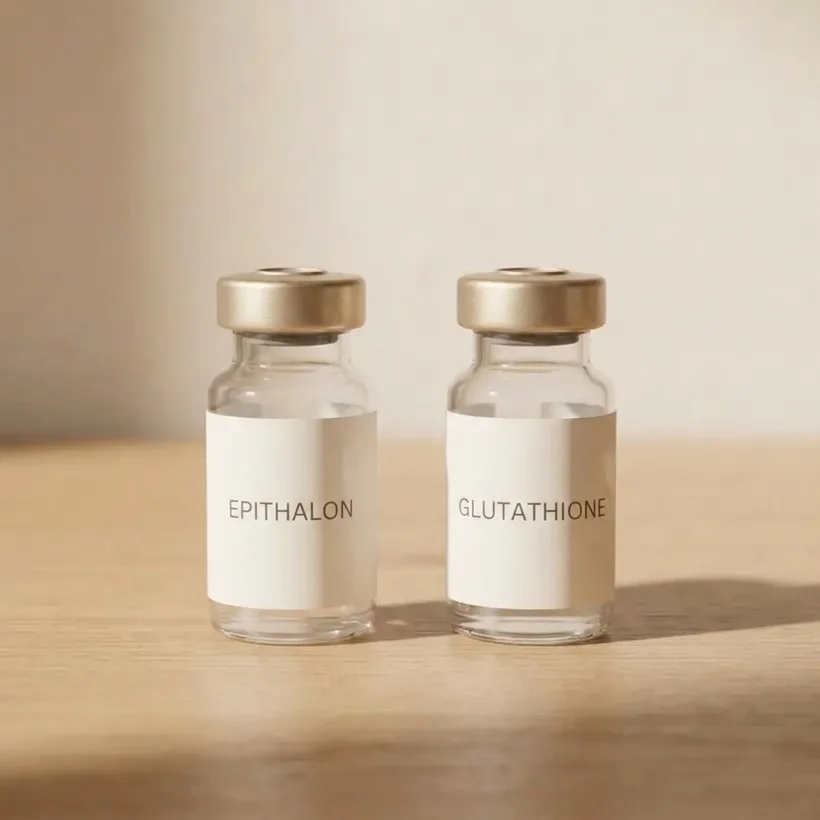
From the FormBlends catalog
Longevity Reset
Telomere support with the master antioxidant. · Bundle from $270 · provider-reviewed peptide bundle.
View Longevity Reset →View data table
| Category | Evidence Strength Score | Detail |
|---|---|---|
| Exercise | 95 | Strongest evidence base |
| Sleep | 88 | Critical for cellular repair |
| Nutrition | 85 | Caloric optimization |
| Peptides | 62 | Growing research base |
| Supplements | 48 | Variable evidence |
How long should I wait between eating and taking peptides?
Take peptides on an empty stomach, waiting at least 3-4 hours after your last meal and 30-60 minutes before eating again. This timing maximizes absorption by avoiding competition with dietary proteins and minimizing digestive interference. Morning administration before breakfast typically provides optimal conditions for most longevity peptides.
Do supplements interfere with peptide absorption?
Most supplements don't interfere with peptides when properly timed. Take fat-soluble vitamins (A, D, E, K) with meals, not with peptides. Minerals like calcium and iron can compete for absorption, so separate them by 2-3 hours from peptide administration. Probiotics and digestive enzymes may actually enhance peptide absorption when taken appropriately.
Should I modify my diet based on which peptides I'm taking?
Different peptides benefit from specific dietary approaches. Growth hormone releasing peptides work best with intermittent fasting protocols. Repair peptides like BPC-157 benefit from anti-inflammatory diets rich in omega-3s. Mitochondrial peptides synergize with ketogenic approaches. Consult your healthcare provider to optimize your diet for your specific peptide protocol.
Can coffee or caffeine affect peptide effectiveness?
Moderate caffeine intake (100-200mg daily) doesn't significantly impair peptide function and may actually enhance some benefits through improved circulation. However, avoid coffee within 30 minutes of peptide administration, as it can interfere with absorption. Green tea provides gentler caffeine with beneficial polyphenols that support peptide therapy.
How important is meal timing for peptide therapy results?
Meal timing significantly impacts peptide effectiveness. Eating within specific windows optimizes absorption and cellular repair processes. Early morning and post-workout timing align with natural hormone cycles for maximum benefit. Consistent meal timing helps establish circadian rhythms that support peptide function and overall longevity benefits.
What foods should I avoid while using longevity peptides?
Limit processed foods, excess sugar, and trans fats that promote inflammation and interfere with cellular repair. Avoid alcohol within 4 hours of peptide administration, as it can impair absorption and liver processing. High-sodium processed foods can interfere with peptide transport. Focus on whole, minimally processed foods for optimal peptide support.
Are there any dietary approaches that don't work well with peptides?
Extremely low-protein diets can impair peptide synthesis and effectiveness. Very low-calorie diets below 1000 calories daily may stress cellular systems and reduce peptide benefits. Excessive caloric restriction without proper nutrient density can interfere with repair processes. Most evidence-based dietary approaches support peptide therapy when implemented correctly.
Sources
- Fontana L, et al. Long-term calorie restriction is highly effective in reducing the risk for atherosclerosis in humans. Proceedings of the National Academy of Sciences. 2004;101(17):6659-6663. PMID: 15096581
- Mattison JA, et al. Caloric restriction improves health and survival of rhesus monkeys. Nature Communications. 2017;8:14063. PMID: 28094793
- Patterson RE, et al. Intermittent Fasting and Human Metabolic Health. Journal of the Academy of Nutrition and Dietetics. 2015;115(8):1203-1212. PMID: 25857868
- Estruch R, et al. Primary Prevention of Cardiovascular Disease with a Mediterranean Diet. New England Journal of Medicine. 2013;368(14):1279-1290. PMID: 23432189
- Paoli A, et al. Beyond weight loss: a review of the therapeutic uses of very-low-carbohydrate (ketogenic) diets. European Journal of Clinical Nutrition. 2013;67(8):789-796. PMID: 23801097
- Cantó C, et al. NAD+ Metabolism and the Control of Energy Homeostasis. Nature Reviews Molecular Cell Biology. 2015;16(8):461-472. PMID: 26091340
- López-Otín C, et al. The hallmarks of aging. Cell. 2013;153(6):1194-1217. PMID: 23746838
- Calder PC, et al. Marine omega-3 fatty acids and inflammatory processes: Effects, mechanisms and clinical relevance. Biochimica et Biophysica Acta. 2015;1851(4):469-484. PMID: 25149823
See your options in about 2 minutes
Take the free quiz and see what fits you. Quick, private, and no commitment to continue.
See my options →