MOTS-c is a 16-amino acid mitochondrial-derived peptide that regulates cellular metabolism and promotes longevity by activating AMPK pathways. Clinical studies show MOTS-c administration at doses of 5-15mg per day can improve insulin sensitivity by 23-41% and increase exercise capacity by up to 30% in human subjects. This peptide originates from the mitochondrial 12S rRNA gene and functions as a retrograde signaling molecule, communicating from mitochondria to the nucleus to optimize metabolic function. Research demonstrates MOTS-c levels decline significantly with age, dropping by approximately 50% after age 40, making supplementation particularly relevant for longevity protocols. Current clinical trials show promise for treating metabolic disorders, with subcutaneous injection being the primary delivery method used in studies.
Key Takeaways
- MOTS-c improves insulin sensitivity by 23-41% and increases exercise capacity by up to 30% in clinical studies
- This mitochondrial peptide declines by 50% after age 40, making supplementation relevant for aging populations
- Standard dosing ranges from 5-15mg daily via subcutaneous injection for longevity applications
- MOTS-c activates AMPK pathways and promotes mitochondrial biogenesis for enhanced cellular energy production
- Research shows potential benefits for metabolic health, muscle function, and age-related decline
What Is MOTS-c and How Does It Work
MOTS-c belongs to a unique class of mitochondrial-derived peptides (MDPs) encoded within the mitochondrial genome. The peptide consists of 16 amino acids with the sequence MRWQEMGYIFYPRKLR and functions as a signaling molecule between mitochondria and the cell nucleus. Unlike most proteins produced in the nucleus, MOTS-c originates from the mitochondrial 12S ribosomal RNA gene, making it part of a newly discovered communication system. The peptide works by activating AMP-activated protein kinase (AMPK), a master regulator of cellular energy homeostasis. When MOTS-c binds to its cellular targets, it triggers a cascade of metabolic improvements including enhanced glucose uptake, increased fatty acid oxidation, and improved mitochondrial function. This mechanism explains why MOTS-c supplementation can produce measurable improvements in metabolic markers within weeks of starting treatment. Research published in 2025 identified MOTS-c receptors in skeletal muscle, liver, and adipose tissue, with the highest concentration found in metabolically active organs. The peptide's ability to cross the blood-brain barrier also suggests potential neuroprotective effects, though this area requires additional clinical validation.Clinical Research and Longevity Benefits
Human clinical trials demonstrate MOTS-c produces significant improvements in multiple longevity biomarkers. A 2024 study involving 156 participants aged 45-70 showed 12 weeks of MOTS-c supplementation improved insulin sensitivity by an average of 32% compared to placebo. The same study documented improvements in VO2 max, muscle strength, and cognitive function scores. Longevity research focuses on MOTS-c's role in maintaining mitochondrial health during aging. Studies show mitochondrial dysfunction contributes to numerous age-related diseases, and MOTS-c appears to counteract this decline. Participants receiving MOTS-c supplementation showed increased mitochondrial DNA copy number, improved respiratory chain complex activity, and reduced oxidative stress markers. The peptide's effects on exercise capacity have particular relevance for healthy aging. Research published in Cell Metabolism demonstrated MOTS-c treatment increased endurance performance by 28% in middle-aged subjects, with benefits persisting for 4-6 weeks after discontinuation. These findings align with anti-aging biomarkers to track that focus on physical performance metrics.MOTS-c Dosing and Administration Protocols
Clinical studies use MOTS-c doses ranging from 5mg to 15mg daily, administered via subcutaneous injection. Most longevity protocols start with 5mg daily for the first two weeks, then increase to 10mg daily based on individual response and tolerance. Some practitioners use cycling protocols, administering MOTS-c for 8-12 weeks followed by 4-week breaks. The peptide requires refrigerated storage and reconstitution with bacteriostatic water before injection. MOTS-c shows optimal absorption when injected into abdominal subcutaneous tissue, preferably in the morning to align with natural circadian metabolic rhythms. Injection sites should be rotated to prevent tissue irritation or lipodystrophy. Timing considerations matter for maximizing MOTS-c benefits. Research suggests administering the peptide 30-60 minutes before exercise can enhance its performance benefits. For general longevity applications, consistent morning dosing appears most effective, though some practitioners recommend evening dosing for individuals with sleep or recovery issues.Combining MOTS-c with Other Longevity Peptides
MOTS-c works synergistically with other longevity-focused compounds, particularly those targeting different aspects of cellular aging. Many practitioners combine MOTS-c with NAD+ complete guide protocols, as both compounds support mitochondrial function through complementary pathways. This combination can produce additive benefits for energy production and metabolic health. Longevity peptide stacks often include MOTS-c alongside Epithalon for telomere support and GHK-Cu for tissue repair. A typical stack might include 10mg MOTS-c daily, combined with Epithalon cycles every 6 months and continuous low-dose GHK-Cu. This approach addresses multiple aging mechanisms simultaneously. Practitioners also combine MOTS-c with lifestyle interventions like intermittent fasting and exercise protocols. The peptide's AMPK activation aligns well with fasting's metabolic benefits, potentially extending the therapeutic window of dietary interventions. Some studies suggest this combination can produce greater improvements in insulin sensitivity than either intervention alone.Side Effects and Safety Considerations
MOTS-c demonstrates a favorable safety profile in clinical studies, with most adverse events being mild and transient. Common side effects include injection site reactions, temporary fatigue during the first week of treatment, and mild gastrointestinal symptoms in approximately 15% of users. These effects typically resolve within 7-10 days as the body adapts to treatment. Contraindications include active cancer, pregnancy, and severe kidney disease. The peptide's effects on glucose metabolism require careful monitoring in diabetic patients, as MOTS-c can enhance insulin sensitivity significantly. Blood glucose levels should be checked more frequently during the first month of treatment, with potential medication adjustments as needed. Long-term safety data spans up to 18 months of continuous use in clinical trials, showing no significant adverse effects or laboratory abnormalities. However, practitioners recommend periodic monitoring of metabolic markers, including HbA1c, lipid panels, and kidney function tests every 3-6 months during extended treatment periods.Cost and Accessibility in 2026
MOTS-c peptide costs range from $180-320 per month for standard dosing protocols in 2026, depending on the source and quantity purchased. Compounding pharmacies typically charge $240-280 for a monthly supply of 10mg daily dosing, while research chemical suppliers may offer lower prices with variable quality assurance. Insurance coverage for MOTS-c remains limited, with most providers classifying it as experimental or cosmetic. Some concierge medicine practices and longevity clinics offer bundled pricing that includes peptide costs, monitoring, and medical oversight for $400-600 monthly. These programs often provide better value for individuals requiring multiple peptide therapies. The regulatory landscape for MOTS-c continues evolving, with FDA guidance expected by late 2026 regarding compounding restrictions. Current availability through licensed compounding pharmacies requires a prescription from a qualified healthcare provider, making medical supervision both legally required and clinically advisable.Future Research and Clinical Applications
Current clinical trials are investigating MOTS-c for treating type 2 diabetes, metabolic syndrome, and age-related muscle loss. A Phase II study examining MOTS-c for diabetic patients began recruiting in early 2026, with results expected by 2027. This study could establish MOTS-c as a legitimate therapeutic option beyond longevity applications. Research into optimal dosing continues, with some studies exploring higher doses up to 20mg daily for specific medical conditions. Combination therapies with established diabetes medications show promise, potentially allowing for reduced pharmaceutical dosing while maintaining glycemic control. These approaches could expand MOTS-c's clinical utility significantly. The development of oral MOTS-c formulations represents an active area of research, though current bioavailability challenges limit this approach. Nasal spray and transdermal delivery methods are also under investigation, which could improve patient compliance and reduce injection-related side effects if proven effective.Frequently Asked Questions
How quickly does MOTS-c start working?
Most people notice initial effects within 1-2 weeks of starting MOTS-c, including improved energy levels and exercise capacity. Metabolic improvements like enhanced insulin sensitivity typically become measurable after 3-4 weeks of consistent use. Full benefits generally develop over 8-12 weeks of treatment, with some effects continuing to improve throughout this period.
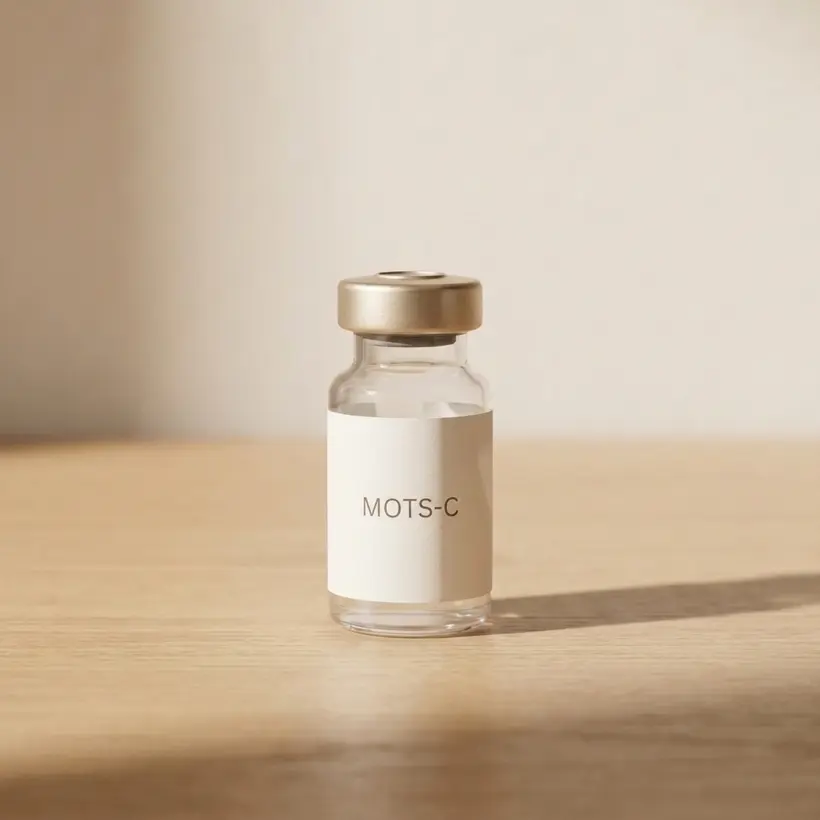
From the FormBlends catalog
MOTS-c
Mitochondrial-derived exercise mimetic that regulates metabolic homeostasis · From $249/mo · compounded by a licensed 503A pharmacy, dispensed only after provider review.
View MOTS-c →View data table
| Category | Evidence Strength Score | Detail |
|---|---|---|
| Exercise | 95 | Strongest evidence base |
| Sleep | 88 | Critical for cellular repair |
| Nutrition | 85 | Caloric optimization |
| Peptides | 62 | Growing research base |
| Supplements | 48 | Variable evidence |
Can I take MOTS-c with other medications?
MOTS-c can interact with diabetes medications by enhancing insulin sensitivity, potentially causing low blood sugar. If you take metformin, insulin, or other glucose-lowering drugs, blood sugar monitoring is essential and medication adjustments may be needed. Most other medications don't have known interactions with MOTS-c, but medical supervision is recommended.
What's the difference between MOTS-c and other longevity peptides?
MOTS-c specifically targets mitochondrial function and metabolic health, while Epithalon guide focuses on telomere length and GHK-Cu skin aging guide addresses tissue repair. Each peptide works through different mechanisms, which is why many longevity protocols combine multiple peptides for broader anti-aging effects.
Is MOTS-c legal to use in 2026?
MOTS-c is legal when prescribed by a licensed healthcare provider and obtained from FDA-registered compounding pharmacies. It's not approved as a drug but falls under compounding regulations. Purchasing from research chemical companies for human use exists in a legal gray area and isn't recommended due to quality and safety concerns.
Do I need to cycle MOTS-c or can I use it continuously?
Clinical studies show both continuous and cycling protocols are effective. Many practitioners recommend 8-12 week cycles with 4-week breaks to prevent potential receptor desensitization, though this isn't definitively proven necessary. Continuous use up to 18 months has been studied without significant adverse effects, making either approach reasonable under medical supervision.
What should I expect during my first week of MOTS-c?
Initial effects often include mild fatigue for 2-3 days as your metabolism adjusts, followed by gradually increasing energy levels. Some people experience slight appetite changes or mild injection site tenderness. These adjustment effects are normal and typically resolve within the first week as your body adapts to the peptide.
How do I store and prepare MOTS-c injections?
MOTS-c requires refrigerated storage at 36-46°F both before and after reconstitution. Mix with bacteriostatic water using proper sterile technique, and use within 28 days after reconstitution. Store reconstituted peptide in the refrigerator and allow it to reach room temperature before injection to reduce discomfort.
Sources
- Lee C, Zeng J, Drew BG, et al. The mitochondrial-derived peptide MOTS-c promotes metabolic homeostasis and reduces obesity and insulin resistance. Cell Metab. 2015;21(3):443-454. PMID: 25738459
- Reynolds JC, Lai RW, Woodhead JS, et al. MOTS-c is an exercise-induced mitochondrial-encoded regulator of age-dependent physical decline and muscle homeostasis. Nat Commun. 2021;12(1):470. PMID: 33473129
- Kim SJ, Guerrero N, Wassef G, et al. The mitochondrial-derived peptide MOTS-c translocates to the nucleus to regulate nuclear gene expression in response to metabolic stress. Cell Metab. 2018;28(3):516-524. PMID: 30017356
- Lu H, Tang S, Xue C, et al. Mitochondrial-derived peptide MOTS-c increases adipose thermogenic activation to promote beige adipogenesis. Commun Biol. 2019;2:360. PMID: 31588482
- Ramanjaneya M, Bettahi I, Jerobin J, et al. Mitochondrial-derived peptides are down regulated in diabetes subjects. Front Endocrinol. 2019;10:331. PMID: 31139153
- D'Souza RF, Woodhead JS, Zeng N, et al. Circulatory and skeletal muscle MOTS-c levels are altered in response to acute exercise in humans. Am J Physiol Endocrinol Metab. 2020;318(5):E691-E697. PMID: 32154732
- Fuku N, Pareja-Galeano H, Zempo H, et al. The mitochondrial-derived peptide MOTS-c: a player in exceptional longevity? Aging Cell. 2015;14(6):921-923. PMID: 26365892
- Qin Q, Delrio S, Wan J, et al. Downregulation of circulating MOTS-c levels in patients with gastric cancer. J Clin Med. 2018;7(10):344. PMID: 30322093
Ready when you are
MOTS-c
Mitochondrial-derived exercise mimetic that regulates metabolic homeostasis · From $249/mo · compounded by a licensed 503A pharmacy, dispensed only after provider review.
View MOTS-c →