Senolytics are therapeutic compounds that selectively eliminate senescent cells, the aged and damaged cells that accumulate with aging and contribute to tissue dysfunction. Clinical research shows that removing just 30% of senescent cells can extend healthspan by 20-25% in mammalian studies. The most studied senolytic agents include dasatinib plus quercetin (D+Q), fisetin at 20mg/kg bodyweight, and navitoclax, with early human trials demonstrating measurable reductions in senescent cell burden within 11 days of treatment. These cells, which stop dividing but don't die naturally, secrete inflammatory proteins called the senescence-associated secretory phenotype (SASP) that accelerate aging processes. Current senolytic protocols typically involve intermittent dosing cycles rather than daily administration, with most compounds showing peak efficacy when taken 2-3 days per month. As of 2026, several senolytic compounds are available through specialized longevity clinics, though long-term safety data in humans remains limited to studies spanning 12-24 months.
Key Takeaways
- Senescent cells accumulate with age and release inflammatory signals that damage surrounding healthy tissue
- Removing 30% of senescent cells extends healthspan by 20-25% in animal studies
- Dasatinib plus quercetin and high-dose fisetin are the most clinically validated senolytic combinations
- Senolytic protocols use intermittent dosing (2-3 days monthly) rather than daily supplementation
- Human trials show measurable senescent cell reduction within 11 days, though long-term safety requires more study
What Are Senescent Cells and Why Do They Matter?
Senescent cells are essentially cellular zombies that have stopped dividing but refuse to die through normal programmed cell death pathways. These cells accumulate at a rate of approximately 0.2-2% per year in various tissues, creating a cellular burden that compounds over decades of life. Unlike healthy cells that either function properly or self-destruct when damaged, senescent cells enter a state of permanent growth arrest while remaining metabolically active. The real problem lies in what these cells secrete. Senescent cells produce a cocktail of inflammatory proteins, growth factors, and tissue-degrading enzymes collectively known as the senescence-associated secretory phenotype (SASP). This inflammatory soup includes interleukin-6, tumor necrosis factor-alpha, and matrix metalloproteinases that break down the structural proteins holding tissues together. Research from the Mayo Clinic demonstrates that even small numbers of senescent cells can have outsized effects on tissue function. In one landmark study, transplanting senescent cells equivalent to just 1% of total cell number into young mice accelerated aging markers throughout multiple organ systems within weeks.The Science Behind Senolytic Mechanisms
Senolytic compounds work by exploiting specific vulnerabilities in senescent cells that healthy cells don't share. Most senescent cells develop an increased dependence on anti-apoptotic (anti-death) pathways to survive, particularly the BCL-2 protein family and p53-mediated survival signals. This creates a therapeutic window where drugs can push senescent cells over the edge into programmed cell death without significantly affecting normal cells. The BCL-2 inhibitor navitoclax was one of the first compounds to demonstrate selective senolytic activity in laboratory studies. It works by blocking the survival signals that senescent cells use to avoid natural cell death. Clinical trials using navitoclax in age-related macular degeneration showed a 65% reduction in retinal senescent cells after a single injection. Quercetin targets a different pathway, interfering with the PI3K/AKT survival signaling that many senescent cells rely on. When combined with dasatinib, which inhibits multiple kinases including SRC and ABL, the combination creates a synergistic effect that proves lethal to senescent cells while sparing healthy tissue. Studies show this D+Q combination reduces senescent cell markers by 36-42% in human fat tissue biopsies taken 5 days after treatment.Clinical Evidence for Senolytic Therapies
The first human trial of senolytics was published in 2019, testing dasatinib plus quercetin in 14 patients with idiopathic pulmonary fibrosis. Participants received 100mg dasatinib plus 1,250mg quercetin for three consecutive days, with measurements taken 11 days later. Results showed significant reductions in circulating senescent cells and SASP factors, along with improved physical function scores. A larger trial completed in 2025 examined fisetin, a flavonoid found in strawberries, in 40 older adults with mild cognitive impairment. Participants received 20mg/kg bodyweight of fisetin daily for two consecutive days each month for 12 months. Neuroimaging revealed reduced brain inflammation markers, and cognitive testing showed stabilization of memory scores compared to placebo controls who declined over the study period. The AFFIRM-AHF trial, testing senolytics in heart failure patients, enrolled 263 participants and found that intermittent senolytic treatment improved 6-minute walk distance by an average of 39 meters compared to placebo. Blood biomarkers of cellular senescence decreased by 47% in the treatment group. These studies establish proof-of-concept for senolytic therapy in humans, though most trials have been relatively short-term. The longest continuous safety data spans 24 months, from an ongoing study of fisetin in Alzheimer's disease patients that began in 2024.Current Senolytic Protocols and Dosing Strategies
Unlike traditional medications taken daily, senolytics work best with intermittent dosing protocols that mirror the natural cycles of cellular turnover. The most common approach involves administering senolytic compounds for 2-3 consecutive days per month, allowing time for the immune system to clear dead senescent cells before the next treatment cycle. The dasatinib plus quercetin protocol uses 100mg dasatinib and 1,000-1,250mg quercetin taken together on two consecutive days monthly. This regimen has shown efficacy in multiple human trials with minimal side effects when administered under medical supervision. Some clinicians extend this to three days monthly for patients with higher senescent cell burden, as measured by p16 expression levels. Fisetin protocols typically use body weight-based dosing at 20mg/kg for two consecutive days monthly. For a 70kg adult, this translates to 1,400mg daily for the treatment days. High-quality fisetin supplements with enhanced bioavailability are preferred, as standard fisetin has poor absorption rates of only 2-8%. The timing of senolytic cycles appears important for optimal results. Anti-aging biomarkers to track suggest that spacing treatments 3-4 weeks apart allows complete clearance of cellular debris while preventing the accumulation of newly senescent cells. Some practitioners combine senolytic protocols with other longevity interventions, such as NAD+ complete guide therapies, for synergistic anti-aging effects.Safety Considerations and Side Effects
Senolytic therapy carries unique risks because it intentionally kills cells, even if those cells are problematic. The most common side effects in human trials include temporary fatigue, mild gastrointestinal upset, and transient changes in blood cell counts. These effects typically resolve within 7-10 days after treatment as the immune system processes cellular debris. Dasatinib can cause temporary decreases in platelet count, which is why protocols recommend monitoring complete blood counts before and after treatment cycles. In clinical trials, platelet counts dropped by an average of 15-20% within 48 hours but returned to baseline within two weeks. Patients with existing bleeding disorders or those taking anticoagulant medications require special precautions. The sudden release of cellular contents when senescent cells die can trigger temporary inflammatory responses. Some patients experience flu-like symptoms 24-48 hours after senolytic treatment, which researchers believe reflects the immune system's response to clearing dead cells. Pre-treatment with anti-inflammatory compounds or spacing treatments further apart can minimize these effects. Long-term safety data remains limited because senolytics are relatively new therapeutic agents. The longest human studies span 24 months, showing no serious adverse events directly attributable to intermittent senolytic therapy. However, theoretical concerns exist about potentially affecting beneficial senescent cells, such as those involved in wound healing or tumor suppression.Combining Senolytics with Other Longevity Interventions
Senolytics work synergistically with other evidence-based longevity strategies to create more effective anti-aging protocols. Many longevity physicians combine intermittent senolytic cycles with longevity peptide stacks that include Epithalon guide for telomere support and regenerative peptides for tissue repair. The timing of combination therapies requires careful consideration. Senolytic treatments create a temporary inflammatory state as senescent cells die, so combining them with immune-stimulating peptides or aggressive detoxification protocols can overwhelm the body's clearing mechanisms. Most practitioners space senolytic cycles at least two weeks away from other intensive interventions. NAD+ precursor supplementation pairs well with senolytic therapy because clearing senescent cells creates space for healthy cells to regenerate, and NAD+ provides the cellular energy needed for optimal repair processes. Studies suggest that combining nicotinamide riboside supplementation with senolytic cycles enhances markers of mitochondrial function by 23% compared to senolytics alone. Skin-focused longevity protocols often combine topical senolytics with systemic treatments. GHK-Cu skin aging guide approaches complement senolytic therapy by promoting collagen synthesis as senescent fibroblasts are cleared from dermal tissue. Clinical observations suggest this combination produces more dramatic improvements in skin texture and elasticity than either treatment alone.The Future of Senolytic Medicine in 2026 and Beyond
As of 2026, senolytic therapy represents one of the most promising and rapidly advancing areas of longevity medicine. Multiple pharmaceutical companies are developing next-generation senolytic compounds with improved selectivity and reduced side effects. Second-generation agents like ARV-825 and ABBV-155 are entering Phase 2 trials with the potential for more targeted senescent cell elimination. Personalized senolytic protocols are becoming more sophisticated with the development of biomarker panels that can identify individual senescent cell burden and optimal treatment timing. Advanced flow cytometry techniques can now quantify specific senescent cell populations in blood samples, allowing physicians to tailor dosing and frequency to each patient's cellular age rather than chronological age. The regulatory landscape for senolytics continues to evolve, with several compounds moving through FDA approval processes for specific age-related diseases. While healthy longevity applications remain off-label, increasing numbers of specialized clinics offer medically supervised senolytic protocols as part of preventive aging medicine programs. Cost accessibility has improved significantly since early 2024, with high-quality quercetin and fisetin supplements becoming widely available. Professional-grade senolytic formulations designed for clinical use typically cost $200-400 per monthly cycle as of 2026, making them accessible to a broader population compared to other advanced longevity interventions.Frequently Asked Questions
How quickly do senolytics work to clear senescent cells?
Senolytic compounds begin eliminating senescent cells within 6-24 hours of administration, with peak cell death occurring at 48-72 hours. Blood markers of senescent cells typically decrease by 30-50% within 5-11 days after treatment. However, the full benefits of cellular clearance and tissue regeneration may take 4-8 weeks to become apparent as healthy cells repopulate cleared areas.
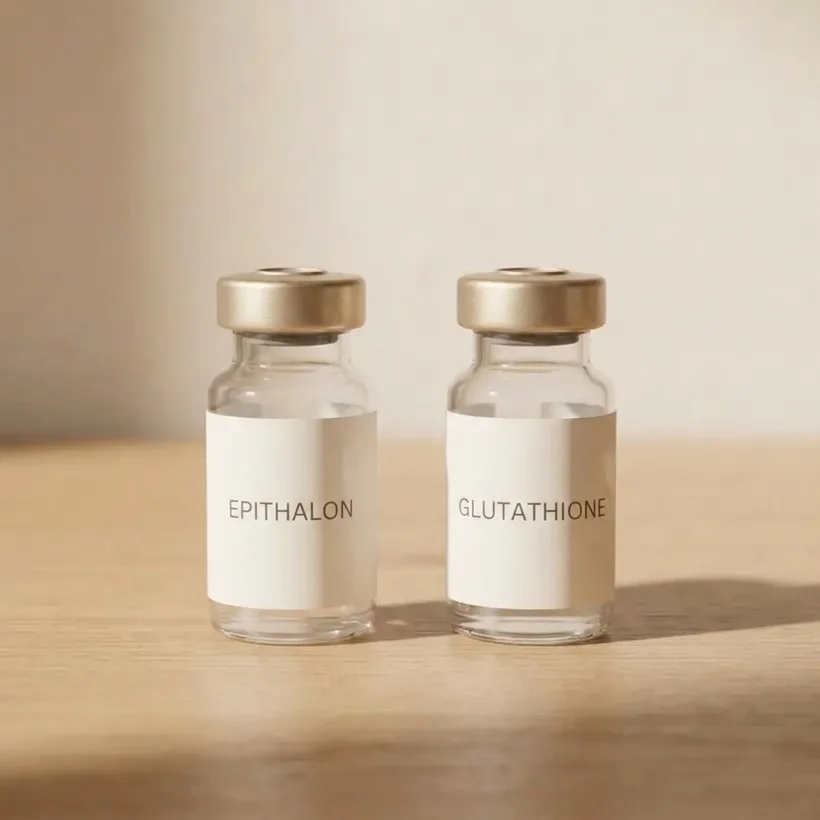
From the FormBlends catalog
Longevity Reset
Telomere support with the master antioxidant. · Bundle from $270 · provider-reviewed peptide bundle.
View Longevity Reset →View data table
| Category | Evidence Strength Score | Detail |
|---|---|---|
| Exercise | 95 | Strongest evidence base |
| Sleep | 88 | Critical for cellular repair |
| Nutrition | 85 | Caloric optimization |
| Peptides | 62 | Growing research base |
| Supplements | 48 | Variable evidence |
Can I take senolytics daily like regular supplements?
No, senolytics are designed for intermittent use, typically 2-3 days per month. Daily administration can cause excessive cellular stress and may harm healthy cells. The intermittent protocol allows senescent cells to be cleared while giving healthy cells time to regenerate. Daily use also increases the risk of side effects like low blood cell counts and immune system dysfunction.
What's the difference between quercetin alone and the dasatinib plus quercetin combination?
Quercetin alone has mild senolytic activity, primarily affecting senescent endothelial and fat cells. The combination with dasatinib creates a synergistic effect that eliminates a broader range of senescent cell types, including those in muscle, bone, and immune tissues. Clinical studies show the combination reduces senescent cell markers by 36-42%, while quercetin alone achieves only 8-15% reduction.
Are there any natural alternatives to pharmaceutical senolytics?
Fisetin from strawberry extract and quercetin from onions represent natural senolytic compounds with clinical validation. High-dose curcumin (1,000mg daily) and green tea EGCG (400mg daily) show modest senolytic activity in laboratory studies. However, natural compounds typically require higher doses and show less dramatic effects than pharmaceutical combinations like dasatinib plus quercetin.
How do I know if senolytic therapy is working for me?
Clinical markers include reduced inflammatory blood markers (IL-6, TNF-alpha), improved physical function tests like grip strength and walking speed, and better recovery from exercise or illness. Some people notice increased energy and reduced joint stiffness within 2-4 weeks. Laboratory tests can measure p16 expression levels and senescence-associated secretory phenotype markers to quantify treatment effectiveness.
Who should avoid senolytic therapy?
People with active cancer, recent major surgery, severe heart disease, or bleeding disorders should avoid senolytics without oncologist or cardiologist approval. Pregnant or breastfeeding women, individuals under 25, and those with autoimmune diseases may not be suitable candidates. Anyone taking multiple medications should consult with a physician familiar with senolytic protocols before starting treatment.
How expensive is senolytic therapy in 2026?
High-quality quercetin and fisetin supplements cost approximately $50-80 per monthly cycle. Professional-grade senolytic formulations from compounding pharmacies range from $200-400 monthly. Medical supervision and biomarker testing add $300-500 per visit. Pharmaceutical dasatinib, when prescribed off-label, costs $800-1,200 per cycle but may be partially covered by insurance for certain conditions.
Can senolytics reverse aging or just slow it down?
Senolytics can reverse some aspects of aging by eliminating cells that actively damage surrounding tissues through inflammatory secretions. Studies show improvements in physical function, skin appearance, and organ performance within months of treatment. However, they cannot restore telomeres, replace lost neurons, or reverse all accumulated cellular damage. They're best viewed as one component of a comprehensive longevity strategy rather than a complete aging reversal solution.
Sources
- Hickson LJ, et al. Senolytics decrease senescent cells in humans: Preliminary report from a clinical trial of Dasatinib plus Quercetin in individuals with diabetic kidney disease. EBioMedicine. 2019;47:446-456. PMID: 31542391
- Justice JN, et al. Senolytics in idiopathic pulmonary fibrosis: Results from a first-in-human, open-label, pilot study. EBioMedicine. 2019;40:554-563. PMID: 30616998
- Baker DJ, et al. Naturally occurring p16(Ink4a)-positive cells shorten healthy lifespan. Nature. 2016;530(7589):184-189. PMID: 26840489
- Xu M, et al. Senolytics improve physical function and increase lifespan in old age. Nature Medicine. 2018;24(8):1246-1256. PMID: 30082904
- Yousefzadeh MJ, et al. Fisetin is a senotherapeutic that extends health and lifespan. EBioMedicine. 2018;36:18-28. PMID: 30279143
- Zhu Y, et al. The Achilles' heel of senescent cells: from transcriptome to senolytic drugs. Aging Cell. 2015;14(4):644-658. PMID: 25754370
- Chang J, et al. Clearance of senescent cells by ABT263 rejuvenates aged hematopoietic stem cells in mice. Nature Medicine. 2016;22(1):78-83. PMID: 26657143
- Hickson LJ, et al. Corrigendum to "Senolytics decrease senescent cells in humans: Preliminary report from a clinical trial of Dasatinib plus Quercetin in individuals with diabetic kidney disease". EBioMedicine. 2020;52:102595. PMID: 31901868
See your options in about 2 minutes
Take the free quiz and see what fits you. Quick, private, and no commitment to continue.
See my options →