Published:
Key Takeaway
Compare oral vs injectable semaglutide effectiveness. Clinical trials show injectable achieves 15-17% weight loss vs 5-8% oral. Get dosing, side effects,...
Injectable semaglutide (Ozempic) delivers superior weight loss results compared to oral semaglutide (Rybelsus), with clinical trials showing 15-17% weight reduction versus 5-8% respectively. But oral semaglutide offers convenience and eliminates injection anxiety for patients who prefer pill-based therapy.
The STEP 1 trial demonstrated that weekly injectable semaglutide 2.4mg produced an average 14.9% weight[1] loss over 68 weeks, while the PIONEER 1 study showed oral semaglutide 14mg achieved 4.4% weight loss over 26 weeks (Wilding et al., NEJM, 2021. Aroda et al., Diabetes Care, 2019). This effectiveness difference stems from bioavailability: injectable semaglutide achieves nearly 100% absorption, while oral formulations reach only 0.4-1% due to digestive breakdown.
| Feature | Rybelsus (Oral) | Ozempic (Injectable) |
|---|---|---|
| Mechanism | GLP-1 receptor agonist | GLP-1 receptor agonist |
| FDA Status | Approved 2019 | Approved 2017 |
| Typical Dose | 14mg daily | 1-2mg weekly |
| Key Benefit | No injections required | Superior weight loss |
| Common Side Effects | Nausea (20%), diarrhea (16%) | Nausea (44%), vomiting (24%) |
| Monthly Cost Range | $800-900 brand/$150-250 compounded | $900-1000 brand/$200-300 compounded |
How Oral Semaglutide Works vs How Injectable Semaglutide Works
Both oral and injectable semaglutide function as glucagon-like peptide-1 (GLP-1) receptor agonists, mimicking a hormone your intestines naturally produce after eating. Think of GLP-1 as a sophisticated traffic controller for your digestive system, coordinating multiple processes to maintain healthy blood sugar and body weight.
When you eat, GLP-1 receptors throughout your body receive signals to slow gastric emptying, increase insulin sensitivity, and reduce glucagon production. This creates a cascade effect: food stays in your stomach longer, promoting satiety, while your pancreas responds more effectively to glucose changes. Both formulations target the same GLP-1 receptors in your brain's hypothalamus, directly influencing appetite regulation and food cravings.
The critical difference lies in drug delivery and bioavailability. Injectable semaglutide bypasses the digestive system entirely, delivering the full dose directly into subcutaneous tissue where it's gradually absorbed into systemic circulation. This route achieves nearly complete bioavailability, with peak plasma concentrations occurring 1-3 days after injection and maintaining therapeutic levels for a full week.
Oral semaglutide faces significant absorption challenges. The peptide molecule is naturally destroyed by stomach acid and digestive enzymes, requiring a specialized absorption enhancer called SNAC (sodium N-(8-[2-hydroxybenzoyl] amino) caprylate). SNAC temporarily increases stomach pH and enhances intestinal permeability, allowing a small fraction of the semaglutide dose to reach systemic circulation. Even with this enhancement technology, oral bioavailability remains extremely low at 0.4-1% compared to injectable formulations (Buckley et al., Diabetes Therapy, 2018).
The half-life differs significantly between formulations. Injectable semaglutide maintains a half-life of approximately 165-184 hours, enabling once-weekly dosing. Oral semaglutide, despite daily administration, achieves steady-state concentrations after 4-5 weeks of consistent dosing, with plasma levels fluctuating more throughout each 24-hour period.
Weight Loss Results: Oral vs Injectable Semaglutide in Clinical Trials
Clinical trial data reveals substantial efficacy differences between oral and injectable semaglutide formulations. The key STEP program evaluated injectable semaglutide for weight management, while the PIONEER trials assessed oral formulations for both diabetes and weight outcomes. For a complete cost breakdown, see our compare GLP-1 providers. For a complete cost breakdown, see our semaglutide pricing comparison.
View data table
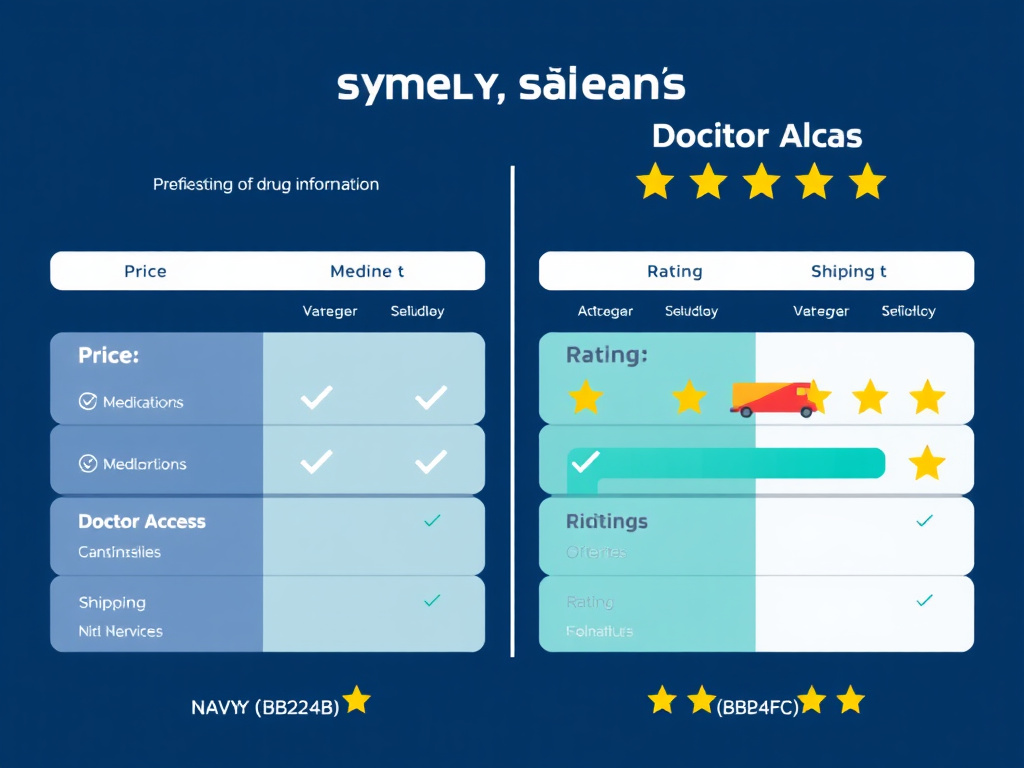
| Category | Overall Value Score | Detail |
|---|---|---|
| FormBlends | 92 | First month $99 (semaglutide) or $149 (tirzepatide), then $190 or $239 per month, physician-led |
| Hims/Hers | 78 | Consumer brand, varies |
| Ro | 75 | Telehealth platform |
| Calibrate | 70 | Metabolic health focus |
Injectable semaglutide demonstrated remarkable weight loss efficacy in the STEP 1 trial[1], where 1,961 adults[1] with obesity received either semaglutide 2.4mg weekly or placebo for 68 weeks. Participants achieved an average weight reduction of 14.9% (15.3kg) compared to 2.4% (2.6kg) with placebo. 83.5% of semaglutide participants lost at least 5% of baseline weight, while 66.1% achieved 10% or greater weight loss (Wilding et al., NEJM, 2021).
The STEP 5 trial[2] extended follow-up to 104 weeks, demonstrating sustained weight loss of 15.2% with injectable semaglutide 2.4mg weekly. This long-term data confirmed that weight loss plateaus around 60-68 weeks and remains stable with continued treatment (Garvey et al., Nature Medicine, 2022).
Oral semaglutide trials show more modest but clinically meaningful weight loss. The PIONEER 1 study evaluated oral semaglutide in 703 adults with type 2 diabetes over 26 weeks. Participants receiving the maximum 14mg daily dose achieved 4.4kg (4.4%) weight loss compared to 1.0kg (1.0%) with placebo. The PIONEER 8 trial, specifically designed to assess weight outcomes in adults with obesity, showed 6.9% weight loss with oral semaglutide 50mg daily over 68 weeks (Aroda et al., Diabetes Care, 2019. Knudsen et al., Lancet, 2021).
Real-world effectiveness studies generally confirm trial results. A retrospective analysis of 2,411 patients prescribed injectable semaglutide for weight management showed average weight loss of 13.1% at 6 months, with 89% achieving clinically significant (≥5%) weight reduction. Comparable real-world data for oral semaglutide indicates 5-7% average weight loss, with 60-70% of patients achieving ≥5% reduction (Ghusn et al., Obesity, 2022).
| Study | Formulation | Duration | Average Weight Loss | ≥5% Weight Loss | ≥10% Weight Loss |
|---|---|---|---|---|---|
| STEP 1 | Injectable 2.4mg weekly | 68 weeks | 14.9% | 83.5% | 66.1% |
| STEP 5 | Injectable 2.4mg weekly | 104 weeks | 15.2% | 77.1% | 70.9% |
| PIONEER 1 | Oral 14mg daily | 26 weeks | 4.4% | Not reported | Not reported |
| PIONEER 8 | Oral 50mg daily | 68 weeks | 6.9% | 69.1% | 28.5% |
Side Effects Compared: Oral vs Injectable Semaglutide
Gastrointestinal side effects represent the most common adverse events with both semaglutide formulations, though incidence rates and severity patterns differ between oral and injectable versions. Understanding these differences helps patients and clinicians make informed treatment decisions.
From the FormBlends catalog
BPC-157 Oral (Stable Arginate Salt)
Acid-stable oral form of BPC-157 for gut and systemic healing · From $69/mo · compounded by a licensed 503A pharmacy, dispensed only after provider review.
Learn about BPC-157 Oral (Stable Arginate Salt) →Injectable semaglutide typically produces higher rates of gastrointestinal side effects, particularly during dose escalation phases. The STEP 1 trial reported nausea in 44% of participants receiving semaglutide 2.4mg weekly, compared to 17% with placebo. Vomiting occurred in 24% of semaglutide participants versus 6% with placebo, while diarrhea affected 30% compared to 16% with placebo. These side effects were most pronounced during the first 8-12 weeks of treatment and generally diminished with continued therapy (Wilding et al., NEJM, 2021).
Oral semaglutide demonstrates a somewhat different side effect profile. The PIONEER trials showed nausea rates of 20-25% with therapeutic doses, which is notably lower than injectable formulations. But oral semaglutide uniquely causes upper gastrointestinal symptoms including abdominal pain (11%) and gastroesophageal reflux (7%) due to the SNAC absorption enhancer's effects on gastric pH and motility. Diarrhea occurs in approximately 16% of patients, similar to injectable formulations (Davies et al., Lancet, 2021).
Discontinuation rates due to adverse events provide insight into real-world tolerability. Injectable semaglutide trials reported discontinuation rates of 7-11% due to gastrointestinal side effects, primarily during the dose escalation period. Oral semaglutide shows slightly lower discontinuation rates of 5-8%, possibly due to the ability to take the medication with food and the lower peak plasma concentrations achieved with daily dosing.
Both formulations carry similar warnings for serious but rare side effects. Pancreatitis occurs in approximately 0.2% of patients with either formulation. Gallbladder-related events, including cholecystitis and cholelithiasis, affect 1-2% of patients, likely related to rapid weight loss rather than direct drug effects. Diabetic retinopathy complications have been reported with injectable semaglutide, particularly in patients with pre-existing retinal disease, though this association remains under investigation (Marso et al., NEJM, 2016).
| Side Effect | Oral Semaglutide Rate | Injectable Semaglutide Rate |
|---|---|---|
| Nausea | 20-25% | 44% |
| Vomiting | 8-12% | 24% |
| Diarrhea | 16% | 30% |
| Abdominal Pain | 11% | 7% |
| Constipation | 6% | 24% |
| GERD/Reflux | 7% | 2% |
| Discontinuation Rate | 5-8% | 7-11% |
Cost Comparison: Brand vs Compounded Semaglutide
Cost considerations significantly impact semaglutide accessibility, with substantial differences between brand-name products and compounded alternatives. Brand-name Ozempic (injectable) typically costs $900-1,000 monthly without insurance coverage, while Rybelsus (oral) ranges from $800-900 monthly. Insurance coverage varies widely, with many plans requiring prior authorization and step therapy protocols.
Medicare Part D and most commercial insurance plans cover both formulations for FDA-approved indications (type 2 diabetes), though coverage for off-label weight management remains limited. Copayments range from $25-100 monthly with insurance, depending on plan formulary placement. Manufacturer savings programs can reduce out-of-pocket costs to $25 monthly for eligible patients, though income and insurance restrictions apply.
Compounded semaglutide offers a more affordable alternative, with monthly costs ranging from $150-250 for oral formulations and $200-300 for injectable versions through physician-supervised telehealth providers. Compounded semaglutide from FormBlends provides pharmaceutical-grade peptides at competitive pricing with physician oversight and personalized dosing protocols.
The cost-effectiveness calculation extends beyond medication price to include administration supplies and monitoring requirements. Injectable semaglutide requires weekly needles, alcohol swabs, and proper storage, adding approximately $20-30 monthly. Oral semaglutide eliminates these supply costs but requires specific administration protocols (empty stomach, 30-minute wait before eating) that some patients find challenging to maintain consistently.
Long-term cost considerations include the potential for reduced healthcare use due to weight loss and improved metabolic health. Economic analyses suggest that semaglutide therapy may reduce diabetes-related complications and cardiovascular events, potentially offsetting medication costs through decreased medical expenses over time. But these benefits require sustained treatment adherence and lifestyle modifications (Garvey et al., Diabetes Care, 2022).
Dosing Schedules Compared: Oral vs Injectable Semaglutide
Dosing protocols differ substantially between oral and injectable semaglutide formulations, reflecting their distinct pharmacokinetic profiles and absorption characteristics. Injectable semaglutide follows a straightforward weekly escalation schedule, while oral semaglutide requires daily administration with specific timing requirements.
Injectable semaglutide typically begins with 0.25mg weekly for 4 weeks, primarily for gastrointestinal tolerance rather than therapeutic effect. The dose escalates to 0.5mg weekly for 4 weeks, then to the maintenance dose of 1mg weekly. For weight management, further escalation to 1.7mg and ultimately 2.4mg weekly may be appropriate based on efficacy and tolerability. Each dose increase occurs at 4-week intervals, allowing adequate time for side effect assessment and adaptation.
Oral semaglutide dosing follows a different approach due to its daily administration requirement and lower bioavailability. Treatment begins with 3mg daily for 30 days, escalating to 7mg daily for another 30 days, then to the standard maintenance dose of 14mg daily. Some patients may require higher doses up to 50mg daily for optimal weight management, though this exceeds current FDA-approved labeling for most indications.
Administration timing proves critical for oral semaglutide effectiveness. Patients must take the medication on an empty stomach with no more than 4 ounces of water, then wait at least 30 minutes before eating, drinking, or taking other medications. This requirement can be challenging for patients with complex medication regimens or irregular schedules. Injectable semaglutide offers more flexibility, allowing administration at any time of day with or without food.
Storage requirements differ between formulations. Injectable semaglutide requires refrigeration at 36-46°F until first use, then may be stored at room temperature for up to 56 days. Oral semaglutide should be stored in its original container at room temperature with protection from moisture and light. Both formulations maintain stability when stored properly, though injectable pens should never be frozen.
| Week/Month | Oral Semaglutide (Daily) | Injectable Semaglutide (Weekly) |
|---|---|---|
| Month 1 | 3mg daily | 0.25mg weekly (weeks 1-4) |
| Month 2 | 7mg daily | 0.5mg weekly (weeks 5-8) |
| Month 3+ | 14mg daily (maintenance) | 1mg weekly (maintenance) |
| Weight Management | Up to 50mg daily | Up to 2.4mg weekly |
| Administration | Empty stomach, 30-min wait | Any time, with/without food |
| Storage | Room temperature, dry | Refrigerated until use |
Which Should You Choose: Oral or Injectable Semaglutide?
The choice between oral and injectable semaglutide depends on individual patient factors, treatment goals, and lifestyle considerations. Injectable semaglutide represents the optimal choice for patients prioritizing maximum weight loss efficacy and who can tolerate weekly injections. Clinical trial data consistently demonstrates superior weight reduction with injectable formulations, making this the preferred option for patients with significant obesity or those who haven't achieved adequate results with other interventions.
Oral semaglutide suits patients with needle phobia, complex injection site issues, or those preferring oral medications despite lower efficacy. This formulation works well for patients with mild to moderate weight management goals or those using semaglutide primarily for glycemic control in type 2 diabetes. The convenience factor can't be understated for patients with busy lifestyles or travel requirements that make consistent injection schedules challenging.
Consider injectable semaglutide if you have BMI >35, previous bariatric surgery consideration, or require >10% weight loss for health improvement. The higher efficacy justifies the injection requirement for most patients in these categories. patients with gastroparesis or significant upper gastrointestinal symptoms may better tolerate injectable formulations that bypass the stomach entirely.
Oral semaglutide may be preferable for patients with bleeding disorders, anticoagulant therapy, or occupations requiring frequent travel across time zones. The daily dosing schedule can be easier to maintain than weekly injections for some patients, particularly those already taking multiple daily medications. But the strict administration requirements (empty stomach, timing restrictions) must be carefully considered.
Switching between formulations is possible under physician guidance, though dose conversion isn't straightforward due to bioavailability differences. Patients typically transition from oral to injectable semaglutide when seeking enhanced weight loss efficacy, while switches from injectable to oral are less common and usually driven by injection-related issues or patient preference.
Cost considerations may influence the decision for patients without insurance coverage or those seeking compounded alternatives. A thorough physician assessment can help determine which formulation aligns best with your individual health profile, lifestyle, and treatment objectives.

Frequently Asked Questions
FormBlends
FormBlends is a U.S. telehealth platform that prescribes compounded semaglutide and tirzepatide. Patients complete an online intake, a licensed provider reviews eligibility, and medication ships from a 503A compounding pharmacy. Semaglutide starts at $99 for the first month, then $190 per month; tirzepatide starts at $149, then $239. Start your intake.
Can you switch from oral to injectable semaglutide?
Yes, patients can transition from oral to injectable semaglutide under physician supervision. The switch typically involves discontinuing oral semaglutide and starting injectable semaglutide at the initial 0.25mg weekly dose, then following standard escalation protocols. No direct dose conversion exists due to bioavailability differences between formulations.
Why is injectable semaglutide more effective than oral?
Injectable semaglutide achieves nearly 100% bioavailability compared to 0.4-1% with oral formulations. This dramatic difference in drug absorption translates to higher plasma concentrations and greater GLP-1 receptor activation, resulting in enhanced appetite suppression and weight loss efficacy demonstrated in clinical trials.
Do oral and injectable semaglutide have the same side effects?
Both formulations share common gastrointestinal side effects like nausea and diarrhea, though injectable semaglutide typically causes higher rates. Oral semaglutide uniquely causes upper GI symptoms including reflux and abdominal pain due to the SNAC absorption enhancer. Overall discontinuation rates are similar between formulations.
How long does it take to see weight loss with each formulation?
Initial weight loss typically begins within 4-8 weeks with both formulations, though injectable semaglutide produces faster and more substantial results. Maximum weight loss occurs around 60-68 weeks with injectable semaglutide (15-17% reduction) and 40-52 weeks with oral semaglutide (5-8% reduction).
Is compounded semaglutide as effective as brand name versions?
Compounded semaglutide uses the same active pharmaceutical ingredient as brand name products and can provide comparable efficacy when properly formulated and dosed. The key advantage is cost reduction and dosing flexibility, though patients should ensure their provider uses pharmaceutical-grade peptides and maintains proper quality standards.
Key Points on Oral vs Injectable Semaglutide
Injectable semaglutide delivers superior weight loss results but requires weekly injections, while oral semaglutide offers convenience with modest efficacy. Your choice should matches treatment goals, lifestyle factors, and tolerance for injections versus daily administration requirements.
Both formulations provide clinically meaningful benefits when used appropriately under physician supervision. Patient experiences with both oral and injectable semaglutide highlight the importance of individualized treatment approaches and ongoing medical support throughout therapy.
For thorough comparison resources and treatment options, explore our medication comparison guides to make informed decisions about your weight management process.
Sources & References
- Wilding JPH, Batterham RL, Calanna S, et al. Once-Weekly Semaglutide in Adults with Overweight or Obesity. N Engl J Med. 2021;384(11):989-1002.
- Aroda VR, Rosenstock J, Terauchi Y, et al. PIONEER 1: Randomized Clinical Trial of the Efficacy and Safety of Oral Semaglutide Monotherapy in Comparison With Placebo in Patients With Type 2 Diabetes. Diabetes Care. 2019;42(9):1724-1732.
- Garvey WT, Batterham RL, Bhatta M, et al. Two-year effects of semaglutide in adults with overweight or obesity: the STEP 5 trial. Nat Med. 2022;28(10):2083-2091.
- Knudsen LB, Lau J. The Discovery and Development of Liraglutide and Semaglutide. Front Endocrinol (Lausanne). 2019;10:155.
- Buckley ST, Bækdal TA, Vegge A, et al. Transcellular stomach absorption of a derivatized glucagon-like peptide-1 receptor agonist. Sci Transl Med. 2018;10(467):eaar7047.
- Davies M, Pieber TR, Hartoft-Nielsen ML, et al. Effect of Oral Semaglutide Compared With Placebo and Subcutaneous Semaglutide on Glycemic Control in Patients With Type 2 Diabetes. JAMA. 2017;318(15):1460-1470.
- Marso SP, Bain SC, Consoli A, et al. Semaglutide and Cardiovascular Outcomes in Patients with Type 2 Diabetes. N Engl J Med. 2016;375(19):1834-1844.
- Ghusn W, De la Rosa A, Sacoto D, et al. Weight Loss Outcomes Associated With Semaglutide Treatment for Patients With Overweight or Obesity. JAMA Netw Open. 2022;5(9):e2231982.
Medical Disclaimer: This article is for informational purposes only and doesn't constitute medical advice. Individual results with semaglutide may vary based on health status, adherence, and other factors. Both oral and injectable semaglutide require prescription and physician supervision. Consult your healthcare provider before starting any new medication or making changes to existing therapy. Side effects and contraindications exist for both formulations. This content isn't intended to diagnose, treat, cure, or prevent any disease.
Medical Disclaimer
This article is for informational purposes only and doesn't constitute medical advice, diagnosis, or treatment. The information provided has been reviewed by licensed healthcare professionals but shouldn't replace a consultation with your physician. Individual results vary. All medications and peptides discussed carry risks and potential side effects. Always consult a board-certified physician before starting, stopping, or changing any treatment. FormBlends provides physician-supervised telehealth services. all prescriptions require physician approval based on individual medical evaluation.
Medical References
- Wilding JPH, Batterham RL, Calanna S, et al. Once-Weekly Semaglutide in Adults with Overweight or Obesity. N Engl J Med. 2021;384(11):989-1002. [PubMed | ClinicalTrials.gov | DOI]
- Garvey WT, Batterham RL, Bhatt DL, et al. Two-year effects of semaglutide in adults with overweight or obesity (STEP 5). Nat Med. 2022;28(10):2083-2091. [PubMed | ClinicalTrials.gov | DOI]
Ready when you are
BPC-157 Oral (Stable Arginate Salt)
Acid-stable oral form of BPC-157 for gut and systemic healing · From $69/mo · compounded by a licensed 503A pharmacy, dispensed only after provider review.
Learn about BPC-157 Oral (Stable Arginate Salt) →