Key Takeaway
Explore the evidence-based benefits of AOD-9604, a modified growth hormone fragment studied for fat metabolism, joint support, and tissue repair. Learn how physician-supervised peptide therapy works.
Quick Answer: AOD-9604 is a modified fragment of human growth hormone (amino acids 177-191) that has been studied for its potential benefits in fat metabolism, joint and cartilage support, and tissue repair. Unlike full-length growth hormone, AOD-9604 doesn't appear to affect blood sugar or promote cell proliferation.
What Is AOD-9604?
AOD-9604, also known as the "anti-obesity drug" peptide, is a synthetic analog of the C-terminal fragment of human growth hormone (hGH). Specifically, it consists of amino acids 177 through 191 of the hGH molecule, with an added tyrosine residue at its N-terminus to improve stability.
This peptide was originally developed by Professor Frank Ng at Monash University in Australia during the 1990s. Researchers observed that this particular segment of growth hormone appeared to retain fat-metabolizing properties without carrying the broader hormonal effects associated with full-length hGH, such as insulin resistance or growth promotion.
AOD-9604 received Generally Recognized as Safe (GRAS) status from the FDA in 2014 for use as a food supplement ingredient. But GRAS status isn't the same as FDA approval as a pharmaceutical drug. In a clinical context, AOD-9604 is used under physician supervision as part of individualized peptide therapy protocols.
How AOD-9604 Works in the Body
The mechanism of action for AOD-9604 centers on its interaction with beta-3 adrenergic receptors and its influence on lipolytic pathways. Research suggests the peptide stimulates the breakdown of stored triglycerides (lipolysis) while simultaneously inhibiting lipogenesis, the process by which the body converts non-fat food sources into stored fat.

Unlike exogenous growth hormone administration, AOD-9604 doesn't appear to bind to or activate the growth hormone receptor in the same way. This distinction is clinically significant because it means the peptide can influence fat metabolism without triggering the insulin-like growth factor 1 (IGF-1) cascade that drives cell proliferation and can worsen insulin sensitivity.
The peptide also appears to stimulate the differentiation of mesenchymal stem cells into chondrocytes, the cells responsible for producing and maintaining cartilage. This pathway is separate from its metabolic effects and provides the basis for research into AOD-9604's potential joint and tissue repair benefits.
Evidence-Based Benefits of AOD-9604
Fat Metabolism Support
The most extensively studied benefit of AOD-9604 is its role in fat metabolism. In preclinical studies using obese animal models, AOD-9604 administration led to significant reductions in body fat without altering food intake or lean muscle mass. The peptide appeared to increase fat oxidation, meaning the body used stored fat more efficiently as a fuel source.
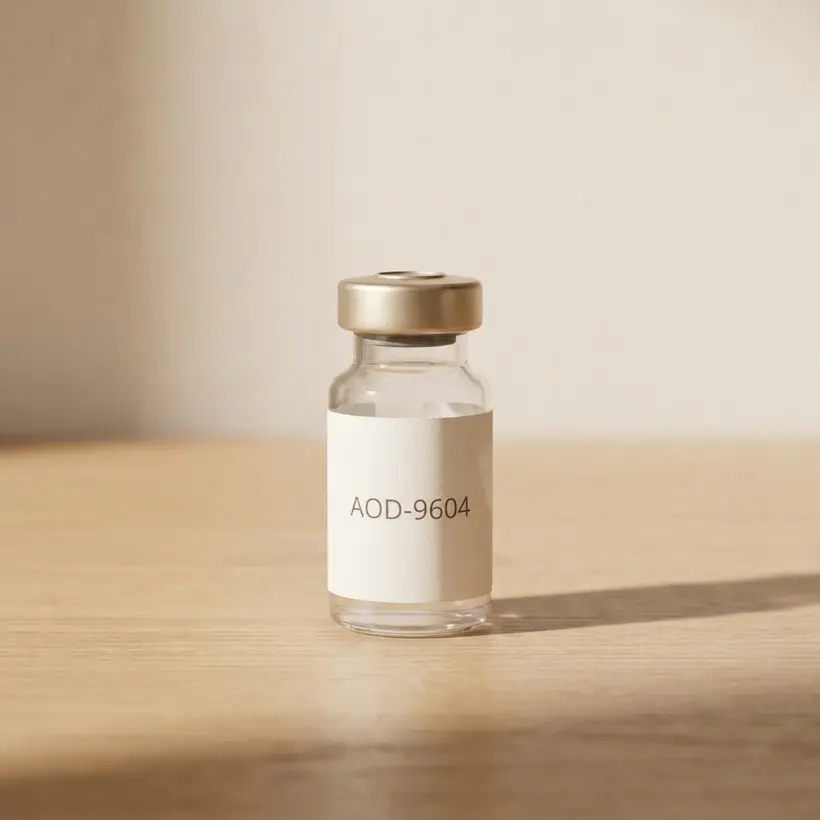
From the FormBlends catalog
AOD-9604
Fat-targeting fragment without growth hormone side effects · From $199/mo · compounded by a licensed 503A pharmacy, dispensed only after provider review.
View AOD-9604 →Human clinical trials have produced more nuanced results. A Phase IIb clinical trial involving over 300 obese participants showed modest but statistically significant weight loss compared to placebo over a 12-week period. While the magnitude of weight loss was lower than what GLP-1 receptor agonists typically produce, the safety profile was notably favorable, with adverse event rates comparable to placebo.
In clinical peptide therapy settings, practitioners often use AOD-9604 as part of a broader metabolic improvement protocol rather than as a standalone weight loss intervention.
Joint and Cartilage Support
Research published in the journal Osteoarthritis and Cartilage has demonstrated that AOD-9604 can stimulate proteoglycan and collagen synthesis in cartilage tissue. In animal models of osteoarthritis, intra-articular injection of AOD-9604 was associated with reduced cartilage degradation and improved joint function scores.
These findings are particularly noteworthy because cartilage has limited regenerative capacity in adults. If AOD-9604 can meaningfully promote chondrocyte activity and matrix production, it could represent a valuable tool for supporting joint health in aging populations and active individuals dealing with repetitive joint stress.
Bone Density Support
Preclinical evidence suggests that AOD-9604 may support osteoblast activity, the process by which new bone tissue is formed. In animal studies, the peptide increased markers of bone formation without corresponding increases in markers of bone resorption. This net-positive effect on bone turnover could have implications for individuals at risk of age-related bone density loss.
Human data in this area remains limited, and more controlled clinical trials are needed before definitive conclusions can be drawn.
Tissue Repair and Recovery
AOD-9604's ability to influence stem cell differentiation extends beyond cartilage. Laboratory research has shown the peptide can promote the proliferation and differentiation of muscle satellite cells, the precursor cells involved in skeletal muscle repair. This suggests a potential role in supporting recovery from muscle injuries and exercise-induced tissue damage.
Some clinical practitioners report that patients using AOD-9604 experience faster recovery times after intense physical activity, though controlled clinical trial data specifically examining this endpoint is still emerging.
Favorable Safety Profile Relative to hGH
One of the most significant practical benefits of AOD-9604 is what it does not do. Unlike exogenous growth hormone, AOD-9604 hasn't been shown to:
- Increase IGF-1 levels or promote unwanted cell growth
- Impair glucose tolerance or worsen insulin resistance
- Cause fluid retention, joint swelling, or carpal tunnel symptoms commonly associated with hGH use
- Suppress the body's natural growth hormone production through negative feedback
This profile makes AOD-9604 a more targeted option for individuals seeking specific metabolic or musculoskeletal benefits without the systemic effects of full-length growth hormone therapy.
Who May Benefit from AOD-9604
Based on the current evidence and clinical experience, AOD-9604 is most commonly considered for:
- Adults seeking support for stubborn fat metabolism as part of a thorough health plan
- Individuals with joint discomfort or early-stage cartilage concerns
- Active adults looking to support recovery and tissue repair
- Patients who want metabolic benefits associated with growth hormone fragments without the risks of full hGH therapy
AOD-9604 isn't appropriate for everyone. Candidacy depends on individual health status, medical history, and therapeutic goals, which is why physician evaluation is an important first step.
Safety Considerations
AOD-9604 has demonstrated a strong safety profile across both preclinical and clinical studies. In human trials, the most commonly reported side effects were mild and included injection site reactions (redness, mild swelling) and occasional headache. These effects were generally transient and resolved without intervention.
No serious adverse events have been attributed to AOD-9604 in published clinical trials. The peptide doesn't appear to affect thyroid function, cortisol levels, or reproductive hormones at therapeutic doses.
But long-term safety data spanning multiple years of continuous use is limited. This is one of several reasons why physician supervision is important for anyone considering peptide therapy. Regular monitoring allows for dose adjustments and early detection of any unexpected responses.
Individuals who are pregnant, breastfeeding, or undergoing treatment for active cancer shouldn't use AOD-9604. Those with a history of pituitary disorders or other endocrine conditions should discuss their specific situation with a qualified physician before starting therapy.
How FormBlends Can Help
FormBlends provides physician-supervised telehealth consultations for individuals interested in peptide therapy, including AOD-9604. Every patient begins with a thorough medical evaluation to determine whether AOD-9604 is appropriate for their health profile and goals.
If AOD-9604 is prescribed, FormBlends coordinates with licensed compounding pharmacies that adhere to strict quality and purity standards. Patients receive clear dosing instructions, ongoing clinical support, and follow-up consultations to monitor progress and adjust protocols as needed.
This structured, medically supervised approach ensures that patients benefit from AOD-9604 therapy in the safest and most effective way possible.
Frequently Asked Questions
Is AOD-9604 the same as human growth hormone?
No. AOD-9604 is a modified fragment representing only a small portion (amino acids 177-191) of the full 191-amino-acid growth hormone molecule. It retains specific fat-metabolizing properties but doesn't replicate the broader hormonal effects of hGH, such as increasing IGF-1 levels or affecting blood sugar regulation.
How long does it take to see results from AOD-9604?
Individual responses vary based on dosage, health status, and concurrent lifestyle factors. Many patients report noticing changes in body composition and recovery within 4 to 8 weeks of consistent use. Joint-related benefits may take longer to become apparent, as cartilage remodeling is an inherently slow biological process.
Can AOD-9604 be combined with other peptides?
Yes. In clinical practice, AOD-9604 is frequently used alongside other peptides as part of a tailored protocol. Common combinations include pairing AOD-9604 with BPC-157 for enhanced tissue repair or with CJC-1295/Ipamorelin for broader metabolic improvement. Any combination therapy should be designed and monitored by a physician.
Is AOD-9604 FDA-approved?
AOD-9604 received GRAS (Generally Recognized as Safe) status from the FDA in 2014, but it isn't FDA-approved as a pharmaceutical drug for any specific medical condition. When used in peptide therapy, it's prescribed by physicians and prepared by compounding pharmacies under applicable regulatory frameworks.
Does AOD-9604 require a prescription?
When used as an injectable peptide for therapeutic purposes, AOD-9604 should be obtained through a licensed physician and a regulated compounding pharmacy. This ensures product quality, appropriate dosing, and proper medical oversight.
Start Your AOD-9604 Consultation
Ready to explore whether AOD-9604 peptide therapy is right for you? FormBlends connects you with licensed physicians who specialize in evidence-based peptide protocols. Book your telehealth consultation today to get a personalized evaluation and treatment plan.
Ready when you are
AOD-9604
Fat-targeting fragment without growth hormone side effects · From $199/mo · compounded by a licensed 503A pharmacy, dispensed only after provider review.
View AOD-9604 →