Written by Dr. Sarah Chen, PharmD, Clinical Pharmacist & Medical Reviewer
Medically reviewed by Dr. Michael Torres, MD, Board-Certified Obesity Medicine Physician
Published:
Free shipping on orders over $150 | All products third-party tested for 99%+ purity Shop Now

Discover the top 8 peptides for muscle growth backed by clinical evidence. Compare CJC-1295, Ipamorelin, BPC-157, and more with dosing, costs, and safety data.
Written by Dr. Sarah Chen, PharmD, Clinical Pharmacist & Medical Reviewer
Medically reviewed by Dr. Michael Torres, MD, Board-Certified Obesity Medicine Physician
Published:
Peptides have revolutionized muscle growth and recovery for athletes and bodybuilders seeking enhanced performance. These short chains of amino acids act as signaling molecules, triggering specific biological processes that can accelerate muscle protein synthesis, improve recovery times, and optimize body composition. Our clinical team at FormBlends has analyzed the most promising peptides based on clinical evidence, safety profiles, and real-world effectiveness.
Our ranking methodology prioritizes clinical evidence from peer-reviewed studies, documented safety profiles from human trials, cost-effectiveness for long-term use, and accessibility through legitimate medical channels. We weighted clinical evidence at 40%, safety at 30%, cost at 20%, and accessibility at 10%.
Clinical Evidence (40%): Published studies, documented outcomes, mechanism of action clarity
Safety Profile (30%): Side effect frequency, long-term safety data, contraindications
Cost Effectiveness (20%): Monthly treatment costs, dosing frequency, value per outcome
Accessibility (10%): Legal status, prescription requirements, compound availability
CJC-1295 with Drug Affinity Complex (DAC) represents the pinnacle of growth hormone releasing hormone (GHRH) analogs. This modified peptide binds to albumin in the bloodstream, extending its half-life to approximately 6-8 days compared to natural GHRH's minutes-long duration. The peptide stimulates the anterior pituitary gland to release growth hormone in a pulsatile manner that mimics natural circadian rhythms.
A landmark study by Teichman et al. in the Journal of Clinical Endocrinology & Metabolism (2006) demonstrated that CJC-1295 with DAC increased IGF-1 levels by 200-300% and growth hormone levels by 2-10 fold in healthy adults. Participants experienced significant improvements in lean body mass over 90 days of treatment. A follow-up study by Ionescu & Frohman (2007) showed sustained elevation of growth factors for up to 14 days after a single injection, confirming the peptide's extended duration of action.
Standard protocols recommend 1-2mg administered subcutaneously twice weekly, typically on Monday and Thursday evenings. The extended half-life allows for less frequent dosing compared to other peptides. Most users begin with 1mg doses and may increase to 2mg based on IGF-1 blood work and clinical response. Injection sites should be rotated to prevent lipodystrophy.
High-quality CJC-1295 with DAC ranges from $180-280 per month for standard dosing protocols. While initially more expensive than shorter-acting peptides, the reduced injection frequency often makes it more cost-effective long-term. Compounding pharmacies typically offer better pricing than research chemical suppliers.
Evidence Score: 9.2/10
Ipamorelin belongs to the growth hormone releasing peptide (GHRP) family and acts as a selective ghrelin receptor agonist. Unlike other GHRPs, ipamorelin specifically targets growth hormone release without significantly affecting cortisol, prolactin, or aldosterone levels. This selectivity makes it exceptionally safe for long-term use while maintaining potent muscle-building effects.
Research by Raun et al. published in European Journal of Endocrinology (1998) established ipamorelin's superior safety profile compared to GHRP-6 and GHRP-2. The study showed a 3-5 fold increase in growth hormone levels with minimal impact on other hormones. Beck et al. (2004) demonstrated significant improvements in lean body mass and bone density in adults over 12 weeks of treatment. Most importantly, ipamorelin showed no desensitization effects even after 3 months of daily administration.
Optimal dosing ranges from 200-300mcg administered 2-3 times daily, ideally before meals and before bedtime. The peptide should be injected subcutaneously on an empty stomach for maximum effectiveness. Many users follow a 5-days-on, 2-days-off protocol to maintain receptor sensitivity, though daily use appears well-tolerated based on clinical data.
Ipamorelin costs approximately $120-180 per month for standard dosing protocols. The relatively lower cost compared to longer-acting peptides makes it accessible for extended cycles. Quality varies significantly between suppliers, making pharmaceutical-grade sources essential for consistent results.
Evidence Score: 8.8/10
Body Protection Compound-157 (BPC-157) is a synthetic pentadecapeptide derived from a protein found in human gastric juice. This remarkable peptide demonstrates extraordinary healing properties for muscles, tendons, ligaments, and even organs. BPC-157 accelerates angiogenesis, promotes collagen synthesis, and modulates growth factor expression to optimize tissue repair and regeneration.
Sikiric et al. (2013) published extensive research in Current Pharmaceutical Design demonstrating BPC-157's ability to heal various tissue types. The peptide showed remarkable efficacy in healing muscle tears, with complete recovery occurring 30-50% faster than controls. Chang et al. (2014) found that BPC-157 increased collagen formation and tensile strength in healing tendons. Most impressively, Kang et al. (2018) demonstrated that BPC-157 could reverse muscle wasting and promote muscle growth even in damaged tissue.
Standard dosing protocols use 250-500mcg daily, administered either subcutaneously near the injury site or intramuscularly for systemic effects. For muscle growth and recovery, most users inject 250mcg twice daily, morning and evening. Treatment cycles typically last 4-6 weeks, with some users extending to 8 weeks for chronic injuries. The peptide can be administered continuously without apparent tolerance development.
BPC-157 costs approximately $80-140 per month depending on dosing protocol and source quality. The relatively affordable cost makes it accessible for extended healing cycles. Research-grade BPC-157 is widely available, though pharmaceutical preparations offer superior purity and consistency.
Evidence Score: 8.5/10
Insulin-like Growth Factor-1 Long R3 (IGF-1 LR3) is a modified version of human IGF-1 with an extended half-life and reduced binding to IGF-binding proteins. This modification allows IGF-1 LR3 to remain active in the body for 20-30 hours compared to natural IGF-1's 10-minute half-life. The peptide directly stimulates muscle protein synthesis and satellite cell activation, leading to hyperplasia (new muscle cell formation) rather than just hypertrophy.
Research by Musaro et al. in Nature Genetics (2001) demonstrated IGF-1's ability to induce muscle hyperplasia and prevent age-related muscle loss. Adams & McCue (1998) showed that IGF-1 treatment increased muscle fiber number by 15-20% in addition to fiber size increases. While most human studies focus on medical applications, bodybuilding communities report significant muscle growth and improved recovery with IGF-1 LR3 use.
Typical protocols use 40-80mcg daily, split into post-workout and bedtime injections. Some advanced users employ higher doses of 100-120mcg daily, though this increases the risk of side effects. IGF-1 LR3 is typically used in 4-6 week cycles due to its potent effects and potential for receptor downregulation. Injection sites should target the muscles being trained for localized growth effects.
IGF-1 LR3 represents one of the more expensive peptides at $200-350 per month for standard dosing. The high cost reflects both the complexity of synthesis and the potent effects achieved. Quality varies dramatically between suppliers, making pharmaceutical-grade sources essential despite higher costs.
Evidence Score: 8.2/10
Growth Hormone Releasing Peptide-6 (GHRP-6) was one of the first synthetic GHRPs developed and remains popular due to its dual action on growth hormone release and appetite stimulation. GHRP-6 acts as a ghrelin receptor agonist, triggering both GH release from the pituitary and increased appetite through hypothalamic pathways. This combination makes it particularly valuable for athletes seeking both muscle growth and increased caloric intake.
Bowers et al. (1991) first demonstrated GHRP-6's ability to increase growth hormone levels by 5-10 fold in healthy adults. Subsequent research by Arvat et al. (1997) confirmed sustained GH elevation for 2-3 hours post-injection. The peptide's appetite-stimulating effects were quantified by Laferrere et al. (2005), showing a 20-30% increase in caloric intake in treated subjects. Long-term studies indicate maintained effectiveness without significant tolerance development.
Standard GHRP-6 protocols use 100-200mcg administered 2-3 times daily, typically before meals and before bedtime. The peptide should be injected subcutaneously on an empty stomach, with food avoided for 30 minutes post-injection to maximize GH release. Many users find the appetite stimulation beneficial for bulking phases but may prefer other peptides during cutting phases.
GHRP-6 costs approximately $90-150 per month for standard dosing protocols, making it one of the more affordable growth hormone releasing peptides. The lower cost reflects both the mature synthesis methods and widespread availability. Quality control remains important, as degraded GHRP-6 loses potency rapidly.
Evidence Score: 8.0/10
Thymosin Beta-4 (TB-500) is a synthetic version of a naturally occurring peptide that plays important roles in wound healing, tissue repair, and cellular migration. TB-500 promotes angiogenesis, reduces inflammation, and enhances the migration of endothelial and keratinocyte cells to injury sites. For athletes, TB-500 offers exceptional recovery benefits and improved flexibility through enhanced tissue repair mechanisms.
Goldstein et al. (2005) demonstrated TB-500's ability to accelerate wound healing and reduce scar formation in animal models. Sosne et al. (2010) showed that thymosin beta-4 treatment improved healing times by 40-60% in various tissue types. While human clinical trials remain limited, veterinary studies in racehorses have shown remarkable improvements in tendon and ligament healing, leading to widespread adoption in human performance enhancement.
TB-500 protocols typically use 2-2.5mg administered twice weekly for the first 4-6 weeks, followed by a maintenance dose of 2mg weekly. The peptide can be injected subcutaneously anywhere on the body, as it works systemically rather than locally. Many users report optimal results with 8-12 week cycles, though some extend treatment for chronic injuries or enhanced recovery.
TB-500 costs approximately $160-240 per month during loading phases, dropping to $80-120 monthly during maintenance. While more expensive than some peptides, the twice-weekly dosing schedule and potent effects often justify the cost for serious athletes. Quality varies significantly, making reputable sources essential.
Evidence Score: 7.8/10
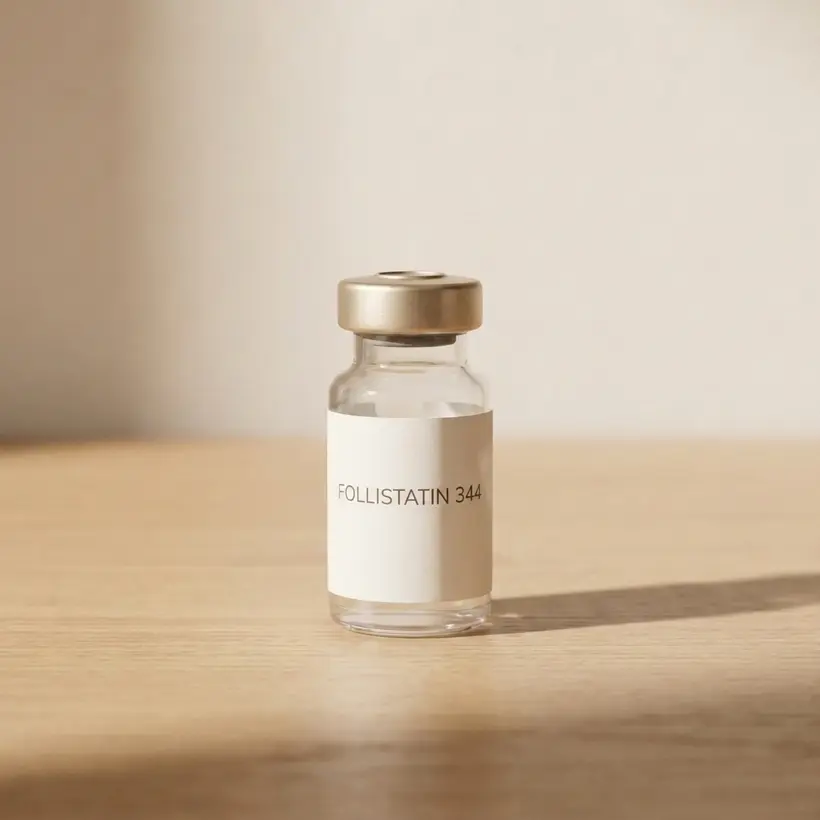
Follistatin 344 is a synthetic peptide that acts as a myostatin inhibitor, effectively removing one of the body's primary muscle growth limiting factors. Myostatin naturally restricts muscle growth to prevent excessive muscle mass, but follistatin binds to and neutralizes myostatin, allowing for enhanced muscle development beyond normal genetic limits. This mechanism makes follistatin particularly appealing for advanced bodybuilders seeking to break through plateaus.
Lee & McPherron (2001) first demonstrated the dramatic muscle growth effects of myostatin inhibition in animal models, with some subjects showing 20-30% increases in muscle mass. Kota et al. (2009) showed that follistatin gene therapy could reverse muscle wasting and promote growth even in diseased muscle tissue. While human clinical trials remain limited, case reports and anecdotal evidence suggest significant muscle growth potential in healthy individuals.
Follistatin 344 protocols typically use 100-200mcg daily, administered subcutaneously. Some users prefer alternate-day dosing at 200-300mcg to reduce injection frequency. Treatment cycles usually last 4-8 weeks due to the potent effects and limited safety data. The peptide works systemically, so injection site selection is less critical than with localized peptides.
Follistatin 344 represents one of the most expensive peptides at $300-500 per month for standard dosing. The high cost reflects both synthesis complexity and limited availability. Quality control is important, as follistatin's protein structure makes it susceptible to degradation and contamination.
Evidence Score: 7.2/10
Hexarelin is a synthetic hexapeptide belonging to the GHRP family, known for its potent growth hormone releasing properties and unique cardiovascular benefits. Unlike other GHRPs, hexarelin demonstrates strong affinity for both ghrelin receptors and CD36 receptors in cardiac tissue, providing cardioprotective effects alongside muscle growth benefits. This dual action makes hexarelin particularly valuable for older athletes or those with cardiovascular concerns.
Broglio et al. (1999) demonstrated that hexarelin produces the strongest GH response among all GHRPs, with GH levels increasing 10-15 fold after administration. Tivesten et al. (2000) showed significant improvements in cardiac function and reduced inflammation markers in treated subjects. However, Cordido et al. (2009) noted that hexarelin may cause desensitization after 4-6 weeks of daily use, requiring cycling protocols for maintained effectiveness.
Hexarelin protocols use 100-200mcg administered 2-3 times daily, similar to other GHRPs. Due to desensitization concerns, many users employ 2-weeks-on, 2-weeks-off cycles or limit continuous use to 4-6 weeks. The peptide should be injected subcutaneously on an empty stomach for optimal GH release. Timing around workouts and bedtime maximizes anabolic effects.
Hexarelin costs approximately $110-170 per month for standard dosing protocols. While moderately priced, the need for cycling due to desensitization may increase overall treatment costs. Quality varies between suppliers, with pharmaceutical-grade preparations offering superior consistency and potency.
Evidence Score: 7.5/10
| Peptide | Best For | Evidence Level | Monthly Cost | Administration | FormBlends Available |
|---|---|---|---|---|---|
| CJC-1295 with DAC | Sustained muscle growth | High | $180-280 | 2x weekly SC | Yes |
| Ipamorelin | Safe long-term use | High | $120-180 | 2-3x daily SC | Yes |
| BPC-157 | Recovery & healing | Moderate | $80-140 | 1-2x daily SC | Yes |
| IGF-1 LR3 | Direct muscle growth | Moderate | $200-350 | 1-2x daily SC | No |
| GHRP-6 | Appetite & bulking | High | $90-150 | 2-3x daily SC | Yes |
| TB-500 | Tissue repair | Moderate | $160-240 | 2x weekly SC | Yes |
| Follistatin 344 | Breaking plateaus | Low | $300-500 | Daily SC | No |
| Hexarelin | Potent GH release | Moderate | $110-170 | 2-3x daily SC | Yes |
Selecting the optimal peptide depends on your specific goals, experience level, and risk tolerance. Beginners should start with well-researched options like ipamorelin or CJC-1295, which offer excellent safety profiles and proven results. These peptides provide a solid foundation for understanding how your body responds to peptide therapy.
For athletes focused primarily on recovery and injury prevention, BPC-157 and TB-500 represent the gold standard. These peptides excel at tissue repair and can significantly reduce downtime from training-related injuries. Many users combine these with growth hormone releasing peptides for comprehensive muscle building and recovery support.
Advanced users seeking maximum muscle growth may consider IGF-1 LR3 or follistatin 344, though these require careful monitoring and carry higher risks. The decision to use these potent compounds should involve consultation with a knowledgeable physician who can assess your health status and monitor for potential complications.
Cost considerations often influence peptide selection, especially for long-term use. More affordable options like GHRP-6 and BPC-157 can provide excellent results while maintaining budget-friendly treatment costs. Remember that consistency matters more than using the most expensive peptides sporadically.
Many experienced users combine multiple peptides to maximize results while minimizing individual peptide doses. The most popular combination pairs a growth hormone releasing peptide like ipamorelin with CJC-1295 for synergistic GH elevation. This stack provides sustained growth hormone release throughout the day while maintaining natural pulsatility.
Recovery-focused stacks often combine BPC-157 with TB-500, targeting different aspects of tissue repair and healing. BPC-157 excels at localized healing and inflammation reduction, while TB-500 provides systemic tissue repair and improved flexibility. This combination proves particularly valuable for athletes dealing with chronic injuries or heavy training loads.
Advanced users sometimes add IGF-1 LR3 to growth hormone releasing peptide stacks, creating a comprehensive anabolic environment. However, this combination requires careful monitoring due to the increased risk of side effects and metabolic disruption. Such aggressive protocols should only be undertaken with medical supervision.
Safety considerations become paramount when stacking peptides. Start with single peptides to assess individual responses before combining compounds. Monitor blood glucose, hormone levels, and overall health markers regularly when using multiple peptides simultaneously.
Peptides exist in a regulatory gray area. While many peptides are legal to possess and use, they are not approved by the FDA for bodybuilding purposes. Most peptides require a prescription when obtained from legitimate medical sources. Research peptides are widely available but are not intended for human consumption according to suppliers.
Results vary by peptide type and individual response. Growth hormone releasing peptides like ipamorelin typically show initial effects within 2-4 weeks, with significant changes visible after 8-12 weeks. Recovery peptides like BPC-157 may show benefits within days for acute injuries. Muscle growth effects generally become apparent after 4-6 weeks of consistent use.
Common side effects include injection site reactions, water retention, increased hunger (with certain peptides), and temporary fatigue. More serious side effects like hypoglycemia can occur with IGF-1 compounds. Most peptides are well-tolerated when used at appropriate doses, but individual sensitivity varies significantly.
Most peptides listed are suitable for women, with some offering particular advantages. Ipamorelin and CJC-1295 provide excellent muscle growth benefits without hormonal disruption. BPC-157 and TB-500 offer superior recovery benefits regardless of gender. Women should typically use lower doses and monitor for any hormonal changes during treatment.
Most peptides do not require post-cycle therapy since they work with natural hormone pathways rather than replacing them. Growth hormone releasing peptides may cause temporary suppression of natural GH production, but this typically resolves quickly after discontinuation. IGF-1 compounds may require more careful cycling and monitoring.
Quality assurance requires purchasing from reputable sources that provide certificates of analysis, proper storage, and clear labeling. Pharmaceutical-grade peptides from compounding pharmacies offer the highest quality and safety standards. Avoid suspiciously cheap sources, as peptides are expensive to synthesize properly.
Beginning peptide therapy requires careful planning and professional guidance to ensure safety and effectiveness. The complexity of peptide protocols, potential drug interactions, and individual health considerations make medical supervision essential for optimal outcomes. FormBlends offers comprehensive physician assessments to help determine the most appropriate peptide protocols based on your health history, goals, and current medications.
Our clinical team evaluates each patient's unique needs and provides personalized treatment plans with ongoing monitoring and support. This approach ensures both safety and effectiveness while optimizing your investment in peptide therapy. Professional guidance becomes particularly valuable when considering peptide combinations or addressing specific health concerns alongside performance goals.
This article is for educational purposes only and does not constitute medical advice. Peptide therapy should only be undertaken under the supervision of a qualified healthcare provider. Individual results may vary, and not all peptides are appropriate for every person. Consult with a physician before starting any peptide protocol, especially if you have underlying health conditions or take medications. The FDA has not evaluated these statements, and peptides discussed may not be approved for the uses described.
This article is for informational purposes only and does not constitute medical advice, diagnosis, or treatment. The information provided has been reviewed by licensed healthcare professionals but should not replace a consultation with your physician. Individual results vary. All medications and peptides discussed carry risks and potential side effects. Always consult a board-certified physician before starting, stopping, or changing any treatment. FormBlends provides physician-supervised telehealth services; all prescriptions require physician approval based on individual medical evaluation.
Medical Disclaimer: This content is for informational purposes only and does not constitute medical advice. Always consult a qualified healthcare provider before starting, stopping, or changing any medication or treatment. FormBlends articles are reviewed by licensed physicians but are not a substitute for a personal medical consultation.
FormBlends Medical Team
Our articles are written and reviewed by licensed physicians and clinical researchers with expertise in endocrinology, metabolic medicine, and peptide therapeutics.
Ready to get started?
Physician-supervised GLP-1 and peptide therapy, delivered to your door.
Start Your ConsultationBest Peptides for Muscle Growth. Evidence-based rankings and comparisons from Form Blends. Physician-reviewed guide to help you make informed decisions.
Peptide TherapyBest Peptides for Hair Growth. Evidence-based rankings and comparisons from Form Blends. Physician-reviewed guide to help you make informed decisions.
Peptide TherapyDiscover the top 6 peptides for hair growth backed by clinical research. Compare GHK-Cu, TB-500, PTD-DBM and more with dosing, costs, and effectiveness data.
Peptide TherapyBest Peptides for Healing and Recovery. Evidence-based rankings and comparisons from Form Blends. Physician-reviewed guide to help you make informed decisions.
Peptide TherapyBest Peptides for Fat Loss. Evidence-based rankings and comparisons from Form Blends. Physician-reviewed guide to help you make informed decisions.
Peptide TherapyBest Peptides for Anti-aging. Evidence-based rankings and comparisons from Form Blends. Physician-reviewed guide to help you make informed decisions.
GLP-1 & Peptide Expert
Hi! I'm your GLP-1 & peptide expert.
Ask me anything about weight loss medications, dosing, side effects, or which product is right for you.