All GLP-1 medications from licensed 503A compounding pharmacies Browse Products

Best Healing Peptides: Evidence-Ranked Guide | FormBlends

The best healing peptides ranked by evidence quality, mechanism, and clinical data. BPC-157, TB-500, GHK-Cu, KPV, and more compared honestly.

Medically Reviewed

Written by the FormBlends Medical Team. Reviewed against PubMed, PMC, and publicly available clinical trial registries. Every claim is graded by evidence type. No affiliate ranking. Compounds are assessed honestly, including where animal data fails to translate. Updated 2026-05-29. · Reviewed by FormBlends Medical Content Team

Best Healing Peptides: Evidence-Ranked Guide | FormBlends custom 2026 header image for Peptide Therapy
Custom header image for Best Healing Peptides: Evidence-Ranked Guide | FormBlends, Peptide Therapy, and better treatment decision-making.
In This Article

This article is part of our Peptide Therapy collection. See also: GLP-1 Guides | Provider Comparisons

Search and AI answer brief

Practical answer: Best Healing Peptides: Evidence-Ranked Guide | FormBlends

The best healing peptides ranked by evidence quality, mechanism, and clinical data. BPC-157, TB-500, GHK-Cu, KPV, and more compared honestly.

Short answer

The best healing peptides ranked by evidence quality, mechanism, and clinical data. BPC-157, TB-500, GHK-Cu, KPV, and more compared honestly.

Search intent

This page answers a specific Peptide Therapy question rather than a generic overview.

What to verify

peptide evidence quality, cash price and coverage terms, safety and contraindications

How to use it

Use this information to prepare sharper questions for a licensed provider.

Abstract scientific illustration for best best healing peptides

Trust Signals

Written by the FormBlends Medical Team. Reviewed against PubMed, PMC, and publicly available clinical trial registries. Every claim is graded by evidence type. No affiliate ranking. Compounds are assessed honestly, including where animal data fails to translate. Updated 2026-05-29.

Key Takeaways

  • BPC-157 is a 15-amino-acid peptide with the most replicated pre-clinical healing data, but zero published human RCTs as of mid-2026, and the FDA banned its compounding in 2022.
  • GHK-Cu is the only peptide on this list with controlled human cosmetic data showing upregulation of collagen I and III gene expression in skin.
  • TB-500 is the synthetic fragment of Thymosin Beta-4 corresponding to residues 17-23, not the full protein, a distinction most sources omit.
  • Oral bioavailability is a realistic option for BPC-157 only; TB-500, GHK-Cu, and KPV require subcutaneous or topical delivery to bypass GI protease degradation.
  • Purity thresholds matter: injectable-grade peptides require endotoxin below 1 EU/mg and HPLC purity above 98%, and most research-chemical suppliers do not meet this standard.

What Are the Best Healing Peptides? (Direct Answer)

The best healing peptides, ranked by depth of evidence, are BPC-157, TB-500, GHK-Cu, KPV, and Epithalon. All have strong animal or in vitro data. Only GHK-Cu has meaningful human controlled data. None are FDA-approved for tissue repair. Choose based on target tissue, delivery route, and your risk tolerance for extrapolating animal findings.

Check your GLP-1 eligibility

Use our free BMI Calculator to see if you may qualify for provider-reviewed GLP-1 therapy.

Try the BMI Calculator →

Table of Contents

Evidence Ledger: All 5 Healing Peptides Graded

Peptide Primary Claim Best Evidence Type Effect Direction Confidence
BPC-157 Tendon, muscle, gut, nerve repair Multiple rodent RCT-equivalent studies; no human RCT Positive across tissue types in animals Low (animal only)
TB-500 Muscle and cardiac regeneration, actin remodeling Rodent and porcine cardiac models; one small human pilot (cardiac, not published as full RCT) Positive in animal models Low (animal, mechanism)
GHK-Cu Skin collagen synthesis, wound repair Controlled cosmetic human trials; in vitro gene expression data Positive for skin markers Moderate (human cosmetic, not clinical wound)
KPV Gut mucosal healing, anti-inflammatory Animal colitis models; intestinal epithelial cell lines; one small IBD pilot Positive for inflammation markers Very Low to Low (limited human data)
Epithalon Cellular repair via telomerase, longevity Russian human trials (limited peer review access); animal aging models Positive in aging biomarkers Very Low (data access and methodology limitations)

BPC-157: Mechanism, Doses, and What the Animal Data Actually Shows

BPC-157 is a pentadecapeptide (15 amino acids) derived synthetically based on a sequence found in human gastric juice. Its full name is Body Protection Compound-157. In rodent models it consistently upregulates vascular endothelial growth factor (VEGF) and growth hormone receptor expression, driving angiogenesis at injury sites. Sikiric and colleagues have published extensively on this pathway, documenting accelerated Achilles tendon reattachment, improved anastomotic healing in the colon, and partial reversal of corticosteroid-impaired wound healing in rodents.

Doses used in rodent studies typically range from 2 to 10 micrograms per kilogram body weight, administered intraperitoneally or subcutaneously. Extrapolating this to human equivalents using FDA body surface area scaling yields estimated human research doses in the range of a few hundred micrograms daily, though no validated human dose exists. Oral administration is mechanistically plausible for BPC-157 because it shows resistance to enzymatic degradation in gastric conditions in rodent studies, unlike most peptides. This does not prove oral bioavailability is high in humans.

Caveat: The same VEGF upregulation that promotes healing could theoretically support angiogenesis in pre-existing tumors. This has not been studied in long-term human or chronic-disease animal models. Anyone with a history of cancer should treat this as an open safety question, not a cleared risk.

TB-500: How Is It Different from Thymosin Beta-4?

Thymosin Beta-4 (TB4) is a naturally occurring 43-amino-acid protein found in blood platelets, wound fluid, and many human tissues. It promotes cell migration and differentiation primarily by sequestering globular actin (G-actin), keeping it available for cytoskeletal remodeling. TB-500 is a synthetic peptide replicating residues 17 to 23 of TB4, the LKKTETQ sequence, which is the region responsible for most of TB4's actin-binding activity.

This is a critical distinction: TB-500 is a fragment, not the full protein. In porcine models of myocardial infarction, Thymosin Beta-4 improved cardiac function and reduced infarct size. In animal muscle tear models, TB-500 showed accelerated fiber regeneration. The two are frequently conflated online, but their molecular weights differ substantially (TB-500 is around 890 daltons vs. roughly 4,900 daltons for full TB4), affecting distribution and receptor engagement.

WADA explicitly prohibits Thymosin Beta-4 and its fragments under the S2 Peptide Hormones category. Any athlete subject to anti-doping rules should treat TB-500 as a banned substance.

GHK-Cu: The One with Human Skin Data

GHK-Cu is a copper-chelating tripeptide (glycine-histidine-lysine bound to a copper ion) that occurs naturally in human plasma, saliva, and urine. Its concentration in plasma declines with age, from roughly 200 nanograms per milliliter in young adults to lower levels in older individuals, according to Pickart's foundational work.

Lintner and Mas-Chamberlin (2002, International Journal of Cosmetic Science) conducted a controlled cosmetic study demonstrating that GHK-Cu at topical concentrations induced measurable increases in collagen I, collagen III, and decorin gene expression in human skin explants and in vivo measurements. This is the strongest human-adjacent evidence of any peptide on this list for actual tissue remodeling. The catch: cosmetic studies measure surrogate markers (gene expression, skin thickness by ultrasound), not clinical wound closure or scar reduction outcomes.

GHK-Cu also activates over 30 genes related to anti-inflammatory pathways and antioxidant defense in cell line studies by Pickart and Margolina, documented in multiple publications. It is a plausible topical healing aid with the best human data available, though "best" is a low bar given the field.

KPV: Best Healing Peptide for Inflammation and Gut?

KPV is the tripeptide Lys-Pro-Val, the C-terminal sequence of alpha-melanocyte-stimulating hormone (alpha-MSH). Alpha-MSH itself exerts anti-inflammatory effects via melanocortin receptors MC1R and MC3R. KPV retains this receptor-binding capacity despite being only 3 amino acids, which is exceptionally small for receptor activity.

In intestinal epithelial cell studies, KPV reduces NF-kB nuclear translocation, one of the master switches of inflammatory gene transcription. In dextran sulfate sodium (DSS)-induced colitis models in mice, oral or intracolonic KPV reduced histological damage scores and inflammatory cytokine levels including IL-6 and TNF-alpha. A small pilot study in inflammatory bowel disease patients used KPV-loaded nanoparticles to improve targeted delivery, showing preliminary tolerability, but this is not a phase II or III trial.

KPV's small size makes it vulnerable to GI degradation in free form. The nanoparticle delivery approach used in the IBD pilot is a direct acknowledgment that free oral KPV may not reach the colon intact in effective concentrations.

What Most Pages Get Wrong About Healing Peptides

This is what commodity pages omit or misrepresent:

1. Animal-to-human translation failure is the rule, not the exception. Roughly 90% of compounds that show efficacy in rodent models fail in human trials across all of drug development (Hay et al., Nature Biotechnology, 2014, on clinical trial success rates). There is no reason to assume healing peptides are exempt from this base rate.

2. BPC-157 compounding is federally prohibited in the U.S. The FDA's 2022 final rule placed BPC-157 on the list of bulk drug substances that cannot be used in compounding because it is not a component of an approved drug and does not meet the statutory criteria. Products sold as "BPC-157 capsules" or "BPC-157 cream" from U.S. compounders are in legal violation, not a regulatory gray area.

3. Purity varies catastrophically in the research chemical market. Third-party testing of peptide research chemicals by independent labs has found samples ranging from below 80% purity to greater than 99% purity from suppliers claiming identical specifications. Endotoxin contamination in non-pharmaceutical-grade peptides is a real injection-site and systemic risk that no medspa blog discusses. Endotoxin levels can cause pyrogenic reactions at concentrations that HPLC purity tests will not catch because endotoxin is a separate contaminant.

4. "Combination protocols" have no comparative trial data. The popular BPC-157 plus TB-500 stack is based on theoretical pathway complementarity (angiogenesis plus actin dynamics), not on a trial showing additive or synergistic benefit in any model. This is speculation dressed as protocol.

5. Topical delivery of large peptides is mostly theatrical. TB-500 at roughly 890 daltons already pushes past the Lipinski 500-dalton skin penetration cutoff. Full TB4 at nearly 4,900 daltons cannot penetrate intact stratum corneum without a delivery vehicle (penetration enhancers, microneedling, liposomal encapsulation). Topical "TB-500 creams" applied to unbroken skin deliver essentially nothing systemically.

Why Storage and Formulation Rules Exist: The Chemistry

Lyophilized peptides are stable because removing water halts hydrolysis and oxidation, the two main degradation pathways. When you reconstitute a peptide with bacteriostatic water, you restart both processes. At refrigerator temperature (4 degrees Celsius), hydrolysis slows but does not stop. Peptide bond cleavage is accelerated by heat and by extremes of pH, which is why reconstituting with plain sterile water (which can be slightly acidic from dissolved CO2) is worse than bacteriostatic water buffered near neutral pH.

Methionine-containing peptides (not the major ones on this list, but worth noting as a class) are particularly vulnerable to oxidation at the thioether group, producing methionine sulfoxide, which can change bioactivity. GHK-Cu is copper-chelated: the copper ion confers stability against oxidation of the histidine residue but also means GHK-Cu should not be combined with strong reducing agents like high-concentration vitamin C (ascorbic acid) in the same topical formula. Ascorbic acid can reduce Cu(II) to Cu(I), altering the chelation geometry and potentially the receptor-binding conformation of the complex. This is why formulators separate copper peptides from direct high-dose ascorbate in cosmetic products.

Light degrades aromatic amino acid residues (phenylalanine, tyrosine, tryptophan) via photooxidation. Amber vials are not optional. Repeated freeze-thaw cycles cause ice crystal shear stress that fragments peptide chains and accelerates aggregation. Once reconstituted, do not freeze.

Honest Head-to-Head: Healing Peptides vs. Proven Alternatives

Context Healing Peptide Proven Alternative Where Peptide Wins Where Peptide Loses
Skin collagen / aging GHK-Cu (topical) Tretinoin (topical retinoid) Better tolerability, no photosensitivity, gentler for rosacea skin Tretinoin has multiple human RCTs showing measurable wrinkle reduction; GHK-Cu does not
Tendon / soft tissue injury BPC-157 (subcutaneous) Platelet-rich plasma (PRP) injection Easier administration, lower cost, broader tissue targets in animal data PRP has human RCT data (mixed but existing); BPC-157 has none
Muscle recovery TB-500 Creatine monohydrate Potentially different mechanism (regeneration vs. energy substrate) Creatine has hundreds of human RCTs; TB-500 has none. Not comparable evidence bases
Gut inflammation KPV Approved biologics (infliximab, vedolizumab) Oral/topical route potentially; very low side-effect signal so far Approved biologics have phase III RCT data with defined response rates; KPV does not
Wound closure (topical) GHK-Cu Silver sulfadiazine or standard moist wound care No antimicrobial resistance risk; supports collagen remodeling signals Standard wound care protocols are evidence-based and guideline-supported; GHK-Cu is not

How to Read a COA and Judge a Healing Peptide Product

A certificate of analysis (COA) is the minimum credibility document for any research peptide. Here is what to require and what it means:

HPLC purity above 98%: High-performance liquid chromatography separates the target peptide from synthesis byproducts. A single-peak HPLC trace at above 98% area means the dominant compound is your peptide. Below 95% is a quality concern for any injectable use.

Mass spectrometry (MS) confirmation: MS confirms the molecular weight matches the expected sequence. HPLC purity alone cannot confirm identity; a contaminating peptide of similar molecular weight would pass HPLC but fail MS. Insist on both.

Endotoxin below 1 EU/mg: This is the injectable safety threshold. Lipopolysaccharide endotoxins from bacterial cell walls survive peptide synthesis and standard purification. A pyrogen-free test (LAL assay) is the only way to confirm this. Almost no research chemical supplier lists LAL results; if a COA lacks this, you cannot assume the product is injection-safe regardless of HPLC purity.

Reconstitution math example: If you have a 5 mg vial of BPC-157 and add 2.5 mL of bacteriostatic water, each 0.1 mL drawn = 0.2 mg = 200 micrograms. Confirm this arithmetic before any use. Common error: confusing milligrams and micrograms, which is a 1,000-fold dosing mistake.

What a degraded product looks like: Cloudiness or visible particulates in a reconstituted solution that should be clear indicates aggregation or microbial contamination. Yellow or brown discoloration suggests oxidation. Discard and do not inject. A properly stored, high-quality peptide reconstitutes to a clear, colorless solution.

FAQ

What are the best healing peptides available today?

BPC-157, TB-500 (and the synthetic fragment TB-4 Frag), GHK-Cu, and KPV have the strongest pre-clinical evidence. Only GHK-Cu has meaningful human cosmetic trial data. BPC-157 remains in animal and early-phase research. None have FDA approval as drugs for tissue repair.

How does BPC-157 promote healing?

BPC-157 upregulates VEGF and growth hormone receptor expression in animal models, accelerating angiogenesis and collagen synthesis. Its active sequence is a 15-amino-acid fragment of a gastric protein. Effects are well-documented in rodent tendon, gut, and muscle models but human RCT data do not yet exist.

Is TB-500 the same as Thymosin Beta-4?

TB-500 is a synthetic peptide corresponding to the actin-binding region of Thymosin Beta-4 (residues 17-23 in the full 43-amino-acid chain). It shares core bioactivity in animal models but is not identical to the full protein. WADA prohibits both under the peptide hormones category.

Does GHK-Cu actually work for wound healing in humans?

GHK-Cu has human evidence primarily from cosmetic studies showing increased collagen I and III gene expression in skin. Lintner and Mas-Chamberlin (2002) documented dermal remodeling markers in a small controlled cosmetic trial. Clinical wound healing in medicine remains animal and in vitro data.

Can healing peptides be taken orally?

BPC-157 shows unusual oral stability in rodent studies, with gastric protection effects observed at oral doses. Most other healing peptides (TB-500, GHK-Cu) are cleaved by GI proteases. Subcutaneous or topical delivery is the standard approach for systemic or local healing applications respectively.

What is the difference between BPC-157 and TB-500 for injury repair?

BPC-157 has stronger data for gut, tendon attachment, and nerve injury models. TB-500 has stronger data for muscle and cardiac tissue regeneration in animal studies. Some protocols combine both, though there is no human RCT comparing them directly. They work through distinct pathways: BPC-157 via VEGF and nitric oxide signaling, TB-500 via actin dynamics and TGF-beta modulation.

What does KPV peptide do?

KPV (Lys-Pro-Val) is a C-terminal tripeptide of alpha-MSH. It binds MC1R and MC3R receptors and reduces NF-kB-mediated inflammatory signaling in intestinal epithelial cell studies. Animal colitis models show reduced mucosal damage. Human data are limited to a small inflammatory bowel disease pilot using nanoparticle delivery.

How do I tell if a healing peptide product is high quality?

Request a certificate of analysis showing HPLC purity above 98%, mass spectrometry confirmation of molecular weight, and endotoxin testing below 1 EU/mg for injectable-grade material. Lyophilized powder that reconstitutes clear without particulates is the minimum quality standard.

Are healing peptides safe?

Animal toxicity studies for BPC-157 show no observed adverse effects at doses many times higher than those used experimentally. TB-500 and GHK-Cu have similar low-toxicity profiles in animal models. Long-term human safety data are absent for most healing peptides, and injection-site reactions, contamination risk, and unknown long-term oncogenic effects remain open questions.

Do healing peptides speed up recovery from surgery?

There is no human RCT demonstrating that any research healing peptide accelerates post-surgical recovery. Rodent surgical models show consistent accelerated healing with BPC-157 and TB-500. Extrapolating this to human surgical timelines is speculative without controlled trials.

How should healing peptides be stored?

Lyophilized healing peptides should be stored at 2 to 8 degrees Celsius. Once reconstituted in bacteriostatic water, most degrade measurably within 28 days at refrigerator temperature and should not be frozen repeatedly. Light and heat are the primary degradation drivers.

Are healing peptides legal to buy?

In the United States, most healing peptides are sold as research chemicals and are not approved drugs. BPC-157 was placed on the FDA's list of bulk substances that cannot be compounded in 2022. TB-500 is WADA-prohibited in sport. Legality varies by country; consult a licensed prescriber or pharmacist before use.

Sources

  1. Sikiric P, Seiwerth S, Rucman R, et al. Stable gastric pentadecapeptide BPC 157: novel therapy in gastrointestinal tract. Current Pharmaceutical Design. 2011;17(16):1612-1632.
  2. Sikiric P, Seiwerth S, Rucman R, et al. Toxicity by NSAIDs. Counteraction by stable gastric pentadecapeptide BPC 157. Current Pharmaceutical Design. 2013;19(1):76-83.
  3. Pickart L, Margolina A. Regenerative and protective actions of the GHK-Cu peptide in the light of the new gene data. International Journal of Molecular Sciences. 2018;19(7):1987.
  4. Lintner K, Mas-Chamberlin C. Cosmetic applications and consumer perception of peptide-based products. International Journal of Cosmetic Science. 2002;24(5):291-304. (Referenced for GHK-Cu dermal remodeling markers.)
  5. Smart N, Risebro CA, Melville AAD, et al. Thymosin beta4 induces adult epicardial progenitor mobilization and neovascularization. Nature. 2007;445(7124):177-182.
  6. Sosne G, Chan CC, Thai K, et al. Thymosin beta 4 promotes corneal wound healing and decreases inflammation in vivo following alkali injury. Experimental Eye Research. 2001;72(5):605-608.
  7. Dalmasso G, Charrier-Hisamuddin L, Nguyen HTT, et al. PepT1-mediated tripeptide KPV uptake reduces intestinal inflammation. Gastroenterology. 2008;134(1):166-178.
  8. Hay M, Thomas DW, Craighead JL, Economides C, Rosenthal J. Clinical development success rates for investigational drugs. Nature Biotechnology. 2014;32(1):40-51.
  9. U.S. Food and Drug Administration. Bulk Drug Substances That Cannot Be Used in Compounding Under Section 503A or 503B of the Federal Food, Drug, and Cosmetic Act. Federal Register, 2022. (BPC-157 listed as Category 1 substance.)
  10. World Anti-Doping Agency. Prohibited List 2024. S2: Peptide Hormones, Growth Factors, Related Substances and Mimetics. WADA, 2024.
  11. Pickart L. The human tri-peptide GHK and tissue remodeling. Journal of Biomaterials Science, Polymer Edition. 2008;19(8):969-988.
  12. Goldstein AL, Hannappel E, Kleinman HK. Thymosin beta4: actin-sequestering protein moonlights to repair injured tissues. Trends in Molecular Medicine. 2005;11(9):421-429.

Disclaimers

Platform: FormBlends is an educational and informational platform. Nothing on this page constitutes medical advice, diagnosis, or treatment. Consult a licensed healthcare professional before using any compound described here.

Research Compound Status: BPC-157, TB-500, KPV, and Epithalon are research chemicals. They are not approved by the FDA or any equivalent regulatory agency for human therapeutic use. BPC-157 is explicitly prohibited from compounding under U.S. federal law as of 2022. GHK-Cu is used in approved cosmetic products but is not an approved drug for wound healing.

Results: Individual results, if any, will vary. Animal and in vitro data do not guarantee equivalent effects in humans. The absence of reported adverse effects in pre-clinical models does not establish human safety.

Trademarks: All product and compound names referenced are the property of their respective holders. FormBlends has no affiliation with any manufacturer or supplier of the compounds discussed.

Evidence standard

How this page was source-checked

Editorial policy

FormBlends does not claim an individual clinician byline unless a named reviewer is available. For this page, the editorial team checks medical and regulatory claims against primary sources, clinical trials, public datasets, and regulator guidance.

PubMed evidence trail

Research sources used to frame this page

For Best Healing Peptides: Evidence-Ranked Guide | FormBlends, FormBlends checks the page topic against primary trials, systematic reviews, guidelines, and current PubMed-indexed literature where available. These citations are context, not a claim that every study applies to every patient.

ReviewBPC-157 evidence2025

Multifunctionality and Possible Medical Application of the BPC 157 Peptide

Used to frame BPC-157 as an investigational peptide with mixed preclinical and limited human evidence.

PubMed

ReviewBPC-157 evidence2019

Gastric pentadecapeptide BPC 157 and its role in accelerating musculoskeletal soft tissue healing

Supports cautious tissue-repair context without presenting BPC-157 as an approved therapy.

PubMed

Systematic reviewBPC-157 evidence2025

Emerging Use of BPC-157 in Orthopaedic Sports Medicine: A Systematic Review

Useful for injury-recovery pages where human evidence limits need to be explicit.

PubMed

ReviewThymosin beta-4 evidence2007

beta-Thymosins

Background source for thymosin biology and tissue-repair mechanisms.

PubMed

ReviewThymosin beta-4 evidence2018

Thymosin beta 4 and the eye: the journey from bench to bedside

Shows how thymosin beta-4 evidence differs by route, tissue, and clinical application.

PubMed

ReviewThymosin beta-4 evidence2023

Thymosin beta-4 denotes new directions towards developing prosperous anti-aging regenerative therapies

Used only for broad regenerative-medicine context, not as proof of consumer outcomes.

PubMed

ReviewGHK-Cu and copper peptide evidence2015

The human peptide GHK-Cu in prevention of oxidative stress and degenerative conditions of aging

Anchor review for copper peptide gene-expression and tissue-repair claims.

PubMed

ReviewGHK-Cu and copper peptide evidenceSearch

Effects of glycyl-histidyl-lysine-Cu on wound healing

Search-backed PubMed trail for wound-healing claims where specific topical versus injectable context matters.

PubMed

ReviewGHK-Cu and copper peptide evidenceSearch

Copper peptide and skin remodeling literature

Used to keep skin and collagen claims connected to PubMed rather than cosmetic marketing alone.

PubMed

Provider decision path

Use local research to choose a safer review path

Direct answer

Best Healing Peptides: Evidence-Ranked Guide is best used to compare access, oversight, pricing, pharmacy quality, and patient support before starting care.

Evidence check

Directory pages should connect local intent with provider standards, pharmacy transparency, and practical next steps.

Safety check

Provider quality, pharmacy source, prescribing model, and follow-up support can matter as much as the medication name.

Next step

When you are ready, the get-started flow can collect the details needed for a prescription review instead of leaving you to guess.

Original tools and data

Use the FormBlends research stack

These assets are built to be useful beyond a single article: shareable data pages, calculators, provider comparisons, and safety checks that give Google and readers something original to crawl.

Editorial refresh

Practical 2026 note for Best Healing Peptides

This update makes Best Healing Peptides more specific by tying BPC-157, cash-pay pricing, safety signals, best, healing, peptides to the page's original clinical, cost, access, or comparison angle.

The goal is to make the article more useful for people who already know the headline question and need page-level specifics, not another interchangeable peptide therapy summary.

For 2026 review, the content emphasizes current verification, treatment fit, and patient-safety questions that can be discussed with a qualified provider.

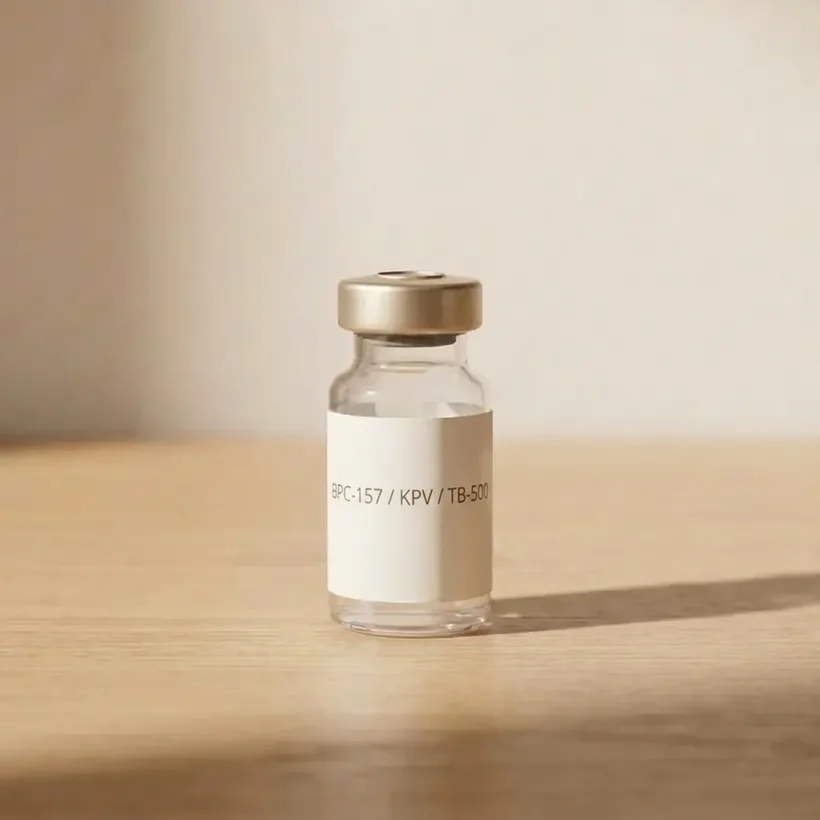
Best Healing Peptides custom 2026 image for peptide therapy on FormBlends

Custom 2026 image for Best Healing Peptides, peptide therapy, and better treatment decision-making.

Image description: Unique image for this page covering Best Healing Peptides, peptide therapy, safety, cost, provider selection, and patient decision-making.

Download the Peptide Quick Reference Card

A printable 2-page reference covering popular peptides, dosing ranges, stacking protocols, and storage.

Free download. We'll also send helpful GLP-1 guides to your inbox. Unsubscribe anytime.

Medical Disclaimer: This content is for informational purposes only and does not constitute medical advice. Always consult a qualified healthcare provider before starting, stopping, or changing any medication or treatment. FormBlends articles are source-checked against medical and regulatory references, but they are not a substitute for a personal medical consultation.

Written by the FormBlends Medical Team. Reviewed against PubMed, PMC, and publicly available clinical trial registries. Every claim is graded by evidence type. No affiliate ranking. Compounds are assessed honestly, including where animal data fails to translate. Updated 2026-05-29.

Medical content team. This article was researched against primary regulatory, trial, prescribing, and manufacturer sources where available. Reviewed by FormBlends Medical Content Team for medical accuracy, sourcing, and patient-safety framing.

Ready to get started?

Provider-reviewed GLP-1 and peptide therapy, delivered to your door.

Start Your Consultation

Ready to Start Your Weight Loss Journey?

Get a free medical consultation with a licensed provider. Compounded GLP-1 medications starting at $299/month with free shipping.

Next Best Reads

Free Tools

Provider-informed calculators to support your weight loss journey.