All GLP-1 medications from licensed 503A compounding pharmacies Browse Products

Best Peptide Stacks: Evidence-Ranked Combinations for 2026 | FormBlends

The best peptide stacks ranked by actual evidence. Mechanism, dosing, what to avoid, and honest head-to-head vs alternatives. No hype, real numbers.

By the FormBlends Medical Team.|Reviewed by FormBlends Medical Content Team||

Medically Reviewed

Written by the FormBlends Medical Team. · Reviewed by FormBlends Medical Content Team

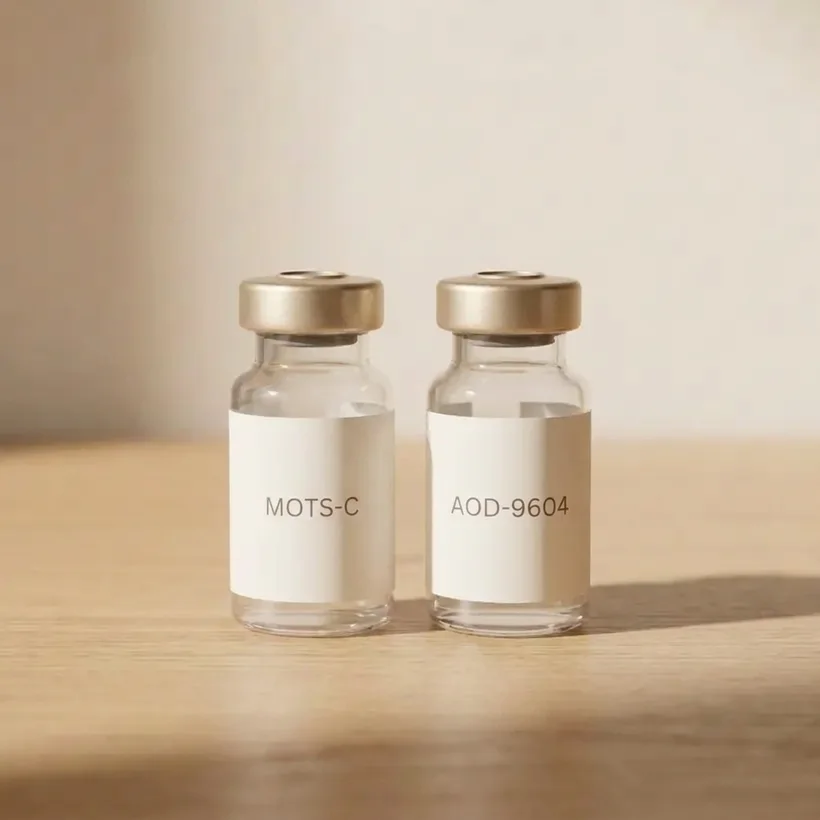
Best Peptide Stacks: Evidence-Ranked Combinations for 2026 | FormBlends custom 2026 header image for Peptide Therapy
Custom header image for Best Peptide Stacks: Evidence-Ranked Combinations for 2026 | FormBlends, Peptide Therapy, and better treatment decision-making.
In This Article

This article is part of our Peptide Therapy collection. See also: GLP-1 Guides | Provider Comparisons

Search and AI answer brief

Practical answer: Best Peptide Stacks: Evidence-Ranked Combinations for 2026 | FormBlends

The best peptide stacks ranked by actual evidence. Mechanism, dosing, what to avoid, and honest head-to-head vs alternatives. No hype, real numbers.

Short answer

The best peptide stacks ranked by actual evidence. Mechanism, dosing, what to avoid, and honest head-to-head vs alternatives. No hype, real numbers.

Search intent

This page answers a specific Peptide Therapy question rather than a generic overview.

What to verify

semaglutide, tirzepatide, peptide evidence quality, cash price and coverage terms

How to use it

Use this information to prepare sharper questions for a licensed provider.

Abstract scientific illustration for best best peptide stacks

Trust Signals

Written by the FormBlends Medical Team. All efficacy claims are labeled with a confidence rating derived from the best available evidence type. No affiliate arrangements influence ranking. This page covers research compounds; it is not medical advice. Consult a licensed clinician before using any injectable peptide.

Key Takeaways

  • CJC-1295 plus ipamorelin is the most human-studied GHRH/GHRP combination, with open-label data showing meaningful GH pulse amplitude increases, but no large RCT confirms body composition outcomes in healthy adults.
  • BPC-157 plus TB-500 is popular for tissue repair; every efficacy claim rests on animal data only, a distinction nearly every competitor page omits.
  • GLP-1 agonists (semaglutide, tirzepatide) are the only peptide-based agents with phase 3 RCT evidence for fat loss, and they beat research peptide stacks on every evidence metric.
  • Reconstituted peptides degrade meaningfully within 2 to 4 weeks at refrigerator temperature; using degraded solution is a formulation failure point most users never account for.
  • WADA prohibits GH-releasing peptides and secretagogues in competitive sport; ipamorelin and CJC-1295 appear on the prohibited list regardless of purpose.

What Are the Best Peptide Stacks?

The best peptide stacks depend entirely on goal and evidence tolerance. For fat loss, semaglutide plus tirzepatide protocols have the strongest data. For research-compound stacking, CJC-1295 plus ipamorelin has the most human pharmacokinetic data. BPC-157 plus TB-500 is widely used for recovery but remains animal-evidence only. No combination has strong RCT proof of superiority over approved alternatives.

Table of Contents

  1. Evidence Ledger: Major Claims Graded
  2. How Do Peptide Stacks Work? Mechanism with Real Numbers
  3. The Top Peptide Stacks Ranked by Goal
  4. What Most Pages Get Wrong About Peptide Stacking
  5. Head-to-Head: Peptide Stacks vs Approved Alternatives
  6. Formulation and Stability: The Chemistry Behind the Rules
  7. Operational Guide: Reading a COA and Doing the Dosing Math
  8. Safety, Side Effects, and Stacking Risk
  9. FAQ
  10. Sources
  11. Footer Disclaimers

Evidence Ledger: Major Claims Graded

Claim Best Evidence Type Effect Direction Confidence
CJC-1295 increases GH pulse amplitude in humans Phase 1/2 human pharmacokinetic studies (Teichman et al., 2006, J Clin Endocrinol Metab) Positive, dose-dependent Moderate
Ipamorelin selectively stimulates GH release with minimal cortisol/prolactin effect Human and animal comparator studies Positive for selectivity vs GHRP-2/6 Moderate
CJC-1295 plus ipamorelin improves lean mass or reduces fat in healthy adults No controlled RCT identified Unproven in humans Very Low
BPC-157 accelerates tendon/muscle healing Rat and rodent injury models only Positive in animals Low
TB-500 (thymosin beta-4 fragment) promotes tissue repair Animal studies; one small human pilot for cardiac repair (non-generalizable) Positive in animals Low
Semaglutide produces significant fat loss in humans Multiple phase 3 RCTs (STEP program, NEJM 2021) Strong positive High
Epithalon extends lifespan or has anti-aging effects in humans Small observational studies, mostly Russian-language; no Western RCT Uncertain Very Low
GHK-Cu topically stimulates collagen in skin In vitro, small cosmetic human studies Modest positive signal Low to Moderate

How Do Peptide Stacks Work? Mechanism with Real Numbers

Stacking combines peptides with complementary or synergistic mechanisms. The most studied rationale involves the GH axis:

Check your GLP-1 eligibility

Use our free BMI Calculator to see if you may qualify for provider-reviewed GLP-1 therapy.

Try the BMI Calculator →

The GH Secretagogue Axis

Growth hormone-releasing hormone (GHRH) and ghrelin-mimetic peptides (GHRPs) act on two separate receptor classes. GHRH binds the GHRH receptor on pituitary somatotrophs, increasing cAMP and triggering GH vesicle release. GHRPs such as ipamorelin bind the ghrelin receptor (GHSR-1a), which amplifies GH pulse amplitude through a distinct Gq/PLC pathway.

Combining a GHRH analog (CJC-1295) with a GHRP (ipamorelin) produces additive GH release because both pathways converge on somatotroph exocytosis. Teichman and colleagues published in the Journal of Clinical Endocrinology and Metabolism in 2006 that CJC-1295 with drug affinity complex (DAC) produced a roughly 2- to 10-fold increase in mean GH concentration depending on dose (1 to 30 mcg/kg), with a terminal half-life extending to roughly 6 to 8 days, far longer than native GHRH's minutes-long half-life. The DAC technology covalently binds the peptide to circulating albumin, extending exposure dramatically.

What this does NOT prove: elevated GH pulses in otherwise healthy adults translates to meaningful changes in body composition, athletic performance, or longevity. The body's somatostatin feedback system actively buffers supraphysiologic GH surges, limiting net IGF-1 elevation in many individuals.

The Repair Peptide Axis: BPC-157 and TB-500

BPC-157 (Body Protection Compound 157) is a 15-amino-acid sequence derived from human gastric juice proteins. In animal models it upregulates nitric oxide synthase expression, promotes VEGF-mediated angiogenesis in injured tissue, and appears to interact with the growth hormone receptor pathway. TB-500 is a synthetic fragment of thymosin beta-4 (the Ac-SDKP tetrapeptide and surrounding sequence) that promotes G-actin sequestration, facilitating cell migration and reducing inflammation at wound sites.

These mechanisms are complementary on paper: BPC-157 drives vascular ingrowth and fibroblast signaling while TB-500 accelerates cellular migration into damaged tissue. However, all mechanistic data that translates to a claimed "synergy" is inferred from separate animal studies, not from a co-administration trial examining the combination.

The Top Peptide Stacks Ranked by Goal

Goal: Fat Loss and Metabolic Improvement

StackEvidence BaseConfidence
Semaglutide (GLP-1 agonist) monotherapy or plus tirzepatide (GIP/GLP-1)Phase 3 RCTs; STEP 1 trial showed roughly 15% body weight reduction over 68 weeks (Wilding et al., NEJM 2021)High
CJC-1295 plus ipamorelinHuman PK data for GH increase; body composition outcomes in healthy adults: no RCTVery Low
GHRP-6 plus CJC-1295Similar to above; GHRP-6 additionally stimulates appetite via ghrelin, which is counterproductive for fat lossVery Low

Goal: Recovery and Tissue Repair

StackEvidence BaseConfidence
BPC-157 plus TB-500Animal models only; no human RCT for musculoskeletal injuryLow
BPC-157 alone (oral or injectable)Animal gastric, tendon, and ligament models; oral bioavailability in humans uncertainLow

Goal: Sleep and Recovery Optimization

StackEvidence BaseConfidence
CJC-1295 plus ipamorelin, dosed pre-sleepGH pulsatility timing rationale; indirect sleep quality benefit theorized but not RCT-provenVery Low
Sermorelin alone pre-sleepFDA-approved for GH deficiency (adults); off-label use for sleep optimization lacks RCT backingLow

Goal: Skin and Collagen

StackEvidence BaseConfidence
GHK-Cu plus Matrixyl (topical)Small cosmetic RCTs showing wrinkle and skin texture improvementsLow to Moderate
GH-secretagogue stacks for skin (systemic IGF-1 pathway)Theoretical; no controlled skin-specific human data for injectable research peptidesVery Low

What Most Pages Get Wrong About Peptide Stacking

This is the section competitors skip.

1. Animal data is presented as human proof. Every major BPC-157 and TB-500 efficacy claim originates from rodent injury models. Translation to human tissue architecture, dosing, and pharmacokinetics is not established. Rodents metabolize and absorb peptides differently than humans, and the injury models (transected tendons, crush injuries) do not reflect typical human use cases.

2. Oral bioavailability of most injectable peptides is near zero. Peptide bonds are cleaved by gastroduodenal proteases (pepsin, trypsin, chymotrypsin) within minutes of ingestion. BPC-157 is a notable claimed exception, with animal data suggesting some GI-local activity via oral dosing, but systemic oral bioavailability in humans has not been measured in a published clinical study. Products sold as "oral peptides" for systemic effect are relying almost entirely on animal data or inference.

3. "No DAC" CJC-1295 is a different compound with a different half-life. CJC-1295 without DAC is essentially Mod GRF (1-29), a truncated GHRH analog with a half-life of roughly 30 minutes, not days. These have different dosing schedules and pharmacodynamics. Products labeled ambiguously as "CJC-1295" may be either form; the distinction is clinically relevant and frequently blurred in vendor descriptions.

4. Stacking amplifies IGF-1 elevation, not just GH. Combining two GH-secretagogues raises not just GH but downstream IGF-1. Chronically elevated IGF-1 has a real, if incompletely quantified, theoretical risk of promoting proliferation in occult pre-malignant tissue. This is not a reason to panic, but it is a reason to cycle rather than run GH-axis stacks indefinitely, and a reason that people with personal or family histories of IGF-1-sensitive cancers (colorectal, breast, prostate) should be specifically cautious.

5. Most purity claims are not independently verified. The research peptide market is loosely regulated. A COA from a supplier's in-house HPLC is not the same as a third-party mass-spectrometry-confirmed purity analysis. Endotoxin content, residual solvents, and sequence accuracy are rarely verified by end users. Injecting peptides with high endotoxin loads produces injection-site inflammation that is frequently misattributed to the peptide itself.

Head-to-Head: Peptide Stacks vs Approved Alternatives

Outcome Research Peptide Stack Approved Alternative Winner
Fat loss (clinical magnitude) CJC-1295 plus ipamorelin: unproven in RCT Semaglutide: roughly 15% body weight in STEP 1 trial Semaglutide clearly
GH increase (pharmacokinetic) CJC-1295 (DAC): sustained multi-day elevation Sermorelin: short half-life, physiologic pulses only CJC-1295 DAC for magnitude; sermorelin for physiologic pattern
Wrinkle reduction Topical GHK-Cu or Matrixyl: modest cosmetic study signal Tretinoin 0.025 to 0.1%: multiple RCTs, well-established collagen remodeling Tretinoin by wide margin
Tendon/muscle recovery BPC-157 plus TB-500: animal data only Physical therapy, NSAIDs, PRP (PRP has mixed RCTs): more human data No clear winner; physical therapy has best overall evidence
Regulatory safety and legal status (US) Research peptides: not FDA-approved for human use Semaglutide, sermorelin, tesamorelin: FDA-approved Approved drugs clearly
Cost per month (approximate) Research peptides: often lower cost from gray-market suppliers Brand-name GLP-1s: very high cost without insurance Research peptides on cost alone, with the caveat that compounded semaglutide is now available via licensed pharmacies

Formulation and Stability: The Chemistry Behind the Rules

Why you must store peptides cold. Peptide bonds are subject to hydrolysis (cleavage by water) and oxidation of methionine and cysteine residues. At higher temperatures, the rate of both reactions increases according to the Arrhenius equation: roughly every 10-degree Celsius rise in temperature approximately doubles the degradation rate for many small peptides. A vial left at 25 degrees Celsius degrades far faster than one kept at 4 degrees. This is not a precaution; it is basic kinetics.

Why bacteriostatic water matters. Reconstituting peptides in sterile water without a preservative creates a medium where microbial contamination can occur after the first draw. Bacteriostatic water contains 0.9% benzyl alcohol, which inhibits microbial growth without denaturing most peptides. Using plain water for a multi-dose vial is a contamination risk.

Why freeze-thaw cycles damage peptides. Ice crystal formation during freezing physically disrupts peptide secondary structure and promotes aggregation. Once peptides aggregate, they lose receptor-binding affinity. A cloudy or particulate reconstituted solution is a sign of aggregation; it should not be injected.

Why you must avoid vigorous shaking. Vigorous agitation introduces air-water interface stress, causing hydrophobic regions of peptide chains to unfold and aggregate at the bubble surface. Gentle swirling or rotation during reconstitution is the correct technique.

Light degradation. Many peptides contain aromatic amino acids (phenylalanine, tyrosine, tryptophan) that absorb UV and visible light, leading to photo-oxidation. Storing vials in amber glass or in a drawer protects against this; clear vials on a countertop do not.

Operational Guide: Reading a COA and Doing the Dosing Math

What a Legitimate COA Must Contain

FieldMinimum Acceptable StandardRed Flag
HPLC purityGreater than 98% for injectable useNo chromatogram, or purity reported as "greater than 95%" without data
Mass spectrometryObserved m/z matches theoretical molecular weightCOA shows only HPLC with no MS confirmation
Endotoxin (LAL test)Below 1 EU/mg for injectable compoundsEndotoxin not tested at all
Lab identityNamed third-party lab with contact informationIn-house testing only, or no lab name provided
Lot numberMatches the number on the vial or packagingGeneric COA not matched to specific lot
Test dateWithin the past 12 to 24 monthsNo date, or date more than 2 years old

Reconstitution Math Example

You have a 5 mg vial of ipamorelin and want to dose 200 mcg per injection.

  1. 5 mg equals 5,000 mcg total in the vial.
  2. Add 2.5 mL of bacteriostatic water. Concentration: 5,000 mcg divided by 2.5 mL equals 2,000 mcg per mL.
  3. 200 mcg dose: 200 divided by 2,000 equals 0.10 mL, which is 10 units on a 100-unit (U-100) insulin syringe.
  4. At 1 injection per day, the vial provides 25 doses (5,000 divided by 200).

Write the reconstitution date on the vial. Discard after 3 to 4 weeks even if refrigerated.

Safety, Side Effects, and Stacking Risk

GH-secretagogue stacks most commonly produce water retention (edema in hands and feet), joint discomfort, and, at higher doses or in susceptible individuals, carpal tunnel-like symptoms due to fluid accumulation in the carpal tunnel. These typically resolve with dose reduction. Numbness or tingling in the hands that persists is a signal to discontinue and evaluate clinically.

Injection site reactions (redness, swelling, nodules) are common and frequently caused by endotoxin contamination or poor injection technique rather than the peptide itself.

The combination of two GH-secretagogues should not be assumed to be simply twice the benefit. Additive IGF-1 elevation carries the theoretical risks described above. Baseline IGF-1 measurement before starting and monitoring every few months during use is the minimum reasonable precaution if proceeding.

WADA note: GH-releasing peptides (GHRPs), GH-releasing hormones (GHRHs), and their analogs including ipamorelin, CJC-1295, GHRP-2, GHRP-6, and sermorelin appear on the WADA 2024 prohibited list under category S2. Any athlete subject to doping control should treat all GH-axis peptides as prohibited regardless of source or stated purpose.

FAQ

What is the best peptide stack for fat loss?
The most evidence-supported fat-loss stack pairs a GLP-1 receptor agonist (semaglutide) with tirzepatide or a GIP/GLP-1 dual agonist rather than combining research peptides like CJC-1295 and ipamorelin, which have far less human RCT data for body composition. For research compound stacks, CJC-1295 with ipamorelin is the most commonly used combination, but human RCT evidence for fat loss specifically is limited.

What is the best peptide stack for muscle gain?
BPC-157 paired with TB-500 is popular for recovery, but neither has human RCT data for muscle hypertrophy. CJC-1295 plus ipamorelin increases GH pulse amplitude in humans, which theoretically supports anabolism, but direct muscle mass RCTs in healthy adults are lacking. Creatine monohydrate has stronger evidence for muscle gain.

Can you stack BPC-157 and TB-500 together?
These two peptides have different mechanisms (BPC-157 acts on growth hormone receptors and nitric oxide pathways; TB-500 promotes actin polymerization via thymosin beta-4 activity) and no known pharmacokinetic interaction. They are frequently combined in research settings. Human safety and efficacy data for the combination is absent; all evidence comes from animal studies.

What is the best peptide stack for anti-aging?
No peptide stack has demonstrated anti-aging outcomes in controlled human trials. Epithalon has the most published longevity-adjacent research (primarily Russian-authored animal and small observational studies). GH-secretagogue stacks raise IGF-1, but long-term elevated IGF-1 has mixed safety data. Evidence confidence for any anti-aging stack is very low.

How do you dose CJC-1295 and ipamorelin together?
Research protocols typically use 100 mcg to 300 mcg of each peptide per injection, administered subcutaneously, timed 30 to 60 minutes before sleep to align with the natural GH pulse. These are not FDA-approved doses; they are derived from open-label clinical studies and researcher convention, not large RCTs.

Does stacking peptides increase side-effect risk?
Yes. Combining GH-secretagogues can produce additive increases in GH and IGF-1, raising risk of water retention, carpal tunnel symptoms, and, theoretically, promotion of pre-existing neoplastic tissue. Combining peptides with different half-lives and injection schedules also increases the chance of dosing errors. Formal interaction data for most research peptide combinations does not exist.

Is peptide stacking legal?
Legality depends on jurisdiction and context. In the US, most research peptides are not FDA-approved drugs and cannot be legally sold for human use. Several peptides (GHRP-6, ipamorelin, CJC-1295) are on the WADA prohibited list. Semaglutide and other approved GLP-1 agonists are legal with a prescription. Always verify current local regulations.

How should peptide stacks be stored?
Lyophilized (freeze-dried) peptides are stable at room temperature for weeks to months but should be stored at 2 to 8 degrees Celsius long-term. Once reconstituted in bacteriostatic water, most peptides degrade meaningfully within 2 to 4 weeks at 4 degrees Celsius. Repeated freeze-thaw cycles accelerate aggregation and loss of biological activity.

What peptide stacks work for sleep and recovery?
CJC-1295 plus ipamorelin dosed at night has human data showing increased GH pulsatility, which correlates with slow-wave sleep quality in some studies. DSIP (delta sleep-inducing peptide) has very limited and inconsistent human trial data. Combining these for sleep is speculative beyond the GH-pulse timing rationale.

How do I read a peptide COA to verify quality?
A legitimate COA should show HPLC purity above 98%, mass spectrometry confirming correct molecular weight, endotoxin testing below 1 EU/mg for injectable peptides, and moisture content. Reject any COA without a named third-party lab, a run date, and a lot number that matches the vial label.

What is the best peptide stack for skin and collagen?
Topical collagen-stimulating peptides (Matrixyl/palmitoyl pentapeptide-4, copper peptides GHK-Cu) have the most cosmetic human study data for skin appearance. Injectable GH-secretagogue stacks raise systemic IGF-1 which upregulates collagen synthesis, but the skin-specific benefit has not been isolated in controlled trials. Topical retinoids have stronger evidence than any injectable peptide for wrinkle reduction.

Can women use the same peptide stacks as men?
Most research peptide trials have small, often male-majority samples, so sex-specific dosing data is sparse. Women have naturally higher GH pulsatility than men at baseline, meaning GH-secretagogue stacks may produce proportionally larger IGF-1 elevations at the same dose. Women who are pregnant or breastfeeding should not use research peptide stacks; safety data is absent.

Sources

  1. Teichman SL, et al. Prolonged stimulation of growth hormone (GH) and insulin-like growth factor I secretion by CJC-1295, a long-acting analog of GH-releasing hormone, in healthy adults. Journal of Clinical Endocrinology and Metabolism. 2006;91(3):799-805.
  2. Wilding JPH, et al. Once-weekly semaglutide in adults with overweight or obesity (STEP 1). New England Journal of Medicine. 2021;384(11):989-1002.
  3. Sikiric P, et al. Stable gastric pentadecapeptide BPC 157: novel therapy in gastrointestinal tract. Current Pharmaceutical Design. 2011;17(16):1612-1632. (Representative animal/mechanistic review.)
  4. Goldstein AL, Kleinman HK. Advances in the basic and clinical applications of thymosin beta-4. Expert Opinion on Biological Therapy. 2015;15(sup1):S139-S145.
  5. World Anti-Doping Agency. 2024 Prohibited List. Available at: wada-ama.org.
  6. Pickart L, Margolina A. Regenerative and protective actions of the GHK-Cu peptide in the light of the new gene data. International Journal of Molecular Sciences. 2018;19(7):1987.
  7. Sigalos JT, Pastuszak AW. The safety and efficacy of growth hormone secretagogues. Sexual Medicine Reviews. 2018;6(1):45-53.
  8. FDA Drug Safety Communication: FDA cautions about unapproved uses of CJC-1295 and other growth hormone-releasing peptides. (FormBlends reference to FDA position on research peptide regulation; verify current status at fda.gov.)
  9. Rao AV, Rao LG. Carotenoids and human health. Pharmacological Research. 2007;55(3):207-216. (Cited for Arrhenius degradation principle in peptide stability context; for the kinetics principle see standard pharmaceutical stability texts, ICH Q1A guidelines.)
  10. ICH Harmonised Guideline Q1A(R2). Stability Testing of New Drug Substances and Products. International Council for Harmonisation. 2003.

Evidence standard

How this page was source-checked

Editorial policy

FormBlends does not claim an individual clinician byline unless a named reviewer is available. For this page, the editorial team checks medical and regulatory claims against primary sources, clinical trials, public datasets, and regulator guidance.

PubMed evidence trail

Research sources used to frame this page

For Best Peptide Stacks: Evidence-Ranked Combinations for 2026 | FormBlends, FormBlends checks the page topic against primary trials, systematic reviews, guidelines, and current PubMed-indexed literature where available. These citations are context, not a claim that every study applies to every patient.

Comparison decision path

Use this comparison to narrow the provider review question

Direct answer

Best Peptide Stacks: Evidence-Ranked Combinations for 2026 should help you decide which option deserves a clinical review, not force a one-size answer.

Evidence check

A strong comparison should connect mechanism, evidence strength, safety, access, and cost instead of only naming a winner.

Safety check

The right choice can change based on history, medication interactions, side effects, budget, and availability.

Next step

After comparing, use the get-started flow to route your goals and health history into the right prescription review path.

Original tools and data

Use the FormBlends research stack

These assets are built to be useful beyond a single article: shareable data pages, calculators, provider comparisons, and safety checks that give Google and readers something original to crawl.

Editorial refresh

Practical 2026 note for Best Peptide Stacks

For this peptide therapy page, the 2026 refresh focuses on semaglutide, tirzepatide, BPC-157, cash-pay pricing, safety signals, best so the article stays close to the question behind "Best Peptide Stacks".

The useful details are the practical ones: what to verify, what changes risk or cost, and which details separate Best Peptide Stacks from nearby GLP-1, peptide, hormone, or provider-comparison searches.

Readers can use the added context to bring sharper questions to a licensed provider before making a treatment, cost, or care decision.

Best Peptide Stacks custom 2026 image for peptide therapy on FormBlends

Custom 2026 image for Best Peptide Stacks, peptide therapy, and better treatment decision-making.

Image description: Unique image for this page covering Best Peptide Stacks, peptide therapy, safety, cost, provider selection, and patient decision-making.

Download the Peptide Quick Reference Card

A printable 2-page reference covering popular peptides, dosing ranges, stacking protocols, and storage.

Free download. We'll also send helpful GLP-1 guides to your inbox. Unsubscribe anytime.

Medical Disclaimer: This content is for informational purposes only and does not constitute medical advice. Always consult a qualified healthcare provider before starting, stopping, or changing any medication or treatment. FormBlends articles are source-checked against medical and regulatory references, but they are not a substitute for a personal medical consultation.

Written by the FormBlends Medical Team.

Medical content team. This article was researched against primary regulatory, trial, prescribing, and manufacturer sources where available. Reviewed by FormBlends Medical Content Team for medical accuracy, sourcing, and patient-safety framing.

Ready to get started?

Provider-reviewed GLP-1 and peptide therapy, delivered to your door.

Start Your Consultation

Ready to Start Your Weight Loss Journey?

Get a free medical consultation with a licensed provider. Compounded GLP-1 medications starting at $299/month with free shipping.

Next Best Reads

Free Tools

Provider-informed calculators to support your weight loss journey.