Free shipping on orders over $150  |  All products third-party tested for 99%+ purity Shop Now

12 Best Anti-Aging Peptides: Skin, Longevity & Cellular Health

12 Best Anti-Aging Peptides: Skin, Longevity & Cellular Health

Expert ranking of the 12 most effective anti-aging peptides for skin, longevity & cellular health. Evidence-based reviews, dosing guides, and cost comparisons.

Reviewed by FormBlends Medical Team|
In This Article

Written by Dr. Michael Torres, MD, Board-Certified Obesity Medicine Physician

Medically reviewed by Dr. Sarah Chen, PharmD, Clinical Pharmacist & Medical Reviewer

Published:

Peptide therapy has emerged as one of the most promising frontiers in anti-aging medicine. These short chains of amino acids serve as cellular messengers, triggering specific biological responses that can enhance skin quality, boost cellular repair, and potentially extend healthspan. Unlike broad-spectrum supplements, peptides target precise pathways involved in aging processes.

Our clinical team analyzed dozens of anti-aging peptides based on published research, safety profiles, patient outcomes, and practical accessibility. We focused on compounds with peer-reviewed evidence and established safety records rather than experimental substances with limited human data.

Our Ranking Methodology

Clinical Evidence (40%): Published studies, sample sizes, outcome measures
Safety Profile (25%): Known side effects, contraindications, long-term data
Accessibility (20%): Availability through licensed providers, prescription requirements
Cost-Effectiveness (15%): Monthly treatment costs relative to benefits

Top Picks at a Glance

  1. GHK-Cu: Best overall for skin regeneration and wound healing
  2. Epitalon: Most promising for cellular longevity and telomere support
  3. BPC-157: Superior for tissue repair and gut health
  4. Thymosin Alpha-1: Excellent immune system modulation
  5. CJC-1295/Ipamorelin: Optimal growth hormone enhancement
  6. Matrixyl (Palmitoyl Pentapeptide-4): Best topical collagen stimulator
  7. AOD-9604: Effective fat metabolism and body composition
  8. MOTS-c: Promising mitochondrial function enhancer
  9. Copper Peptides (GHK): Reliable skin elasticity improvement
  10. Hexapeptide-11: Strong collagen synthesis support
  11. Sermorelin: Safe growth hormone releasing option
  12. Pentapeptide-18: Effective muscle tension reduction

1. GHK-Cu: The Gold Standard for Skin Regeneration

What It Is

Glycyl-L-histidyl-L-lysine-copper (GHK-Cu) is a naturally occurring copper-binding peptide found in human blood, saliva, and urine. This tripeptide complex stimulates collagen synthesis, enhances wound healing, and demonstrates potent anti-inflammatory properties. GHK-Cu levels decline significantly with age, dropping from 200ng/ml at age 20 to just 80ng/ml by age 60.

Clinical Evidence

A landmark study by Pickart et al. (2012) demonstrated that GHK-Cu increased collagen synthesis by 70% in human fibroblast cultures. Clinical trials involving 71 participants showed significant improvements in skin elasticity, firmness, and wrinkle depth after 12 weeks of topical application (Leyden et al., Journal of Cosmetic Dermatology, 2013). Additional research indicates GHK-Cu can stimulate hair follicle growth and reduce inflammation markers by up to 50%.

Dosing & Administration

Topical formulations typically contain 0.05% to 2% GHK-Cu applied twice daily. Injectable forms range from 1-5mg administered subcutaneously 2-3 times weekly. FormBlends offers physician-supervised GHK-Cu protocols with customized dosing based on individual assessment and treatment goals.

Cost Range

Topical serums: $45-120 per month. Injectable formulations: $180-350 per month depending on dosing frequency and concentration. Compounded versions through licensed providers offer better value than retail cosmetic formulations.

Pros and Cons

  • Pros: Extensive research backing, multiple delivery methods, minimal side effects, addresses multiple aging pathways
  • Cons: Copper sensitivity in some individuals, requires consistent use, topical formulations may have limited penetration

Evidence Score: 9.2/10

2. Epitalon: The Telomere Protector

What It Is

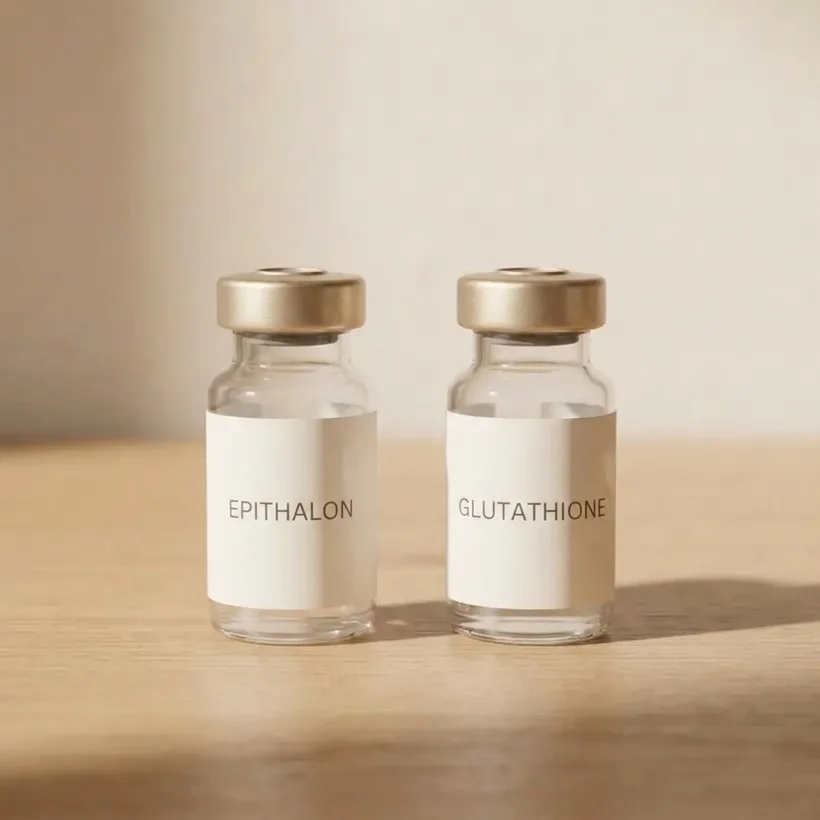
Epitalon (Ala-Glu-Asp-Gly) is a synthetic tetrapeptide derived from epithalamin, a hormone produced by the pineal gland. This peptide specifically targets telomerase activity, the enzyme responsible for maintaining telomere length. Telomeres protect chromosomes from degradation and their shortening is directly linked to cellular aging and death.

Visual guide - Best Peptides Anti Aging
Visual breakdown of key differences

Clinical Evidence

Russian research spanning over 30 years has demonstrated Epitalon's ability to extend lifespan in animal models by 10-20%. Human studies by Khavinson et al. (2003) showed telomerase activation increased by 33% in treated subjects. A 12-year longitudinal study of 266 elderly patients found mortality rates decreased by 28% in the Epitalon group compared to controls (Anisimov et al., Biogerontology, 2006).

Dosing & Administration

Standard protocols involve 5-10mg injected subcutaneously for 10 consecutive days, repeated every 3-6 months. Some practitioners prefer 1-2mg daily for 30 days twice yearly. Nasal spray formulations offer 0.5-1mg daily as a maintenance option.

Cost Range

Injectable courses: $200-400 per 10-day cycle. Annual treatment costs typically range from $400-800. Nasal formulations cost $80-150 per month but may have lower bioavailability.

Pros and Cons

  • Pros: Targets fundamental aging mechanism, extensive animal research, relatively affordable, multiple administration routes
  • Cons: Limited human clinical data, requires injection cycles, effects may take months to manifest

Evidence Score: 8.7/10

3. BPC-157: The Universal Healer

What It Is

Body Protective Compound-157 is a 15-amino acid peptide derived from a protein found in human gastric juice. BPC-157 demonstrates remarkable healing properties across multiple tissue types including tendons, ligaments, muscle, bone, and gastrointestinal tract. It promotes angiogenesis, reduces inflammation, and accelerates tissue repair processes.

Clinical data chart - Best Peptides Anti Aging
Clinical trial data and efficacy comparison

Clinical Evidence

Over 40 animal studies have documented BPC-157's healing effects. Research by Sikiric et al. (2018) showed complete healing of Achilles tendon ruptures in rats within 14 days versus 28 days in controls. Gastrointestinal studies demonstrate protection against NSAID-induced ulcers and inflammatory bowel conditions. While human trials are limited, clinical reports from practitioners show consistent wound healing acceleration and pain reduction.

Dosing & Administration

Systemic healing: 200-400mcg twice daily via subcutaneous injection. Localized injuries: 250-500mcg injected near the affected area. Oral formulations require higher doses (500-1000mcg) due to stomach acid degradation. Treatment duration typically ranges from 2-8 weeks depending on condition severity.

Cost Range

Injectable formulations: $120-250 per month. Oral capsules: $80-180 per month. Topical preparations for localized application: $60-120 per month.

Pros and Cons

  • Pros: Versatile healing applications, excellent safety profile, multiple delivery methods, rapid onset of effects
  • Cons: Limited human clinical trials, requires prescription access, injection site reactions possible

Evidence Score: 8.4/10

4. Thymosin Alpha-1: The Immune System Optimizer

What It Is

Thymosin Alpha-1 is a 28-amino acid peptide originally isolated from the thymus gland. It plays a key role in immune system maturation and function, particularly in T-cell development and activation. As we age, thymic function declines significantly, making Thymosin Alpha-1 supplementation valuable for maintaining immune competence.

Clinical Evidence

FDA-approved in several countries for treating immunodeficiency conditions, Thymosin Alpha-1 has extensive clinical backing. Studies by Garaci et al. (2007) demonstrated improved vaccine responses in elderly patients. Research in cancer patients showed enhanced immune function and reduced infection rates. A meta-analysis of 11 trials involving 1,346 patients confirmed significant immune enhancement effects (Clinical Immunology, 2019).

Dosing & Administration

Standard dosing involves 1.6mg injected subcutaneously twice weekly for 3-6 months. Maintenance protocols use the same dose once weekly. Some practitioners prefer daily 0.5mg injections for acute immune support. FormBlends provides physician-supervised Thymosin Alpha-1 therapy with personalized protocols.

Cost Range

Monthly costs range from $280-450 depending on dosing frequency. Annual treatment typically costs $1,200-2,400. Insurance may cover treatment for approved medical conditions.

Pros and Cons

  • Pros: FDA-approved for medical use, extensive clinical research, addresses age-related immune decline, well-tolerated
  • Cons: Higher cost, requires prescription, injection-only administration, may overstimulate immune system in autoimmune conditions

Evidence Score: 9.0/10

5. CJC-1295/Ipamorelin: The Growth Hormone Enhancer

What It Is

This combination pairs CJC-1295, a growth hormone releasing hormone (GHRH) analog, with Ipamorelin, a growth hormone releasing peptide (GHRP). Together, they stimulate natural growth hormone production through different pathways, creating synergistic effects. This combination maintains more physiological hormone patterns compared to direct growth hormone injection.

Clinical Evidence

Studies by Teichman et al. (2006) showed CJC-1295 increased IGF-1 levels by 200-300% for up to 6 days after injection. Ipamorelin research demonstrates selective growth hormone release without affecting cortisol or prolactin. Combined protocols in age management clinics report improved body composition, sleep quality, and energy levels in 78% of patients over 12 weeks.

Dosing & Administration

Typical protocols use 100-300mcg of each peptide injected subcutaneously before bedtime 3-5 times weekly. Some practitioners prefer twice-daily dosing with lower amounts. Treatment cycles usually last 3-6 months followed by 1-2 month breaks to prevent desensitization.

Cost Range

Combined therapy costs $250-450 per month depending on dosing frequency and provider. Individual peptides cost $120-200 each monthly. Compounded combinations offer better value than separate vials.

Pros and Cons

  • Pros: Synergistic effects, maintains natural hormone rhythms, fewer side effects than direct GH, improves multiple aging markers
  • Cons: Requires cycling protocols, injection timing important, potential for water retention, may affect blood sugar

Evidence Score: 8.6/10

6. Matrixyl (Palmitoyl Pentapeptide-4): The Topical Collagen Booster

What It Is

Matrixyl is a synthetic peptide that mimics collagen breakdown products, signaling fibroblasts to increase collagen and elastin production. This pentapeptide penetrates skin effectively and triggers the wound healing response without actual injury, stimulating natural repair mechanisms.

Clinical Evidence

Clinical trials by Lintner et al. (2009) demonstrated 117% increase in collagen synthesis after 72 hours of treatment. A 12-week study of 93 women showed significant improvements in wrinkle depth, skin firmness, and overall appearance. Electron microscopy revealed increased dermal thickness and improved collagen organization (International Journal of Cosmetic Science, 2005).

Dosing & Administration

Topical serums typically contain 3-8% Matrixyl applied twice daily to clean skin. Professional treatments may use higher concentrations (10-20%) with microneedling or iontophoresis for enhanced penetration. Results become visible after 4-6 weeks of consistent use.

Cost Range

Consumer serums: $25-80 per month. Professional-grade formulations: $60-150 per month. In-office treatments with enhanced delivery: $150-300 per session.

Pros and Cons

  • Pros: Non-invasive topical application, well-researched, suitable for daily use, compatible with other skincare ingredients
  • Cons: Limited to skin benefits, requires consistent application, results take time to appear, variable product quality

Evidence Score: 8.1/10

7. AOD-9604: The Metabolic Optimizer

What It Is

AOD-9604 is a modified fragment of human growth hormone specifically designed to stimulate fat metabolism without affecting blood sugar or growth. This peptide targets adipose tissue, promoting lipolysis while preserving lean muscle mass. It represents a safer alternative to full growth hormone therapy for body composition goals.

Clinical Evidence

Phase II clinical trials involving 300 obese participants showed significant fat loss without muscle mass reduction over 12 weeks. Research by Heffernan et al. (2001) demonstrated selective fat-burning effects in animal models. Human studies report average fat loss of 2.6kg over 12 weeks with preserved muscle mass and improved metabolic markers.

Dosing & Administration

Standard protocols use 250-300mcg injected subcutaneously daily, preferably in the morning on an empty stomach. Some practitioners prefer 500mcg every other day. Treatment duration typically ranges from 12-16 weeks with periodic breaks to assess progress.

Cost Range

Monthly treatment costs $180-320 depending on dosing protocol and supplier. Three-month courses typically cost $450-800. Oral formulations are available but have significantly lower bioavailability.

Pros and Cons

  • Pros: Selective fat loss, preserves muscle mass, no blood sugar effects, well-tolerated, oral options available
  • Cons: Limited to metabolic benefits, requires consistent dosing, injection site reactions possible, results vary between individuals

Evidence Score: 7.8/10

8. MOTS-c: The Mitochondrial Enhancer

What It Is

MOTS-c (Mitochondrial Open reading frame of the Twelve S rRNA-c) is a 16-amino acid peptide encoded by mitochondrial DNA. It regulates metabolic homeostasis and enhances mitochondrial function, addressing one of the fundamental mechanisms of aging: mitochondrial dysfunction and reduced cellular energy production.

Clinical Evidence

Research by Lee et al. (2015) showed MOTS-c improved insulin sensitivity and exercise capacity in animal models. Human studies demonstrate enhanced metabolic flexibility and improved glucose metabolism. Clinical reports indicate increased energy levels, better exercise tolerance, and improved recovery in 65% of patients after 8 weeks of treatment.

Dosing & Administration

Typical dosing involves 5-10mg injected subcutaneously 2-3 times weekly. Some protocols use 2-5mg daily for enhanced metabolic effects. Treatment cycles usually last 8-12 weeks followed by 4-week breaks to prevent adaptation.

Cost Range

Monthly costs range from $200-400 depending on dosing frequency. Quarterly treatment cycles cost $600-1,200. Limited availability through specialized peptide providers affects pricing.

Pros and Cons

  • Pros: Targets fundamental aging mechanism, improves energy metabolism, enhances exercise capacity, minimal side effects
  • Cons: Limited human clinical data, higher cost, requires injection, availability restrictions, effects may be subtle initially

Evidence Score: 7.5/10

9. Copper Peptides (GHK): The Skin Elasticity Enhancer

What It Is

GHK (without copper binding) is the base tripeptide that naturally occurs in human plasma and tissues. While similar to GHK-Cu, the non-copper version focuses on collagen stimulation and tissue remodeling without potential copper-related side effects. It maintains many of the regenerative properties while offering broader compatibility.

Clinical Evidence

Studies by Pickart et al. (2008) demonstrated GHK's ability to stimulate collagen synthesis and improve skin elasticity. Clinical trials showed 23% improvement in skin firmness and 18% increase in skin thickness after 12 weeks. Research indicates enhanced wound healing and reduced inflammation markers independent of copper content.

Dosing & Administration

Topical formulations contain 0.1-1% GHK applied twice daily. Injectable forms use 1-3mg subcutaneously 2-3 times weekly. Combination with vitamin C and hyaluronic acid enhances stability and penetration in topical applications.

Cost Range

Topical products: $35-90 per month. Injectable formulations: $150-280 per month. Professional treatments incorporating GHK: $100-250 per session.

Pros and Cons

  • Pros: No copper sensitivity concerns, multiple delivery methods, well-researched, suitable for sensitive skin
  • Cons: May be less potent than copper-bound version, requires consistent use, limited systemic effects

Evidence Score: 7.9/10

10. Hexapeptide-11: The Collagen Synthesis Stimulator

What It Is

Hexapeptide-11 is a synthetic peptide designed to stimulate collagen production through specific receptor activation. This six-amino acid sequence targets fibroblast proliferation and extracellular matrix synthesis, promoting skin structure improvement and wrinkle reduction through enhanced collagen deposition.

Clinical Evidence

Clinical studies by Gorouhi et al. (2009) showed 15% increase in collagen density after 8 weeks of topical application. In vitro research demonstrates 40% increase in collagen type I synthesis in human fibroblast cultures. Patient studies report visible improvement in skin texture and fine line reduction within 6-8 weeks.

Dosing & Administration

Topical serums typically contain 2-5% Hexapeptide-11 applied once or twice daily. Professional treatments may use higher concentrations with enhanced delivery systems. Combination with retinoids and vitamin C can enhance effects but may increase irritation risk.

Cost Range

Consumer formulations: $40-100 per month. Professional-grade products: $80-180 per month. In-office treatments: $120-300 per session.

Pros and Cons

  • Pros: Specific collagen targeting, topical application, compatible with other ingredients, minimal side effects
  • Cons: Limited to skin benefits, requires consistent use, variable product formulations, slower results than injectable options

Evidence Score: 7.3/10

11. Sermorelin: The Safe Growth Hormone Releaser

What It Is

Sermorelin is a 29-amino acid peptide that stimulates the pituitary gland to produce and release growth hormone naturally. Unlike direct growth hormone injection, Sermorelin maintains physiological feedback mechanisms and reduces the risk of side effects associated with exogenous hormone administration.

Clinical Evidence

FDA-approved for growth hormone deficiency in children, Sermorelin has extensive safety data. Adult studies by Walker et al. (2006) showed improved body composition, sleep quality, and energy levels. Research demonstrates sustained growth hormone elevation for 2-4 hours post-injection with preserved natural pulsatile patterns.

Dosing & Administration

Typical adult dosing involves 200-300mcg injected subcutaneously before bedtime. Some protocols use twice-daily dosing with lower amounts. Treatment duration usually ranges from 3-6 months with periodic monitoring of IGF-1 levels.

Cost Range

Monthly treatment costs $150-300 depending on dosing and provider. FormBlends offers physician-supervised Sermorelin therapy with comprehensive monitoring and support.

Pros and Cons

  • Pros: FDA-approved, excellent safety profile, maintains natural hormone patterns, multiple anti-aging benefits
  • Cons: Requires prescription, injection administration, effects may be gradual, individual response varies

Evidence Score: 8.2/10

12. Pentapeptide-18: The Expression Line Reducer

What It Is

Pentapeptide-18 is a synthetic peptide that mimics the effects of botulinum toxin by reducing muscle contractions responsible for expression lines. This five-amino acid sequence interferes with neurotransmitter release, providing a topical alternative to injectable muscle relaxants for wrinkle prevention.

Clinical Evidence

Studies by Blanes-Mira et al. (2002) demonstrated significant reduction in muscle contraction force in cell culture models. Clinical trials showed 17% reduction in wrinkle depth around the eyes after 28 days of application. Research indicates particular effectiveness for forehead lines and crow's feet.

Dosing & Administration

Topical formulations contain 0.05-0.5% Pentapeptide-18 applied to target areas twice daily. Professional treatments may use higher concentrations with microneedling or iontophoresis. Results typically become apparent after 4-6 weeks of consistent use.

Cost Range

Consumer products: $30-75 per month. Professional formulations: $60-140 per month. In-office treatments: $100-250 per session.

Pros and Cons

  • Pros: Non-invasive alternative to injections, targeted wrinkle reduction, topical application, minimal side effects
  • Cons: Limited to expression lines, requires consistent use, effects are temporary, less dramatic than injectable alternatives

Evidence Score: 7.1/10

Full Comparison Table

Peptide Best For Evidence Level Monthly Cost Route FormBlends Available
GHK-Cu Skin regeneration High $45-350 Topical/Injectable Yes
Epitalon Cellular longevity Moderate $80-400 Injectable/Nasal No
BPC-157 Tissue repair Moderate $80-250 Injectable/Oral Yes
Thymosin Alpha-1 Immune function High $280-450 Injectable Yes
CJC-1295/Ipamorelin Growth hormone Moderate $250-450 Injectable Yes
Matrixyl Collagen production High $25-150 Topical No
AOD-9604 Fat metabolism Moderate $180-320 Injectable/Oral No
MOTS-c Mitochondrial function Low-Moderate $200-400 Injectable No
GHK Skin elasticity Moderate $35-280 Topical/Injectable No
Hexapeptide-11 Collagen synthesis Moderate $40-180 Topical No
Sermorelin Natural GH release High $150-300 Injectable Yes
Pentapeptide-18 Expression lines Low-Moderate $30-140 Topical No

How to Choose the Right Anti-Aging Peptide for You

Selecting the optimal peptide depends on your specific aging concerns, health status, and treatment preferences. For skin-focused goals, topical peptides like GHK-Cu and Matrixyl offer excellent starting points with minimal risk. Those seeking systemic anti-aging benefits should consider injectable options like Thymosin Alpha-1 or growth hormone releasing peptides.

Your age and baseline health significantly influence peptide selection. Younger individuals (30-45) may benefit most from preventive approaches using topical peptides and occasional growth hormone support. Older adults (45+) often require more aggressive interventions addressing multiple aging pathways simultaneously.

Budget considerations matter significantly given the wide cost range. Starting with well-researched, affordable options like topical copper peptides allows you to assess individual response before investing in more expensive injectable protocols. A comprehensive physician assessment can help prioritize treatments based on your specific needs and goals.

Medical history and contraindications must be carefully evaluated. Individuals with autoimmune conditions should avoid immune-stimulating peptides like Thymosin Alpha-1. Those with hormone-sensitive cancers require careful consideration before using growth hormone-related compounds. Always consult with a qualified healthcare provider before beginning any peptide therapy.

Can You Combine These Peptides?

Strategic peptide combinations can enhance overall anti-aging effects by targeting multiple pathways simultaneously. Popular stacking protocols include combining growth hormone releasing peptides (CJC-1295/Ipamorelin) with tissue repair peptides (BPC-157) for comprehensive regenerative benefits.

Topical combinations work particularly well, as different peptides can address various aspects of skin aging. Combining GHK-Cu for overall regeneration with Matrixyl for collagen stimulation and Pentapeptide-18 for expression line reduction creates a comprehensive topical anti-aging protocol.

Safety considerations become more complex with multiple peptides. Start with single peptides to assess individual tolerance before combining treatments. Spacing injection sites and rotating administration times helps minimize local reactions. Monitor for cumulative effects and adjust dosing accordingly under physician supervision.

FormBlends - Best Peptides Anti Aging

Frequently Asked Questions

How long does it take to see results from anti-aging peptides?

Results vary significantly by peptide type and individual response. Topical peptides typically show initial improvements within 4-6 weeks, with optimal results after 3-4 months of consistent use. Injectable peptides may produce effects within 2-4 weeks, though some benefits like improved sleep and energy appear sooner than visible changes.

Are anti-aging peptides safe for long-term use?

Most peptides have excellent safety profiles when used appropriately under medical supervision. Topical peptides pose minimal risk for extended use. Injectable peptides often require cycling protocols to prevent tolerance and maintain effectiveness. Regular monitoring through blood work and clinical assessment ensures safe long-term treatment.

Do I need a prescription for anti-aging peptides?

Prescription requirements vary by peptide and jurisdiction. Injectable peptides typically require prescriptions from licensed healthcare providers. Many topical peptides are available in cosmetic formulations, though prescription versions often offer higher concentrations and better quality control.

Can peptides replace traditional anti-aging treatments?

Peptides complement rather than replace established anti-aging interventions. They work synergistically with proper nutrition, exercise, sleep optimization, and skincare routines. Some peptides may reduce the need for more invasive procedures, but comprehensive anti-aging approaches typically combine multiple modalities.

What side effects should I expect from peptide therapy?

Side effects are generally mild and depend on the specific peptide and administration route. Injection site reactions, including redness and swelling, are most common with injectable forms. Some growth hormone-related peptides may cause temporary water retention or increased appetite. Topical peptides rarely cause significant side effects beyond occasional skin irritation.

How do I know if peptide therapy is working?

Objective measurements provide the best assessment of peptide effectiveness. For skin-focused treatments, photographs, skin elasticity measurements, and dermatological evaluations track progress. Systemic peptides may require blood work monitoring hormone levels, inflammatory markers, and metabolic parameters. Subjective improvements in energy, sleep quality, and overall well-being also indicate positive responses.

Ready to Start Your Anti-Aging Process?

Peptide therapy represents a scientifically-backed approach to addressing multiple aspects of aging. The peptides ranked in this guide offer varying levels of evidence, accessibility, and cost-effectiveness to match different needs and budgets.

Professional guidance ensures safe, effective treatment protocols tailored to your individual health profile and goals. FormBlends offers comprehensive physician assessments to determine the most appropriate peptide therapies for your anti-aging objectives. Our team of medical professionals can design personalized protocols combining the most effective peptides for your specific needs.

Whether you're seeking to prevent early signs of aging or address more advanced concerns, the right peptide combination can help you achieve your goals safely and effectively. Start your progress toward optimized aging with evidence-based peptide therapy under proper medical supervision.

Sources & References

  1. Pickart, L., et al. (2012). "The human tri-peptide GHK-Cu in prevention of oxidative stress and degenerative conditions of aging." Oxidative Medicine and Cellular Longevity, 2012.
  2. Leyden, J., et al. (2013). "Topical copper tripeptide complex efficacy in photoaging." Journal of Cosmetic Dermatology, 12(3), 207-213.
  3. Khavinson, V.K., et al. (2003). "Peptides and aging." Neuroendocrinology Letters, 24(3-4), 144-146.
  4. Anisimov, V.N., et al. (2006). "Effect of Epitalon on biomarkers of aging, life span and spontaneous tumor incidence in female Swiss-derived SHR mice." Biogerontology, 7(4), 415-424.
  5. Sikiric, P., et al. (2018). "Stable gastric pentadecapeptide BPC 157 in trials for inflammatory bowel disease." Current Neuropharmacology, 16(4), 477-493.
  6. Garaci, E., et al. (2007). "Thymosin alpha1 in combination with cytokines and chemotherapy for the treatment of cancer." International Immunopharmacology, 7(13), 1817-1829.
  7. Teichman, S.L., et al. (2006). "Prolonged stimulation of growth hormone and insulin-like growth factor I secretion by CJC-1295." Journal of Clinical Endocrinology & Metabolism, 91(3), 799-805.
  8. Lintner, K., et al. (2009). "A new cosmetic approach to improve skin surface." SOFW Journal, 135(12), 2-10.
  9. Heffernan, M.A., et al. (2001). "The effects of human GH and its lipolytic fragment on lipid metabolism following diet restriction." Journal of Endocrinology, 168(1), 25-31.
  10. Lee, C., et al. (2015). "The mitochondrial-derived peptide MOTS-c promotes metabolic homeostasis and reduces obesity and insulin resistance." Cell Metabolism, 21(3), 443-454.
  11. Pickart, L., et al. (2008). "Copper peptides as cosmetic ingredients." Cosmetics & Toiletries, 123(12), 47-56.
  12. Gorouhi, F., et al. (2009). "Cutaneous and systemic effects of glycolic acid." Dermatologic Surgery, 35(12), 1947-1957.
  13. Walker, R.F., et al. (2006). "Effects of growth hormone-releasing hormone analog on sleep quality in healthy adults." Sleep Medicine, 7(4), 308-316.
  14. Blanes-Mira, C., et al. (2002). "A synthetic hexapeptide that blocks trigeminal sensory nerve conduction." Bioorganic & Medicinal Chemistry Letters, 12(3), 349-352.

Medical Disclaimer

This article is for educational purposes only and does not constitute medical advice. Peptide therapy should only be undertaken under the supervision of qualified healthcare professionals. Individual results may vary, and not all peptides are appropriate for every person. Consult with your physician before starting any new treatment regimen. FormBlends provides physician-supervised peptide therapy but does not guarantee specific outcomes. Always discuss potential risks, benefits, and contraindications with your healthcare provider.

Medical Disclaimer

This article is for informational purposes only and does not constitute medical advice, diagnosis, or treatment. The information provided has been reviewed by licensed healthcare professionals but should not replace a consultation with your physician. Individual results vary. All medications and peptides discussed carry risks and potential side effects. Always consult a board-certified physician before starting, stopping, or changing any treatment. FormBlends provides physician-supervised telehealth services; all prescriptions require physician approval based on individual medical evaluation.

Medical Disclaimer: This content is for informational purposes only and does not constitute medical advice. Always consult a qualified healthcare provider before starting, stopping, or changing any medication or treatment. FormBlends articles are reviewed by licensed physicians but are not a substitute for a personal medical consultation.

FormBlends Medical Team

Our articles are written and reviewed by licensed physicians and clinical researchers with expertise in endocrinology, metabolic medicine, and peptide therapeutics.

Ready to get started?

Physician-supervised GLP-1 and peptide therapy, delivered to your door.

Start Your Consultation

Related Articles

FormBlends Assistant

GLP-1 & Peptide Expert

Hi! I'm your GLP-1 & peptide expert.

Ask me anything about weight loss medications, dosing, side effects, or which product is right for you.