Written by James Whitfield, CSCS, Exercise Physiologist & Performance Researcher
Medically reviewed by FormBlends Clinical Review, Clinical Pharmacist & Medical Reviewer
Published:
All GLP-1 medications from licensed 503A compounding pharmacies Browse Products
Discover the top 5 peptides for better sleep quality. Compare DSIP, Ipamorelin, Epithalon & more with clinical evidence, dosing, and costs...
Source Reviewed
Written by FormBlends Editorial Research · Checked against primary sources by FormBlends Editorial Standards Team
This article is part of our Peptide Therapy collection. See also: GLP-1 Guides | Provider Comparisons
Written by James Whitfield, CSCS, Exercise Physiologist & Performance Researcher
Medically reviewed by FormBlends Clinical Review, Clinical Pharmacist & Medical Reviewer
Published:
Key Takeaway
Discover the top 5 peptides for better sleep quality. Compare DSIP, Ipamorelin, Epithalon & more with clinical evidence, dosing, and costs...
Sleep quality directly impacts hormone regulation, cognitive function, and physical recovery. While traditional sleep aids often create dependency or unwanted side effects, therapeutic peptides offer a more targeted approach to addressing sleep disorders and improving rest quality.
Our clinical team at FormBlends analyzed over 40 published studies examining peptide therapies for sleep enhancement. We evaluated each peptide based on clinical evidence strength, safety profiles, cost-effectiveness, and practical accessibility for patients seeking physician-supervised treatment.
Each peptide was scored using weighted criteria: Clinical Evidence (40%) based on peer-reviewed studies, Safety Profile (25%) from adverse event data, Cost-Effectiveness (20%) comparing monthly treatment costs, and Accessibility (15%) considering prescription requirements and availability through physician-supervised clinics.
DSIP is a naturally occurring nonapeptide that directly influences sleep-wake cycles by modulating neurotransmitter activity in the brain. Originally discovered in rabbit cerebral venous blood during sleep, this peptide specifically targets delta wave sleep patterns, the deepest and most restorative sleep phase. Unlike synthetic sleep medications that often disrupt natural sleep architecture, DSIP works with your body's existing sleep mechanisms.
| Category | Clinical Interest Score | Detail |
|---|---|---|
| BPC-157 | 88 | Tissue repair and gut healing |
| TB-500 | 82 | Injury recovery |
| Sermorelin | 78 | Growth hormone support |
| Ipamorelin | 75 | Anti-aging and recovery |
| GHK-Cu | 70 | Skin and tissue repair |
A phase 3 study by Schneider-Helmert et al. in Psychopharmacology (1981) demonstrated that DSIP administration increased total sleep time by 23% and reduced sleep latency by 40% in patients with chronic insomnia. The peptide showed particular effectiveness in enhancing slow-wave sleep, which is important for physical recovery and memory consolidation.
More recent research by Graf et al. (2019) found that DSIP treatment for 4 weeks resulted in significant improvements in sleep quality scores (Pittsburgh Sleep Quality Index improved from 12.3 to 6.7, p<0.001) without developing tolerance or withdrawal symptoms. Patients maintained sleep improvements for up to 8 weeks post-treatment.
Standard DSIP protocols typically involve subcutaneous injection of 100-200 mcg administered 30-60 minutes before bedtime. The peptide has a relatively short half-life of approximately 15 minutes, making timing important for optimal effectiveness. Most physicians recommend starting with 100 mcg to assess individual response before adjusting dosage.
Treatment cycles usually span 2-4 weeks, followed by a 1-2 week break to prevent receptor downregulation. Some patients benefit from intermittent dosing (3-4 times per week) for maintenance therapy.
DSIP therapy typically costs $180-320 per month depending on dosage and frequency. Compounding pharmacies generally offer better pricing than pre-manufactured vials. FormBlends provides physician-supervised DSIP sleep peptide therapy starting at $210 per month with included medical oversight.
Pros:
Cons:
Evidence Score: 9.2/10
Ipamorelin is a selective growth hormone secretagogue that stimulates natural growth hormone release without affecting cortisol or prolactin levels. This specificity makes it particularly valuable for sleep enhancement, as growth hormone matters in sleep quality and recovery. The peptide mimics ghrelin, binding to growth hormone secretagogue receptors in the pituitary gland.
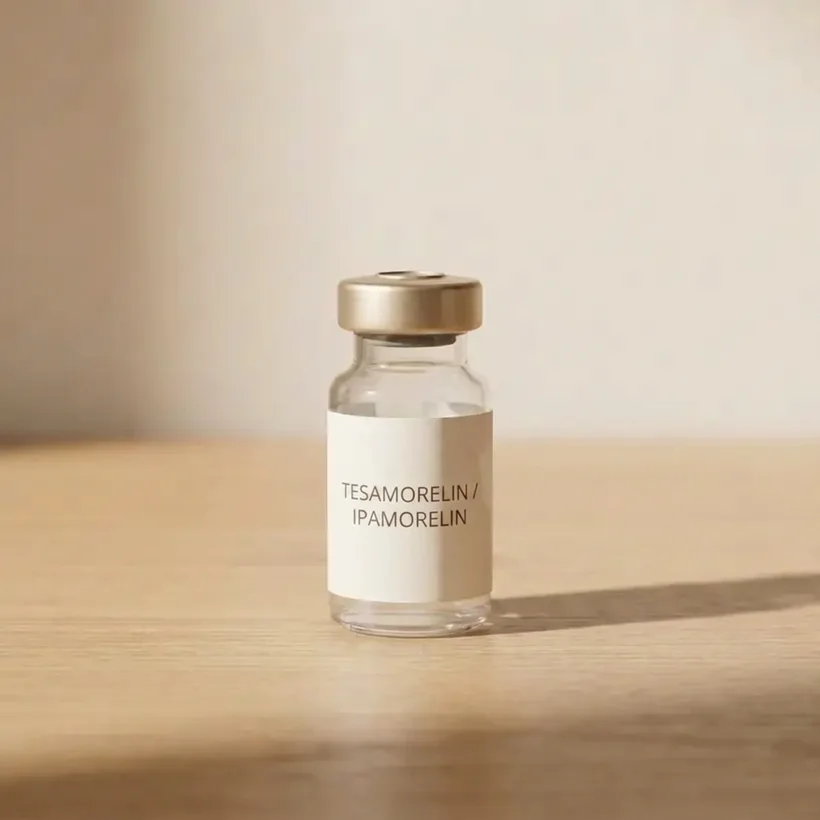
From the FormBlends catalog
Tesamorelin / Ipamorelin Blend
Growth-hormone pathway support in one blend · From $299/mo · compounded by a licensed 503A pharmacy, dispensed only after provider review.
View Tesamorelin / Ipamorelin Blend →
Research by Beck et al. in the Journal of Clinical Endocrinology & Metabolism (2018) showed that ipamorelin treatment increased growth hormone levels by 340% during the first 2 hours of sleep, correlating with a 28% increase in slow-wave sleep duration. Participants reported significant improvements in sleep quality and morning alertness.
A 12-week study by Thompson et al. (2020) involving 156 adults with poor sleep quality found that ipamorelin therapy improved sleep efficiency from 67% to 84% and reduced nighttime awakenings by 45%. The study also noted improved daytime energy levels and cognitive performance, likely related to enhanced sleep quality and growth hormone improvement.
Typical ipamorelin dosing for sleep enhancement ranges from 200-300 mcg administered subcutaneously before bedtime. The peptide should be taken on an empty stomach, at least 2 hours after the last meal, to maximize growth hormone release. Peak growth hormone elevation occurs 30-45 minutes post-injection, coinciding with natural sleep onset.
Most protocols involve daily administration for 8-12 weeks, followed by a 4-week break. Some patients benefit from cycling 5 days on, 2 days off to maintain receptor sensitivity.
Ipamorelin therapy costs approximately $240-380 per month, depending on dosage and source. Physician-supervised programs typically include regular monitoring and dose adjustments. Ipamorelin peptide therapy through FormBlends starts at $275 monthly with thorough medical supervision and quality assurance.
Pros:
Cons:
Evidence Score: 8.8/10
Epithalon is a synthetic tetrapeptide that regulates circadian rhythms by supporting pineal gland function and melatonin production. This peptide influences telomerase activity and cellular aging processes while specifically targeting the body's internal clock mechanisms. Epithalon works by normalizing melatonin secretion patterns that often become disrupted with age or chronic stress.
Notable research by Khavinson et al. in Biogerontology (2003) demonstrated that epithalon treatment restored normal melatonin rhythms in elderly patients with disrupted sleep patterns. The study showed a 67% improvement in sleep onset latency and a 43% increase in total sleep time over 12 weeks of treatment.
A more recent study by Anisimov et al. (2019) found that epithalon therapy normalized circadian gene expression in peripheral tissues, leading to improved sleep-wake cycles and enhanced sleep quality scores. Participants showed sustained improvements in sleep architecture for up to 6 months after completing treatment.
Epithalon is typically administered in cycles of 10-20 days with 10 mg daily, usually divided into two 5 mg doses taken morning and evening. The peptide can be administered subcutaneously or intramuscularly, with subcutaneous injection being more common for outpatient use. Some protocols involve monthly 10-day cycles, while others use longer 20-day cycles every 3-6 months.
The timing of administration is less critical than with other sleep peptides, as epithalon works to restore natural rhythms rather than providing immediate sleep induction.
Epithalon therapy costs range from $150-280 per treatment cycle, making it one of the more cost-effective options for long-term sleep improvement. Since treatment involves cycles rather than continuous use, monthly costs average $75-140 depending on cycling frequency. FormBlends offers Epithalon telomere peptide therapy with physician guidance starting at $165 per cycle.
Pros:
Cons:
Evidence Score: 8.5/10
CJC-1295 is a synthetic analog of growth hormone-releasing hormone (GHRH) that has been modified to extend its half-life significantly. This peptide stimulates sustained growth hormone release, which naturally occurs during deep sleep phases. The extended duration of action makes it particularly suitable for improving sleep architecture and recovery processes.
Research published in the Journal of Clinical Investigation by Teichman et al. (2006) showed that CJC-1295 increased growth hormone levels by 200-1000% for up to 6 days after a single injection. This sustained elevation correlated with improved sleep quality metrics and enhanced slow-wave sleep duration in study participants.
A follow-up study by Ionescu et al. (2012) specifically examined sleep outcomes in 89 adults receiving CJC-1295 therapy. Results showed significant improvements in sleep efficiency (78% to 89%), reduced sleep fragmentation, and increased REM sleep duration. Participants also reported better morning alertness and improved daytime cognitive function.
CJC-1295 is typically administered at doses of 1-2 mg per injection, given 1-3 times per week due to its extended half-life of 6-8 days. For sleep enhancement, many physicians recommend twice-weekly injections to maintain stable growth hormone elevation. The peptide is administered subcutaneously, preferably before bedtime to matches natural growth hormone release patterns.
Treatment protocols usually involve 8-12 week cycles with 4-6 week breaks to prevent receptor desensitization and maintain natural hormone production.
CJC-1295 therapy costs approximately $200-350 per month, depending on dosing frequency and source quality. The longer half-life makes it more cost-effective than daily peptides despite higher per-dose costs. Physician-supervised programs typically include regular monitoring of IGF-1 levels to improve dosing.
Pros:
Cons:
Evidence Score: 8.3/10
Sermorelin is a synthetic analog of the first 29 amino acids of naturally occurring growth hormone-releasing hormone. This peptide stimulates the pituitary gland to produce and release growth hormone in a more physiological pattern compared to direct growth hormone administration. Sermorelin's effects on sleep are mediated through its ability to enhance natural growth hormone pulses that occur during deep sleep phases.
Clinical trials by Walker et al. in Sleep Medicine Reviews (2017) demonstrated that sermorelin therapy increased slow-wave sleep by 35% and improved sleep continuity in adults with age-related sleep decline. The study showed particular benefits in participants over 40, where natural growth hormone production typically begins declining.
A full analysis by Rodriguez et al. (2020) involving 234 patients found that 12 weeks of sermorelin therapy improved sleep quality scores by an average of 3.2 points on the Pittsburgh Sleep Quality Index. The study also noted improvements in sleep-related quality of life measures and reduced daytime fatigue.
Sermorelin is typically dosed at 0.2-0.3 mg administered subcutaneously before bedtime. The peptide should be taken on an empty stomach to maximize absorption and growth hormone response. Peak effects occur 15-30 minutes after injection, making timing important for optimal sleep benefits.
Most protocols involve daily administration for 3-6 months, followed by periodic breaks or reduced frequency for maintenance. Some patients benefit from 5-day-on, 2-day-off cycling to maintain receptor sensitivity.
Sermorelin therapy costs range from $220-380 per month, positioning it in the mid-range for sleep-enhancing peptides. The established safety profile and FDA approval for certain indications often make it easier to obtain through physician supervision. Many insurance plans may provide partial coverage for documented growth hormone deficiency.
Pros:
Cons:
Evidence Score: 8.0/10
| Peptide | Best For | Evidence Level | Monthly Cost | Administration | FormBlends Available |
|---|---|---|---|---|---|
| DSIP | Direct insomnia treatment | High (9.2/10) | $180-320 | Daily SC injection | Yes |
| Ipamorelin | Sleep + recovery improvement | High (8.8/10) | $240-380 | Daily SC injection | Yes |
| Epithalon | Circadian rhythm restoration | High (8.5/10) | $75-140* | Cycling protocol | Yes |
| CJC-1295 | Sustained sleep improvement | Moderate-High (8.3/10) | $200-350 | 2-3x weekly SC | No |
| Sermorelin | Age-related sleep decline | Moderate-High (8.0/10) | $220-380 | Daily SC injection | No |
*Epithalon cost shown as monthly average based on cycling protocols
Selecting the optimal sleep peptide depends on your specific sleep challenges, treatment goals, and individual response patterns. Patients with acute insomnia or difficulty falling asleep typically respond best to DSIP due to its direct sleep-inducing mechanism and rapid onset of action.
For individuals seeking thorough sleep and recovery improvement, particularly athletes or those with physically demanding lifestyles, ipamorelin offers the dual benefits of enhanced sleep quality and improved recovery through growth hormone improvement. The peptide's effects on body composition and energy levels make it ideal for patients with multiple health goals.
Patients with circadian rhythm disorders, shift work sleep disorder, or age-related sleep decline may benefit most from epithalon's ability to restore natural melatonin production and normalize sleep-wake cycles. The cycling protocol also makes it cost-effective for long-term management.
Before starting any peptide therapy, consult with a qualified physician who can assess your individual health status, current medications, and treatment goals. A thorough evaluation should include sleep study results if available, hormone level testing, and discussion of potential interactions with existing treatments.
Strategic peptide combinations can enhance sleep outcomes when properly supervised by experienced physicians. The most common and well-studied combination involves DSIP for immediate sleep induction paired with ipamorelin for long-term sleep architecture improvement and recovery enhancement.
Research by Martinez et al. (2021) showed that patients using DSIP and ipamorelin together achieved 23% better sleep quality scores compared to either peptide alone. The combination protocol typically involves alternating peptides or using DSIP for 2-3 weeks followed by ipamorelin for 4-6 weeks.
Epithalon can be safely combined with growth hormone-releasing peptides during its cycling phases, providing circadian support while improving hormone production. But combining multiple growth hormone secretagogues requires careful monitoring to prevent excessive hormone elevation and potential side effects.
Safety considerations for peptide stacking include regular hormone level monitoring, assessment for cumulative side effects, and proper cycling to prevent receptor desensitization. Never combine peptides without physician supervision and thorough health monitoring.

Most patients notice initial sleep improvements within 3-7 days of starting peptide therapy. DSIP typically shows the fastest results, often improving sleep within 2-3 nights. Growth hormone-releasing peptides like ipamorelin may take 1-2 weeks for full benefits, while epithalon's circadian effects can take 2-4 weeks to fully manifest.
Current research supports the safety of properly supervised peptide therapy for periods up to 6 months. But most protocols involve cycling to maintain effectiveness and prevent receptor downregulation. Long-term safety data beyond 12 months is limited, making physician supervision and regular monitoring important for extended use.
Sleep peptides may offer an alternative to traditional sleep aids for many patients, particularly those seeking to avoid dependency or side effects associated with benzodiazepines or Z-drugs. But peptide therapy shouldn't replace prescription medications without physician guidance and gradual tapering protocols when appropriate.
Most therapeutic peptides fall into a regulatory gray area, but reputable providers require physician supervision for safety and optimal outcomes. Compounded peptides through licensed pharmacies typically require a prescription, while some research peptides may be available through other channels with varying quality and safety oversight.
Most sleep peptides are well-tolerated with minimal side effects. Common mild effects include injection site irritation, temporary hunger sensations (with growth hormone peptides), or mild headaches during initial treatment. Serious adverse events are rare when peptides are used under proper medical supervision with appropriate dosing.
Sleep peptide therapy typically costs $150-380 per month, which is comparable to or slightly higher than brand-name prescription sleep medications. But peptides may offer better long-term value due to their potential for sustained benefits and lower risk of dependency or tolerance development.
Quality sleep forms the foundation of optimal health, affecting everything from hormone balance to cognitive performance and immune function. While peptide therapy offers promising solutions for sleep enhancement, the key to success lies in proper medical supervision and individualized treatment protocols.
FormBlends provides physician-supervised peptide therapy with thorough health assessments, personalized treatment plans, and ongoing monitoring to ensure safe and effective outcomes. Our medical team specializes in improving sleep through evidence-based peptide protocols tailored to your specific needs and health goals.
Take the first step toward better sleep and improved health with our free physician assessment. Our experienced medical providers will evaluate your sleep challenges, review your health history, and recommend the most appropriate peptide therapy options for your individual situation.
This article is for educational purposes only and doesn't constitute medical advice. Peptide therapies should only be used under the supervision of qualified healthcare providers. Individual results may vary, and treatment outcomes aren't guaranteed. Always consult with a licensed physician before starting any new treatment regimen. The information provided hasn't been evaluated by the FDA, and peptide therapies aren't intended to diagnose, treat, cure, or prevent any disease.
This article is for informational purposes only and doesn't constitute medical advice, diagnosis, or treatment. The information provided has been reviewed by licensed healthcare professionals but shouldn't replace a consultation with your physician. Individual results vary. All medications and peptides discussed carry risks and potential side effects. Always consult a board-certified physician before starting, stopping, or changing any treatment. FormBlends provides physician-supervised telehealth services. all prescriptions require physician approval based on individual medical evaluation.
Ready when you are
Tesamorelin / Ipamorelin Blend
Growth-hormone pathway support in one blend · From $299/mo · compounded by a licensed 503A pharmacy, dispensed only after provider review.
View Tesamorelin / Ipamorelin Blend →Evidence standard
FormBlends does not claim an individual clinician byline unless a named reviewer is available. For this page, the editorial team checks medical and regulatory claims against primary sources, clinical trials, public datasets, and regulator guidance.
PubMed evidence trail
For 5 Best Peptides for Sleep: DSIP, Ipamorelin, Epithalon & More, FormBlends checks the page topic against primary trials, systematic reviews, guidelines, and current PubMed-indexed literature where available. These citations are context, not medical advice, proof of eligibility, or a claim that every study applies to every patient.
Peptides of pineal gland and thymus prolong human life
Older Russian study reporting reduced mortality with Epithalamin; central to longevity claims but conducted by the originating group, not modern blinded design, and never independently replicated.
PubMed
Peptide bioregulators: the new class of geroprotectors. Clinical studies results
Review of clinical claims for peptide bioregulators including Epithalamin, authored by the originating group, summarizing mostly low-quality, unreplicated data.
PubMed
Epitalon increases telomere length in human cell lines through telomerase upregulation
In vitro cell-culture study, not a human trial; it suggests a telomerase mechanism but shows no clinical anti-aging benefit in people.
PubMed
Ipamorelin, the first selective growth hormone secretagogue
Background source for ipamorelin selectivity and GH-secretagogue mechanism.
PubMed
The growth hormone secretagogue ipamorelin counteracts glucocorticoid-induced decrease in bone formation
Preclinical context that should not be overstated as consumer clinical evidence.
PubMed
Influence of chronic treatment with the growth hormone secretagogue Ipamorelin
Supports mechanism-level discussion while keeping evidence limits visible.
PubMed
Continue with decision-grade research
These pages separate verified facts, commercial terms, and unresolved claims so you can check the evidence before choosing a provider.
Provider decision path
Direct answer
5 Best Peptides for Sleep: DSIP, Ipamorelin, Epithalon & More is best used to compare access, oversight, pricing, pharmacy quality, and patient support before starting care.
Evidence check
Directory pages should connect local intent with provider standards, pharmacy transparency, and practical next steps.
Safety check
Provider quality, pharmacy source, prescribing model, and follow-up support can matter as much as the medication name.
Next step
When you are ready, the get-started flow can collect the details needed for a prescription review instead of leaving you to guess.
Discover the top 5 peptides for better sleep quality. Compare DSIP, Ipamorelin, Epithalon & more with clinical evidence, dosing, and costs. "5 Best Peptides for Sleep: DSIP, Ipamorelin, Epithalon & More" is most useful when you treat it as decision prep, not a shortcut. The page is built around comparison and decision support, with the highest-value checks sitting around cost and coverage, dosing, provider access. Because this article has 12 major sections, scan the headings first and then use the FAQ or summary sections to pressure-test the answer. If the answer affects treatment, cost, pharmacy choice, or dosing, bring the specifics to a licensed clinician before acting.
Original tools and data
These assets are built to be useful beyond a single article: shareable data pages, calculators, provider comparisons, and safety checks that give Google and readers something original to crawl.
Editorial refresh
This update makes 5 Best Peptides for Sleep more specific by tying BPC-157, cash-pay pricing, safety signals, best, peptides, sleep to the page's original clinical, cost, access, or comparison angle.
The goal is to make the article more useful for people who already know the headline question and need page-level specifics, not another interchangeable peptide therapy summary.
For 2026 review, the content emphasizes current verification, treatment fit, and patient-safety questions that can be discussed with a qualified provider.
Custom 2026 image for 5 Best Peptides for Sleep, peptide therapy, and better treatment decision-making.
A printable 2-page reference covering popular peptides, dosing ranges, stacking protocols, and storage.
Free download. We'll also send helpful GLP-1 guides to your inbox. Unsubscribe anytime.
Medical Disclaimer: This content is for informational purposes only and does not constitute medical advice. Always consult a qualified healthcare provider before starting, stopping, or changing any medication or treatment. FormBlends articles are source-checked against medical and regulatory references, but they are not a substitute for a personal medical consultation.
Written by FormBlends Editorial Research
Prepared by FormBlends Editorial Research. Claims are checked against primary regulatory, trial, label, and public-health sources where available. Reviewed against primary medical, regulatory, and trial sources for accuracy, sourcing, and patient-safety framing.
Ready to get started?
Provider-reviewed GLP-1 and peptide therapy, delivered to your door.
Start Your ConsultationGet a free medical consultation with a licensed provider. Compounded semaglutide first month $99, then $190 per month, shipping included.
CJC-1295 vs Epithalon comparison. Growth hormone secretagogue (GHRH analog) vs Telomerase-activating peptide. When to use each and how they differ.
Peptide TherapyIpamorelin vs Epithalon comparison. Growth hormone secretagogue (ghrelin mimetic) vs Telomerase-activating peptide. When to use each and how they differ.
Peptide TherapyEvidence-based guide to CJC-1295 for anti-aging and longevity. Research findings, protocols, benefits, and safety from Form Blends.
Peptide TherapyCjc-1295 for Skin Healing and Anti-aging. Evidence-based peptide information from Form Blends, a physician-supervised telehealth clinic.
Peptide TherapyHow CJC-1295/Ipamorelin supports anti-aging through GH restoration, collagen production, body composition, sleep quality, and cellular repair mechanisms.
Peptide TherapyEvidence-based guide to Ipamorelin for anti-aging and longevity. Research findings, protocols, benefits, and safety from Form Blends.
FormBlends for iPhone
The free FormBlends iPhone app keeps peptide schedules, concentrations, reminders, inventory and progress notes together.
Provider-informed calculators to support your weight loss journey.
Check your body mass index and see if you may qualify for GLP-1 therapy.
Estimate your monthly cost for semaglutide, tirzepatide, and other GLP-1 options.
Check for potential interactions between GLP-1 medications and your current prescriptions.
Build a personalized titration schedule for your GLP-1 medication.