Key Takeaway
full overview of the benefits of combining BPC-157 and TB-500 in a recovery stack. Covers muscle, tendon, ligament, joint, and gut healing, plus systemic anti-inflammatory effects.
The BPC-157 and TB-500 recovery stack provides accelerated healing of muscles, tendons, ligaments, and joints by combining BPC-157's localized tissue repair with TB-500's systemic anti-inflammatory and cell-migration properties. This dual-mechanism approach addresses injuries more thoroughly than either peptide alone, making it one of the most widely used recovery protocols in peptide therapy.
Accelerated Tendon and Ligament Repair
Tendons and ligaments are notoriously slow to heal due to their limited blood supply. BPC-157 directly addresses this limitation by promoting angiogenesis, the formation of new blood vessels in and around damaged tissue. Increased blood flow brings more oxygen, nutrients, and growth factors to the injury site, accelerating the healing process.
TB-500 complements this by upregulating actin, which is important for cell migration and tissue repair. It helps fibroblasts (the cells responsible for producing collagen and connective tissue) move to the damaged area more efficiently. The combination means more repair cells arrive faster to an injury site that now has better blood supply.
Key Benefits
- Faster resolution of tendonitis and tendinopathy
- Accelerated ligament healing (partial tears, sprains)
- Improved tensile strength of repaired connective tissue
- Reduced scar tissue formation during healing
Tendon healing peptides
Muscle Injury Recovery
Both peptides support muscle repair through different pathways. BPC-157 promotes muscle fiber regeneration and reduces the inflammatory damage that follows acute muscle injuries (strains, tears). TB-500 enhances satellite cell activation, the muscle-specific stem cells responsible for repairing and regenerating damaged muscle fibers.
Key Benefits
- Faster recovery from muscle strains and tears
- Reduced delayed-onset muscle soreness (DOMS) after intense training
- Improved muscle regeneration quality with less fibrotic scarring
- Quicker return to training after muscle injuries
Joint Health and Cartilage Support
Joint injuries and degenerative joint conditions are among the most common reasons people seek peptide therapy. BPC-157 has shown protective effects on cartilage in preclinical studies, reducing cartilage degradation and promoting repair. TB-500's anti-inflammatory properties reduce the chronic inflammation that drives joint degeneration.
From the FormBlends catalog
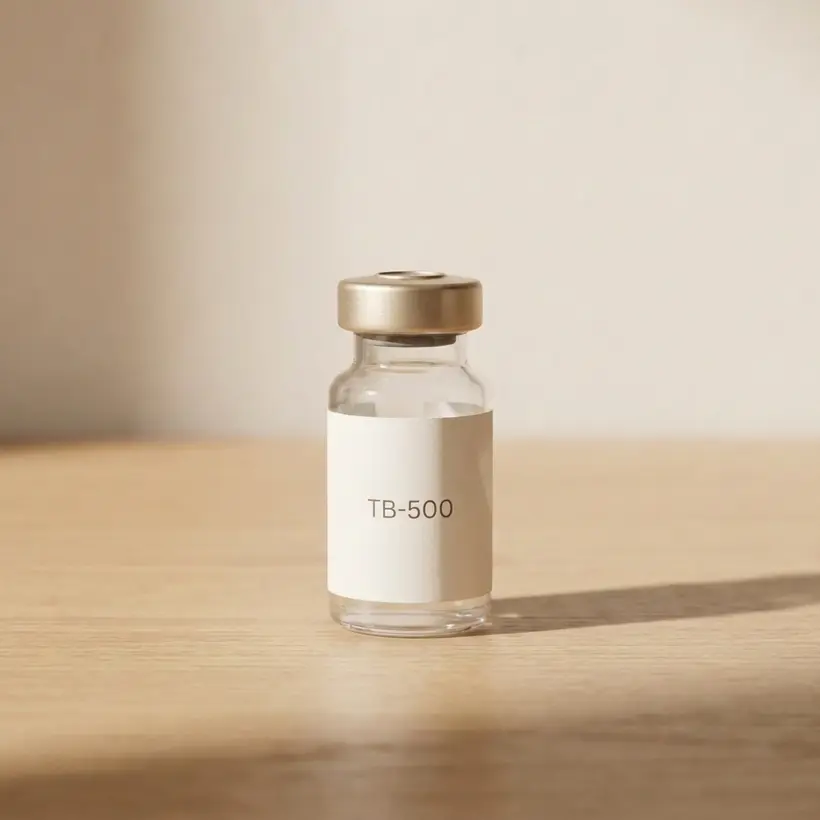
TB-500 (Thymosin Beta-4)
Universal repair peptide for tissue regeneration · From $49/mo · compounded by a licensed 503A pharmacy, dispensed only after provider review.
Learn about TB-500 (Thymosin Beta-4) →Key Benefits
- Reduced joint pain and stiffness
- Improved range of motion
- Support for cartilage preservation and repair
- Reduced synovial inflammation
- Beneficial for both acute joint injuries and chronic conditions like osteoarthritis
Systemic Anti-Inflammatory Effects
Chronic inflammation underlies many conditions beyond acute injuries, including delayed recovery, persistent pain, and tissue degeneration. TB-500 acts as a potent systemic anti-inflammatory agent, modulating the body's inflammatory response without completely suppressing it. This is important because some inflammation is necessary for healing. the goal is to regulate it, not eliminate it.
BPC-157 also modulates the nitric oxide system, which plays a central role in inflammation, blood flow regulation, and tissue protection. Together, these peptides provide anti-inflammatory benefits that extend well beyond the primary injury site.
Key Benefits
- Reduced whole-body inflammation markers
- Decreased chronic pain associated with inflammatory conditions
- Better regulated healing response (less excessive swelling and inflammation)
- Potential benefits for inflammatory bowel conditions and other systemic inflammatory issues
Gut Healing and Gastroprotection
BPC-157 was originally studied for its gut-healing properties, and this remains one of its most well-documented benefits. It's derived from a protein found in gastric juice and has shown remarkable healing effects on the gastrointestinal tract.
Key Benefits
- Healing of gastric and intestinal ulcers
- Protection against NSAID-induced gut damage
- Support for inflammatory bowel conditions (IBS, IBD)
- Repair of leaky gut (intestinal permeability)
- Reduced gut inflammation
TB-500 adds systemic anti-inflammatory support that complements BPC-157's localized gut healing. gut healing peptides
Wound Healing and Tissue Regeneration
Both peptides promote wound healing through overlapping but distinct mechanisms. BPC-157 accelerates wound closure by promoting granulation tissue formation and epithelial cell migration. TB-500 enhances the structural reorganization of healing tissue, improving the quality of the repair.
Key Benefits
- Faster surgical wound healing
- Improved post-surgical recovery
- Reduced scarring
- Better tissue quality in healed areas
Neuroprotective Effects
BPC-157 has demonstrated neuroprotective properties in preclinical research, supporting nerve regeneration and protecting neurons from damage caused by various toxic insults. It has shown benefits in models of peripheral nerve injury, traumatic brain injury, and dopaminergic neuron protection.
TB-500 supports neurological recovery through its anti-inflammatory and tissue-remodeling properties, which extend to neural tissue.
Key Benefits
- Support for peripheral nerve injury recovery
- Potential neuroprotective effects against neurotoxic damage
- Improved recovery from concussions or mild traumatic brain injuries (emerging area of research)
Cardiovascular Protection
BPC-157 has shown cardioprotective effects in animal studies, including protection against arrhythmias, heart failure, and blood pressure abnormalities. Its ability to modulate the nitric oxide system is central to these cardiovascular benefits, as nitric oxide is a key regulator of vascular tone and blood flow.
TB-500 contributes vascular benefits through its role in endothelial cell migration and blood vessel repair.
Key Benefits
- Support for healthy blood pressure regulation
- Vascular repair and endothelial health
- Cardioprotective effects in the context of tissue injury
Enhanced Recovery for Athletes
Athletes are among the most common users of this stack, and for good reason. The combination of accelerated tissue repair, reduced inflammation, faster muscle recovery, and joint support creates an ideal recovery environment for high-performance training. peptides for athletes
Key Benefits for Athletes
- Reduced downtime from training injuries
- Faster return to sport after acute injuries
- Better management of chronic overuse injuries
- Reduced DOMS and improved training frequency
- Support for joint health under heavy training loads
- Potential for improved overall training volume and consistency
The combined Advantage
The key reason to stack BPC-157 with TB-500 rather than using either alone is the complementary nature of their mechanisms.
| Mechanism | BPC-157 | TB-500 |
|---|---|---|
| Primary action | Localized tissue repair | Systemic recovery and cell migration |
| Blood vessel formation | Strong angiogenic effect | Supports endothelial repair |
| Anti-inflammatory | Via nitric oxide modulation | Systemic inflammatory regulation |
| Cell migration | Moderate | Strong (actin upregulation) |
| Connective tissue | Collagen synthesis, tendon repair | Tissue remodeling, reduced fibrosis |
| Gut healing | Strong | Supportive (anti-inflammatory) |
This complementary profile is why the stack is considered the gold standard for peptide-based recovery protocols.
Frequently Asked Questions
- What injuries does the BPC-157 + TB-500 stack help with?
-
This stack supports healing of many injuries including muscle strains and tears, tendonitis, ligament sprains, joint injuries, post-surgical recovery, and gut issues. It's used for both acute injuries and chronic conditions involving tissue damage or inflammation. recovery stack injury applications
- Is BPC-157 or TB-500 better on its own?
-
Both are effective individually, but the stack is superior because they work through complementary mechanisms. BPC-157 excels at localized repair and angiogenesis, while TB-500 provides systemic anti-inflammatory support and enhanced cell migration. Using both covers more healing pathways than either alone.
- Can this stack help with chronic conditions, not just acute injuries?
-
Yes. Many users report benefits for chronic conditions including osteoarthritis, chronic tendinopathy, inflammatory bowel conditions, and persistent overuse injuries. Chronic conditions may require longer treatment durations (multiple cycles) and should be managed in consultation with a healthcare provider.
- Are the benefits of this stack supported by human clinical trials?
-
Most of the published research on BPC-157 and TB-500 comes from animal (preclinical) studies, which have shown consistent and strong healing effects. Human clinical trials are limited but growing. Clinical use in peptide therapy practices has generated substantial anecdotal and observational evidence supporting the benefits described. More rigorous human trials are needed and ongoing.
- Can I use this stack alongside physical therapy?
-
Absolutely. The BPC-157 + TB-500 stack integrates well with physical therapy, and many practitioners consider the combination ideal. The peptides accelerate tissue repair while physical therapy provides the mechanical stimulus needed for proper tissue remodeling and functional recovery. peptides and physical therapy.
Ready when you are
TB-500 (Thymosin Beta-4)
Universal repair peptide for tissue regeneration · From $49/mo · compounded by a licensed 503A pharmacy, dispensed only after provider review.
Learn about TB-500 (Thymosin Beta-4) →