Key Takeaway
Find out if TB-500 can be taken orally. Learn why subcutaneous injection is the standard route and what happens to peptides when swallowed.
No, TB-500 can't be taken orally with any meaningful effect because your digestive system would break it down before it reaches your bloodstream. TB-500 is a peptide, which means it's a short chain of amino acids. When you swallow a peptide, the acids and enzymes in your stomach and intestines treat it like any other protein in food. They chop it apart into individual amino acids, destroying its therapeutic structure in the process . This is why TB-500 is administered through subcutaneous injection, which delivers the intact peptide directly into your body where it can do its work.
We understand that injections aren't everyone's favorite thing. At FormBlends, our clinical team walks every patient through the injection process and provides detailed instructions so it feels comfortable and routine. But knowing why oral administration doesn't work can help you feel more confident about the approach we prescribe.
Why Does the Digestive System Destroy TB-500?
Your gastrointestinal tract is designed to break down proteins into their building blocks. This is a critical function. It's how you absorb nutrients from the food you eat. Unfortunately, your stomach doesn't distinguish between a steak dinner and a therapeutic peptide. The hydrochloric acid in your stomach begins denaturing the peptide almost immediately, and proteolytic enzymes like pepsin continue the process.
Even if some fraction of TB-500 survived the stomach, the small intestine presents another barrier. Pancreatic enzymes further digest peptide chains, and the intestinal lining isn't well suited to absorbing large, intact peptide molecules. The bioavailability of orally administered peptides is typically less than 1 to 2 percent, which means virtually none of the active compound would reach your tissues.
This challenge isn't unique to TB-500. Most peptide therapies face the same limitation, which is why injectable delivery remains the gold standard for compounds like BPC-157, sermorelin, and growth hormone-releasing peptides.
How Is TB-500 Typically Administered?
The standard route for TB-500 is subcutaneous injection. This means a small needle is inserted just beneath the skin, usually in the fatty tissue of the abdomen, thigh, or upper arm. The peptide is absorbed into the bloodstream gradually from this depot site, giving your body steady access to the compound.
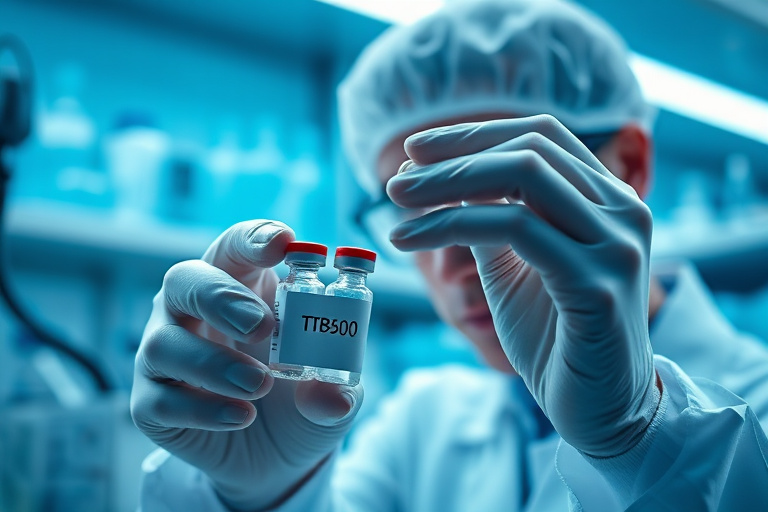
Subcutaneous injections are simple to perform at home. The needles used are very thin, typically 27 to 31 gauge, and the injection itself takes only a few seconds. Most patients report that the discomfort is minimal, similar to a light pinch. After a few sessions, the process becomes second nature.
Your prescribing physician at FormBlends will specify the injection site, dose, and frequency based on your individual treatment plan. Common protocols involve injections two to three times per week during an initial loading phase, followed by less frequent maintenance dosing.
Are There Oral Peptide Alternatives Being Developed?
Pharmaceutical research is actively exploring ways to deliver peptides orally. One major success story is oral semaglutide (brand name Rybelsus), a GLP-1 medication that uses a special absorption enhancer called SNAC to protect the peptide from stomach acid and boost absorption through the stomach lining . But even this approach results in relatively low bioavailability compared to injectable versions.
From the FormBlends catalog
TB-500 (Thymosin Beta-4)
Universal repair peptide for tissue regeneration · From $49/mo · compounded by a licensed 503A pharmacy, dispensed only after provider review.
Learn about TB-500 (Thymosin Beta-4) →For TB-500 specifically, no oral formulation has been developed or approved. The research on oral delivery systems for this particular peptide is still in very early stages. Liposomal encapsulation, enteric coatings, and nanoparticle carriers are all being studied as potential ways to protect peptides from digestion, but none of these technologies have been validated for TB-500 in clinical settings.
Until a reliable oral delivery method is developed, injection remains the only effective way to administer TB-500.
What About Sublingual or Nasal Delivery?
Some peptides can be absorbed through the mucous membranes under the tongue (sublingual) or inside the nose (intranasal). These routes bypass the digestive system, which is their main advantage. But they also have significant limitations.
Sublingual absorption works best for very small molecules. TB-500 has a molecular weight of approximately 4,921 daltons, which makes it relatively large for mucosal absorption . The absorption rate through sublingual tissue would likely be too low and too variable to produce consistent therapeutic results.
Intranasal delivery has shown promise for certain peptides, particularly those targeting the brain. But TB-500 is primarily used for tissue repair in muscles, tendons, and joints, so systemic delivery through injection is the more appropriate route.
Is Injecting TB-500 Difficult?
Not at all. Subcutaneous injections are among the simplest types of self-administered medical procedures. Millions of people inject medications at home every day, from insulin to blood thinners to fertility treatments. The technique for TB-500 is no different.
Here is a general overview of the process:
- Wash your hands thoroughly
- Clean the vial top with an alcohol swab
- Draw the prescribed amount into your syringe
- Clean the injection site with an alcohol swab
- Pinch a fold of skin and insert the needle at a 45-degree angle
- Inject slowly and withdraw the needle
- Dispose of the needle safely in a sharps container
Our team provides detailed instructions and is available to answer any questions that come up during your first few injections. Many patients tell us they were nervous before their first shot but quickly realized how easy and painless the process actually is.
What Should You Know Before Starting TB-500?
If you're considering TB-500 therapy, the most important step is working with a qualified medical provider who can evaluate whether this peptide is appropriate for your health goals. At FormBlends, our physicians review your medical history, current medications, and treatment objectives before prescribing any peptide therapy. This ensures that you receive a safe, personalized protocol with proper guidance on administration, storage, and dosing.
While oral TB-500 isn't an option today, the injectable form is well tolerated by most patients and offers a straightforward path to the recovery and wellness benefits this peptide is known for.
Ready when you are
TB-500 (Thymosin Beta-4)
Universal repair peptide for tissue regeneration · From $49/mo · compounded by a licensed 503A pharmacy, dispensed only after provider review.
Learn about TB-500 (Thymosin Beta-4) →