Key Takeaway
Cerebrolysin for inflammation, specifically neuroinflammation. How neurotrophic peptides address brain inflammation and cognitive decline.
Quick Answer: Cerebrolysin for inflammation is relevant specifically for neuroinflammation, not systemic inflammation. Cerebrolysin reduces brain inflammation by modulating microglial activation, decreasing pro-inflammatory cytokine production in neural tissue, and supporting neuronal survival against inflammatory damage. Clinical trials in stroke and TBI demonstrate its anti-neuroinflammatory effects. But for systemic inflammation (joint, gut, autoimmune), Cerebrolysin isn't effective. Compounds like BPC-157 for inflammation and KPV for inflammation address whole-body inflammatory conditions more effectively .
Cerebrolysin's Anti-Inflammatory Mechanisms (Brain-Specific)
- Microglial modulation: Microglia are the brain's immune cells. When overactivated, they produce damaging inflammation. Cerebrolysin shifts microglia from a pro-inflammatory (M1) to a protective (M2) phenotype
- Cytokine reduction: Decreases TNF-alpha, IL-1beta, and IL-6 production in brain tissue
- Neuroprotection: Protects neurons from inflammatory-mediated apoptosis (cell death)
- Blood-brain barrier support: Helps maintain BBB integrity, reducing infiltration of peripheral inflammatory cells into brain tissue
Neuroinflammation vs Systemic Inflammation
| Factor | Neuroinflammation | Systemic Inflammation |
|---|---|---|
| Location | Brain and CNS | Body-wide |
| Key cells | Microglia, astrocytes | Macrophages, neutrophils, T-cells |
| Cerebrolysin effective? | Yes | No |
| Better options for systemic | N/A | BPC-157, KPV, LL-37 |
Conditions with Neuroinflammation
- Post-stroke: Inflammation peaks 24-72 hours after stroke and can persist for weeks. Cerebrolysin addresses this directly
- Traumatic brain injury: Neuroinflammation after TBI contributes to secondary damage. Cerebrolysin limits this cascade
- Post-COVID brain fog: Viral-triggered neuroinflammation is a leading hypothesis for persistent cognitive symptoms
- Aging brain (inflammaging): Chronic low-grade neuroinflammation accelerates cognitive decline
- Neurodegenerative disease: Alzheimer's and Parkinson's both involve significant neuroinflammatory components
Frequently Asked Questions
Can Cerebrolysin help with joint or gut inflammation?
No. Cerebrolysin's anti-inflammatory effects are specific to brain tissue. For joint inflammation, consider Pentosan Polysulfate for joint pain or BPC-157 for joint pain. For gut inflammation, BPC-157 for gut health or KPV for gut health are appropriate choices.
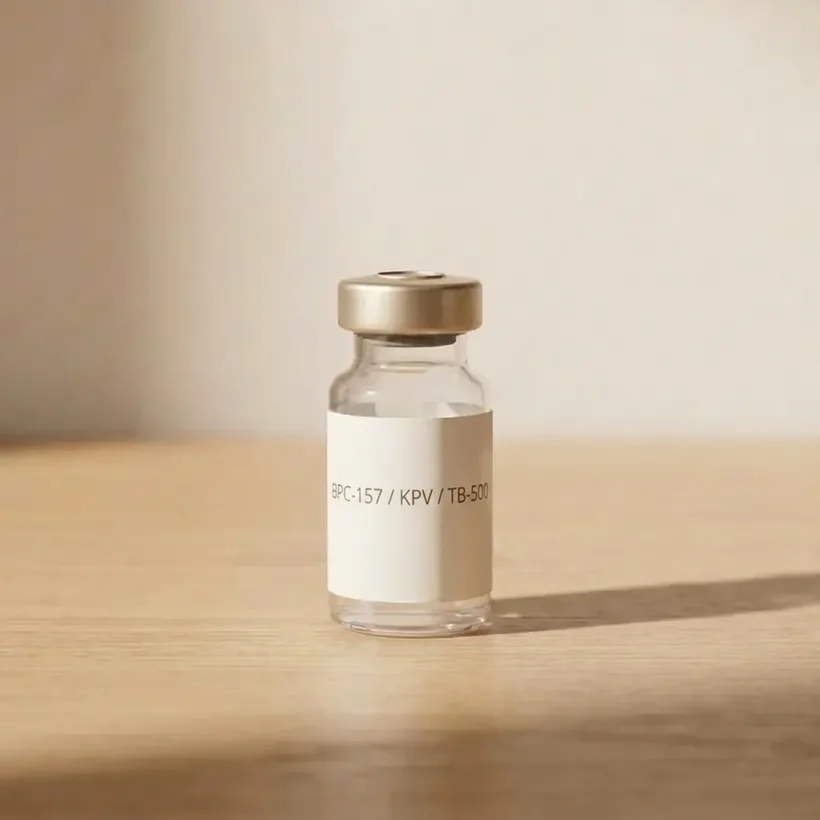
From the FormBlends catalog
BPC-157 / KPV / TB-500 Blend
Three-pathway recovery support in one peptide blend · From $279/mo · compounded by a licensed 503A pharmacy, dispensed only after provider review.
View BPC-157 / KPV / TB-500 Blend →
How long until neuroinflammation improves?
Cerebrolysin's anti-inflammatory effects begin within the first few days of treatment. Clinical improvement in symptoms related to neuroinflammation (brain fog, cognitive slowness, headaches) typically develops over 1-2 weeks of daily treatment.
Address Brain Inflammation
At FormBlends, our physicians identify inflammation sources and target them with the right compound for each tissue type.
Disclaimer: This article is for informational purposes only and doesn't constitute medical advice. Always consult with a licensed healthcare provider. Individual results may vary.
Ready when you are
BPC-157 / KPV / TB-500 Blend
Three-pathway recovery support in one peptide blend · From $279/mo · compounded by a licensed 503A pharmacy, dispensed only after provider review.
View BPC-157 / KPV / TB-500 Blend →