Key Takeaway
Your brain is the most complex organ in your body. This Cerebrolysin brain health resource covers the important information you need to make informed decisions. When it isn't working at its best, everything suffers.
Your brain is the most complex organ in your body. This Cerebrolysin brain health resource covers the important information you need to make informed decisions. When it isn't working at its best, everything suffers. From memory lapses to difficulty concentrating, cognitive decline affects your quality of life at every level. Cerebrolysin for brain health is one of the most researched neuropeptide preparations available, with over 200 clinical studies spanning several decades.
Key Takeaways: - Learn how cerebrolysin supports brain function - Clinical Research and Proven Applications - Who May Benefit from Cerebrolysin - Administration, Dosing, and Safety
Cerebrolysin isn't a single peptide. It's a mixture of low-molecular-weight neuropeptides and free amino acids derived from purified porcine (pig) brain proteins. This complex mixture mimics the action of naturally occurring neurotrophic factors. These are the proteins your brain uses to grow, repair, and protect neurons.
How Cerebrolysin Supports Brain Function
Cerebrolysin works through multiple mechanisms that collectively support brain health. This multi-target approach is part of what makes it unique among neuroprotective therapies.
The peptide mixture acts similarly to brain-derived neurotrophic factor (BDNF) and nerve growth factor (NGF). These neurotrophic factors promote the survival of existing neurons, encourage the growth of new neurons and synapses, and protect brain cells from damage caused by oxidative stress, inflammation, and excitotoxicity.
Research published in Drugs of Today demonstrated that Cerebrolysin can increase synaptic density and promote neuroplasticity. Neuroplasticity is your brain's ability to form new connections and reorganize itself. This capacity declines with age and is impaired in neurodegenerative conditions.
"The key to successful GLP-1 therapy is setting realistic expectations and supporting patients through the titration phase. The side effects are manageable for most people, but they need to know what to expect.") Dr. Caroline Apovian, MD, Harvard Medical School
A study in the Journal of Neural Transmission showed that Cerebrolysin reduced the production of amyloid precursor protein, which is involved in the formation of the amyloid plaques associated with cognitive decline. By potentially reducing plaque formation, Cerebrolysin may help protect against one of the key mechanisms of brain aging.
Cerebrolysin also appears to improve brain energy metabolism. It can enhance glucose use in neurons, which is critical because your brain consumes about 20% of your body's total energy despite being only 2% of your body weight.
Clinical Research and Proven Applications
Cerebrolysin has been extensively studied in clinical trials. It's registered and used as a medical treatment in over 45 countries, though it isn't FDA-approved in the United States.
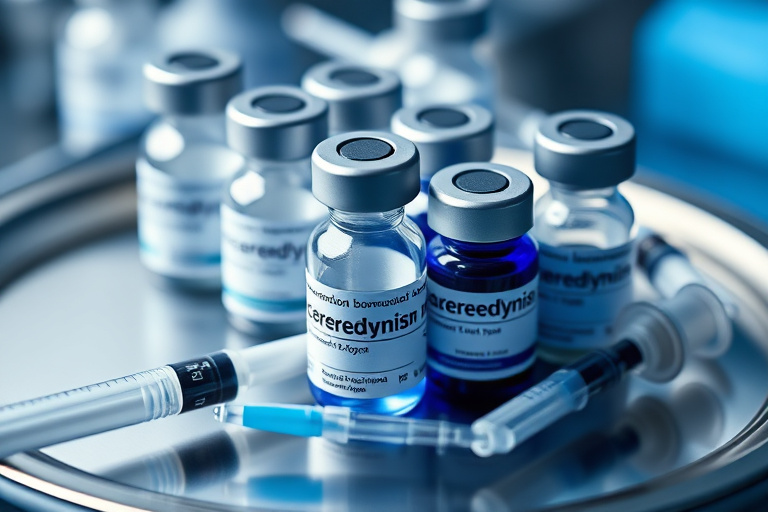
Multiple randomized controlled trials have evaluated Cerebrolysin for cognitive decline in elderly patients. A meta-analysis published in Dementia and Geriatric Cognitive Disorders pooled data from six clinical trials involving over 800 patients. The analysis found that Cerebrolysin produced significant improvements in global clinical functioning compared to placebo.
Stroke recovery is another major area of research. The CASTA trial, published in Stroke, studied 1,070 patients with acute ischemic stroke. Patients receiving Cerebrolysin showed improvements in neurological outcomes, particularly in the subgroup with more severe strokes.
Traumatic brain injury (TBI) research has also shown promising results. A study in Clinical Neuropharmacology found that TBI patients treated with Cerebrolysin showed improved cognitive function and faster recovery compared to controls.
For people interested in detailed brain health, combining neuroprotective strategies with may provide the best results.
Free Download: Protocol Planner Track your Cerebrolysin protocol, cognitive assessments, and provider notes in one organized document. Get yours free -- we'll email it to you instantly.
[Download Your Free Protocol Planner]
Who May Benefit from Cerebrolysin
Cerebrolysin may be relevant for several groups. As always, only a licensed provider can determine whether it's appropriate for your individual situation.
From the FormBlends catalog
Pinealon
Brain-specific tripeptide bioregulator for neuroprotection · From $34/mo · compounded by a licensed 503A pharmacy, dispensed only after provider review.
Learn about Pinealon →Adults experiencing age-related cognitive decline may benefit. If you have noticed changes in memory, processing speed, or mental clarity as you have gotten older, Cerebrolysin may help support your brain's repair and maintenance systems.
People recovering from stroke or traumatic brain injury have the most clinical evidence supporting Cerebrolysin use. The research suggests it may help accelerate recovery and improve long-term neurological outcomes when used alongside standard rehabilitation.
Individuals dealing with chronic brain fog from various causes may also find Cerebrolysin helpful. Whether brain fog stems from chronic stress, poor sleep, or other factors, supporting neurotrophic pathways could make a difference. If sleep quality is part of the issue, addressing that foundation first with proper may enhance results.
Athletes and high-performers looking to support brain health proactively may also consider Cerebrolysin. But the most solid evidence comes from clinical populations rather than healthy improvement.
Administration, Dosing, and Safety
Cerebrolysin is administered via intramuscular or intravenous injection. The route depends on the dose and clinical indication. Larger doses typically require IV administration.
In clinical trials, dosing has ranged from 10-30 mL per day for acute conditions like stroke to 5-10 mL per day for chronic cognitive support. Treatment courses typically last 10-20 days and may be repeated after a break. Your provider will determine the appropriate dose and duration for your needs.
The safety profile of Cerebrolysin is well-documented across decades of clinical use. Common side effects include dizziness, headache, and injection site reactions. These are generally mild and temporary. Serious adverse events have been rare in clinical trials.
Because Cerebrolysin requires injection and careful dosing, it's typically administered in a clinical setting or through a supervised home protocol. Your provider will guide you on the appropriate approach.
As with all peptide therapies, quality sourcing matters. Work with a provider who obtains Cerebrolysin from reputable manufacturers. Track your protocol and cognitive changes with the for data-driven improvement.
Frequently Asked Questions
Is Cerebrolysin FDA-approved?
Cerebrolysin isn't FDA-approved in the United States. It's registered and used as a medical treatment in over 45 countries worldwide. In the US, it may be available through licensed providers as a compounded medication or through certain clinical channels.
How long does a Cerebrolysin treatment course last?
Typical treatment courses run 10-20 days, with some protocols repeating the course after a 1-2 month break. The duration depends on your clinical indication. Your provider will design a protocol based on your specific needs and response.
Can Cerebrolysin improve memory?
Clinical trials have shown improvements in global cognitive function, including memory, in patients with age-related cognitive decline. Healthy individuals may experience more subtle benefits. Results vary and no outcome can be guaranteed.
What are the side effects of Cerebrolysin?
Common side effects include mild dizziness, headache, and injection site reactions. These effects are generally temporary. Serious adverse events are rare based on the extensive clinical trial data available.
Can Cerebrolysin be combined with other peptides?
Some providers include Cerebrolysin as part of a broader neuroprotective protocol. It may be used alongside other peptides like Selank or Semax for detailed brain health support. Any combination should be supervised by a licensed provider.
Your Personalized Plan Is Waiting
No two patients are the same, and your protocol shouldn't be either. FormBlends providers create customized treatment plans based on your health profile, goals, and preferences.
Sources &. References
- Pickart L, Vasquez-Soltero JM, Margolina A. GHK Peptide as a Natural Modulator of Multiple Cellular Pathways in Skin Regeneration. BioMed Res Int. 2015;2015:648108. Doi:10.1155/2015/648108
- Pickart L, Vasquez-Soltero JM, Margolina A. GHK and DNA: Resetting the Human Genome to Health. BioMed Res Int. 2014;2014:151479. Doi:10.1155/2014/151479
- Sikiric P, Hahm KB, Blagaic AB, et al. Stable Gastric Pentadecapeptide BPC 157, Robert's Cytoprotection, Adaptive Cytoprotection, and Therapeutic Effects. Curr Pharm Des. 2018;24(18):1990-2001. Doi:10.2174/1381612824666180515125918
- Chang CH, Tsai WC, Lin MS, et al. The promoting effect of pentadecapeptide BPC 157 on tendon healing involves tendon outgrowth, cell survival, and cell migration. J Appl Physiol. 2011;110(3):774-780. Doi:10.1152/japplphysiol.00945.2010
- Seiwerth S, Brcic L, Vuletic LB, et al. BPC 157 and blood vessels. Curr Pharm Des. 2014;20(7):1121-1125. Doi:10.2174/13816128113199990421
- Bock-Marquette I, Saxena A, White MD, et al. Thymosin beta4 activates integrin-linked kinase and promotes cardiac cell migration, survival and cardiac repair. Nature. 2004;432(7016):466-472. Doi:10.1038/nature03000
- Malinda KM, Sidhu GS, Mani H, et al. Thymosin beta4 accelerates wound healing. J Invest Dermatol. 1999;113(3):364-368. Doi:10.1046/j.1523-1747.1999.00708.x
This content is provided for informational and educational purposes only. It isn't a substitute for professional medical advice, diagnosis, or treatment. Always seek the advice of a licensed healthcare provider with any questions about a medical condition or treatment plan.
Last updated: 2026-03-24
Ready when you are
Pinealon
Brain-specific tripeptide bioregulator for neuroprotection · From $34/mo · compounded by a licensed 503A pharmacy, dispensed only after provider review.
Learn about Pinealon →