Key Takeaway
Can CJC-1295 help repair tendons? Learn how growth hormone improvement through this GHRH peptide supports collagen synthesis, tendon healing, and connective tissue recovery.
Quick Answer: CJC-1295 for tendon repair may be beneficial because growth hormone and IGF-1 are important drivers of collagen synthesis, the primary structural protein in tendons. Research shows that GH stimulates tenocyte (tendon cell) activity, promotes type I collagen production, and supports connective tissue remodeling. While CJC-1295 hasn't been studied specifically for tendon injuries, the GH-tendon connection is well-established in scientific literature.
What Is CJC-1295?
CJC-1295 is a synthetic peptide analog of growth hormone-releasing hormone (GHRH) that stimulates natural GH production from the pituitary gland. By working through the body's own hormonal pathways, it raises GH and IGF-1 levels while preserving the natural feedback mechanisms that prevent hormone excess.
The peptide is available with DAC (Drug Affinity Complex) for sustained release or without DAC (Mod GRF 1-29) for shorter-duration pulses. Both forms effectively improve GH and IGF-1, which are directly relevant to tendon biology and repair.
How Tendon Biology and Injury
Tendons are dense connective tissues that connect muscle to bone. They're composed primarily of type I collagen fibers arranged in parallel bundles, giving them the tensile strength needed to transmit muscular force. The cells within tendons (tenocytes) are responsible for producing and maintaining this collagen matrix.
Tendon injuries are notoriously slow to heal for several reasons:
- Low blood supply: Compared to muscle, tendons receive limited blood flow, which restricts the delivery of nutrients and healing factors.
- Low cellular density: Tendons contain fewer cells per unit volume than most tissues, meaning there are fewer repair workers available.
- Mechanical demands: Tendons are under near-constant mechanical stress, which can disrupt the healing process.
- Age-related decline: Collagen turnover in tendons slows with age, partly due to declining GH and IGF-1 levels.
This is precisely why growth hormone's effects on collagen synthesis and cellular activity are relevant. Tendon repair depends on the same biological processes that GH supports.
How Growth Hormone Supports Tendon Repair
Collagen Synthesis
Type I collagen is the structural backbone of tendons. GH and IGF-1 directly stimulate fibroblasts and tenocytes to produce more collagen. A landmark study published in the Journal of Physiology demonstrated that GH administration significantly increased collagen synthesis rates in human tendon and skeletal muscle.
From the FormBlends catalog
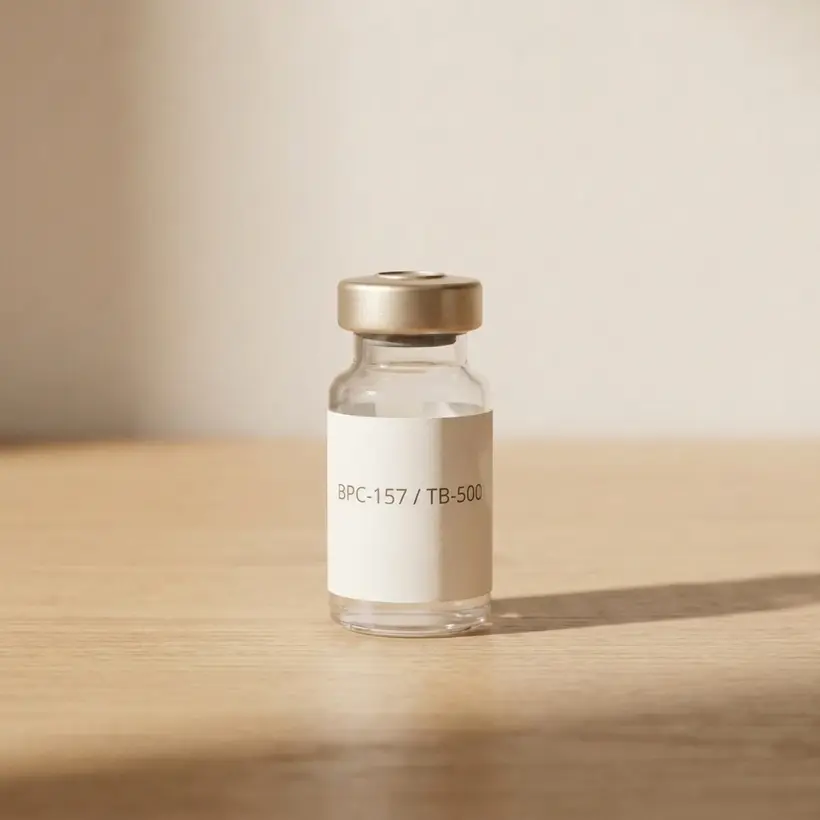
BPC-157 / TB-500 Blend
The ultimate recovery stack in one vial · From $249/mo · compounded by a licensed 503A pharmacy, dispensed only after provider review.
View BPC-157 / TB-500 Blend →This isn't a minor effect. The study showed that systemic GH supplementation produced measurable increases in tendon collagen synthesis, suggesting that GH improvement could meaningfully support the repair process.
IGF-1 and Tenocyte Activity
IGF-1 is the primary mediator of GH's effects on connective tissue. IGF-1 receptors are expressed on tenocytes, and IGF-1 signaling promotes tenocyte proliferation, migration to injury sites, and collagen production. In animal models of tendon injury, IGF-1 administration has improved healing outcomes, including better collagen organization and increased tensile strength of repaired tendons.
Extracellular Matrix Remodeling
Tendon repair isn't just about producing new collagen. The newly deposited collagen must be properly organized and cross-linked to restore mechanical strength. GH and IGF-1 support the matrix metalloproteinases (MMPs) and other enzymes involved in tissue remodeling, helping to create properly organized, functional tendon tissue rather than disorganized scar tissue.
Blood Supply Support
GH promotes angiogenesis and vascular health. For tendons, which already have limited blood supply, any improvement in local circulation can accelerate healing by delivering more nutrients, growth factors, and immune cells to the injury site.
Dosing and Administration
Standard CJC-1295 dosing for GH improvement, which may support tendon repair:
- CJC-1295 with DAC: 1 to 2 mg subcutaneously once or twice per week.
- CJC-1295 without DAC (Mod GRF 1-29): 100 to 300 mcg subcutaneously 1 to 3 times daily.
- Combined with ipamorelin: Frequently used together for combined GH release.
For tendon recovery, consistency is key. Tendon healing is a slow process (weeks to months), and sustained GH improvement over this period is more important than any single injection. Evening dosing supports overnight repair processes.
Nutritional support is also critical. Ensure adequate protein intake (particularly collagen-supporting amino acids like glycine, proline, and hydroxyproline) and vitamin C, which is important for collagen cross-linking. For complete dosing information, see our CJC-1295 dosage guide.
Benefits and Expected Results
Tendon healing is inherently slow, and CJC-1295 should be viewed as a support tool within a thorough recovery plan:
- Week 1 to 4: GH and IGF-1 levels begin to improve. The biological environment for tendon repair improves, though visible changes are unlikely this early.
- Month 1 to 2: Enhanced collagen synthesis may begin to accelerate the early phases of tendon repair. Patients sometimes report reduced pain or stiffness at the injury site.
- Month 2 to 4: More noticeable healing progress. Improved exercise tolerance and reduced discomfort during physical therapy or rehabilitation exercises.
- Month 4 to 6: Tendon remodeling phase. GH-supported collagen organization may lead to stronger repair tissue. Functional improvements become more apparent.
- Month 6 and beyond: Continued remodeling. Tendon healing can take 6 to 12 months for full maturation. Sustained GH improvement supports this entire process.
CJC-1295 should complement, not replace, standard tendon rehabilitation: rest, physical therapy, progressive loading, and any treatments recommended by your orthopedic provider.
Side Effects and Safety
CJC-1295 is well-tolerated at standard doses. Common side effects include:
- Injection site reactions
- Mild headache
- Facial flushing
- Temporary water retention
- Tingling in extremities
A specific consideration for tendon injuries: while GH supports healing, returning to activity too quickly because you "feel better" can risk re-injury. GH improvement may reduce pain and improve function before the tendon has fully healed. Follow your rehabilitation timeline and provider's guidance rather than symptoms alone.
Contraindications include active cancer, pregnancy, breastfeeding, and hypersensitivity. See our CJC-1295 side effects guide for complete safety information.
Who Is a Good Candidate?
CJC-1295 for tendon repair may be beneficial for:
- Adults recovering from tendon injuries (tendinitis, tendinosis, partial tears)
- Patients with chronic tendon problems that have been slow to respond to conventional treatment
- Athletes or active individuals who want to improve their tendon recovery environment
- Older adults whose age-related GH decline may be contributing to slower connective tissue repair
- Those preparing for or recovering from tendon surgery
Complete tendon ruptures require surgical evaluation and repair. CJC-1295 may support post-surgical healing but doesn't replace the need for surgery in cases of complete tears.
Frequently Asked Questions
How does CJC-1295 compare to BPC-157 for tendons?
BPC-157 has more direct, localized evidence for tendon healing in animal studies. CJC-1295 works systemically through GH and IGF-1 to support collagen synthesis and tissue repair. Many practitioners use both: BPC-157 for local tissue effects and CJC-1295 for systemic GH improvement. See our BPC-157 benefits guide for BPC-157 details.
Can CJC-1295 help with tendinitis?
Tendinitis (acute tendon inflammation) and tendinosis (chronic tendon degeneration) may both benefit from GH improvement. For tendinosis in particular, where the underlying problem is collagen degeneration, CJC-1295's collagen-stimulating effects are especially relevant. But proper rehabilitation and activity modification remain the cornerstones of treatment.
How long should I use CJC-1295 for tendon recovery?
Given the slow nature of tendon healing (typically 3 to 12 months depending on severity), sustained CJC-1295 use throughout the recovery period may provide the most benefit. Your physician can help determine the appropriate duration based on your specific injury and healing progress.
Can CJC-1295 prevent tendon injuries?
By supporting collagen synthesis and tendon health on an ongoing basis, GH improvement may help maintain stronger, more resilient tendons. This could theoretically reduce injury risk, though no study has directly tested CJC-1295 for tendon injury prevention.
Support Your Tendon Recovery with Physician-Guided Peptide Therapy
Tendon injuries take time, but the right support can make a difference. FormBlends connects you with licensed physicians who can evaluate whether CJC-1295 is appropriate for your recovery and create a personalized peptide protocol alongside your rehabilitation plan.
Disclaimer: This article is for informational purposes only and doesn't constitute medical advice. CJC-1295 isn't FDA-approved for tendon repair or any medical condition. The information presented is based on growth hormone and connective tissue research. Always consult with a licensed healthcare provider and your orthopedic specialist before beginning any peptide therapy for injury recovery. Individual results may vary. FormBlends doesn't claim that CJC-1295 cures, treats, or prevents any disease.
Ready when you are
BPC-157 / TB-500 Blend
The ultimate recovery stack in one vial · From $249/mo · compounded by a licensed 503A pharmacy, dispensed only after provider review.
View BPC-157 / TB-500 Blend →