Key Takeaway
Complete guide to TB-500 for tendon repair. Learn how this synthetic peptide supports tendon healing, proper dosing protocols, research findings, and safety considerations.
TB-500 for tendon repair has become one of the most researched peptide applications in regenerative medicine. We created this guide to walk you through the science, protocols, and practical considerations for using TB-500 to support tendon healing.
What Is TB-500?
TB-500 is a synthetic version of a naturally occurring peptide called Thymosin Beta-4 (TB4). Our bodies produce TB4 in nearly every cell, where it plays a central role in tissue repair, cell migration, and inflammation regulation. The synthetic form, TB-500, replicates the active region of this protein, specifically the 43-amino-acid sequence responsible for its healing properties.
Originally studied in the equine veterinary world for racehorse injuries, TB-500 has gained significant attention in human research for its potential to accelerate recovery from soft tissue injuries, particularly those involving tendons and ligaments.
How TB-500 Supports Tendon Repair
The Mechanism of Action
Tendons heal slowly because they have limited blood supply compared to muscles. TB-500 addresses this challenge through several pathways:
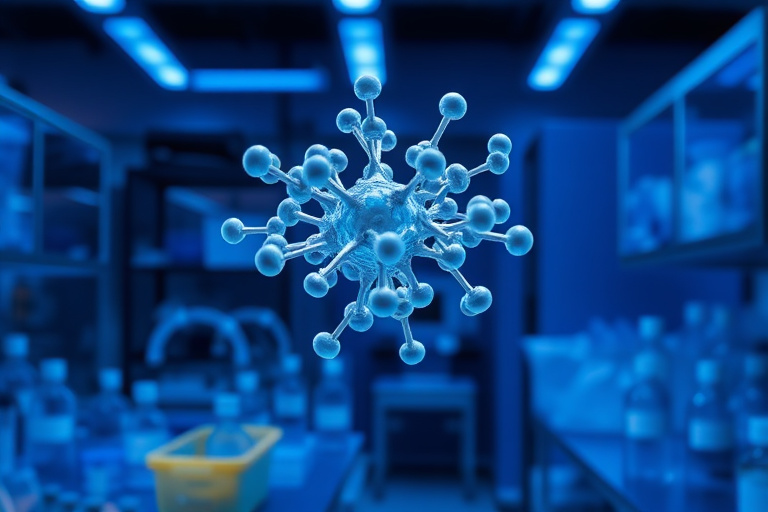
- Angiogenesis: TB-500 promotes the formation of new blood vessels in damaged tissue. For tendons, this increased vascularization means more oxygen and nutrients reach the injury site, which is critical since poor blood flow is the primary reason tendons heal so slowly.
- Cell migration: The peptide upregulates actin, a protein that forms the internal scaffolding of cells. By reorganizing actin, TB-500 helps repair cells move toward the injury site more efficiently.
- Anti-inflammatory action: TB-500 downregulates inflammatory cytokines at the injury site, reducing the chronic inflammation that often stalls tendon healing.
- Collagen deposition: Healthy tendons are primarily made of Type I collagen. Research suggests TB-500 supports organized collagen fiber formation rather than the disorganized scar tissue that typically forms during tendon repair.
Why Tendons Are Uniquely Suited to TB-500
Unlike muscle tissue, which has strong blood supply and regenerative capacity, tendons exist in a relatively avascular environment. The Achilles tendon, rotator cuff tendons, and patellar tendon are particularly vulnerable to chronic injury because of this limited blood flow. TB-500's ability to stimulate new blood vessel growth makes it especially relevant for these structures.
We have seen growing interest in TB-500 for conditions like tendinopathy, partial tears, and post-surgical tendon recovery. The peptide doesn't simply mask symptoms. Instead, it appears to address the underlying biological bottlenecks that slow tendon healing.
Research on TB-500 and Tendon Healing
Preclinical Studies
Animal studies have provided the strongest evidence for TB-500's tendon repair properties. In a rat Achilles tendon model, subjects treated with Thymosin Beta-4 showed significantly improved tensile strength and collagen organization compared to controls . The treated tendons also demonstrated reduced adhesion formation, which is a common complication of tendon healing that limits range of motion.
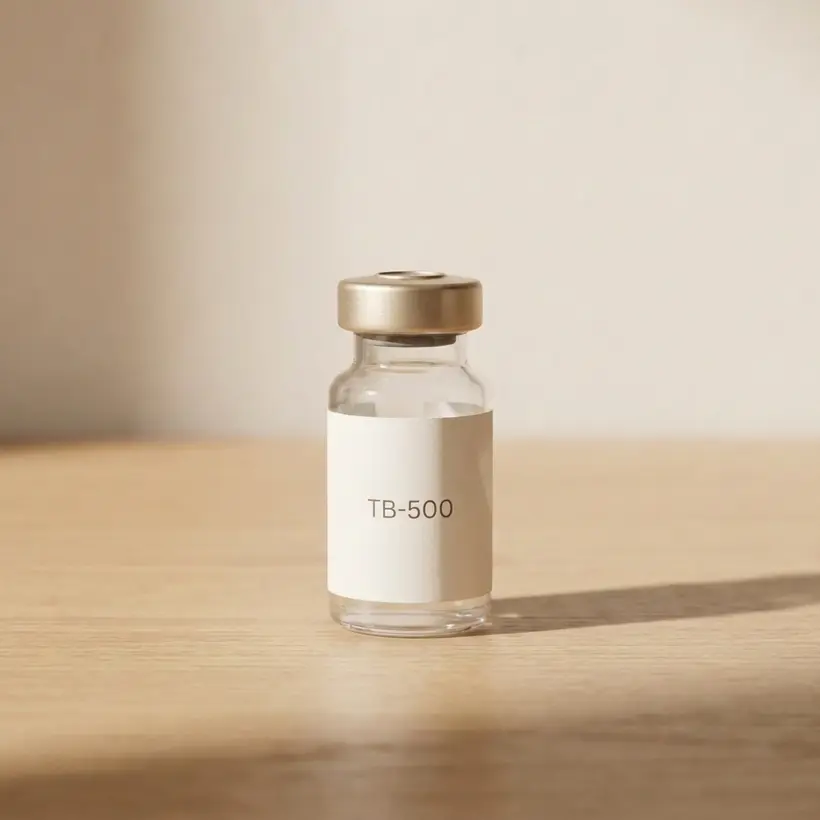
From the FormBlends catalog
TB-500 (Thymosin Beta-4)
Universal repair peptide for tissue regeneration · From $49/mo · compounded by a licensed 503A pharmacy, dispensed only after provider review.
Learn about TB-500 (Thymosin Beta-4) →A separate study examining flexor tendon repair in rats found that TB4 treatment resulted in faster functional recovery and improved biomechanical properties of the healed tendon . The researchers noted that the collagen fibers in the treated group were more parallel and organized, resembling healthy tendon architecture.
Equine Research
Some of the most compelling real-world data comes from veterinary medicine. TB-500 has been used extensively in racehorses for tendon and ligament injuries. Studies in horses with superficial digital flexor tendon injuries showed improved ultrasonographic appearance and faster return to training . While animal data doesn't translate directly to humans, the consistent findings across species are encouraging.
Human Research space
Human clinical trials specifically examining TB-500 for tendon repair remain limited. But Thymosin Beta-4 has been studied in human wound healing and corneal repair trials, demonstrating safety and efficacy in tissue regeneration . These studies support the biological plausibility of tendon repair applications, even though direct tendon-specific human trials are still needed.
Dosing Protocols for Tendon Repair
Loading Phase
Most protocols begin with a loading phase designed to build up tissue concentrations of the peptide:
- Dose: 2.0 to 2.5 mg administered twice per week
- Duration: 4 to 6 weeks
- Administration: Subcutaneous injection
Maintenance Phase
After the loading phase, many protocols transition to a lower maintenance dose:
- Dose: 2.0 to 2.5 mg administered once per week or every two weeks
- Duration: 4 to 8 additional weeks, depending on injury severity
Injection Site Considerations
TB-500 is systemically active, meaning it doesn't need to be injected directly at the injury site. Subcutaneous injections in the abdominal area or thigh are the most common approach. The peptide circulates throughout the body and concentrates at areas of injury and inflammation.
Comparison: TB-500 vs Other Tendon Repair Approaches
| Approach | Mechanism | Evidence Level | Timeline to Results | Invasiveness |
|---|---|---|---|---|
| TB-500 | Angiogenesis, cell migration, collagen organization | Preclinical + anecdotal | 4 to 12 weeks | Low (subcutaneous injection) |
| BPC-157 | Angiogenesis, nitric oxide modulation | Preclinical + anecdotal | 4 to 8 weeks | Low (subcutaneous or oral) |
| PRP (Platelet-Rich Plasma) | Growth factor concentration | Mixed clinical data | 6 to 12 weeks | Moderate (blood draw + injection) |
| Eccentric Exercise | Mechanical loading, collagen remodeling | Strong clinical evidence | 12 to 24 weeks | None |
| Surgical Repair | Direct structural repair | Strong clinical evidence | 6 to 12 months | High |
Combining TB-500 with BPC-157 for Tendon Repair
Many practitioners and researchers have explored combining TB-500 with BPC-157 for tendon injuries. The rationale is that these two peptides work through complementary mechanisms. TB-500 excels at promoting new blood vessel formation and cell migration, while BPC-157 modulates nitric oxide pathways and has demonstrated tendon-to-bone healing properties.
When used together, the combination may offer broader coverage of the biological processes involved in tendon repair. A typical combined protocol might include TB-500 at 2.0 mg twice weekly alongside BPC-157 at 250 to 500 mcg twice daily.
Side Effects and Safety Considerations
TB-500 has shown a favorable safety profile in the studies conducted to date. The most commonly reported side effects include:
- Mild injection site irritation (redness, slight swelling)
- Temporary lethargy or fatigue in the first few days
- Head rush or lightheadedness shortly after injection
- Mild nausea (uncommon)
One concern that surfaces in online discussions is whether TB-500 could promote cancer growth due to its role in cell proliferation and angiogenesis. Current research hasn't established a causal link between TB-500 and cancer initiation or progression . But most researchers recommend caution in individuals with active malignancies or a strong family history of cancer.
What to Expect: Recovery Timeline
Tendon injuries vary widely in severity, so individual results will differ. Based on available data and practitioner reports, here is a general timeline:
- Weeks 1 to 2: Reduction in localized pain and inflammation at the tendon injury site
- Weeks 3 to 4: Noticeable improvement in range of motion and functional capacity
- Weeks 5 to 8: Continued structural remodeling and strength gains in the healing tendon
- Weeks 8 to 12: For moderate to severe injuries, this is when more complete functional recovery typically becomes apparent
We always recommend combining TB-500 with appropriate physical therapy and progressive loading protocols. The peptide supports the biological healing process, but mechanical stimulus remains important for proper tendon remodeling.
Sourcing and Quality Considerations
Peptide quality varies significantly between suppliers. When sourcing TB-500, we recommend looking for:
- Third-party Certificate of Analysis (CoA) confirming purity above 98%
- HPLC and mass spectrometry testing verification
- Proper lyophilized (freeze-dried) form for stability
- Transparent manufacturing practices and batch testing
Low-quality peptides may contain impurities, degraded sequences, or incorrect concentrations, all of which can compromise results and safety. peptide sourcing guide
Frequently Asked Questions
How long does it take for TB-500 to repair a tendon?
Most users report noticeable improvement within 4 to 6 weeks, though full structural remodeling of a damaged tendon can take 8 to 12 weeks or longer. Chronic tendinopathies that have been present for months or years will generally require longer treatment periods than acute injuries.
Can TB-500 be injected directly into the tendon?
TB-500 is systemically active and doesn't require local injection at the tendon. Subcutaneous injection at standard sites (abdomen, thigh) allows the peptide to circulate and accumulate at sites of injury. Direct tendon injection isn't recommended due to the risk of further tissue damage.
Is TB-500 legal to purchase?
In many countries, TB-500 is available for purchase as a research chemical. It isn't approved by the FDA for human use. Regulatory status varies by jurisdiction, and competitive athletes should be aware that TB-500 is on the World Anti-Doping Agency (WADA) prohibited list . See our TB-500 legal status guide for more details.
Should I use TB-500 alone or combine it with BPC-157 for tendon repair?
Both peptides have demonstrated tendon repair properties through different mechanisms. Many practitioners favor the combination for more thorough healing support. If budget or preference limits you to one peptide, TB-500 may be the better choice for injuries where poor blood supply is the primary barrier to healing, while BPC-157 may be preferred for injuries involving the tendon-bone interface.
Can I use TB-500 after tendon surgery?
Some practitioners include TB-500 in post-surgical recovery protocols. But any peptide use after surgery should be discussed with the treating surgeon, as the anti-inflammatory effects could theoretically interact with the normal post-surgical healing cascade.
Medical References
- Goldstein AL, Hannappel E, Sosne G, Kleinman HK. Thymosin beta4: a multi-functional regenerative peptide. Basic properties and clinical applications. Expert Opin Biol Ther. 2012;12(1):37-51. [PubMed | DOI]
Key Points
TB-500 represents a promising tool in the regenerative medicine toolkit for tendon injuries. Its ability to promote blood vessel formation, accelerate cell migration, and support organized collagen deposition addresses the core challenges that make tendon healing so difficult. While human clinical trial data specifically for tendon repair is still emerging, the preclinical evidence and mechanistic rationale are compelling.
We recommend working with a qualified healthcare provider who understands peptide therapy to determine whether TB-500 is appropriate for your specific tendon condition. Combined with proper rehabilitation, TB-500 may help bridge the gap between what tendons can do on their own and what they need to fully recover.
Ready to learn more about peptide-based recovery protocols? Browse our complete peptide guide library or contact our team to discuss your specific situation.
Ready when you are
TB-500 (Thymosin Beta-4)
Universal repair peptide for tissue regeneration · From $49/mo · compounded by a licensed 503A pharmacy, dispensed only after provider review.
Learn about TB-500 (Thymosin Beta-4) →