All GLP-1 medications from licensed 503A compounding pharmacies Browse Products

NAD Buffered vs Unbuffered: What Actually Matters | FormBlends

NAD buffered vs unbuffered explained with real chemistry, evidence grades, and a head-to-head table. Know what to buy and why it matters for stability...

Medically Reviewed

Written by the FormBlends Medical Team. Reviewed against published pharmacokinetic literature and USP guidance. Every major claim in this article is graded by evidence type. No brand is paid to appear in any comparison table. This page is updated when new comparative data are published. · Reviewed by FormBlends Medical Content Team

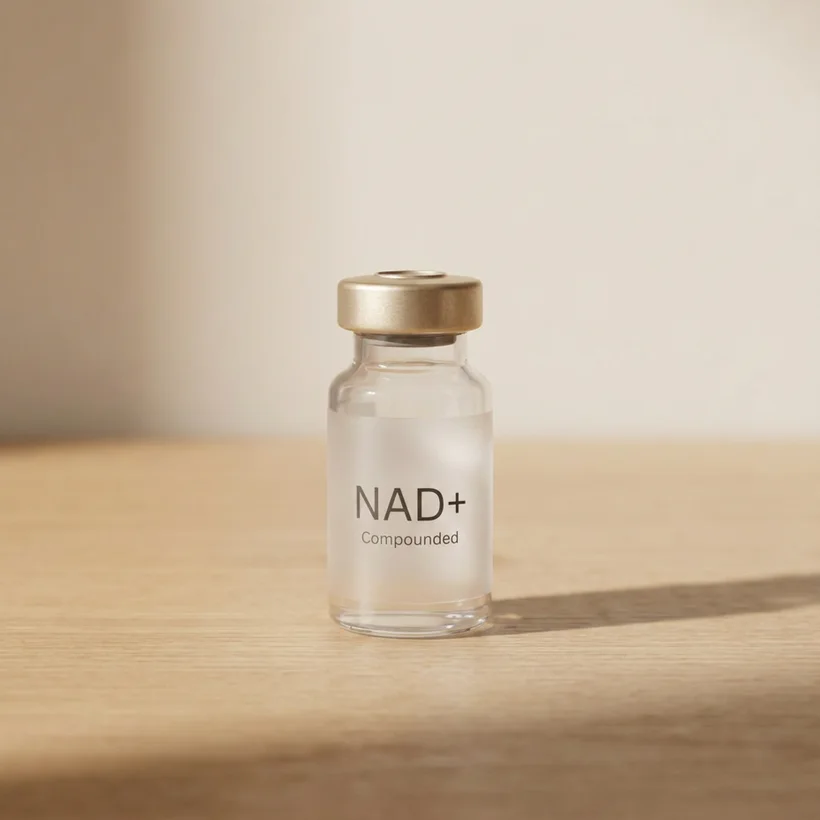
NAD Buffered vs Unbuffered: What Actually Matters | FormBlends custom 2026 header image for Peptide Therapy
Custom header image for NAD Buffered vs Unbuffered: What Actually Matters | FormBlends, Peptide Therapy, and better treatment decision-making.
In This Article

This article is part of our Peptide Therapy collection. See also: GLP-1 Guides | Provider Comparisons

Search and AI answer brief

Practical answer: NAD Buffered vs Unbuffered: What Actually Matters | FormBlends

NAD buffered vs unbuffered explained with real chemistry, evidence grades, and a head-to-head table. Know what to buy and why it matters for stability...

Short answer

NAD buffered vs unbuffered explained with real chemistry, evidence grades, and a head-to-head table. Know what to buy and why it matters for stability...

Search intent

This page answers a specific Peptide Therapy question rather than a generic overview.

What to verify

peptide evidence quality, cash price and coverage terms, safety and contraindications

How to use it

Use this information to prepare sharper questions for a licensed provider.

Abstract scientific illustration for compare nad buffered vs unbuffered

Trust Signals

Written by the FormBlends Medical Team. Reviewed against published pharmacokinetic literature and USP guidance. Every major claim in this article is graded by evidence type. No brand is paid to appear in any comparison table. This page is updated when new comparative data are published.

Key Takeaways

  • NAD+ undergoes acid-catalyzed hydrolysis at low pH, cleaving the glycosidic bond at the nicotinamide-ribose junction; buffering to near neutral pH slows this reaction during storage and in the stomach.
  • For intravenous administration, pH proximity to physiological 7.4 directly reduces venous pain and irritation, making buffering a practical clinical requirement, not just a marketing feature.
  • No published human RCT has compared buffered vs unbuffered oral NAD+ on bioavailability or GI side-effect rates; the tolerability rationale for buffering is pharmacological analogy, not direct trial evidence.
  • Temperature dominates NAD+ stability: dry powder degrades far less than any reconstituted solution regardless of pH, so storage conditions matter more than buffering for most oral supplement users.
  • Common buffering agents add secondary ions (sodium, magnesium, calcium) that are clinically relevant for specific patient populations and should appear on any compliant product label.

What Is the Real Difference Between NAD Buffered vs Unbuffered?

Buffered NAD formulations contain alkalizing agents, most often sodium bicarbonate or magnesium carbonate, that keep the product near neutral pH. Unbuffered forms are acidic in solution. For IV use, buffering is essential to reduce vein irritation. For oral use, the tolerability benefit is plausible but unproven in head-to-head trials. For both, cold dry storage matters more than buffering for potency.

The Chemistry: Why pH Destroys NAD+ Faster Than You Think

NAD+ (nicotinamide adenine dinucleotide) carries a positively charged quaternary nitrogen on the nicotinamide ring. This electrophilic site is attacked by water under acidic conditions in a reaction called N-glycosidic bond hydrolysis, yielding nicotinamide and ADP-ribose as breakdown products. The reaction rate accelerates substantially below pH 5, which is the approximate fasting gastric pH range in humans.

Check your GLP-1 eligibility

Use our free BMI Calculator to see if you may qualify for provider-reviewed GLP-1 therapy.

Try the BMI Calculator →

The product literature and published biochemistry confirm a stability optimum near neutral pH, roughly 6 to 7. Below that zone, acid catalysis dominates. Above pH 8 to 9, base-catalyzed degradation via different pathways (including attack on the adenine ring) becomes significant. This means a useful buffer does not just raise pH; it must hold it within a specific window.

In dry powder form, this chemistry is largely suppressed because water activity is very low. The practical implication: an unbuffered NAD+ powder sitting in a sealed container at room temperature will lose potency more slowly than any reconstituted solution. The buffered vs unbuffered question becomes most consequential when the compound is in solution, either reconstituted for injection or dissolved in a drink.

Evidence Ledger: What the Data Actually Support

Claim Best Evidence Type Effect Direction Confidence
NAD+ degrades faster at low pH in solution In vitro chemistry, biochemistry textbooks, multiple stability studies Clear: acidic pH accelerates hydrolysis High
Buffering to near-neutral pH reduces vein pain in IV NAD+ infusions Clinical observation, pharmacological mechanism, compounding pharmacy guidance; no RCT Favorable for buffered Moderate
Oral buffered NAD+ causes fewer GI side effects than unbuffered Mechanistic analogy (buffered aspirin literature), no direct NAD RCT Plausible but unconfirmed Low
Buffered oral NAD+ produces higher blood NAD+ levels than unbuffered No published comparative pharmacokinetic trial Unknown Very Low
IV NAD+ infusion raises whole-blood NAD+ levels in humans Small human trials (Birkmayer and colleagues; Grant et al. 2020 in Nutrients) Confirmed increase Moderate
Temperature matters more than pH for dry powder NAD+ stability Physical chemistry of low water-activity systems; manufacturer data Clear: temperature dominates for powder High
NMN and NR are more acid-stable orally than NAD+ Structural chemistry; human PK data for NMN (Irie et al. 2020) and NR (Trammell et al. 2016) Favorable for precursors over oral NAD+ High

Why Buffering Is Non-Negotiable for IV NAD+

Intravenous administration bypasses all of the stomach pH arguments entirely and moves the buffering question to a different, more urgent domain: vascular tolerability. Human venous endothelium is sensitive to pH deviations from physiological 7.35 to 7.45. Solutions with pH significantly below this range cause a burning, flushing, and pressure sensation that patients and clinicians describe consistently during NAD+ infusions.

This is not unique to NAD+. It is a well-established principle in IV pharmacology applied to many compounds. Compounding pharmacies preparing NAD+ for infusion are expected under USP standards to target physiological pH and to test the reconstituted solution before release. An unbuffered NAD+ solution reconstituted in sterile water will typically have a pH in the acidic range, which is suboptimal for IV use by this mechanism alone.

The practical upshot: if you are evaluating a compounded IV NAD+ product, the COA should include a pH measurement. A product without one has not been fully characterized for this route of administration.

Oral Buffered vs Unbuffered: Tolerability and Absorption

The tolerability argument for buffered oral NAD+ is borrowed from aspirin pharmacology. Buffered aspirin formulations were developed specifically to reduce gastric mucosal irritation by neutralizing the acidic load at the stomach wall. The chemistry is analogous: an acid delivered to the gastric epithelium causes more local irritation than a neutralized salt form.

However, the oral bioavailability of NAD+ itself is a separate, more complicated question. Research by Trammell and colleagues (2016, Nature Communications) demonstrated that orally consumed NAD+ is largely broken down in the gut before absorption, with nicotinamide being the primary circulating metabolite rather than intact NAD+. If the dominant fate of oral NAD+ is enzymatic breakdown rather than intact absorption, the degree to which acid hydrolysis in the stomach reduces bioavailability compared to enzymatic hydrolysis in the intestine is unclear.

This is the honest caveat that most product pages skip: buffering may improve tolerability, but it does not obviously improve the bioavailability of intact NAD+ when enzymatic breakdown is the rate-limiting step regardless of formulation.

What Most Pages Get Wrong About Buffered NAD

Most commodity articles present buffering as a straightforward upgrade, implying buffered equals more bioavailable and gentler. There are three things they consistently omit.

First, over-buffering is a real risk. Pushing pH above 8 with excess alkalizing agent does not continue improving stability; it triggers a different set of degradation reactions. Base-catalyzed hydrolysis of the adenine-ribose bond and ring-opening reactions become relevant above pH 9. A poorly formulated buffered product can be more degraded than an unbuffered one if the pH target was missed high.

Second, buffering agents are not inert. Sodium bicarbonate adds sodium. A 500 mg dose of NAD+ in a heavily buffered formulation might contain 100 to 200 mg of sodium bicarbonate as excipient, contributing roughly 27 to 55 mg of elemental sodium per dose. For patients on sodium-restricted diets, this is not trivial across multiple daily doses.

Third, the stability benefit of buffering for oral powder is almost irrelevant in practice because dry powder is already in a low water-activity environment where pH-dependent hydrolysis is negligible. The buffer matters when the powder is dissolved. If the product is a capsule consumed immediately, the buffering agent acts in the stomach, not during shelf storage. Companies marketing buffered capsules as having better shelf stability are conflating two separate mechanisms.

Honest Head-to-Head: Buffered NAD vs Alternatives

Form Oral Bioavailability GI Tolerability Stability Evidence Base Practical Advantage Where It Loses
Buffered oral NAD+ Low to moderate; mostly absorbed as nicotinamide Plausibly better than unbuffered Moderate; better in solution than unbuffered Low (no direct RCT) Reduced GI discomfort at high doses No PK superiority proven; adds secondary ions
Unbuffered oral NAD+ Low to moderate; same metabolic fate Higher nausea reports at doses above 500 mg Lower in solution Low (same evidence gap) Lower excipient load, simpler COA More GI complaints at high doses; faster solution degradation
NMN (oral) Higher; absorbed intact via Slc12a8 transporter Generally well tolerated Good; more acid-stable than NAD+ Moderate (Irie et al. 2020; Yoshino et al. 2021) Cleaner absorption pathway; precursor efficiency More expensive; no head-to-head clinical outcomes vs NAD+
NR (oral) Good; intact absorption, raises blood NAD+ reliably Well tolerated Good as dry powder Moderate to high (Trammell et al. 2016; Martens et al. 2018) Largest oral precursor evidence base Loses efficacy advantage at very high doses relative to NMN
IV NAD+ (buffered) 100% (IV definition) Acceptable when properly buffered; painful when not Must be used promptly after reconstitution Moderate (small human trials) Maximum systemic delivery; bypasses gut Requires clinical setting; costly; no RCT superiority over oral precursors for most endpoints

Which Buffers Are Actually Used and What They Add

Understanding what is in the buffering system helps you evaluate a product label and COA independently.

Sodium bicarbonate is the most common choice. It reacts with acid in the stomach (or in solution) to produce carbon dioxide, water, and a sodium salt. It is inexpensive, well-characterized, and generally regarded as safe. The relevant concern is sodium contribution per dose, particularly in multi-dose protocols.

Magnesium carbonate reacts similarly and adds elemental magnesium. This is sometimes marketed as a secondary benefit, since magnesium deficiency is common and NAD+ metabolism involves numerous magnesium-dependent enzymatic steps. The concern is that magnesium carbonate in sufficient quantities acts as an osmotic laxative. At the doses typically used as a buffer excipient, this is unlikely to be clinically significant, but it is additive with dietary magnesium.

Calcium carbonate is used in some tablet formulations. It is the least soluble of the three, meaning its buffering action is slower and more sustained. It contributes calcium intake, relevant to patients already supplementing calcium or managing kidney stone risk.

Phosphate buffers appear in some compounded injectable forms. Sodium phosphate dibasic and monobasic in combination create a buffer with excellent capacity near pH 7.4, which is why they are standard in many IV pharmaceutical formulations. For oral use, phosphate content is rarely a concern at typical excipient quantities.

How to Read a COA and Product Label for NAD

A certificate of analysis for a NAD+ product should contain the following to be considered adequate for clinical or research use.

Identity test. Look for HPLC confirmation or UV absorbance spectrum. NAD+ has a characteristic UV absorption maximum near 260 nm. A product tested only by appearance and color is not adequately characterized.

Purity. Research-grade NAD+ should be 98% or higher by HPLC. Below 95% suggests either poor source material or degradation. Ask when the COA was generated relative to your batch lot number; a COA dated 18 months prior may not reflect the current product.

pH of reconstituted solution. For any product intended for injection or IV infusion, the COA must state pH of the prepared solution. Acceptable range for IV use is approximately 6.0 to 8.0, with optimal near 7.0 to 7.4. No pH listed on a COA for an injectable product is a red flag.

Endotoxin testing. For injectable forms, USP guidance requires endotoxin below 0.25 EU/mL for intrathecal routes and below 5 EU/kg/hour for IV infusion. Any compounded IV NAD+ without an endotoxin result on the COA should not be used parenterally.

Heavy metals panel. Particularly relevant for NAD+ sourced from fermentation or enzymatic synthesis, where process contaminants can include arsenic, lead, or cadmium.

Buffer system disclosure. The product label or specification sheet should name the buffering agent and its quantity. If only "excipients" or "other ingredients: sodium bicarbonate" appears with no quantity, you cannot calculate your sodium or mineral load per dose.

Label red flag: Any NAD+ product marketed for IV use that does not provide a pH measurement and endotoxin result on its COA does not meet minimum standards for injectable compounded preparations. Do not use it parenterally.

Stability Rules: Temperature vs pH, Ranked by Importance

For practical purchasing and storage decisions, the hierarchy of NAD+ stability factors runs as follows.

1. Physical state (dry vs dissolved) is the most important variable. Dry powder has very low water activity, which suppresses both acid and base catalyzed hydrolysis almost completely at ordinary temperatures. Any reconstituted solution, buffered or not, degrades faster than dry powder.

2. Temperature is the dominant variable in solution. NAD+ in solution at room temperature loses meaningful potency over days. Refrigerated solutions are more stable; frozen solutions maintain potency longer still. If you receive reconstituted NAD+ for IV infusion, it should be used the same day.

3. pH is the secondary variable in solution, with a stability optimum near pH 7 and rapid degradation at both acidic and strongly alkaline extremes. This is where buffering earns its value in solution-phase products.

4. Light exposure can accelerate NAD+ degradation via photooxidation of the nicotinamide ring. Amber vials and light-protected packaging are appropriate for both powder and solution storage.

The practical implication for oral supplement users: storing your unbuffered NAD+ capsules in a cool, dry, dark place will protect potency more effectively than switching to a buffered capsule stored in a warm bathroom cabinet.

FAQ

What does "buffered" mean in a NAD supplement?

Buffered NAD formulations contain alkalizing agents, most commonly sodium bicarbonate, magnesium carbonate, or calcium carbonate, that raise the pH of the product to roughly 6.5 to 7.5. This reduces the acidic load delivered to the stomach lining and slows proton-catalyzed hydrolysis of the nicotinamide-ribose bond during storage in solution.

Is buffered NAD+ more stable than unbuffered?

In solution, yes. At low pH, NAD+ undergoes faster acid-catalyzed hydrolysis, cleaving the glycosidic bond between nicotinamide and ribose. Buffered powder held near neutral pH in solution degrades more slowly than an unbuffered equivalent. However, both forms degrade significantly at elevated temperatures regardless of pH, so cold dry storage matters more than buffering for shelf-stable powders.

Does buffered NAD cause fewer side effects than unbuffered?

The main GI side effects of oral NAD+, including nausea and stomach discomfort, are plausibly reduced by buffering because the alkalizing agents neutralize local acidity at the gastric mucosa. This is a pharmacological rationale supported by analogy to buffered aspirin data, but no head-to-head randomized controlled trial has been published specifically on buffered vs unbuffered NAD+ GI tolerability.

What buffers are actually used in commercial NAD products?

The most common buffering agents are sodium bicarbonate, magnesium carbonate, and calcium carbonate. Some formulations use a phosphate buffer system. The choice affects more than pH: magnesium carbonate adds a small amount of elemental magnesium per dose, and sodium bicarbonate adds sodium, which matters for people managing sodium intake.

Does buffering affect how much NAD+ is absorbed?

There is no published human pharmacokinetic trial directly comparing buffered vs unbuffered oral NAD+ absorption. Buffering may protect more intact NAD+ from acid hydrolysis in the stomach, but research by Trammell and colleagues (2016) showed that oral NAD+ is largely broken down by intestinal enzymes before absorption in any case, suggesting buffering has a limited effect on total NAD+ metabolite delivery.

Can I make my own buffered NAD solution?

Technically possible with sodium bicarbonate and a calibrated pH meter, but without pharmaceutical-grade equipment and quality testing you cannot reliably control the final pH. Over-buffering above pH 8 to 9 accelerates base-catalyzed degradation. This is not recommended outside a licensed compounding pharmacy setting.

How does buffered NAD compare to NMN or NR as an oral supplement?

NMN and NR are more acid-stable oral precursors to NAD+ that are absorbed intact via specific transporters, giving them a clearer bioavailability advantage over oral NAD+ regardless of buffering. The buffered vs unbuffered distinction is most relevant for IV or subcutaneous NAD+ formulations and for oral powders used at high doses where GI discomfort is a practical concern.

What should I look for on a COA for a NAD product?

Look for: identity confirmation by HPLC or UV absorbance at 260 nm, purity above 98% for research-grade material, a heavy metal panel, endotoxin testing for injectable forms (below 0.25 EU/mL per USP for intrathecal or below 5 EU/kg/hr for IV), and a pH measurement for reconstituted solutions. A COA that only lists appearance and weight is insufficient for any parenteral application.

Is buffered NAD better for IV infusion?

Yes, for practical clinical reasons. A solution with pH significantly below 7.4 causes venous irritation and burning pain at the infusion site, which is a consistent patient complaint with rapid NAD+ IV infusions. Buffering to physiological pH reduces this irritation. Compounding pharmacies producing NAD+ for IV use should buffer to near physiological pH and document it on the COA.

Does temperature or pH matter more for NAD+ stability?

Temperature is the dominant factor. NAD+ in solution degrades meaningfully at room temperature over days. pH is the secondary factor, with the stability optimum near pH 7. Dry powder is substantially more stable than any solution form. Keep powder sealed, refrigerated or frozen, and avoid reconstituting until use regardless of whether the formulation is buffered.

Are there risks specific to buffered NAD formulations?

The buffering agents themselves carry minor risks. Sodium bicarbonate adds sodium load relevant to hypertensive patients. Calcium carbonate in high amounts contributes to total calcium intake. Magnesium carbonate in large doses can cause loose stools. These are additive risks on top of, not instead of, the underlying NAD+ compound considerations.

Sources

  1. Trammell SA, Schmidt MS, Weidemann BJ, et al. Nicotinamide riboside is uniquely and orally bioavailable in mice and humans. Nature Communications. 2016;7:12948. (Oral NAD+ metabolism and nicotinamide as primary circulating metabolite.)
  2. Irie J, Inagaki E, Fujita M, et al. Effect of oral administration of nicotinamide mononucleotide on clinical parameters and nicotinamide metabolite levels in healthy Japanese men. Endocrine Journal. 2020;67(2):153-160. (NMN human pharmacokinetics.)
  3. Yoshino M, Yoshino J, Kayser BD, et al. Nicotinamide mononucleotide increases muscle insulin sensitivity in prediabetic women. Science. 2021;372(6547):1224-1229. (NMN clinical trial data.)
  4. Martens CR, Denman BA, Mazzo MR, et al. Chronic nicotinamide riboside supplementation is well-tolerated and elevates NAD+ in healthy middle-aged and older adults. Nature Communications. 2018;9:1286. (NR tolerability and blood NAD+ elevation.)
  5. Grant R, Berg J, Bhatt D, et al. Bioavailability of intravenous and oral nicotinamide adenine dinucleotide (NAD): a randomized, open-label, crossover study in healthy volunteers. Nutrients. 2020;12(6):1640. (Human IV NAD+ pharmacokinetics.)
  6. United States Pharmacopeia. USP 797: Pharmaceutical Compounding, Sterile Preparations. Standards for pH, endotoxin, and sterility in compounded sterile products. USP-NF. (Applicable standards for compounded IV NAD+.)
  7. Zhu XH, Lu M, Lee BY, et al. In vivo NAD assay reveals the intracellular NAD contents and redox state in healthy human brain and their age dependences. Proceedings of the National Academy of Sciences. 2015;112(9):2876-2881. (NAD+ quantification methodology, mechanistic background.)
  8. Belenky P, Bogan KL, Brenner C. NAD+ metabolism in health and disease. Trends in Biochemical Sciences. 2007;32(1):12-19. (Structural chemistry of NAD+ and hydrolysis pathways.)
  9. Lippincott's Illustrated Reviews: Biochemistry. NAD+ stability and pH-dependent degradation mechanisms. (General biochemistry reference for glycosidic bond hydrolysis.)
  10. Camacho-Pereira J, Tarrago MG, Chini CCS, et al. CD38 dictates age-related NAD decline and mitochondrial dysfunction through an SIRT3-dependent mechanism. Cell Metabolism. 2016;23(6):1127-1139. (Contextual NAD+ biology.)

Research Snapshot

Head-to-head comparison

Entities covered

Page type
Head-to-head comparison
FormBlends review
Last reviewed
2026-05-30
FormBlends review
FormBlends official source
Official source
Before you buy
Confirm current pricing, medication availability, pharmacy sourcing, and cancellation terms directly with the provider.
Check before ordering

Provider pricing, medication availability, pharmacy partners, insurance support, and cancellation rules can change quickly. This snapshot is designed to make verification easier, not to replace checking the official source before making a medical or purchase decision. Last page review: 2026-05-30.

Evidence standard

How this page was source-checked

Editorial policy

FormBlends does not claim an individual clinician byline unless a named reviewer is available. For this page, the editorial team checks medical and regulatory claims against primary sources, clinical trials, public datasets, and regulator guidance.

PubMed evidence trail

Research sources used to frame this page

For NAD Buffered vs Unbuffered: What Actually Matters | FormBlends, FormBlends checks the page topic against primary trials, systematic reviews, guidelines, and current PubMed-indexed literature where available. These citations are context, not a claim that every study applies to every patient.

Comparison decision path

Use this comparison to narrow the provider review question

Direct answer

NAD Buffered vs Unbuffered: What Actually Matters should help you decide which option deserves a clinical review, not force a one-size answer.

Evidence check

A strong comparison should connect mechanism, evidence strength, safety, access, and cost instead of only naming a winner.

Safety check

The right choice can change based on history, medication interactions, side effects, budget, and availability.

Next step

After comparing, use the get-started flow to route your goals and health history into the right prescription review path.

Original tools and data

Use the FormBlends research stack

These assets are built to be useful beyond a single article: shareable data pages, calculators, provider comparisons, and safety checks that give Google and readers something original to crawl.

Editorial refresh

Practical 2026 note for NAD Buffered vs Unbuffered

For this peptide therapy page, the 2026 refresh focuses on cash-pay pricing, safety signals, compare, nad, buffered, unbuffered so the article stays close to the question behind "NAD Buffered vs Unbuffered".

The useful details are the practical ones: what to verify, what changes risk or cost, and which details separate NAD Buffered vs Unbuffered from nearby GLP-1, peptide, hormone, or provider-comparison searches.

Readers can use the added context to bring sharper questions to a licensed provider before making a treatment, cost, or care decision.

NAD Buffered vs Unbuffered custom 2026 image for peptide therapy on FormBlends

Custom 2026 image for NAD Buffered vs Unbuffered, peptide therapy, and better treatment decision-making.

Image description: Unique image for this page covering NAD Buffered vs Unbuffered, peptide therapy, safety, cost, provider selection, and patient decision-making.

Download the Peptide Quick Reference Card

A printable 2-page reference covering popular peptides, dosing ranges, stacking protocols, and storage.

Free download. We'll also send helpful GLP-1 guides to your inbox. Unsubscribe anytime.

Medical Disclaimer: This content is for informational purposes only and does not constitute medical advice. Always consult a qualified healthcare provider before starting, stopping, or changing any medication or treatment. FormBlends articles are source-checked against medical and regulatory references, but they are not a substitute for a personal medical consultation.

Written by the FormBlends Medical Team. Reviewed against published pharmacokinetic literature and USP guidance. Every major claim in this article is graded by evidence type. No brand is paid to appear in any comparison table. This page is updated when new comparative data are published.

Medical content team. This article was researched against primary regulatory, trial, prescribing, and manufacturer sources where available. Reviewed by FormBlends Medical Content Team for medical accuracy, sourcing, and patient-safety framing.

Ready to get started?

Provider-reviewed GLP-1 and peptide therapy, delivered to your door.

Start Your Consultation

Ready to Start Your Weight Loss Journey?

Get a free medical consultation with a licensed provider. Compounded GLP-1 medications starting at $299/month with free shipping.

Next Best Reads

Free Tools

Provider-informed calculators to support your weight loss journey.