All GLP-1 medications from licensed 503A compounding pharmacies Browse Products

How To Cycle Mots-C?

Learn how to cycle MOTS-c properly, including recommended on/off schedules, dosing protocols, and why cycling matters for long-term peptide therapy...

By Dr. Lisa Patel, PharmD, BCPS|Reviewed by Dr. David Kim, MD, FACE||

Medically Reviewed

Written by Dr. Lisa Patel, PharmD, BCPS · Reviewed by Dr. David Kim, MD, FACE

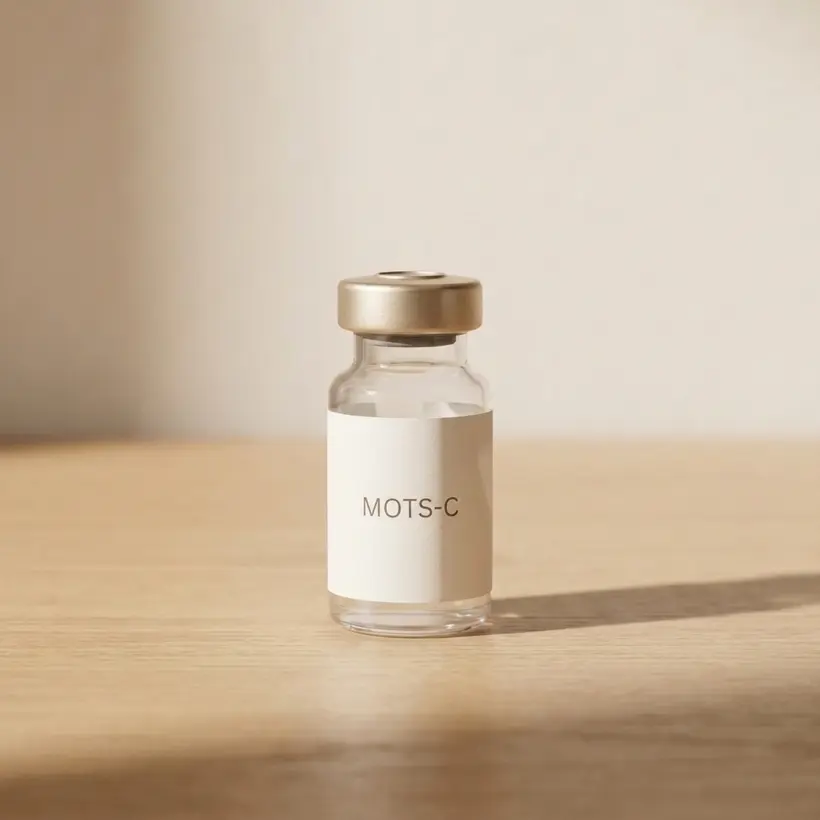
How To Cycle Mots-C? custom 2026 header image for Peptide Therapy
Custom header image for How To Cycle Mots-C?, Peptide Therapy, and better treatment decision-making.
In This Article

This article is part of our Peptide Therapy collection. See also: GLP-1 Guides | Provider Comparisons

Search and AI answer brief

Practical answer: How To Cycle Mots-C?

Learn how to cycle MOTS-c properly, including recommended on/off schedules, dosing protocols, and why cycling matters for long-term peptide therapy...

Short answer

Learn how to cycle MOTS-c properly, including recommended on/off schedules, dosing protocols, and why cycling matters for long-term peptide therapy...

Search intent

This page answers a specific Peptide Therapy question rather than a generic overview.

What to verify

peptide evidence quality, safety and contraindications

How to use it

Use this information to prepare sharper questions for a licensed provider.

Key Takeaway

Learn how to cycle MOTS-c properly, including recommended on/off schedules, dosing protocols, and why cycling matters for long-term peptide therapy results.

· Peptide Q&A

To cycle MOTS-c, most protocols follow a pattern of four to six weeks on followed by two to four weeks off. This allows your body to benefit from the peptide's metabolic effects while giving mitochondrial signaling pathways time to reset. Your provider should tailor the exact schedule to your goals and health profile.

MOTS-c is a mitochondrial-derived peptide that supports insulin sensitivity, glucose metabolism, and cellular energy production. Cycling helps maintain its effectiveness over time and reduces the chance of receptor desensitization.

Why Cycling MOTS-c Matters

Continuous, uninterrupted use of any signaling peptide can lead to diminished returns. Your cells may downregulate the receptors or pathways that MOTS-c activates, meaning the same dose produces a weaker response over time. Cycling creates periodic breaks that allow those pathways to recover and respond fully when you resume.

Cycling also provides a natural checkpoint to assess how you feel without the peptide. If your energy, body composition, and metabolic markers hold steady during off periods, it may indicate that MOTS-c has produced lasting benefits worth consolidating.

Common MOTS-c Cycling Protocols

While there's no single universally agreed-upon cycle for MOTS-c, several patterns are widely used in clinical and wellness settings:

Popular Therapeutic Peptides by Use Case Clinical Interest Score 0 22 44 66 88 88 82 78 75 70 BPC-157 TB-500 Sermorelin Ipamorelin GHK-Cu Based on published peptide research literature
Popular Therapeutic Peptides by Use Case. Based on published peptide research literature.
View data table
Bar chart showing popular therapeutic peptides by use case: BPC-157 (88), TB-500 (82), Sermorelin (78), Ipamorelin (75), GHK-Cu (70)
CategoryClinical Interest ScoreDetail
BPC-15788Tissue repair and gut healing
TB-50082Injury recovery
Sermorelin78Growth hormone support
Ipamorelin75Anti-aging and recovery
GHK-Cu70Skin and tissue repair
Illustration for How To Cycle Mots-C?

Standard Cycle

  • On phase: 4 weeks
  • Off phase: 2 weeks
  • Frequency: Repeat for 3 to 4 total cycles, then reassess with your provider

Extended Cycle

  • On phase: 6 weeks
  • Off phase: 4 weeks
  • Best for: Individuals targeting longer-term metabolic support or body composition goals

Maintenance Cycle

  • On phase: 2 to 3 weeks
  • Off phase: 4 weeks
  • Best for: Those who have completed initial cycles and want periodic metabolic boosts

Dosing During a Cycle

Typical MOTS-c dosing ranges from 5 mg to 10 mg administered subcutaneously, anywhere from daily to three times per week. Many providers recommend starting at the lower end during the first week, then increasing to the target dose for the remainder of the on phase. Contact provider for current pricing
Check your GLP-1 eligibility

Use our free BMI Calculator to see if you may qualify for provider-reviewed GLP-1 therapy.

Try the BMI Calculator →

During the off phase, no MOTS-c should be taken. Some providers suggest supporting your off cycle with lifestyle measures like consistent exercise, adequate sleep, and a balanced diet to maintain metabolic gains.

Signs You Need to Adjust Your Cycle

Pay attention to these signals that your cycling protocol may need modification:

  • Diminishing benefits toward the end of an on phase, suggesting the cycle is too long
  • Side effects increasing rather than decreasing over time
  • Rapid loss of benefits during off phases, which may mean the off period is too long or lifestyle factors need attention
  • No noticeable difference between on and off phases after multiple cycles

Peptide dosing guide

Frequently Asked Questions

Can I take MOTS-c continuously without cycling?

It isn't recommended. Continuous use may lead to reduced effectiveness as your body adapts to the peptide. Cycling preserves the responsiveness of metabolic pathways and allows your provider to monitor results at regular intervals.

What should I do during the off cycle?

Focus on the fundamentals: regular exercise, quality sleep, a nutrient-dense diet, and stress management. These habits help maintain the metabolic improvements gained during the on phase. Some providers may also recommend other supportive supplements during off periods.

How many MOTS-c cycles can I do in a year?

Using a standard 4-weeks-on, 2-weeks-off schedule, you could complete roughly six cycles per year. But your provider should evaluate lab work and your overall response before committing to that many consecutive cycles.

Can I stack MOTS-c with other peptides during a cycle?

Some providers do combine MOTS-c with other peptides like BPC-157 or CJC-1295, depending on your goals. Each peptide should follow its own cycling protocol. Discuss any stacking plans with your provider to avoid overlapping side effects or interactions. peptide stacking guide

Will I lose my results when I stop cycling MOTS-c?

Not necessarily. Many of the metabolic benefits, such as improved insulin sensitivity and mitochondrial function, can persist after discontinuation if supported by healthy lifestyle habits. The degree of sustained benefit varies from person to person.

This article is for informational purposes only and doesn't constitute medical advice. Consult a qualified healthcare provider before starting any peptide therapy.

Mots-c peptide guide · peptide cycling protocols

Evidence standard

How this page was source-checked

Editorial policy

FormBlends does not claim an individual clinician byline unless a named reviewer is available. For this page, the editorial team checks medical and regulatory claims against primary sources, clinical trials, public datasets, and regulator guidance.

PubMed evidence trail

Research sources used to frame this page

For How To Cycle Mots-C?, FormBlends checks the page topic against primary trials, systematic reviews, guidelines, and current PubMed-indexed literature where available. These citations are context, not a claim that every study applies to every patient.

Peptide decision path

Move from research interest to supervised review

Direct answer

How To Cycle Mots-C? should be evaluated through research status, legal access, source quality, safety context, and clinician oversight rather than a shortcut purchase decision.

Evidence check

Useful peptide pages should separate human data, animal research, mechanistic evidence, and marketing claims.

Safety check

Peptides can vary by legal status, compounding pathway, purity testing, patient history, and interaction risk.

Next step

If the topic still fits your goal after reading, the get-started flow should collect the clinical context needed for provider review.

FormBlends Editorial Context

Reviewed May 14, 2026

Learn how to cycle MOTS-c properly, including recommended on/off schedules, dosing protocols, and why cycling matters for long-term peptide therapy results. For "How To Cycle Mots-C?", the useful question is not just what the page says, but what a reader should confirm afterward. The page is oriented around patient education and clinical context and the specifics of dosing. Because this article has 5 major sections, scan the headings first and then use the FAQ or summary sections to pressure-test the answer. That makes it a planning aid, not a replacement for medical advice.

  • Confirm whether the page is discussing an FDA-approved use, a compounded option, or research-only context.
  • Ask a licensed clinician how the evidence applies to your health history, medications, labs, and side-effect risk.
  • Check the latest label, trial update, pharmacy policy, or state rule when the article touches medication access.

Original tools and data

Use the FormBlends research stack

These assets are built to be useful beyond a single article: shareable data pages, calculators, provider comparisons, and safety checks that give Google and readers something original to crawl.

Editorial refresh

Practical 2026 note for How To Cycle Mots

How To Cycle Mots now carries extra 2026 context around BPC-157, cash-pay pricing, safety signals, how, cycle, mots, because those are the subtopics readers tend to compare before they trust a medical or wellness recommendation.

Instead of adding filler, this page keeps the named treatment terms, practical verification points, and next-step questions close to how to cycle mots c.

Readers should use the section to check current eligibility, pharmacy or provider policies, and safety questions with a licensed professional before acting.

How To Cycle Mots custom 2026 image for peptide therapy on FormBlends

Custom 2026 image for How To Cycle Mots, peptide therapy, and better treatment decision-making.

Image description: Unique image for this page covering How To Cycle Mots, peptide therapy, safety, cost, provider selection, and patient decision-making.

Download the Peptide Quick Reference Card

A printable 2-page reference covering popular peptides, dosing ranges, stacking protocols, and storage.

Free download. We'll also send helpful GLP-1 guides to your inbox. Unsubscribe anytime.

Medical Disclaimer: This content is for informational purposes only and does not constitute medical advice. Always consult a qualified healthcare provider before starting, stopping, or changing any medication or treatment. FormBlends articles are source-checked against medical and regulatory references, but they are not a substitute for a personal medical consultation.

Written by Dr. Lisa Patel, PharmD, BCPS

Board-Certified Pharmacist. This article was researched against primary regulatory, trial, prescribing, and manufacturer sources where available. Reviewed by Dr. David Kim, MD, FACE for medical accuracy, sourcing, and patient-safety framing.

Ready to get started?

Provider-reviewed GLP-1 and peptide therapy, delivered to your door.

Start Your Consultation

Ready to Start Your Weight Loss Journey?

Get a free medical consultation with a licensed provider. Compounded GLP-1 medications starting at $299/month with free shipping.

Next Best Reads

Free Tools

Provider-informed calculators to support your weight loss journey.