Key Takeaway
Learn how to store TB-500 properly to maintain potency. Our guide covers refrigeration, reconstitution calculator storage, freezing, and shelf life for TB-500 peptide therapy.
TB-500 should be stored in a refrigerator at 36 to 46 degrees Fahrenheit (2 to 8 degrees Celsius) once reconstituted, and can be kept at room temperature in its lyophilized (freeze-dried) powder form before mixing. Proper storage is one of the most important steps in maintaining the effectiveness of your peptide therapy. If TB-500 is stored incorrectly, it can degrade quickly, which means you may not get the full benefit of your treatment. At FormBlends, we want every patient to get the most from their prescribed therapy, so here is a complete guide to storing TB-500 the right way.
TB-500 is a synthetic version of thymosin beta-4, a naturally occurring peptide in the human body that plays a role in tissue repair and recovery . Like most peptides, it's sensitive to heat, light, and moisture. Knowing how to handle and store it correctly will help preserve its molecular integrity throughout your treatment cycle.
How Should You Store Unreconstituted TB-500?
Before you mix TB-500 with bacteriostatic water, the peptide comes as a lyophilized powder. In this form, it's relatively stable. You can store it at room temperature for short periods, but for long-term storage, refrigeration is best. If you don't plan to use the peptide within a few weeks of receiving it, placing the sealed vial in the refrigerator will help maintain potency for several months .
For even longer storage, some patients freeze their unreconstituted TB-500. Freezing can extend the shelf life to a year or more, but you should only freeze the powder form. Never freeze and thaw the peptide repeatedly, as this can damage the molecular structure. Keep the vial in a sealed container to protect it from moisture, and store it away from direct light.
How Do You Store TB-500 After Reconstitution?
Once you have mixed TB-500 with bacteriostatic water, the peptide becomes much more sensitive to environmental conditions. Reconstituted TB-500 must be refrigerated immediately. Place the vial upright in the refrigerator, and avoid storing it in the door where temperature fluctuates every time the fridge opens.

After reconstitution, TB-500 typically remains stable for about 3 to 4 weeks when stored properly in the refrigerator . Using bacteriostatic water rather than sterile water is important here because the benzyl alcohol in bacteriostatic water helps prevent bacterial growth in the solution. If you used plain sterile water, you would need to use the entire vial within a much shorter window, often just a few days.
Always inspect the solution before each use. It should be clear and colorless. If you notice any cloudiness, particles, or discoloration, don't use the peptide. Dispose of it and reach out to our team for a replacement.
Does Light Affect TB-500?
Yes, exposure to light can break down peptides over time. This is true for TB-500 as well. While brief exposure during preparation isn't a concern, you should avoid leaving your vial sitting out on a counter or near a window. When you store the vial in the refrigerator, keeping it in the box it came in or wrapping it in aluminum foil adds an extra layer of protection against light degradation.
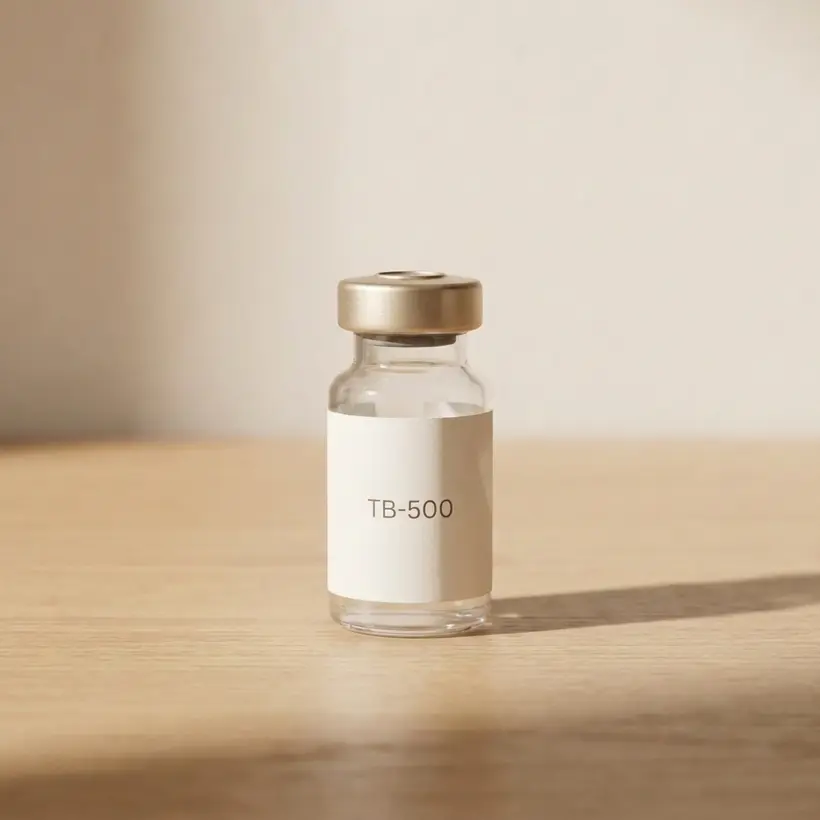
From the FormBlends catalog
TB-500 (Thymosin Beta-4)
Universal repair peptide for tissue regeneration · From $49/mo · compounded by a licensed 503A pharmacy, dispensed only after provider review.
Learn about TB-500 (Thymosin Beta-4) →Some patients purchase amber-tinted vials or storage containers specifically designed for light-sensitive compounds. This is a reasonable precaution, though not strictly necessary if you're already keeping the vial in a dark refrigerator.
Can You Freeze Reconstituted TB-500?
We generally recommend against freezing reconstituted TB-500. Freezing and thawing a liquid peptide solution can cause the protein to denature, meaning it loses its shape and therefore its effectiveness . While some peptides tolerate a single freeze-thaw cycle reasonably well, the safest practice is to only reconstitute the amount you plan to use within a 3 to 4 week period.
If you have extra unreconstituted vials, keep those in the freezer and only mix them when you're ready to begin using them. This gives you the longest possible shelf life while maintaining peptide quality.
What Happens If TB-500 Is Not Stored Correctly?
When TB-500 is exposed to heat, moisture, or light for extended periods, the peptide bonds begin to break down. This process is called degradation, and it reduces the amount of active peptide in your vial. In practical terms, degraded TB-500 may simply not work as well. You might notice that the benefits you experienced early in your peptide therapy cycle start to fade, even though you're still administering the same dose.
In rare cases, improperly stored peptides could harbor bacterial contamination, particularly if bacteriostatic water was not used or if the vial was handled without proper sterile technique. Signs of contamination include cloudiness, floating particles, or an unusual smell. If you notice any of these, stop using the vial immediately and contact your prescribing physician.
How Long Does TB-500 Last?
Here is a quick reference for TB-500 shelf life under different conditions:
- Lyophilized powder at room temperature: up to 90 days
- Lyophilized powder in the refrigerator: up to 6 months
- Lyophilized powder in the freezer: up to 12 months or longer
- Reconstituted with bacteriostatic water, refrigerated: 3 to 4 weeks
- Reconstituted with sterile water, refrigerated: 3 to 5 days
These timeframes are general guidelines . Your specific product may come with manufacturer recommendations that differ slightly. Always follow the guidance provided with your prescription.
Medical References
- Goldstein AL, Hannappel E, Sosne G, Kleinman HK. Thymosin beta4: a multi-functional regenerative peptide. Basic properties and clinical applications. Expert Opin Biol Ther. 2012;12(1):37-51. [PubMed | DOI]
What Supplies Do You Need for Proper Storage?
To store TB-500 correctly, you'll need a few basic items. A reliable refrigerator set between 36 and 46 degrees Fahrenheit is important. You should also have bacteriostatic water on hand for reconstitution, along with alcohol swabs to sanitize vial tops before drawing solution. Keeping your vials in a small, dedicated container inside the fridge helps protect them from accidental bumps and keeps them organized.
Our team at FormBlends provides guidance on storage and handling with every peptide prescription. If you have questions about your specific treatment protocol, we're always available to help you get the best possible results from your therapy.
Ready when you are
TB-500 (Thymosin Beta-4)
Universal repair peptide for tissue regeneration · From $49/mo · compounded by a licensed 503A pharmacy, dispensed only after provider review.
Learn about TB-500 (Thymosin Beta-4) →