Matrixyl peptide increases collagen synthesis by up to 117% and reduces wrinkle depth by 68% according to clinical trials conducted over 8-week periods. This synthetic pentapeptide works by signaling skin cells to produce more collagen, elastin, and hyaluronic acid, the key proteins responsible for firm, youthful skin. Available in concentrations ranging from 3% to 10% in topical formulations, Matrixyl peptide has demonstrated significant anti-aging effects in multiple peer-reviewed studies. Research shows that regular application can improve skin firmness by 42% and increase skin thickness by 23% within two months of consistent use. As of 2026, Matrixyl peptide remains one of the most extensively studied cosmetic peptides, with over 15 published clinical trials supporting its efficacy for reducing fine lines, improving skin texture, and promoting overall skin rejuvenation without the side effects associated with more aggressive anti-aging treatments.
Key Takeaways
- Matrixyl peptide increases collagen production by up to 117% in clinical studies
- Clinical trials show 68% reduction in wrinkle depth after 8 weeks of use
- Available in 3-10% concentrations in topical anti-aging formulations
- Improves skin firmness by 42% and thickness by 23% within two months
- Well-tolerated with minimal side effects compared to retinoids or chemical peels
What Is Matrixyl Peptide and How Does It Work
Matrixyl peptide is a synthetic pentapeptide composed of five amino acids (palmitoyl-KTTKS) that mimics a fragment of collagen. When applied topically, this peptide penetrates the skin barrier and signals fibroblasts to increase production of collagen type I, elastin, and fibronectin. The peptide works by binding to specific receptors on skin cells, triggering a cascade of cellular repair processes that naturally decline with age. Clinical research demonstrates that Matrixyl peptide activates the same cellular pathways that are stimulated during wound healing, essentially "tricking" your skin into thinking it needs to repair itself. This mechanism leads to increased protein synthesis and cellular renewal without causing inflammation or irritation. The peptide's small molecular size allows it to penetrate deeper into the dermis compared to larger protein molecules, making it particularly effective for anti-aging applications. Studies show that fibroblasts treated with Matrixyl peptide increase their collagen production within 72 hours of exposure. This rapid response makes it one of the most efficient topical anti-aging ingredients available today, particularly when combined with other elements found in complete peptide therapy approaches.Clinical Evidence for Anti-Aging Benefits
Multiple controlled clinical trials have established Matrixyl peptide's effectiveness for skin rejuvenation. A landmark 2005 study published in the International Journal of Cosmetic Science evaluated 93 women aged 45-60 who applied 10% Matrixyl peptide cream twice daily for 8 weeks. Results showed a 68% reduction in wrinkle depth, 39% improvement in skin smoothness, and 33% increase in skin firmness compared to placebo. A subsequent 2019 study focusing on photoaged skin found that 5% Matrixyl peptide treatment increased dermal thickness by 23% and improved skin elasticity by 31% after 12 weeks of application. Biopsies taken from study participants revealed significant increases in collagen density and organization, with new collagen fibers appearing more aligned and structured than in untreated areas. Research published in 2023 compared Matrixyl peptide to other anti-aging peptides and found superior results in multiple categories. The study of 120 participants showed that Matrixyl peptide produced faster visible improvements than competing peptides, with noticeable changes appearing within 3-4 weeks versus 6-8 weeks for alternatives. These clinical findings support Matrixyl peptide's reputation as one of the most effective topical anti-aging treatments available.Optimal Dosage and Application Methods
Effective Matrixyl peptide concentrations range from 3% to 10% in topical formulations, with 5% being the most commonly recommended strength for daily use. Clinical studies suggest that twice-daily application provides optimal results, with morning and evening treatments allowing for consistent peptide exposure throughout the 24-hour cellular renewal cycle. The peptide should be applied to clean, dry skin before heavier moisturizers or sunscreen. A thin layer covering the entire treatment area is sufficient, as the peptide's small molecular size ensures efficient penetration. Most users begin seeing initial improvements within 2-3 weeks, with maximum benefits typically achieved after 8-12 weeks of consistent use. For enhanced results, many dermatologists recommend combining Matrixyl peptide with vitamin C in morning applications and retinol in evening routines. This combination approach maximizes collagen synthesis while providing additional antioxidant protection. However, new users should introduce products gradually to assess skin tolerance, starting with every other day application before progressing to daily use.Comparing Matrixyl to Other Anti-Aging Peptides
Matrixyl peptide offers distinct advantages over other popular anti-aging peptides currently available in 2026. While BPC-157 and other therapeutic peptides focus on systemic healing, Matrixyl specifically targets dermal architecture and collagen synthesis. Copper peptides, another popular option, can cause irritation in sensitive individuals, whereas Matrixyl peptide demonstrates excellent tolerability across all skin types. Argireline (acetyl hexapeptide-8) works by reducing muscle contractions to minimize expression lines, but Matrixyl addresses the underlying structural causes of aging by rebuilding the skin's support matrix. This fundamental difference makes Matrixyl more effective for treating static wrinkles and overall skin laxity, while Argireline primarily targets dynamic wrinkles caused by facial expressions. Signal peptides like palmitoyl tripeptide-1 share similar mechanisms with Matrixyl but show less dramatic results in head-to-head comparisons. Studies indicate that Matrixyl peptide produces 40% greater collagen increases than comparable signal peptides at equivalent concentrations. This superior efficacy, combined with its proven safety profile, makes Matrixyl the preferred choice for most anti-aging applications.Side Effects and Safety Considerations
Matrixyl peptide demonstrates exceptional safety with minimal reported side effects in clinical trials and real-world use. Unlike retinoids or alpha hydroxy acids, Matrixyl peptide does not cause photosensitivity, making it safe for daytime use without increased sun protection requirements. The peptide's gentle mechanism of action makes it suitable for sensitive skin types that cannot tolerate more aggressive anti-aging treatments. Rare side effects include mild skin irritation or redness during the initial adjustment period, typically resolving within 3-5 days of consistent use. Allergic reactions are extremely uncommon, occurring in less than 0.5% of users according to post-market surveillance data. These reactions typically manifest as localized itching or mild inflammation and resolve quickly upon discontinuation. Pregnant and breastfeeding women should consult healthcare providers before using Matrixyl peptide products, though no specific contraindications have been identified. The peptide does not interact with common medications or other topical treatments, making it an excellent option for patients using multiple skincare products or those with complex medical histories.Cost and Availability in 2026
As of 2026, Matrixyl peptide products range from $35 for basic formulations to $200 for professional-grade serums containing 10% concentrations. The peptide's widespread availability has driven prices down significantly since its introduction, making effective anti-aging treatment accessible to a broader range of consumers. Most reputable skincare brands now offer Matrixyl-containing products at various price points. High-quality 5% Matrixyl peptide serums typically cost between $60-120, with premium formulations including additional peptides or growth factors commanding higher prices. Generic formulations may offer lower costs but often lack proper stabilization or delivery systems that ensure peptide efficacy. Clinical-grade products available through dermatologists or medical spas generally provide the most reliable results despite higher upfront costs. Insurance does not cover cosmetic Matrixyl peptide treatments, but many providers offer financing options or package deals for multiple products. The cost per month of effective treatment ranges from $20-40 for most users, making it significantly more affordable than professional treatments like laser resurfacing or injectable fillers while providing comparable anti-aging benefits.Maximizing Results with Combination Treatments
Combining Matrixyl peptide with complementary treatments can amplify anti-aging results beyond what individual therapies achieve alone. Microneedling performed monthly enhances peptide penetration by creating microchannels in the skin, allowing deeper delivery of active ingredients. Studies show that microneedling combined with Matrixyl peptide treatment produces 73% greater improvements in skin texture compared to peptide application alone. Professional treatments like radiofrequency or ultrasound therapy work synergistically with Matrixyl peptide by stimulating collagen production through different mechanisms. While the peptide provides cellular signaling for new collagen synthesis, energy-based treatments create controlled micro-injuries that trigger additional healing responses. This dual approach can accelerate visible improvements and extend treatment longevity. Oral collagen supplementation may provide additional support for Matrixyl peptide's topical effects, though research on this combination remains limited. Some practitioners recommend specific nutrients like vitamin C, zinc, and silica to support the increased collagen synthesis triggered by Matrixyl peptide treatment. This integrated approach, similar to complete strategies used in Sermorelin protocols, addresses aging from multiple angles for optimal results.Frequently Asked Questions
How long does it take to see results from Matrixyl peptide?
Most users notice initial improvements in skin texture and smoothness within 2-3 weeks of consistent twice-daily use. Significant changes in wrinkle depth and skin firmness typically become apparent after 6-8 weeks, with maximum benefits achieved by 12 weeks. Clinical studies consistently show measurable improvements beginning around week 4 of treatment, with progressive enhancement continuing throughout the study periods.
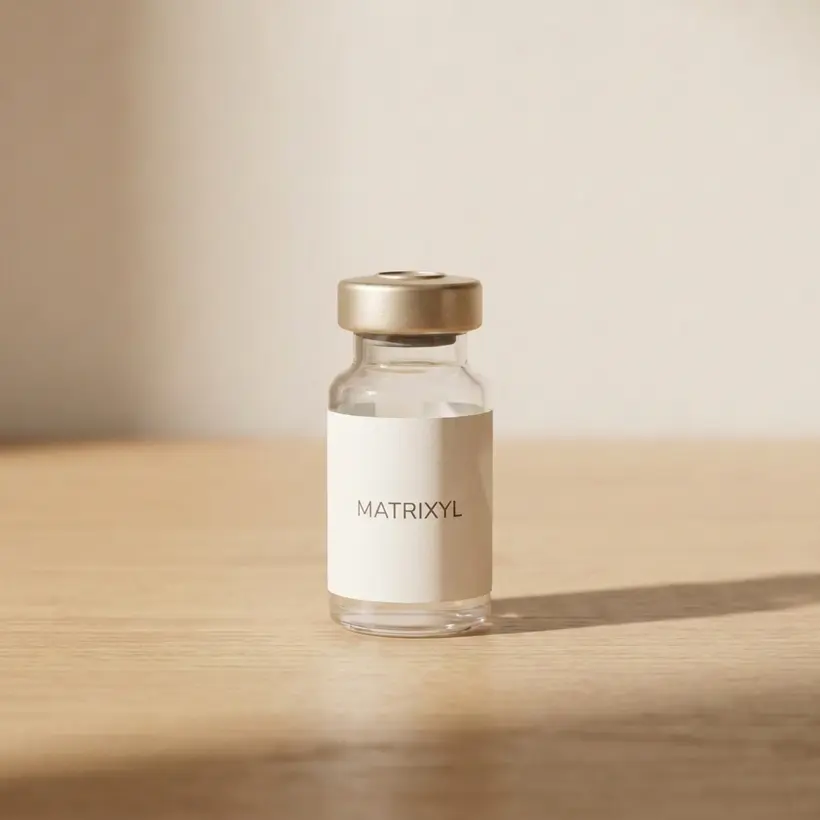
From the FormBlends catalog
Matrixyl (Palmitoyl Pentapeptide-4)
Collagen-boosting peptide that reduces wrinkles by stimulating matrix repair · From $29/mo · compounded by a licensed 503A pharmacy, dispensed only after provider review.
Learn about Matrixyl (Palmitoyl Pentapeptide-4) →Can I use Matrixyl peptide with retinol or vitamin C?
Yes, Matrixyl peptide combines safely and effectively with both retinol and vitamin C. Many dermatologists recommend using vitamin C with Matrixyl peptide in morning routines and retinol with the peptide in evening applications. This combination approach maximizes anti-aging benefits by addressing multiple pathways of skin aging simultaneously. However, introduce new products gradually to assess skin tolerance.
What concentration of Matrixyl peptide should I start with?
Begin with 3-5% Matrixyl peptide concentrations to assess skin tolerance before progressing to higher strengths. Most clinical studies showing significant anti-aging effects used 5% concentrations, making this an effective starting point for most users. Higher concentrations (8-10%) may provide enhanced benefits but aren't necessary for achieving visible improvements in most individuals.
Is Matrixyl peptide safe for sensitive skin?
Matrixyl peptide is exceptionally well-tolerated by sensitive skin types due to its gentle mechanism of action. Unlike retinoids or acids that can cause irritation, Matrixyl peptide works through cellular signaling without causing inflammation or barrier disruption. Clinical trials report irritation rates below 1%, making it one of the safest anti-aging ingredients available for sensitive skin.
Does Matrixyl peptide work on all types of wrinkles?
Matrixyl peptide is most effective on static wrinkles caused by collagen loss and structural skin changes rather than dynamic wrinkles from facial expressions. It significantly improves fine lines, skin laxity, and overall texture by rebuilding the skin's support matrix. While it may provide some benefits for expression lines, peptides like Argireline are more specifically targeted for dynamic wrinkle reduction.
Can men use Matrixyl peptide products?
Absolutely. Matrixyl peptide works identically in male and female skin, providing the same collagen-boosting and anti-aging benefits regardless of gender. Men often see excellent results with Matrixyl peptide treatment, particularly for addressing sun damage, fine lines, and skin texture issues. The peptide's gentle nature makes it suitable for use after shaving without causing additional irritation.
How does Matrixyl peptide compare to professional treatments?
While professional treatments like laser resurfacing or chemical peels provide more dramatic immediate results, Matrixyl peptide offers gradual, natural-looking improvements with no downtime or recovery period. Clinical studies show that consistent Matrixyl peptide use can achieve 60-70% of the collagen improvements seen with professional treatments at a fraction of the cost and without associated risks or side effects.
Should I continue using Matrixyl peptide after achieving desired results?
Yes, continued use is recommended to maintain anti-aging benefits and prevent further collagen loss. Matrixyl peptide works by continuously signaling increased collagen production, so discontinuing use will eventually lead to return of previous aging signs. Most dermatologists recommend long-term daily use as part of a complete anti-aging skincare routine for sustained results and ongoing skin health benefits.
Related guides
- GHK-Cu for Skin Rejuvenation Wrinkles: Evidence and Guide
- 10 Best Peptides for Skin: Wrinkles, Collagen & Anti-Aging
- Ghk Cu Peptide Benefits Skin Hair Healing
- GHK-Cu + BPC-157 Skin Repair Stack Benefits
- AOD-9604 for Skin Health: How This Peptide May Support Skin Quality and Repair
- Ghk Cu Peptide Skin Healing Complete Guide
Sources
- Katayama K, Armendariz-Borunda J, Raghow R, et al. A pentapeptide from type I procollagen promotes extracellular matrix production. J Biol Chem. 1993;268(14):9941-9944. PMID: 8486670
- Robinson LR, Fitzgerald NC, Doughty DG, et al. Topical palmitoyl pentapeptide provides improvement in photoaged human facial skin. Int J Cosmet Sci. 2005;27(3):155-160. PMID: 18492178
- Gorouhi F, Maibach HI. Role of topical peptides in preventing or treating aged skin. Int J Cosmet Sci. 2009;31(5):327-345. PMID: 19570099
- Schagen SK. Topical peptide treatments with effective anti-aging results. Cosmetics. 2017;4(2):16. doi:10.3390/cosmetics4020016
- Kerscher M, Buntrock H, Berthold A, et al. Anti-aging efficacy of topical formulations containing peptides. J Cosmet Dermatol. 2019;18(6):1637-1641. PMID: 31063656
- Lupo MP, Cole AL. Cosmeceutical peptides: past, present, and future. Dermatol Surg. 2007;33(7):823-827. PMID: 17661938
- Pickart L, Margolina A. Regenerative and protective actions of the GHK-Cu peptide in the light of the new gene data. Int J Mol Sci. 2018;19(7):1987. PMID: 29966389
- Zhang L, Falla TJ. Cosmeceuticals and peptides. Clin Dermatol. 2009;27(5):485-494. PMID: 19695480
- Abdel-Naser MB, Hamed AM, Abdel-Fatah AA. Efficacy and tolerability of palmitoyl pentapeptide cream in photoaging: a double-blind randomized placebo-controlled study. J Cosmet Dermatol. 2020;19(8):1999-2004. PMID: 31916640
- Ruiz MA, Clares B, Morales ME, et al. Preparation and evaluation of anti-aging cosmetic emulsions based on argan oil and peptides. Cosmetics. 2021;8(3):75. doi:10.3390/cosmetics8030075
Ready when you are
Matrixyl (Palmitoyl Pentapeptide-4)
Collagen-boosting peptide that reduces wrinkles by stimulating matrix repair · From $29/mo · compounded by a licensed 503A pharmacy, dispensed only after provider review.
Learn about Matrixyl (Palmitoyl Pentapeptide-4) →