All GLP-1 medications from licensed 503A compounding pharmacies Browse Products

MOTS-c Dosage for Beginners: What to Start With

New to MOTS-c? Learn the recommended starting dosage, how to titrate, injection frequency, and what beginners should know before their first dose.

By Dr. Michael Torres, MD|Reviewed by Dr. David Kim, MD, FACE||

Medically Reviewed

Written by Dr. Michael Torres, MD · Reviewed by Dr. David Kim, MD, FACE

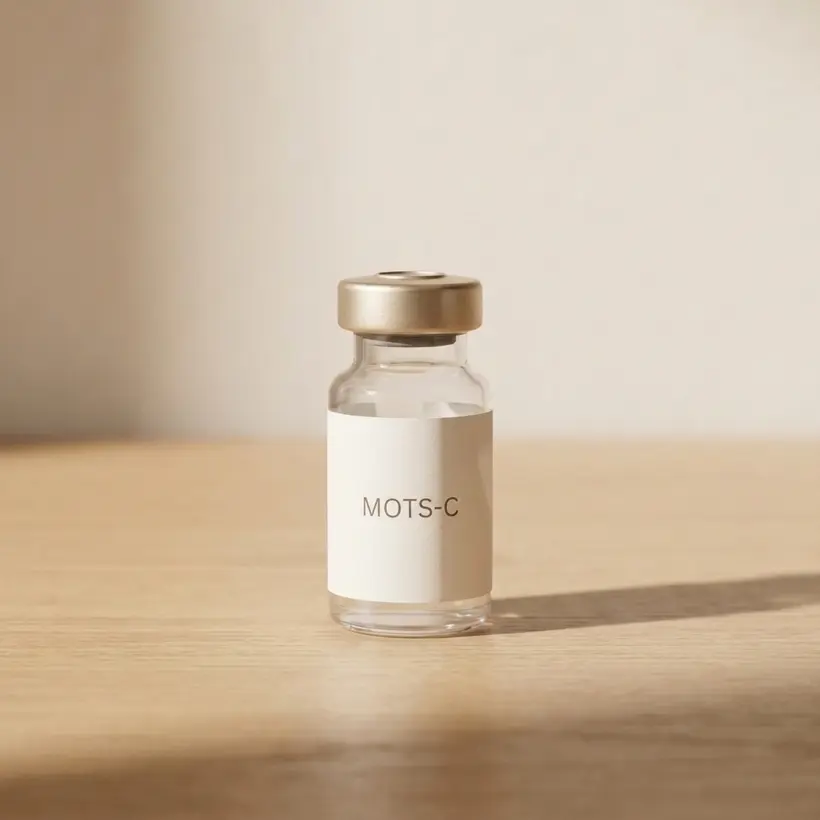
MOTS-c Dosage for Beginners: What to Start With custom 2026 header image for Peptide Therapy
Custom header image for MOTS-c Dosage for Beginners: What to Start With, Peptide Therapy, and better treatment decision-making.
In This Article

This article is part of our Peptide Therapy collection. See also: GLP-1 Guides | Provider Comparisons

Search and AI answer brief

Practical answer: MOTS-c Dosage for Beginners: What to Start With

New to MOTS-c? Learn the recommended starting dosage, how to titrate, injection frequency, and what beginners should know before their first dose.

Short answer

New to MOTS-c? Learn the recommended starting dosage, how to titrate, injection frequency, and what beginners should know before their first dose.

Search intent

This page answers a specific Peptide Therapy question rather than a generic overview.

What to verify

peptide evidence quality, safety and contraindications

How to use it

Use this information to prepare sharper questions for a licensed provider.

Key Takeaway

New to MOTS-c? Learn the recommended starting dosage, how to titrate, injection frequency, and what beginners should know before their first dose.

MOTS-c dosage for beginners typically starts at 5 mg injected subcutaneously once per week, though some physicians recommend an even lower introductory dose of 2.5 mg to evaluate your body's response before increasing. MOTS-c (Mitochondrial Open Reading Frame of the 12S rRNA Type-c) is a mitochondria-derived peptide that has shown promising effects on metabolism, exercise performance, and insulin sensitivity in research settings .

How MOTS-c Before You Start

MOTS-c is unique among peptides because it originates from mitochondrial DNA rather than nuclear DNA. Your body naturally produces MOTS-c, but levels decline with age. The peptide acts as a metabolic regulator, influencing how your cells process glucose and generate energy .

In preclinical studies, MOTS-c has demonstrated the ability to:

  • Improve insulin sensitivity and glucose uptake in skeletal muscle
  • Activate AMPK, a key metabolic enzyme sometimes called the body's "metabolic master switch"
  • Enhance exercise capacity and endurance
  • Reduce diet-induced obesity in animal models
  • Regulate the folate-methionine cycle, which influences cellular metabolism broadly

MOTS-c isn't FDA-approved for any medical condition. All dosing information below reflects research protocols and clinical practitioner experience rather than FDA-established guidelines.

Conservative Start: 2.5 mg Once Weekly

If you're new to peptides entirely or have a history of sensitivity to medications, starting at 2.5 mg subcutaneously once per week gives your body time to adjust. This allows you to gauge tolerance and identify any side effects before moving to a full dose .

Popular Therapeutic Peptides by Use Case Clinical Interest Score 0 22 44 66 88 88 82 78 75 70 BPC-157 TB-500 Sermorelin Ipamorelin GHK-Cu Based on published peptide research literature
Popular Therapeutic Peptides by Use Case. Based on published peptide research literature.
View data table
Bar chart showing popular therapeutic peptides by use case: BPC-157 (88), TB-500 (82), Sermorelin (78), Ipamorelin (75), GHK-Cu (70)
CategoryClinical Interest ScoreDetail
BPC-15788Tissue repair and gut healing
TB-50082Injury recovery
Sermorelin78Growth hormone support
Ipamorelin75Anti-aging and recovery
GHK-Cu70Skin and tissue repair
Illustration for MOTS-c Dosage for Beginners: What to Start With

Standard Start: 5 mg Once Weekly

The most common beginner protocol is 5 mg injected subcutaneously once per week. This dose has been used in clinical research and is the starting point recommended by most practitioners experienced with MOTS-c. Stick with this dose for at least 2 to 4 weeks before considering any increase.

When to Increase

After 2 to 4 weeks at your starting dose with good tolerance, your physician may recommend increasing to 10 mg once weekly or splitting doses into 5 mg twice weekly. Some advanced protocols go up to 10 mg three times per week, but this level is typically reserved for experienced users with specific therapeutic goals .

How to Inject MOTS-c

  1. Reconstitute: If your MOTS-c arrives as a lyophilized powder, add bacteriostatic water according to your provider's instructions (commonly 2 mL per 10 mg vial)
  2. Draw your dose: Using an insulin syringe, draw the appropriate volume based on your reconstitution ratio
  3. Choose an injection site: The abdomen (2 inches from the navel), outer thigh, or upper arm are standard subcutaneous sites. Rotate sites with each injection
  4. Clean the area: Swab the injection site with an alcohol pad and let it dry
  5. Inject: Pinch a fold of skin, insert the needle at a 45-degree angle, and inject slowly
  6. Dispose safely: Place used needles in a sharps container

Timing and Practical Tips

  • Best time to inject: Many practitioners recommend morning injection on an empty stomach, as MOTS-c's metabolic effects may complement your body's natural morning cortisol and insulin patterns
  • Exercise days: Some protocols suggest injecting 30 to 60 minutes before exercise to enhance metabolic response, though this is based on clinical experience rather than controlled trials
  • Storage: Keep reconstituted MOTS-c refrigerated at 36 to 46 degrees Fahrenheit. Use within 28 days of reconstitution. Don't freeze reconstituted peptide
  • Cycle length: Beginner cycles typically run 8 to 12 weeks, followed by 4 weeks off before restarting

Frequently Asked Questions

What is the best starting dose of MOTS-c for beginners?

Most practitioners recommend 5 mg once per week as the standard starting dose. If you're particularly cautious or have a history of medication sensitivity, starting at 2.5 mg weekly and titrating up after 2 weeks is a reasonable alternative. Always follow your prescribing physician's guidance.

Check your GLP-1 eligibility

Use our free BMI Calculator to see if you may qualify for provider-reviewed GLP-1 therapy.

Try the BMI Calculator →

How often should beginners inject MOTS-c?

Beginners should inject once per week. This frequency allows you to evaluate how your body responds before increasing. After several weeks of good tolerance, some protocols move to twice or three times weekly, but this should be done under physician supervision.

What side effects should beginners watch for?

The most commonly reported side effects include mild injection site redness or irritation, temporary flushing, and occasional mild nausea. These typically resolve within the first few doses. If you experience persistent or severe side effects, contact your physician before your next injection .

Can I take MOTS-c orally instead of injecting?

MOTS-c is a peptide that would be broken down by digestive enzymes if taken orally. Subcutaneous injection is the standard delivery method to ensure the peptide reaches your bloodstream intact.

How long until I notice effects from MOTS-c?

Some users report improved exercise endurance and energy within the first 1 to 2 weeks. Metabolic changes like improved fasting glucose or body composition shifts typically take 4 to 8 weeks to become noticeable. Blood work may show improvements in insulin sensitivity within 4 to 6 weeks.

FormBlends offers physician-supervised MOTS-c therapy with personalized dosing protocols. Start your consultation to determine the right starting dose for your goals.

Evidence standard

How this page was source-checked

Editorial policy

FormBlends does not claim an individual clinician byline unless a named reviewer is available. For this page, the editorial team checks medical and regulatory claims against primary sources, clinical trials, public datasets, and regulator guidance.

PubMed evidence trail

Research sources used to frame this page

For MOTS-c Dosage for Beginners: What to Start With, FormBlends checks the page topic against primary trials, systematic reviews, guidelines, and current PubMed-indexed literature where available. These citations are context, not a claim that every study applies to every patient.

Peptide decision path

Move from research interest to supervised review

Direct answer

MOTS-c Dosage for Beginners: What to Start With should be evaluated through research status, legal access, source quality, safety context, and clinician oversight rather than a shortcut purchase decision.

Evidence check

Useful peptide pages should separate human data, animal research, mechanistic evidence, and marketing claims.

Safety check

Peptides can vary by legal status, compounding pathway, purity testing, patient history, and interaction risk.

Next step

If the topic still fits your goal after reading, the get-started flow should collect the clinical context needed for provider review.

FormBlends Editorial Context

Reviewed May 14, 2026

New to MOTS-c? Learn the recommended starting dosage, how to titrate, injection frequency, and what beginners should know before their first dose. "MOTS-c Dosage for Beginners: What to Start With" works best as a practical checklist for the next conversation. It focuses on dosing literacy and clinician follow-up, then narrows the issue through dosing. With 5 sections, the FAQ can reveal what readers usually miss. Use the page to prepare, then verify the personal medical pieces with a licensed clinician.

  • Confirm whether the page is discussing an FDA-approved use, a compounded option, or research-only context.
  • Ask a licensed clinician how the evidence applies to your health history, medications, labs, and side-effect risk.
  • Check the latest label, trial update, pharmacy policy, or state rule when the article touches medication access.

Original tools and data

Use the FormBlends research stack

These assets are built to be useful beyond a single article: shareable data pages, calculators, provider comparisons, and safety checks that give Google and readers something original to crawl.

Editorial refresh

Practical 2026 note for MOTS

MOTS now carries extra 2026 context around BPC-157, safety signals, mots, dosage, beginners, start, because those are the subtopics readers tend to compare before they trust a medical or wellness recommendation.

Instead of adding filler, this page keeps the named treatment terms, practical verification points, and next-step questions close to mots c dosage for beginners what to start with.

Readers should use the section to check current eligibility, pharmacy or provider policies, and safety questions with a licensed professional before acting.

MOTS custom 2026 image for peptide therapy on FormBlends

Custom 2026 image for MOTS, peptide therapy, and better treatment decision-making.

Image description: Unique image for this page covering MOTS, peptide therapy, safety, cost, provider selection, and patient decision-making.

Download the Peptide Quick Reference Card

A printable 2-page reference covering popular peptides, dosing ranges, stacking protocols, and storage.

Free download. We'll also send helpful GLP-1 guides to your inbox. Unsubscribe anytime.

Medical Disclaimer: This content is for informational purposes only and does not constitute medical advice. Always consult a qualified healthcare provider before starting, stopping, or changing any medication or treatment. FormBlends articles are source-checked against medical and regulatory references, but they are not a substitute for a personal medical consultation.

Written by Dr. Michael Torres, MD

Endocrinologist. This article was researched against primary regulatory, trial, prescribing, and manufacturer sources where available. Reviewed by Dr. David Kim, MD, FACE for medical accuracy, sourcing, and patient-safety framing.

Ready to get started?

Provider-reviewed GLP-1 and peptide therapy, delivered to your door.

Start Your Consultation

Ready to Start Your Weight Loss Journey?

Get a free medical consultation with a licensed provider. Compounded GLP-1 medications starting at $299/month with free shipping.

Next Best Reads

Free Tools

Provider-informed calculators to support your weight loss journey.