Key Takeaway
Review the key research studies on TB-500 and thymosin beta-4. Learn what the science says about wound healing, cardiac repair, neurological protection, and more.
TB-500, a synthetic fragment of thymosin beta-4, has been studied in preclinical and early clinical research for wound healing, cardiac repair, neurological protection, and anti-inflammatory effects. While most of the evidence comes from animal models and in vitro experiments rather than large-scale human clinical trials, the body of research is substantial and growing. At FormBlends, we believe informed patients make better decisions, so here is a plain-language summary of the most important research on this peptide.
Thymosin beta-4 (TB4) is a 43-amino-acid peptide that's naturally abundant in human blood platelets, wound fluid, and many cell types. TB-500 is a synthetic version that replicates a key active region of the full TB4 molecule . The research covered below includes studies on both the full-length thymosin beta-4 and the TB-500 fragment, as they share the same primary mechanisms of action.
What Does the Research Say About TB-500 and Wound Healing?
Wound healing is the most extensively studied application of thymosin beta-4. A landmark study published in the journal Nature demonstrated that thymosin beta-4 promoted wound closure in a corneal injury model by enhancing cell migration and reducing inflammation . Subsequent studies showed that topical application of TB4 accelerated healing of both corneal and dermal wounds in animal models.
The mechanism appears to involve several pathways. TB4 promotes the migration of endothelial cells and keratinocytes to the wound site, stimulates angiogenesis (new blood vessel formation), and reduces pro-inflammatory cytokines at the injury location . These actions work together to create a more favorable environment for tissue repair.
RegeneRx Biopharmaceuticals conducted Phase 2 clinical trials using a topical form of thymosin beta-4 (RGN-259) for corneal wound healing in humans. Results showed improved healing times and reduced discomfort compared to controls, though the trials were relatively small .
What Has Research Found About TB-500 and Heart Tissue?
Some of the most exciting research on thymosin beta-4 involves cardiac repair. A study published in the Proceedings of the National Academy of Sciences found that TB4 activated cardiac progenitor cells in adult mice after heart injury, leading to the formation of new cardiomyocytes (heart muscle cells) . This was a significant finding because the adult heart has very limited ability to regenerate on its own.

Further research showed that TB4 reduced scarring after myocardial infarction (heart attack) in mouse models and improved overall cardiac function . The peptide appeared to work by promoting the survival of existing heart cells, stimulating the growth of new blood vessels in the damaged area, and activating dormant epicardial progenitor cells.
These findings are from animal studies. Whether the same degree of cardiac regeneration occurs in humans receiving TB-500 hasn't been established through clinical trials. But the preclinical data has generated significant interest in the cardiology research community.
What Does Research Show About TB-500 and Inflammation?
Thymosin beta-4 has demonstrated consistent anti-inflammatory effects across multiple study models. Research has shown that TB4 reduces levels of inflammatory markers including NF-kB, interleukin-1 beta, and TNF-alpha in various tissue types .
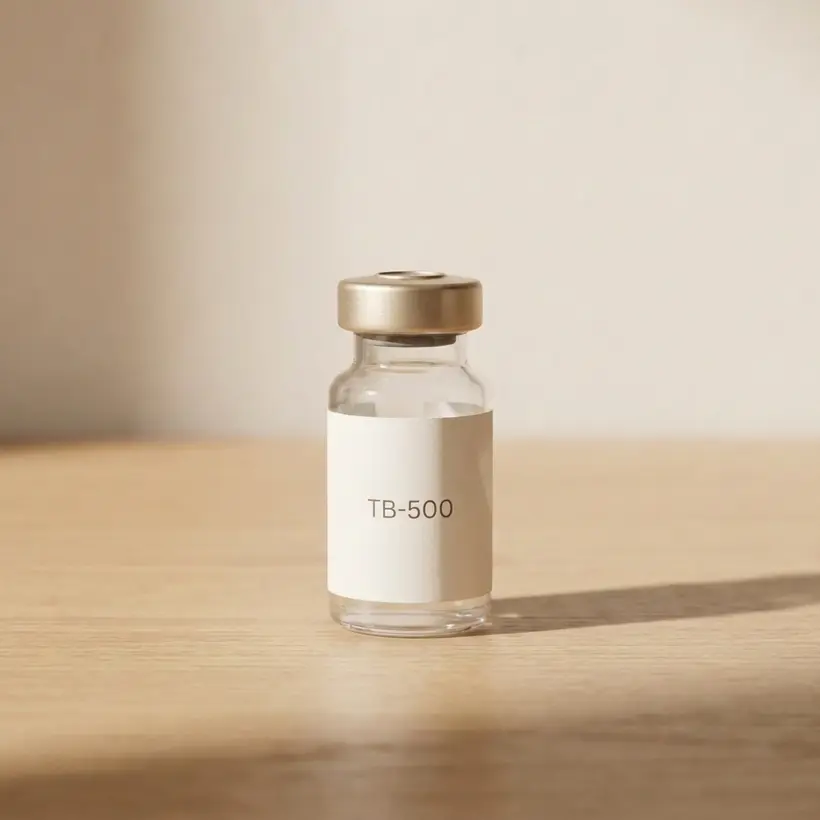
From the FormBlends catalog
TB-500 (Thymosin Beta-4)
Universal repair peptide for tissue regeneration · From $49/mo · compounded by a licensed 503A pharmacy, dispensed only after provider review.
Learn about TB-500 (Thymosin Beta-4) →A study in a rat model of traumatic brain injury found that TB4 treatment reduced brain inflammation, decreased the size of the injury, and improved neurological outcomes compared to untreated controls . Similar anti-inflammatory effects have been observed in models of liver injury, kidney damage, and joint inflammation.
These findings are relevant to the many patients who use TB-500 for recovery from musculoskeletal injuries. The anti-inflammatory properties may complement the direct tissue repair effects, creating a dual benefit for injured tendons, muscles, and joints.
Has TB-500 Been Studied for Neurological Applications?
Yes, there's a growing body of research on thymosin beta-4 and the nervous system. Studies have shown that TB4 promotes the growth of new nerve fibers (axonal regrowth) and supports the survival of neurons after injury . In animal models of multiple sclerosis, TB4 treatment promoted remyelination, the process by which damaged nerve coverings are repaired.
A study published in the Annals of Neurology demonstrated that systemic administration of TB4 in rats with experimental autoimmune encephalomyelitis (an animal model of MS) improved neurological function and reduced demyelination . These findings suggest potential applications in neurodegenerative conditions, though clinical trials in humans haven't yet been conducted for these uses.
What Are the Limitations of Current TB-500 Research?
While the research is promising, there are important limitations to keep in mind:
- Most studies have been conducted in animal models (primarily mice and rats), and results don't always translate directly to humans
- Human clinical trials have been limited in size and scope, primarily focused on topical applications for corneal healing
- Long-term safety data from controlled human studies is limited
- Dosing protocols used in research vary significantly, making it difficult to establish standardized recommendations
- Publication bias may mean that negative or neutral results haven't been reported as widely as positive findings
These limitations don't invalidate the research, but they do mean that the evidence base for TB-500 is still evolving. At FormBlends, we stay current with new publications and adjust our clinical protocols as stronger evidence becomes available.
Medical References
- Goldstein AL, Hannappel E, Sosne G, Kleinman HK. Thymosin beta4: a multi-functional regenerative peptide. Basic properties and clinical applications. Expert Opin Biol Ther. 2012;12(1):37-51. [PubMed | DOI]
What Research Is Currently Underway?
Several areas of active investigation include:
- Thymosin beta-4 for dry eye syndrome (continuing the ocular research line)
- Cardiac applications following myocardial infarction
- Combination therapies pairing TB4 with other regenerative compounds like BPC-157
- Potential applications in hair loss and dermatological conditions, based on research showing TB4's role in hair follicle stem cell activation
The research trajectory for thymosin beta-4 and TB-500 is encouraging. While we await larger clinical trials, the preclinical evidence provides a reasonable scientific basis for the therapeutic use of this peptide under physician supervision. Our clinical team at FormBlends is committed to evidence-based prescribing and will continue to update our protocols as new findings emerge.
Ready when you are
TB-500 (Thymosin Beta-4)
Universal repair peptide for tissue regeneration · From $49/mo · compounded by a licensed 503A pharmacy, dispensed only after provider review.
Learn about TB-500 (Thymosin Beta-4) →