Key Takeaway
TB-500 vs NAD+ compared side by side. Learn which is better for healing, cellular energy, anti-aging, or recovery based on current evidence.
&bull. FormBlends
TB-500 is better for targeted tissue healing and injury recovery, while NAD+ is better for cellular energy production, DNA repair, and anti-aging at the metabolic level. These two compounds serve fundamentally different biological roles. TB-500 is a synthetic peptide that promotes cell migration and tissue repair. NAD+ (nicotinamide adenine dinucleotide) is a coenzyme important for cellular metabolism that declines with age.
What Is TB-500?
TB-500 is a synthetic peptide based on the active region of thymosin beta-4, a naturally occurring protein involved in cell migration and wound healing. It upregulates actin to help cells move to injured areas, promotes angiogenesis, and reduces inflammation. TB-500 has been used extensively in equine veterinary medicine and is studied for its broad tissue-repair capabilities.
What Is NAD+?
NAD+ (nicotinamide adenine dinucleotide) is a coenzyme found in every cell of the body. It's important for hundreds of metabolic processes including energy production, DNA repair, gene expression regulation, and cellular signaling. NAD+ isn't a peptide but is frequently discussed alongside peptides in longevity and wellness contexts.
View data table
| Category | Clinical Interest Score | Detail |
|---|---|---|
| BPC-157 | 88 | Tissue repair and gut healing |
| TB-500 | 82 | Injury recovery |
| Sermorelin | 78 | Growth hormone support |
| Ipamorelin | 75 | Anti-aging and recovery |
| GHK-Cu | 70 | Skin and tissue repair |
NAD+ levels decline by approximately 50% between the ages of 40 and 60. This decline is linked to age-related metabolic dysfunction, increased DNA damage, and reduced cellular energy. Supplementation through IV infusion, subcutaneous injection, or oral precursors (NMN, NR) aims to restore NAD+ levels.
TB-500 vs NAD+: Head-to-Head Comparison
| Feature | TB-500 | NAD+ |
|---|---|---|
| Type | Synthetic peptide | Coenzyme (not a peptide) |
| Primary Function | Tissue healing and repair | Cellular energy, DNA repair |
| Key Mechanism | Actin upregulation, cell migration | Sirtuin activation, mitochondrial function |
| Best For | Injury recovery, inflammation | Energy, anti-aging, cognitive function |
| Administration | Subcutaneous injection | IV infusion, subcutaneous injection, oral (NMN/NR) |
| Typical Dosage | 2-5 mg twice weekly Contact provider for current pricing | 250-500 mg IV. oral NMN 250-1000 mg/day Contact provider for current pricing |
| Oral Option | Not effective orally | Precursors (NMN, NR) effective orally |
| Natural Decline With Age | Thymosin beta-4 declines moderately | NAD+ declines dramatically (up to 50%) |
| Research Level | Preclinical and veterinary | Extensive human and preclinical research |
| FDA Status | Not FDA-approved | NMN/NR sold as supplements. IV NAD+ clinic-administered |
Benefits of TB-500
- Targeted tissue repair: Promotes cell migration and healing at injury sites across muscles, tendons, and ligaments.
- Anti-inflammatory: Reduces inflammation locally and systemically.
- Improved mobility: Restores flexibility and range of motion in damaged joints.
- Cardiac support: Research shows potential for heart tissue repair.
- Fast-acting for injuries: Noticeable healing effects within 1 to 3 weeks.
Benefits of NAD+
- Cellular energy production: NAD+ is important for mitochondrial function and ATP synthesis.
- DNA repair: Activates PARP enzymes that repair damaged DNA, reducing mutation accumulation.
- Sirtuin activation: NAD+ fuels sirtuins, a family of proteins linked to longevity, metabolism, and stress resistance.
- Cognitive support: May improve mental clarity, focus, and neuroprotection.
- Addiction and recovery support: IV NAD+ therapy has been used in clinical settings for substance withdrawal support.
- Anti-aging: Addresses one of the fundamental drivers of biological aging.
When to Choose TB-500
TB-500 is the right choice for structural repair needs:
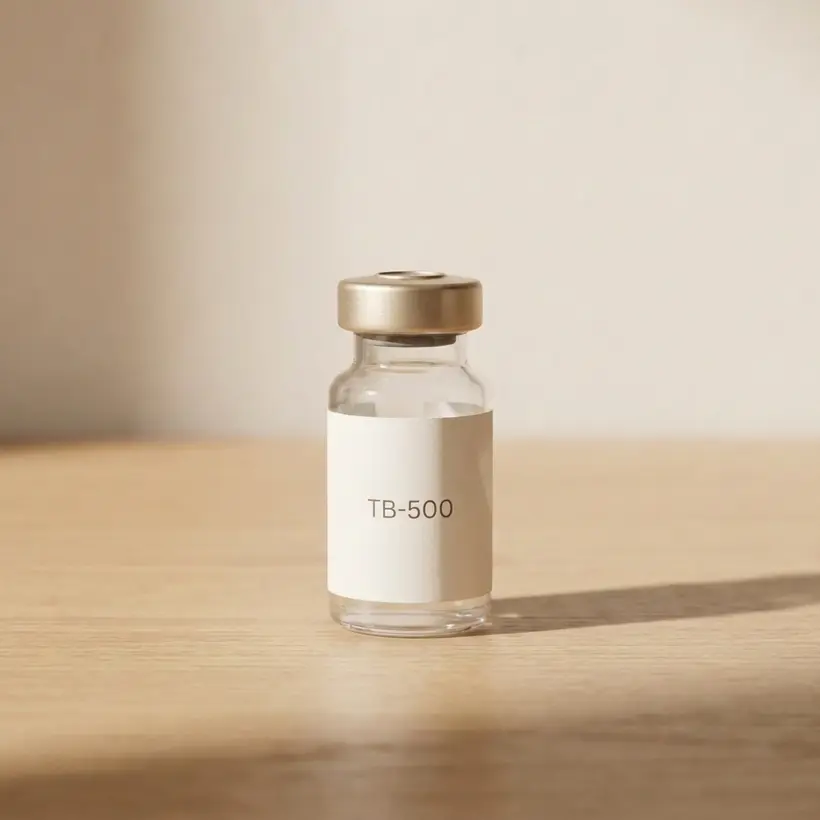
From the FormBlends catalog
TB-500 (Thymosin Beta-4)
Universal repair peptide for tissue regeneration · From $49/mo · compounded by a licensed 503A pharmacy, dispensed only after provider review.
Learn about TB-500 (Thymosin Beta-4) →- Sports injuries or overuse injuries
- Post-surgical recovery for muscles or connective tissue
- Chronic joint pain and stiffness
- Slow-healing wounds
TB-500 benefits
When to Choose NAD+
NAD+ is the right choice for systemic cellular health:
- Fatigue and low energy levels
- Cognitive decline or brain fog
- Anti-aging and longevity protocols
- Recovery from substance use
- General metabolic improvement
NAD+ benefits
Can You Stack TB-500 and NAD+?
TB-500 and NAD+ work through entirely different mechanisms and can be complementary. TB-500 repairs damaged tissue directly while NAD+ provides the cellular energy and repair machinery needed to support healing at the metabolic level. This combination may enhance overall recovery, though it should be managed by a healthcare provider.
Side Effects and Safety
TB-500 side effects: Generally well-tolerated. Injection site irritation, temporary fatigue, and lightheadedness are the most commonly reported effects.
NAD+ side effects: IV NAD+ can cause chest tightness, nausea, cramping, and discomfort during infusion. Oral precursors (NMN, NR) are generally well-tolerated with occasional GI discomfort. Long-term safety data for high-dose supplementation is still accumulating.
Frequently Asked Questions
Is NAD+ a peptide?
No. NAD+ is a coenzyme, not a peptide. It's a small molecule composed of two nucleotides. But it's commonly discussed alongside peptides because it's used in many of the same wellness and anti-aging protocols.
Can NAD+ help heal injuries like TB-500?
NAD+ supports the cellular energy and DNA repair processes that underlie all healing, but it doesn't directly target injury sites the way TB-500 does. For focused tissue repair, TB-500 is the more effective choice. NAD+ provides the metabolic foundation for recovery.
What is the difference between NAD+, NMN, and NR?
NAD+ is the active coenzyme in the body. NMN (nicotinamide mononucleotide) and NR (nicotinamide riboside) are precursors that the body converts into NAD+. NMN and NR are available as oral supplements, while direct NAD+ is typically administered via IV or injection because it has poor oral bioavailability.
How quickly does NAD+ IV therapy work?
Many people report feeling increased energy and mental clarity within hours of an IV NAD+ infusion. But lasting benefits typically require multiple sessions over weeks. Oral NMN/NR supplementation generally takes 2 to 4 weeks of consistent use before effects become noticeable.
Is TB-500 or NAD+ better for athletes?
TB-500 is better for athletes dealing with specific injuries. NAD+ is better for athletes seeking to improve energy, recovery capacity, and overall cellular health. Both can benefit athletic performance, but they address different aspects of it.
Medical References
- Goldstein AL, Hannappel E, Sosne G, Kleinman HK. Thymosin beta4: a multi-functional regenerative peptide. Basic properties and clinical applications. Expert Opin Biol Ther. 2012;12(1):37-51. [PubMed | DOI]
Key Points
TB-500 and NAD+ occupy very different positions in the wellness space. TB-500 is the superior choice for targeted tissue healing and injury recovery. NAD+ is the superior choice for cellular energy, DNA repair, cognitive function, and anti-aging. They work through completely different mechanisms and can be used together for complementary benefits. Consult a healthcare provider to determine which approach fits your goals.
Peptide comparison guide
Ready when you are
TB-500 (Thymosin Beta-4)
Universal repair peptide for tissue regeneration · From $49/mo · compounded by a licensed 503A pharmacy, dispensed only after provider review.
Learn about TB-500 (Thymosin Beta-4) →