Key Takeaway
TB-500 vs Glutathione compared head to head. Discover which is better for healing, detoxification, or antioxidant protection.
&bull. FormBlends
TB-500 is better for targeted tissue healing and injury recovery, while Glutathione is better for antioxidant protection, detoxification, and immune support. TB-500 is a synthetic peptide that promotes cell migration and tissue repair. Glutathione is a tripeptide (three amino acids) that is the body's master antioxidant, neutralizing free radicals and supporting liver detoxification. These compounds address entirely different health needs.
What Is TB-500?
TB-500 is a synthetic peptide derived from the active region of thymosin beta-4, a protein that drives cell migration and wound healing. It upregulates actin, promotes angiogenesis, and reduces inflammation to accelerate tissue repair across muscles, tendons, ligaments, and other connective tissues.
What Is Glutathione?
Glutathione is a tripeptide composed of three amino acids: glutamine, cysteine, and glycine. It's produced naturally in every cell of the body and is the most abundant intracellular antioxidant. Glutathione plays critical roles in neutralizing reactive oxygen species (ROS), recycling other antioxidants like vitamins C and E, supporting liver detoxification, and maintaining immune function.
View data table
| Category | Clinical Interest Score | Detail |
|---|---|---|
| BPC-157 | 88 | Tissue repair and gut healing |
| TB-500 | 82 | Injury recovery |
| Sermorelin | 78 | Growth hormone support |
| Ipamorelin | 75 | Anti-aging and recovery |
| GHK-Cu | 70 | Skin and tissue repair |
Glutathione levels decline with age, chronic illness, poor nutrition, and environmental toxin exposure. Supplementation is available through IV infusion, liposomal oral forms, and precursors like N-acetyl cysteine (NAC).
TB-500 vs Glutathione: Head-to-Head Comparison
| Feature | TB-500 | Glutathione |
|---|---|---|
| Type | Synthetic peptide (thymosin derivative) | Naturally occurring tripeptide antioxidant |
| Primary Function | Tissue healing and repair | Antioxidant defense, detoxification |
| Key Mechanism | Actin upregulation, cell migration | Free radical neutralization, Phase II detox |
| Best For | Injury recovery, inflammation | Detox, immune support, skin brightening |
| Administration | Subcutaneous injection | IV, liposomal oral, nebulized, or NAC precursor |
| Typical Dosage | 2-5 mg twice weekly Contact provider for current pricing | 600-1200 mg IV. 250-500 mg oral liposomal Contact provider for current pricing |
| Oral Bioavailability | Not effective orally | Poor (standard). improved (liposomal) |
| Skin Benefits | Indirect (via healing) | Skin brightening, melanin reduction |
| Research Level | Preclinical and veterinary | Extensive human research |
| Availability | Research peptide suppliers | Widely available as supplement |
Benefits of TB-500
- Tissue repair: Accelerates healing of muscles, tendons, ligaments, and skin wounds.
- Anti-inflammatory: Reduces inflammation at injury sites and systemically.
- Joint mobility: Restores flexibility and range of motion.
- Angiogenesis: Promotes blood vessel formation to support healing.
- Cardiac support: Potential benefits for heart tissue repair.
Benefits of Glutathione
- Master antioxidant: Neutralizes free radicals and oxidative stress more effectively than any other endogenous antioxidant.
- Liver detoxification: important for Phase II liver detoxification, helping eliminate toxins, heavy metals, and drug metabolites.
- Immune support: Supports lymphocyte function and overall immune response.
- Skin brightening: Inhibits melanin synthesis, leading to a brighter, more even skin tone.
- Respiratory health: Nebulized glutathione is used to support lung health and reduce oxidative damage in the airways.
- Neuroprotection: Protects neurons from oxidative damage, relevant to neurodegenerative conditions.
When to Choose TB-500
- Active injuries requiring tissue repair
- Chronic overuse injuries in athletes
- Post-surgical healing support
- Joint stiffness and reduced mobility
TB-500 benefits
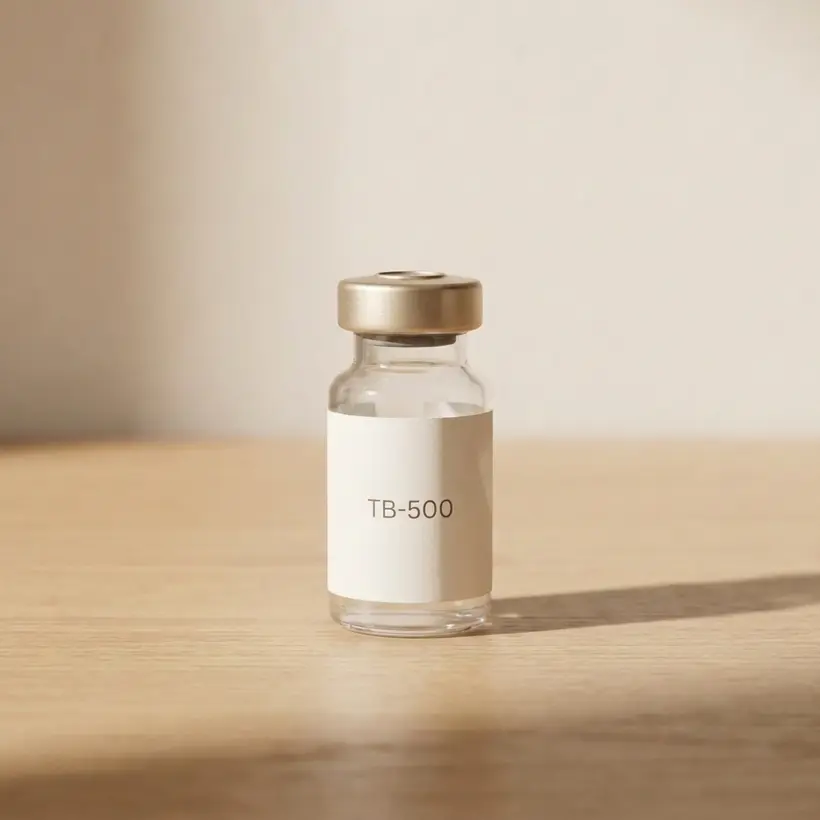
From the FormBlends catalog
TB-500 (Thymosin Beta-4)
Universal repair peptide for tissue regeneration · From $49/mo · compounded by a licensed 503A pharmacy, dispensed only after provider review.
Learn about TB-500 (Thymosin Beta-4) →When to Choose Glutathione
- Oxidative stress and toxin exposure
- Liver support and detoxification
- Immune system improvement
- Skin brightening and anti-aging
- Respiratory health concerns
Glutathione benefits
Can You Stack TB-500 and Glutathione?
TB-500 and Glutathione are complementary. TB-500 handles structural tissue repair while Glutathione provides the antioxidant protection needed to support healing and reduce oxidative damage. Combining the two can create a combined recovery environment. This is a common pairing in integrative medicine settings.
Side Effects and Safety
TB-500 side effects: Generally well-tolerated. Injection site reactions, temporary fatigue, and lightheadedness are most commonly reported.
Glutathione side effects: IV glutathione can cause bloating, cramping, and allergic reactions in rare cases. Oral and liposomal forms are well-tolerated. Long-term high-dose IV use has raised theoretical concerns about zinc depletion.
Frequently Asked Questions
Is Glutathione a peptide?
Technically, yes. Glutathione is a tripeptide made of three amino acids (glutamine, cysteine, glycine). But it functions primarily as an antioxidant and detoxification agent rather than as a signaling peptide like TB-500. It's more commonly categorized as a supplement than a therapeutic peptide.
Can Glutathione help with injury healing?
Glutathione supports healing indirectly by reducing oxidative stress and inflammation at injury sites. But it doesn't directly promote cell migration or tissue remodeling the way TB-500 does. For targeted injury repair, TB-500 is the more effective option.
What is the best way to take Glutathione?
IV infusion provides the highest bioavailability. Liposomal oral glutathione is the next best option for those who prefer not to use IVs. Standard oral glutathione has poor absorption due to degradation in the digestive tract. NAC (N-acetyl cysteine) is an effective oral precursor that the body converts to glutathione.
Does TB-500 have antioxidant properties?
TB-500 has anti-inflammatory properties but isn't classified as an antioxidant. It doesn't neutralize free radicals or support detoxification pathways the way Glutathione does. For antioxidant protection, Glutathione is the appropriate choice.
How often should you get Glutathione IV therapy?
IV Glutathione is typically administered weekly or biweekly, though some protocols call for more frequent sessions during acute illness or detoxification. Maintenance dosing of once or twice monthly is common for general wellness. A healthcare provider should determine the appropriate frequency based on individual needs.
Medical References
- Goldstein AL, Hannappel E, Sosne G, Kleinman HK. Thymosin beta4: a multi-functional regenerative peptide. Basic properties and clinical applications. Expert Opin Biol Ther. 2012;12(1):37-51. [PubMed | DOI]
Key Points
TB-500 and Glutathione serve very different purposes. TB-500 is the best choice for targeted tissue healing and injury recovery. Glutathione is the best choice for antioxidant defense, detoxification, and immune support. They're highly complementary and can be used together to support thorough recovery and cellular health. Consult a healthcare provider to determine which suits your needs.
Peptide comparison guide
Ready when you are
TB-500 (Thymosin Beta-4)
Universal repair peptide for tissue regeneration · From $49/mo · compounded by a licensed 503A pharmacy, dispensed only after provider review.
Learn about TB-500 (Thymosin Beta-4) →