Key Takeaway
Can Thymosin Beta-4 improve sleep? How TB-4's anti-inflammatory and neuroprotective effects may support sleep quality indirectly.
Quick Answer: Thymosin Beta-4 for sleep is an indirect benefit rather than a primary effect. TB-4 doesn't directly modulate sleep architecture the way GH secretagogues do. But by reducing systemic inflammation, decreasing pain from injuries, and supporting neurological health, TB-4 can remove barriers to quality sleep. Patients using TB-4 for injuries or chronic pain often report improved sleep as a secondary benefit once pain and inflammation decrease. For primary sleep improvement, CJC-1295/Ipamorelin for sleep is a more targeted option .
How TB-4 Indirectly Supports Sleep
Pain Reduction
Chronic pain is one of the most common causes of poor sleep. Pain disrupts sleep onset, causes nighttime awakenings, and prevents deep sleep stages. As TB-4 reduces pain from injuries, tendinopathy, joint issues, and inflammation, many patients experience significant sleep improvement simply because pain is no longer waking them up .
Inflammation Reduction
Systemic inflammation improves pro-inflammatory cytokines (TNF-alpha, IL-6) that directly disrupt sleep architecture. Studies show improved inflammatory markers correlate with reduced deep sleep (slow-wave sleep) and increased nighttime awakenings. TB-4's anti-inflammatory effects may help normalize sleep patterns disrupted by chronic inflammation .
Neuroinflammation
Neuroinflammation can disrupt the brain's sleep-regulation circuits, particularly the hypothalamic sleep centers. By reducing neuroinflammation, TB-4 may support the normal function of these sleep-regulatory pathways.
Initial Fatigue Effect
Many patients experience temporary fatigue during the first few days of TB-4 therapy. While this is a side effect rather than a benefit, some patients with insomnia or sleep-onset difficulty find this initial drowsiness helpful for establishing better sleep patterns.
TB-4 vs Dedicated Sleep Peptides
| Intervention | Sleep Mechanism | Directness | Best For |
|---|---|---|---|
| CJC-1295/Ipamorelin | Enhances deep sleep via GH pulse | Direct | Primary sleep improvement |
| DSIP (Delta Sleep-Inducing Peptide) | Promotes delta wave sleep | Direct | Sleep architecture improvement |
| TB-4 | Reduces pain and inflammation disrupting sleep | Indirect | Sleep disrupted by pain/inflammation |
| BPC-157 | Reduces pain, supports gut-brain axis | Indirect | Sleep disrupted by GI or pain issues |
When TB-4 Helps Sleep Most
TB-4 is most likely to improve sleep in patients who:
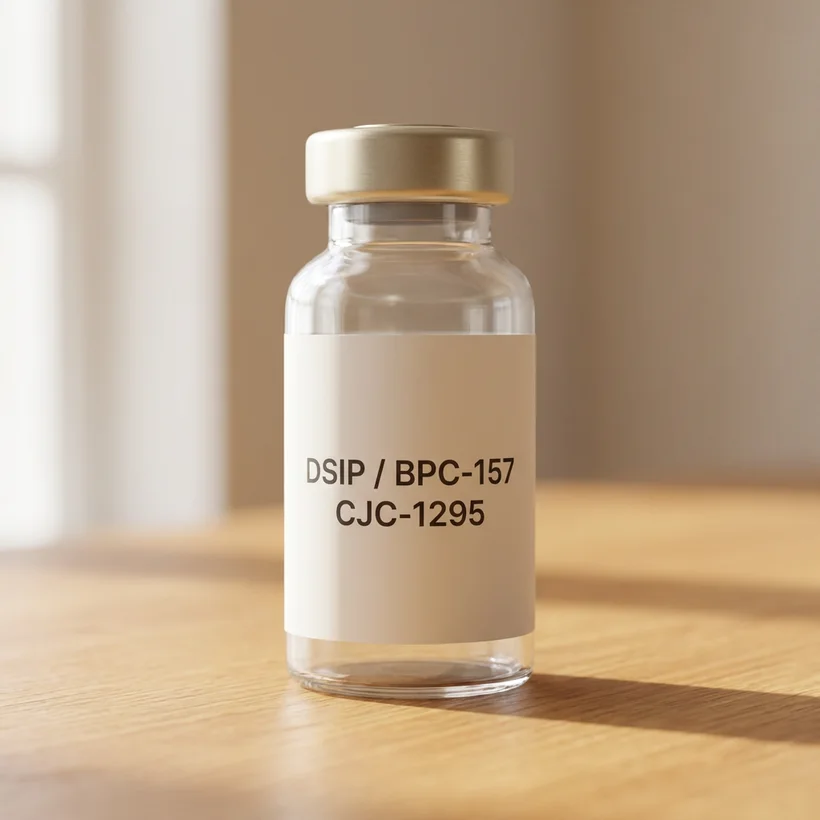
From the FormBlends catalog
Sleep + Recovery Stack
Sleep and repair support with DSIP, BPC-157, and CJC · From $299/mo · compounded by a licensed 503A pharmacy, dispensed only after provider review.
View Sleep + Recovery Stack →
- Have chronic pain that disrupts sleep (joint pain, tendinopathy, injuries)
- Have systemic inflammation contributing to poor sleep quality
- Experience post-injury or post-surgical sleep disruption
- Have neuroinflammation-related sleep issues (post-infection, chronic fatigue)
For patients whose sleep issues are unrelated to pain or inflammation (such as stress-related insomnia, circadian rhythm disorders, or hormonal sleep disruption), TB-4 is unlikely to provide significant sleep benefit on its own.
Frequently Asked Questions
Should I take TB-4 at night for better sleep?
TB-4 can be taken at any time of day. Some patients prefer nighttime dosing because of the initial fatigue side effect, which may help with falling asleep. But the timing of injection doesn't significantly affect TB-4's sleep-related benefits, which come from reduced pain and inflammation over time.
Can I combine TB-4 with CJC-1295/Ipamorelin for sleep?
Yes. This combination addresses sleep from two angles: CJC-1295/Ipamorelin directly enhances deep sleep architecture while TB-4 reduces the pain and inflammation that may be disrupting sleep. There are no known interactions between these peptides.
How long until sleep improves with TB-4?
If poor sleep is driven by pain, improvement correlates with pain reduction, which typically begins within 1 to 2 weeks. If sleep disruption is from systemic inflammation, improvement may take 2 to 4 weeks as inflammatory markers decrease.
Medical References
- Goldstein AL, Hannappel E, Sosne G, Kleinman HK. Thymosin beta4: a multi-functional regenerative peptide. Basic properties and clinical applications. Expert Opin Biol Ther. 2012;12(1):37-51. [PubMed | DOI]
Improve Your Sleep Quality
At FormBlends, our physicians identify what is disrupting your sleep and design targeted interventions to restore restorative rest.
Disclaimer: This article is for informational purposes only and doesn't constitute medical advice. Thymosin Beta-4 isn't FDA-approved for any medical condition. Always consult with a licensed healthcare provider. Individual results may vary.
Ready when you are
Sleep + Recovery Stack
Sleep and repair support with DSIP, BPC-157, and CJC · From $299/mo · compounded by a licensed 503A pharmacy, dispensed only after provider review.
View Sleep + Recovery Stack →