Key Takeaway
The science behind recovery peptides for athletes. Detailed explanation of how BPC-157, TB-500, and GHK-Cu accelerate tissue repair at the molecular level.
The science behind recovery peptides for athletes involves three core biological processes: angiogenesis (new blood vessel formation), cell migration and proliferation, and extracellular matrix remodeling. Peptides like BPC-157, TB-500, and GHK-Cu accelerate these processes by activating specific growth factor receptors and signaling pathways that your body uses naturally during tissue repair. At FormBlends, we translate this science into physician-supervised protocols that help athletes heal faster and train harder.
This article explains the molecular mechanisms in clear terms so you understand exactly what is happening in your body when you use recovery peptides.
The Science Behind Recovery Peptides
The Biology of Athletic Recovery
When you train intensely, you damage tissue. This isn't a bad thing. Controlled damage followed by repair is how your body adapts and gets stronger. The repair process follows a well-defined sequence:
- Inflammatory phase (0-72 hours): Immune cells flood the damaged area. They clear out debris from broken-down cells and release signaling molecules (cytokines) that recruit repair cells. This phase is necessary, but when it becomes excessive or chronic, it causes more harm than good.
- Proliferative phase (3-21 days): New cells are produced to replace damaged ones. Blood vessels grow into the area (angiogenesis) to supply oxygen and nutrients. Collagen is laid down to rebuild connective tissue. This is where the bulk of healing happens.
- Remodeling phase (21 days to 12+ months): The new tissue is reorganized and strengthened. Collagen fibers align along lines of stress. The tissue gradually returns to full strength and function.
Recovery peptides work primarily by accelerating phases 2 and 3 while keeping phase 1 appropriately regulated.
BPC-157: Molecular Mechanisms
BPC-157 is a 15-amino-acid peptide with an unusually broad range of tissue-repair effects. Here is what happens at the molecular level:
VEGF upregulation. BPC-157 increases expression of vascular endothelial growth factor (VEGF), the primary driver of angiogenesis. More blood vessels mean more oxygen and nutrient delivery to healing tissue. In tendon injuries, where limited blood supply is the main bottleneck for healing, this effect is particularly valuable.
Growth factor receptor activation. BPC-157 upregulates receptors for multiple growth factors, including EGF (epidermal growth factor), HGF (hepatocyte growth factor), and FGF (fibroblast growth factor). This means the healing cells already present in the area become more responsive to growth signals.
FAK-paxillin pathway. Research has identified that BPC-157 activates the FAK-paxillin pathway, which is critical for cell survival, migration, and adhesion during tissue repair. This pathway helps new cells integrate properly into the healing tissue rather than dying prematurely or forming disorganized scar tissue.
Nitric oxide (NO) system. BPC-157 interacts with the NO system in a context-dependent way. It can counteract both excessive and insufficient NO production, restoring balance. This is important because NO regulates blood flow, inflammation, and pain signaling at the tissue level.
TB-500: Molecular Mechanisms
TB-500 is a synthetic fragment of Thymosin Beta-4, a 43-amino-acid protein found in nearly all human cells. Its recovery-relevant mechanisms include:
Actin regulation. Thymosin Beta-4 is the primary intracellular regulator of actin, a protein critical for cell structure and movement. By modulating actin dynamics, TB-500 enables cells to migrate more effectively toward sites of damage. This "chemotactic" effect means repair cells arrive faster.
Anti-fibrotic action. During tissue repair, there's always a risk that scar tissue (fibrosis) will form instead of functional tissue. TB-500 reduces fibrosis by modulating the TGF-beta pathway, which controls the balance between scar formation and functional tissue regeneration. For athletes, this means better quality healing, not just faster healing.
Stem cell activation. TB-500 has been shown to activate resident stem cells in muscle and other tissues, boosting the supply of cells available for repair.
GHK-Cu: Molecular Mechanisms
GHK-Cu is a tripeptide naturally present in human plasma, with concentrations that decline with age. Its mechanisms are particularly relevant for connective tissue:
Collagen synthesis. GHK-Cu stimulates fibroblasts (the cells that produce collagen) and increases production of collagen types I and III. Type I collagen is the primary structural collagen in tendons and ligaments. Type III is important in the early stages of repair and is later converted to type I during remodeling.
Matrix metalloproteinase (MMP) regulation. GHK-Cu modulates MMPs, the enzymes that break down and remodel the extracellular matrix during healing. Proper MMP balance ensures that old damaged tissue is efficiently removed while new tissue is protected.
Antioxidant activity. The copper ion in GHK-Cu has antioxidant properties that protect healing tissue from oxidative damage, which is improved during the inflammatory phase of repair.
How It Works in Practice
About the molecular science helps explain the clinical protocols:
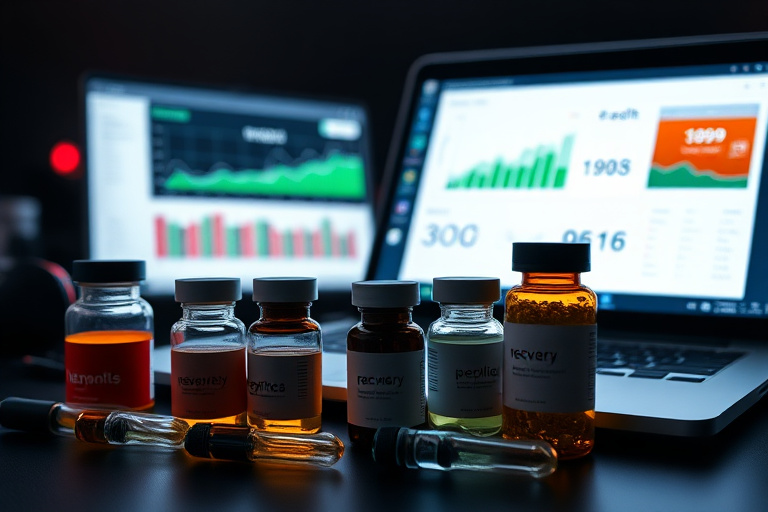
View data table
| Category | Evidence and Efficacy Score | Detail |
|---|---|---|
| Cold Exposure | 72 | Metabolic activation |
| Red Light | 65 | Mitochondrial support |
| CGM Tracking | 82 | Glucose optimization |
| Peptide Stacks | 70 | Targeted protocols |
| Nootropics | 55 | Cognitive enhancement |
Why subcutaneous injection near the injury? When BPC-157 is injected subcutaneously near an injured tendon, for example, it creates a high local concentration of the peptide. This means the VEGF upregulation and growth factor receptor activation happen most intensely right where you need them. Systemic effects still occur through circulation, but the local effect is more potent.
Why stack BPC-157 and TB-500? These peptides target different phases and mechanisms of repair. TB-500 excels at mobilizing repair cells (migration) and preventing scar tissue (anti-fibrotic action). BPC-157 excels at building new blood vessels (angiogenesis) and activating growth factor pathways. Together, they cover more of the repair cascade than either one alone.
Why add GHK-Cu for tendon and ligament issues? These tissues are primarily made of collagen. GHK-Cu's specific effect on collagen synthesis makes it a natural complement for injuries in collagen-rich structures. It addresses the remodeling phase that BPC-157 and TB-500 don't directly target as strongly.
Why cycle rather than continuous use? Your body's repair systems are responsive to signals. Continuous peptide stimulation can lead to receptor desensitization over time. Cycling maintains the sensitivity of these pathways, ensuring consistent effectiveness across multiple treatment periods.
Getting Started
- Schedule a consultation with a FormBlends physician to discuss your injury or recovery needs.
- We will design a protocol based on the specific biology of your situation, selecting the peptides, doses, and duration that match your tissue type and injury severity.
- All peptides come from licensed compounding pharmacies with purity testing and proper handling. Starting at $199/mo
Expected Benefits and Timeline
The biological timelines of tissue repair predict the clinical outcomes:
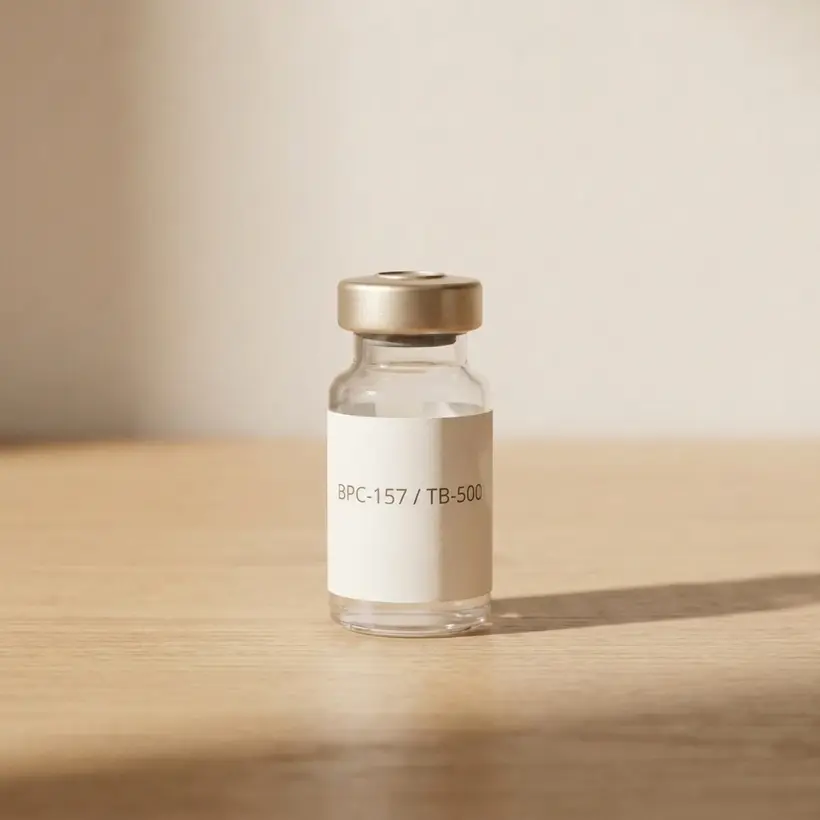
From the FormBlends catalog
BPC-157 / TB-500 Blend
The ultimate recovery stack in one vial · From $249/mo · compounded by a licensed 503A pharmacy, dispensed only after provider review.
View BPC-157 / TB-500 Blend →- Days 1-5: Inflammation modulation begins. Pain and swelling decrease as the inflammatory phase is properly regulated rather than excessively prolonged.
- Week 1-2: Angiogenesis (BPC-157) and cell migration (TB-500) kick in. New blood vessels form in the damaged area, and repair cells arrive in greater numbers. Range of motion begins improving.
- Weeks 3-6: The proliferative phase is fully supported. New tissue fills in the damaged area. Strength returns progressively. Athletes typically notice meaningful functional improvement during this window.
- Weeks 6-12: Remodeling phase. With GHK-Cu support, collagen aligns properly and the healed tissue approaches full strength. This is when the quality of the repair becomes evident through improved performance.
Safety Considerations
- Peptide purity. The molecular mechanisms described above depend on using pure, correctly folded peptides. Impurities or degradation products can cause unpredictable effects. This is why pharmacy-grade sourcing is important.
- Dose precision. The dose-response relationship for recovery peptides follows a curve. Too little may be ineffective. excessive doses don't proportionally improve outcomes and may increase side effect risk. Physician-guided dosing optimizes this balance.
- Competition compliance. TB-500 is prohibited by WADA. Athletes in tested sports must factor this into their decisions and timelines.
- Side effects are uncommon. Local injection site reactions (mild redness, swelling) are the most frequent. Systemic adverse effects are rare in clinical experience.
Frequently Asked Questions
Do recovery peptides work on all tissue types?
BPC-157 has demonstrated effects on muscle, tendon, ligament, bone, and even nerve tissue in research studies. TB-500 is particularly effective for muscle and connective tissue. GHK-Cu targets collagen-rich structures. Between them, most athletic injury types are addressed.
Can peptides help with old injuries?
Yes. Chronic injuries often involve incomplete repair and persistent low-grade inflammation. Peptides can restart the healing process by providing the growth factor signals and cellular support that the body stopped delivering when the injury became "chronic." Many of our athletes have resolved issues that lingered for years.
How do I know if the peptides are working or if I am just healing naturally?
The speed and quality of recovery are the main indicators. If an injury that should take 8 weeks to heal resolves in 4 to 5 weeks with full function, the peptides are contributing. Your physician tracks objective measures (range of motion, pain scores, functional tests) to confirm progress. recovery tracking and assessment
Are there any foods or supplements that enhance peptide effectiveness?
Adequate protein intake supports tissue repair (your body needs amino acids to build new tissue). Vitamin C is important for collagen synthesis. Omega-3 fatty acids support healthy inflammation regulation. These don't replace peptides but they provide the raw materials peptides help deploy.
Medical References
- Goldstein AL, Hannappel E, Sosne G, Kleinman HK. Thymosin beta4: a multi-functional regenerative peptide. Basic properties and clinical applications. Expert Opin Biol Ther. 2012;12(1):37-51. [PubMed | DOI]
Apply the Science to Your Recovery
The molecular science behind recovery peptides is strong and growing. If you want that science working for your body, schedule your consultation with FormBlends. We will match the right peptides to your specific biology and get you back to full performance.
Ready when you are
BPC-157 / TB-500 Blend
The ultimate recovery stack in one vial · From $249/mo · compounded by a licensed 503A pharmacy, dispensed only after provider review.
View BPC-157 / TB-500 Blend →