Key Takeaway
You've been prescribed a GLP-1 medication, but your pharmacy says it's out of stock. This GLP-1 medication shortage alternatives resource covers the important information you need to make informed decisions. Or you're ready to start treatment, but your provider warns about limited supply.
You've been prescribed a GLP-1 medication, but your pharmacy says it's out of stock. This GLP-1 medication shortage alternatives resource covers the important information you need to make informed decisions. Or you're ready to start treatment, but your provider warns about limited supply. GLP-1 medication shortages have affected access for many patients. But a shortage doesn't have to mean going without treatment.
Key Takeaways: - Discover why glp-1 shortages happen - Compounded GLP-1 Medications as an Alternative - Switching Between GLP-1 Medications - Learn how to maintain consistent access
This guide explains why shortages happen, what alternatives are available, and how to maintain consistent access to your medication.
Why GLP-1 Shortages Happen
GLP-1 medication shortages have been driven by a perfect storm of demand and supply factors.
Unprecedented demand. GLP-1 medications have become the fastest-growing drug class in history. Prescriptions surged as clinical trial results showed dramatic weight loss and as awareness spread through social media, news coverage, and word of mouth. Manufacturers simply couldn't scale production fast enough to keep up.
Complex manufacturing. GLP-1 medications are biologics) they require sophisticated manufacturing processes that can't be ramped up as quickly as simple pill production. Building new manufacturing facilities takes years and billions of dollars in investment.
Regulatory constraints. Manufacturing expansions require regulatory approval and validation. Even when a company decides to increase production, the regulatory timeline adds months to years before new capacity comes online.
Supply chain disruptions. Global supply chain issues affecting raw materials and pharmaceutical ingredients have contributed to intermittent shortages.
Multiple indications. The same medications are prescribed for both diabetes and weight management, creating competing demand. Patients with diabetes who need these medications for blood sugar control are affected by the same shortages.
Shortages are gradually improving as manufacturers invest in expanded production capacity, but they can still occur at specific pharmacies and for specific dose levels.
"GLP-1 receptor agonists represent the most significant advance in obesity pharmacotherapy in decades. For the first time, we have medications that produce weight loss approaching what was previously only achievable through bariatric surgery.", Dr. Robert Kushner, MD, Northwestern University, speaking at ObesityWeek 2023
If you're experiencing access issues, works with licensed compounding pharmacies that maintain consistent supply.
Compounded GLP-1 Medications as an Alternative
For patients affected by brand-name shortages, compounded GLP-1 medications offer a reliable alternative.
View data table
| Category | Overall Value Score | Detail |
|---|---|---|
| FormBlends | 92 | First month $99 (semaglutide) or $149 (tirzepatide), then $190 or $239 per month, physician-led |
| Hims/Hers | 78 | Consumer brand, varies |
| Ro | 75 | Telehealth platform |
| Calibrate | 70 | Metabolic health focus |
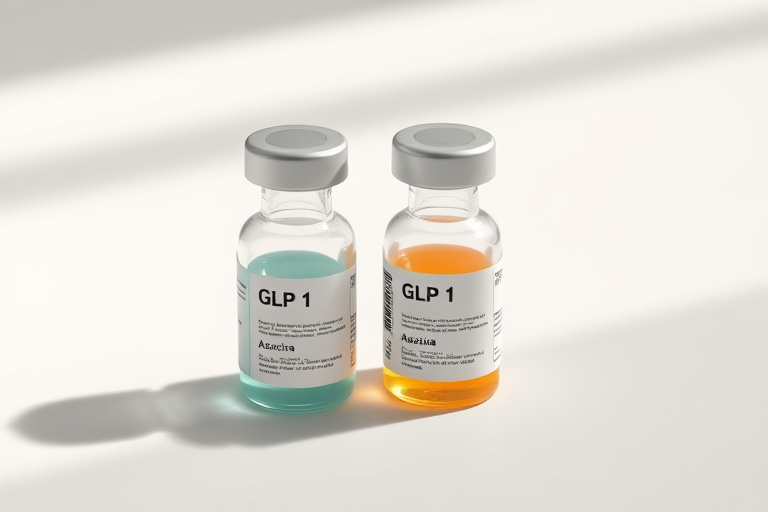
How compounding fills the gap: Licensed 503A compounding pharmacies can prepare semaglutide and tirzepatide using pharmaceutical-grade ingredients when a valid prescription exists. These pharmacies operate independently from the brand-name supply chain, so brand-name shortages don't directly affect their ability to fill prescriptions.
Free Download: GLP-1 Cost Comparison Spreadsheet Compare costs across brand-name, compounded, and insurance-covered options. Plan your backup strategy with real numbers. Get yours free (we'll email it to you instantly.
[Download CTA Button]
Advantages during shortages: - Independent supply chain from brand-name manufacturers - Consistent availability through established pharmacy relationships - Lower cost than brand-name medications - No insurance authorization delays - Direct-to-patient shipping
Patient Perspective: "My insurance denied Wegovy twice. My provider helped me file a peer-to-peer review appeal with supporting documentation from my labs and BMI history. Third time was approved. Don't give up after the first denial.") Brian C., 45, FormBlends patient (name changed for privacy)
Important considerations: - Compounded medications contain compounded formulations of the active ingredient but may differ in concentration and formulation - Your provider will adjust dosing instructions to match the compounded formulation - Compounded medications aren't FDA-approved products (they're regulated under Section 503A)
If you've been on brand-name medication and need to transition to compounded, your can manage the switch safely, maintaining your dose level and monitoring schedule.
Switching Between GLP-1 Medications
If your current GLP-1 medication is unavailable, switching to a different one may be an option.
Not sure which GLP-1 is right for you?
Take a 2-minute assessment and get a personalized recommendation after licensed provider review.
Take the Assessment →Semaglutide to tirzepatide (or vice versa): Both are GLP-1-based medications, but they work differently. Switching requires provider guidance because: - Dosing isn't directly interchangeable - Tirzepatide has a different titration schedule than semaglutide - Side effects may differ during the transition - Your response to the new medication is unpredictable
What your provider considers: - Your current dose and response - The reason for switching (shortage, side effects, or clinical preference) - Your health history and any conditions that might favor one medication - Cost and access factors
What to expect during a switch: - You may restart at a lower dose of the new medication - Side effects (especially nausea) may recur during the adjustment period - Weight management results may vary initially as your body adjusts - Regular monitoring helps your provider fine-tune the new protocol
For a detailed clinical comparison, see our .
How to Maintain Consistent Access
Proactive planning prevents treatment interruptions. Here are strategies to ensure continuous access.
Plan ahead. Don't wait until your last dose to order a refill. Order your next supply 1-2 weeks before you run out. This buffer accounts for shipping times and any unexpected delays.
Communicate with your provider. If you hear about potential supply issues, reach out to your provider early. They may be able to adjust your prescription or suggest alternatives before you run out.
Consider a provider with strong pharmacy relationships. Platforms like maintain established relationships with multiple compounding pharmacies. This diversification reduces the impact of any single pharmacy's supply issues.
Keep your provider informed about your inventory. Some providers proactively track patient supply levels and initiate refills. The can help you log your doses and track when your current vial will run out.
Don't stockpile. It's tempting to order extra vials "just in case," but reconstituted medications have a 28-30 day shelf life. Stockpiling leads to waste if you can't use the medication before it expires. Unreconstituted lyophilized vials last longer but still have expiration dates.
Have a backup plan. Know what you'll do if your primary medication becomes unavailable. Discuss contingency options with your provider ahead of time (whether that's switching medications, adjusting your dose, or transitioning between brand-name and compounded formulations.
For more about managing your GLP-1 protocol, check our and .
Frequently Asked Questions
Can I stop and restart GLP-1 medication during a shortage?
If you must pause treatment due to a shortage, work with your provider on a plan. Stopping abruptly is generally safe but may lead to returning appetite and weight regain. When restarting, your provider may recommend resuming at a lower dose and re-titrating to minimize side effects. Never restart at your previous full dose without provider guidance.
Will shortages affect the compounding pharmacy supply too?
Compounding pharmacy supply is largely independent of brand-name supply chains. But extreme demand or raw ingredient shortages could theoretically affect compounding pharmacies as well. Working with a provider that has relationships with multiple pharmacies provides additional security.
Should I try to get both brand-name and compounded prescriptions as backup?
Having duplicate prescriptions for the same medication is generally not recommended and may raise regulatory concerns. Instead, work with your provider on a clear plan for which supply source to use. If brand-name becomes unavailable, your provider can write a new prescription for the compounded version.
How do I know if a shortage is real or if my pharmacy just doesn't carry it?
Check the FDA Drug Shortage Database for official shortage announcements. You can also call multiple pharmacies to see if the issue is localized to your pharmacy or widespread. Your provider's office can often help verify shortage information through their pharmacy contacts.
Let's Make This Happen
The research is clear. The options are available. The only question is whether it's right for you. A FormBlends provider can help you decide) no pressure, no commitment.
Medical References
- Davies M, Færch L, Jeppesen OK, et al. Semaglutide 2.4 mg once a week in adults with overweight or obesity, and type 2 diabetes (STEP 2). Lancet. 2021;397(10278):971-984. [PubMed | ClinicalTrials.gov | DOI]
- Wadden TA, Bailey TS, Billings LK, et al. Effect of Subcutaneous Semaglutide vs Placebo as an Adjunct to Intensive Behavioral Therapy on Body Weight in Adults With Overweight or Obesity (STEP 3). JAMA. 2021;325(14):1403-1413. [PubMed | ClinicalTrials.gov | DOI]
- Garvey WT, Batterham RL, Bhatt DL, et al. Two-year effects of semaglutide in adults with overweight or obesity (STEP 5). Nat Med. 2022;28(10):2083-2091. [PubMed | ClinicalTrials.gov | DOI]
- Garvey WT, Frias JP, Jastreboff AM, et al. Tirzepatide once weekly for the treatment of obesity in people with type 2 diabetes (SURMOUNT-2). Lancet. 2023;402(10402):613-626. [PubMed | ClinicalTrials.gov | DOI]
- Wadden TA, Chao AM, Engel S, et al. Tirzepatide with intensive lifestyle intervention in adults with overweight or obesity (SURMOUNT-3). Nat Med. 2024. [PubMed | ClinicalTrials.gov | DOI]
- Aronne LJ, Sattar N, Horn DB, et al. Continued Treatment With Tirzepatide for Maintenance of Weight Reduction in Adults With Obesity (SURMOUNT-4). JAMA. 2024;331(1):38-48. [PubMed | ClinicalTrials.gov | DOI]
Sources &. References
- Wilding JPH, Batterham RL, Calanna S, et al. Once-Weekly Semaglutide in Adults with Overweight or Obesity. N Engl J Med. 2021;384(11):989-1002. Doi:10.1056/NEJMoa2032183
- Davies M, Færch L, Jeppesen OK, et al. Semaglutide 2.4 mg once a week in adults with overweight or obesity, and type 2 diabetes (STEP 2 (Davies et al., Lancet, 2021)). Lancet. 2021;397(10278):971-984. Doi:10.1016/S0140-6736(21)00213-0
- Wadden TA, Bailey TS, Billings LK, et al. Effect of Subcutaneous Semaglutide vs Placebo as an Adjunct to Intensive Behavioral Therapy on Body Weight in Adults With Overweight or Obesity (STEP 3 (Wadden et al., JAMA, 2021)). JAMA. 2021;325(14):1403-1413. Doi:10.1001/jama.2021.1831
- Garvey WT, Batterham RL, Bhatt DL, et al. Two-Year Effects of Semaglutide in Adults with Overweight or Obesity (STEP 5 (Garvey et al., Nat Med, 2022)). Nat Med. 2022;28:2083-2091. Doi:10.1038/s41591-022-02026-4
- Lincoff AM, Brown-Frandsen K, Colhoun HM, et al. Semaglutide and Cardiovascular Outcomes in Obesity without Diabetes. N Engl J Med. 2023;389(24):2221-2232. Doi:10.1056/NEJMoa2307563
- Jastreboff AM, Aronne LJ, Ahmad NN, et al. Tirzepatide Once Weekly for the Treatment of Obesity. N Engl J Med. 2022;387(3):205-216. Doi:10.1056/NEJMoa2206038
- Garvey WT, Frias JP, Jastreboff AM, et al. Tirzepatide once weekly for the treatment of obesity in people with type 2 diabetes (SURMOUNT-2[4] (Garvey et al., Lancet, 2023)). Lancet. 2023;402(10402):613-626. Doi:10.1016/S0140-6736(23)01200-X
- Wadden TA, Chao AM, Engel S, et al. Tirzepatide after intensive lifestyle intervention in adults with overweight or obesity (SURMOUNT-3[5] (Wadden et al., Nat Med, 2023)). Nat Med. 2023. Doi:10.1038/s41591-023-02597-w
- Aronne LJ, Sattar N, Horn DB, et al. Continued Treatment With Tirzepatide for Maintenance of Weight Reduction in Adults With Obesity (SURMOUNT-4[6] (Aronne et al., JAMA, 2024)). JAMA. 2024;331(1):38-48. Doi:10.1001/jama.2023.24945
- Malhotra A, Grunstein RR, Fietze I, et al. Tirzepatide for the Treatment of Obstructive Sleep Apnea and Obesity. N Engl J Med. 2024;391:1193-1205. Doi:10.1056/NEJMoa2404881
- Centers for Disease Control and Prevention. Multistate Outbreak of Fungal Meningitis and Other Infections, United States, 2012. MMWR. 2012;61(41):839-842.
- U.S. Food and Drug Administration. Drug Quality and Security Act (DQSA). Public Law 113-54. November 27, 2013.
This content is provided for informational and educational purposes only. It isn't a substitute for professional medical advice, diagnosis, or treatment. Always seek the advice of a licensed healthcare provider with any questions about a medical condition or treatment plan.
Last updated: 2026-03-24
See your options in about 2 minutes
Take the free quiz and see what fits you. Quick, private, and no commitment to continue.
See my options →