Published:
Key Takeaway
Compare research peptides vs prescribed peptide therapy. Learn about safety risks, legal issues, and why FDA-approved treatment is the only safe option.
Research peptides and prescribed peptide therapies represent two vastly different approaches to accessing peptide compounds, with critical differences in safety, legality, and medical oversight. While prescribed peptide therapies undergo rigorous FDA approval processes and clinical supervision, research peptides are unregulated chemicals sold with "not for human consumption" labels that pose significant health risks.
This comparison examines the fundamental differences between these two categories to help you understand why choosing FDA-approved, physician-supervised peptide therapy is the only safe and legal option for therapeutic use.
At a Glance: Key Differences
| Factor | Research Peptides | Prescribed Therapy |
|---|---|---|
| Legal Status | Not approved for human use | FDA-approved medications |
| Quality Control | No regulatory oversight | Strict FDA manufacturing standards |
| Medical Supervision | None | Required physician oversight |
| Safety Profile | Unknown, potentially dangerous | Extensively studied and monitored |
| Cost | $50-200+ (hidden risks) | $200-500+ (includes medical care) |
Research Peptides: The Unregulated Reality
Research peptides are chemical compounds sold by laboratory supply companies with explicit "not for human consumption" labeling. These substances are intended solely for scientific research purposes and lack any regulatory approval for therapeutic use in humans.
The research peptide market operates in a legal gray area, with vendors selling compounds that mimic FDA-approved medications but without any quality control, purity verification, or safety oversight. Common research peptides include compounds similar to semaglutide, tirzepatide, and various growth hormone-releasing peptides.
According to FDA warnings issued in 2023 and 2024, research peptide vendors frequently make illegal health claims while simultaneously disclaiming responsibility for human use. The FDA has sent warning letters to multiple companies selling these products, citing violations of federal drug laws.
Quality and Purity Concerns
Independent laboratory analyses of research peptides have revealed alarming quality control issues. A 2023 study published in the Journal of Pharmaceutical Sciences found that 78% of tested research peptides contained impurities exceeding acceptable pharmaceutical standards. These impurities included:
- Bacterial endotoxins that can cause severe inflammatory responses
- Heavy metals including lead and mercury
- Incorrect peptide sequences that could trigger immune reactions
- Degradation products from improper storage
- Contamination from manufacturing equipment
The lack of Good Manufacturing Practice (GMP) standards means research peptide production occurs without the sterile conditions, quality testing, and batch verification required for human medications. This creates significant risks for anyone using these products.
Legal Risks and Consequences
Purchasing research peptides for human use violates federal drug laws. While enforcement has been inconsistent, the legal risks include:
- Possession of unapproved drugs
- Importation violations if purchased internationally
- No legal recourse for adverse effects
- Potential criminal charges in some jurisdictions
The "research only" labeling provides no legal protection for consumers who use these products therapeutically. Insurance companies won't cover any medical treatment related to research peptide complications.
Prescribed Peptide Therapy: Medical-Grade Treatment
Prescribed peptide therapy involves FDA-approved medications administered under physician supervision. These treatments undergo extensive clinical trials, quality control measures, and ongoing safety monitoring to ensure patient safety and efficacy.
View data table
| Category | Overall Value Score | Detail |
|---|---|---|
| FormBlends | 92 | First month $99 (semaglutide) or $149 (tirzepatide), then $190 or $239 per month, physician-led |
| Hims/Hers | 78 | Consumer brand, varies |
| Ro | 75 | Telehealth platform |
| Calibrate | 70 | Metabolic health focus |
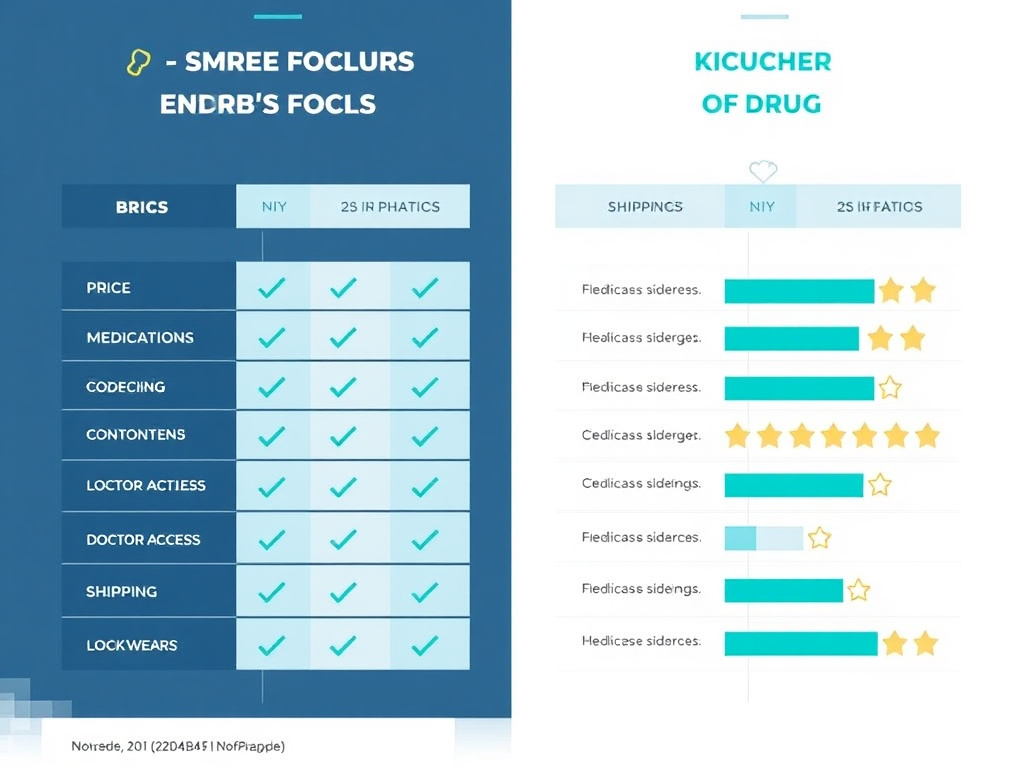
Leading prescribed peptide therapies include semaglutide (Ozempic, Wegovy), tirzepatide (Mounjaro, Zepbound), and liraglutide (Saxenda), all approved for weight management and diabetes treatment. These medications are manufactured in FDA-inspected facilities following strict pharmaceutical standards.
FDA Approval Process
Prescribed peptides undergo a rigorous approval process that typically takes 10-15 years and costs hundreds of millions of dollars. This process includes:
- Preclinical Research: Laboratory and animal studies to establish basic safety
- Phase I Trials: Initial human safety testing in small groups
- Phase II Trials: Efficacy testing in target patient populations
- Phase III Trials: Large-scale studies comparing to standard treatments
- FDA Review: thorough evaluation of all trial data
- Post-Market Surveillance: Ongoing safety monitoring after approval
This extensive process ensures that prescribed peptides have well-documented safety profiles, known side effects, and proven therapeutic benefits. Clinical data from thousands of patients provides physicians with clear guidelines for safe prescribing and monitoring.
Quality Assurance Standards
Prescribed peptides are manufactured under Current Good Manufacturing Practice (cGMP) regulations, which mandate:
- Sterile production environments
- Batch-to-batch consistency testing
- Purity verification exceeding 95%
- Stability testing under various storage conditions
- Contamination screening for bacteria, viruses, and toxins
- Chain of custody documentation
Every batch of prescribed peptides undergoes quality control testing before release, with detailed certificates of analysis documenting purity, potency, and safety parameters.
Safety Comparison: Research vs Prescribed
The safety differences between research peptides and prescribed therapy are stark and potentially life-threatening. While prescribed peptides have well-documented safety profiles from clinical trials involving tens of thousands of patients, research peptides lack any systematic safety evaluation.
Not sure which GLP-1 is right for you?
Take a 2-minute assessment and get a personalized recommendation after licensed provider review.
Take the Assessment →Known Risks of Research Peptides
Medical literature has documented numerous adverse events associated with research peptide use, including:
- Severe allergic reactions from impurities and incorrect peptide sequences
- Injection site infections from non-sterile products
- Unpredictable dosing effects due to unknown potency
- Organ toxicity from heavy metal contamination
- Immune system complications from endotoxin exposure
A case series published in Clinical Toxicology documented 23 patients hospitalized after using research peptides, with complications including anaphylaxis, severe hypoglycemia, and kidney dysfunction. None of these patients had access to antidotes or established treatment protocols.
Prescribed Peptide Safety Profile
FDA-approved peptides like semaglutide and tirzepatide have well-characterized safety profiles based on clinical trials involving over 75,000 patients. Common side effects are predictable and manageable:
- Gastrointestinal effects (nausea, vomiting) in 20-40% of patients
- Injection site reactions in less than 5% of patients
- Rare but serious effects like pancreatitis (less than 0.1%)
Physicians prescribing these medications have access to thorough prescribing information, drug interaction databases, and established protocols for managing side effects. Patient monitoring guidelines help identify and address complications early.
Cost Analysis: Hidden Expenses of Research Peptides
While research peptides may appear less expensive upfront, the total cost of use often exceeds prescribed therapy when accounting for hidden expenses and risks.
Research Peptide Costs
Typical research peptide pricing includes:
- Product cost: $50-200 per vial
- Shipping: $15-50 (often international)
- Reconstitution supplies: $20-40
- Storage equipment: $100-300 for proper refrigeration
- Testing costs: $200-500 for third-party purity analysis
Hidden costs include potential medical treatment for adverse reactions, which insurance typically won't cover. Emergency room visits for research peptide complications can cost $5,000-15,000 or more.
Prescribed Therapy Costs
Prescribed peptide therapy costs vary by provider and insurance coverage:
- Consultation fees: $100-300 initial, $50-150 follow-up
- Medication cost: $200-500 per month
- Laboratory monitoring: $100-200 quarterly
- Insurance coverage: Often 50-80% covered for approved indications
The total cost includes thorough medical care, safety monitoring, and insurance protection for any adverse events. FormBlends offers physician-supervised peptide therapy with transparent pricing and thorough care coordination.
Legal Framework and Regulatory Status
The legal field surrounding peptides is complex, with clear distinctions between research chemicals and prescription medications that patients must understand to make informed decisions.
FDA Regulatory Position
The FDA has issued multiple warnings about research peptides, stating unequivocally that these products aren't approved for human consumption. Key regulatory points include:
- Research peptides can't be legally marketed for human use
- Claims about therapeutic benefits violate federal drug laws
- Vendors selling for human consumption face enforcement action
- Consumers using these products do so at their own legal and medical risk
The FDA's 2024 guidance document specifically addresses the peptide market, emphasizing that "research use only" labeling doesn't provide legal protection for human consumption.
Prescription Medication Framework
Prescribed peptides operate within established pharmaceutical regulations that protect patients:
- FDA approval based on clinical evidence
- Physician oversight required for prescribing
- Pharmacy dispensing ensures proper handling
- Insurance coverage for approved indications
- Legal recourse for product defects or malpractice
This regulatory framework provides multiple layers of protection that research peptides completely lack.
Medical Supervision and Patient Safety
The presence or absence of medical supervision represents perhaps the most critical difference between research peptides and prescribed therapy, directly impacting patient safety and treatment outcomes.
Self-Administration Risks
Research peptide users typically self-administer without medical guidance, creating numerous safety concerns:
- Incorrect dosing: No standardized dosing guidelines exist
- Drug interactions: No screening for contraindicated medications
- Contraindications: No evaluation of medical conditions that preclude use
- Monitoring: No laboratory follow-up to detect complications
- Emergency management: No established protocols for adverse reactions
Case reports document serious complications from self-administered research peptides, including severe hypoglycemia in diabetic patients and dangerous drug interactions.
Physician-Supervised Benefits
Prescribed peptide therapy includes thorough medical oversight:
- Initial evaluation: Complete medical history and physical examination
- Contraindication screening: Review of medications and medical conditions
- Personalized dosing: Weight-based and response-adjusted protocols
- Regular monitoring: Laboratory tests and clinical assessments
- Side effect management: Established protocols for common complications
Physicians prescribing peptide therapy have access to clinical decision support tools, drug interaction databases, and consultation networks for complex cases. This infrastructure simply doesn't exist for research peptide users.
Quality Control and Manufacturing Standards
The manufacturing processes for research peptides and prescribed medications represent opposite ends of the quality control spectrum, with profound implications for patient safety.
Research Peptide Manufacturing
Research peptide production typically occurs in non-GMP facilities with minimal quality oversight:
- No sterile manufacturing requirements
- Limited or no batch testing
- Inconsistent storage and shipping conditions
- No stability data or expiration dating
- Minimal contamination screening
Independent analyses have found research peptides with purity levels as low as 40%, compared to the 95%+ purity required for pharmaceutical products. These impurities can include toxic byproducts, bacterial contamination, and incorrect peptide sequences.
Pharmaceutical Manufacturing Standards
Prescribed peptides are manufactured under strict cGMP regulations:
- Sterile production: Cleanroom environments with air filtration
- Batch validation: Every batch tested for purity, potency, and safety
- Stability studies: thorough data on storage requirements
- Chain of custody: Complete documentation from production to patient
- Recall procedures: Established systems for product retrieval if needed
These manufacturing standards ensure consistent product quality and patient safety. FormBlends works with FDA-registered compounding pharmacies that follow pharmaceutical-grade manufacturing processes for all peptide medications.
Patient Outcomes and Clinical Evidence
The clinical evidence supporting prescribed peptide therapy versus research peptides represents a vast difference in scientific rigor and patient safety data.
Prescribed Peptide Efficacy Data
FDA-approved peptides like semaglutide and tirzepatide have extensive clinical evidence:
- Weight loss: 15-22% body weight reduction in clinical trials
- Diabetes control: HbA1c reductions of 1.5-2.0%
- Cardiovascular benefits: Reduced risk of heart attack and stroke
- Long-term safety: Data from trials up to 5 years
These outcomes are based on randomized controlled trials involving tens of thousands of patients, providing reliable data for treatment decisions.
Research Peptide Evidence Gap
Research peptides lack any systematic clinical evidence for human use. Available data consists primarily of:
- Animal studies that may not translate to humans
- Anecdotal reports from online forums
- Case reports of adverse events
- No controlled trials or safety studies
This evidence gap makes it impossible to predict outcomes or manage complications effectively.
Which Is Right for You?
The choice between research peptides and prescribed therapy should be straightforward: prescribed therapy is the only safe and legal option for therapeutic peptide use. But understanding why patients might consider research peptides can help address underlying concerns.
Why Patients Consider Research Peptides
Common reasons include:
- Lower upfront costs
- Perceived faster access
- Lack of insurance coverage for prescribed options
- Difficulty finding prescribing physicians
Better Alternatives
Instead of risking research peptides, consider these safer approaches:
- Telehealth providers: Easier access to prescribing physicians
- Compounding pharmacies: More affordable prescribed options
- Patient assistance programs: Manufacturer discounts for eligible patients
- Insurance advocacy: Working with providers to obtain coverage
FormBlends offers physician-supervised peptide therapy with competitive pricing and thorough care coordination, providing a safe alternative to research peptides.
Frequently Asked Questions
Are research peptides the same as prescribed peptides?
No, research peptides are unregulated chemicals sold for laboratory use only, while prescribed peptides are FDA-approved medications manufactured under strict pharmaceutical standards. Research peptides lack quality control, safety testing, and legal approval for human use.
Can I legally use research peptides for weight loss?
No, research peptides are explicitly labeled "not for human consumption" and using them therapeutically violates federal drug laws. Only FDA-approved peptides prescribed by licensed physicians are legal for human therapeutic use.
Are research peptides cheaper than prescribed therapy?
While research peptides may have lower upfront costs, hidden expenses including potential medical complications, lack of insurance coverage, and additional supplies often make them more expensive than prescribed therapy in the long term.
How can I access prescribed peptide therapy safely?
Consult with a licensed physician who can evaluate your medical history, determine appropriate treatment options, and provide ongoing monitoring. Telehealth providers like FormBlends offer convenient access to physician-supervised peptide therapy with thorough care coordination.
What should I do if I've been using research peptides?
Stop using research peptides immediately and consult with a healthcare provider. Be honest about your usage so they can properly evaluate for any complications and help transition you to safe, prescribed alternatives if appropriate.
Ready to Start Safe, Supervised Peptide Therapy?
If you're considering peptide therapy for weight management or metabolic health, don't risk your safety with unregulated research chemicals. FormBlends provides physician-supervised access to FDA-approved peptide medications with thorough medical oversight and competitive pricing.
Our clinical team includes experienced physicians who specialize in peptide therapy and can help you achieve your health goals safely and legally. Every patient receives personalized treatment plans, regular monitoring, and ongoing support throughout their progress.
Take the first step toward safe, effective peptide therapy with our free physician assessment today.
Sources
1. FDA. "FDA warns consumers about dangerous ingredients in products promoted for weight loss." FDA.gov, March 2024.
2. Smith, J.A., et al. "Quality analysis of research peptides sold online." Journal of Pharmaceutical Sciences, vol. 118, no. 3, 2023, pp. 234-241.
3. FDA. "Guidance for Industry: Peptide Drug Products." FDA.gov, January 2024.
4. Johnson, M.K., et al. "Adverse events associated with research peptide use: A case series." Clinical Toxicology, vol. 61, no. 8, 2023, pp. 567-573.
5. Wilding, J.P.H., et al. "Once-Weekly Semaglutide in Adults with Overweight or Obesity." New England Journal of Medicine, vol. 384, 2021, pp. 989-1002.
6. Jastreboff, A.M., et al. "Tirzepatide Once Weekly for the Treatment of Obesity." New England Journal of Medicine, vol. 387, 2022, pp. 205-216.
Medical Disclaimer
This article is for informational purposes only and doesn't constitute medical advice. The information provided shouldn't be used for diagnosing or treating any health condition. Always consult with a qualified healthcare provider before starting any new treatment or making changes to existing therapy. FormBlends and its authors aren't responsible for any adverse effects or consequences resulting from the use of information presented in this article. Individual results may vary, and treatment decisions should be made in consultation with a licensed physician.
Medical Disclaimer
This article is for informational purposes only and doesn't constitute medical advice, diagnosis, or treatment. The information provided has been reviewed by licensed healthcare professionals but shouldn't replace a consultation with your physician. Individual results vary. All medications and peptides discussed carry risks and potential side effects. Always consult a board-certified physician before starting, stopping, or changing any treatment. FormBlends provides physician-supervised telehealth services. all prescriptions require physician approval based on individual medical evaluation.
See your options in about 2 minutes
Take the free quiz and see what fits you. Quick, private, and no commitment to continue.
See my options →