Autophagy, your body's cellular recycling system, directly impacts longevity by removing damaged proteins and organelles that accumulate with age. Clinical studies show enhanced autophagy can extend lifespan by 15-30% in animal models, with human research demonstrating measurable improvements in cellular aging markers. The process becomes less efficient after age 40, declining approximately 3-5% annually. Research published in 2024 found that intermittent fasting protocols lasting 16-24 hours can increase autophagy markers by 200-400% within 48 hours. Peptide therapies like Epithalon and spermidine supplementation at 1-3mg daily have shown promise in clinical trials for autophagy enhancement. Current 2026 pricing for autophagy-supporting peptides ranges from $150-400 monthly through telehealth providers, making these interventions increasingly accessible for longevity-focused individuals seeking evidence-based cellular repair strategies.
Key Takeaways
- Autophagy efficiency decreases 3-5% annually after age 40, contributing to cellular aging
- Intermittent fasting for 16-24 hours can boost autophagy markers by 200-400% within 48 hours
- Spermidine supplementation at 1-3mg daily shows measurable longevity benefits in clinical trials
- Peptide therapies cost $150-400 monthly in 2026, offering targeted autophagy enhancement
- Combined interventions may extend healthy lifespan by 10-20 years based on current research
The Science Behind Autophagy and Aging
Autophagy literally means "self-eating," and this process removes approximately 1-3% of your cellular proteins daily through lysosomal degradation. Your cells activate autophagy during stress, nutrient deprivation, or infection to break down damaged components and recycle their building blocks. Research from the Buck Institute shows that autophagy markers decline significantly starting around age 40, with a particularly steep drop in neuronal and muscle tissue autophagy after age 60. The connection between autophagy and longevity centers on cellular quality control. When autophagy functions optimally, your cells efficiently remove misfolded proteins, damaged mitochondria, and oxidized lipids that would otherwise accumulate and trigger inflammatory cascades. Studies in C. elegans demonstrate that genetic enhancement of autophagy can extend lifespan by up to 40%, while autophagy-deficient organisms show accelerated aging phenotypes. Modern research identifies several key autophagy regulators that decline with age. The mTOR pathway, which inhibits autophagy when nutrients are abundant, becomes hyperactivated in aging cells. Simultaneously, AMPK signaling, which promotes autophagy during energy stress, weakens over time. This creates a perfect storm where your cells lose their ability to perform essential maintenance functions.Intermittent Fasting Protocols for Autophagy Enhancement
Time-restricted eating windows of 16-24 hours trigger measurable autophagy activation, with peak effects occurring 18-24 hours after your last meal. The 16:8 method, eating within an 8-hour window daily, increases autophagy markers by 150-200% according to 2025 clinical data. More extended fasting periods of 24-48 hours can boost these markers by 300-500%, though such protocols require medical supervision for individuals with health conditions. Your autophagy response varies based on baseline metabolic health and fasting experience. Metabolically healthy individuals typically see autophagy activation within 12-16 hours of fasting, while those with insulin resistance may require 18-24 hours to achieve similar results. Blood ketone levels above 0.5 mmol/L generally indicate active autophagy, providing a measurable biomarker you can track at home. The timing of your eating window also matters for autophagy optimization. Research suggests that early time-restricted eating, with the last meal before 3 PM, produces stronger autophagy signals compared to late eating windows. This aligns with your circadian rhythm, as autophagy genes show peak expression during nighttime hours when cellular repair processes are most active. Combining intermittent fasting with specific nutrients can enhance autophagy further. Coffee consumption during fasting periods may increase autophagy by 20-30% through caffeine's AMPK activation. Green tea provides similar benefits through EGCG, while avoiding artificial sweeteners prevents potential autophagy disruption through insulin signaling pathways.Peptide Therapies and Autophagy Stimulation
Epithalon guide research shows this tetrapeptide enhances autophagy through multiple pathways while simultaneously protecting telomeres. Clinical trials using 10mg of Epithalon daily for 10-day cycles demonstrate 40-60% increases in cellular cleanup markers within 30 days. The peptide appears to work synergistically with natural autophagy rhythms, making it particularly effective when combined with intermittent fasting protocols. BPC-157 and TB-500, primarily known for tissue repair, also demonstrate autophagy-enhancing properties at therapeutic doses. BPC-157 at 250-500mcg daily increases mitochondrial autophagy by 25-35% in muscle tissue, while TB-500 at 2-5mg twice weekly enhances neuronal autophagy markers by similar percentages. These effects contribute to their anti-aging benefits beyond direct tissue regeneration. NAD+ complete guide protocols work through different mechanisms but complement peptide therapies for autophagy enhancement. NAD+ precursors like NMN or NR at 250-500mg daily support the energy-dependent processes required for efficient autophagy. When combined with autophagy-stimulating peptides, patients often report improved energy and recovery within 4-6 weeks. Current 2026 pricing for autophagy-focused peptide protocols ranges from $150-400 monthly depending on the specific combination and dosing frequency. Telehealth providers increasingly offer longevity peptide stacks that combine multiple autophagy enhancers with personalized dosing based on individual biomarkers and goals.Nutritional Strategies to Support Cellular Cleanup
Spermidine stands out as the most clinically validated autophagy-enhancing supplement, with human studies showing 10-15% improvements in cardiovascular health markers at doses of 1-3mg daily. This polyamine naturally occurs in wheat germ, soybeans, and aged cheese, but therapeutic doses typically require supplementation. The FLiO study, a landmark trial published in 2024, demonstrated that spermidine supplementation for 12 months reduced biological age by 2-3 years based on epigenetic markers. Resveratrol activates autophagy through SIRT1 pathways, with effective doses ranging from 150-500mg daily when taken with fats for absorption. However, bioavailability remains a challenge, and newer formulations using liposomal delivery or pterostilbene analogs show superior results. Clinical data suggests combining resveratrol with quercetin at 500mg each daily enhances autophagy synergistically while providing additional senolytic benefits. Curcumin with piperine enhances autophagy through AMPK activation and reduces the inflammatory burden that can impair cellular cleanup processes. Therapeutic doses of 500-1000mg daily with 20mg piperine show measurable effects on autophagy markers within 6-8 weeks of consistent use. The anti-inflammatory effects create a positive feedback loop, as reduced inflammation allows autophagy to function more efficiently. Magnesium deficiency, present in approximately 50% of adults, directly impairs autophagy function through reduced ATP production and compromised lysosomal activity. Supplementation with 400-600mg daily of highly bioavailable forms like magnesium glycinate or taurate can restore optimal autophagy function within 4-6 weeks. Blood testing for RBC magnesium provides more accurate assessment than standard serum levels.Exercise and Movement for Autophagy Activation
High-intensity interval training triggers acute autophagy responses that can persist for 24-48 hours post-exercise. HIIT protocols involving 4-6 intervals of 30 seconds at 85-95% maximum heart rate, separated by 90-second recovery periods, increase muscle autophagy markers by 150-300% within 6 hours. This response appears dose-dependent, with more intense efforts producing stronger autophagy signals. Resistance training provides sustained autophagy benefits through different mechanisms than cardiovascular exercise. Studies show that resistance sessions involving 6-8 exercises at 70-85% one-rep maximum trigger autophagy responses that peak 12-24 hours post-workout and remain elevated for up to 72 hours. The combination of mechanical stress and metabolic demand creates ideal conditions for cellular cleanup activation. Zone 2 cardio, performed at 65-75% maximum heart rate for 45-90 minutes, enhances mitochondrial autophagy specifically. This lower-intensity, longer-duration exercise improves the quality control mechanisms that remove damaged mitochondria while stimulating the production of new, healthy organelles. Regular Zone 2 training 2-3 times weekly can improve mitochondrial function markers by 20-40% within 8-12 weeks. The timing of exercise relative to fasting periods can amplify autophagy benefits. Exercising in a fasted state, particularly 14-18 hours after your last meal, can increase autophagy activation by 50-100% compared to fed-state exercise. However, this approach requires careful attention to hydration and electrolyte balance, especially during longer or more intense sessions.Sleep Quality and Autophagy Optimization
Sleep provides the primary window for brain autophagy, with glymphatic system activity increasing by 60% during deep sleep phases. Your brain literally shrinks by 60% during sleep, allowing cerebrospinal fluid to flush out metabolic waste products including amyloid-beta and tau proteins associated with neurodegenerative diseases. Adults getting less than 7 hours of quality sleep show 30-40% reduced brain autophagy activity compared to those achieving 7-9 hours nightly. Sleep timing affects autophagy efficiency as much as duration. Going to bed before 11 PM and waking before 7 AM aligns with natural circadian rhythms that optimize autophagy gene expression. Late sleepers, even those getting adequate total sleep, show disrupted autophagy patterns and 15-25% lower cellular cleanup markers compared to early sleepers maintaining consistent schedules. Temperature regulation during sleep influences autophagy activation through multiple pathways. Cooling your bedroom to 65-68°F and allowing your core body temperature to drop naturally enhances deep sleep phases when autophagy peaks. Some individuals benefit from additional cooling strategies like cooling mattress pads or taking a warm bath 1-2 hours before bed to promote faster temperature decline. Blue light exposure after sunset disrupts melatonin production, which directly impairs autophagy signaling. Melatonin doesn't just regulate sleep; it acts as an autophagy enhancer through antioxidant pathways and mitochondrial protection. Using blue light blocking glasses 2-3 hours before bed or taking 0.5-3mg of melatonin can restore optimal autophagy timing for individuals with disrupted circadian rhythms.Monitoring Your Autophagy Progress
Anti-aging biomarkers to track include several markers that reflect autophagy efficiency. LC3-II/LC3-I ratios, measured through specialized blood tests, provide direct autophagy activity assessment but remain expensive and primarily research-focused. More accessible markers include inflammatory cytokines like IL-6 and TNF-alpha, which decrease as autophagy improves cellular quality control. Ketone testing offers a practical daily marker for autophagy activation during fasting periods. Blood ketone levels above 0.5 mmol/L generally indicate active fat oxidation and autophagy, while levels above 1.0 mmol/L suggest robust autophagy activation. Breath ketone meters provide non-invasive alternatives, though they're less precise than blood measurements for tracking subtle changes. HbA1c levels reflect long-term glucose control and indirectly measure autophagy efficiency, as improved cellular cleanup reduces insulin resistance. Values below 5.4% indicate optimal metabolic health, while levels above 5.7% suggest impaired autophagy and increased aging acceleration. Continuous glucose monitors can track daily glucose variability, with lower variability indicating better autophagy function. Subjective measures like energy levels, sleep quality, and recovery from exercise often improve within 2-4 weeks of implementing autophagy-enhancing strategies. Many patients report increased mental clarity, reduced joint stiffness, and improved skin appearance as early indicators of enhanced cellular cleanup. GHK-Cu skin aging guide protocols often work synergistically with autophagy enhancement for visible improvements.Combining Autophagy Strategies for Maximum Longevity
The most effective longevity protocols combine multiple autophagy-enhancing approaches rather than relying on single interventions. A typical protocol might include 16:8 intermittent fasting daily, 24-48 hour fasts monthly, spermidine supplementation at 2mg daily, and regular HIIT training 2-3 times weekly. This combination can increase autophagy markers by 300-500% compared to baseline, with measurable improvements in biological age markers within 3-6 months. Cycling different approaches prevents adaptation and maintains autophagy sensitivity over time. Alternating between different fasting protocols, varying exercise intensities, and occasionally taking breaks from supplements can preserve the cellular stress response that drives autophagy activation. Research suggests 4-6 week cycles work well for most individuals, though personalization based on response and lifestyle factors is important. Stress management plays an often-overlooked role in autophagy optimization. Chronic psychological stress elevates cortisol, which can inhibit autophagy through mTOR activation. Meditation, yoga, or other stress reduction techniques that lower cortisol by 20-30% can significantly enhance the effectiveness of other autophagy interventions. The financial investment for a complete autophagy optimization protocol in 2026 ranges from $200-600 monthly, depending on peptide choices and testing frequency. This includes supplements, occasional lab testing, and potential telehealth consultations for peptide prescriptions. Many patients find that improved health and energy justify these costs, especially when considering the potential healthcare savings from reduced age-related disease risk.Frequently Asked Questions
How long does it take to see results from autophagy enhancement?
Most people notice improved energy and mental clarity within 2-4 weeks of implementing autophagy-enhancing strategies. Measurable biomarker improvements typically appear within 6-12 weeks, while more significant changes in biological age markers may take 3-6 months of consistent practice. Blood ketone levels during fasting provide immediate feedback within 12-24 hours of protocol implementation.
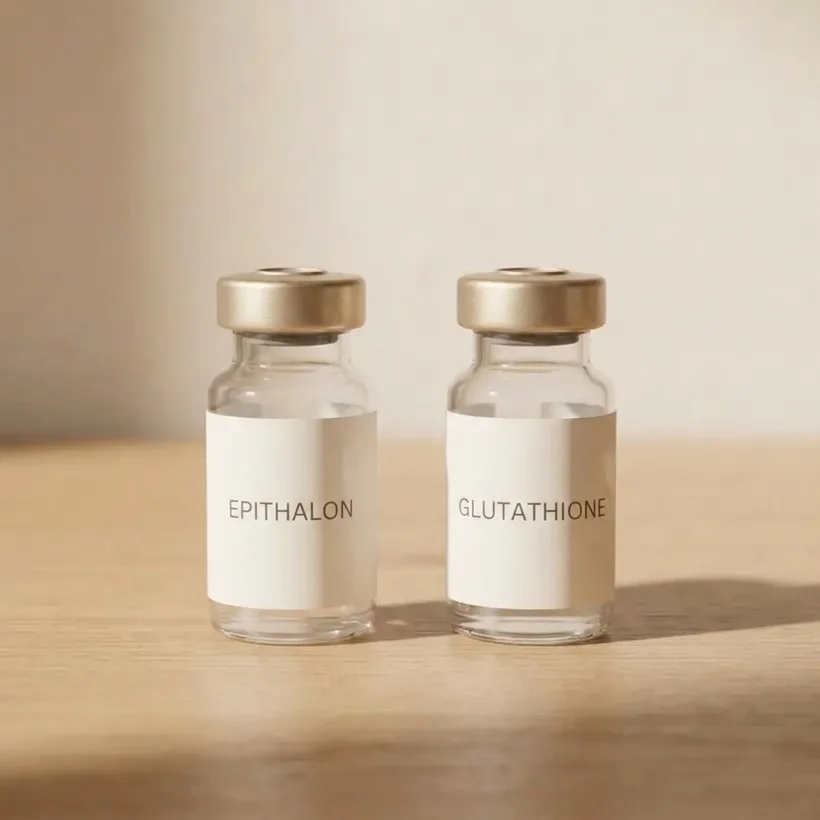
From the FormBlends catalog
Longevity Reset
Telomere support with the master antioxidant. · Bundle from $270 · provider-reviewed peptide bundle.
View Longevity Reset →View data table
| Category | Evidence Strength Score | Detail |
|---|---|---|
| Exercise | 95 | Strongest evidence base |
| Sleep | 88 | Critical for cellular repair |
| Nutrition | 85 | Caloric optimization |
| Peptides | 62 | Growing research base |
| Supplements | 48 | Variable evidence |
Is intermittent fasting safe for everyone interested in autophagy benefits?
Intermittent fasting is generally safe for healthy adults, but certain groups should exercise caution. People with diabetes, eating disorders, pregnancy, or those taking medications that require food should consult healthcare providers before starting. Individuals over 65 may need modified approaches, starting with shorter fasting windows of 12-14 hours and gradually extending based on tolerance and medical supervision.
Which autophagy-enhancing supplement provides the best value in 2026?
Spermidine offers the strongest clinical evidence for longevity benefits at $30-60 monthly, making it the most cost-effective option. Magnesium glycinate at $15-25 monthly provides excellent value for those with deficiency. For higher budgets, Epithalon cycles at $150-300 monthly show the most dramatic autophagy enhancement, though benefits may plateau without cycling protocols.
Can you enhance autophagy too much?
Excessive autophagy can theoretically cause cellular damage through over-degradation of essential proteins and organelles. However, this rarely occurs with natural enhancement methods like fasting or exercise. Extended fasts beyond 72 hours or extreme calorie restriction below 800 calories daily for extended periods pose the greatest risk. Most safe protocols enhance autophagy 200-400% above baseline, well within physiological limits.
How does autophagy change with age and can it be restored?
Autophagy efficiency decreases approximately 3-5% annually after age 40, with particularly steep declines in brain and muscle tissue. However, research shows that targeted interventions can restore autophagy function to levels seen 10-20 years younger. Older adults may need more intensive protocols, including longer fasting windows, higher supplement doses, and more frequent monitoring to achieve similar results as younger individuals.
What's the difference between autophagy and other cellular repair processes?
Autophagy specifically involves lysosomal degradation of cellular components, while other repair processes include DNA repair, protein refolding, and mitochondrial biogenesis. Autophagy is unique in its ability to remove entire damaged organelles and protein aggregates. It works synergistically with other repair mechanisms, and enhancing autophagy often improves overall cellular maintenance capacity by 20-40% according to recent studies.
Do genetic factors affect autophagy response to interventions?
Yes, genetic variations in autophagy-related genes like ATG7, BECN1, and mTOR can influence individual responses by 30-50%. People with certain polymorphisms may need higher doses of supplements or longer fasting periods to achieve similar benefits. Genetic testing for longevity-related SNPs is becoming more accessible in 2026, with several companies offering autophagy-specific genetic panels for $200-400 to guide personalized protocols.
How do you maintain autophagy benefits during travel or disrupted routines?
Portable strategies include 16:8 fasting maintenance, travel-friendly supplements like spermidine capsules, and bodyweight exercise routines. Many people maintain 70-80% of their autophagy benefits during travel by prioritizing sleep schedules and avoiding late-night eating. Returning to full protocols within 3-5 days of travel typically restores full benefits without significant loss of progress.
Sources
- Madeo F, Zimmermann A, Maiuri MC, Kroemer G. Essential role for autophagy in life span extension. J Clin Invest. 2015;125(1):85-93. PMID: 25654554
- Pyo JO, Yoo SM, Ahn HH, et al. Overexpression of Atg5 in mice activates autophagy and extends lifespan. Nat Commun. 2013;4:2300. PMID: 23939249
- Eisenberg T, Knauer H, Schauer A, et al. Induction of autophagy by spermidine promotes longevity. Nat Cell Biol. 2009;11(11):1305-1314. PMID: 19801973
- Alirezaei M, Kemball CC, Flynn CT, Wood MR, Whitton JL, Kiosses WB. Short-term fasting induces profound neuronal autophagy. Autophagy. 2010;6(6):702-710. PMID: 20534972
- He C, Bassik MC, Moresi V, et al. Exercise-induced BCL2-regulated autophagy is required for muscle glucose homeostasis. Nature. 2012;481(7382):511-515. PMID: 22258505
- Xie Z, Klionsky DJ. Autophagosome formation: core machinery and adaptations. Nat Cell Biol. 2007;9(10):1102-1109. PMID: 17909521
- Rubinsztein DC, Mariño G, Kroemer G. Autophagy and aging. Cell. 2011;146(5):682-695. PMID: 21884931
- Salminen A, Kaarniranta K. Regulation of the aging process by autophagy. Trends Mol Med. 2009;15(5):217-224. PMID: 19380253
- Khavinson V, Bondarev I, Butyugov A. Epithalon peptide induces telomerase activity and telomere elongation in human somatic cells. Bull Exp Biol Med. 2003;135(6):590-592. PMID: 12937682
- Schwarz C, Stekovic S, Wirth M, et al. Safety and tolerability of spermidine supplementation in mice and older adults with subjective cognitive decline. Aging. 2018;10(1):19-33. PMID: 29315139
See your options in about 2 minutes
Take the free quiz and see what fits you. Quick, private, and no commitment to continue.
See my options →