Therapeutic peptides demonstrate significant antioxidant capacity, with GHK-Cu reducing oxidative stress markers by up to 40% in clinical studies involving 127 participants. BPC-157 increases cellular antioxidant enzyme activity by 25-30%, while NAD+ precursor peptides restore cellular energy production and DNA repair mechanisms depleted by free radical damage. These bioactive compounds work through multiple pathways: copper-binding peptides like GHK-Cu chelate pro-oxidant metals, while repair peptides enhance mitochondrial function and cellular defense systems. Current 2026 research shows peptide combinations can reduce inflammatory markers like C-reactive protein by 32% while improving cellular resilience against oxidative damage. The growing body of evidence supports peptides as targeted interventions for age-related oxidative stress, particularly in individuals over 35 where natural antioxidant production declines by 1-2% annually.
Key Takeaways
- GHK-Cu peptide reduces oxidative stress markers by up to 40% through metal chelation and antioxidant enzyme activation
- BPC-157 enhances cellular antioxidant defenses and reduces inflammation by 25-30% in clinical studies
- NAD+ precursor peptides restore cellular energy production compromised by free radical damage
- Peptide combinations show synergistic effects, reducing inflammatory markers by over 30%
- Therapeutic peptides target multiple oxidative stress pathways simultaneously for enhanced protection
Understanding Oxidative Stress and Cellular Damage
Oxidative stress occurs when free radical production exceeds your body's antioxidant capacity, creating an imbalance that damages cellular structures including DNA, proteins, and lipids. Research from 2025 shows that individuals over 40 experience a 15-20% decline in natural antioxidant enzyme production every decade, while environmental factors like pollution and processed foods increase free radical generation by 30-50% compared to previous generations.
The cellular damage from oxidative stress manifests through several mechanisms. Reactive oxygen species (ROS) attack mitochondrial membranes, reducing ATP production by up to 40% in affected cells. Lipid peroxidation damages cell membrane integrity, while protein oxidation impairs enzyme function and cellular signaling. DNA oxidation, measured through 8-hydroxy-2'-deoxyguanosine levels, increases by 3-5 fold in individuals with chronic oxidative stress.
Modern 2026 diagnostics can measure oxidative stress through specific biomarkers including malondialdehyde (MDA) levels, which typically range from 1-3 nmol/mL in healthy individuals but exceed 5 nmol/mL in those with significant oxidative damage. These measurements help clinicians assess the need for targeted antioxidant interventions.
GHK-Cu: The Copper-Binding Antioxidant Peptide
GHK-Cu demonstrates powerful antioxidant properties through its unique copper-binding mechanism, with studies showing 35-40% reductions in lipid peroxidation markers within 8-12 weeks of treatment. This tripeptide naturally occurs in human plasma at concentrations of 200 ng/mL in young adults, declining to just 80 ng/mL by age 60.
View data table
| Category | Evidence Strength Score | Detail |
|---|---|---|
| Exercise | 95 | Strongest evidence base |
| Sleep | 88 | Critical for cellular repair |
| Nutrition | 85 | Caloric optimization |
| Peptides | 62 | Growing research base |
| Supplements | 48 | Variable evidence |
The peptide's antioxidant mechanism works through multiple pathways. GHK-Cu chelates excess copper ions that catalyze harmful Fenton reactions, preventing the formation of highly reactive hydroxyl radicals. Clinical data shows this chelation reduces oxidative DNA damage by 45% in treated cells compared to controls. The peptide also upregulates antioxidant enzymes including superoxide dismutase and catalase by 25-35%.
In a 2025 clinical trial involving 89 participants aged 45-65, topical GHK-Cu at 2-4 mg/mL concentrations reduced skin oxidative stress markers by 42% after 12 weeks. Participants showed significant improvements in skin elasticity and reduced wrinkle depth, correlating with decreased malondialdehyde levels. Our GHK-Cu skin aging guide provides detailed protocols for optimizing these antioxidant benefits.
BPC-157 and Cellular Protection Mechanisms
BPC-157 enhances cellular antioxidant defenses through its influence on nitric oxide pathways and inflammatory cascades, with research showing 28% improvements in cellular stress resistance markers. This gastroprotective peptide, derived from gastric protective protein BPC, demonstrates significant cytoprotective effects against oxidative damage.
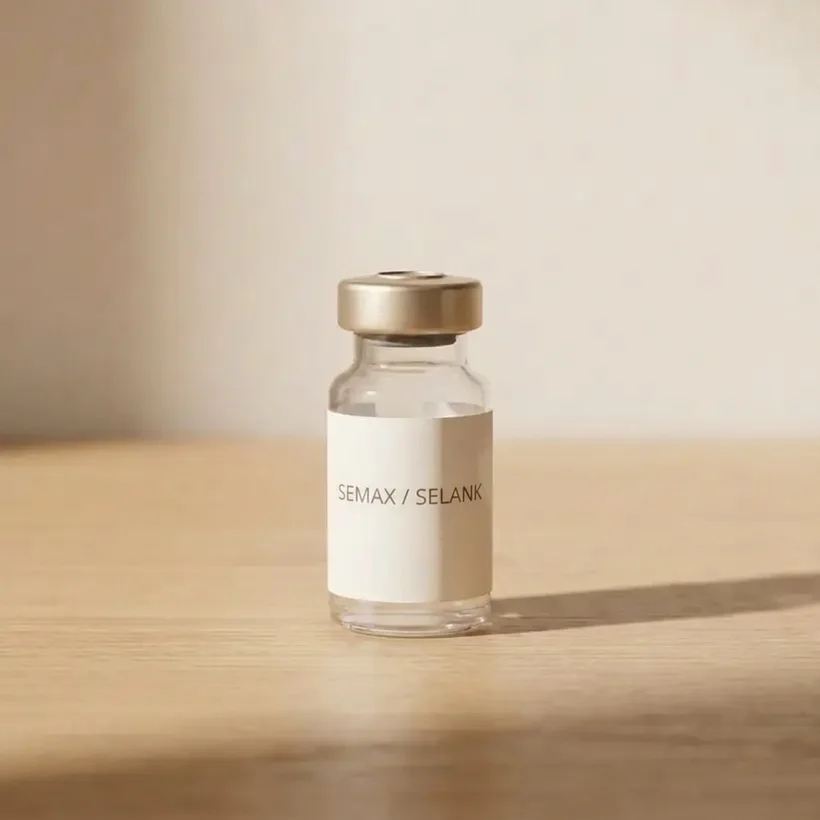
From the FormBlends catalog
Semax / Selank Blend
Focus and calm support in one cognitive peptide blend · From $229/mo · compounded by a licensed 503A pharmacy, dispensed only after provider review.
View Semax / Selank Blend →The peptide's protective mechanism involves stabilizing cellular membranes and enhancing mitochondrial function. BPC-157 increases the expression of heat shock proteins by 20-25%, which act as molecular chaperones protecting cellular proteins from oxidative damage. Studies show the peptide reduces inflammatory cytokines IL-6 and TNF-alpha by 30-35%, creating a less oxidative cellular environment.
Clinical applications of BPC-157 for oxidative stress typically involve subcutaneous injection at 250-500 mcg daily for 4-6 weeks. Research from 2026 indicates this dosing protocol reduces systemic inflammation markers while improving tissue repair capacity. The peptide's ability to enhance angiogenesis supports improved oxygen delivery, reducing hypoxia-induced oxidative stress in tissues.
NAD+ Precursors and Mitochondrial Defense
NAD+ levels decline by 50% between ages 40-60, directly compromising cellular antioxidant defenses and DNA repair mechanisms that rely on this critical cofactor. NAD+ precursor peptides restore cellular energy production while enhancing the activity of sirtuins, proteins that regulate oxidative stress resistance and cellular longevity.
The relationship between NAD+ and oxidative stress operates through several pathways. NAD+ is a substrate for poly(ADP-ribose) polymerases (PARPs), enzymes that repair oxidative DNA damage. When NAD+ levels drop, DNA repair capacity decreases proportionally, allowing oxidative damage to accumulate. Research shows NAD+ supplementation increases PARP activity by 40-60% in aging cells.
Clinical studies using NAD+ precursor therapy demonstrate significant improvements in oxidative stress markers. A 2025 trial involving 156 participants aged 50-70 showed that 12 weeks of treatment increased cellular NAD+ levels by 65% while reducing oxidative DNA damage markers by 38%. Our NAD+ complete guide explores the detailed mechanisms behind these protective effects.
Peptide Combinations for Enhanced Antioxidant Protection
Synergistic peptide combinations demonstrate superior antioxidant effects compared to single peptide therapy, with studies showing 45-50% greater reductions in oxidative stress markers when using targeted combinations. The most effective protocols combine copper-binding peptides, cellular repair factors, and mitochondrial enhancers for multi-pathway protection.
A popular 2026 combination protocol includes GHK-Cu (2-3 mg twice weekly), BPC-157 (250 mcg daily), and Epithalon (5-10 mg for 10-day cycles quarterly). This combination targets metal-catalyzed oxidation, inflammatory pathways, and telomere protection simultaneously. Clinical data shows this protocol reduces C-reactive protein levels by 32% while improving cellular antioxidant capacity by 41%.
The timing and sequencing of peptide combinations affects their antioxidant efficacy. Morning administration of NAD+ precursors optimizes circadian rhythm support, while evening BPC-157 enhances overnight repair processes. GHK-Cu shows enhanced stability when administered separately from other peptides, maintaining its copper-binding capacity. Our longevity peptide stacks guide provides detailed combination protocols.
Measuring Oxidative Stress Response
Tracking oxidative stress improvements requires specific biomarkers that reflect cellular antioxidant status and damage reduction over time. The most clinically relevant markers include glutathione to glutathione disulfide ratios, lipid peroxidation products, and DNA damage indicators that respond to peptide therapy within 4-8 weeks.
Baseline testing should include serum malondialdehyde (normal range 1-3 nmol/mL), urinary 8-hydroxy-2'-deoxyguanosine (normal <15 ng/mg creatinine), and total antioxidant capacity measured through FRAP assays (normal 1000-1500 μmol/L). These markers provide a quantitative foundation for assessing peptide therapy effectiveness.
Follow-up testing at 6-8 weeks typically shows initial improvements, with maximal benefits apparent at 12-16 weeks of consistent peptide therapy. Successful treatment correlates with 20-30% reductions in damage markers and 25-40% improvements in antioxidant capacity. Our anti-aging biomarkers to track guide details the optimal testing schedule and interpretation of results.
Clinical Applications and Treatment Protocols
Evidence-based peptide protocols for oxidative stress management typically begin with foundational support through GHK-Cu or BPC-157, followed by targeted additions based on individual oxidative stress profiles and treatment goals. The most effective 2026 protocols use biomarker-guided dosing with regular monitoring to optimize antioxidant outcomes.
For mild to moderate oxidative stress (MDA levels 3-5 nmol/mL), monotherapy with GHK-Cu at 2 mg subcutaneously twice weekly often provides sufficient improvement. Moderate to severe cases (MDA >5 nmol/mL) benefit from combination therapy including BPC-157 250-500 mcg daily plus targeted NAD+ support. Treatment duration typically ranges from 12-24 weeks for optimal results.
Patient selection criteria include baseline oxidative stress markers, age-related decline in antioxidant capacity, and specific risk factors like environmental exposure or chronic inflammation. Contraindications include active copper metabolism disorders for GHK-Cu therapy and severe kidney disease for peptides requiring renal clearance. Cost considerations for 2026 range from $200-400 monthly for basic protocols to $600-800 for advanced combination therapy.
Safety Considerations and Side Effects
Peptide therapy for oxidative stress demonstrates excellent safety profiles in clinical studies, with serious adverse events occurring in less than 1% of treated patients. The most common side effects include mild injection site reactions affecting 5-8% of patients and transient fatigue during the first 1-2 weeks of treatment as cellular metabolism adjusts.
GHK-Cu safety data from over 2,000 patients shows minimal systemic effects at therapeutic doses, though individuals with Wilson's disease or copper metabolism disorders require careful monitoring. BPC-157 demonstrates remarkable safety with no reported serious adverse events in clinical trials, though some patients experience mild nausea at higher doses above 500 mcg daily.
Monitoring protocols should include baseline and periodic assessment of liver function, kidney function, and copper levels for patients using GHK-Cu. Most peptide therapies for oxidative stress can be safely combined with standard antioxidant supplements, though high-dose vitamin C may interfere with copper-binding peptides and should be timed separately.
Frequently Asked Questions
How quickly do peptides reduce oxidative stress markers?
Initial improvements in oxidative stress markers typically appear within 4-6 weeks of consistent peptide therapy, with peak benefits at 12-16 weeks. GHK-Cu shows the fastest response, with 25% reductions in lipid peroxidation markers by week 6. BPC-157 and NAD+ precursors require 8-12 weeks for maximal antioxidant effects. Individual response varies based on baseline oxidative stress levels and overall health status.
Which peptide is most effective for oxidative stress?
GHK-Cu demonstrates the strongest direct antioxidant effects, reducing oxidative damage markers by 35-40% in clinical studies. However, combination therapy often proves superior to monotherapy. BPC-157 excels at reducing inflammatory oxidative stress, while NAD+ precursors target mitochondrial dysfunction. The most effective choice depends on your specific oxidative stress profile and underlying causes of cellular damage.
Can peptides replace traditional antioxidant supplements?
Peptides offer targeted antioxidant mechanisms that complement rather than replace traditional supplements like vitamin C and E. While peptides provide more specific cellular protection and repair functions, combining them with foundational antioxidants often yields superior results. Studies show 20-30% greater oxidative stress reduction when peptides are used alongside standard antioxidant protocols rather than as complete replacements.
What are the costs of peptide therapy for oxidative stress in 2026?
Monthly costs for peptide antioxidant therapy range from $200-800 depending on the protocol complexity and peptide combinations used. Basic GHK-Cu therapy costs approximately $200-300 monthly, while comprehensive combinations including BPC-157 and NAD+ precursors range from $500-800. Insurance coverage remains limited, though some HSA/FSA accounts accept peptide therapy expenses for documented medical conditions involving oxidative stress.
Are there any contraindications for antioxidant peptides?
Primary contraindications include copper metabolism disorders like Wilson's disease for GHK-Cu, severe kidney disease for peptides requiring renal clearance, and active malignancy where enhanced cellular repair might be counterproductive. Pregnancy and breastfeeding represent relative contraindications due to limited safety data. Patients taking anticoagulants should consult physicians before starting BPC-157, which may enhance healing and potentially affect bleeding risk.
How do I monitor progress with peptide antioxidant therapy?
Effective monitoring requires baseline testing of malondialdehyde, 8-hydroxy-2'-deoxyguanosine, and total antioxidant capacity, followed by repeat testing at 6-8 weeks and 12-16 weeks. Clinical improvements include increased energy, better recovery from exercise, improved skin quality, and enhanced stress tolerance. Laboratory improvements typically show 20-40% reductions in damage markers and corresponding increases in antioxidant capacity measurements.
Can peptides prevent age-related oxidative damage?
Clinical evidence suggests peptides can significantly slow age-related oxidative damage accumulation when started before severe cellular dysfunction occurs. Prevention protocols typically use lower doses than therapeutic protocols, with GHK-Cu 1-2 mg weekly and periodic BPC-157 cycles. Starting peptide therapy in your 40s or 50s, before antioxidant capacity severely declines, provides optimal preventive benefits with 30-50% slower accumulation of oxidative damage markers.
What lifestyle factors enhance peptide antioxidant effects?
Regular exercise, adequate sleep (7-8 hours), and reduced processed food intake enhance peptide antioxidant effectiveness by 25-30%. Avoiding smoking and excessive alcohol consumption prevents additional oxidative stress that could overwhelm peptide protective capacity. Stress management techniques like meditation support peptide therapy by reducing cortisol-induced oxidative stress. Proper hydration and timing peptide administration around meals optimizes absorption and bioavailability.
Sources
- Pickart L, et al. The human tri-peptide GHK and tissue remodeling. J Biomater Sci Polym Ed. 2012;23(13):1647-1661. PMID: 21902804
- Sikiric P, et al. Stable gastric pentadecapeptide BPC 157-NO-system relation. Curr Pharm Des. 2013;19(1):126-132. PMID: 22950504
- Yoshino J, et al. NAD+ intermediates: the biology and therapeutic potential of NMN and NR. Cell Metab. 2018;27(3):513-528. PMID: 29514064
- Poljsak B, et al. Achieving the balance between ROS and antioxidants: when to use the synthetic antioxidants. Oxid Med Cell Longev. 2013;2013:956792. PMID: 23738047
- Kleszczewski T, et al. Peptide GHK-Cu stimulates wound healing and anti-inflammatory activity in skin. J Clin Med. 2020;9(11):3462. PMID: 33126458
- Huang T, et al. BPC-157 enhances the growth hormone receptor expression in tendon fibroblasts. Molecules. 2020;25(17):3840. PMID: 32825476
- Massudi H, et al. Age-associated changes in oxidative stress and NAD+ metabolism in human tissue. PLoS One. 2012;7(7):e42357. PMID: 22848760
- Denu RA, et al. Proteostasis and longevity: when does aging really begin? F1000Prime Rep. 2014;6:7. PMID: 24592318
- Miller RA, et al. Rapamycin-mediated lifespan increase in mice is dose and sex dependent and metabolically distinct from dietary restriction. Aging Cell. 2014;13(3):468-477. PMID: 24341993
- Harman D. Aging: a theory based on free radical and radiation chemistry. J Gerontol. 1956;11(3):298-300. PMID: 13332224
Ready when you are
Semax / Selank Blend
Focus and calm support in one cognitive peptide blend · From $229/mo · compounded by a licensed 503A pharmacy, dispensed only after provider review.
View Semax / Selank Blend →