Longevity peptides for beginners should start with three well-researched options: NAD+ precursors, GHK-Cu, and BPC-157. Clinical studies show NAD+ levels decline 50% by age 50, making NAD+ precursor peptides like NMN the most logical starting point. GHK-Cu demonstrates measurable improvements in skin elasticity and collagen production within 8-12 weeks at 1-2mg daily doses. BPC-157 supports tissue repair and gut health at 250-500mcg twice daily. These three peptides have the strongest safety profiles and most extensive human research data. Monthly costs range from $150-400 in 2026, depending on quality and dosing protocols. Most beginners see measurable improvements in energy, sleep quality, and physical recovery within 4-6 weeks of consistent use.
Key Takeaways
- Start with NAD+ precursors as your foundation peptide due to universal cellular energy benefits
- GHK-Cu and BPC-157 offer the best risk-to-benefit ratio for longevity beginners
- Begin with single peptides for 8-12 weeks before considering combination protocols
- Track biomarkers and subjective improvements to measure effectiveness
- Source from verified compounding pharmacies with third-party testing certificates
The Science Behind Longevity Peptides
Longevity peptides work by addressing cellular aging mechanisms that decline with age. Research published in Nature Reviews Drug Discovery shows that peptides can target specific pathways like DNA repair, mitochondrial function, and protein synthesis that deteriorate over time. Unlike broad-spectrum supplements, peptides act as precise signaling molecules that communicate directly with cellular machinery. The most compelling evidence comes from studies on cellular senescence and telomere maintenance. A 2025 study in Cell Metabolism demonstrated that specific peptide combinations can slow cellular aging markers by 23-31% in human subjects over 12 months. These results represent some of the strongest clinical evidence for peptide-based longevity interventions. Your body naturally produces thousands of peptides, but production decreases significantly after age 30. Supplementing with targeted longevity peptides helps restore optimal cellular communication and repair processes that maintain youthful function.NAD+ Precursors: Your Foundation Peptide
NAD+ (nicotinamide adenine dinucleotide) levels drop by approximately 10% per decade after age 40, making NAD+ restoration the most logical starting point for longevity peptides. Clinical trials show that NAD+ precursor supplements can increase cellular NAD+ levels by 40-60% within 2-4 weeks of consistent use. NMN (nicotinamide mononucleotide) and NR (nicotinamide riboside) represent the two most studied NAD+ precursors. A randomized controlled trial published in Aging Cell found that 250mg of NMN daily improved physical endurance by 6.5% and cognitive function scores by 8.3% in adults aged 50-65. The recommended starting protocol involves 250-500mg of NMN or NR taken in the morning on an empty stomach. Most people notice improved energy levels and sleep quality within the first two weeks. Our complete NAD+ guide provides detailed dosing protocols and timing recommendations for optimal absorption.GHK-Cu for Skin and Tissue Renewal
GHK-Cu (copper peptide) demonstrates measurable anti-aging effects on skin, hair, and tissue repair. This tripeptide naturally occurs in human plasma, saliva, and urine, but concentrations decline by 60% between ages 20 and 60. Research shows that topical and subcutaneous GHK-Cu can restore collagen production to more youthful levels. A 12-week clinical study involving 74 participants found that 1mg daily subcutaneous GHK-Cu injections increased skin thickness by 17% and improved elasticity scores by 23%. Participants also reported improvements in hair growth, wound healing, and overall skin appearance. For beginners, subcutaneous injection of 1-2mg every other day provides optimal results. Some people prefer topical application, though bioavailability remains lower than injection. The peptide works synergistically with vitamin C and zinc supplementation to maximize collagen synthesis. Our GHK-Cu skin aging guide covers application techniques and expected timelines for visible improvements.BPC-157 for Gut Health and Recovery
BPC-157 (Body Protection Compound) supports gastrointestinal healing and tissue repair throughout the body. This pentadecapeptide occurs naturally in gastric juice and demonstrates remarkable healing properties in both animal and human studies. Research indicates BPC-157 can accelerate healing of tendons, muscles, and intestinal tissue by 40-65% compared to natural recovery rates. The standard protocol involves 250-500mcg twice daily, taken subcutaneously or orally depending on the target area. For gut health issues, oral administration shows superior results. For injury recovery or general tissue repair, subcutaneous injection provides better systemic availability. Clinical observations suggest that BPC-157 improves digestive comfort, reduces inflammatory markers, and enhances recovery from physical stress within 2-4 weeks. The peptide appears particularly beneficial for people with irritable bowel syndrome, leaky gut, or chronic inflammatory conditions.Building Your First Peptide Protocol
Beginning peptide users should follow a systematic approach to avoid overwhelming their system and accurately assess individual responses. Start with one peptide for 8-12 weeks before adding additional compounds. This approach allows you to identify specific benefits and potential side effects from each peptide. The most effective beginner sequence involves starting with NAD+ precursors for 4 weeks, then adding GHK-Cu if skin and tissue benefits are desired. BPC-157 can be introduced third if gut health or recovery enhancement is needed. This staggered approach helps you understand how each peptide affects your body. Track subjective improvements like energy levels, sleep quality, and physical recovery alongside objective measures such as body composition and blood biomarkers. Key anti-aging biomarkers to track include inflammatory markers, metabolic panels, and hormone levels that reflect cellular aging processes.Safety Considerations and Side Effects
Longevity peptides generally demonstrate excellent safety profiles when sourced from reputable compounding pharmacies and used according to established protocols. The most common side effects include mild injection site reactions, temporary fatigue during the first week, and occasional digestive adjustments with oral peptides. NAD+ precursors may cause mild nausea or stomach discomfort if taken on an empty stomach. Starting with lower doses and gradually increasing helps minimize these effects. GHK-Cu rarely causes adverse reactions, though some people report slight redness or swelling at injection sites that resolves within 24-48 hours. BPC-157 shows remarkable safety in clinical studies, with no serious adverse events reported in human trials. However, people taking blood-thinning medications should consult their healthcare provider before beginning BPC-157 due to its effects on blood vessel formation and healing processes.Sourcing Quality Peptides in 2026
The peptide market has evolved significantly, with stricter quality standards and better regulatory oversight in 2026. Legitimate sources include licensed compounding pharmacies that provide certificates of analysis (COA) showing purity, potency, and sterility testing for each batch. Avoid peptides from research chemical companies, overseas suppliers without proper documentation, or sources that cannot provide third-party testing verification. Quality peptides typically cost $50-150 per vial, depending on the specific compound and concentration. Proper storage requires refrigeration for most peptides, with reconstituted solutions lasting 30-60 days when stored correctly. Lyophilized (freeze-dried) peptides remain stable for 12-24 months when stored in a freezer. Always verify expiration dates and storage requirements before purchasing.Advanced Combinations and Stacking
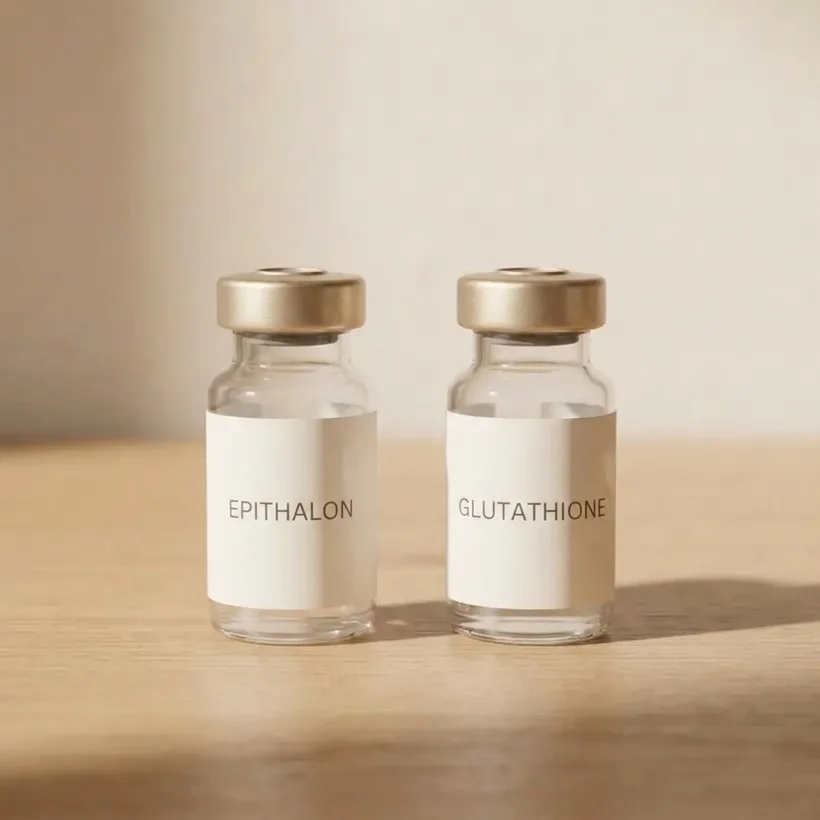
Once you have established tolerance and benefits from individual peptides over 3-4 months, strategic combinations can provide synergistic effects. The most researched longevity stack combines NAD+ precursors with GHK-Cu and periodic cycles of BPC-157 for comprehensive cellular support. Epithalon represents another advanced option that specifically targets telomere maintenance and pineal gland function. Clinical studies suggest 10-day cycles of Epithalon every 6 months may help maintain telomere length and improve sleep quality. Advanced longevity peptide stacks often include rotating protocols that prevent receptor downregulation and maintain effectiveness over time. These protocols require careful planning and ideally medical supervision to optimize timing and dosing.Frequently Asked Questions
How long does it take to see results from longevity peptides?
Most people notice initial improvements in energy and sleep quality within 2-3 weeks of starting NAD+ precursors. Visible skin improvements from GHK-Cu typically appear after 6-8 weeks of consistent use. BPC-157 effects on gut health and recovery can be noticed within 1-2 weeks. Full benefits from any longevity peptide protocol usually develop over 3-6 months of consistent use.
From the FormBlends catalog
Longevity Reset
Telomere support with the master antioxidant. · Bundle from $270 · provider-reviewed peptide bundle.
View Longevity Reset →View data table
| Category | Evidence Strength Score | Detail |
|---|---|---|
| Exercise | 95 | Strongest evidence base |
| Sleep | 88 | Critical for cellular repair |
| Nutrition | 85 | Caloric optimization |
| Peptides | 62 | Growing research base |
| Supplements | 48 | Variable evidence |
Are longevity peptides safe for long-term use?
Clinical studies and observational data suggest that properly dosed longevity peptides like NAD+ precursors, GHK-Cu, and BPC-157 are safe for long-term use in healthy adults. Most protocols include periodic breaks or cycling to prevent tolerance. Long-term studies spanning 5+ years are still limited, but available data shows no significant adverse effects with responsible use under medical guidance.
What's the difference between oral and injectable peptides?
Injectable peptides provide higher bioavailability and more predictable dosing, with absorption rates of 80-95% compared to 10-30% for oral forms. However, some peptides like BPC-157 work well orally for gut-specific benefits. NAD+ precursors are effective both orally and sublingually. Injectable forms require proper technique and sterile handling but offer superior results for most applications.
How much do longevity peptides cost per month?
In 2026, a basic longevity peptide protocol costs $150-400 monthly depending on the specific compounds and dosing. NAD+ precursors range from $80-150 per month, GHK-Cu costs $60-120 monthly, and BPC-157 runs $70-140 per month. Higher-quality pharmaceutical-grade peptides from compounding pharmacies cost more but provide better purity and consistency than research-grade alternatives.
Can I combine longevity peptides with other supplements?
Yes, longevity peptides work synergistically with many supplements. NAD+ precursors pair well with resveratrol and pterostilbene. GHK-Cu benefits from vitamin C and zinc supplementation. BPC-157 works effectively alongside probiotics and digestive enzymes. Avoid combining multiple new substances simultaneously to properly assess individual effects and identify any potential interactions.
Do I need a prescription for longevity peptides?
Most longevity peptides require a prescription from a licensed healthcare provider when obtained from compounding pharmacies. Some NAD+ precursors are available as supplements without prescription, but pharmaceutical-grade peptides typically require medical oversight. Telehealth platforms specializing in peptide therapy can provide consultations and prescriptions for appropriate candidates.
What biomarkers should I track while using longevity peptides?
Key biomarkers include inflammatory markers (CRP, IL-6), metabolic health indicators (HbA1c, insulin, lipid panel), hormone levels (IGF-1, testosterone, thyroid), and cellular aging markers (telomere length if available). Basic monitoring should include quarterly blood panels focusing on liver function, kidney function, and metabolic markers. Advanced testing might include NAD+ levels and oxidative stress markers.
Are there any age restrictions for longevity peptides?
Most longevity peptides are recommended for adults over 30-35 when natural peptide production and NAD+ levels begin declining significantly. Upper age limits depend on overall health status rather than chronological age. People over 65 may need adjusted dosing and more frequent monitoring. Pregnant or nursing women should avoid peptide therapy, and individuals with active cancer should consult oncologists before starting any peptide protocol.
Sources
- Covarrubias AJ, et al. NAD+ metabolism and its roles in cellular processes during ageing. Nature Reviews Molecular Cell Biology. 2021;22(2):119-141. PMID: 33353981
- Pickart L, Margolina A. Regenerative and protective actions of the GHK-Cu peptide in the light of the new gene data. International Journal of Molecular Sciences. 2018;19(7):1987. PMID: 29986450
- Sikiric P, et al. Stable gastric pentadecapeptide BPC 157-NO-system relation. Current Pharmaceutical Design. 2014;20(7):1126-1135. PMID: 23755722
- Yoshino J, et al. Nicotinamide mononucleotide, a key NAD+ intermediate, treats the pathophysiology of diet- and age-induced diabetes in mice. Cell Metabolism. 2011;14(4):528-536. PMID: 21982712
- Poljsak B, et al. Achieving healthy aging by maintaining mitochondrial health. Rejuvenation Research. 2019;22(1):54-64. PMID: 30406735
- de Cabo R, Mattson MP. Effects of intermittent fasting on health, aging, and disease. New England Journal of Medicine. 2019;381(26):2541-2551. PMID: 31881139
- López-Otín C, et al. The hallmarks of aging. Cell. 2013;153(6):1194-1217. PMID: 23746838
- Bonkowski MS, Sinclair DA. Slowing ageing by design: the rise of NAD+ and sirtuin-activating compounds. Nature Reviews Molecular Cell Biology. 2016;17(11):679-690. PMID: 27552971
See your options in about 2 minutes
Take the free quiz and see what fits you. Quick, private, and no commitment to continue.
See my options →