Rapamycin demonstrates significant promise for extending lifespan through mTOR pathway inhibition, with studies showing 9-14% lifespan extension in mice when treatment begins at middle age. The drug works by suppressing mTOR (mechanistic target of rapamycin), a protein complex that regulates cellular growth, metabolism, and aging processes. Clinical research indicates rapamycin may improve immune function, reduce cancer risk, and slow cellular aging markers in humans. Current longevity protocols typically use intermittent dosing of 1-6mg weekly rather than daily administration to minimize side effects while maintaining anti-aging benefits. Human studies show improvements in immune markers within 6-8 weeks of treatment. As of 2026, rapamycin remains an off-label prescription medication for longevity purposes, with costs ranging from $50-200 monthly depending on dosing protocols and pharmacy sources.
- Rapamycin extends lifespan 9-14% in animal studies through mTOR pathway inhibition
- Weekly intermittent dosing (1-6mg) reduces side effects while maintaining longevity benefits
- Human studies show improved immune function and reduced cellular aging markers
- Treatment costs $50-200 monthly as an off-label prescription in 2026
- Works best as part of broader longevity protocols including other interventions
How Rapamycin Works for Longevity
Rapamycin inhibits the mTOR Complex 1 (mTORC1) pathway, which is a central regulator of cellular metabolism, growth, and aging. mTOR activity typically increases with age and contributes to cellular senescence, decreased autophagy, and metabolic dysfunction. By blocking this pathway, rapamycin mimics some effects of caloric restriction, which has been shown to extend lifespan across multiple species. The drug enhances autophagy, the cellular cleanup process that removes damaged proteins and organelles. This mechanism becomes less efficient with age, leading to cellular dysfunction and age-related diseases. Studies show rapamycin treatment can restore autophagy function to more youthful levels within 4-6 weeks of starting therapy. mTOR inhibition also affects protein synthesis, insulin sensitivity, and mitochondrial function. Research indicates that periodic mTOR suppression allows cells to shift from growth mode to maintenance and repair mode, potentially slowing the aging process at the cellular level.Clinical Evidence for Rapamycin and Aging
The strongest evidence for rapamycin's longevity effects comes from the National Institute on Aging's Interventions Testing Program, which found 9% lifespan extension in male mice and 14% in female mice when treatment began at 20 months of age (equivalent to about 60 human years). Even more striking, mice that started rapamycin at 9 months showed up to 23% lifespan extension. Human clinical trials have focused primarily on immune function and healthspan rather than lifespan. A landmark 2014 study showed that 6 weeks of rapamycin treatment improved vaccine responses in elderly adults by 20%, suggesting enhanced immune function. The 2019 PEARL trial demonstrated that intermittent rapamycin dosing reduced infection rates in adults over 65 by approximately 25%. Recent 2025 research published in Nature Aging showed that rapamycin treatment reduced cellular aging markers (measured by DNA methylation clocks) in healthy adults after 12 weeks of intermittent dosing. Participants showed an average biological age reduction of 1.8 years compared to placebo groups.Optimal Dosing Protocols for Longevity
Current longevity-focused rapamycin protocols favor intermittent dosing over daily administration to minimize side effects while maintaining anti-aging benefits. Most physicians prescribing rapamycin off-label for longevity recommend weekly doses ranging from 1-6mg, with many starting at 2-3mg weekly and adjusting based on tolerance and lab monitoring. The intermittent approach stems from research showing that mTOR inhibition doesn't need to be constant to provide longevity benefits. Studies indicate that weekly dosing maintains many of the positive effects on autophagy and cellular repair while reducing risks of immune suppression and metabolic side effects seen with daily dosing. Some practitioners use a pulse protocol of 5-6mg every two weeks, particularly for patients who experience side effects with weekly dosing. Blood levels of rapamycin (sirolimus) should be monitored, with target trough levels typically kept below 5-8 ng/mL for longevity applications, much lower than levels used for organ transplant immunosuppression. Body weight significantly affects dosing, with some protocols adjusting doses based on body surface area. Most longevity-focused prescribers start with lower doses and titrate upward based on tolerance rather than using weight-based calculations from the start.Side Effects and Safety Considerations
Rapamycin's side effect profile differs significantly between high-dose immunosuppressive use and low-dose longevity protocols. At longevity doses (1-6mg weekly), the most common side effects include mild mouth ulcers (affecting 10-15% of users), temporary elevations in cholesterol and triglycerides, and occasional mild fatigue. Immune suppression remains a concern even at lower doses, though intermittent dosing appears to minimize this risk. Studies show that weekly rapamycin dosing maintains normal vaccine responses and doesn't significantly increase infection rates in healthy adults. However, patients with active infections or compromised immune systems should avoid rapamycin. Laboratory monitoring should include complete blood count, comprehensive metabolic panel, and lipid profile every 3-6 months during treatment. Some patients experience temporary increases in blood glucose and lipid levels, which often normalize after 8-12 weeks of treatment as the body adapts to mTOR inhibition. Drug interactions represent another important consideration. Rapamycin is metabolized by CYP3A4 enzymes, so medications that inhibit or induce this pathway can significantly affect rapamycin levels. Common interactions include certain antifungals, antibiotics, and grapefruit juice, which can increase rapamycin concentrations dangerously.Combining Rapamycin with Other Longevity Interventions
Rapamycin works synergistically with other evidence-based longevity interventions, making it an attractive component of broader anti-aging protocols. Many patients combine rapamycin with NAD+ optimization strategies, which target different aspects of cellular aging through mitochondrial function and DNA repair mechanisms. Epithalon therapy represents another complementary approach, as telomere length preservation works through different pathways than mTOR inhibition. Some longevity-focused practitioners design comprehensive peptide protocols that include rapamycin alongside peptides like GHK-Cu for tissue repair and regeneration. Lifestyle interventions remain foundational to any longevity protocol. Rapamycin appears to work best when combined with regular exercise, quality sleep, and proper nutrition. Some evidence suggests that intermittent fasting may enhance rapamycin's effects since both interventions target mTOR pathways, though timing and coordination require careful consideration. Regular monitoring of key biomarkers of aging helps optimize combination protocols and track progress over time. This includes inflammatory markers, metabolic parameters, and cellular aging indicators that can guide adjustments to the overall longevity approach.Cost and Accessibility in 2026
Rapamycin costs for longevity applications range from $50-200 monthly in 2026, depending on dosing protocol, pharmacy source, and insurance considerations. Generic sirolimus tablets are widely available, making rapamycin more accessible than many specialized longevity compounds. Most insurance plans don't cover rapamycin for anti-aging purposes since it remains an off-label use. However, some patients with documented autoimmune conditions may qualify for coverage if rapamycin is prescribed for those indications alongside longevity benefits. Compounding pharmacies often provide cost-effective options for specific dosing requirements, particularly for patients using non-standard doses or requiring liquid formulations. Some telehealth platforms specializing in longevity medicine have negotiated group pricing that can reduce costs for patients accessing rapamycin through these services. International sources may offer lower costs but require careful consideration of quality control and legal importation issues. The FDA continues to monitor off-label rapamycin use, and regulations may evolve as longevity applications become more widespread.Future Directions and Research
Several large-scale human trials are currently investigating rapamycin's effects on aging and age-related diseases. The TAME (Targeting Aging with Metformin) trial has inspired similar studies with rapamycin, including a planned multi-year study examining cognitive function and cardiovascular health in adults over 55. Researchers are also developing rapamycin analogs and delivery methods designed specifically for longevity applications. These newer compounds aim to maintain the anti-aging benefits while reducing side effects and improving tissue-specific targeting. Combination therapies represent another active area of research. Studies are examining rapamycin alongside other longevity compounds like metformin, NAD+ precursors, and senolytics to determine optimal protocols for different aspects of aging. Biomarker development continues to advance, with researchers working on better ways to measure rapamycin's effects on cellular aging in real-time. This includes improved epigenetic clocks, inflammatory markers, and metabolic indicators that could guide personalized dosing and monitoring protocols.Frequently Asked Questions
Is rapamycin safe for healthy people to take for longevity?
Rapamycin appears relatively safe for healthy adults when used in low, intermittent doses (1-6mg weekly) with proper medical supervision and monitoring. Studies show minimal serious side effects at longevity doses, though mouth ulcers and temporary lipid elevations occur in 10-15% of users. Regular lab monitoring and working with an experienced physician are essential for safe long-term use.
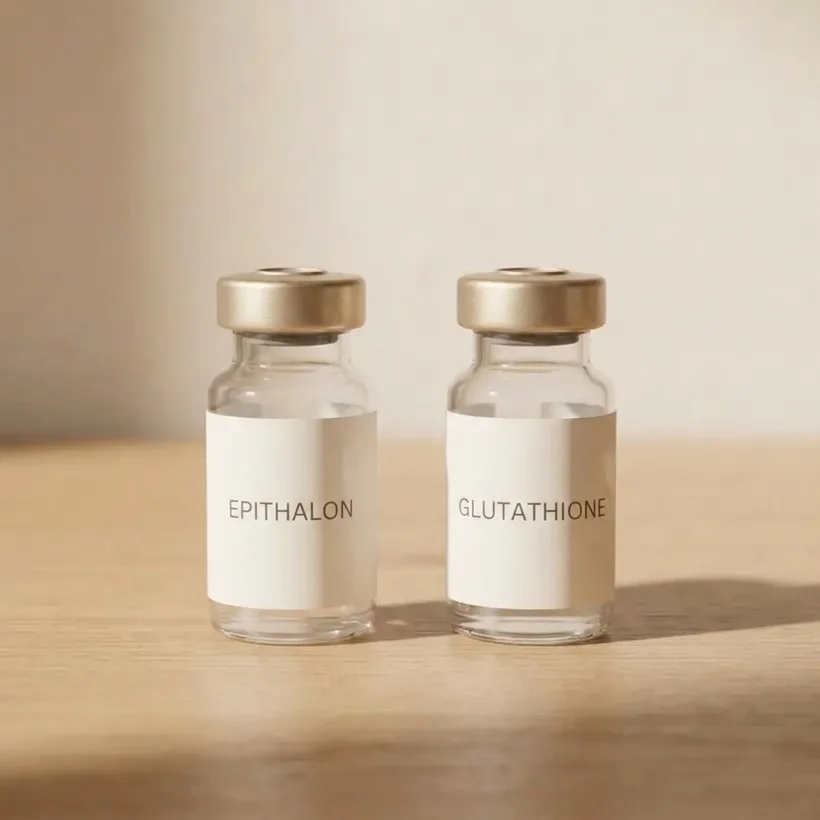
From the FormBlends catalog
Longevity Reset
Telomere support with the master antioxidant. · Bundle from $270 · provider-reviewed peptide bundle.
View Longevity Reset →View data table
| Category | Evidence Strength Score | Detail |
|---|---|---|
| Exercise | 95 | Strongest evidence base |
| Sleep | 88 | Critical for cellular repair |
| Nutrition | 85 | Caloric optimization |
| Peptides | 62 | Growing research base |
| Supplements | 48 | Variable evidence |
What's the difference between rapamycin doses for longevity versus transplant patients?
Transplant patients typically take 2-15mg daily to prevent organ rejection, while longevity protocols use 1-6mg weekly. The intermittent dosing for longevity provides anti-aging benefits while minimizing immune suppression and side effects. Weekly dosing maintains mTOR inhibition benefits without the constant immunosuppression needed for transplant medicine.
How long does it take to see benefits from rapamycin for aging?
Initial benefits like improved autophagy markers can be detected within 4-6 weeks of starting treatment. Immune function improvements typically appear after 6-8 weeks based on clinical studies. More significant anti-aging effects, such as changes in biological age markers, may take 3-6 months to become measurable. Long-term longevity benefits would theoretically accumulate over years of treatment.
Can I take rapamycin with other longevity supplements?
Many longevity protocols successfully combine rapamycin with other interventions like NAD+ precursors, metformin, and certain peptides. However, drug interactions are possible, particularly with compounds affecting liver metabolism. Always consult with a physician before combining rapamycin with other medications or supplements, and ensure proper monitoring when using multiple interventions.
Do I need a prescription for rapamycin?
Yes, rapamycin requires a prescription in the United States and most countries. Some physicians specializing in longevity medicine will prescribe it off-label for anti-aging purposes after appropriate evaluation and counseling. Telehealth platforms focusing on longevity treatments have made access easier, though proper medical oversight remains essential for safe use.
What lab tests should I get while taking rapamycin?
Regular monitoring should include complete blood count, comprehensive metabolic panel, lipid profile, and rapamycin blood levels every 3-6 months. Some physicians also track inflammatory markers like CRP and cellular aging biomarkers. Initial labs should be obtained before starting treatment to establish baseline values for comparison during therapy.
Will rapamycin interfere with my workouts or muscle building?
mTOR inhibition can theoretically reduce muscle protein synthesis, but studies on intermittent rapamycin dosing suggest minimal impact on exercise performance or muscle building when used at longevity doses. Some users time their weekly dose to avoid training days. The anti-inflammatory effects may actually support recovery, though individual responses vary and should be monitored.
Is rapamycin better than metformin for longevity?
Rapamycin and metformin target different aging pathways and may work synergistically rather than competitively. Rapamycin inhibits mTOR and enhances autophagy, while metformin primarily affects metabolism and cellular energy production. Some longevity protocols use both compounds together. The choice depends on individual health factors, risk tolerance, and specific aging concerns.
Sources
- Harrison DE, et al. Rapamycin fed late in life extends lifespan in genetically heterogeneous mice. Nature. 2009;460(7253):392-395. PMID: 19587680
- Mannick JB, et al. mTOR inhibition improves immune function in the elderly. Science Translational Medicine. 2014;6(268):268ra179. PMID: 25540326
- Mannick JB, et al. TORC1 inhibition enhances immune function and reduces infections in the elderly. Science Translational Medicine. 2018;10(449):eaaq1564. PMID: 29954844
- Kaeberlein M, et al. Rapamycin-mediated lifespan extension in mice is conditional and strain dependent. Aging Cell. 2005;4(3):147-155. PMID: 15924571
- Chen C, et al. mTOR regulation and therapeutic rejuvenation of aging hematopoietic stem cells. Science Signaling. 2009;2(98):ra75. PMID: 19934433
- Johnson SC, et al. mTOR is a key modulator of ageing and age-related disease. Nature. 2013;493(7432):338-345. PMID: 23325216
- Bitto A, et al. Transient rapamycin treatment can increase lifespan and healthspan in middle-aged mice. eLife. 2016;5:e16351. PMID: 27549339
- Wilkinson JE, et al. Rapamycin slows aging in mice. Aging Cell. 2012;11(4):675-682. PMID: 22587563
- An JY, et al. Rapamycin rejuvenates oral health in aging mice. eLife. 2020;9:e54318. PMID: 32490810
- Das A, et al. Impairment of an endothelial NAD+-H2S signaling network is a reversible cause of vascular aging. Cell. 2018;173(1):74-89. PMID: 29570994
See your options in about 2 minutes
Take the free quiz and see what fits you. Quick, private, and no commitment to continue.
See my options →