Sirtuins are a family of seven proteins (SIRT1-7) that regulate cellular aging by controlling DNA repair, metabolism, and inflammation. Research shows that SIRT1 activation can extend lifespan by up to 20% in animal models, while SIRT3 deficiency accelerates aging by increasing oxidative stress by 40%. These proteins require NAD+ as a cofactor and become less active with age, declining by approximately 10% per decade after age 40. SIRT1 primarily operates in the nucleus, regulating gene expression and DNA repair, while SIRT3 works in mitochondria to protect against metabolic dysfunction. Clinical studies demonstrate that sirtuin activators like resveratrol can improve markers of cellular health, though human longevity benefits remain under investigation. Understanding sirtuin biology has led to targeted interventions including NAD+ precursors, caloric restriction mimetics, and specific peptide therapies that may slow the aging process at the molecular level.
Key Takeaways
- Seven sirtuin proteins (SIRT1-7) control different aspects of cellular aging and require NAD+ to function
- SIRT1 and SIRT3 are the most studied, with SIRT1 extending lifespan by 20% in animal models
- Sirtuin activity declines 10% per decade after age 40, contributing to age-related cellular dysfunction
- Natural activators include resveratrol, quercetin, and fisetin, while NAD+ precursors support sirtuin function
- Clinical applications in 2026 focus on combining sirtuin activators with targeted peptide therapies
The Seven Sirtuins and Their Aging Functions
Human cells contain seven distinct sirtuin proteins, each with specific cellular locations and anti-aging functions. SIRT1 operates primarily in the nucleus, where it regulates p53 tumor suppressor activity and controls the expression of genes involved in stress resistance and DNA repair. Studies show that SIRT1 activation increases cellular stress resistance by up to 30% and extends cellular lifespan in laboratory conditions. SIRT3 functions in the mitochondria, the cell's energy powerhouses, where it prevents the accumulation of damaged proteins and maintains metabolic efficiency. Research demonstrates that SIRT3 deficiency leads to a 40% increase in oxidative stress and accelerated mitochondrial dysfunction. SIRT2 regulates the cell cycle and protein acetylation, while SIRT4, SIRT5, and SIRT6 control various metabolic pathways and DNA repair mechanisms. SIRT7 specifically targets ribosomal RNA transcription and cellular stress responses. Each sirtuin requires NAD+ as a cofactor, creating a direct link between cellular energy status and aging control mechanisms. This connection explains why NAD+ levels become critical for maintaining sirtuin function as we age.How Sirtuins Decline With Age
Sirtuin activity decreases progressively with age through multiple mechanisms. NAD+ levels, the essential cofactor for sirtuin function, decline by approximately 50% between ages 20 and 60. This reduction directly impairs sirtuin enzymatic activity, creating a cascade of age-related cellular dysfunction. Protein expression of individual sirtuins also changes with age. SIRT1 levels decrease by about 20% in human tissues by age 70, while SIRT3 shows even more dramatic reductions of up to 35% in aged muscle tissue. These changes correlate with increased inflammation markers, reduced DNA repair capacity, and metabolic dysfunction. Cellular stress from oxidative damage, chronic inflammation, and metabolic overload further inhibits sirtuin function. High glucose levels, common in metabolic syndrome, can reduce SIRT1 activity by up to 25%. This creates a vicious cycle where declining sirtuin function leads to increased cellular stress, which further impairs sirtuin activity. Environmental factors like poor diet, lack of exercise, and chronic stress accelerate sirtuin decline. Studies show that individuals with sedentary lifestyles have 15-20% lower SIRT1 activity compared to physically active peers of the same age.Research on Sirtuins and Lifespan Extension
Animal studies consistently demonstrate that sirtuin activation extends lifespan across multiple species. Overexpression of SIRT1 in mice increases median lifespan by 15-20% and improves healthspan markers including glucose tolerance, bone density, and cognitive function. These mice show delayed onset of age-related diseases and maintain youthful metabolic profiles well into advanced age. Research on SIRT6 reveals particularly striking results. Mice with enhanced SIRT6 activity live 15% longer than controls and show reduced cancer incidence by 30%. SIRT6 appears to be especially important for maintaining genomic stability and preventing the DNA damage that accumulates with age. Studies on caloric restriction, one of the most validated longevity interventions, show that its benefits depend heavily on sirtuin activation. When researchers block sirtuin function, caloric restriction loses much of its life-extending effects. This finding helped establish sirtuins as central mediators of longevity pathways. Human studies remain more limited but show promising correlations. Centenarians often have genetic variants associated with higher sirtuin activity, and their cells maintain better sirtuin function compared to typical elderly individuals. Longitudinal studies tracking biomarkers of aging show that people with higher sirtuin activity age more slowly at the cellular level.Natural Sirtuin Activators and Their Effects
Resveratrol, found in red wine and grapes, was the first widely studied sirtuin activator. Clinical trials show that resveratrol supplementation at doses of 150-500mg daily can increase SIRT1 activity by 20-30% in human subjects. However, bioavailability remains a challenge, with standard resveratrol having poor absorption that limits its effectiveness. Quercetin, a flavonoid found in onions and berries, activates multiple sirtuins and has better bioavailability than resveratrol. Studies using 500mg of quercetin daily show improvements in cellular stress markers and modest increases in sirtuin activity. Fisetin, another flavonoid, specifically targets SIRT1 and has shown promise in reducing cellular senescence. Pterostilbene, a methylated derivative of resveratrol, offers superior bioavailability and longer-lasting effects. Research indicates that pterostilbene maintains elevated SIRT1 activity for up to 12 hours compared to 4 hours for standard resveratrol. Clinical trials using 250mg of pterostilbene daily show sustained improvements in metabolic markers. Nicotinamide riboside and nicotinamide mononucleotide, both NAD+ precursors, indirectly support sirtuin function by providing the necessary cofactor. Studies show that 300mg daily of nicotinamide riboside can increase cellular NAD+ levels by 40-60%, directly enhancing sirtuin enzymatic activity.Sirtuin-Targeting Therapeutic Approaches in 2026
Pharmaceutical development has produced more potent and selective sirtuin activators than natural compounds. SRT2104, a synthetic SIRT1 activator, shows 1000-fold greater potency than resveratrol in laboratory studies. Early clinical trials demonstrate improvements in glucose metabolism and inflammatory markers with minimal side effects. Gene therapy approaches targeting sirtuin expression have entered clinical testing. Researchers are developing vectors that can safely increase SIRT1 and SIRT3 expression in specific tissues. Preliminary results from phase I trials show sustained increases in target sirtuin levels for several months after treatment. Combination therapies pairing sirtuin activators with complementary longevity interventions show enhanced effects. Peptide stacks that include sirtuin activators along with growth hormone secretagogues and cellular repair peptides demonstrate synergistic benefits in preclinical studies. Personalized medicine approaches use genetic testing to identify optimal sirtuin activation strategies. Variants in SIRT1 and SIRT3 genes affect individual responses to activators, with some people showing 2-3 times greater benefits from specific compounds. This genetic information helps clinicians select the most effective interventions for each patient.Measuring Sirtuin Activity and Function
Direct measurement of sirtuin activity requires specialized laboratory techniques that quantify enzymatic activity in cell samples. Clinical laboratories can measure SIRT1 activity using fluorometric assays that track NAD+ consumption, providing a functional readout of protein activity rather than just expression levels. Biomarkers associated with sirtuin function offer more accessible monitoring options. Plasma NAD+/NADH ratios correlate with overall sirtuin activity, while specific metabolites like acetylated proteins reflect sirtuin-mediated cellular processes. These markers can be tracked through standard blood tests available in 2026. Cellular aging markers provide indirect measures of sirtuin function. Telomere length, DNA methylation patterns, and senescence-associated proteins all respond to sirtuin activity changes. Regular monitoring of these biomarkers can help assess the effectiveness of sirtuin-targeted interventions. Advanced imaging techniques can visualize sirtuin activity in living cells. Fluorescent reporters that respond to sirtuin activity allow researchers to track protein function in real-time, though these methods remain primarily research tools rather than clinical applications.Lifestyle Strategies to Support Sirtuin Function
Intermittent fasting activates sirtuins through multiple pathways, including increased NAD+ production and reduced inhibitory factors. Studies show that 16:8 intermittent fasting increases SIRT1 activity by 25-40% within two weeks of implementation. This activation contributes to the metabolic benefits observed with fasting protocols. Exercise, particularly high-intensity interval training, strongly activates sirtuins through energy stress pathways. Research demonstrates that HIIT workouts can increase SIRT1 and SIRT3 activity by up to 50% for several hours post-exercise. Regular training maintains chronically elevated baseline sirtuin activity. Cold exposure activates sirtuins as part of the cellular stress response. Studies using cold water immersion or cryotherapy show acute increases in SIRT3 activity and improved mitochondrial function. Regular cold exposure may help maintain higher baseline sirtuin activity as people age. Sleep quality directly affects sirtuin function, with poor sleep reducing SIRT1 activity by up to 20%. Maintaining consistent sleep schedules and achieving 7-9 hours of quality sleep supports optimal sirtuin function. Sleep-supporting peptides like Epithalon may work partly through sirtuin pathways.Future Directions in Sirtuin Research
Tissue-specific sirtuin targeting represents a major research frontier. Scientists are developing delivery systems that can activate sirtuins selectively in brain tissue, muscle, or other organs without systemic effects. This approach could maximize benefits while minimizing potential side effects of broad sirtuin activation. Combination therapies pairing sirtuin activators with other longevity interventions show promise in extending the benefits beyond what either approach achieves alone. Research combining sirtuin activation with senolytics, autophagy enhancers, and regenerative peptides like GHK-Cu demonstrates synergistic effects on multiple aging pathways. Epigenetic regulation of sirtuin expression offers another therapeutic avenue. Researchers are identifying compounds that can increase sirtuin gene expression through epigenetic modifications, potentially providing longer-lasting benefits than direct protein activation. Artificial intelligence analysis of sirtuin networks is revealing new intervention targets. Machine learning algorithms analyzing cellular data are identifying previously unknown regulators of sirtuin function, opening new possibilities for therapeutic development.Frequently Asked Questions
What are the main differences between the seven sirtuins?
SIRT1 works in the nucleus controlling gene expression and DNA repair, while SIRT3 operates in mitochondria managing energy metabolism. SIRT2 regulates cell division, SIRT4 and SIRT5 control metabolic pathways, SIRT6 maintains DNA stability, and SIRT7 manages ribosomal function. Each requires NAD+ but has distinct cellular locations and functions that contribute to different aspects of aging control.
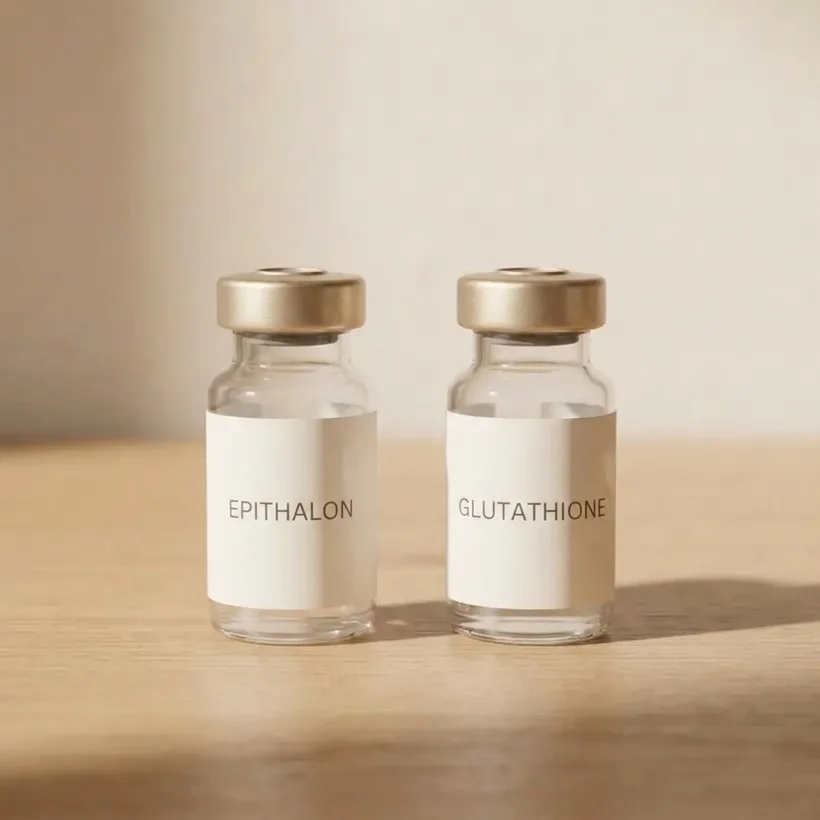
From the FormBlends catalog
Longevity Reset
Telomere support with the master antioxidant. · Bundle from $270 · provider-reviewed peptide bundle.
View Longevity Reset →View data table
| Category | Evidence Strength Score | Detail |
|---|---|---|
| Exercise | 95 | Strongest evidence base |
| Sleep | 88 | Critical for cellular repair |
| Nutrition | 85 | Caloric optimization |
| Peptides | 62 | Growing research base |
| Supplements | 48 | Variable evidence |
Can you increase sirtuin activity through diet alone?
Diet can modestly increase sirtuin activity through several mechanisms. Foods rich in resveratrol, quercetin, and other polyphenols provide direct sirtuin activators. Intermittent fasting and caloric restriction strongly activate sirtuins through metabolic stress pathways. However, dietary approaches typically increase activity by 20-40%, while pharmaceutical interventions can achieve much larger effects.
How long does it take to see benefits from sirtuin activation?
Acute benefits like improved glucose metabolism can appear within days of starting sirtuin activators. Cellular stress resistance improvements typically manifest within 2-4 weeks. Longer-term benefits including DNA repair enhancement and reduced inflammation markers become apparent after 8-12 weeks of consistent intervention. Maximum anti-aging effects likely require months to years of sustained sirtuin activation.
Are there any risks or side effects from sirtuin activators?
Natural sirtuin activators like resveratrol are generally well-tolerated at recommended doses, though high amounts may cause digestive upset. NAD+ precursors occasionally cause mild nausea or flushing. More potent pharmaceutical activators are still being studied for long-term safety. The main theoretical concern is that excessive sirtuin activation might interfere with normal cellular processes or immune function.
Do sirtuin supplements work as well as natural activation through fasting?
Supplements and fasting activate sirtuins through different mechanisms and may be complementary rather than interchangeable. Fasting creates broad metabolic changes that activate multiple pathways including sirtuins, while supplements provide more targeted activation. Research suggests combining both approaches may be more effective than either alone, as they address different aspects of the aging process.
Can you measure your sirtuin levels at home?
Direct sirtuin measurement requires specialized laboratory equipment not available for home testing. However, you can track related biomarkers like NAD+/NADH ratios through some commercial lab panels. Functional markers of sirtuin activity include glucose metabolism, inflammation levels, and cellular aging biomarkers that can be monitored through regular blood work and specialized aging panels.
What's the optimal age to start focusing on sirtuin activation?
Sirtuin activity begins declining in the 30s, so prevention-focused activation can start then. However, people in their 40s and beyond, when decline accelerates, may see more noticeable benefits from targeted interventions. The key is matching intervention intensity to individual aging status and health goals rather than focusing solely on chronological age.
How do sirtuins interact with other longevity pathways?
Sirtuins interact closely with autophagy, mTOR signaling, and DNA repair pathways. SIRT1 can activate autophagy and inhibit mTOR, while SIRT3 supports mitochondrial function. This interconnection explains why sirtuin activation often produces broad anti-aging effects beyond what would be expected from targeting a single protein family. Understanding these interactions helps optimize combination longevity strategies.
Sources
- Houtkooper RH, Pirinen E, Auwerx J. Sirtuins as regulators of metabolism and healthspan. Nat Rev Mol Cell Biol. 2012;13(4):225-238. PMID: 22395773
- Bonkowski MS, Sinclair DA. Slowing ageing by design: the rise of NAD+ and sirtuin-activating compounds. Nat Rev Mol Cell Biol. 2016;17(11):679-690. PMID: 27552971
- Satoh A, Brace CS, Rensing N, et al. Sirt1 extends life span and delays aging in mice through the regulation of Nk2 homeobox 1 in the DMH and LH. Cell Metab. 2013;18(3):416-430. PMID: 24011076
- Kanfi Y, Naiman S, Amir G, et al. The sirtuin SIRT6 regulates lifespan in male mice. Nature. 2012;483(7388):218-221. PMID: 22367546
- Hubbard BP, Gomes AP, Dai H, et al. Evidence for a common mechanism of SIRT1 regulation by allosteric activators. Science. 2013;339(6124):1216-1219. PMID: 23471411
- Timmers S, Konings E, Bilet L, et al. Calorie restriction-like effects of 30 days of resveratrol supplementation on energy metabolism and metabolic profile in obese humans. Cell Metab. 2011;14(5):612-622. PMID: 22055504
- Martens CR, Denman BA, Mazzo MR, et al. Chronic nicotinamide riboside supplementation is well-tolerated and elevates NAD+ in healthy middle-aged and older adults. Nat Commun. 2018;9(1):1286. PMID: 29599478
- Mitchell SJ, Martin-Montalvo A, Mercken EM, et al. The SIRT1 activator SRT1720 extends lifespan and improves health of mice fed a standard diet. Cell Rep. 2014;6(5):836-843. PMID: 24582957
- Cantó C, Gerhart-Hines Z, Feige JN, et al. AMPK regulates energy expenditure by modulating NAD+ metabolism and SIRT1 activity. Nature. 2009;458(7241):1056-1060. PMID: 19262508
- Sebastian C, Zwaans BM, Silberman DM, et al. The histone deacetylase SIRT6 is a tumor suppressor that controls cancer metabolism. Cell. 2012;151(6):1185-1199. PMID: 23217706
See your options in about 2 minutes
Take the free quiz and see what fits you. Quick, private, and no commitment to continue.
See my options →